Understanding the Evolution and Classification of Developing Nations in Finance and Investment
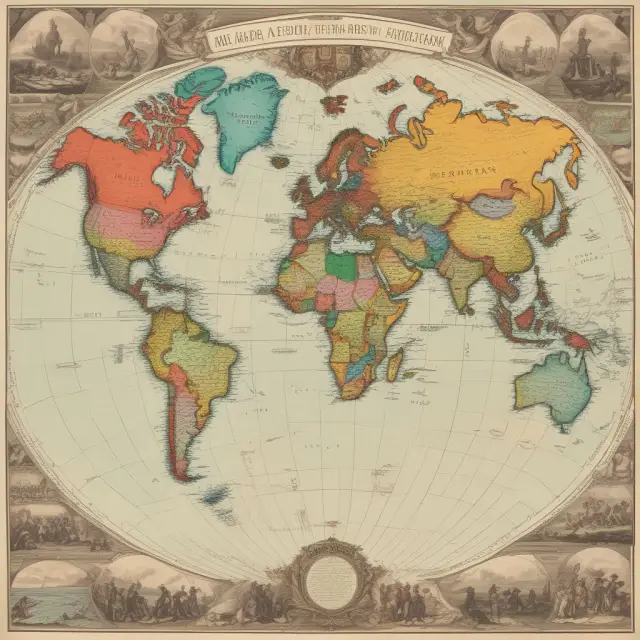
Understanding the historical context and modern classifications of developing nations, their challenges, and opportunities for investors.
Background: The Historical Meaning of Third World Countries
The term ‘Third World’ is a historically outdated and derogatory label used to describe a group of economically developing nations. Originating during the Cold War era, it was one of four classifications used to distinguish countries based on their economic status. In this segment, we explore the historical background of the Third-World classification and discuss why its usage is now considered inappropriate.
Third World: An Outdated Term
Alfred Sauvy, a French demographer, anthropologist, and historian, coined the term ‘Third World’ while observing a group of countries that did not align with Western capitalism or Soviet socialism during the Cold War period. The term became synonymous with developing nations, characterized by low to middle incomes, weak infrastructure, limited access to education and healthcare, and other socio-economic indicators.
Today, most economists agree that the term ‘Third World’ is outdated and offensive, and it has largely been replaced by terms like underdeveloped countries, developing nations, or low- and middle-income countries (LMICs). In the modern economic landscape, classifying nations as First, Second, Third, and Fourth World has lost relevance.
Instead, most countries are classified as developed, emerging, or frontier markets based on their economic characteristics and potential for growth. The International Monetary Fund (IMF), World Bank, and other international organizations closely monitor these classifications to help provide aid for infrastructure development, financial stability, and other initiatives aimed at improving economic systems comprehensively.
Understanding the Importance of Progressive Classifications
As the world evolves economically, it is essential to embrace progressive classifications that recognize nations’ unique characteristics, strengths, and potential for growth. The shift away from outdated labels like ‘Third World’ highlights a more nuanced approach to understanding global economic dynamics and fostering sustainable development in countries at various stages of growth.
By recognizing the importance of these classifications, we can better understand the unique challenges faced by developing nations and identify opportunities for investment that may lead to significant returns while supporting long-term progress.

Defining Developing Nations: Modern Classifications and Characteristics
Developing nations, also referred to as underdeveloped or emerging economies, represent a significant portion of the global economy with diverse socio-economic conditions. Defining these nations is essential for understanding their economic metrics, investment opportunities, and challenges. In this section, we discuss the modern classifications and characteristics of developing countries.
Economic Metrics: GDP, Income Levels, and Infrastructure Development
To quantify the economic status of a country, international organizations like the International Monetary Fund (IMF), World Bank, and World Trade Organization (WTO) utilize various metrics such as gross domestic product (GDP), income levels, and infrastructure development. Developing nations tend to have lower production rates, struggling labor markets, and relatively low GDP per capita compared to developed countries. According to the World Bank, these countries are typically considered low-middle or low-income economies based on their income levels.
Economic Systems and Classifications: IMF, World Bank, WTO, and HDI
International organizations like the International Monetary Fund (IMF), World Bank, and World Trade Organization (WTO) play a significant role in defining and assisting developing nations. They provide aid for projects that help improve infrastructure and economic systems comprehensively. The World Bank, for instance, classifies countries into low-income, lower middle-income, and upper middle-income economies based on their Gross National Income (GNI) per capita. Additionally, the Human Development Index (HDI), developed by the United Nations, assesses a country’s social and economic development levels through indicators like schooling, life expectancy, and income per capita.
Historical Context: The Shift from Cold War Era to Modern Classifications
The historical classification of nations as First World or Third World emerged during and after the Cold War (approximately 1945 to the 1990s). With the end of the Soviet Union, the term “Third World” is now considered outdated. The modern-day segmentation divides countries into developed, emerging, and frontier markets based on their economic conditions. Developed countries represent the most industrialized economies with strong economic characteristics. Emerging markets demonstrate significant strides in various growth areas but often face instability. Frontier markets show the lowest economical indicators and can closely resemble the old Third-World classification.
Impact on Investors: Opportunities and Risks in Developing Nations
For investors, developing countries offer potential high returns through growth opportunities, though risks are also relatively higher. Some of the fastest growing emerging markets include China, India, Brazil, and South Africa. However, investing in these countries involves risks related to political instability, currency fluctuations, and economic uncertainty.
Innovative Breakthroughs: Success Stories from Developing Nations
Despite their socio-economic challenges, developing nations have seen significant improvements through innovative breakthroughs. For instance, South Korea and Singapore started as underdeveloped countries but have since become leading economic powers. These success stories demonstrate that investing in developing markets can lead to substantial returns for investors willing to take calculated risks.
In conclusion, understanding the modern classifications and characteristics of developing nations is crucial for investors, international organizations, and policymakers. While there are challenges associated with these economies, their potential for growth presents opportunities for strategic investment and development assistance.
The Role of International Organizations in Developing Nations
The International Monetary Fund (IMF), World Bank, WTO, HDI, and the UN all play significant roles in defining and assisting developing nations. These organizations provide critical aid for projects aimed at improving infrastructure and economic systems worldwide, focusing on lower-middle or low-income countries.
International Monetary Fund (IMF)
The IMF is an international organization that provides short-term loans to its member countries to help them address various macroeconomic issues, such as balance of payments problems, structural adjustment programs, and economic crises. By lending money to countries in need and offering policy advice, the IMF helps stabilize economies and prevent potential financial contagion.
World Bank
The World Bank is an international financial institution that provides loans and grants to developing countries for projects aimed at reducing poverty and improving living standards. The World Bank focuses on initiatives related to health, education, infrastructure, agriculture, and other essential sectors in lower-middle or low-income countries. With its sister organization, the International Finance Corporation (IFC), they work towards private sector development through investments, loans, risk mitigation, and advisory services.
World Trade Organization (WTO)
The WTO is an international organization that deals with the global rules of trade between nations. Its main function is to ensure that international trade flows as smoothly, predictably, and freely as possible. The WTO provides a forum for negotiating and enforcing agreements on trade-related matters, such as tariffs, subsidies, and intellectual property rights. Through its technical assistance and capacity building programs, the WTO works with developing countries to improve their trading infrastructure and integration into the global economy.
Human Development Index (HDI)
The HDI is a composite index that ranks countries based on three main dimensions of human development: a long and healthy life, access to knowledge, and a decent standard of living. The HDI aims to measure the overall well-being and progress of people rather than focusing solely on economic factors. By providing data and analysis related to these areas, the HDI helps inform policymakers, researchers, and the public about development trends in countries around the world.
United Nations (UN)
The UN is an international organization founded in 1945, which aims to promote peace, development, human rights, and humanitarian assistance worldwide. The organization consists of 193 member states working together to address a wide range of global challenges, including poverty, inequality, climate change, education, health, and conflict resolution. Through its various agencies like the World Food Programme (WFP), United Nations Children’s Fund (UNICEF), and the United Nations Development Programme (UNDP), the UN plays a critical role in providing assistance to developing countries and ensuring that they have access to essential resources and support for sustainable development.
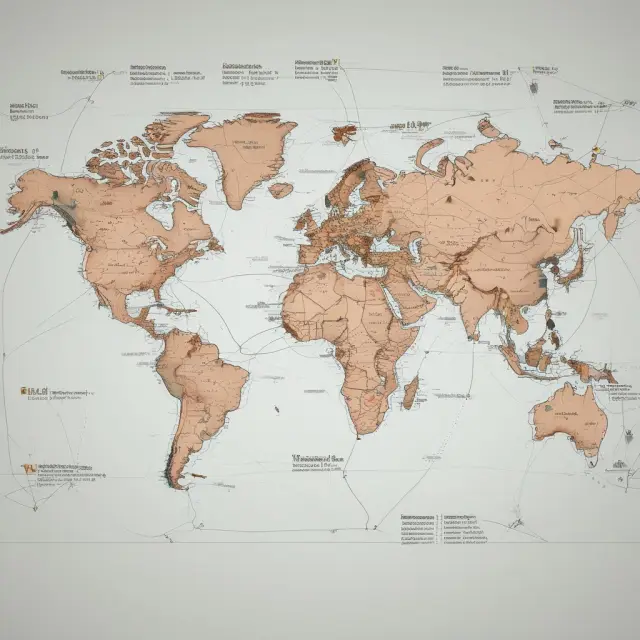
Characteristics of Developing Nations: Socio-Economic Indicators
To understand the condition and potential for growth within developing nations, it is essential to explore socio-economic indicators. These indicators serve as barometers of progress in various economic, health, educational, and infrastructure areas. While there are several ways to categorize countries, including the World Trade Organization (WTO) and MSCI’s Frontier Markets Index, the Human Development Index (HDI), which is developed by the United Nations, offers a well-rounded perspective on socioeconomic conditions.
The HDI assesses a country based on three dimensions: schooling, life expectancy, and gross national income per capita. By calculating each dimension’s average, a comprehensive ranking for countries can be derived. In 2021, the top 5 highest-ranked countries were:
- Norway
- Ireland
- Switzerland
- Hong Kong SAR, China
- Iceland
On the other hand, the least developed countries (LDCs) as classified by the United Nations consist of nations with low socioeconomic developmental indicators. These 48 countries are reassessed every few years, with recent additions including Afghanistan and South Sudan. Socio-economic indicators that describe developing nations include:
1. Education levels: According to World Bank data, approximately 263 million children worldwide have not completed primary schooling. In developing countries, this number is especially high. However, many developing nations are investing in education reforms and initiatives to improve literacy rates and overall educational opportunities.
2. Poverty Rates: According to the World Bank, around 9% of the global population still lives below the poverty line of $1.90 per day. A large portion of this population resides within developing countries.
3. Healthcare: Access to quality healthcare is a significant challenge in many developing nations, with limited resources and infrastructure often contributing to poor health outcomes. Efforts by international organizations and governments have led to some improvements in recent years, but more work remains to be done.
4. Infrastructure development: Developing nations face significant challenges when it comes to infrastructure development, including roads, electricity, water supply systems, and telecommunications networks. Inadequate infrastructure can lead to increased costs for businesses and limit economic growth opportunities.
In conclusion, understanding socio-economic indicators is crucial for investors seeking to identify potential opportunities in developing nations. While challenges remain, many countries are making strides towards improving their conditions through education reforms, healthcare advancements, and infrastructure development initiatives. By focusing on these key areas, developing nations can attract foreign investment and spur growth that benefits both domestic populations and global economies.
Classifications of Developing Nations: Past and Present
The term “Third World” carries a historical weight with it, but the term is now considered outdated. In the past, nations were categorized into First World (FW), Second World (SW), and Third World (TW) based on their political ideologies, alignment during the Cold War, or economic status. These classifications have since evolved, with developing nations being more accurately described as lower-middle or low-income countries (LMIC).
Before the fall of the Soviet Union in 1991, First World countries were those aligned with capitalism and the North Atlantic Treaty Organization. Second World countries supported communism, backed by the Soviet Union, and many Eastern Asian nations also fell into this category. Third World nations, including most of Asia and Africa, neither adhered to the ideologies of either capitalist or socialist superpowers (Sauvy, 1952).
Coined in a 1952 article by French demographer Alfred Sauvy, the term “Third World” was initially intended to describe a group of countries that did not fit neatly into either ideological camp. However, over time it became associated with underdeveloped or poor economies (Sauvy, 1952). Now, as the Cold War is long past and the Soviet Union has disintegrated, the term “Third World” is increasingly considered derogatory.
Modern economic classifications include developed nations, emerging markets, and frontier markets. Developed countries are highly industrialized with strong economic characteristics, while emerging markets demonstrate significant strides in various economic growth areas (MSCI Frontier Markets Index). Frontier markets closely mirror the old Third World classification and show the lowest economical indicators.
The International Monetary Fund (IMF) and the World Bank often refer to these countries as lower-middle or low-income countries. Both organizations work to provide aid for projects aimed at improving infrastructure and economic systems in developing nations. Other international organizations, such as the World Trade Organization (WTO), the Human Development Index (HDI), and the United Nations, use different definitions based on economic development and socio-economic indicators.
As of 2023, the MSCI Frontier Markets Index includes several countries that were once categorized as Third World: Croatia, Estonia, Iceland, Lithuania, Kazakhstan, Romania, Serbia, Slovenia, Kenya, Mauritius, Morocco, Nigeria, Tunisia, WAEMU, Bahrain, Jordan, Oman, Bangladesh, Pakistan, Sri Lanka, Vietnam, and several others.
In summary, understanding the historical context and evolution of classifications like First World, Second World, and Third World is essential to comprehending current economic segmentations. The outdated nature of these classifications emphasizes the importance of using modern terminology when discussing developing nations and their investment opportunities.

The Impact on Investors: Opportunities and Risks in Developing Nations
Investing in developing nations can offer significant potential opportunities, with high growth rates and potentially lucrative returns. However, these markets also come with certain risks, particularly for those new to international investing. In this section, we will explore the factors that make investing in developing countries attractive, as well as some of the challenges that investors should be aware of before making a move.
First, let’s discuss why many investors are drawn to developing nations. Developing economies can exhibit high levels of growth and innovation, fueled by emerging industries, expanding consumer markets, and favorable demographic trends. For example, according to the International Monetary Fund (IMF), several Asian countries—such as Bangladesh, India, Pakistan, the Philippines, and Vietnam—are expected to achieve average annual GDP growth rates of 6% or higher through 2027. This is compared to the projected global average growth rate of 3%.
Moreover, developing nations may offer more favorable entry conditions for foreign businesses than in mature markets where competition is fierce and regulatory hurdles are high. In certain cases, governments may even provide incentives such as tax holidays or subsidies to attract investment. However, it’s important for investors to carefully consider the specific country and industry they are targeting, as not all developing nations are created equal.
That being said, investing in developing countries does come with risks that should be taken seriously. Political instability, corruption, regulatory uncertainty, and lack of infrastructure are just a few of the challenges that can impact the success of an investment in these markets. For example, in some countries, there may be weak rule of law and uncertain legal frameworks, which could make it difficult for foreign investors to resolve disputes or recover assets if needed.
To mitigate these risks, potential investors should conduct thorough due diligence before entering the market. This includes researching the country’s political climate, economic conditions, regulatory environment, and potential competition. Additionally, building local relationships and engaging with industry experts can help investors gain a better understanding of the market dynamics and potential opportunities.
One promising area for investment in developing countries is the technology sector, which has shown strong growth in many markets around the world. For example, India’s tech sector is projected to grow at an annual rate of 18% between 2021 and 2026, according to a report by ResearchAndMarkets. Investing in companies that focus on areas such as digital payments, e-commerce, or renewable energy can provide exposure to these growing markets while also offering the potential for strong returns.
Another option for investors looking to gain exposure to developing economies is through investment funds that specialize in emerging markets. These funds offer a diversified portfolio of investments across various industries and countries, reducing the overall risk associated with investing in a single market or company. Some well-known examples include the iShares MSCI Emerging Markets ETF (EEM) and the Vanguard FTSE Emerging Markets Index Fund Admiral Shares (VEA).
In conclusion, investing in developing nations presents both opportunities and challenges for investors seeking high growth rates and potentially lucrative returns. By conducting thorough research, engaging with local experts, and understanding the unique risks of each market, investors can increase their chances of success while minimizing potential pitfalls. The technology sector, particularly in emerging markets like India and Southeast Asia, may offer promising opportunities for those looking to gain exposure to these high-growth economies.

Innovative Breakthroughs: Success Stories from Developing Nations
The notion that developing nations cannot generate substantial economic improvements is a common misconception. In reality, several countries have experienced incredible transformations and moved their economies forward through industrialization and technological advancements. South Korea and Singapore serve as prime examples of successful breakthroughs in developing nations.
South Korea’s Remarkable Transformation: From the Korean War to the Asian Tiger Economy
After the devastating Korean War (1950-1953), which left much destruction in its wake, South Korea’s economic conditions were poor, with most of the country’s infrastructure destroyed. With an average GDP per capita below $80 in 1962, poverty and unemployment loomed large. Yet, determined political leadership and strategic investments propelled South Korea to become a global powerhouse.
The South Korean government’s Five-Year Economic Plans set the foundation for economic growth, focusing on export-driven industrialization, investment in education, and technology advancements. By the 1980s, South Korea emerged as an Asian Tiger Economy, with a per capita Gross Domestic Product (GDP) exceeding $5,000. Today, it is among the world’s 13th largest economies, and its people enjoy a high standard of living.
The Role of Education and Technological Advancements in South Korea’s Success
South Korea’s success story can be attributed to several key factors, including education and technological advancements. The government heavily invested in public education, with universal compulsory education starting at the age of six. This investment paid off: by 2015, South Korean students ranked first in mathematics and science on the Programme for International Student Assessment (PISA).
South Korea’s focus on technology played a significant role in its transformation as well. In the 1960s, the government created the Electronic Valve Industry Promotion Corporation to encourage private companies to invest in research and development of electronic components. This move laid the groundwork for Samsung and LG, two major global players in electronics today.
Singapore: A City-State’s Rise to Global Prosperity
A former British colony, Singapore became an independent nation in 1965 with a small land area of about 27 square miles and a population of less than 3 million people. Its economic situation was dire, with high unemployment and poverty rates. However, a visionary leader, Lee Kuan Yew, implemented policies to transform the country into a global financial hub.
Lee Kuan Yew focused on attracting foreign investment by establishing an efficient business environment, investing in infrastructure, and providing a disciplined workforce. In the late 1960s, Singapore became a tax haven for international companies seeking to establish regional headquarters, with favorable tax incentives and low labor costs. By the 1980s, Singapore’s economy had grown exponentially, and its per capita GDP surpassed $5,000.
Singapore’s Commitment to Education: Building a Skilled Workforce
Like South Korea, education played a vital role in Singapore’s success story. The government focused on providing universal access to public schools and investing in vocational training programs. Today, the country boasts one of the world’s highest literacy rates and the highest number of students per 1,000 people enrolled in higher education institutions.
In conclusion, the economic transformations of South Korea and Singapore demonstrate that developing nations can successfully overcome adversity through strategic planning and commitment to investments in education and technological advancements. Their stories serve as reminders that economic prosperity is not exclusive to developed countries but rather a potential reality for all nations willing to invest in their future.

International Aid and Assistance for Developing Nations
Developing countries, often characterized by their lower income levels, have historically been the target of international aid efforts aimed at improving economic systems and infrastructure. Organizations like the International Monetary Fund (IMF), World Bank, and World Trade Organization (WTO) play crucial roles in supporting developing countries’ economic advancement. These organizations provide grants, loans, and technical assistance to these nations, with a focus on projects that enhance infrastructure development and overall economic systems.
International Aid: The Role of the IMF and World Bank
The International Monetary Fund (IMF) and the World Bank are two of the most prominent international organizations working towards improving the economies of developing countries. Both organizations provide a range of financial assistance to these nations, from grants to interest-bearing loans.
The IMF is a specialized agency of the United Nations, which offers short-term loans and technical advice to its members. These loans are often accompanied by conditionalities that aim to improve the borrowing country’s economic policies and performance. In 2019 alone, the IMF provided about $68 billion in emergency financing for low-income countries dealing with the COVID-19 pandemic.
The World Bank, on the other hand, is an international financial institution that offers loans and grants to member countries for various projects, especially those aimed at reducing poverty and improving economic growth. The World Bank’s funding comes from its capital contributions from its member countries. In 2019, it committed approximately $67 billion in net disbursements to low- and middle-income countries.
WTO Assistance for Developing Nations
The World Trade Organization (WTO) is an international organization that deals with the global rules of trade between nations. It provides technical assistance, training, and capacity building services to its members, particularly developing countries. WTO’s technical cooperation activities focus on various areas such as trade policy, intellectual property rights, economic research, and legal affairs. The organization also aims to help member countries implement multilateral agreements and establish a predictable and stable environment for international trade.
Assistance from Other International Organizations
Several other international organizations offer aid and assistance to developing nations in different ways. For instance, the United Nations (UN) and its affiliated organizations provide humanitarian aid, development assistance, and technical cooperation to these countries through various programs and initiatives. The UN Development Programme (UNDP), for example, focuses on sustainable development, poverty reduction, and democratic governance.
The World Health Organization (WHO) offers assistance in the areas of health promotion, disease prevention, and emergency response. The United Nations Educational, Scientific, and Cultural Organization (UNESCO) provides educational, scientific, and cultural services to its member states. In addition, regional organizations like the European Union (EU), African Union (AU), and Association of Southeast Asian Nations (ASEAN) also contribute to international aid efforts by offering financial assistance, trade agreements, and capacity building programs to their member countries.
Conclusion: The Importance of International Aid for Developing Countries
International aid plays a crucial role in supporting the economic growth and development of developing nations. Organizations like the IMF, World Bank, WTO, UN, and its affiliated entities provide various forms of assistance to these countries through grants, loans, technical cooperation, and capacity building programs. This support not only helps alleviate poverty but also leads to stronger economies that can attract foreign investment and boost global economic growth. By working together, these organizations can help bridge the gap between developed and developing nations and contribute to a more equitable global economy.

Challenges Facing Developing Nations
Developing nations, with their vast economic potential and diverse populations, face numerous challenges that may impact their growth trajectory. Understanding these challenges is crucial for investors looking to capitalize on opportunities or mitigate risks associated with investing in such countries.
1. Political Instability
Political instability can hinder development efforts by creating uncertainty and discouraging foreign investment. This instability can manifest through conflicts, changes in government, or weak institutions. For instance, in Libya, political instability following the Arab Spring uprisings resulted in widespread violence and economic disruption, hindering the country’s potential growth.
2. Corruption
Corruption remains a significant challenge for many developing nations, negatively impacting both their economy and infrastructure development. Transparency International, an organization that ranks countries by their perceived levels of corruption, lists Somalia as the most corrupt country in the world while New Zealand is ranked as the least corrupt. Corruption can deter foreign investment and distort markets, making it difficult for businesses to operate effectively and efficiently.
3. Climate Change Impacts
Climate change poses a significant threat to developing nations due to their geographical exposure and reliance on natural resources. For example, rising sea levels and extreme weather events can negatively impact coastal communities in countries like Bangladesh or small island states such as the Maldives. Droughts, floods, and other climate-related disasters may disrupt economic activities, particularly agriculture.
4. Limited Access to Education and Healthcare
Lack of access to quality education and healthcare can hinder a country’s human capital development, making it difficult for its citizens to fully contribute to the economy. Investing in education and healthcare can yield long-term benefits by increasing the workforce’s skill levels and overall productivity. For instance, a well-educated labor force can attract foreign investment and provide a competitive edge for businesses operating within the country.
5. Infrastructure Development
Inadequate infrastructure, including roads, power grids, and water supply systems, can hinder development efforts by increasing the cost of doing business and reducing overall efficiency. For example, a lack of reliable electricity can make it difficult for industries to operate, while inadequate transportation infrastructure can complicate logistics and increase costs.
Investors looking to invest in developing nations must carefully consider these challenges and implement strategies that mitigate potential risks or take advantage of opportunities arising from these challenges. Despite the hurdles, many developing countries offer significant growth potential, making them attractive destinations for investors seeking high returns.
FAQ: Commonly Asked Questions about Developing Nations and Investment
1. What is a developing nation? A developing nation, also known as an underdeveloped country or LMIC (Lower Middle Income Country), refers to economies that show lower levels of economic development than developed nations. Developing nations typically have low GDPs, struggling labor markets, poor infrastructure, limited access to education and healthcare, and relatively lower living standards.
2. Why is it essential to invest in developing nations? Developing countries often exhibit high growth rates, which can lead to potentially significant returns for investors seeking higher yields. Additionally, emerging markets offer opportunities to contribute to economic development by providing capital for infrastructure projects, job creation, and industrialization.
3. What are the risks associated with investing in developing nations? While there may be attractive growth opportunities, investing in developing countries comes with risks. Political instability, corruption, and economic volatility can all impact returns negatively. Factors such as currency devaluation, inflation, and regulatory uncertainty may also pose challenges for investors.
4. Which organizations help define and assist developing nations? International organizations like the IMF (International Monetary Fund) and World Bank play critical roles in developing nations through financial aid, loans, and technical assistance aimed at improving economic systems and infrastructure. The UN, WTO, HDI, and other international bodies also support developing countries through various initiatives designed to promote sustainable economic growth and development.
5. What is the historical significance of the term “Third World”? The term “Third World” originated during the Cold War era as a way to describe economically developing countries that were not allied with either the United States or the Soviet Union. Today, it is considered an outdated and derogatory label, replaced by terms such as developing nations, underdeveloped countries, or LMICs (Lower Middle Income Countries).
6. How do investors assess risk when considering investments in developing countries? Risk assessment for investing in developing nations can include examining factors like political stability, economic conditions, regulatory environment, and currency risks. Investors may also consider diversification strategies to mitigate risks through investing in multiple markets or asset classes within a single country.
7. What benefits do developing countries receive from international organizations? Developing countries may benefit from financial aid, loans, technical assistance, and access to knowledge-sharing platforms offered by organizations like the IMF, World Bank, WTO, and others. These organizations can help improve economic systems and infrastructure, promote sustainable growth, and reduce poverty levels in developing nations.
8. What are some examples of innovative breakthroughs from developing countries? Developing countries have demonstrated impressive growth and industrialization through innovations in various sectors like technology, agriculture, and manufacturing. For example, South Korea’s rapid economic rise following the Korean War is a well-documented success story in the field of technology development. Other examples include China’s industrialization, India’s IT sector, and Brazil’s advancements in agriculture and renewable energy sectors.
9. What challenges do developing countries face? Developing countries often grapple with challenges like political instability, corruption, lack of infrastructure, limited access to education and healthcare, and economic volatility. Climate change is also a significant concern for many developing nations, which may face the brunt of its impacts due to their vulnerability and reliance on natural resources.
10. What are the primary differences between emerging markets and frontier markets? Emerging markets are economies that display significant economic growth potential but still face certain challenges, while frontier markets represent a subset of developing countries with even lower levels of development and economic indicators. Emerging markets may offer more established economic structures and infrastructure, making them more attractive to investors compared to frontier markets.
11. What are some investment strategies for entering developing countries? Strategies for entering developing countries can include diversification through investments in multiple asset classes or sectors within a single country, investing in local currency, and using index funds to capture the broader market growth opportunities. It is also essential to conduct thorough research on the political, economic, and regulatory landscape before making an investment.
12. What tax incentives are available for investing in developing countries? Developing nations may offer various tax incentives as a way to attract foreign investors. These incentives can include lower corporate taxes, reduced capital gains taxes, tax holidays, or special economic zones where companies enjoy favorable tax rates and regulatory environments. It is essential for investors to research the specific tax laws and regulations of the country they are considering investing in.
 Next entry · No. 4,959Understanding Thomas Malthus: The Economist Who Predicted Population Doomsday
See also
-
 No. 2,463
08 Jan 2025
20 min
Understanding International Finance: Key Concepts, Institutions, and Challenges
Global Finance
No. 2,463
08 Jan 2025
20 min
Understanding International Finance: Key Concepts, Institutions, and Challenges
Global Finance -
 No. 5,801
08 Oct 2025
24 min
Understanding the Role and Impact of the World Bank
Business Finance
No. 5,801
08 Oct 2025
24 min
Understanding the Role and Impact of the World Bank
Business Finance -
 No. 5,231
22 Aug 2025
20 min
Understanding Unencumbered Assets: Definition, Differences from Encumbered, and Special Considerations for Institutional Investors
Business Finance
No. 5,231
22 Aug 2025
20 min
Understanding Unencumbered Assets: Definition, Differences from Encumbered, and Special Considerations for Institutional Investors
Business Finance -
 No. 5,090
11 Aug 2025
22 min
Understanding Economic Troughs: A Turning Point for Business Cycles
Business Finance
No. 5,090
11 Aug 2025
22 min
Understanding Economic Troughs: A Turning Point for Business Cycles
Business Finance -
 No. 4,891
25 Jul 2025
19 min
Understanding Tax Lien Certificates: An Attractive Investment Opportunity for Professional and Institutional Investors
Business Finance
No. 4,891
25 Jul 2025
19 min
Understanding Tax Lien Certificates: An Attractive Investment Opportunity for Professional and Institutional Investors
Business Finance -
 No. 4,708
10 Jul 2025
21 min
Special Purpose Acquisition Companies (SPACs): An In-Depth Look at Blank Check Companies and Their Advantages, Risks, and Future Prospects
Business Finance
No. 4,708
10 Jul 2025
21 min
Special Purpose Acquisition Companies (SPACs): An In-Depth Look at Blank Check Companies and Their Advantages, Risks, and Future Prospects
Business Finance