Understanding the Harmonized Index of Consumer Prices (HICP): A Key Measure of Inflation in the European Union

Explore Understanding the Harmonized Index of Consumer Prices (HICP) in the European Union - a measure of inflation and its importance for financial markets.
What Is the Harmonized Index of Consumer Prices (HICP)
The Harmonized Index of Consumer Prices (HICP) is a crucial metric that reflects inflation in the European Union (EU) and Eurozone economies. As a standard measure for price changes, it allows comparison between countries and helps the European Central Bank (ECB) maintain its primary objective: ensuring price stability.
Understanding HICP and Its Calculation
The European Union’s national statistical agencies compile HICPs using consistent methodologies to reflect how consumer spending patterns vary from one country to another. The HICP baskets include a diverse range of goods and services, including items like coffee, tobacco, meat, clothing, furniture, cars, pharmaceuticals, electricity, and more. These baskets are updated annually to represent the most current consumer spending patterns.
The European Statistical Office (Eurostat) compiles MUICP, or the Monetary Union Index of Consumer Prices, using a weighted average of each EU country’s national HICPs based on their aggregate consumer spending shares. This calculation results in an overall index representing the Eurozone’s inflation rate.
HICP and Its Role in Financial Markets and Investors
The monthly flash estimate of MUICP is a vital economic release for financial markets, as it provides insights into the current state of price changes within the Eurozone. The ECB relies on this information to maintain its inflation target of 2% over the medium term. The HICP not only helps investors gauge potential inflationary pressures but also influences interest rate decisions made by central banks.
A Brief History of HICP
The Harmonized Index of Consumer Prices was first compiled in 1998, just before the euro currency’s introduction on January 1, 1999. Since then, it has served as an essential tool for measuring inflation across the EU and Eurozone economies.
Comparing HICP to Other Inflation Measures
It is important for investors and market participants to understand the differences between various inflation measures such as the European Union’s EICP (European Index of Consumer Prices), the EEA-CPI (European Economic Area Index of Consumer Prices), and HICP. Each measure provides unique perspectives on inflation, and their contextual implications must be carefully considered.
Conclusion
As a comprehensive measure of inflation in the European Union and Eurozone, the Harmonized Index of Consumer Prices (HICP) plays an essential role in both economic research and financial markets. By providing insights into consumer price changes and helping the ECB maintain its inflation target, this index offers valuable information for investors and central banks alike.

How Is the HICP Calculated?
The Harmonized Index of Consumer Prices (HICP) is meticulously compiled by national statistical agencies in the European Union following a standardized methodology. This methodology ensures that each country’s HICP reflects the change over time in the prices paid by households for a representative basket of goods and services, aligned with consumer spending patterns within the respective EU member state.
Once calculated, each country’s HICP is combined to produce the Monetary Union Index of Consumer Prices (MUICP) for the 19-country Eurozone using a weighted average based on each country’s share of aggregate consumer spending in the Eurozone. This approach ensures that the MUICP accurately reflects the overall inflation rate within the Eurozone, making it a critical economic indicator for financial markets and investors.
Eurostat, the European Union’s statistical office, is responsible for calculating both national HICPs and the MUICP. The monthly flash estimate of the MUICP, published by Eurostat on the last working day of each month, reflects inflation in the Eurozone comprising the 19 EU states using the euro currency. The ECB utilizes this key economic release to pursue its primary objective of maintaining price stability within the Eurozone, aiming for an average annual rate of 2% inflation over the medium term.
Understanding the Harmonized Index of Consumer Prices (HICP) necessitates recognizing that it measures the change in consumer prices based on the spending patterns of households in each EU country. The methodology employed ensures that the index tracks the prices of a wide range of goods and services, from staple items such as coffee, tobacco, meat, fruits, and household appliances to more significant purchases like cars, pharmaceuticals, electricity, and clothing. Notably, owner-occupied housing costs are excluded from the HICP; however, the European Central Bank’s Governing Council has recommended their inclusion in future calculations (2021).
By employing a common methodology for calculating each country’s HICP and combining them through weighted averages based on consumer spending shares, the MUICP accurately reflects the overall inflation rate within the Eurozone. This information is vital to financial markets and investors as it provides insight into the broader economic conditions of the Eurozone, guiding investment decisions and informing expectations surrounding interest rates, currency values, and other macroeconomic factors.

What Does the HICP Measure?
The Harmonized Index of Consumer Prices (HICP) is a widely recognized measure of inflation in the European Union (EU). It reflects changes over time in the prices paid by households for a representative basket of goods and services, reflective of consumer spending patterns across EU countries. The European Central Bank (ECB) uses HICP as part of its strategy to maintain price stability within the Eurozone, aiming to keep inflation at 2% annually over the medium term.
The HICP is calculated by each EU country’s statistical agency using a common methodology set forth by Eurostat. The European Commission’s department responsible for statistics, Eurostat then aggregates these national HICPs to derive the Monetary Union Index of Consumer Prices (MUICP) and the European Index of Consumer Prices (EICP). The MUICP is particularly relevant to financial markets as it represents inflation in the 19 EU countries that use the euro currency.
The representative basket of goods and services considered by the HICP includes a broad range of items widely consumed in EU households, such as coffee, tobacco, meat, fruit, household appliances, cars, pharmaceuticals, electricity, clothing, and many others. It is essential to note that owner-occupied housing costs are not included in the HICP.
The baskets of consumer goods and services and their corresponding weightings are updated annually to reflect the most recent consumer spending patterns within each EU country. As a result, the HICP provides valuable insights into inflation trends across the European Union. By monitoring changes in the HICP, financial markets can assess the potential impact on interest rates, exchange rates, asset prices, and overall economic conditions.
The monthly flash estimate of the Monetary Union Index of Consumer Prices (MUICP) serves as a crucial economic indicator for financial markets, providing insights into inflation developments in the Eurozone. The HICP is the primary gauge used by the ECB to set monetary policy and maintain its price stability objective. Understanding the HICP’s composition, calculation methods, and significance can help investors make informed decisions and navigate market fluctuations effectively.

HICP Components and Categories
The Harmonized Index of Consumer Prices (HICP) measures inflation based on a common basket of goods and services shared among EU countries. Each country compiles its national HICP using a standardized methodology provided by Eurostat, the statistical office of the European Union. The resulting indexes from each EU state are then combined to form the Monetary Union Index of Consumer Prices (MUICP) for the Eurozone and the European Union as a whole.
The HICP covers various categories of goods and services reflecting the spending patterns of households in different European countries. These include, but aren’t limited to, the following:
- Food and non-alcoholic beverages: This category encompasses bread, cereals, potatoes, fruits, vegetables, coffee, tea, meat, fish, eggs, milk, and other dairy products.
- Alcoholic beverages and tobacco: These include beer, wine, spirits, tobacco, and related products.
- Housing, water, electricity, gas, and other fuels: This category includes expenditures on housing services like rent or property taxes, as well as utilities such as electricity, natural gas, coal, and other fuels for heating.
- Household equipment and routine maintenance: Household appliances, furniture, repairs, and maintenance of existing dwellings are part of this category.
- Health: This category covers medical services, pharmaceuticals, and medical devices.
- Transport: Expenditures on transport include fuels for private cars as well as public transportation services.
- Communications: Postal, telephone, internet, and other communication services are included here.
- Clothing and footwear: This category covers various types of clothing, shoes, and accessories.
- Recreation, culture, and education: Includes expenditures on cultural activities, hobbies, games, entertainment, and personal care services such as haircuts and gym memberships.
- Miscellaneous goods and services: This category encompasses all other consumer spending not classified into the above-mentioned categories.
The HICP baskets are updated annually to reflect changes in consumer spending patterns, ensuring that the measure remains representative of current economic conditions. By tracking the prices of these various categories, the HICP provides valuable insight into overall price trends across EU economies.

The Role of the European Central Bank (ECB) in HICP
Understanding the ECB’s role in the Harmonized Index of Consumer Prices (HICP), a measure of inflation in the European Union (EU), is crucial as it serves as a primary tool for the ECB to maintain its objective of price stability. The ECB, headquartered in Frankfurt, Germany, is responsible for ensuring that inflation within the Eurozone – the EU’s 19 member states using the euro currency – remains at an average rate of 2% over the medium term.
To achieve this goal, the ECB primarily relies on the Harmonized Index of Consumer Prices (HICP). This index tracks changes in the prices consumers pay for a representative basket of goods and services across all EU countries. By maintaining price stability, the ECB aims to create an economic environment conducive to long-term growth and stability.
The most critical HICP data point for financial markets is the monthly flash estimate of the Monetary Union Index of Consumer Prices (MUICP), which represents inflation across the 19 EU countries using the euro as their currency. The MUICP plays a pivotal role in determining the ECB’s monetary policy stance, allowing it to adjust interest rates and other economic indicators as needed to achieve its price stability objective.
In summary, the European Central Bank (ECB) uses the Harmonized Index of Consumer Prices (HICP), specifically the monthly flash estimate of the Monetary Union Index of Consumer Prices (MUICP), to maintain price stability in the Eurozone by setting interest rates and other economic indicators. The MUICP is a vital economic release for financial markets, and its influence on ECB policy decisions makes it an essential tool for investors.
By understanding the relationship between the ECB and HICP, one can gain insights into European monetary policy and the factors driving inflation within the Eurozone. This knowledge equips investors with a stronger foundation for making informed decisions in the dynamic world of EU finance and investment.
Understanding Weighted Baskets
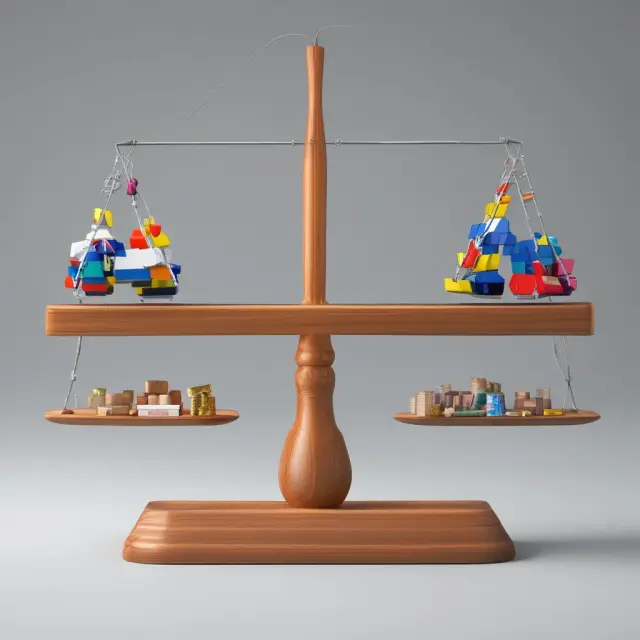
The HICP is calculated based on a representative basket of consumer goods and services reflecting the spending patterns of consumers in each EU country. To determine the overall inflation rate for the Eurozone and other EU countries, these national indexes are combined using a common methodology to create a single, harmonized measure. However, it’s essential to understand that not all countries within the EU have identical spending habits. As such, consumer price changes in one country may carry more weight than those in another depending on their relative economic significance.
Weighted baskets play a pivotal role in this calculation. Eurostat assigns weights to each national HICP based on the share of that country’s aggregate consumer spending within the EU or Eurozone as a whole. This methodology ensures that more significant countries have a larger influence on the overall inflation rate and better represents the collective economic reality of the EU or Eurozone.
The MUICP (Monetary Union Index of Consumer Prices), calculated using this weighted average, serves as the primary measure for inflation in the 19-country Eurozone. By assigning weights to each country based on their relative economic significance, this index provides a more accurate representation of overall inflation trends within the Eurozone and better reflects how different countries’ price movements impact monetary policy decisions.
For example, if Country X contributes 40% of total EU consumer spending while Country Y represents only 10%, then Country X’s national HICP will have a four-fold influence on the aggregate HICP compared to Country Y. This ensures that policymakers and investors can better gauge how various economic factors affect inflation across the EU and adjust their strategies accordingly.
It’s important to note that while the methodology for calculating weighted baskets is common among Eurostat, ECB, and national statistical agencies, each country’s specific consumer basket composition may vary slightly based on its unique spending habits and demographic differences. This is why it’s crucial to understand both the commonalities and differences in their methods when analyzing the implications of various HICP components and categories for your investment strategies.
In the next section, we will dive deeper into understanding some of these components and how they might impact your portfolio.

Importance of HICP to Financial Markets and Investors
The Harmonized Index of Consumer Prices (HICP) is not just an essential indicator for the European Central Bank (ECB) in achieving its mandate of price stability; it also plays a significant role in financial markets. The most crucial number derived from the HICP calculation, which attracts much attention among investors and economists, is the monthly flash estimate of the Monetary Union Index of Consumer Prices (MUICP). This MUICP figure, reflecting inflation in the Eurozone, is a focal point for financial markets as it is the primary gauge that the ECB relies upon to maintain its objective of 2% annualized inflation over the medium term.
The monthly flash estimate of MUICP, published by Eurostat on the last working day of each month, holds substantial weight in financial markets. This data release provides insights into the current state and future trajectory of inflation in the Eurozone and, as a result, significantly impacts various asset classes, including fixed income securities, currencies, and equity markets. Inflation expectations play a crucial role in determining long-term interest rates and influencing investor sentiment toward various asset classes, making the MUICP an essential economic indicator for both professional investors and individual traders.
For instance, a higher-than-expected inflation reading can lead to increased bond yields as investors demand compensation for the reduced purchasing power of their investments. Conversely, lower-than-expected inflation may result in declining yields, making bonds more attractive. The MUICP’s impact extends beyond the Eurozone as well, with markets monitoring the figure closely as a leading indicator of inflationary pressures for other major economies, particularly those within Europe.
Moreover, understanding the HICP and its implications is important for investors when making strategic asset allocation decisions. For example, an investor may consider adjusting their bond portfolio based on inflation expectations, given that inflation can erode purchasing power over time. Conversely, an investor might allocate more capital to sectors or securities expected to benefit from rising prices, such as real estate investment trusts (REITs) or commodity producers.
In conclusion, the Harmonized Index of Consumer Prices (HICP) serves as a crucial indicator for both the ECB and financial markets. Its most important output, the monthly flash estimate of MUICP, significantly impacts investor sentiment, asset class performance, and long-term interest rates in the Eurozone and beyond. As such, a solid grasp of this inflation measure and its implications is vital for investors seeking to make informed decisions and optimize their portfolios.

HICP History and Evolution
The Harmonized Index of Consumer Prices (HICP) is an essential measure of inflation in the European Union (EU), serving as a benchmark for understanding price changes in the Eurozone’s 19 member states sharing the euro currency. First compiled in 1998, prior to the introduction of the single European currency on January 1, 1999, HICP has been an integral part of the EU economic landscape since its inception. This section dives deeper into the history and evolution of HICP as a crucial tool for both policymakers and financial markets.
The European Statistical Office (Eurostat), which is part of the European Commission, compiles the national HICPs using a consistent methodology across EU countries. Eurostat then employs a common approach to combine these national indices into the Monetary Union Index of Consumer Prices (MUICP) for the 19-country Eurozone region. The MUICP is an essential indicator for both investors and policymakers, as it represents the primary inflation gauge for the European Central Bank’s (ECB) pursuit of its price stability objective, defined as maintaining an annual inflation rate of approximately 2% over the medium term.
The origins of HICP can be traced back to the Maastricht Treaty, which was signed in February 1992 and established the European Monetary Union (EMU). The treaty required participating countries to meet specific criteria, including keeping their inflation rate below a certain level, before joining the EMU. With HICP serving as a critical tool for tracking price stability, it became an essential component of the EU’s monetary union framework.
The European Union calculates two other consumer price indices besides HICP: the European Index of Consumer Prices (EICP) and the European Economic Area Index of Consumer Prices (EEA-CPI). The EICP measures inflation for all 27 EU countries, whereas the EEA-CPI incorporates data from Norway, Iceland, and Liechtenstein. While not directly used by the ECB as a primary measure, both indices provide valuable context to understand broader price trends across Europe.
Understanding HICP’s historical significance requires recognizing its role in shaping financial markets and influencing European monetary policy. Monthly flash estimates of the MUICP, published by Eurostat on the last working day of each month, have become a crucial economic release for market participants. These estimates serve as a primary inflation gauge for the ECB and other relevant institutions, allowing them to calibrate their expectations and strategies in response to changing price trends.
In conclusion, HICP represents an essential measure of inflation in the European Union and Eurozone, providing critical insights into price changes that influence both EU policymakers’ decisions and financial markets’ expectations. Its history spans back to the late 1990s when it was first compiled ahead of the euro currency’s introduction, making it an essential foundation for understanding the economic landscape of Europe.
Next, we will explore the methodology behind how HICP is calculated and discuss its various components and categories.
Comparing HICP to Other Inflation Measures
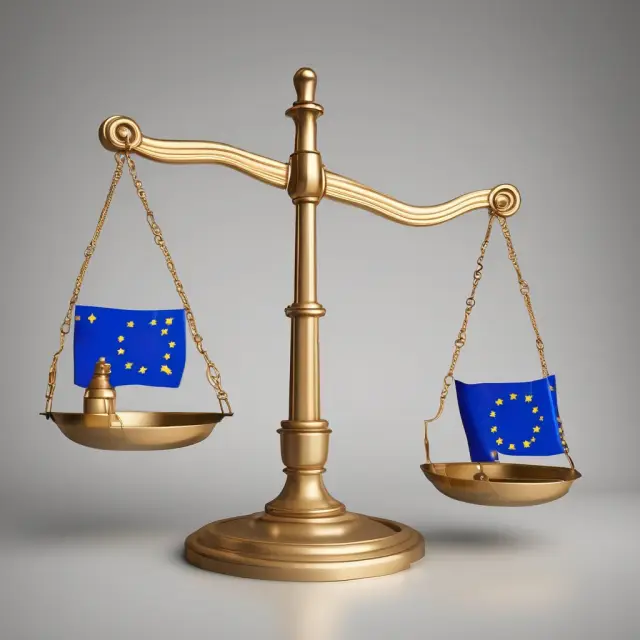
Understanding the importance of inflation measures goes beyond just knowing the Harmonized Index of Consumer Prices (HICP). It is vital to recognize how HICP differs from other commonly used inflation measures in the European Union (EU) and the European Economic Area (EEA), including the European Union’s European Index of Consumer Prices (EICP) and the EEA-CPI.
First, it is essential to acknowledge that each of these inflation indices serves distinct purposes in their respective economic contexts. While HICP focuses on the Eurozone’s 19 EU states using the euro currency, EICP covers all 27 EU members, and EEA-CPI includes data from Norway, Iceland, and Liechtenstein.
The Harmonized Index of Consumer Prices (HICP), as previously discussed, is the European Central Bank’s (ECB) primary inflation gauge for the Eurozone. It tracks consumer price inflation based on the spending patterns of consumers in each EU country, weighted according to that country’s share of aggregate consumer spending.
On the other hand, EICP and EEA-CPI are not directly linked to any specific central bank mandate or monetary policy objective. Instead, they serve as comprehensive measures of inflation within their respective areas.
One significant difference between these indices lies in the basket composition and the coverage of goods and services included. Since HICP is designed specifically for the Eurozone, it ensures a more accurate representation of price movements within that region. Conversely, EICP and EEA-CPI have broader scope and cover a larger and more diverse range of countries.
Moreover, the calculation of these indices differs subtly. For instance, HICP excludes owner-occupied housing costs, while EICP includes them. This difference in methodology may lead to varying results between the two indices.
Understanding the context and differences among various inflation measures is crucial for investors, financial markets, and economists alike. These insights can help shape expectations regarding future monetary policy decisions and offer a more informed perspective on overall economic trends within the European Union.

FAQs
Question 1: What is the Harmonized Index of Consumer Prices (HICP)?
Answer: The Harmonized Index of Consumer Prices (HICP) is a measure of inflation in the European Union (EU). It reflects change over time in the prices paid by households for a representative basket of goods and services. HICP tracks consumer price inflation based on the spending patterns of consumers in each EU country, weighted according to that country’s share of aggregate consumer spending.
Question 2: How is the Harmonized Index of Consumer Prices calculated?
Answer: The European Statistical Office (Eurostat) compiles a national HICP for each EU state using a common methodology, while Eurostat calculates the Monetary Union Index of Consumer Prices (MUICP) using a weighted average of each country’s HICP based on that country’s share of aggregate consumer spending in the euro area. The most important HICP number for financial markets is the monthly flash estimate of the MUICP, reflecting inflation in the Eurozone comprising 19 EU states using the euro currency as their common currency.
Question 3: What does the Harmonized Index of Consumer Prices measure?
Answer: HICP measures the change over time in the prices paid by households for a representative basket of goods and services reflective of consumer spending patterns across EU countries. Excluded from the index are owner-occupied housing costs, though the ECB’s Governing Council recommended their inclusion in 2021.
Question 4: What are the main components and categories of the Harmonized Index of Consumer Prices?
Answer: The HICP measures prices for goods such as coffee, tobacco, meat, fruit, household appliances, cars, pharmaceuticals, electricity, clothing, and many other widely used products and services. Each country’s basket of consumer goods and services and the weightings of each country are updated annually to reflect the most recent spending patterns.
Question 5: What is the role of the European Central Bank (ECB) in the Harmonized Index of Consumer Prices?
Answer: The ECB uses the MUICP, derived from HICP data, for its primary inflation objective, which is to maintain price stability within the Eurozone. This objective is defined as an annual inflation rate of 2% over the medium term.
 Next entry · No. 2,105Understanding Hidden Taxes: An In-depth Analysis of the Economic Impacts and Ethical Considerations
See also
-
 No. 5,665
27 Sep 2025
19 min
Understanding Weekly Charts: Long-Term Analysis for Institutional Investors
Finance Policy
No. 5,665
27 Sep 2025
19 min
Understanding Weekly Charts: Long-Term Analysis for Institutional Investors
Finance Policy -
 No. 5,661
27 Sep 2025
17 min
Understanding the Power of Wedge Patterns in Technical Analysis
Finance Policy
No. 5,661
27 Sep 2025
17 min
Understanding the Power of Wedge Patterns in Technical Analysis
Finance Policy -
 No. 5,646
26 Sep 2025
21 min
Understanding Weak Shorts in Finance: Risks, Benefits, Strategies, and Trading Tactics
Finance Policy
No. 5,646
26 Sep 2025
21 min
Understanding Weak Shorts in Finance: Risks, Benefits, Strategies, and Trading Tactics
Finance Policy -
 No. 5,644
26 Sep 2025
18 min
Understanding Weak Hands in Finance: Recognizing Instability in Markets and Investments
Finance Policy
No. 5,644
26 Sep 2025
18 min
Understanding Weak Hands in Finance: Recognizing Instability in Markets and Investments
Finance Policy -
 No. 5,627
24 Sep 2025
20 min
Wash Trading: An Illicit Practice in Finance and Investment
Finance Policy
No. 5,627
24 Sep 2025
20 min
Wash Trading: An Illicit Practice in Finance and Investment
Finance Policy -
 No. 5,611
23 Sep 2025
21 min
The Role and Risks of Warehousing in Collateralized Debt Obligations (CDOs)
Finance Policy
No. 5,611
23 Sep 2025
21 min
The Role and Risks of Warehousing in Collateralized Debt Obligations (CDOs)
Finance Policy