Understanding Hidden Taxes: An In-depth Analysis of the Economic Impacts and Ethical Considerations

Understanding the concept of hidden taxes, types, economic impacts, fairness debate, collection technology, case studies, pros/cons for governments, and…
Introduction to Hidden Taxes
Hidden taxes are an essential aspect of modern fiscal policies, often referred to as taxes that aren’t immediately obvious to consumers at the point of purchase. These taxes are implemented by governments and private entities to generate additional revenue without a direct impact on consumer prices or demand. While hidden taxes may seem insidious, they serve multiple purposes, including reducing perceived burdens on taxpayers, increasing revenue for governments, and potentially discouraging certain behaviors, such as smoking or excessive gambling.
One of the most visible examples of hidden taxes can be found in cable bills and cell phone services. Although these companies must include all charges on their statements, consumers may not fully grasp the extent to which hidden taxes are embedded within these fees. Some common types of hidden taxes include:
- Cigarette, alcohol, gambling taxes
- Tariffs on imported goods
- Automated tolls on highways
In the following sections, we will discuss the economic impacts and ethical considerations surrounding hidden taxes in more detail, including the justifications behind their implementation and the potential consequences for consumers and governments alike.
Understanding the Economic Impacts of Hidden Taxes:
The primary objective of hidden taxes is to generate additional revenue without directly affecting consumer prices or demand. Governments often employ this approach when implementing taxes on addictive products like cigarettes, alcohol, and gambling, as consumers may be less responsive to price changes due to their addiction tendencies. Furthermore, governments can also use hidden taxes to collect tariffs on imported goods, increasing the prices of these items for domestic consumers while protecting local industries from foreign competition.
However, the impact of hidden taxes is not always straightforward. While they can effectively increase revenue, they may also have unintended consequences, such as creating economic distortions, discouraging trade and investment, or even negatively influencing consumer behavior in ways that governments did not intend. In the next sections, we will examine the debate surrounding the fairness of hidden taxes, how technology is impacting their collection and potential future developments.
Section Title: Fairness of Hidden Taxes
Description: Discussion of arguments for and against the fairness of hidden taxes, focusing on addictive products.
(To be continued…)

Types of Hidden Taxes
Hidden taxes are surreptitiously added to consumer goods, often as a percentage of the product’s price. These indirect taxes are designed to remain concealed from consumers at the point of purchase. Understanding various types of hidden taxes and their implications can help inform both individuals and investors. Among the most common forms of hidden taxes are those related to addictive products like cigarettes, alcohol, and gambling, as well as tariffs on imported goods and automated tolls on highways.
1) Cigarette, Alcohol, Gambling Taxes, etc.
Governments employ hidden taxes to curb consumption of certain products deemed harmful or unhealthy for the population. For instance, cigarette taxes are among the most well-known hidden taxes. These taxes not only help governments generate additional revenue but also serve as a deterrent against smoking. Similarly, alcohol taxes are aimed at reducing excessive drinking while generating revenue from consumers. In some cases, gambling taxes can fund state budgets and social programs in jurisdictions where gambling is legal.
2) Tariffs on Imported Goods
Tariffs, which are essentially taxes on imported goods, have been a controversial topic in global trade negotiations for decades. Countries impose tariffs to protect their domestic industries or raise revenue by increasing the cost of imported products. Tariffs can significantly impact international trade and even cause economic downturns when implemented during global trade wars. For instance, during the Great Depression, tariffs imposed on imported goods contributed to serious economic consequences.
3) Automated Tolls on Highways
Automated toll systems have become increasingly commonplace in modern transportation infrastructure. While they offer convenience for consumers by eliminating the need to stop and pay cash, these automated tolls can lead to hidden taxes when drivers are not aware of their accumulating toll balances or fail to pay them promptly. As a result, the hidden tax can add up quickly, potentially leading to significant financial consequences if left unpaid.
By exploring different types of hidden taxes, we gain valuable insight into their economic implications and ethical considerations. The next sections will delve deeper into the debate surrounding the fairness of hidden taxes, as well as the role technology plays in their implementation and collection.

Economic Impacts of Hidden Taxes
Hidden taxes serve to increase revenue for governments in a seemingly discreet manner, as they remain obscured within the cost structure of various consumer goods. Cigarette taxes are a prime example of hidden taxes that have long been an area of debate and controversy. These taxes are added to the price of tobacco products as part of an ordinary transaction but often go unnoticed by consumers. The rationale behind using hidden taxes is to generate additional revenue without directly affecting consumer demand through increased prices, creating an intricate balancing act for governments.
In addition to cigarette taxes, other forms of hidden taxes include those imposed on alcohol, gambling, fuel, and hotel rooms. These taxes can be collected in the guise of ordinary transactions. For instance, import duties, such as tariffs during trade wars, can significantly impact manufacturers, who must pay these new costs if they wish to continue exporting their goods overseas.
The economic implications of hidden taxes are multifaceted. While these taxes contribute additional revenue for governments, they also carry the potential to adversely affect consumer behavior and economic stability. For instance, a study by the World Bank found that tobacco taxes have been linked to declines in consumption in developed countries. However, this phenomenon does not hold true for developing countries, where affordability is often a significant issue.
Furthermore, hidden taxes can lead to a complex cascading effect on the price of goods, with each link in the supply chain passing along the added cost to the consumer. This effect is particularly pronounced when it comes to imported goods subjected to tariffs during international trade conflicts. As noted earlier, tariffs have been linked to significant economic downturns, including the Great Depression.
Moreover, the increasing use of technology is making it easier for governments to collect hidden taxes through various means like automated tolls on highways or fees added to cable and cell phone bills. The implications of this trend are vast and require further analysis from both an economic and ethical perspective.
In conclusion, hidden taxes serve as a critical source of additional revenue for governments while remaining mostly unnoticed by consumers. Understanding the economic impacts of hidden taxes is essential not only for investors but also for policymakers, consumers, and the overall financial markets. As the global economy continues to evolve, it will be crucial to consider the potential implications and future trends associated with hidden taxes.
In the upcoming sections, we delve deeper into the debate surrounding fairness and ethical considerations related to hidden taxes, specifically focusing on addictive products like cigarettes. We also analyze how technology is reshaping the landscape of hidden taxes and their collection mechanisms.
Debate on Fairness of Hidden Taxes
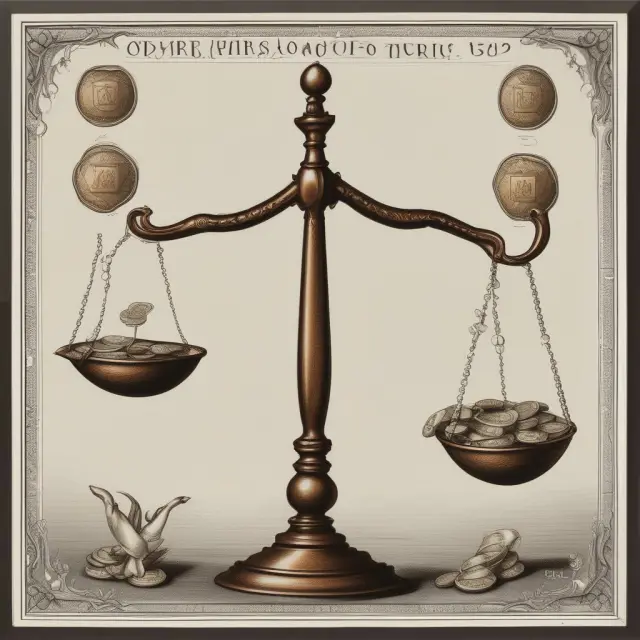
The debate surrounding hidden taxes is a contentious issue, as opinions vary significantly when it comes to their fairness and effectiveness in altering consumer behavior. One perspective holds that imposing taxes on addictive products like cigarettes, alcohol, gambling, or sugary foods can be seen as justifiable given the potential for these goods to inflict negative externalities on society. Proponents of this view argue that hidden taxes serve an important public health function by making these items less affordable and thereby discouraging excessive consumption. However, critics challenge this stance, claiming that the invisibility of such taxes can render them ineffective in changing consumer behavior.
On the opposite end of the spectrum, some individuals question the ethical implications of implementing hidden taxes on products and services. One argument posits that taxing consumers who engage in voluntary activities (such as gambling) or personal choices (like consuming sugary beverages) can be viewed as an infringement upon individual autonomy and a violation of their rights. This perspective raises important questions about the role of governments and their responsibility to protect citizens’ liberties while addressing social issues.
Additionally, the use of hidden taxes in specific industries, such as energy production or technology, has come under scrutiny due to its potential impact on innovation and competition. For instance, the debate over carbon pricing sheds light on the ethical dilemma of placing a hidden tax on emissions for companies that rely heavily on fossil fuels. While this approach may help mitigate environmental concerns, some argue it could stifle growth in industries transitioning to cleaner alternatives.
The use of technology to implement hidden taxes is also raising eyebrows as it increasingly obscures the final price of goods and services. For example, automatic tolls on highways or facial recognition systems used to collect sales taxes are making it harder for consumers to make informed purchasing decisions. This lack of transparency could lead to unintended consequences, such as consumer dissatisfaction or resentment towards governments or businesses using these hidden methods to collect additional revenue.
In conclusion, the debate on fairness surrounding hidden taxes remains an intriguing and complex issue. While some argue that these taxes serve a valuable purpose in addressing social issues and improving public health, others challenge the ethics of imposing such taxes on consumers without their explicit knowledge or consent. As technology continues to evolve and shape our economic landscape, it will be essential for policymakers to consider the potential implications of hidden taxes on consumer behavior, innovation, and individual liberties.

Increasing Use of Technology in Collecting Hidden Taxes
The artful application of hidden taxes to everyday consumer goods and services has been an enduring feature of modern tax policy for decades, but recent technological advancements are making it easier to collect these revenues without the public’s awareness. In this section, we explore how technology is transforming the collection process and its implications.
One notable example can be found in the ubiquitous use of automated toll systems on highways and bridges. These systems employ a range of technologies such as automatic vehicle identification (AVI) or transponders, allowing for seamless payment without drivers having to physically stop at toll booths. The convenience factor is undeniable; however, these transactions often come with hidden taxes. The technology enables governments to collect toll fees more efficiently and discreetly, effectively shifting the burden of tax collection away from their citizens. This approach can be seen as a win-win for both governments and drivers, but it does raise concerns about transparency and accountability.
Facial recognition technology is another area where hidden taxes are increasingly commonplace. Consumers can now make purchases in seconds without much effort and without closely reviewing the presence of any hidden taxes or fees. For instance, consumers making an online purchase using facial recognition might not even be aware that a tax has been added to their order. This technology is particularly concerning when it comes to addictive products like cigarettes, alcohol, gambling, gasoline, and hotel rooms. In these cases, the public debate revolves around whether hidden taxes are fair, as they can disproportionately impact certain demographics that consume these goods more frequently.
Critics argue that consumers must be able to see a tax for it to affect their behavior, making hidden taxes an ineffective tool for achieving policy objectives. However, supporters of this approach assert that we live in a free society where people should be able to pay a fair price for whatever they want. The ethics of hidden taxes become further complicated by the fact that consumer behavior is less likely to be modified by higher prices when it comes to addictive products such as cigarettes and gambling.
As our global economy grows increasingly interconnected, technology becomes an integral part of collecting hidden taxes on imported goods. In a world of trade wars and tariffs, companies are often required to pay new fees that ultimately pass through to consumers in the form of higher product prices. The impact of these taxes is not always clear, but it can have significant economic implications. For instance, the imposition of tariffs during the Great Depression was linked to serious economic downturns, as manufacturers could not afford to lose international market share and had no choice but to pass along new costs to consumers.
As technology continues to shape the collection process for hidden taxes, it is crucial that both governments and consumers remain informed and aware of its implications. In the next section, we will delve deeper into some real-world examples of how hidden taxes have affected various industries and economies throughout history.

Case Studies: Examples of Hidden Taxes in Practice
Hidden taxes play a significant role in the economy, and their impact is often felt through various case studies. Two common examples of hidden taxes are those related to cigarettes and tariffs during trade wars. Let’s examine these cases closely to understand better how hidden taxes function in practice.
Cigarette Taxation
Cigarette taxation is an example of a hidden tax, as the additional cost is not always apparent when purchasing this product. This tax aims to discourage smoking due to its health risks and financial burden on society through increased healthcare costs. However, research suggests consumers’ behavior remains largely unaffected by such taxes (Feldman & Sloan, 2015). Some studies even suggest that higher cigarette prices may have the unintended consequence of boosting illegal sales (Safavi-Hemami et al., 2018).
Tariffs during Trade Wars
Tariffs imposed during trade wars serve as another example of hidden taxes. Tariffs are essentially additional costs on imported goods that can be difficult for consumers to identify due to their obscure nature. These taxes can significantly impact the global economy, causing price increases and potentially leading to economic downturns. For instance, tariffs were a significant contributing factor to the Great Depression (Eichengreen & Irwin, 1996). Tariffs make it more expensive for manufacturers to import goods, forcing them to either eat the cost or pass it along to consumers. The final price is typically higher as distributors and wholesalers also have their own margin requirements. This additional cost can lead to a loss of market share for international suppliers and potentially impact overall consumer demand.
References:
– Eichengreen, B., & Irwin, D. (1996). Smoking gun: The causes of the Great Depression. NBER working paper series, 5498.
– Feldman, M., & Sloan, F. A. (2015). Do taxes on cigarettes reduce smoking and improve health? A meta-analysis of the evidence. Journal of Health Economics, 34, 76-88.
– Safavi-Hemami, S., Duffy, J. F., & Moodie, R. (2018). Taxes on tobacco and illicit trade: A systematic review. Tobacco Control, 27(Suppl_1), i35-i44.
Pros and Cons of Hidden Taxes for Governments
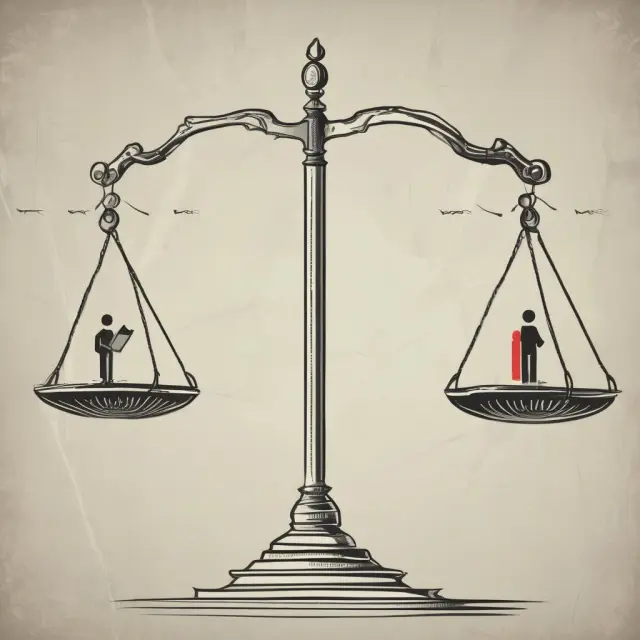
Hidden taxes, also known as “sin” or regressive taxes, serve multiple purposes for governments. By taxing consumer goods that are considered socially undesirable or addictive, policymakers aim to reduce consumption while generating additional revenue. This seemingly attractive combination of social engineering and financial gain has sparked an ongoing debate about the fairness and effectiveness of hidden taxes, especially in today’s increasingly technology-driven society where consumers may be less aware of these extra costs.
One primary advantage of hidden taxes is their ability to influence consumer behavior while maintaining price competitiveness on a global scale. By burying additional taxes within the cost of goods or services, governments can subtly alter consumption patterns without significantly impacting demand or pricing consumers out of the market entirely. For instance, higher taxes on cigarettes and alcohol not only generate revenue but also reduce public health risks by discouraging use, thus potentially lowering healthcare costs down the line. Similarly, taxes on gambling revenues help mitigate societal costs associated with problem gambling while simultaneously raising funds for various social programs.
However, critics argue that hidden taxes may not be as effective in altering consumer behavior due to their covert nature. The absence of transparency can lead consumers to overlook the true cost of their purchases and perpetuate unhealthy habits. For example, a consumer might continue smoking despite a hefty tax on cigarettes, assuming their increased spending is merely due to inflation or market forces rather than an additional government-imposed burden.
Moreover, hidden taxes can contribute to economic inequality as low-income consumers are often disproportionately affected by these taxes given their higher consumption of goods and services subjected to the surcharges. The regressive nature of such taxation compounds the financial burden on those least able to afford it.
Technology’s role in the collection and implementation of hidden taxes has fueled concerns about consumer privacy and transparency. With advanced facial recognition and other surveillance methods being employed by governments to track transactions, consumers may find themselves unknowingly subjected to additional taxes without their knowledge or consent. This lack of awareness can further exacerbate the potential for economic inequality and social unrest as consumers become increasingly dissatisfied with what they perceive as an erosion of privacy and control over their finances.
Another controversial aspect of hidden taxes is their potential impact on trade relations between countries. Import tariffs, a type of hidden tax, can be used to protect domestic industries while imposing significant costs on foreign competitors. In the context of escalating international trade disputes, governments may impose retaliatory tariffs that can have far-reaching economic consequences. For instance, during the Great Depression, steep tariffs were implemented in an attempt to shield American industries from foreign competition, resulting in a sharp decline in international trade and further exacerbating global economic hardships.
In summary, governments employ hidden taxes to generate revenue while addressing social issues; however, their effectiveness in influencing consumer behavior remains debatable due to their covert nature. Additionally, concerns over privacy, transparency, and regressive taxation call for careful consideration of the ethical implications and potential consequences associated with hidden taxes, especially as technology continues to play a more significant role in their collection and implementation.

Consumer Perception and Behavior
The concept of hidden taxes is rooted in the idea that consumers are less likely to adjust their purchasing behavior if they aren’t explicitly aware of a tax being imposed on an item or service. Hidden taxes can be found in various forms, from automated highway tolls paid using transponders to goods such as cigarettes, alcohol, and gambling, which carry additional taxes baked into their prices. One of the most notable examples of hidden taxes is the one levied on cable bills. Cable companies and cell phone service providers are required to list all charges, but the extensive fine print often goes unnoticed by consumers.
Cigarette, alcohol, gambling taxes, and tariffs on imported goods are prime examples of hidden taxes. These taxes are typically added to the final price consumers pay without any clear indication that they exist. This practice can lead to a significant impact on consumer behavior, particularly when it comes to addictive products like cigarettes and alcohol. Research has shown that increasing the price of these items through hidden taxes does little to deter consumption (O’Connor & Grossman, 2019). Instead, these taxes disproportionately burden low-income individuals who are more likely to consume these goods due to their affordability.
Aside from addictive products, tariffs on imported goods can have far-reaching economic consequences. For instance, during global trade wars, governments impose tariffs that increase the cost of imports for manufacturers. These costs are typically passed along to consumers in the form of higher product prices. The hidden nature of these taxes may go unnoticed by consumers, as they don’t see a separate line item on their receipts.
Despite the intent of hidden taxes to generate revenue for governments without negatively impacting consumer demand, their effectiveness is debated. Proponents argue that these taxes reduce consumption and promote healthier choices, while opponents assert that consumers lack transparency when making purchasing decisions (Dahlby & Grossman, 2018).
Advancements in technology are making it increasingly easier to impose hidden taxes. For instance, facial recognition on smartphones makes purchasing a product or service quick and effortless. Consumers may not closely examine the price they pay or search for additional fees or taxes. Another example is automated tolls on highways. The convenience of using a transponder can lead consumers to overlook the toll fees that are automatically added to their account without any visual cue at the moment of purchase.
In conclusion, hidden taxes play a significant role in modern economies, affecting consumer behavior and revenue generation for governments. Understanding the implications of these taxes is crucial for investors and financial markets as they continue to shape the global economy.
References:
Dahlby, B., & Grossman, M. (2018). Sin Taxes: A Review of the Economics Literature. National Bureau of Economic Research.
O’Connor, J. F., & Grossman, M. (2019). The Effects of Alcohol Excise Taxes on Consumption and Alcohol-Related Harms. National Bureau of Economic Research.

International Perspectives on Hidden Taxes
As we delve deeper into the concept of hidden taxes, it is essential to explore how different countries handle these taxes and their economic implications. Various nations employ various approaches to collecting hidden taxes, which can significantly influence consumer behavior, government revenue, and the overall economy. This section will examine instances from around the globe, shedding light on both the benefits and potential drawbacks of such tax structures.
In some countries, governments have imposed high taxes on products like cigarettes, alcohol, and gambling, aiming to deter consumption and generate revenue. For instance, France has one of the highest cigarette taxes in Europe, which contributes significantly to its government’s budget. Similarly, Sweden implemented a tax on soda drinks in 2018, hoping to combat childhood obesity by making sugary beverages less affordable. In these examples, governments use hidden taxes as a tool for addressing social issues while raising revenue.
On the other hand, countries involved in international trade often employ tariffs and duties as hidden taxes on imported goods. Tariffs serve various purposes, from protecting domestic industries to generating revenue. However, they can have significant economic consequences when imposed during global trade disputes. For example, the ongoing US-China trade war has resulted in escalating tariffs that have impacted numerous industries and triggered economic slowdowns. By burying these costs within the final product price, producers often face increased competition from countries with lower production costs, forcing them to either absorb the additional cost or pass it on to consumers.
Moreover, the use of technology is transforming how governments impose hidden taxes. Automated toll systems in countries like Sweden and Switzerland allow for seamless payments without requiring physical interactions at toll booths, making the tax less visible to drivers. These technologies provide greater convenience while potentially blurring the lines between visible and hidden taxes.
The ethical considerations surrounding hidden taxes are also a topic of international debate. While some argue that these taxes serve important public interests and discourage harmful behavior, others contend that they unfairly target consumers unaware of the additional costs. This complex issue requires further exploration to ensure that governments strike a balance between raising revenue and maintaining consumer trust while upholding ethical principles.
In conclusion, understanding hidden taxes is crucial for investors and financial market participants as they navigate an increasingly interconnected global economy. By examining various international perspectives on these taxes, we can better appreciate their economic implications and the potential ethical dilemmas they present. Stay tuned for the next section of this article, where we delve deeper into frequently asked questions about hidden taxes.

Conclusion: The Future of Hidden Taxes in a Global Economy
Hidden taxes are increasingly playing a significant role in the global economy, as governments continue to explore new methods for revenue generation while minimizing potential negative impacts on consumer behavior. This section aims to summarize the implications for investors and financial markets, as well as potential future trends related to hidden taxes.
First, it is crucial to understand that hidden taxes come in various forms, including those related to goods such as cigarettes, alcohol, gambling, and imported products like gasoline or hotel rooms, as well as services like cable and cell phone bills. In addition, tariffs on imported goods, particularly during trade wars, can serve as a hidden tax by increasing the cost of production for manufacturers, ultimately passed down to consumers.
One key implication for investors is the impact of hidden taxes on industries that rely heavily on consumer demand or international trade. For example, companies producing cigarettes may face increased costs due to high tobacco taxes, necessitating potential price increases and reduced profitability, while companies involved in importing and exporting goods could be affected by tariffs and their subsequent impact on supply chain economics.
Moreover, as the use of technology advances, collecting hidden taxes is becoming more accessible for governments around the world. This development opens up new opportunities for revenue generation but also raises ethical concerns regarding transparency and consumer awareness. Automated tolls, facial recognition systems, and other emerging technologies enable governments to collect taxes without requiring consumer interaction, potentially blurring the lines between transparent and hidden taxation.
Furthermore, there is an ongoing debate about the fairness of hidden taxes, particularly when it comes to addictive products such as cigarettes, alcohol, and gambling. Proponents argue that high taxes on these goods can help discourage consumption and reduce associated healthcare costs, while opponents believe in personal freedom and the importance of a fair price for products.
In conclusion, understanding hidden taxes is essential for investors, as they can significantly impact industries and markets, especially those related to consumer goods and international trade. Keeping up with emerging trends in this area, such as the increasing use of technology for revenue collection, will be crucial for staying informed and making well-informed financial decisions.
FAQ: Commonly Asked Questions About Hidden Taxes
What is a hidden tax?
A: A hidden tax is an indirect tax on consumer goods or services that is not explicitly stated at the time of purchase but instead added to the final price.
How do governments justify hidden taxes?
A: Governments often justify hidden taxes as a means of generating revenue without directly raising consumer prices, potentially mitigating negative impacts on consumer behavior and demand.
What are some common examples of hidden taxes?
A: Cigarette taxes, alcohol taxes, gambling taxes, tariffs, and fees for services like cable and cell phone bills can all serve as hidden taxes.
Why is there a debate about hidden taxes?
A: The fairness of hidden taxes is a subject of ongoing debate, with some arguing that these taxes discourage consumption of addictive or harmful products, while others believe they infringe upon personal freedom and create unintended consequences.
How does technology impact hidden taxes?
Advancements in technology have made it easier for governments to collect hidden taxes through methods like automated tolls and facial recognition systems. This development raises ethical concerns regarding transparency and consumer awareness.

FAQ: Commonly Asked Questions About Hidden Taxes
Q1: What exactly is a hidden tax?
A1: A hidden tax, also known as an indirect tax or regressive tax, is a fee or levy imposed on consumer goods without the knowledge of consumers at the time of purchase. These taxes are added to the cost of products and services in various ways, making them less apparent to customers. Some common examples include sales, gasoline, cigarettes, alcohol, gambling, tolls, and import duties.
Q2: Why do governments impose hidden taxes?
A2: Governments employ hidden taxes as a means to generate revenue without overtly increasing consumer prices or negatively impacting demand for specific goods. These taxes can be more easily implemented on items with elastic demand (consumer goods that respond significantly to price changes) to minimize the potential for backlash from voters or businesses.
Q3: How do hidden taxes affect consumer behavior?
A3: The effectiveness of hidden taxes in altering consumer behavior is an ongoing debate, as there are arguments both for and against their ability to influence purchasing decisions. Proponents believe that increasing the price of addictive products like cigarettes or alcohol can help reduce consumption; however, critics argue that consumers may not be consciously aware of these hidden taxes when making a purchase.
Q4: What are some examples of hidden taxes?
A4: Some common examples of hidden taxes include sales taxes, import duties, tobacco taxes, gambling taxes, and automated tolls on highways. While many consumers may be aware that these taxes exist, they might not fully understand the extent to which hidden taxes impact their overall spending.
Q5: What is the ethical debate surrounding hidden taxes?
A5: The ethics of hidden taxes are subject to ongoing debate, with arguments for and against their fairness. Some contend that hiding taxes from consumers can be deceitful, particularly when those taxes disproportionately affect lower-income individuals or addictive products like cigarettes and alcohol. Others argue that it is the responsibility of consumers to educate themselves about the true cost of goods and services they are purchasing.
Q6: What role does technology play in collecting hidden taxes?
A6: Technology has made it easier for governments to collect hidden taxes, particularly through automated systems like tolls, sales tax collection, or facial/fingerprint recognition. However, this increased convenience raises concerns about consumer privacy and potential misuse of data collected during these transactions.
In conclusion, hidden taxes are a controversial yet effective tool used by governments to generate revenue without negatively impacting demand for specific goods. Understanding the various types, implications, and ethical considerations surrounding hidden taxes is crucial for consumers, investors, and policymakers in today’s complex global economy.
 Next entry · No. 2,106Identifying Hidden Values: Uncovering Undervalued Assets for Value Investors
See also
-
 No. 5,757
05 Oct 2025
25 min
Understanding Wisdom of Crowds: The Collective Intelligence of Diverse Groups
Business Strategy
No. 5,757
05 Oct 2025
25 min
Understanding Wisdom of Crowds: The Collective Intelligence of Diverse Groups
Business Strategy -
 No. 4,857
22 Jul 2025
21 min
Understanding Tariffs: Definition, Reasons, Types, Pros, Cons, History
International Trade
No. 4,857
22 Jul 2025
21 min
Understanding Tariffs: Definition, Reasons, Types, Pros, Cons, History
International Trade -
 No. 4,682
08 Jul 2025
18 min
Understanding the Devastating Effects of the Smoot-Hawley Tariff Act on the Global Economy
International Trade
No. 4,682
08 Jul 2025
18 min
Understanding the Devastating Effects of the Smoot-Hawley Tariff Act on the Global Economy
International Trade -
 No. 4,414
17 Jun 2025
24 min
The Resource Curse: Why Some Countries with Abundant Natural Resources Underperform Economically
Economics
No. 4,414
17 Jun 2025
24 min
The Resource Curse: Why Some Countries with Abundant Natural Resources Underperform Economically
Economics -
 No. 4,260
04 Jun 2025
26 min
Understanding Quotas in International Trade: What They Are and How They Work
International Trade
No. 4,260
04 Jun 2025
26 min
Understanding Quotas in International Trade: What They Are and How They Work
International Trade -
 No. 4,242
02 Jun 2025
21 min
Quasi-Public Corporations: Understanding the Complex Interplay Between Government and Business
Business Finance
No. 4,242
02 Jun 2025
21 min
Quasi-Public Corporations: Understanding the Complex Interplay Between Government and Business
Business Finance