Understanding the Home Affordable Refinance Program (HARP): Providing Relief to Underwater Homeowners
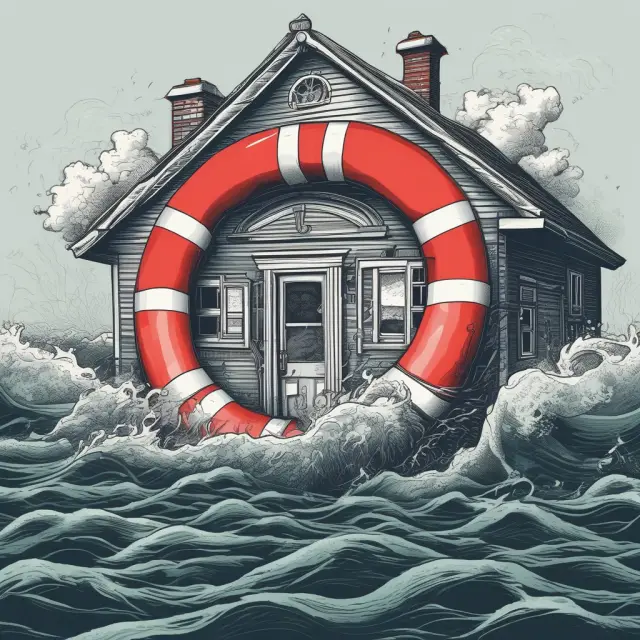
Explore Understanding the Home Affordable Refinance Program (HARP), its benefits for underwater homeowners & how to apply.
Introduction
The Home Affordable Refinance Program (HARP) was an essential initiative introduced by the Federal Housing Finance Agency (FHFA) in response to the 2008 financial crisis that left numerous homeowners with mortgages worth more than their properties. Specifically designed for underwater and near-underwater homeowners, this program aimed to provide relief by enabling eligible borrowers to refinance their loans despite declining home values (Federal Housing Finance Agency 2015). The Home Affordable Refinance Program (HARP) came into existence as part of a broader government effort to mitigate the high foreclosure rates caused by the housing market downturn. In this section, we will discuss HARP’s eligibility requirements, benefits, and how it helped borrowers before its termination in December 2018.
Eligibility for HARP:
Homeowners could take advantage of the Home Affordable Refinance Program (HARP) if their homes were worth less than their outstanding mortgage balances but met specific conditions. The program targeted homeowners with mortgages backed by either Fannie Mae or Freddie Mac, which accounted for a significant portion of the U.S. housing market at the time (Bernstein 2014). To qualify for HARP refinancing, these borrowers needed to meet specific criteria. The loan had to have originated before May 31, 2009; the property must be their primary residence and in good condition; and the borrower was required to maintain a good payment history on their mortgage with no late payments more than one month overdue within the previous twelve months (Federal Housing Finance Agency 2015).
Benefits of HARP Refinance:
HARP provided several benefits for eligible homeowners. One significant advantage was the ability to reduce monthly mortgage payments due to lower interest rates, resulting in more manageable monthly expenses for those struggling with their mortgages (Bernstein 2014). Another benefit included loan term extensions, which helped some borrowers shift their remaining debt over a longer period and thus lower monthly payments. These benefits were crucial in helping many homeowners keep up with their mortgage obligations and avoid foreclosure.
In the following sections, we will dive deeper into the process of applying for a HARP refinance, explore its implications on creditworthiness, compare it to other relief programs, discuss why HARP ended, and examine potential alternatives for underwater homeowners post-HARP.

Eligibility for HARP
The Home Affordable Refinance Program (HARP), launched in 2009 by the Federal Housing Finance Agency (FHFA), aimed to provide relief for homeowners facing financial hardship due to underwater or near-underwater mortgages. This program was designed specifically for borrowers with loans owned by Freddie Mac or Fannie Mae, which were acquired before May 31, 2009. To be eligible for HARP refinancing, applicants needed to meet the following requirements:
- Be current on their mortgage payments: Homeowners had to prove that they had kept up with their mortgage payments consistently and were not more than 30 days late in the past six months or no more than 60 days late in the past 12 months.
- Possession of property before May 31, 2009: Homeowners could only participate if their mortgage loan was sold to either Freddie Mac or Fannie Mae prior to this date. This requirement was put in place to address the housing market’s condition following the 2008 financial crisis that led to falling property values and numerous underwater mortgages.
- Property must be in good condition: To qualify, properties had to meet certain standards, which included a minimum appraisal value equal to or greater than the refinanced mortgage amount. The HARP program ensured that only homes in good condition would receive financial assistance through the refinance process.
Borrowers could apply for the Home Affordable Refinance Program even if they already had a prior modification, but there were some restrictions for homeowners with previous modifications. If their mortgage included a temporary reduction of monthly payments or interest rates as part of a trial period, these borrowers would not be eligible for HARP refinancing during the trial period.
However, it is important to note that the Home Affordable Refinance Program ended on December 31, 2018. Though HARP is no longer available, there are still options for homeowners seeking relief from their underwater mortgages. These alternatives include Federal Housing Administration (FHA) streamline refinancing, conventional refinancing, and other mortgage programs offered by lenders. Understanding these alternative options is crucial for homeowners looking to address their underwater or near-underwater mortgages. In the next sections, we will delve deeper into the benefits of a HARP refinance, the process involved, potential impacts on creditworthiness, and differences between HARP and Home Affordable Modification Program (HAMP).
Benefits of HARP Refinance
The Home Affordable Refinance Program (HARP), which ended on December 31, 2018, was an essential relief initiative designed for homeowners with homes worth less than their mortgage balances. With HARP, borrowers could refinance their mortgages to take advantage of lower interest rates and reduced monthly payments. This program emerged in response to the financial crisis in 2008, which adversely affected the real estate market and left numerous homeowners underwater on their mortgages.
To be eligible for HARP refinance, a few conditions had to be met. The mortgage had to be owned or guaranteed by either Fannie Mae or Freddie Mac, and it should have been acquired before May 31, 2009. This was implemented in an attempt to help underwater homeowners save on monthly mortgage payments and interest costs.
One of the significant advantages of HARP refinance is the potential for lower monthly mortgage payments. The program allowed homeowners to tap into lower interest rates, which led to decreased monthly payments. A lower payment can be a substantial relief for many families, especially in a time of economic uncertainty or financial hardship.
Another advantage that HARP refinance presented was the opportunity for loan term extensions. Extending a loan term can make monthly mortgage payments more manageable by spreading out payments over a more extended period. This can be particularly helpful for underwater homeowners struggling with substantial debt. However, it is essential to remember that extending a loan term may result in paying more interest over the life of the loan.
Additionally, lower interest rates through HARP refinance could also translate into significant savings on the total amount paid over the lifetime of the mortgage. The potential for long-term financial benefits made HARP an attractive option for homeowners who were underwater or near-underwater in their mortgages.
HARP refinances can have a positive impact on credit scores as well, especially when paired with lower monthly payments and interest rates. Improved financial footing often leads to more manageable debt burdens and increased confidence in meeting future payment obligations.
However, it is important to note that HARP refinance did not come without risk. For instance, homeowners should consider potential tax implications due to the difference between their original mortgage balance and the refinanced amount. It’s always advisable to consult a tax professional to determine any tax obligations before proceeding with a HARP refinance or other loan modification options.
In summary, the Home Affordable Refinance Program (HARP) offered underwater homeowners a valuable opportunity to save money through lower interest rates and reduced monthly mortgage payments. Its termination in December 2018 marked the end of an essential relief program that provided much-needed assistance during a time of significant financial instability. Post-HARP, borrowers who are still underwater on their mortgages may need to explore alternative options for financial relief.

Process to Secure a HARP Refinance
The process of securing a Home Affordable Refinance Program (HARP) refinance can be a crucial step for homeowners seeking relief from underwater mortgages. While the program ended in December 2018, understanding the steps involved may help borrowers better navigate the post-HARP landscape.
To qualify for a HARP refinance, homeowners must meet specific eligibility requirements: their mortgage must be owned or guaranteed by either Freddie Mac or Fannie Mae and originate before May 31, 2009. Additionally, borrowers were required to be current on their payments and have a good credit standing, although some lenders may have had more lenient credit standards.
To begin the process of securing a HARP refinance, homeowners first needed to select a participating lender. The lender selection could be done with either the current lender or a new one. It is important for borrowers to compare rates and terms across multiple lenders to find the best offer. This step involved obtaining quotes from different lenders, assessing their reputation, and evaluating the overall fit for the individual homeowner’s needs.
Once a lender was chosen, the application process could commence. Applicants needed to provide the necessary documentation, which included proof of income, employment records, and property details. The lender would then review this information to determine if the borrower met all the eligibility requirements and to assess the risk associated with approving the loan.
Approval timelines varied from one lender to another. Some homeowners received approval within days, whereas others faced a longer wait due to various factors such as complex financial situations or a high volume of applications. Upon approval, borrowers could then close on their new loan, which often meant lower monthly payments, reduced interest rates, and extended loan terms, providing much-needed relief for underwater homeowners.
Although HARP has ended, homeowners who are still facing the challenge of being underwater on their mortgages do have other alternatives. Some borrowers may qualify for a streamlined refinance through Freddie Mac or Fannie Mae, while others could explore adjustable-rate mortgage options. It is important to consult with a financial advisor or housing counselor to determine the best path forward.
In conclusion, understanding the process of securing a HARP refinance can help homeowners navigate their way through the complex world of underwater mortgages. By following these steps, homeowners can successfully apply for a HARP refinance or explore alternative solutions in the post-HARP era.
Impact on Creditworthiness
One significant concern for homeowners considering a Home Affordable Refinance Program (HARP) loan refinance might be how it could potentially influence their credit score. A credit score is an essential indicator of a borrower’s financial health, and any changes to it should be carefully considered. It is crucial to understand the potential impact on your creditworthiness before pursuing a HARP refinance.
When you apply for a new loan or line of credit, lenders often use your credit score as one factor in evaluating whether to approve your application and what interest rate they will charge. This is because having a strong credit score demonstrates that you have managed your debt responsibly and are less likely to default on the new loan.
However, applying for a HARP refinance might result in a temporary dip in your credit score due to several factors. One of these is the hard inquiry made by the lender when they pull your credit report during the application process. This inquiry can cause your score to decrease slightly, typically by a few points.
Another factor could be changing the terms of any existing debt. When you refinance a mortgage loan, you are essentially replacing an old loan with a new one. Depending on the specifics of your situation, this change in debt structure might be reflected on your credit report and influence your score. However, if the overall result is a lower monthly payment or an improved loan term, these benefits could outweigh any temporary decrease in your creditworthiness.
It’s essential to keep in mind that every borrower’s financial situation is unique. The impact of a HARP refinance on one homeowner’s credit score might not be the same for another. To mitigate this risk, it is crucial to prepare yourself as best as possible before applying for a HARP refinance. This includes reviewing your credit report for any errors and addressing them with the credit reporting agencies, monitoring your debt-to-income ratio, and maintaining a consistent payment history on all debts, including your current mortgage loan.
In conclusion, while a Home Affordable Refinance Program (HARP) refinance might cause a temporary dip in a borrower’s credit score due to the application process and changing debt structure, these potential negative impacts could be outweighed by the long-term benefits of a lower monthly mortgage payment or an improved loan term. It is important for homeowners considering a HARP refinance to weigh the pros and cons carefully and prepare themselves as much as possible before applying.
Differences Between HARP and Home Affordable Modification Program (HAMP)
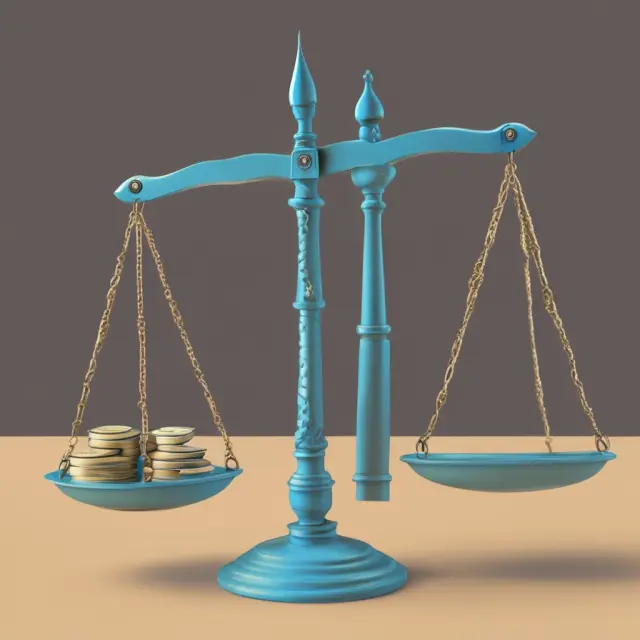
The Home Affordable Refinance Program (HARP) and the Home Affordable Modification Program (HAMP) were both created by the government to help homeowners during the aftermath of the financial crisis. However, they differed significantly in their objectives, eligibility requirements, processes, and outcomes.
Home Affordable Refinance Program (HARP) vs Eligibility
The Home Affordable Refinance Program was designed for homeowners with underwater mortgages who wanted to refinance into more favorable terms. In contrast, HAMP targeted homeowners who were either delinquent on their mortgage payments or at imminent risk of defaulting.
Home Affordable Refinance Program (HARP) vs Process
The process for obtaining a HARP refinance differed from that of HAMP. While HAMP required homeowners to work directly with their existing lenders, HARP allowed borrowers to select any participating lender for the refinance. This flexibility enabled more choice and competition among lenders for borrowers looking to take advantage of lower rates or loan modifications through HARP.
Home Affordable Refinance Program (HARP) vs Benefits
The primary benefits of HARP included reduced monthly mortgage payments, lower interest rates, and longer loan terms. This was achieved by allowing homeowners with underwater mortgages to refinance without being subjected to certain risk factors or past delinquencies.
Home Affordable Modification Program (HAMP) vs Benefits
HAMP offered different benefits to borrowers, such as reduced monthly mortgage payments and the ability to keep their homes. However, the process involved renegotiating the terms of the loan with lenders, potentially leading to changes on credit reports or tax implications.
A comparison chart summarizing the differences between HARP and HAMP can be found below:
| | Home Affordable Refinance Program (HARP) | Home Affordable Modification Program (HAMP) |
|————|———————————————-|——————————————-|
| Eligibility | Underwater mortgages | Delinquent or at risk of defaulting |
| Process | Refinance with any lender | Work directly with existing lender |
| Benefits | Lower monthly payments, interest rates | Keep homes, reduced monthly mortgage payments |
| | and loan terms | |
By understanding the differences between HARP and HAMP, homeowners can make informed decisions when it comes to managing their underwater mortgages and navigating their financial challenges.

Why HARP Ended
The Home Affordable Refinance Program (HARP), an initiative intended to provide much-needed relief for underwater and near-underwater homeowners, came to a close on December 31, 2018. The program’s end was due to several factors, including the overall improvement of the housing market and the shifting economic landscape since its inception.
First and foremost, one key reason for the termination of HARP was the significant recovery of the housing market. Since the program’s launch following the 2008 financial crisis, many homeowners have seen their home values rebound to levels that are once again closer to or even surpassing the amounts they originally owed on their mortgages. According to CoreLogic’s Home Price Index, by the end of 2018, home prices had increased by approximately 64% since HARP’s inception. As a result, fewer homeowners found themselves underwater or near-underwater than before.
Secondly, the end of HARP can also be attributed to the broader economic recovery that took place following the financial crisis. With unemployment rates dropping and wages increasing, more homeowners were able to refinance using traditional channels rather than relying on HARP. Furthermore, mortgage interest rates continued to decrease, providing an additional incentive for homeowners to refinance through conventional means.
Lastly, it’s important to note that even though HARP is no longer available, there are still options for underwater homeowners. The Federal Housing Administration (FHA) offers several programs to help struggling homeowners modify their mortgages, including the Home Affordable Modification Program and the FHA Short Refinance program. Additionally, some lenders may offer proprietary programs or modifications that can provide relief to those who are unable to refinance through traditional channels.
In conclusion, the Home Affordable Refinance Program (HARP) was a vital tool in providing much-needed assistance to underwater homeowners during the aftermath of the 2008 financial crisis. With the significant recovery of the housing market and broader economic improvements, HARP was no longer needed. However, for those still struggling with underwater mortgages, alternative programs are available to help modify their loans.

Alternatives to HARP for Underwater Homeowners
With the termination of the Home Affordable Refinance Program (HARP), some underwater homeowners might feel stuck in their current mortgage terms. However, there are still options to explore when attempting to reduce monthly payments or lower interest rates on an underwater mortgage. Here we’ll discuss alternatives that could potentially help borrowers who find themselves upside down on their loans.
One alternative is the Home Affordable Modification Program (HAMP). This program was designed for homeowners that had already defaulted on their mortgages or were in imminent danger of doing so. Though HAMP ended before HARP, some lenders may still offer modifications under their own terms. Each lender can have its unique set of requirements and process, so it’s essential to contact the mortgage provider to discuss potential options. It is important to note that a modification could impact creditworthiness, as changes to the loan agreement might be reported on your credit report. In some instances, borrowers may face tax implications due to the write-off of a portion of their debt.
Another alternative for underwater homeowners is an FHA Streamline Refinance. This refinance option was designed specifically for current FHA borrowers who are seeking to take advantage of today’s lower interest rates or shorter loan terms. To qualify, the borrower must have made their mortgage payments on time in the past 12 months and must not currently be delinquent or facing foreclosure. The homeowner’s new mortgage cannot exceed the original outstanding balance on their current FHA loan. This program does not require a property appraisal but may have specific lender requirements for documentation, so it is crucial to contact your lender for more details.
Lastly, a cash-out refinance could be an alternative for underwater homeowners with significant equity in other assets or properties. A cash-out refinance allows you to replace your existing mortgage with a new one for a larger amount. The difference between the old and new loans is paid out as cash to the borrower. However, it’s important to consider potential risks associated with this option, such as increasing debt levels, interest payments over an extended loan term, or potential tax implications.
In summary, while HARP has ended, underwater homeowners still have alternatives to explore if they find themselves in a position where their mortgage exceeds the value of their property. These alternatives include Home Affordable Modification Program (HAMP), FHA Streamline Refinance, and cash-out refinancing. It’s essential to weigh the advantages and disadvantages of each option before making a decision and to contact your lender for more information on specific requirements and qualifications.

Brief History of the Financial Crisis and Housing Market
The financial crisis in 2008 brought about drastic changes to the housing market and left many homeowners underwater on their mortgages. Homeowners who were upside down or underwater owed more on their loans than their homes were worth, causing a ripple effect that ultimately led to widespread foreclosures. In response, the government introduced several programs aimed at providing relief to those affected by this situation.
The Home Affordable Refinance Program (HARP) was one such program designed specifically for homeowners whose property values had decreased significantly since they obtained their initial mortgage. This program, administered by the Federal Housing Finance Agency, was created in collaboration with Freddie Mac and Fannie Mae to offer underwater borrowers an opportunity to refinance their mortgages at more favorable terms.
Eligibility for this program required homeowners to possess a mortgage that was sold to either of these entities before May 31, 2009. To be considered for the program, borrowers had to have current payment histories and demonstrate good property condition. HARP enabled participating lenders to process refinances for eligible applicants without requiring them to go through their original lender. However, HARP came to an end on December 31, 2018, leaving underwater borrowers in search of alternative solutions.
It is important to note that the Home Affordable Refinance Program (HARP) should not be confused with the Home Affordable Modification Program (HAMP). Although both initiatives were designed to combat the impact of the financial crisis on homeowners, they differed in their implementation and outcomes. The primary distinction lies in their purpose: while HARP focused on refinancing underwater mortgages, HAMP targeted mortgage modifications for borrowers who had already defaulted or were at risk of doing so.
With the termination of HARP, homeowners seeking relief from burdensome mortgages may consider alternative options like a Cash-out Refinance or FHA Streamline Refinance. It is crucial for borrowers to research these programs thoroughly and consult with financial advisors before making any decisions.
As the housing market recovers, it is essential to remember the lessons learned from the 2008 financial crisis. Understanding the historical context of HARP and the implications it had on homeowners can help guide future policy decisions and inform responsible lending practices.

FAQs About HARP Refinance Program
Homeowners frequently have many questions when it comes to the Home Affordable Refinance Program (HARP). In this section, we aim to clarify some of the most common queries about HARP and its eligibility, benefits, and process.
What is the Home Affordable Refinance Program (HARP)?
HARP was a program initiated by the Federal Housing Finance Agency in 2009 to help underwater homeowners refinance their mortgages when home values declined during the financial crisis. The objective of HARP was to prevent an increasing number of foreclosures by enabling eligible borrowers to access more favorable mortgage terms, such as lower interest rates and reduced monthly payments.
Who qualified for the Home Affordable Refinance Program (HARP)?
To be eligible for HARP, homeowners must have possessed mortgages that were sold to either Fannie Mae or Freddie Mac prior to May 31, 2009. Additionally, applicants had to demonstrate current mortgage payments and maintain good property condition. Homeowners who had already defaulted on their loans or vacated their properties could not participate in the program.
What were the benefits of HARP refinance for homeowners?
HARP offered significant advantages to homeowners, such as reduced monthly payments due to lower interest rates and loan term extensions, resulting from extended repayment periods. These improvements made it easier for borrowers to manage their mortgage obligations, ultimately helping them avoid potential foreclosures.
How did one apply for a Home Affordable Refinance Program (HARP) refinance?
The application process for HARP refinancing entailed selecting an eligible lender and submitting the loan application. Borrowers were not required to work with their existing lender and could instead opt for another participating financial institution, allowing them a greater choice in finding the most suitable terms for their specific situation.
How did HARP impact creditworthiness?
The Home Affordable Refinance Program was designed to be borrower-friendly and minimize potential negative consequences on credit scores. By refinancing under HARP, homeowners could lower their monthly mortgage payments, which could positively influence their debt-to-income ratio (DTI) and improve overall creditworthiness.
How did the Home Affordable Refinance Program differ from Home Affordable Modification Program (HAMP)?
While both HARP and HAMP were introduced to mitigate the impact of the financial crisis, they catered to different borrower needs. HAMP focused on modifying existing mortgage terms for those already in default or facing foreclosure, whereas HARP was designed for current homeowners who wanted to refinance their loans with more favorable terms.
When did the Home Affordable Refinance Program end?
The Home Affordable Refinance Program officially ended on December 31, 2018. However, underwater homeowners still have other options for refinancing and securing better mortgage terms.
In conclusion, the Home Affordable Refinance Program played a significant role in stabilizing the housing market after the financial crisis by providing relief to homeowners experiencing underwater mortgages. While HARP has now ended, understanding its benefits and how it differed from other programs like HAMP can help homeowners make informed decisions about their mortgage options moving forward.
 Next entry · No. 2,168Home Banking: Benefits, Types, Advantages, Disadvantages
See also
-
 No. 2,949
16 Feb 2025
12 min
Loan Locks: How a Mortgage Rate Lock Works, What It Costs, and When to Lock
Mortgage
No. 2,949
16 Feb 2025
12 min
Loan Locks: How a Mortgage Rate Lock Works, What It Costs, and When to Lock
Mortgage -
 No. 3,389
24 Mar 2025
19 min
Understanding Negative Amortization: Risks and Considerations for Institutional Investors
Mortgage
No. 3,389
24 Mar 2025
19 min
Understanding Negative Amortization: Risks and Considerations for Institutional Investors
Mortgage -
 No. 3,275
15 Mar 2025
20 min
Understanding Mortgages: A Comprehensive Guide for Institutional Investors
Mortgage
No. 3,275
15 Mar 2025
20 min
Understanding Mortgages: A Comprehensive Guide for Institutional Investors
Mortgage -
 No. 2,440
06 Jan 2025
19 min
Understanding Interest-Only Mortgages: Advantages, Disadvantages, and How They Work
Mortgage
No. 2,440
06 Jan 2025
19 min
Understanding Interest-Only Mortgages: Advantages, Disadvantages, and How They Work
Mortgage -
 No. 2,261
23 Dec 2024
22 min
Understanding Hybrid Adjustable Rate Mortgages (ARMs): A Comprehensive Guide for Institutional Investors
Mortgage
No. 2,261
23 Dec 2024
22 min
Understanding Hybrid Adjustable Rate Mortgages (ARMs): A Comprehensive Guide for Institutional Investors
Mortgage -
 No. 1,486
22 Sep 2024
19 min
Understanding the Federal Housing Administration (FHA) Loan: Benefits, Requirements, and Types
Mortgage
No. 1,486
22 Sep 2024
19 min
Understanding the Federal Housing Administration (FHA) Loan: Benefits, Requirements, and Types
Mortgage