Understanding Underwater Mortgages and Assets: An In-Depth Guide

An underwater mortgage, or negative equity, is a home loan whose balance exceeds the home's current market value. Selling is harder because the sale price may not cover the loan, and foreclosure risk rises if payments become hard; FHFA estimated about 0.2% of mortgages had negative equity in the first quarter of 2023.
Introduction to Being Underwater
The term ‘underwater’ is often used interchangeably with ‘upside-down’ when referring to financial assets and loans where the value falls below their original price. This condition occurs most prominently in situations involving a mortgage or loan on an asset, such as real estate or securities. In these instances, the borrower owes more than the current market value of the asset, leaving them ‘underwater.’
Understanding Underwater Assets and Loans
When discussing underwater assets, it’s crucial to distinguish between two main types: paper losses and underwater mortgages or loans. Paper losses refer to the loss in value of an unrealized asset, while underwater loans typically describe a situation where the loan amount exceeds the current market value of the underlying asset.
In securities trading, for example, an investor may be underwater if they have bought stocks on margin but the company declares bankruptcy and their holdings no longer cover the loan or initial investment. The account is now ‘underwater,’ and the investor will need to provide additional funds to pay off their debt.
In real estate markets, underwater mortgages can occur when homeowners owe more on their mortgage than what their home is currently worth. This situation can create significant challenges for both the homeowner and lender. Homeowners may not be able to refinance or sell the property without bringing additional cash to the table to offset the negative equity, while lenders face potential losses if the homeowner defaults or enters a short sale.
Special Considerations for Underwater Situations
Being underwater on a loan doesn’t necessarily equate to financial disaster; however, it can create considerable challenges. If payments are made consistently, the loan amount is gradually paid down, and the market conditions improve, an underwater situation may eventually reverse itself. Prospective homebuyers, on the other hand, can take steps to minimize the risk of falling underwater by seeking favorable financing terms and conducting thorough research into the property’s value before making a purchase offer.
Conclusion:
Understanding underwater mortgages and assets is essential for investors, homeowners, and financial professionals alike. By acknowledging the causes, consequences, and potential strategies for managing these situations, we can navigate the complexities of finance and investment more effectively, mitigate risk, and maximize opportunities for growth.
Remember, staying informed about market conditions, understanding the risks involved, and maintaining a margin of safety between asset value and loan amounts are crucial steps in preventing underwater scenarios and ensuring long-term financial stability.

Understanding Underwater Loans
The term ‘underwater’ in finance and investments refers to an asset with a value lower than its original acquisition cost. This concept is commonly used when discussing mortgages and loans on assets that depreciate rapidly, such as homes or cars, where the loan amount can exceed the market value of the asset.
Underwater Loans: A Deeper Dive
In securities trading, an underwater loan occurs when a trader owes more to their broker than the value of their assets, resulting in negative equity. This can happen due to margin calls or declining stock prices that fail to cover the loan. Similarly, buying a home or vehicle with a larger mortgage than its market worth makes the borrower ‘underwater.’
A real-life example: In securities trading, let’s say an investor borrows $50,000 from their broker for stocks at $60,000. If the stock price drops to $48,000, the investor is now underwater by $2,000 and faces a margin call, requiring additional funds to meet the loan obligations.
Underwater Mortgages: Real Estate Implications
In the real estate market, an underwater mortgage refers to a homeowner owing more on their mortgage than the property’s value. This issue is prevalent when housing prices decline significantly, and homeowners are unable to refinance or sell their homes without bringing cash to the table.
An example: If a home is valued at $300,000 but has an outstanding mortgage of $325,000, the owner is underwater by $25,000 and may face difficulties in refinancing or selling the property due to this negative equity.
Special Considerations for Managing Underwater Situations
While being underwater doesn’t always equate to financial ruin, it can present challenges and potential consequences that should be addressed carefully. Homeowners with underwater mortgages may consider options such as refinancing, short sales, or even seeking professional assistance from financial advisors or debt counselors.
In the case of a mortgage, underwater situations can impact homeowners’ credit scores and potentially lead to missed payments, late fees, or foreclosure if left unchecked. Proactively addressing these issues can help mitigate negative consequences and provide long-term financial security.

Special Considerations for Underwater Situations
Being “underwater” refers to a financial situation where an asset is worth less than its original price or notional value – most commonly, this occurs when the outstanding loan on that asset is greater than its current market value. When underwater, a homeowner with a mortgage finds themselves owing more on their property than it’s actually worth. In both securities trading and real estate markets, underwater situations can create significant challenges.
Avoiding Underwater Situations: Tips for Homebuyers and Investors
To prevent falling into an underwater situation, homebuyers and investors should take careful steps when making financial decisions. A primary strategy involves creating a margin of safety between the asset’s value and the loan amount. This can be achieved by:
- Finding good deals: Negotiating for fair prices during real estate transactions or investing in stocks with strong fundamentals and growth potential.
- Setting realistic expectations: Understanding market conditions, economic trends, and a property’s potential depreciation rate before making a purchase.
- Monitoring asset values: Regularly assessing the value of assets to ensure they remain above water.
Consequences of Ignoring Underwater Situations
When underwater situations are ignored or not addressed, consequences can be severe. Homeowners may struggle with missed payments and additional fees, leading to deeper underwater positions. In real estate markets, these issues can result in:
- Legal battles: When homeowners are unable to sell their homes for the amount owed on their mortgages, they may enter into short sales or face foreclosure proceedings.
- Financial instability: Underwater mortgages can lead to long-term financial hardship and potential bankruptcy filings.
- Negative impacts on the broader market: Large numbers of underwater homes can depress property values in local markets, hurting both individual homeowners and institutional investors.
Managing Underwater Assets
Homeowners with underwater mortgages have several options for managing their situation. Some strategies include:
- Refinancing: If the borrower’s credit score has improved or interest rates have dropped, they may be able to refinance their mortgage for a lower rate and a smaller loan amount.
- Short sales: In certain cases, homeowners can sell their properties for less than what is owed on the mortgage. This option can help borrowers avoid foreclosure but may negatively impact their credit score.
- Seeking assistance from financial professionals: Homeowners struggling with underwater mortgages should consider consulting a financial planner or debt counselor for guidance on managing their situation and exploring potential solutions.
In conclusion, understanding the implications of underwater assets is essential for homebuyers and investors navigating various markets. By taking proactive steps to avoid underwater situations and learning how to manage them effectively, individuals can protect themselves from potential financial hardships while minimizing risks in their investment portfolios.

The Impact of Underwater Mortgages on Homeowners
Underwater mortgages can significantly impact homeowners, leaving them with a sense of uncertainty and financial strain. This occurs when a home’s value falls below the outstanding mortgage balance. In such situations, homeowners may struggle to refinance their loans or sell their property due to negative equity. Understanding how underwater mortgages affect homeowners can help those in these circumstances navigate their options and find potential solutions.
Negative Equity: An Unwelcome Surprise
When a mortgage balance exceeds the value of a home, it’s called an underwater mortgage or negative equity. This situation can occur due to various reasons, including falling property values, overpaying for a house during a real estate boom, or a sudden economic downturn. For homeowners, negative equity is an unwelcome surprise that could hinder their ability to sell their property, refinance loans, or even qualify for new mortgages.
Struggling to Sell
Selling an underwater property can be challenging as the proceeds from a sale might not be enough to pay off the mortgage entirely. Homeowners in this situation often face hard choices—either bring cash to the closing table or enter into a short sale with a third party. In a short sale, the lender agrees to accept less than the total amount owed on the loan. This process can be time-consuming and complicated, leaving both the homeowner and the third-party buyer at risk of legal complications.
Difficulties in Refinancing
Underwater mortgages also make it harder for homeowners to refinance their loans. Lenders are typically reluctant to approve new loans when a property’s value is lower than the existing mortgage balance. Refinancing may become an option once home values recover, and underwater mortgages no longer exist. However, this could take years depending on the housing market conditions in a particular area.
Potential Consequences for Homeowners
Beyond the challenges of selling or refinancing, underwater mortgages can result in several negative consequences for homeowners. These include:
- Higher monthly mortgage payments: Underwater mortgage holders may need to pay higher monthly mortgage payments to keep their loans above water. This could strain their budgets and impact other financial obligations.
- Inability to move: Homeowners with underwater mortgages might be reluctant to sell their homes due to a large mortgage balance, making it difficult for them to relocate for work or personal reasons.
- Decreased credit scores: Late or missed payments on mortgages can negatively impact a homeowner’s credit score. This could limit their ability to apply for new loans or lines of credit in the future.
Navigating the Challenges
Homeowners with underwater mortgages may feel overwhelmed, but they do have options to address this situation. Some potential solutions include:
- Negotiating with lenders: Homeowners can explore working with their mortgage providers to find alternatives, such as loan modifications or extensions. This could help them avoid foreclosure and stay in their homes while property values recover.
- Seeking professional advice: Consulting financial planners, debt counselors, or real estate professionals can provide valuable insight into managing an underwater mortgage. They may offer personalized strategies based on individual circumstances, helping homeowners make informed decisions about their finances.
- Waiting it out: If property values are expected to recover in the area, homeowners might choose to wait and ride out the negative equity phase. This could mean making smaller payments or modifying loans to lower monthly mortgage obligations until the market recovers.
In conclusion, understanding underwater mortgages is essential for homeowners as it can significantly impact their financial well-being. By being aware of the potential causes, consequences, and solutions, homeowners can make informed decisions when dealing with negative equity situations. With patience, careful planning, and professional guidance, they may be able to navigate the challenges and eventually regain financial stability.

Understanding Underwater Mortgages in Real Estate
A real estate mortgage that exceeds the market value of the underlying property is known as an underwater mortgage. During periods of economic downturns and housing market crashes, underwater mortgages can be a common phenomenon. In such situations, homeowners may find themselves unable to refinance or sell their homes due to negative equity. This section will delve deeper into the concept of underwater mortgages in real estate markets.
Underwater Mortgages: Definition and Causes
An underwater mortgage is a residential mortgage where the outstanding loan balance surpasses the current market value of the underlying property. This discrepancy can be attributed to declining housing prices or overvalued properties at the time of purchase. Underwater mortgages create unique challenges for homeowners, particularly when they want to sell their homes or refinance their loans.
Historically, underwater mortgages have emerged during economic downturns and housing market crashes. For instance, during the 2008 financial crisis, a significant number of homeowners found themselves facing this issue as housing prices dropped substantially. Underwater mortgages can lead to financial hardship for homeowners, affecting their ability to meet mortgage payments and potentially leading to foreclosures.
Impact of Underwater Mortgages on Homeowners
Homeowners with underwater mortgages face several challenges:
- Limited options for refinancing or selling: Since the loan amount exceeds the property value, homeowners might not have sufficient equity to qualify for a refinance or sell their homes without bringing cash to the table.
- Difficulty in obtaining new loans: Banks and lenders may be reluctant to approve loans for underwater mortgages due to the increased risk involved. Homeowners may need to wait until housing prices recover before considering new loans.
- Financial stress: Underwater mortgages can result in financial stress, as homeowners are required to pay more than what their property is worth. This discrepancy can make it difficult for them to budget and save for future financial needs.
- Emotional burden: Losing equity in a home can be an emotionally draining experience, leaving homeowners feeling trapped or uncertain about their future housing situation.
Strategies for Homeowners with Underwater Mortgages
Homeowners facing underwater mortgages have several options to alleviate the financial burden and regain control of their situation:
- Refinancing: Homeowners can explore refinancing options to reduce their monthly mortgage payments or switch to a more favorable loan program. However, this may depend on their credit score, income, and property value.
- Short sale: In a short sale, the lender agrees to accept less than what is owed on the mortgage when the home is sold. This allows homeowners to avoid foreclosure and start fresh.
- Forbearance or loan modification: Homeowners can request forbearance or loan modifications from their lenders if they are experiencing temporary financial hardship. These options may provide relief in the form of reduced payments or interest rates.
- Selling as-is: Homeowners can sell their property ‘as-is’ to investors, avoiding the need to bring cash to the table. This option might result in a lower sales price, but it allows homeowners to resolve their underwater mortgage situation and move on.
- Negative equity buyback programs: Some lenders offer negative equity buyback programs that allow homeowners to sell their homes back to the lender for an amount less than what is owed. These programs can help homeowners avoid foreclosure and start fresh, but they might come with conditions such as additional fees or longer repayment terms.
Conclusion
Underwater mortgages are a significant issue for homeowners during economic downturns and housing market crashes. These mortgages limit their options to refinance or sell their homes and can result in financial stress, emotional burden, and potential foreclosure. Homeowners with underwater mortgages should explore various strategies such as refinancing, short sales, forbearance or loan modifications, selling as-is, or negative equity buyback programs to alleviate the financial burden and regain control of their situation. By understanding the causes and consequences of underwater mortgages, homeowners can make informed decisions about their housing future and take steps to mitigate potential risks.
Causes and Consequences of Underwater Assets
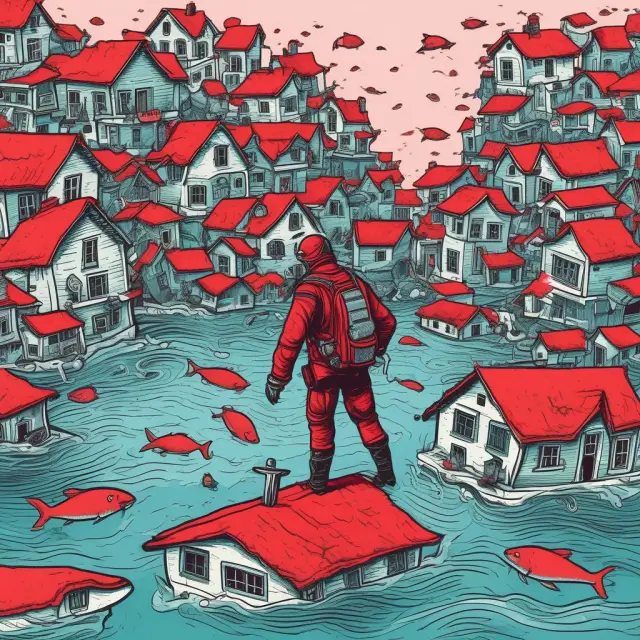
Underwater assets refer to financial instruments with a market value below their original cost or face value. The term is most commonly associated with real estate and mortgages. An underwater asset can occur in any market where leverage, borrowing, or significant price fluctuations are involved.
One common cause of underwater assets is declining markets. In the real estate industry, for instance, a property’s value might decrease over time due to macroeconomic factors or local changes. As the asset’s value falls, a homeowner with an outstanding mortgage may find themselves owing more than their property is worth. This can lead to financial hardships and potential consequences like defaulting on the loan or even foreclosure.
In securities trading, underwater assets can result from market downturns that leave investors holding losing positions. In such cases, the investor’s paper loss – the difference between their purchase price and the current asset value – may exceed the original investment. This situation can force them to either sell at a loss or wait for market recovery, which could take an extended period of time.
Underwater assets are not always negative situations. For instance, a homeowner might be underwater on their mortgage but still choose to stay put and wait for the property value to recover. In the meantime, they can make extra payments toward the principal to gradually reduce their indebtedness. However, if the asset’s decline is severe or prolonged, the consequences can be significant.
For homeowners with underwater mortgages, potential repercussions include:
- Limited refinancing options: Homeowners may have difficulty refinancing their mortgage due to the negative equity position.
- Difficulties in selling the property: If a homeowner wants or needs to sell, they may face challenges finding a buyer who can pay off the mortgage debt with proceeds from the sale alone.
- Negative impact on credit score: Underwater mortgages and missed payments can negatively affect a borrower’s credit rating, making it harder for them to obtain new loans or lines of credit in the future.
- Emotional stress: The fear of potential foreclosure and the uncertainty surrounding their financial situation can lead to significant emotional distress for homeowners dealing with underwater mortgages.
Moreover, underwater assets can have broader implications on the economy as a whole. For example, when large numbers of homeowners are unable to pay off their mortgages or sell their properties, it can lead to increased defaults and foreclosures, potentially destabilizing the housing market. Furthermore, if a significant portion of the population experiences financial difficulties due to underwater assets, it can impact consumer spending and contribute to an economic downturn.
In conclusion, understanding underwater assets is crucial for anyone involved in finance or real estate. Factors that may cause underwater assets include declining markets, market volatility, and poor investment decisions. These situations can lead to various consequences for the asset holder and, potentially, the broader economy. To mitigate risks associated with underwater assets, it is essential to maintain a diversified portfolio, avoid overextending oneself financially, and stay informed about macroeconomic trends that could impact the value of your investments.

Strategies for Dealing with Underwater Mortgages
Underwater mortgages can be frustrating and stressful situations for homeowners. If you find yourself in an underwater mortgage, it’s essential to understand your options and take action as soon as possible to mitigate the potential consequences. In this section, we’ll explore some effective strategies for dealing with underwater mortgages.
Firstly, it’s important to remember that being underwater doesn’t necessarily mean you’re doomed. Depending on market conditions and your personal financial situation, there may be ways to turn things around. One potential strategy is refinancing your mortgage. If interest rates have dropped significantly since you initially took out the loan, refinancing could help lower your monthly payments and reduce the size of the underwater gap. However, it’s crucial to consider any potential closing costs or fees associated with refinancing. Make sure the long-term savings outweigh these costs before proceeding.
Another strategy for dealing with an underwater mortgage is a short sale. In this scenario, you sell your property for less than the outstanding loan balance. While this option can have negative consequences on your credit score, it may be the best course of action if you’re unable to make your mortgage payments and are facing foreclosure. It’s essential to work with your lender and a real estate agent to navigate the short sale process, which can be complex.
A third option for managing an underwater mortgage is seeking assistance from financial professionals. Working with a credit counselor or debt management agency can help you assess your situation and explore potential solutions. Depending on your circumstances, they may recommend options such as loan modifications or forbearance plans. These programs can temporarily reduce or pause your monthly mortgage payments to help alleviate some of the burden.
It’s also essential to avoid putting yourself in an underwater situation in the first place. When purchasing a property, do thorough research on the market and the property’s value before making an offer. Seek advice from real estate professionals and financial advisors to ensure you’re making a sound investment. Additionally, consider maintaining a margin of safety between the property’s value and your mortgage balance. This buffer will provide some protection if property values decline or unexpected expenses arise.
Underwater mortgages can be daunting, but with careful planning and timely action, it’s possible to navigate these challenges. By exploring strategies such as refinancing, short sales, and seeking professional assistance, you can work towards a more stable financial future.
Case Study: The 2008 Housing Market Crisis
During the 2008 housing market crisis, many homeowners found themselves underwater on their mortgages due to rapidly declining property values and risky lending practices. This situation resulted in a surge of mortgage defaults, foreclosures, and significant losses for lenders. However, some homeowners managed to avoid these pitfalls by staying informed about market conditions and taking proactive measures to address their underwater mortgages. By implementing strategies such as refinancing or short sales, they were able to mitigate the consequences of an otherwise devastating economic downturn.

Case Studies: Real-Life Examples of Underwater Mortgages
Underwater mortgages can be devastating for homeowners, leaving them with a significant debt that exceeds the value of their property. Let’s delve into some real-life case studies illustrating the challenges and potential outcomes of underwater mortgage situations.
Case 1: The Housing Bubble Burst
During the late 2000s, the U.S. housing market experienced an unsustainable bubble, leading to a significant decline in property values. Homeowners who took out mortgages at the height of the bubble found themselves underwater when the market crashed. For instance, consider a homeowner named Sarah, who purchased her dream house for $800,000 in 2006, putting down a mere 5% ($40,000) as a down payment. When the housing market started to plummet, Sarah’s property value dropped to around $650,000, leaving her with an underwater mortgage of $760,000 – a situation that forced many homeowners into default or foreclosure during those years.
Case 2: The Impact of Economic Downturns
Economic downturns and resulting job losses can also contribute to underwater mortgages. For example, in the early 1990s, an economic recession led to significant declines in real estate prices, particularly in California’s Silicon Valley. Homeowners who lost their jobs found themselves unable to make mortgage payments, leading to many underwater situations. In one instance, a family paid $800,000 for a house in 1990, only to see its value plummet to $500,000 within just a few years. The homeowner’s income, which relied on the tech industry, was also dramatically affected by the economic downturn, leaving them with an underwater mortgage of over $300,000.
These case studies demonstrate that underwater mortgages can result from various factors and can have severe consequences for homeowners. Homeowners facing underwater situations should consider speaking with financial professionals to explore potential strategies for managing their mortgages, such as refinancing or seeking assistance through government programs. By staying informed and proactive, homeowners may be able to mitigate the impact of an underwater mortgage and work towards a more stable financial future.

Avoiding Underwater Mortgages: Tips for Homebuyers
When purchasing a property, being underwater – having an asset worth less than its original price, including the mortgage loan – can pose significant financial challenges. In real estate markets, homeowners often find themselves in this situation when house values drop below their outstanding mortgage balances. Here are some tips for potential buyers to avoid falling into an underwater mortgage situation:
1. Research Market Conditions Thoroughly
Before making a purchase, it is crucial to research the local housing market thoroughly. By examining historical trends and current market conditions, homebuyers can make informed decisions on property values and potential future fluctuations. Factors like economic stability, interest rates, and population growth all play a role in determining if a specific area is likely to experience price increases or decreases.
2. Secure a Solid Financing Strategy
A well-planned financing strategy is essential for avoiding underwater mortgages. Homebuyers should aim to secure the best possible financing terms, such as low interest rates and favorable repayment plans. A larger down payment reduces the mortgage principal and increases the margin of safety between the asset’s value and the loan amount.
3. Be Realistic About Property Values
It is essential to have a realistic understanding of property values before making an offer. Overpaying for a house can quickly put homebuyers in an underwater situation if market conditions change or the property’s value decreases over time. Being patient and waiting for the right opportunity can lead to better long-term financial outcomes.
4. Maintain a Flexible Approach
Market conditions can change rapidly, making it important for homebuyers to remain adaptable in their approach. If purchasing in an area with volatile housing prices or economic instability, buyers should consider alternative financing options and be prepared to make adjustments if needed.
For example, a buyer looking to purchase a house in an area prone to market volatility might opt for a fixed-rate mortgage instead of an adjustable rate mortgage (ARM). This provides peace of mind and stability, ensuring that the monthly mortgage payment remains constant regardless of market fluctuations. In addition, buyers can explore alternative financing methods like renting or house sharing to minimize their financial risk while they wait for favorable market conditions.
5. Seek Expert Advice
Working with real estate professionals, such as agents, appraisers, and mortgage brokers, can provide valuable insights into the local housing market and help homebuyers make informed decisions. They can offer guidance on property values, financing strategies, and market trends, providing buyers with the knowledge they need to navigate the purchasing process and avoid underwater mortgages.
In conclusion, being underwater in a mortgage can result in financial difficulties for homeowners. To minimize the risks of falling into this situation, potential homebuyers should research market conditions, secure solid financing strategies, maintain realistic expectations about property values, stay flexible, and seek expert advice from professionals in the field. By following these guidelines, buyers can make informed decisions that maximize their chances of a successful real estate investment and long-term financial security.
Now let us explore the implications and consequences of being underwater on an asset or mortgage. Understanding the potential pitfalls and available solutions can help homeowners navigate this challenging situation and regain control of their finances.

The Role of Government Policies in Addressing Underwater Mortgages
Underwater mortgages can lead to significant financial challenges for homeowners and lending institutions alike. As real estate prices dropped during the 2008 housing market crash, millions of Americans found themselves owing more on their homes than they were worth. This situation not only limited the borrower’s ability to refinance or sell but also left the mortgage holder at risk of a loss when attempting to recover the outstanding loan amount.
To mitigate the consequences of underwater mortgages, various government policies have been put in place over the years. Two prominent programs were designed to help homeowners struggling with underwater situations: The Home Affordable Modification Program (HAMP) and the Home Affordable Refinance Program (HARP).
The Home Affordable Modification Program (HAMP), introduced as part of the Making Home Affordable plan, aimed to provide eligible homeowners a means to modify their mortgages to make payments more affordable. HAMP offered an opportunity for borrowers to lower their monthly mortgage payments by reducing interest rates, extending loan terms, or even forgiving principal debt in some cases. By doing so, it helped prevent further deterioration of the underwater situation and enabled borrowers to keep their homes while becoming financially stable once again.
On the other hand, the Home Affordable Refinance Program (HARP) targeted homeowners who had already been paying on their mortgages for a significant period but were still unable to refinance due to being underwater. HARP allowed these borrowers to refinance their current mortgage at lower interest rates, thereby reducing monthly payments and making their mortgage more manageable. By taking advantage of this program, many homeowners saw substantial savings over the life of their mortgages, improving both their short-term financial situation and long-term financial outlook.
Through these programs, the government aimed to provide assistance to those struggling with underwater mortgages while preventing further losses for mortgage holders. By addressing the root causes of the issue – financial instability and declining property values – homeowners were given a chance to regain control over their finances and rebuild their equity over time.
However, it’s essential to remember that these programs came with specific eligibility requirements, limitations, and deadlines. Homeowners who wanted to take advantage of HAMP or HARP needed to meet certain criteria, such as having a loan owned or guaranteed by Fannie Mae or Freddie Mac, not being delinquent on their mortgage payments, and demonstrating a financial hardship that made it difficult to pay their current mortgage. By meeting these requirements and working closely with their mortgage servicer, many homeowners were able to successfully modify or refinance their mortgages under the program terms.
In conclusion, government policies like HAMP and HARP played a critical role in addressing the challenges of underwater mortgages during the 2008 financial crisis. By providing borrowers with opportunities to lower their monthly payments, refinance their existing loans, and rebuild equity, these programs not only helped homeowners regain control over their finances but also protected mortgage holders from further losses on underperforming assets. While each situation is unique, the lessons learned from these programs continue to inform policymakers and financial institutions as they work to mitigate the impact of underwater mortgages in today’s housing market.

FAQ: Commonly Asked Questions about Underwater Mortgages
What is an “underwater” mortgage?
An underwater mortgage refers to a home loan that has a higher principal balance than the current market value of the property. In simpler terms, the borrower owes more on their mortgage than what the house or real estate asset is worth in the open market.
Why does an asset become underwater?
Assets can become underwater due to various reasons, including a decline in market value or poor purchase decisions. For instance, if you buy a car that depreciates quickly or overpay for a house during a housing bubble, your asset could potentially fall underwater.
What is the impact of being underwater on homeowners?
Homeowners with underwater mortgages face several challenges, including difficulty selling their property due to negative equity and potential financial instability caused by high monthly mortgage payments that exceed the value of the house. In extreme cases, it might lead to a default and foreclosure if they are unable to make their loan payments.
How do underwater mortgages affect real estate markets?
Underwater mortgages can have significant implications for entire real estate markets. During economic downturns or market corrections, many homeowners may find themselves in an underwater situation, which can lead to a surge in foreclosures and distressed property sales. This influx of distressed properties can further depress the market and exacerbate the problem for other homeowners.
How do lenders handle underwater mortgages?
Lenders may offer various solutions to help homeowners with underwater mortgages, including loan modifications, refinancing, or forbearance programs. However, in extreme cases where the borrower is unable to make payments despite the lender’s assistance, foreclosure remains a possibility.
Can underwater mortgages be avoided?
While it may not be possible to entirely avoid being underwater when buying an asset, homebuyers can minimize their risk by conducting thorough research and purchasing real estate that offers good value for their investment. Additionally, maintaining a margin of safety between the asset’s value and the loan amount is essential to mitigate the impact of market fluctuations and maintain long-term financial stability.
 Next entry · No. 5,200Understanding Underweight: When Portfolios and Stocks Fall Short of Expectations
See also
-
 No. 3,881
04 May 2025
17 min
Understanding Owner-Occupancy: What It Is and How It Works
Real Estate
No. 3,881
04 May 2025
17 min
Understanding Owner-Occupancy: What It Is and How It Works
Real Estate -
 No. 2,174
16 Dec 2024
19 min
Maximizing Your Tax Savings with the Mortgage Interest Deduction: Understanding the Changes and Qualifications
Mortgage
No. 2,174
16 Dec 2024
19 min
Maximizing Your Tax Savings with the Mortgage Interest Deduction: Understanding the Changes and Qualifications
Mortgage -
 No. 5,919
18 Oct 2025
19 min
Understanding Zombie Titles: Financial and Legal Risks for Homeowners and Lenders
Real Estate
No. 5,919
18 Oct 2025
19 min
Understanding Zombie Titles: Financial and Legal Risks for Homeowners and Lenders
Real Estate -
 No. 4,294
07 Jun 2025
20 min
Understanding Short Sales: A Comprehensive Guide for Financial Distress and Real Estate Markets
Real Estate
No. 4,294
07 Jun 2025
20 min
Understanding Short Sales: A Comprehensive Guide for Financial Distress and Real Estate Markets
Real Estate -
 No. 4,033
16 May 2025
21 min
Understanding Pre-Foreclosure: The First Step Toward Foreclosure
Real Estate
No. 4,033
16 May 2025
21 min
Understanding Pre-Foreclosure: The First Step Toward Foreclosure
Real Estate -
 No. 3,394
24 Mar 2025
21 min
Understanding Negative Equity: The Financial Implications for Homeowners and the Economy
Real Estate
No. 3,394
24 Mar 2025
21 min
Understanding Negative Equity: The Financial Implications for Homeowners and the Economy
Real Estate