Understanding the Impact and Legacy of the New Deal: A Comprehensive Analysis

Explore the impact, legacy, and controversies surrounding FDR's groundbreaking New Deal programs during the Great Depression.
Introduction: The Great Depression and the Birth of the New Deal
The Great Depression, a period of profound economic hardship lasting from 1929 to 1933, saw stock markets crash, businesses fail, and employment plummet as nearly a quarter of the workforce found themselves jobless. Amidst the turmoil, President Franklin D. Roosevelt took office in March 1933, aiming to address the economic crisis through a series of innovative and groundbreaking initiatives known collectively as the New Deal.
The Great Depression, which followed the stock market crash of October 1929, left America’s economy in shambles. Companies and banks across the nation began collapsing, causing widespread unemployment that reached an alarming quarter of the workforce. Desperate for change, voters turned to President Franklin D. Roosevelt, who was inaugurated on March 4, 1933, determined to implement programs designed to restore economic stability, reduce unemployment, and provide a safety net for citizens.
Understanding the New Deal: Context and Origins
The stock market crash of October 24, 1929, marked the beginning of the end for the roaring twenties economy. A period of economic prosperity came to an abrupt halt, leaving the United States in a state of financial despair. The economic turmoil continued until FDR’s election, as companies and banks continued to fail, and the unemployment rate skyrocketed, with millions of Americans out of work.
President Franklin D. Roosevelt recognized the need for action, launching the New Deal in 1933 to address the pressing economic issues confronted by the United States during this tumultuous time. The New Deal was a comprehensive and multifaceted approach, consisting of government-funded programs aimed at getting people back to work, as well as legislation and executive orders designed to support farmers and stimulate business activity.
Despite controversy surrounding some of its initiatives and the government’s expanded role in the economy, the New Deal garnered broad public support. The introduction of radical reforms such as setting minimum wages, regulating working conditions, promoting labor unions, and bolstering retirement security changed the course of American history and set the stage for the post-World War II economic boom.
The following sections will delve deeper into the historical context, various New Deal programs, controversies, successes, and long-term impact of this landmark period in United States history.

The Historical Context: The Stock Market Crash and the Economy Before the New Deal
Before delving into the details of President Franklin D. Roosevelt’s New Deal programs, it is crucial to understand the context surrounding their inception – specifically, the causes of the Great Depression and its devastating impact on the United States economy and society. The stock market crash of 1929 marked the beginning of a tumultuous period for the American economy.
The events leading up to this pivotal moment can be traced back to the Roaring Twenties, an era characterized by economic growth, consumerism, and cultural innovation. However, this seemingly prosperous time was underpinned by unsustainable financial practices – including rampant speculation in the stock market and excessive borrowing – that ultimately set the stage for a calamitous fall.
The stock market had experienced a period of unprecedented growth during the 1920s, with the Dow Jones Industrial Average more than tripling between 1925 and 1929. This surge in stock prices fueled an increase in borrowing against stocks and a speculative frenzy, as Americans sought to cash in on their newfound wealth.
On October 24, 1929, the stock market bubble finally burst. Known as “Black Thursday,” this day marked the beginning of a prolonged period of economic hardship. Companies and banks began failing at an alarming rate, with the unemployment rate soaring to over 25% at its peak. This left millions of Americans struggling to make ends meet, while the government appeared powerless to offer any meaningful assistance.
The social climate during this time was characterized by despair, hopelessness, and a growing sense that something needed to be done. This set the stage for President Roosevelt’s New Deal programs, which were designed to bring about economic recovery, create jobs, and instill confidence in the government’s ability to protect its citizens. The next section will delve deeper into the specific initiatives that made up the New Deal and their lasting impact on American society.
In summary, the stock market crash of 1929 and the subsequent Great Depression left a profound mark on the United States economy and society. Millions of Americans were left unemployed, and the government seemed unable to provide adequate assistance. This context helped shape President Franklin D. Roosevelt’s New Deal programs, which aimed to restore confidence in the American economy and offer a safety net to its citizens.

The First Two Years: The Emergence of the ‘First’ New Deal (1933-34)
Following Franklin D. Roosevelt’s inauguration as President in March 1933, the United States was still grappling with the devastating effects of the Great Depression that had begun when the stock market crashed in late October 1929. With nearly a quarter of the workforce unemployed, the nation desperately needed relief and direction. In response to this dire situation, President Roosevelt launched an ambitious set of government-funded programs aimed at providing jobs, stabilizing the economy, and promoting recovery. This section will delve into the early initiatives of the New Deal – those enacted in the first two years (1933-34) – including the National Recovery Administration (NRA), Agricultural Adjustment Administration (AAA), Emergency Banking Act, Glass-Steagall Act, and Securities Act of 1933.
The National Recovery Administration (NRA): Established in June 1933, the NRA was designed to bring relief to the job market by setting working conditions, minimum wages, and maximum hours through industry-specific codes. While it initially gained widespread public support – known as “Roosevelt’s hundred days” – its success proved limited, as various industries continued to struggle. Moreover, the program encountered significant controversy when the Supreme Court ruled parts of it unconstitutional in 1935, declaring that the federal government had exceeded its authority under the Commerce Clause.
The Agricultural Adjustment Administration (AAA): Introduced on May 12, 1933, the AAA aimed to stabilize farm prices by controlling production levels through various means, including subsidies for farmers to reduce their crop acreage and pay them not to grow certain crops. The program initially brought much-needed relief to struggling farmers but faced its own challenges when the Supreme Court ruled parts of it unconstitutional in 1936, citing the same Commerce Clause concerns as with the NRA.
The Emergency Banking Act: Signed into law on March 9, 1933, this act sought to restore confidence in the banking system by creating the Federal Deposit Insurance Corporation (FDIC) and providing federal deposit insurance up to $2,500 per depositor per bank. It allowed banks that could prove they were solvent to reopen, while those that were insolvent were taken over and their deposits paid off through taxpayer funds. The Emergency Banking Act served as a crucial first step in addressing the banking crisis brought on by the Great Depression.
The Glass-Steagall Act: Also known as the Banking Act of 1933, this legislation was enacted on August 27, 1933. It sought to prevent another financial crisis like that of the Great Depression by separating commercial banking and investment banking activities – a concept known as “glass-steagall.” This wall between retail banking and investment banking proved effective until its repeal in 1999, which allowed for the consolidation of the banking industry and ultimately contributed to the global financial crisis of 2008.
The Securities Act of 1933: Passed on May 27, 1933, this act marked a significant step in regulating securities transactions in the United States by requiring public companies to disclose essential information about themselves and their securities offerings through a registration process. The goal was to protect investors from fraudulent schemes, providing them with accurate and transparent information when making investment decisions.
Together, these initiatives constituted the “first” New Deal and laid the groundwork for further progress in addressing the economic hardships brought on by the Great Depression. By offering relief, instilling confidence in key sectors like banking, and laying the foundation for future programs, President Roosevelt’s early actions proved crucial to America’s eventual recovery.
The New Deal and Controversy: The Court Packing Attempt and Social Security
As President Franklin D. Roosevelt launched the New Deal in 1933, he faced a tumultuous political climate characterized by controversy surrounding his administration’s efforts to revive the United States economy from the devastating effects of the Great Depression. Two significant events during this period illustrate the challenges Roosevelt faced: the failed attempt at court packing and the eventual constitutional recognition of Social Security.
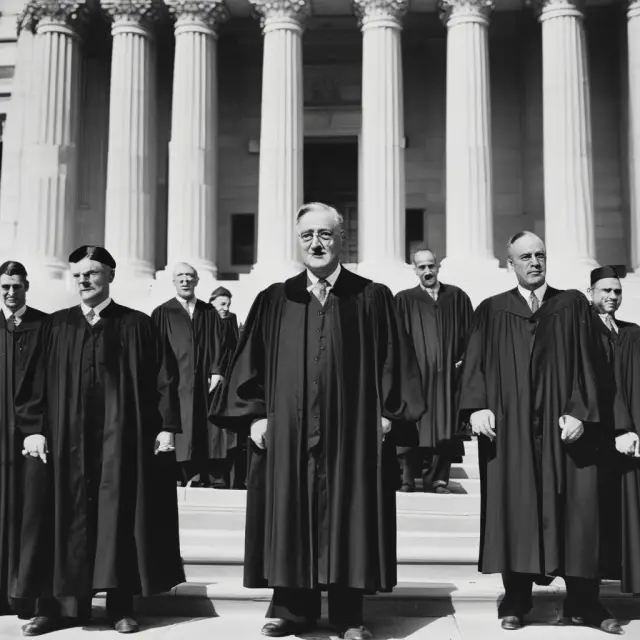
Initially, the New Deal encountered several setbacks when it ran into opposition from the Supreme Court regarding two major pillars of the New Deal – the National Recovery Administration (NRA) and the Agricultural Adjustment Administration (AAA). The NRA sought to regulate working conditions, minimum wages, and maximum hours while guaranteeing labor’s right to collective bargaining. The AAA aimed to stabilize farm prices. However, in 1935, the Supreme Court ruled both programs unconstitutional due to their overly broad delegation of legislative authority (Schecter Poultry Corp. v. United States and Butler v. United States, respectively). Public opinion, however, remained largely favorable towards the New Deal, as millions of Americans were directly or indirectly impacted by its initiatives.
To prevent future programs from being invalidated by the Supreme Court, Roosevelt proposed expanding the number of justices on the Supreme Court in 1937 through a process known as “court packing.” This plan called for adding more justices to the nine-member bench, thereby tipping the balance in favor of the New Deal. The attempt was met with fierce opposition and backlash from political opponents and the media. In the end, Roosevelt failed in his court-packing efforts, but public support for the New Deal continued to grow.
Meanwhile, a groundbreaking retirement program, Social Security, was being drafted as part of the second phase of New Deal programs introduced in 1935. It was a critical initiative aimed at providing a safety net for senior citizens and ensuring financial security during old age. While the Court initially opposed this program due to concerns over its constitutionality, public pressure eventually led to a change in one justice’s stance. In May 1937, the Supreme Court ruled that Social Security was indeed constitutional (Steve Helmsley v. United States).
The New Deal continued to evolve during the second half of Roosevelt’s presidency with initiatives like the Works Progress Administration (WPA) and the Fair Labor Standards Act, further expanding its reach and impact on American society. Despite initial challenges and controversies surrounding the New Deal, it ultimately succeeded in establishing a more prominent role for government intervention in economic affairs, setting the stage for future policies and programs to address both short-term crises and long-term socioeconomic issues.
As the debate over the New Deal and its constitutionality raged on, Roosevelt’s administration faced significant challenges from both political opponents and the judiciary. The failed court packing attempt and the eventual acceptance of Social Security by the Supreme Court highlight the complex political landscape during this period and underscore the historical significance of the New Deal as a turning point in American government’s role in economic recovery efforts.
The Second New Deal (1935): Introducing Social Security, WPA, and Fair Labor Standards Act
After two years of implementing a range of government-funded projects aimed at providing immediate relief to millions of struggling Americans, President Franklin D. Roosevelt recognized the need for long-term solutions. In May 1935, he presented his State of the Union address outlining the “second New Deal,” which would focus on improving social welfare and employment opportunities for those most affected by the Great Depression.
Social Security: A Safety Net
Among the most significant pieces of legislation that emerged from the second New Deal was the Social Security Act, signed into law in August 1935. This groundbreaking retirement program provided a safety net to millions of Americans who had lived through years of economic instability and uncertainty. With the unemployment rate still stubbornly high, the act offered hope for those most at risk, including the elderly, orphans, widows, and disabled workers.
The Social Security Act created a federal Old-Age, Survivors, and Disability Insurance (OASDI) program to provide monthly benefits based on employees’ contributions made through payroll taxes. By offering a measure of financial security in old age, Roosevelt aimed to instill confidence in the government’s commitment to protecting its citizens from the economic turmoil that had plagued the nation since 1929.
Work Progress Administration: A Workforce Revolution
Another cornerstone of the second New Deal was the Works Progress Administration (WPA), established on May 6, 1935. This public work relief program aimed to provide employment opportunities for those unable to find work in the private sector. The WPA’s extensive projects touched virtually every state and community in America, employing millions of men, women, and even youth. From building roads and parks, painting murals, and creating plays, WPA workers left their mark on American history while earning a steady paycheck.
Fair Labor Standards Act: Protecting the Working Class
As part of the second New Deal, the Fair Labor Standards Act was introduced in 1935 to establish minimum wages and maximum hours for many industries. The act was designed to protect workers from exploitation by setting a floor on wages and limiting working hours. Although the Act initially applied only to industries involved in interstate commerce or producing goods for the federal government, it set a precedent for labor standards that would ultimately extend beyond the Depression era.
In conclusion, the second New Deal represented an important shift from immediate relief measures to long-term social welfare and employment initiatives. The introduction of Social Security, Works Progress Administration, and Fair Labor Standards Act ushered in new opportunities for economic security and stability during a time when Americans desperately needed hope and support. These programs helped set the foundation for a more robust safety net that continues to evolve to meet the needs of American workers today.

Assessing the Success: Economic Recovery and Long-term Impact on American Society
The New Deal’s success in reviving the U.S. economy from the Great Depression and its long-lasting impact on American society have been a topic of extensive debate among historians for decades. The New Deal programs were designed to provide relief, create jobs, stabilize industries, and establish social safety nets. This section will assess the success of these initiatives in terms of economic recovery, improved working conditions, labor unions, and public opinion.
Economic Recovery
The New Deal helped boost the economy by providing employment opportunities through various public works projects and increasing consumer purchasing power through social welfare programs like Aid to Dependent Children (ADC) and Old-Age Assistance (OAA). Although it took years for the United States to fully recover from the Great Depression, these initiatives played a crucial role in restoring confidence and creating conditions conducive to economic growth.
Improved Working Conditions
One of the most significant accomplishments of the New Deal was enhancing working conditions through various labor reforms such as the National Recovery Administration (NRA) and the Works Progress Administration (WPA). The NRA implemented codes to set minimum wages, maximum hours, and improved working conditions for employees in several industries. Moreover, the WPA offered jobs to millions of unemployed workers, providing them with a source of income while carrying out public works projects and other initiatives.
Labor Unions
The New Deal also had an impact on labor unions, which gained significant strength during this period. The National Labor Relations Act (Wagner Act) of 1935 ensured the right to collective bargaining, leading to increased union membership, higher wages, and better working conditions for many Americans. This legislation not only benefited the workers but also helped stabilize labor markets by promoting stable employment relationships and reducing the volatility of wages during economic downturns.
Public Opinion
The New Deal’s public opinion polling indicates that its initiatives were generally popular among the American people. In a Gallup Poll conducted in December 1935, 72% of respondents approved of Roosevelt’s handling of unemployment, while 64% approved of his handling of relief and social security matters. The New Deal’s success in addressing pressing economic concerns, combined with its popularity among the public, further solidified its position as a significant turning point in U.S. history.
In conclusion, the New Deal programs played an essential role in bringing about economic recovery from the Great Depression by providing employment opportunities, improving working conditions, and fostering labor union growth. While it may have taken time for these benefits to materialize, their long-term impact on American society was profound. The New Deal’s legacy continues to shape modern welfare programs and government intervention in the economy.

New Deal Legacy: Government’s Role in Economic Stability
The New Deal marked a turning point for the relationship between the government and economic stability in America. It not only provided short-term relief to millions of Americans affected by the Great Depression but also altered the role of the federal government in steering the economy toward long-term prosperity. By implementing various programs, the New Deal set the foundation for a more active role of the government in addressing economic downturns and ensuring stability for its citizens.
The success of the New Deal lies in several key areas:
1. Jobs Creation: The Works Progress Administration (WPA) and Civilian Conservation Corps (CCC) were two major programs that put millions of Americans to work, providing employment opportunities in various sectors such as construction, arts, and agriculture. These initiatives played a crucial role in restoring confidence and reducing the unemployment rate during an economically challenging period.
2. Social Security: The introduction of the Social Security Act in 1935 was a revolutionary change for the American workforce. It provided a social safety net by creating government-managed retirement programs, which have since become a cornerstone of the US welfare system. With old age pensions, disability insurance, and unemployment compensation, the New Deal helped ensure economic security for millions of citizens.
3. Infrastructure Development: The New Deal also focused on infrastructure projects like roads, bridges, schools, and post offices. These investments created jobs while laying the groundwork for future development and growth. The Public Works Administration (PWA) funded many of these projects, helping to stimulate economic activity and contribute to long-term improvements in public infrastructure.
4. Economic Regulation: New Deal programs like the National Recovery Administration (NRA), the Securities Act of 1933, and the Banking Act of 1935 introduced regulatory measures that aimed to protect consumers and ensure a fair marketplace. These regulations served as an important foundation for future financial reforms and laid the groundwork for modern securities laws.
5. Impact on International Economy: The New Deal’s impact extended beyond the US borders, as other nations also looked to government intervention and regulation to mitigate economic challenges. For instance, Germany’s New Deal, known as the ‘New Deal with Nature,’ focused on environmental conservation and labor training programs, while the United Kingdom initiated a series of welfare and public works projects. These initiatives provided inspiration for future economic policies aimed at addressing global economic instability.
In conclusion, the New Deal left an indelible mark on American society and the role of government in economic stability. By providing relief during the Great Depression and setting the foundation for modern regulatory frameworks, it laid the groundwork for a more stable and secure economic future for generations to come.
Impact on Institutional Investors: Changes to Securities Trading and Regulation
The New Deal significantly altered the landscape for institutional investors through a series of securities acts and banking acts that introduced new regulations aimed at preventing another economic downturn similar to the Great Depression. These regulatory measures, collectively known as the New Deal reforms, would ultimately change the way financial institutions operated and their interactions with the government.
The Securities Act of 1933, also known as the Securities Act, was one of the first pieces of legislation introduced under the New Deal to address investor protection in the aftermath of the stock market crash. This act required public companies to register securities offerings with the Securities and Exchange Commission (SEC) before selling them to the public. The purpose was to provide investors access to adequate information about the securities they were purchasing, enabling informed decisions.
The Securities Exchange Act of 1934 followed in 1934 and established the SEC as an independent regulatory body responsible for overseeing securities trading and enforcing securities laws. The act also mandated ongoing reporting requirements for publicly traded companies, ensuring that shareholders could stay informed about their investments.
Another significant change for institutional investors was the Glass-Steagall Act of 1933, which aimed to separate investment banking and commercial banking operations within financial institutions to prevent the risky practices that had contributed to the stock market crash in 1929. This act created a firewall between commercial banks—which accepted deposits and offered basic services like checking accounts—and investment banks, which specialized in underwriting securities offerings and conducting securities trading for clients.
The regulatory landscape continued to evolve with the establishment of the Investment Company Act of 1940. This legislation, introduced during the latter part of Roosevelt’s second term, required mutual funds and other investment companies to register with the SEC, providing investors with essential information about the investment strategies and risks associated with their investments.
The New Deal reforms had lasting implications for institutional investors. They provided a new level of transparency and accountability in financial markets, helping rebuild investor confidence and paving the way for future growth. The regulatory environment that emerged during this time would serve as the foundation for modern securities laws and regulations.

International Perspective: Comparing New Deal Programs with Those of Other Nations
The Great Depression was not unique to the United States. Many countries around the world suffered severe economic downturns following the stock market crash of 1929. In this context, it is valuable to explore how the New Deal compared to other nations’ responses to their respective economic crises.
One prominent example is Britain, which also implemented extensive reforms under the Labour government led by Ramsay MacDonald in 1930. The United Kingdom introduced its own version of a New Deal called the National Recovery Administration (NRA), but it proved less successful than its American counterpart. Whereas the US NRA offered relief to both employers and employees through codes of fair competition, the British version only focused on price regulation and failed to create employment opportunities as effectively.
In Germany, Chancellor Adolf Hitler came to power in 1933 and implemented an ambitious national revitalization program, known as the Four-Year Plan. Although it shared some similarities with the New Deal, such as large public works projects and infrastructure improvements, it was fundamentally different due to its emphasis on autarky—self-sufficiency through economic isolationism. This approach ultimately proved disastrous for Germany in the long term, contributing to its eventual downfall during World War II.
Another notable response came from Sweden, where a coalition government implemented policies inspired by the New Deal under Alva Myrdal and Gunnar Myrdal. Their initiatives focused on full employment, social welfare programs, and labor market reforms—paving the way for the Swedish model of social democracy. This approach proved to be highly successful in creating a robust economy and a high standard of living for its citizens.
Comparing the New Deal with other nations’ responses to the Great Depression illuminates the importance of understanding the unique context, objectives, and outcomes of various economic policies. While some countries faced similar challenges as the United States, their approaches varied greatly in terms of scope, success, and impact on their societies. The New Deal’s influence extended beyond its borders, inspiring other nations to implement reforms that aimed to address the widespread unemployment and poverty caused by the global economic crisis.
Through this international comparison, we can gain a deeper appreciation for the significance of the New Deal in shaping government responses to crises and its long-lasting impact on the role of the state in economic affairs.

FAQ: Commonly Asked Questions about the New Deal, Its Origins, and Its Impact
What exactly was the New Deal?
The New Deal refers to the comprehensive series of government-funded programs initiated by President Franklin D. Roosevelt in 1933 as an attempt to help the United States emerge from the Great Depression. It aimed to bolster the economy, reduce unemployment, and instill confidence in the government’s ability to protect its citizens.
What caused the New Deal?
The stock market crash of October 1929 marked the beginning of a period of roaring growth that came to an abrupt end when the market collapsed. Companies and banks across the United States started failing, leading to skyrocketing unemployment rates, with nearly a quarter of the workforce left jobless. President Roosevelt launched the New Deal after taking office in 1933.
What were some major initiatives under the first two years of the New Deal?
Key programs included the National Recovery Administration (NRA), Agricultural Adjustment Administration (AAA), Emergency Banking Act, Glass-Steagall Act, and Securities Act of 1933. These measures aimed to stabilize the economy, establish minimum wages and fair working conditions, regulate the stock market, and restore confidence in the banking system.
What were some controversial aspects of the New Deal?
The New Deal introduced several radical reforms that faced controversy, including attempts at court-packing and programs like the NRA and AAA that were eventually deemed unconstitutional by the Supreme Court. However, public opinion generally favored the New Deal, leading to its continued implementation despite these challenges.
What was the impact of the New Deal on labor unions and minimum wages?
The New Deal made a significant impact on labor rights through the establishment of the National Recovery Administration (NRA), which set minimum wages and maximum hours while guaranteeing the right to collective bargaining. This helped strengthen the hand of workers and lay the groundwork for future labor legislation.
What was the long-term impact of the New Deal?
The New Deal played a significant role in reshaping the government’s role in economic stability, ultimately setting the stage for programs like Social Security and increasing public confidence in the government’s ability to address economic downturns. It also left lasting effects on labor unions, working conditions, and banking regulations.
What led to the success of the New Deal?
The New Deal experienced some success in reviving the country’s economy, improving working conditions, and instilling confidence in the government. However, it was the unprecedented spending during World War II that ultimately provided the impetus for full employment. The New Deal played a crucial role in setting the stage for this eventual recovery but could not achieve it on its own.
What were some key differences between the first and second New Deals?
The “first” New Deal, enacted during the initial two years of Roosevelt’s presidency, primarily focused on programs such as the National Recovery Administration (NRA), Agricultural Adjustment Administration (AAA), Emergency Banking Act, Glass-Steagall Act, and Securities Act of 1933. The “second” New Deal, introduced in 1935, is most remembered for its groundbreaking retirement program known as Social Security, as well as the Works Progress Administration (WPA) and the Fair Labor Standards Act. These programs further strengthened the safety net for citizens, boosted employment, and solidified the government’s role in economic stability.
How did the New Deal change the way Americans viewed the government?
The New Deal significantly changed the public’s perception of the government’s role in addressing economic hardships and instability, setting a precedent that would continue to shape American society for decades to come. It demonstrated that the government could provide assistance during times of crisis, instilling confidence in its ability to protect and support citizens.
 Next entry · No. 3,456Understanding the New Growth Theory: Driving Economic Prosperity Through Entrepreneurship, Innovation, and Human Capital
See also
-
 No. 2,614
21 Jan 2025
20 min
Understanding Keynesian Economics: Theory, Principles, and Legacy of John Maynard Keynes
Economics
No. 2,614
21 Jan 2025
20 min
Understanding Keynesian Economics: Theory, Principles, and Legacy of John Maynard Keynes
Economics -
 No. 1,902
23 Nov 2024
22 min
The Great Depression: Causes, Impact and Recovery
Economics
No. 1,902
23 Nov 2024
22 min
The Great Depression: Causes, Impact and Recovery
Economics -
 No. 5,356
01 Sep 2025
20 min
Understanding the Role and Workings of the U.S. House Financial Services Committee
Business Finance
No. 5,356
01 Sep 2025
20 min
Understanding the Role and Workings of the U.S. House Financial Services Committee
Business Finance -
 No. 5,089
11 Aug 2025
19 min
Understanding TARP: The Troubled Asset Relief Program
Business Finance
No. 5,089
11 Aug 2025
19 min
Understanding TARP: The Troubled Asset Relief Program
Business Finance -
 No. 4,590
01 Jul 2025
21 min
The Securities Act of 1933: Understanding the First Major Legislation Regulating Securities
Business Finance
No. 4,590
01 Jul 2025
21 min
The Securities Act of 1933: Understanding the First Major Legislation Regulating Securities
Business Finance -
 No. 4,291
07 Jun 2025
20 min
Understanding Reaganomics: Policies, Objectives, Advantages, and Disadvantages
Business Finance
No. 4,291
07 Jun 2025
20 min
Understanding Reaganomics: Policies, Objectives, Advantages, and Disadvantages
Business Finance