The Great Depression: Causes, Impact and Recovery
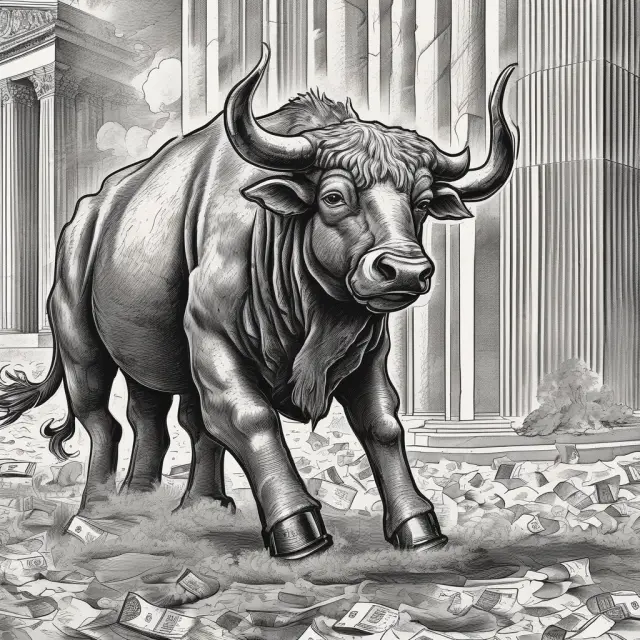
Exploring the stock market crash of 1929 and its impact on the onset of the Great Depression, as well as the government responses and economic consequences.
The Stock Market Crash of 1929 and the Beginning of the Great Depression
The stock market crash of 1929 marked a significant turning point in history, as it signaled the onset of the longest and most severe economic downturn in modern times – the Great Depression. The crash was not an isolated event but rather a culmination of various factors that contributed to an economic catastrophe. In this section, we will explore the events leading up to the stock market crash, focusing on speculation, excess liquidity, and Federal Reserve policies that played essential roles in its occurrence.
Speculation: A Dangerous Game
The Roaring Twenties witnessed a surge of public interest in the stock market. With the economy enjoying robust growth after the First World War, many individuals jumped at the opportunity to invest in stocks. The belief was that stock prices could only go up, as the economy continued to thrive. However, this bullish sentiment masked an underlying issue: speculation had taken hold.
Speculation refers to buying and selling assets primarily for profit rather than for their intrinsic value or usage. In the context of the 1920s stock market, investors were engaging in rampant speculative activities – borrowing money (on margin) to buy more stocks than they could afford and then reselling them at a higher price when the market continued to rise. This game of musical chairs, fueled by easy credit and irrational exuberance, eventually came crashing down on October 24, 1929 – known as ‘Black Thursday’.
Excess Liquidity: The Fed’s Role in the Market Bubble
The Federal Reserve played a pivotal role in the stock market bubble through its monetary policies. The decade leading up to the crash was marked by easy credit and a significant increase in liquidity within the financial system. The Fed’s actions, both prior to and after the crash, exacerbated the situation.
In the years preceding the crash, the Federal Reserve allowed a considerable expansion of the money supply through open market operations. This loose monetary policy led to a surge in bank deposits, savings and loan shares, and net life insurance policy reserves. By keeping interest rates low during this period, the Fed facilitated an environment that encouraged borrowing for stock purchases. The easy availability of credit fueled speculative activities in both the real estate and stock markets.
However, when the bubble burst, the Fed took a drastic turn by cutting the money supply nearly in half within two years. This reduction in liquidity led to severe liquidity problems for many small banks and choked off any hopes for a quick economic recovery.
In the following sections, we will delve deeper into the impact of the stock market crash on the economy and explore the policies implemented by President Hoover and later, Roosevelt, to mitigate the effects of the Great Depression. Stay tuned!

The Economic Impact of the Stock Market Crash
The stock market crash of 1929 marked the beginning of the Great Depression – a period of unprecedented economic hardship that lasted from 1929 to 1941. This cataclysmic event not only wiped out significant amounts of nominal wealth but also had far-reaching consequences for the United States and European economies. In this section, we will delve deeper into the economic impact of the stock market crash, focusing on increased unemployment rates, decreased real per capita Gross Domestic Product (GDP), and the global ramifications of protectionist policies.
Unemployment: A Human Cost of the Stock Market Crash
Following the stock market crash in 1929, the United States economy entered a downward spiral. The unemployment rate, which had been at an all-time low of 3.2% in early 1929, soared to over 25% by 1933 (U.S. Bureau of Labor Statistics). European economies fared no better, with countries like Germany and France experiencing unemployment rates of 30% and 28%, respectively (International Labour Organization). This catastrophic rise in unemployment was a result of a combination of factors, including the collapse of financial institutions, the loss of consumer confidence, and the resulting decline in trade and commerce.
Decreased Real Per Capita Gross Domestic Product: The Economic Consequences of the Stock Market Crash
The stock market crash had significant implications for real per capita GDP, as well. In the United States, this figure remained below 1929 levels until 1938 (Stiglitz, 2002). European economies suffered similarly, with Germany and France experiencing declines of 43% and 27%, respectively (Maddison, 2001). The devastating impact on real per capita GDP was a result of the collapse of industries that relied heavily on consumer spending and international trade. This included sectors such as construction, manufacturing, and agriculture.
Global Trade: The Unintended Consequences of Protectionist Policies
As unemployment rates soared and economic hardship spread, governments turned to protectionist policies in an attempt to shield their domestic industries from foreign competition. One of the most notable examples was the Smoot-Hawley Tariff Act of 1930, which raised tariffs on over 880 imported products (Tarif History). This legislation, while well-intentioned, had the unintended consequence of further exacerbating the economic crisis. By reducing international trade, countries found themselves in a vicious cycle of declining exports and decreased revenues. This led to increased protectionism, as governments implemented retaliatory tariffs to protect their own industries (Roberts, 1994). The result was a global economy that was deeply fragmented and unable to recover effectively from the stock market crash.
In conclusion, the stock market crash of 1929 had profound economic consequences, both in terms of increased unemployment rates, decreased real per capita GDP, and the global impact of protectionist policies. These devastating effects were felt not just in the United States but across Europe as well. Understanding the far-reaching implications of this historical event provides valuable insights into the interconnectedness of the global economy and the importance of sound economic policy.

Monetary Policy Mistakes by the Federal Reserve
The stock market crash of 1929 and the subsequent Great Depression were not solely the result of a speculative bubble on Wall Street. Monetary policy mistakes made by the Federal Reserve before, during, and after the crash significantly contributed to the economic downturn’s severity and longevity. The Fed’s actions leading up to the collapse involved allowing excess liquidity and low interest rates in the economy, which fueled the speculative bubble. After the crash occurred, the Fed failed to provide adequate liquidity and instead adopted tight monetary policies that deepened the economic crisis.
Before the stock market crash of 1929, the United States economy was enjoying a robust growth period following the Forgotten Depression in 1920-1921. However, this expansion was driven largely by loose monetary policy. The Federal Reserve allowed the money supply to grow at an unprecedented rate during the late 1920s. From 1921 to 1928, the total money supply grew by 61.8%, and bank deposits increased by 51.1%. Net life insurance policy reserves jumped 113.8% as well. The Fed’s decision to cut required reserves from 30% in 1917 to 10% allowed a significant increase in the money supply. While this expansion helped fuel the stock market and real estate bubbles, it ultimately contributed to the unsustainable growth.
The Federal Reserve then made a series of missteps following the stock market crash, which worsened the economic situation. Instead of injecting additional liquidity into the economy, the Fed reduced the money supply by nearly a third between 1929 and 1932. This reduction caused severe liquidity problems for many small banks and further hindered any attempt at recovery. Additionally, the restrictive monetary policy prevented large financial institutions from stepping in to help stabilize the situation as they had during earlier panics.
The Fed’s decision not to act boldly was likely influenced by its fear of bailing out careless banks and encouraging fiscal irresponsibility moving forward. However, its harsh reaction to the crisis ultimately prolonged the economic downturn.
One of the most significant failures of the Federal Reserve during this time was its refusal to use its power to control short-term interest rates. At the time, there was a lack of understanding about the role that monetary policy could play in mitigating the effects of an economic crisis. Despite this, had the Fed lowered interest rates and provided additional liquidity to the economy, it could have helped prevent some of the severe consequences of the stock market crash.
It is important to note that the Federal Reserve’s mismanagement of monetary policy was not the only factor contributing to the Great Depression. Other events, such as Hoover’s ill-advised attempts to prop up prices and wages, and protectionist trade policies, also played a significant role in prolonging the economic downturn. However, the Federal Reserve’s errors in managing monetary policy exacerbated these issues and deepened the crisis.
In summary, the Federal Reserve’s mistakes in monetary policy before, during, and after the stock market crash of 1929 significantly contributed to the Great Depression. By allowing excess liquidity and low interest rates to fuel the speculative bubble, and then failing to provide adequate liquidity following the crash, the Fed prolonged the economic crisis. Understanding these missteps is crucial in gaining a comprehensive perspective on this historical event and its lasting impact on the global economy.
Hoover’s Attempts to Mitigate the Impact of the Depression
The stock market crash of 1929 marked a significant turning point in American history, leading to a prolonged economic downturn known as the Great Depression. As unemployment rates soared and real per capita GDP fell below pre-crash levels, President Hoover and his administration implemented various interventions to mitigate the impact of the depression on the U.S. economy.
One of Hoover’s primary concerns during this period was maintaining wages and preventing their decline. Believing that high wages were essential for economic recovery, he implemented an increase in federal spending by 42% and engaged in massive public works programs. In particular, the Reconstruction Finance Corporation (RFC) was created to provide loans to banks and businesses facing financial difficulties. However, these efforts did little to stimulate the economy as consumers lacked the resources to purchase goods and services due to the economic downturn and limited international trade.
To keep prices high and maintain wages, Hoover implemented a range of interventions, including wage, labor, trade, and price controls. The Smoot-Hawley Tariff Act of 1930 was one such attempt to protect domestic industries by raising tariffs on foreign imports. Unfortunately, the act resulted in retaliation from other countries and ultimately led to a sharp decline in international trade. By 1934, global trade had fallen by 66%, exacerbating the economic crisis both domestically and abroad.
Hoover’s approach to the depression was based on the belief that high wages were vital for the recovery of industries, but the public lacked the means to maintain spending levels given the widespread economic hardships. This, in turn, limited the effectiveness of Hoover’s interventions, as businesses could not sustain artificially high prices and wage levels without the support of consumers.
Despite these challenges, Hoover’s efforts did contribute to some financial system reform and public confidence. In March 1933, he declared a bank holiday for an entire week to prevent panicked withdrawals and prevent institutional collapse. This was followed by a construction program for infrastructure projects that created jobs for thousands of Americans. While these initiatives provided some relief, they were ultimately not sufficient to pull the U.S. out of the Great Depression on their own.
Hoover’s interventions set the stage for more comprehensive recovery efforts under President Roosevelt and the New Deal program. The New Deal focused on loosening monetary policy, increasing federal spending, and creating public works projects to stimulate employment and boost economic growth. However, Hoover’s attempts to maintain prices and wages during the early years of the depression contributed to an extended downturn and a prolonged period of economic hardship for millions of Americans.
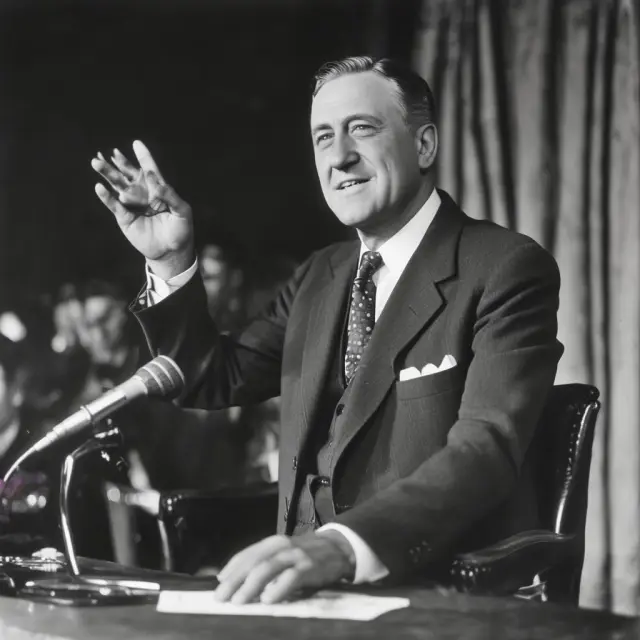
The New Deal: Roosevelt’s Response to the Great Depression
President Franklin D. Roosevelt (FDR) is best remembered for his groundbreaking initiatives that brought about a significant turnaround in the United States’ economic fortunes during the Great Depression. With the American public losing confidence in Hoover’s ability to manage the country’s ongoing economic crisis, FDR was elected president on November 8, 1932, with an overwhelming mandate for change. In this section, we will explore the New Deal programs and their impact on the economy as well as evaluate their successes and failures.
Upon assuming office, Roosevelt immediately set out to restore public confidence and instill hope in a beleaguered population. One of his first acts was declaring a nationwide bank holiday to prevent financial institutions from collapsing due to panicked withdrawals. This bold move was followed by launching the Civilian Conservation Corps (CCC), which provided employment opportunities for young men, and the National Recovery Administration (NRA), aimed at bolstering American business through regulation and cooperation between industries and labor unions.
The New Deal programs were largely inspired by Keynesian economic principles, emphasizing increased government spending to stimulate economic activity, promote full employment, and maintain healthy wages. The federal budget tripled between 1932 and 1940, funding numerous initiatives such as the Civil Works Administration (CWA) and the Public Works Administration (PWA), which focused on infrastructure development, the creation of jobs, and the establishment of the Social Security system.
The New Deal’s impact on the economy was far-reaching and multifaceted. While some economists argue that it extended the Great Depression by several years due to an overemphasis on price and wage controls, others maintain that it played a crucial role in ending the prolonged economic downturn through job creation and increased public spending.
One of the most significant achievements of the New Deal was financial system reform. The passage of the Banking Act of 1933 established the Federal Deposit Insurance Corporation (FDIC), which provided insurance for bank deposits, thereby instilling confidence in the country’s banking sector and preventing future runs on banks. Moreover, the Glass-Steagall Act separated investment banking from commercial banking to prevent conflicts of interest and risky practices that contributed to the stock market crash and subsequent economic crisis.
Despite its accomplishments, the New Deal also faced criticisms and controversies. The National Industrial Recovery Act (NIRA), which granted businesses the right to establish codes of fair competition, was ultimately deemed unconstitutional by the Supreme Court in 1935 due to concerns over excessive government intervention in the economy. Additionally, some programs, such as the Agricultural Adjustment Administration (AAA) and the Tennessee Valley Authority (TVA), faced criticism for their perceived wastefulness or lack of effectiveness, particularly when it came to providing long-term employment opportunities and economic relief.
In summary, the New Deal programs played a vital role in lifting America out of the Great Depression through various initiatives that prioritized job creation, public works, infrastructure development, and financial system reform. Despite its shortcomings and criticisms, the New Deal marked a turning point in American history, setting the stage for a more robust economic recovery and paving the way for future government intervention during times of economic uncertainty.
Impact of Protectionist Policies during the Great Depression
The stock market crash in 1929 marked the beginning of a long economic downturn that came to be known as the Great Depression. Although the crash is often considered the cause, economists and historians argue that it was just one factor contributing to the prolonged depression. Protectionist policies enacted during this period had significant consequences, further worsening the economic crisis and delaying recovery.
One of the most notable protectionist measures was the Smoot-Hawley Tariff Act of 1930, which was initially intended as an agriculture protection bill. However, it expanded into a comprehensive multi-industry tariff that imposed high duties on over 880 foreign products. In response to this legislation, nearly three dozen countries retaliated with their own tariffs, and international trade plummeted by 66%. The U.S. economy was already struggling, and these protectionist policies exacerbated the problem.
The Smoot-Hawley Tariff Act is widely regarded as a critical factor contributing to the global economic crisis during the Great Depression. Economists argue that the tariffs not only worsened economic conditions in the United States but also abroad, prolonging the overall recovery process.
Historically, recessions and depressions have followed a natural pattern of low wages and unemployment for one to three years before prices drop, leading to a recovery. However, during this period, policymakers tried to maintain artificially high wages and prices by implementing price and wage controls, effectively cutting off international trade and preventing the economy from following its usual course.
The Smoot-Hawley Tariff Act’s impact on agriculture is well-documented; it led to a massive overproduction crisis, with farmers receiving payments for destroying crops they couldn’t sell. This situation not only wasted resources but also increased the burden on taxpayers, who ultimately financed these programs.
The economic implications of the Smoot-Hawley Tariff Act extended beyond the United States. The dramatic reduction in global trade led to a sharp decline in international commerce and exchange rates, further exacerbating economic instability.
Protectionist policies also had significant political consequences. The widespread unemployment and economic uncertainty fueled public discontent, creating an environment that ultimately led to the rise of authoritarian regimes in Europe. These governments, such as Adolf Hitler’s Nazi regime in Germany, implemented their own protectionist measures, which further strained international trade and economic relations.
In summary, while the stock market crash of 1929 is a well-known factor contributing to the Great Depression, the impact of protectionist policies, particularly the Smoot-Hawley Tariff Act, should not be overlooked. These policies worsened the economic crisis and prolonged recovery efforts, ultimately delaying a return to normalcy in the global economy.
Successes and Failures of New Deal Programs
The New Deal, initiated under President Franklin D. Roosevelt in 1933, represented a significant departure from the Hoover administration’s approach to mitigating the effects of the Great Depression. While some aspects of the New Deal were successful in stimulating economic recovery, others were less so and even prolonged the downturn. In this section, we will evaluate various New Deal programs, including financial system reform, infrastructure projects, job creation initiatives, and price and wage controls.
Financial System Reform: One of the most pressing issues during the Great Depression was restoring public confidence in banks and financial institutions. The New Deal addressed this issue through several measures. In March 1933, Roosevelt declared a bank holiday to prevent further panic withdrawals. Following this, Congress passed the Banking Act of 1933, also known as the Glass-Steagall Act, which established the Federal Deposit Insurance Corporation (FDIC) and imposed stricter regulations on banks. This move helped restore public trust in the banking system and ultimately contributed to a more stable financial environment.
Infrastructure Projects: The New Deal saw substantial investment in infrastructure projects aimed at generating jobs and stimulating economic growth. The Civilian Conservation Corps (CCC) was one such program, which enrolled millions of young men from impoverished families to work on various conservation projects. Another significant initiative was the National Recovery Administration (NRA), which created codes that set minimum wages and working hours across different industries. While these programs generated employment opportunities and offered some relief, their success is debated among historians and economists. Some argue that they prolonged the depression by artificially propping up prices and wages instead of allowing them to find their natural equilibrium.
Job Creation: The Works Progress Administration (WPA) was another New Deal initiative aimed at creating jobs in areas such as arts, entertainment, and public works projects. Although it provided employment opportunities for millions, its long-term impact on the economy remains a subject of debate. Critics argue that these programs may have slowed the recovery process by discouraging private sector investment and innovation.
Price and Wage Controls: To maintain high wages and prices during the Great Depression, Roosevelt imposed various price and wage controls under the National Recovery Administration (NRA). While this strategy helped alleviate some of the immediate suffering, it also created distortions in the economy. For instance, businesses faced incentives to shift production towards controlled industries, away from those with less government intervention. Additionally, these controls hindered the necessary price adjustments that would have occurred during a depression, further delaying the economic recovery.
In conclusion, while the New Deal introduced innovative and unprecedented measures aimed at stimulating economic growth and providing relief to those affected by the Great Depression, it also brought about challenges and unintended consequences. Understanding these complexities will help us better appreciate the historical significance of this period in American history.

The Role of Keynesian Economics in Recovery Efforts
As the stock market crash of 1929 and the ensuing economic downturn unfolded, many economists and policymakers sought answers to understand the causes of this catastrophic event and find effective solutions to mitigate its impact. One influential economic theory that emerged during these tumultuous times was Keynesian economics, named after the renowned British economist John Maynard Keynes. This theory advocated an active role for government in managing the economy through fiscal policy, particularly during periods of high unemployment and low aggregate demand (AD).
Keynesian economics challenged the prevailing classical economic perspective that held that the economy would naturally recover from recessions through a self-correcting process. Instead, Keynes argued that governments should intervene by increasing spending and decreasing taxes to stimulate economic growth and employment. This approach was in contrast to the laissez-faire policies pursued during the early stages of the Great Depression by President Hoover’s administration.
President Franklin D. Roosevelt, who assumed office in 1933, adopted many Keynesian principles to guide his New Deal initiatives aimed at revitalizing the U.S. economy. Key programs included increased public spending on infrastructure projects like the Civilian Conservation Corps (CCC) and the Works Progress Administration (WPA), as well as wage and price controls to maintain stable labor markets and prevent deflation.
However, the application of Keynesian economics during this period was not without controversy. Some economists, such as Milton Friedman and his monetarist followers, argue that Roosevelt’s policies were misguided because they failed to address the underlying monetary factors contributing to the economic downturn. Instead, they believe that the Federal Reserve should have pursued more aggressive monetary expansion to stimulate the economy and prevent the deflationary spiral that exacerbated the Great Depression.
Despite these debates, it is widely acknowledged that Keynesian economics played a significant role in shaping government policy responses to the Great Depression and influencing modern macroeconomic thought. The successes and failures of these policies remain topics of ongoing debate among scholars and economists, with some arguing that they were instrumental in ending the depression, while others contend that their impact was limited or even counterproductive.
To better understand Keynesian economics and its role during this pivotal period in U.S. economic history, it is essential to explore the key principles of the theory, the New Deal policies implemented under its influence, and the ongoing debates surrounding its effectiveness.
Section’s Keywords: Keynesian economics, Fiscal policy, Monetary policy, Government intervention, Great Depression, Recession, Aggregate demand, John Maynard Keynes, New Deal, Public spending, Wage controls, Price controls.
By analyzing the role of Keynesian economics in recovery efforts during the Great Depression and its ongoing relevance to macroeconomic policy, we can gain valuable insights into the complex interplay between economic theory, government intervention, and real-world outcomes. This understanding is essential for both academic and practical perspectives on managing economic downturns and ensuring sustainable growth in modern economies.
Assessing the Effectiveness of New Deal Programs
The debate among economists regarding the effectiveness of the New Deal programs in mitigating or prolonging the Great Depression remains a contentious topic. While some argue that federal spending and government intervention were crucial to ending the depression, others believe that these interventions prolonged the downturn by impeding the economy’s natural recovery process.
One perspective is held by proponents of Keynesian economics who assert that the New Deal’s massive public works projects and spending on infrastructure helped stimulate demand and create employment at a time when private sector activity was weak. This interventionary approach to counteracting economic downturns has since been widely adopted by governments around the world.
On the other side, critics argue that the New Deal programs extended the Great Depression by preventing prices and wages from adjusting to their market-determined levels. They claim that this artificially maintained high wage and price levels prevented businesses from reallocating resources effectively to more productive uses. Furthermore, the extensive regulation of business practices, production, and wages created inefficiencies and discouraged innovation.
One study by economists at the University of California, Los Angeles (UCLA) estimated that the New Deal extended the Great Depression by at least seven years due to the negative effects of interventionist policies. However, it is also important to consider the context of the time, as this was the first major economic depression in an era of global interconnectedness and increasing reliance on government intervention in economic matters. The New Deal could have provided valuable lessons for future economic crises, ultimately paving the way for modern macroeconomic policy tools and institutions.
Ultimately, the effectiveness of the New Deal programs in ending the Great Depression is a matter of perspective and ongoing debate among scholars. While it is clear that they had some positive impacts, such as financial system reform and infrastructure development, their overall impact on the length and severity of the depression remains a subject of intense analysis and discussion.
In summary, the New Deal programs were a crucial part of President Franklin D. Roosevelt’s response to the Great Depression. The ambitious initiatives aimed at bolstering American business, reducing unemployment, and protecting the public through various job creation programs and regulatory measures. However, the long-term impact of these interventions on the length and severity of the depression remains a contentious topic among economists. While some believe that the New Deal played a crucial role in ending the Depression, others argue that it prolonged the downturn by impeding market adjustments and creating inefficiencies. Ultimately, this debate continues to shape economic policy debates and offers valuable insights into the complexities of managing a modern economy during periods of significant economic turmoil.
FAQs about the Great Depression
What exactly was the Great Depression? The term “Great Depression” refers to the greatest and longest economic downturn in modern world history that lasted from 1929 to 1941. It was characterized by numerous economic contractions, including the stock market crash of 1929 and banking panics in 1930 and 1931. Economists and historians widely regard this period as one of the most devastating economic events of the 20th century.
Why is the stock market crash of 1929 considered a primary cause of the Great Depression? The stock market crash in October 1929 wiped out significant nominal wealth, both corporate and private, sending the U.S. economy into a tailspin. While it’s not the only reason for the prolonged depression, many agree that this event was the catalyst.
What were some contributing factors to the stock market crash of 1929? During the Roaring Twenties, investors engaged in speculative activities in both real estate and the stock market. The Federal Reserve allowed a significant monetary expansion during this period, leading to an unprecedented increase in asset prices. Loose monetary policy also instigated the rapid expansion that preceded the crash.
How did other factors exacerbate the Great Depression? Mistakes made by the newly created Federal Reserve played a significant role in prolonging the depression. After the stock market collapse, the Fed cut the money supply by nearly a third, causing severe liquidity problems for many small banks and hindering economic recovery efforts.
What did President Hoover attempt to do to mitigate the impact of the Great Depression? Between 1930 and 1932, President Hoover implemented a variety of measures aimed at maintaining wages and prices high. However, these interventions damaged the economy’s ability to adjust and reallocate resources, prolonging the depression.
What role did protectionism play in worsening the Great Depression? The Smoot-Hawley Tariff Act of 1930, passed under President Hoover’s administration, aimed to protect agriculture but swelled into a multi-industry tariff. Nearly three dozen countries retaliated with their own protectionist measures, effectively cutting off international trade and worsening global economic conditions.
What were some of the New Deal initiatives that helped bring an end to the Great Depression? The New Deal, initiated by President Roosevelt in 1933, was an innovative series of domestic programs designed to stimulate the economy, create jobs, and protect the public. These initiatives included financial system reform, infrastructure development, job creation agencies, and social welfare programs.
How successful were New Deal policies in ending the Great Depression? The New Deal led to measurable results such as financial system stabilization, boosting public confidence, and creating employment opportunities. However, historians and economists continue to debate whether these initiatives extended or shortened the duration of the depression. Some argue that insufficient federal spending prolonged the depression by not going far enough in government-centric recovery plans, while others claim that Roosevelt’s focus on immediate improvement instead of letting the economic cycle follow its usual course may have worsened the situation.
What were some key differences between Hoover and Roosevelt’s approaches to dealing with the Great Depression? While both presidents attempted to mitigate the impact of the depression, their strategies differed significantly. Hoover focused on maintaining wages and prices high to prevent unemployment while Roosevelt initiated innovative government programs to stimulate the economy, create jobs, and protect the public. The successes and failures of their approaches remain a topic of ongoing debate among economists and historians.
 Next entry · No. 1,903A Comprehensive Overview of the Greek Drachma: History, Value, and Debate over a Possible Grexit
See also
-
 No. 2,614
21 Jan 2025
20 min
Understanding Keynesian Economics: Theory, Principles, and Legacy of John Maynard Keynes
Economics
No. 2,614
21 Jan 2025
20 min
Understanding Keynesian Economics: Theory, Principles, and Legacy of John Maynard Keynes
Economics -
 No. 5,178
17 Aug 2025
21 min
Underconsumption: An Economic Theory of Persistent Depression
Economics
No. 5,178
17 Aug 2025
21 min
Underconsumption: An Economic Theory of Persistent Depression
Economics -
 No. 2,698
27 Jan 2025
20 min
Understanding Keynesian Economics: Origins and Key Concepts
Economics
No. 2,698
27 Jan 2025
20 min
Understanding Keynesian Economics: Origins and Key Concepts
Economics -
 No. 3,455
30 Mar 2025
20 min
Understanding the Impact and Legacy of the New Deal: A Comprehensive Analysis
Business Finance
No. 3,455
30 Mar 2025
20 min
Understanding the Impact and Legacy of the New Deal: A Comprehensive Analysis
Business Finance -
 No. 1,897
22 Nov 2024
18 min
Understanding The Great Leap Forward: A Misguided Economic Plan that Led to Mass Starvation in China
Finance History
No. 1,897
22 Nov 2024
18 min
Understanding The Great Leap Forward: A Misguided Economic Plan that Led to Mass Starvation in China
Finance History -
 No. 5,179
17 Aug 2025
21 min
Understanding Underemployment Equilibrium: The Persistent State of Unemployment Above Full Employment
Economics
No. 5,179
17 Aug 2025
21 min
Understanding Underemployment Equilibrium: The Persistent State of Unemployment Above Full Employment
Economics