Understanding the London Metal Exchange (LME): History, Trading Methods, and Key Features

The London Metal Exchange (LME) is the world's leading trading venue for industrial base metals such as copper, aluminium and zinc, and its prices serve as global reference prices for those metals. Founded in 1877, it has been owned by Hong Kong Exchanges and Clearing since December 2012.
Introduction to LME: The World’s Largest Market for Metals Futures and Options
The London Metal Exchange (LME) is a renowned global marketplace that specializes in metals futures and options trading. Established over 150 years ago, the London Metal Exchange has earned its reputation as the world’s largest exchange for base metal derivatives. With a diverse range of metals including aluminum, copper, zinc, lead, nickel, tin, and precious metals like gold and silver, the LME plays an essential role in commodities trading for investors, hedgers, and speculators alike.
The LME’s standardized contracts are available with lot sizes varying from 1 to 65 metric tons, and expiration dates spanning daily, weekly, and monthly intervals. By providing a uniform platform for trading these metals, the exchange enables market participants to effectively manage price risk or capitalize on short-term opportunities.
Understanding LME Contracts: Lot Sizes and Expiration Dates
When engaging with the London Metal Exchange, it is important to familiarize yourself with its contract specifications. Each metal futures and options contract consists of a standardized lot size and expiration date. For instance, aluminum contracts are available in lots of 12.5 metric tons, whereas copper contracts come in sizes of 25 metric tons.
Expiration dates offer traders the flexibility to choose from short-term daily contracts or longer-term commitments with monthly options. This versatility ensures that investors have multiple choices depending on their investment horizons and risk management strategies.
Trading Methods: Open Outcry vs. Electronic Trading
The London Metal Exchange offers two primary methods for trading – open outcry and electronic trading. Open outcry trading is a traditional method in which traders gather in a specific area, often referred to as a pit or ring, and shout buy or sell orders to one another. This face-to-face interaction allows for immediate price discovery and negotiation, but it requires a physical presence.
Electronic trading has become increasingly popular due to its accessibility and flexibility. With electronic platforms like the LMEselect, traders can participate in real-time markets from their desktop or mobile device without the need to be physically present at the exchange. While this method offers convenience, it may lack the immediacy and human interaction that open outcry trading provides.
In recent years, there has been a notable trend towards electronic trading, with many exchanges phasing out traditional open-outcry markets in favor of digital platforms. However, the London Metal Exchange remains committed to its unique blend of both methods, offering traders the best of both worlds – the human interaction and price discovery benefits of open outcry, combined with the accessibility and efficiency of electronic trading.
The Role of Hedgers and Speculators on LME Markets
Hedging is a key component of commodity markets, as it enables producers and consumers to protect themselves from potential price fluctuations. By entering into futures or options contracts on the London Metal Exchange, hedgers can lock in prices for future delivery, thus reducing their exposure to market volatility and protecting their profit margins.
Speculators, on the other hand, aim to capitalize on short-term price movements by taking a position based on their market analysis and expectations. These traders contribute liquidity to the markets and can help drive price discovery through their buy and sell decisions. The presence of both hedgers and speculators ensures that the London Metal Exchange remains an active and vibrant platform for commodities trading.
History of the London Metal Exchange (LME): Origins and Evolution
The roots of the London Metal Exchange can be traced back to 1571, when the Royal Exchange was founded in London. The exchange quickly gained popularity among European merchants, who began trading various commodities, including metals. Over the centuries that followed, the LME grew in significance as Britain evolved into a major exporter of metals.
The “ring” trading tradition originated in the early 18th century in the Jerusalem Coffee House, where a merchant with metal to sell would gather traders and call out a circle (a ‘ring’) on the floor for interested parties to engage in the bidding process. This practice eventually led to the establishment of the London Metal Exchange as we know it today.
Over the centuries, the LME underwent several transformations, including its acquisition by Hong Kong Exchanges and Clearing in 2012. Despite these changes, the exchange has remained a vital hub for commodities traders and continues to innovate, offering both open outcry and electronic trading platforms.
Trading Metals on LME: Open Outcry, Telephone Systems, or Electronic Platforms
The London Metal Exchange offers multiple methods for trading metals – open outcry, telephone systems, or electronic platforms. Each approach caters to different preferences and requirements of investors and traders.
Open outcry trading is a traditional method that involves face-to-face interaction in a designated trading pit or ring. This method fosters immediate price discovery, negotiation, and the opportunity for human connection. However, it necessitates a physical presence and can be more time-consuming compared to other methods.
Telephone systems enable traders to place orders with LME members over the phone. This method offers convenience as it does not require traders to be present at the exchange but may lack the real-time price discovery benefits that open outcry or electronic trading provides.
Electronic platforms like the LMEselect offer traders the ability to participate in the markets from their desktop or mobile device. This method offers flexibility, accessibility, and speed, as well as the ability to analyze market data more effectively due to real-time information and advanced tools.
The Role of Hedgers and Speculators on LME Markets: Understanding Their Impact on Price Discovery and Market Stability
Hedgers and speculators play distinct roles in the London Metal Exchange markets. While both groups contribute to the overall trading activity, their objectives and motivations differ significantly.
Hedgers typically engage with the exchange to manage price risk associated with their underlying metal inventories or future production. By entering into futures or options contracts, hedgers can lock in prices and secure a safety net against potential price fluctuations. In doing so, they help ensure market stability by providing liquidity and reducing uncertainty for other traders.
Speculators, on the other hand, aim to profit from short-term price movements by taking positions based on their analysis and expectations. While they contribute to market liquidity, their actions can also introduce volatility due to their aggressive buying and selling strategies. However, speculative activity is essential for price discovery as it helps reveal market sentiment and inform the pricing of futures contracts.
In conclusion, the London Metal Exchange (LME) stands out as a unique and vibrant platform for metals trading, offering both open outcry and electronic trading methods, standardized contracts, and a diverse range of participants, including hedgers and speculators. By understanding the exchange’s history, trading methods, and role within the broader commodities market, investors can make informed decisions that cater to their investment objectives and risk management strategies.

Understanding LME Contracts: Lot Sizes and Expiration Dates
When it comes to trading on the London Metal Exchange (LME), familiarizing yourself with their contract terms is essential. One of the most critical aspects of this includes understanding lot sizes, expiration dates, and how they function in the context of futures and options contracts.
Firstly, a standardized contract on the LME refers to an agreement between two parties to buy or sell a specific quantity of a particular metal at a pre-agreed price and date in the future. These contracts are essential tools for market participants looking to hedge risk or speculate on price movements.
Now let’s dive deeper into lot sizes: Each metal traded on the LME has its own specific lot size, which varies depending on the commodity itself. For instance, copper and aluminum contracts have a lot size of 25 metric tons, while lead and tin contracts carry a smaller lot size of only 1 tonne. This standardization simplifies trading, allowing for straightforward transactions between counterparties.
Another crucial aspect to consider when dealing with LME contracts is expiration dates. These dates determine when the obligation to buy or sell the underlying metal at the pre-agreed price will come into effect. Contracts on the LME can be traded with various expiration dates, giving market participants flexibility in managing their positions and risk exposure. The exchange offers daily, weekly, and monthly contracts, allowing traders to choose the one that best suits their investment horizon or hedging strategy.
For example, a trader seeking short-term price movements may opt for daily or weekly contracts, while those looking to secure longer-term protection might prefer monthly contracts. This flexibility provides a range of options for investors and allows them to tailor their positions according to market conditions and individual investment objectives.
In conclusion, understanding the lot sizes and expiration dates of LME contracts is an essential aspect of trading on this renowned metals exchange. By familiarizing yourself with these terms and how they function within the context of futures and options contracts, you’ll be better equipped to navigate the world of commodities trading on the London Metal Exchange.
As a bonus tip, it’s important to note that LME contracts are traded through an LME member, meaning you’ll need to find a registered broker or bank to facilitate your transactions. This additional layer of involvement adds an extra level of security and trust to your dealings on the exchange.
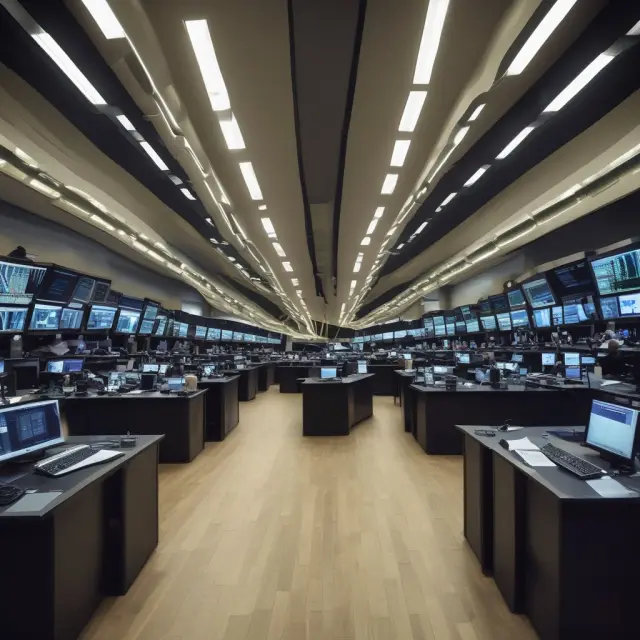
Trading Methods on the LME: Open Outcry vs. Electronic Trading
When discussing trading methods on the London Metal Exchange (LME), it’s essential to understand two primary approaches: open outcry and electronic trading. Both methods have their unique advantages and challenges, with the choice between them depending on various factors.
Open Outcry Trading
Open outcry is a traditional method of trading, where buyers and sellers interact face-to-face in a designated marketplace, like the trading pit at the LME. This method allows for real-time negotiation and price discovery, enabling participants to respond quickly to changing market conditions. However, open outcry comes with certain drawbacks; it’s time-consuming, labor-intensive, and requires a significant physical presence at the exchange. With advancements in technology, electronic trading has become more popular, making open outcry less common but not obsolete.
Electronic Trading
In contrast, electronic trading refers to transactions that take place through automated systems, like computers and servers. This method offers numerous advantages, including speed, accessibility, and reduced costs compared to traditional methods like open outcry. Electronic trading platforms enable users to buy or sell contracts anytime, anywhere with internet access. Additionally, they offer advanced features for market analysis and risk management. However, electronic trading lacks the human interaction aspect present in open outcry trading and may be less suitable for some traders who prefer a more personal approach.
Comparing the Two: Open Outcry vs. Electronic Trading
Despite their differences, both open outcry and electronic trading methods have their place in today’s financial markets. Traders must consider their preferences, goals, and market conditions when deciding which method is best for them.
For instance, large institutional investors may prefer electronic trading platforms due to their speed and efficiency. These traders can execute thousands of orders in seconds and gain insights from advanced analytics tools. In contrast, smaller traders or those new to the markets might find open outcry more appealing, as it offers a more tangible, face-to-face experience that can be easier to understand. Furthermore, some believe that open outcry trading provides better price discovery and transparency due to the real-time interaction between buyers and sellers.
Another factor affecting traders’ decision between open outcry and electronic trading is market volatility. During times of high volatility, quick response is essential, making electronic trading more suitable for managing risk effectively. However, during less volatile periods, traders might prefer the human touch provided by open outcry trading to make informed decisions based on market nuances that may not be immediately apparent through electronic platforms.
Conclusion:
The London Metal Exchange (LME) offers investors a range of choices when it comes to trading methods – open outcry and electronic trading being the most prominent. Both approaches have their advantages and disadvantages, and traders must consider their preferences, goals, and market conditions when deciding which method best suits them. With the LME’s rich history and commitment to innovation, it continues to provide a dynamic platform for investors looking to capitalize on opportunities in the metals markets.

The Role of Hedgers and Speculators in LME Markets
The London Metal Exchange (LME) is a vibrant and dynamic marketplace where various participants, including hedgers and speculators, come together to trade futures and options contracts on metals such as aluminum, copper, lead, nickel, tin, zinc, and precious metals like gold and silver. Understanding the role of these two groups is essential for anyone considering entering the LME market.
Hedgers and Speculators: Two Different Market Participants
First, let us clarify that hedgers and speculators are not interchangeable terms but refer to distinct types of market participants with unique goals. Hedgers aim to mitigate risk associated with their business operations by taking positions in futures or options contracts to protect against potential price movements. For example, a metals producer may enter into a futures contract to lock in the selling price of a future delivery, thereby securing revenues and protecting against potential price volatility. Conversely, speculators focus on making profits from short-term price fluctuations by assuming risk. They take positions based on their expectations of market trends and aim to profit when their predictions are correct.
Hedgers and the Importance of Price Risk Hedging
The primary motivation for hedgers is to manage price risk, which arises due to the inherent volatility in commodity markets. This is especially crucial for businesses involved in the production or consumption of metals, as their cash flows can be significantly impacted by fluctuations in metal prices. Hedging strategies allow these companies to stabilize their revenues and better manage their balance sheets, providing a more predictable financial environment that supports long-term growth.
Speculators’ Role in Market Liquidity and Efficiency
While speculators have a reputation for driving market volatility, their presence is also essential for maintaining market liquidity and enhancing its overall efficiency. They contribute to the depth and breadth of trading activity on the exchange by providing liquidity to the markets and responding to changing market conditions. This, in turn, helps reduce bid-ask spreads and facilitates easier price discovery for hedgers and other market participants.
Examples of Hedging Strategies
There are several common hedging strategies employed by market participants on the LME:
- Long Hedge: A long hedge is implemented when a producer or merchant expects metal prices to rise in the future. By entering into a futures contract, they can lock in the selling price and secure profits, ensuring that their revenue streams are protected against potential price volatility.
- Short Hedge: Conversely, if a market participant anticipates lower prices for a metal in the future, they may employ a short hedge by entering into a futures contract to sell the metal at a set price. This strategy allows them to secure profits and mitigate potential losses due to falling metal prices.
- Spreads: A spread is a combination of two or more futures contracts with different expiration dates. Hedgers can use spread strategies to lock in profits, reduce risk, and even generate additional income. For instance, a butterfly spread consists of buying a call option at the current price (the middle leg) and selling call options with lower and higher strike prices (outer legs).
The Bottom Line: A Vital Balance between Hedgers and Speculators
The London Metal Exchange is a unique marketplace that brings together hedgers seeking to manage risk and speculators aiming for profit opportunities. The balance between these two groups is essential, as hedgers provide stability through price risk management while speculators maintain liquidity and contribute to efficient price discovery. By understanding the role of each participant in the LME ecosystem, investors can gain a deeper appreciation of this dynamic and vital marketplace.

History of the London Metal Exchange (LME): Origins and Evolution
The London Metal Exchange, or LME, is an integral part of the global commodities market, focusing on metals futures and options trading. With a history dating back centuries, this esteemed institution has seen significant growth and evolution over time. The LME is presently owned by Hong Kong Exchanges and Clearing (HKEX) since 2012, making it the largest exchange for base metal derivatives worldwide.
The origins of the London Metal Exchange can be traced back to the late 16th century when the Royal Exchange was established in London in 1571. As Britain emerged as a significant exporter of metals, European merchants flocked to this bustling trading hub. It is believed that the “ring” tradition commenced around the early 18th century at the Jerusalem Coffee House, where traders gathered in a circle (or ‘ring’) on the floor and conducted transactions.
Throughout the centuries, the LME adapted to economic shifts, with the industrial revolution significantly impacting its development. The exchange eventually moved to its current location, the Royal Exchange building, in 1975. However, it was not until 1986 that the LME became a limited company.
In the modern era, the London Metal Exchange has undergone several mergers and acquisitions. For instance, it merged with the International Aluminum Institute to form the International Primary Aluminium Institute (IPA) in 2005. In 2012, HKEX acquired the LME, signaling a new chapter for this historical exchange.
The consolidation trend among global exchanges has been widespread as they strive to cut costs and enhance their competitiveness. For instance, the CME Group bought NYMEX in 2008, with NYMEX subsequently merging with Comex in 1994. Despite these changes, the LME remains a vital platform for hedgers, speculators, and investors alike to trade metals futures and options contracts.
As of now, the LME is the only remaining physical commodity exchange in Europe, with its trading sessions conducted via five-minute intervals called “rings.” Although electronic trading is gaining popularity worldwide, open outcry continues to play a crucial role in the London Metal Exchange’s operations. It remains to be seen how long this traditional model will persist amid the relentless march of technological innovation. Regardless, the LME’s rich history and enduring significance make it an essential fixture within the global metals trading landscape.
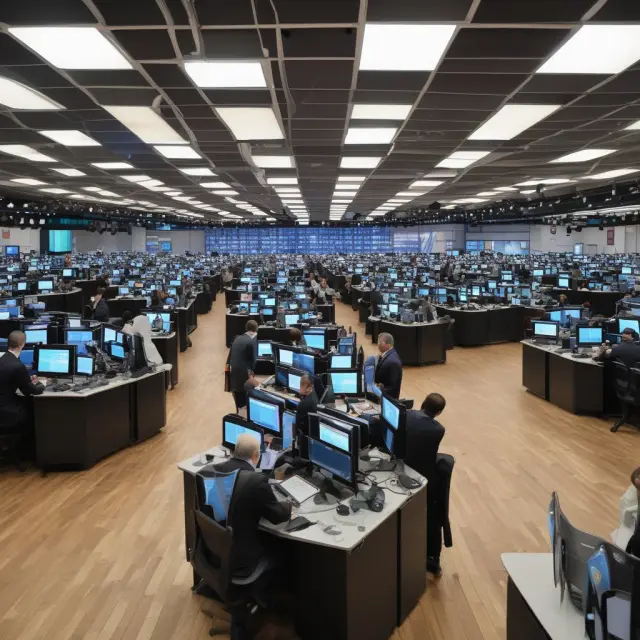
Trading Metals on the LME: Open Outcry, Telephone Systems, or Electronic Platforms
The London Metal Exchange (LME) offers various methods for trading metals, including open outcry, telephone systems, and electronic platforms. Each method has its unique advantages and challenges, making it essential to understand these differences when participating in the LME markets.
Open Outcry: The Traditional Method
Traditionally, the London Metal Exchange (LME) was known for its ring trading system, where participants gathered in a large pit to negotiate prices face-to-face. This open outcry method involved traders shouting their bids and offers while physically gesturing their intentions to other market participants. Although it might seem antiquated compared to modern electronic trading systems, this approach once played a significant role in facilitating efficient pricing discovery in the metals markets.
Telephone Systems: Connecting Through a Member
A more contemporary yet still somewhat traditional method of trading on the LME was through telephone systems. This method enabled traders to contact their designated broker or member firm directly to execute trades over the phone. The use of telephones allowed for quicker and more efficient communication than open outcry, especially as market participants were no longer physically located in the same room. However, this approach still required the involvement of a member firm, which might have added costs and complexity for smaller traders.
Electronic Platforms: The Future of Trading
In recent years, electronic platforms have become increasingly popular on the London Metal Exchange (LME). These systems enable users to access real-time market data, execute trades automatically using algorithms or manually, and manage their positions from anywhere in the world. Electronic trading not only offers convenience but also reduces costs by eliminating the need for a physical trading floor or brokerage fees. However, the transition to electronic platforms has led some critics to argue that it may reduce transparency and potentially increase the risk of market manipulation.
Comparing Open Outcry, Telephone Systems, and Electronic Platforms
Understanding the unique advantages and disadvantages of open outcry, telephone systems, and electronic platforms can help traders make informed decisions when participating in the LME markets. Table 1 summarizes these methods based on several key factors:
| Method | Advantages | Disadvantages |
|—————|————————————-|—————————–|
| Open Outcry | Transparent pricing | Costly, time-consuming |
| Telephone | Quick communication | Requires a member firm |
| Electronic | Convenient, cost-effective | Potential lack of transparency |
Table 1: Comparing Open Outcry, Telephone Systems, and Electronic Platforms in LME Trading.
In conclusion, the London Metal Exchange (LME) offers traders multiple methods for participating in metal futures and options markets: open outcry, telephone systems, and electronic platforms. Understanding their unique advantages and disadvantages can help traders make informed decisions when navigating these markets. While each method has its merits, electronic platforms are increasingly becoming the preferred choice due to their convenience and cost savings. Nevertheless, it is essential to recognize that no trading method is perfect, and each comes with its inherent risks and challenges. As the financial landscape continues to evolve, the LME will undoubtedly adapt to meet the changing demands of its customers while maintaining its role as a leading global platform for metals futures and options.
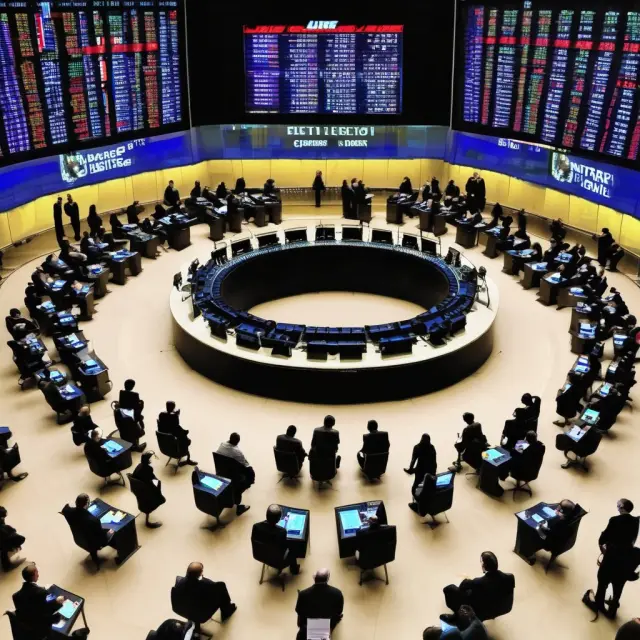
LME’s Ring Trading: The Traditional Method of Conducting Business in Five-Minute Intervals
The London Metal Exchange (LME) is a unique commodities market that has maintained the traditional trading practice known as ring trading. This method, which allows for face-to-face negotiation and real-time price discovery, sets the LME apart from its competitors who have moved towards electronic trading platforms. In this section, we’ll delve deeper into how ring trading operates within the LME and explore the roles of seats, rings, and the trading pit.
The concept of ‘ring trading’ refers to a specific method of conducting investment business where trading activity occurs in five-minute intervals called ‘rings’. These rings form part of six separate sessions throughout the day for each metal type on the LME. In total, there are fifteen rings daily across all metals. Trading sessions consist of steel, aluminum alloy, tin, premium aluminum, copper, lead, zinc, nickel, and cobalt, with each ring lasting five minutes.
The trading pit is a circular area in the heart of the LME where floor traders gather to conduct business. Measuring six meters in diameter, the pit contains two large display boards that show current prices for each metal type. Each trader has a fixed seat within this ring, typically behind which an assistant stands to communicate orders and relay market conditions.
Ring trading sessions are structured according to specific metals, with steel trading taking place twice daily during the first and second sessions at 11:40 am and 1:10 pm GMT, respectively. The remaining metal types follow in a particular order for each session throughout the day. Traders can also participate via inter-office telephone trading, which is available 24 hours a day.
The LME’s physical open outcry method offers several advantages that attract traders to the exchange:
- Real-time price discovery: In ring trading, prices are established through open negotiation between market participants in the pit.
- Immediate access to information: Traders have the opportunity to witness price movements and respond quickly to market changes.
- Personal relationships: Establishing long-term business relationships is a crucial aspect of the commodities trading industry, which ring trading allows for.
However, this traditional method also comes with challenges, including increased operating costs due to physical infrastructure and the potential for human error or manipulation in real-time trading situations. With electronic trading gaining popularity worldwide, it remains to be seen how long the LME will continue to support its unique, ring trading method. Nevertheless, the exchange’s rich history and strong reputation as a leader in metals futures and options make it an attractive destination for both hedgers and speculators alike.
Understanding LME’s Ring Trading: Seats, Rings, and the Trading Pit
The London Metal Exchange (LME) stands out in the commodities market due to its traditional ring trading method. In this section, we’ll discuss the fundamental components of LME’s ring trading – seats, rings, and the trading pit – shedding light on how they contribute to the exchange’s unique business model.
Seats: Seats are a crucial aspect of the London Metal Exchange’s (LME) ring trading system. Each seat in the trading pit represents a specific membership in that metal type’s respective ring. Members occupying these seats can deal on behalf of their clients and participate in the negotiation and price discovery process within the allotted five-minute rings. Seats are considered highly valuable due to their limited availability, as they provide direct access to the physical trading floor and the unique opportunity to influence market prices through personal negotiation.
Rings: Rings refer to the five-minute intervals during which trading activity takes place on the LME. Each metal type has dedicated rings throughout the day where participants can come together in the trading pit to negotiate and establish prices. These rings follow a specific order for each session, ensuring efficient market interaction between traders for all metals.
Trading Pit: The LME’s trading pit is the physical location where ring trading takes place. This circular area in the heart of the exchange contains two large display boards that show current prices for each metal type. Traders gather around these boards, seated at their designated seats to negotiate and establish prices during their allotted five-minute rings. The pit’s close proximity to one another and real-time communication enables traders to respond quickly to market developments and engage in personal relationships.
The London Metal Exchange’s (LME) ring trading method offers a unique blend of history, tradition, and efficiency that sets it apart from its competitors. While the exchange continues to face challenges in maintaining this traditional practice as technology advances, its reputation and influence in the metals futures and options market endure. As a result, understanding the essential elements of LME’s ring trading – seats, rings, and the trading pit – provides insight into the significance of this intriguing financial institution.

LME Warrants: Digital-Only Documents Representing Entitlements to LME-Approved Metals
London Metal Exchange (LME) warrants are vital documents in metals trading on the exchange, acting as a guarantee of ownership or entitlement to a specific lot of metal that is approved by the LME. These warrants come in digital form since March 1, 2021, and represent significant importance for investors and market participants due to their role as insurance for owners.
Warrants are crucial because they provide holders with various benefits:
- The transferability of ownership or entitlements without having to physically move the metal. This is especially important for international transactions where transportation costs and logistics could be expensive.
- A means of collateral to secure financing or to cover margin requirements in trading positions, such as futures contracts.
- Hedging against price fluctuations by maintaining a long position through warrant holdings while simultaneously selling the underlying metal in the spot market for cash flow.
These benefits contribute significantly to the liquidity and efficiency of the LME’s metals markets. Moreover, the digitalization of warrants enhances convenience and accessibility for traders, as they can be easily transferred electronically.
Before the transition to digital-only warrants on March 1, 2021, physical warrants were used, which involved the actual transfer of a paper document representing ownership or entitlements. The physical warrant would need to be surrendered for cancellation and a new one issued when transferring ownership. With the digitalization of LME warrants, this process is now more straightforward and efficient as traders no longer need to deal with the logistics of physically exchanging paper documents.
The London Metal Exchange (LME) ensures that these warrant transactions are secure and transparent by implementing strict guidelines and regulations for their issuance and transfer. These rules protect both buyers and sellers and ensure a smooth transaction process. Furthermore, the LME maintains a database of all warrants issued, making it possible to verify ownership and confirm the validity of each document.
In summary, LME warrants play a significant role in metals trading on the exchange by offering holders various benefits such as transferability, collateral value, and hedging opportunities. The transition from physical to digital-only warrants has made this process more convenient, efficient, and secure for traders while contributing to the overall liquidity and efficiency of the LME’s metals markets.

Understanding LME’s Official Settlement Prices: Daily Cash Offer Prices for All LME Futures
The London Metal Exchange (LME) is a global marketplace where futures and options contracts for metals are traded. The exchange’s official settlement prices play an essential role in determining the value of these contracts. In this section, we will delve into understanding what LME official settlement prices are, how they are determined, and their significance to investors.
LME Official Settlement Prices: An Overview
The London Metal Exchange officially settles all futures contracts daily. The daily cash offer price for each LME future contract is the final cash offer price at which all futures contracts are settled. These prices serve as the benchmark or reference prices for metals in international markets. With over 30 years of history, LME official settlement prices have proven to be a reliable indicator of market trends and direction.
Determining LME Official Settlement Prices
To calculate the daily cash offer price, each day’s last trading day becomes the “value fixing” day for contracts that will expire in three business days (known as T+3 settlement). On the value fixing day, all open positions are squared off, and the cash value of these contracts is determined. The official settlement price is set at the last available bid-ask spread recorded on the LME before 15:45 GMT (London time).
The importance of LME Official Settlement Prices for Investors
LME official settlement prices are crucial to investors for various reasons. Firstly, these prices provide a reliable benchmark for pricing physical metals in the market. For example, producers, consumers, and traders use these prices as reference points when negotiating physical metal transactions. Secondly, LME official settlement prices help investors assess their positions’ value. By comparing the official settlement price with their entry price or their current position, investors can gauge profits or losses. Lastly, official settlement prices serve as essential inputs for various financial instruments and derivative products linked to underlying LME metals contracts.
In conclusion, understanding LME official settlement prices is vital for investors involved in the metals markets. These daily cash offer prices are critical benchmarks that help price physical metals, assess positions’ value, and provide crucial inputs for financial instruments and derivatives. By staying informed about these prices, investors can make well-informed decisions regarding their investments and effectively manage risk within their portfolios.

FAQ: Answering Common Questions About Trading on the London Metal Exchange (LME)
If you are considering investing in or trading metals through the London Metal Exchange (LME), you may have some questions regarding this global commodities exchange that specializes in options and futures contracts for base metals. In this section, we will answer some common queries about the LME to help clarify any confusion and provide valuable insights into trading on this dynamic marketplace.
**1. What is the London Metal Exchange (LME)?**
The London Metal Exchange is a leading global commodities exchange based in London, England, focusing on futures and options contracts for metals such as aluminum, zinc, lead, copper, nickel, gold, and silver. Founded over 150 years ago, the LME offers standardized contracts with fixed expiration dates and lot sizes to cater to both hedgers and speculators.
**2. How do I become a member of the London Metal Exchange?**
To become an active participant on the LME, you will need to apply for membership through one of its registered brokers or clearing members. Each brokerage firm may have different requirements and application processes, so be sure to check with them directly for specific details. Once approved, you’ll gain access to trading opportunities, member-only information, and other resources designed to help you succeed in the metals market.
**3. What is a futures contract?**
A futures contract is an agreement between two parties to buy or sell a particular commodity, such as aluminum, copper, or gold, at a predetermined price on a specified date in the future. Futures contracts offer several advantages for investors and traders, including hedging against potential price increases or decreases in underlying assets, speculating on market movements, and gaining exposure to various metals.
**4. How do I access LME markets?**
The London Metal Exchange offers multiple ways for investors and traders to participate in its markets: via the electronic trading platform, LMEselect, the traditional ring trading method (open outcry), or through inter-office telephone trading. Each method comes with unique advantages and disadvantages, so it’s essential to consider your individual investment goals and preferences before making a decision.
**5. What types of contracts are available on the LME?**
The London Metal Exchange provides various contract types for its fourteen underlying metals. These include: futures, options, TAPOs (Trade-at-Price Orders), Monthly Average Futures, and LMEminis. Depending on your investment strategy and risk tolerance, one or more of these contracts may suit your needs best.
**6. How do I check the latest LME warehouse and stock reports?**
The London Metal Exchange regularly publishes a range of reports on its website, detailing opening and closing stocks, stock movements, wait times, and canceled and live warrants across various locations and metals. These reports can provide valuable insights into market conditions, price trends, and supply and demand dynamics, helping you make informed decisions when trading on the LME.
**7. What is an LME warrant?**
LME warrants are documents that represent an entitlement to a specific lot of LME-approved metal. These warrants can serve as insurance for owners and allow them to take advantage of various market conditions, such as price rises or falls, without the need to physically store or transport the underlying metal. On March 1, 2021, the LME switched to digital-only warrants, making it even more convenient for investors and traders to participate in the exchange’s metals markets.
**8. How are London Metal Exchange (LME) official settlement prices determined?**
The London Metal Exchange official settlement price is the last cash offer price at which all futures contracts settle daily. This price is published between 12:30 and 1:25 GMT, providing a benchmark for investors and traders to assess their positions in the metals market and make informed decisions based on current price trends.
**9. What are the trading hours for the London Metal Exchange?**
London Metal Exchange trading sessions take place from 11:40 am to 5:00 pm GMT, with five-minute rings for various metals throughout the day. If you prefer trading outside of these hours or cannot attend the ring sessions, inter-office telephone trading is available 24 hours a day.
By addressing these common questions about the London Metal Exchange, we hope to provide valuable insights and clarify any confusion surrounding this global commodities exchange. Whether you’re a seasoned investor or just starting out in metals trading, understanding the ins and outs of the LME can help you make informed decisions and capitalize on various market opportunities. Happy investing!
 Next entry · No. 2,977Understanding the Low-Income Housing Tax Credit (LIHTC): Benefits, Requirements, and Alternatives for Affordable Housing
See also
-
 No. 5,908
17 Oct 2025
26 min
Understanding Zero Plus Ticks in Finance and Investment: An Essential Guide for Institutional Investors
Business Finance
No. 5,908
17 Oct 2025
26 min
Understanding Zero Plus Ticks in Finance and Investment: An Essential Guide for Institutional Investors
Business Finance -
 No. 5,878
15 Oct 2025
20 min
Understanding the Z Designation in Nasdaq Stocks: A Comprehensive Guide for Institutional Investors
Business Finance
No. 5,878
15 Oct 2025
20 min
Understanding the Z Designation in Nasdaq Stocks: A Comprehensive Guide for Institutional Investors
Business Finance -
 No. 5,864
14 Oct 2025
19 min
Maximizing Portfolio Returns with a Yield Pickup Strategy
Business Finance
No. 5,864
14 Oct 2025
19 min
Maximizing Portfolio Returns with a Yield Pickup Strategy
Business Finance -
 No. 5,854
13 Oct 2025
18 min
Understanding Yellow Sheets: A Comprehensive Guide for Institutional Investors
Business Finance
No. 5,854
13 Oct 2025
18 min
Understanding Yellow Sheets: A Comprehensive Guide for Institutional Investors
Business Finance -
 No. 5,845
12 Oct 2025
18 min
Understanding and Utilizing Year-Over-Year (YOY) Analysis in Finance and Investment
Business Finance
No. 5,845
12 Oct 2025
18 min
Understanding and Utilizing Year-Over-Year (YOY) Analysis in Finance and Investment
Business Finance -
 No. 5,747
04 Oct 2025
22 min
Window Dressing in Finance: Unveiling Deceptive Practices in Mutual Funds and Accounting
Business Finance
No. 5,747
04 Oct 2025
22 min
Window Dressing in Finance: Unveiling Deceptive Practices in Mutual Funds and Accounting
Business Finance