Understanding the London Stock Exchange (LSE): A Comprehensive Guide for Institutional Investors

Learn about the origins, transformation, and significance of the London Stock Exchange as a leading global financial institution for institutional investors.
History and Background of the LSE
The London Stock Exchange (LSE) traces its roots back to 1698, when broker John Castaing began posting stock and commodity prices at Jonathan’s Coffee House in London. This informal system eventually led to a formal exchange in 1801, which was established with the goal of regulating trading practices and preventing fraudulent activities. Initially called the Stock Exchange of Great Britain and Ireland, it later became known as the London Stock Exchange (LSE).
The LSE has grown to become one of the oldest stock exchanges in the world, the largest in Europe, and a top contender with the New York Stock Exchange (NYSE) globally. With its deep roots dating back over 300 years, the LSE has played an essential role in shaping the financial markets as we know them today.
The London Stock Exchange (LSE) is more than just a traditional stock exchange. It is a leading global marketplace that offers cost-efficient access to capital for thousands of companies from around 60 countries. Listed on the LSE provide real-time pricing, deep pools of liquidity, and significant media coverage, research, and announcements.
The London Stock Exchange’s (LSE) rich history is marked by several major milestones:
- Formation in 1801: The Stock Exchange was formed to provide a regulated environment for trading stocks and commodities.
- Incorporation of the Joint Stock Companies Act (1844): This act enabled companies to issue shares, which led to the growth of the stock exchange as an essential platform for raising capital.
- The “Big Bang” in 1986: The U.K. government deregulated the London stock market, introducing electronic trading and opening up the LSE to international competition. This marked a significant shift towards modernization and globalization.
- Mergers and acquisitions: Over the years, the London Stock Exchange (LSE) has grown through strategic mergers and acquisitions, such as its merger with Milan Stock Exchange in 2007 and various partnerships.
The Big Bang, which took place on October 27, 1986, was a turning point for the London Stock Exchange. The U.K. government deregulated the stock market, enabling the introduction of electronic trading and opening it up to international competition. This significant change led to increased efficiency, higher trading volumes, and greater access to capital. As a result, the LSE solidified its position as one of the world’s leading financial institutions.
The London Stock Exchange (LSE) today is home to an impressive array of companies representing 40 different sectors. The Main Market serves as the primary listing platform for these companies, providing real-time pricing, deep liquidity, and exposure to a large pool of investors. Companies listed on the LSE’s Main Market have the potential to be included in one of the FTSE indices, which adds significant value and credibility.
There are several ways for companies to join the LSE’s Main Market: Premium, Standard, High Growth Segment, and Specialist Fund Segment. Each segment caters to specific types of companies based on their growth stage, funding requirements, and investor target audience.
In addition to its core exchange services, the London Stock Exchange Group (LSEG) also owns several subsidiaries: FTSE Russell International, Refinitiv, Tradeweb, and LCH Clearing. These companies help expand the LSE’s reach and offer a range of value-added financial services to its clients.
In conclusion, the London Stock Exchange (LSE) is an integral part of the global financial landscape, with deep roots tracing back to 1698. Its history is marked by significant milestones that have shaped the modern financial markets. Today, the LSE remains a vibrant and dynamic marketplace that connects issuers with investors from all corners of the world.
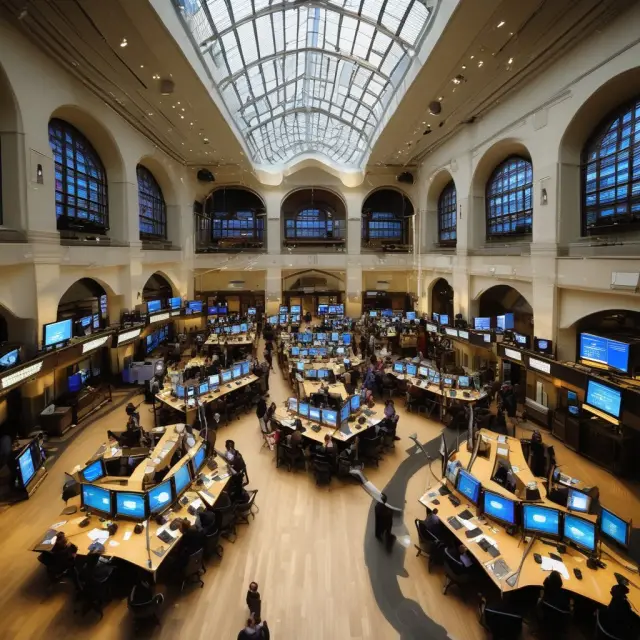
The London Stock Market Prior to the Big Bang
The origins of the London Stock Exchange (LSE) can be traced back to 1698 when John Castaing, a broker, began posting the prices of stocks and commodities at Jonathan’s Coffee House. This price list was known as “The Course of the Exchange,” making it the first informal system for trading securities in London. Over the next century, as more traders gathered at the coffee house, the need for a formal exchange became apparent. In 1801, brokers agreed to a set of rules and paid a membership fee to join the Stock Exchange, which was then known as “The Regulated Market.”
The early London Stock Exchange operated under a price list system, with traders using hand signals or shouting out prices to each other on the floor. However, the exchange underwent significant changes in 1846 when it shifted to a rule-based exchange, which involved listing securities and setting opening and closing prices. Over the following decades, the exchange continued to evolve, with the introduction of fixed commissions, and eventually, the establishment of a separate “jobbers” market for trading government stocks in the late 19th century.
The London Stock Exchange prior to the Big Bang was characterized by an open outcry system where brokers would shout out their buy and sell orders on the floor while jobbers acted as intermediaries to facilitate trades. The process was time-consuming, prone to error, and often subjected traders to hidden costs through the commission charged by brokers and jobbers.
As the world entered the latter half of the 20th century, the financial landscape began to change rapidly. Countries around the world were moving towards deregulation, allowing for increased competition among banks and financial institutions. In the United Kingdom, Chancellor Nigel Lawson announced in October 1983 that the government would deregulate the London Stock Exchange, which led to what became known as “The Big Bang.” This event marked a significant turning point in the history of the LSE, introducing electronic trading and eliminating fixed commissions.
The transformation brought about by the Big Bang not only revolutionized the way trading was conducted on the LSE but also paved the way for its growth as one of the largest stock exchanges in the world. In the next sections, we will explore the impact of the Big Bang on the London Stock Exchange and the various ways companies can join its Main Market.
Key takeaways: The London Stock Exchange (LSE) has a rich history dating back to 1698 with significant changes throughout its development, including moving from a price list system to a rule-based exchange in 1846. Prior to the Big Bang, the LSE operated under an open outcry trading system characterized by brokers shouting out their buy and sell orders on the floor while jobbers acted as intermediaries. The Big Bang, which occurred in October 1986, transformed the way trading was conducted on the exchange by introducing electronic trading and eliminating fixed commissions. This event played a pivotal role in the LSE’s growth as one of the world’s leading financial institutions.

The Big Bang: The Transformation of the LSE
In October 1986, a significant event took place in the financial world when the U.K. government deregulated the London stock market in what became known as “The Big Bang.” This monumental shift moved the London Stock Exchange (LSE) from an open-outcry trading system to an electronic one. The new system streamlined the exchange, allowing for increased trading volumes and enabling the LSE to rival other global exchanges.
Prior to 1986, the London Stock Exchange was ruled by a traditional open outcry trading system where brokers and dealers communicated in-person or via the infamous ‘shout’ in the trading pits. This method of trading came with significant limitations in terms of transparency, efficiency, and accessibility.
The Big Bang deregulation aimed to eliminate these barriers by introducing electronic trading through a screen-based system called “SEAQ” (Stock Exchange Automated Quotations). The new technology allowed for real-time price discovery, reduced transaction times, and increased competition among brokers. This marked a significant turning point in the LSE’s history as it moved from being a regional exchange to a global marketplace with thousands of companies from more than 60 countries.
The deregulation not only brought about technological advancements but also introduced other substantial changes that had far-reaching implications. One such change was the elimination of minimum fixed commissions, enabling smaller investors to trade more easily and cost-effectively. Additionally, foreign ownership of U.K. brokers became allowed, opening up the market to international banks and further increasing competition among brokerages.
These changes led to a wave of consolidation within the industry as firms merged and acquired their competitors in order to stay competitive. Moreover, they paved the way for the London Stock Exchange Group’s expansion beyond Europe through strategic partnerships in Asia, Africa, and the Middle East. Today, the London Stock Exchange remains a leading global exchange, offering cost-efficient access to capital markets worldwide and providing vital benchmark prices and market data to investors.
To summarize, The Big Bang was a pivotal moment in the London Stock Exchange’s history. The deregulation led to a modernized electronic trading system, increased competition, and internationalization, ultimately solidifying the LSE’s position as one of the world’s most influential stock exchanges.

Main Market Listing Segments
The London Stock Exchange (LSE) is renowned for being one of the world’s most diverse stock markets, offering various listing segments catering to different business models and growth stages. The Main Market, the primary market of the LSE, is home to thousands of companies spread across 40 sectors. Companies can list in either Premium, Standard, High Growth, or Specialist Fund Segments, each with its specific requirements.
Premium Listing
The Premium segment applies exclusively to commercial trading companies issuing equity shares. Premium listing issuers must adhere to the UK’s super-equivalent rules, which surpass EU minimum requirements. Companies that meet these stringent standards have access to a lower cost of capital and attract investors seeking premium listings due to their commitment to high regulatory standards. Additionally, Premium-listed companies have the potential to be included in one or more FTSE indices, which significantly boosts their market visibility.
Standard Listing
The Standard segment allows the issuance of equity shares, Global Depositary Receipts (GDRs), debt securities, and derivatives that comply with EU minimum requirements. This listing segment targets companies from emerging markets aiming to access London’s extensive pool of capital, particularly those unable to meet the more stringent Premium listing criteria. Companies listed under the Standard segment can still benefit from increased exposure in the UK market and potential inclusion in secondary indices.
High Growth Segment and Specialist Fund Segment
The High Growth Segment is designed for high-revenue-generating businesses that do not meet the Premium or Standard listing criteria but require funding to support growth initiatives. In contrast, the Specialist Fund Segment caters to investment entities targeting institutional investors or professionally advised investors. Companies in these segments are typically younger and less established than those in the Premium or Standard listings.
Companies Owned by the LSE Group
The London Stock Exchange Group (LSEG) is a global financial markets infrastructure business that operates various marketplaces, indices, data services, and technology solutions for companies worldwide. The group’s subsidiaries include FTSE Russell International, Refinitiv, Tradeweb, and LCH Clearing:
– FTSE Russell International provides indexing, benchmarking, analytics, and data solutions to institutional and retail investors. It is globally recognized as a leading index provider in the world.
– Refinitiv offers financial market data and infrastructure services, enabling customers to access real-time information, news, and expert insights. This data intelligence platform provides comprehensive information on global markets, economies, companies, and governments.
– Tradeweb is a leading marketplace for fixed income, derivatives, and ETFs, providing clients with a broad range of pre-trade pricing, market data, trading tools, and regulatory reporting services.
– LCH Clearing, a regulated clearing house, offers risk mitigation services to various financial markets, including interest rate swaps, credit derivatives, equity derivatives, and energy, commodity, and agricultural products. This segment ensures the offsetting of counterparty risk in transactions between its members and provides settlement services.
By offering these diverse solutions, LSEG enables clients to optimize their investment strategies, manage risks, and navigate market complexities more effectively.
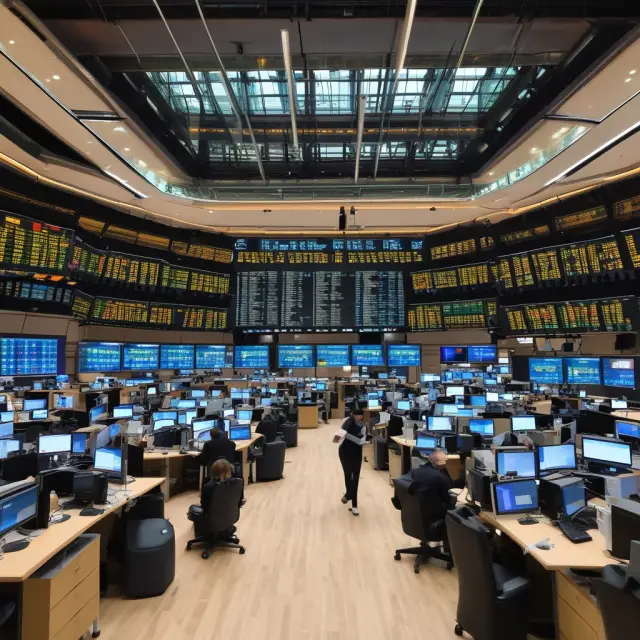
Companies Owned by the LSE Group
The London Stock Exchange (LSE) is a global market infrastructure business that operates a range of markets, data services, and technology platforms. The organization’s international presence expands beyond the UK, with multiple acquisitions and partnerships that enrich its service offerings for customers worldwide. In this section, we will examine the LSE’s subsidiaries and key acquisitions, including FTSE Russell International, Refinitiv, Tradeweb, and LCH Clearing.
1. FTSE Russell International
FTSE Russell is a global indexing, data, and analytic services company that provides a wide range of tools for investment professionals. The partnership between the London Stock Exchange and FTSE Russell dates back to 1923 when the Financial Times Stock Exchange (FTSE) was created. Since then, the business has grown exponentially, providing customized indexes, data solutions, and research to over 85% of institutional asset managers globally. Its flagship indices include the FTSE 100, FTSE UK All-Share, and FTSE AIM UK 50.
2. Refinitiv
Refinitiv is a leading provider of financial market data and infrastructure, offering real-time and historical data, analytics, news, and insights. In 2018, the London Stock Exchange Group acquired Refinitiv, strengthening its position in the financial data industry and expanding its reach into the Americas and Asia Pacific markets. With a global presence in over 160 countries, Refinitiv provides access to critical financial market information and insights that help clients make informed decisions. Its offerings include data feeds, indices, analytics, and regulatory compliance solutions.
3. Tradeweb
Tradeweb is a leading electronic trading platform for fixed income securities and derivatives. With the London Stock Exchange’s acquisition of Tradeweb in 2019, LSEG expanded its presence into the global electronic trading market, offering solutions for investment firms, banks, and asset managers. The platform enables clients to trade a diverse range of products across various markets and currencies through a single, efficient trading workflow.
4. LCH Clearing
LCH Clearing is an independent clearinghouse that provides central counterparty clearing services for a wide range of asset classes, including equities, exchange-traded funds (ETFs), bonds, derivatives, and currencies. In 2015, the London Stock Exchange Group acquired LCH.Clearnet, which enabled LSEG to expand its post-trade services and offerings for its clients. This acquisition bolstered LSEG’s presence in clearing, allowing it to provide risk management and regulatory compliance solutions tailored to the evolving needs of financial institutions.
In conclusion, the London Stock Exchange Group (LSEG) is a global leader in market infrastructure, offering a wide range of services that cater to various sectors within the financial industry. By acquiring and partnering with companies such as FTSE Russell International, Refinitiv, Tradeweb, and LCH Clearing, the London Stock Exchange has strengthened its position as a global powerhouse in financial markets. These subsidiaries offer specialized expertise, data services, trading platforms, and clearing solutions that help clients make informed decisions, manage risk, and navigate complex market conditions.

Listing Process for Companies on the LSE
As you explore the world of investing and the London Stock Exchange (LSE), it’s essential to understand how a company can join this prestigious market. In this section, we delve into the intricacies of the listing process on the London Stock Exchange’s Main Market. This comprehensive guide covers the two main types of listings: Premium and Standard, and the benefits associated with each one.
A brief overview of the LSE’s history reveals that its origins date back to 1801 when broker John Castaing initiated a price list for stocks and commodities at Jonathan’s Coffee House, a popular meeting place for businessmen in London. In the following years, this informal system developed into the Stock Exchange of Great Britain and Ireland, which later transformed into the London Stock Exchange (LSE) we know today.
To join the Main Market, companies have two primary options: Premium or Standard listing. Let’s examine each option in detail.
Premium Listing
The Premium segment applies exclusively to equity shares issued by commercial trading companies. Premium-listed issuers are subjected to stricter requirements than those imposed by the European Union (EU). These higher standards can lead to a lower cost of capital and increased accessibility to investors who seek out companies that meet the highest standards. A company with a Premium listing may also be eligible for inclusion in one of the FTSE indices, providing additional benefits such as enhanced media coverage, research, and announcements.
To qualify for a Premium listing on the LSE, companies must satisfy the UK’s super-equivalent rules, which exceed EU minimum requirements. These conditions include:
- A company must have a minimum market capitalization of £700 million (approximately €835 million) or more.
- Companies must provide a minimum public float of 25% for equity shares.
- The company should be able to demonstrate that at least two-thirds of its voting rights are held by the public.
- Companies need to comply with strict reporting requirements, including annual and half-yearly reports.
Standard Listing
The Standard segment is open to the issuance of equity shares, Global Depositary Receipts (GDRs), debt securities, and derivatives that meet EU minimum requirements. The overall compliance burden is lighter for companies with a Standard listing. This option is particularly attractive to companies from emerging markets seeking access to London’s vast pool of available capital.
To secure a Standard listing on the LSE, companies must comply with specific eligibility criteria:
- A company must have a minimum market capitalization of £350 million (approximately €426 million) or more.
- Companies must provide a minimum public float of 25% for equity shares and 20% for debt securities.
- The company should be able to demonstrate that at least one-third of its voting rights are held by the public.
- Companies need to comply with EU reporting requirements, including annual and half-yearly reports.
In conclusion, understanding the listing process on the London Stock Exchange is crucial for businesses looking to expand their presence in a highly competitive global marketplace. By considering the Premium and Standard listing options, companies can tailor their approach based on specific requirements and long-term strategic goals. The rigorous application process ensures that investors are provided with high-quality investment opportunities while maintaining confidence in the LSE’s reputation as a leading financial institution.

LSEG Indexes and Benchmarks
The London Stock Exchange (LSE) hosts an array of indices that provide invaluable information to both domestic and international investors. These indices, created by FTSE Russell, represent a significant portion of the world’s capital markets, providing valuable insights into various industries and sectors. Among these are the FTSE 100, FTSE UK All-Share, and FTSE AIM UK 50.
The FTSE 100 Index (or “Footsie”) is a market-capitalization weighted index consisting of 100 blue-chip companies listed on the London Stock Exchange. These firms represent approximately 80% of the total market capitalization of all companies traded on the exchange. The FTSE 100 is widely considered as a benchmark for the performance of the UK equity market. It is calculated in real-time throughout each trading day, with prices updated every second.
Another essential index offered by the LSE is the FTSE UK All-Share Index, which covers around 98% of the total market capitalization of the London Stock Exchange. This index provides a more comprehensive representation of the UK equities market than the FTSE 100, as it includes smaller and mid-cap companies in addition to large cap stocks.
Lastly, the FTSE AIM UK 50 is specifically designed for investors seeking exposure to smaller, rapidly growing companies that may not yet meet the Premium listing requirements of the Main Market. These companies are typically listed on the Alternative Investment Market (AIM), which aims to support and develop young businesses with high growth potential. The FTSE AIM UK 50 is a free float-adjusted index, meaning it only considers stocks that are publicly available for purchase by individual investors.
These indices play a crucial role in enabling investors to measure the performance of their portfolios against the broader market, and they provide valuable information to companies seeking investment or benchmarking opportunities. Companies listed on the London Stock Exchange benefit from being part of these indices as it can lead to increased visibility, enhanced liquidity, and potential inflows of institutional capital.
In conclusion, understanding the importance and role of FTSE indexes within the London Stock Exchange is essential for investors seeking insight into the UK market’s overall health and performance. With a diverse range of indices covering various sectors and capitalizations, the LSE offers invaluable tools for investors looking to measure and manage risk while gaining exposure to the broader UK economy.
KEY TAKEAWAYS The London Stock Exchange (LSE) hosts several essential indices created by FTSE Russell, including the FTSE 100, FTSE UK All-Share, and FTSE AIM UK 50. These indices provide valuable insights into the performance of various industries and sectors within the UK equities market. The FTSE 100 is a market-capitalization weighted index consisting of the 100 largest blue-chip companies listed on the exchange, representing approximately 80% of its total market capitalization. The FTSE UK All-Share Index covers around 98% of the total market capitalization of the London Stock Exchange and provides a more comprehensive representation of the UK equities market compared to the FTSE 100. The FTSE AIM UK 50 is specifically designed for investors seeking exposure to smaller, rapidly growing companies that may not yet meet the Premium listing requirements of the Main Market. These indices allow investors to measure the performance of their portfolios against the broader market and provide valuable information to companies looking for investment opportunities or benchmarking purposes. Companies listed on the London Stock Exchange benefit from increased visibility, enhanced liquidity, and potential inflows of institutional capital when included in these indices.

London Stock Exchange’s Role in European Markets
The influence and importance of the London Stock Exchange (LSE) extend beyond the borders of the United Kingdom. As a leading global financial institution, the LSE plays a vital role in shaping the broader European financial markets. In this section, we will discuss the impact of the LSE on Europe through initiatives such as the Single European Market (SEM), Eurobonds, and the European Monetary Union.
European Integration: The Single European Market (SEM)
The SEM is an economic project aimed at creating a unified European market for goods and services with minimal border interference. In 1985, European leaders, including Thatcher, Mitterrand, and Kohl, met to establish the principles of free movement of capital, goods, services, and people. The SEM was officially launched on Jan. 1, 1993, leading to a significant increase in economic integration among European countries.
The London Stock Exchange played an essential role in facilitating this process by offering a single platform for trading securities across multiple markets. It provided access to diverse investment opportunities and became a crucial bridge between the various national stock exchanges of Europe. The harmonization of listing requirements under the LSE’s Main Market listing segment further strengthened the appeal of cross-border listings and increased competition among European exchanges.
Eurobonds
Eurobonds are debt securities that are denominated in a currency other than the issuer’s local currency. The London Stock Exchange played an essential role in the development of Eurobond markets. In the 1960s, the LSE became one of the first exchanges to establish a regular market for eurobonds. It enabled international corporations to issue bonds outside their home countries and tap into diverse pools of capital. This was particularly advantageous during times of economic instability in certain European countries when investors sought safer alternatives.
European Monetary Union (EMU)
The European Monetary Union is a monetary system established by the Maastricht Treaty on Feb. 3, 1992, with the ultimate goal of creating a single currency for Europe. The LSE’s influence was evident in the EMU as it provided a platform for trading and market analysis of European government bonds (Eurobonds) prior to the introduction of the euro itself. It offered valuable insights into the relative strength and vulnerabilities of various European economies, ultimately contributing to a more informed decision-making process within the EU.
The London Stock Exchange’s presence in Europe has expanded beyond its traditional role as an exchange for equities and bonds trading. Today, it continues to be a crucial player in shaping the financial landscape by providing access to real-time data, offering derivative products, and driving innovation through cutting-edge technology. The LSE remains committed to fostering collaboration between European stock exchanges and removing barriers to cross-border trading, ensuring that Europe’s capital markets remain competitive on a global scale.

LSEG’s International Presence
The London Stock Exchange Group (LSEG) has not only established itself as Europe’s largest exchange but has also extended its reach to the global arena. LSEG’s international presence is characterized by strategic partnerships in key regions worldwide, enabling it to provide cost-effective access to capital and facilitate global trade. This section focuses on LSEG’s involvement in Asia, Africa, and the Middle East.
Asia:
London Stock Exchange Group (LSEG) has a significant presence in the Asian market through its collaborations with stock exchanges in India, South Korea, and Hong Kong. In 2017, the LSE partnered with the National Stock Exchange of India Limited to launch the India International Exchange (IFSC), based in Gujarat International Finance Tec-City (GIFT City) near Ahmedabad, India. The partnership enables Indian companies to list their shares on both the London and Mumbai stock exchanges simultaneously, offering them the benefits of international visibility and access to a broader investor base.
LSEG also established an alliance with the Korea Exchange (KRX) in 2019. This collaboration facilitates the trading of KOSPI and Kospi 200 index futures on the London Stock Exchange, thereby creating new opportunities for market participants to access Korean equities through its efficient and well-regulated platform.
In addition, LSEG entered into a partnership with Hong Kong Exchanges and Clearing Limited (HKEX) in early 2018 to offer a joint market solution that connects the two exchanges’ derivatives markets. The collaboration provides access to a broader range of risk management tools for market participants while strengthening the overall competitiveness of both exchanges.
Africa:
LSEG has been active in African markets through its partnership with the Johannesburg Stock Exchange (JSE) since 1995. The collaboration enabled South African companies to list on both the London and Johannesburg stock exchanges, which offered them access to diverse investor pools and increased liquidity. In March 2017, LSEG acquired a 26% stake in the JSE, further deepening the relationship between the two exchanges and creating new opportunities for African companies looking to expand their international presence.
Middle East
LSEG has a long-standing partnership with Dubai Financial Market (DFM), which began in 2007 when the LSE acquired a 25% stake in DFM. The collaboration aims to provide market participants with more efficient access to Middle Eastern equities while enabling companies from the region to tap into London’s deep pool of capital. In October 2019, LSEG increased its stake in DFM to approximately 36%, emphasizing its commitment to further developing a strong presence in the Middle East.
In conclusion, London Stock Exchange Group’s international expansion has positioned it as a leading global exchange that connects various markets and offers numerous opportunities for companies and investors alike. By establishing strategic partnerships across Asia, Africa, and the Middle East, LSEG is able to facilitate efficient cross-border trading, enhance liquidity, and promote economic growth in these regions.

The London Stock Exchange Today: A Global Perspective
The London Stock Exchange (LSE) holds a significant global presence with its extensive influence on European financial markets and beyond. With a rich history dating back to the late 17th century, it has established itself as one of the world’s leading stock exchanges. In this section, we will explore the current state of the LSE, including market capitalization, trade volume, access to capital, liquidity, and its position compared to other prominent global exchanges like the New York Stock Exchange (NYSE).
Market Capitalization: The London Stock Exchange boasts an impressive market capitalization of over £6 trillion ($7.8 trillion), making it one of the largest stock exchanges in the world alongside the NYSE and Nasdaq. This massive figure is a testament to the exchange’s ability to attract and retain high-value companies from various industries.
Trade Volume: Another key metric demonstrating the LSE’s importance in the global financial landscape is its daily trade volume. With approximately £8 billion ($10.4 billion) traded on average each day, it holds a strong position within Europe’s trading markets. This high volume of activity provides significant liquidity for investors, allowing them to efficiently enter and exit positions.
Access to Capital: The London Stock Exchange offers companies an unparalleled opportunity to access a deep pool of capital from both domestic and international investors. Given its status as the largest European exchange, it has attracted a diverse range of multinational corporations, including those based in technology, healthcare, finance, energy, and consumer goods industries.
Liquidity: Liquidity is essential for maintaining a stable market and enabling efficient price discovery. The London Stock Exchange offers a high level of liquidity due to its substantial trading volume, deep investor base, and advanced technological capabilities that facilitate seamless transactions. This factor also adds to the attractiveness of the exchange for both companies seeking capital and investors looking for profitable opportunities.
Competition with Other Exchanges: Although the London Stock Exchange is Europe’s largest stock exchange, it faces significant competition from other global players like the NYSE and Nasdaq. While each exchange has its unique advantages, the London Stock Exchange maintains a competitive edge through its extensive reach into European markets and its ability to offer companies a premium listing, which may result in lower costs of capital due to its strict entry requirements.
In conclusion, the London Stock Exchange’s global perspective is characterized by its substantial market capitalization, impressive trade volume, access to ample liquidity, and strong competition with other prominent stock exchanges. Its rich history, diverse company base, and strategic partnerships have solidified its position as a leading financial institution in Europe and beyond.

FAQs
What is the London Stock Exchange (LSE)?
The London Stock Exchange (LSE) is a leading global financial market infrastructure, headquartered in the United Kingdom, offering a range of products and services to issuers, traders, and investors. Established more than 300 years ago, it has evolved from a physical venue for trading securities to one that provides cost-efficient access to some of the world’s deepest and most liquid pools of capital.
When was the London Stock Exchange formed?
The London Stock Exchange can be traced back to 1698 when broker John Castaing began posting stock prices at Jonathan’s Coffee House, which served as a popular meeting place for businessmen trading securities. The first formal exchange rules were established in 1801 to combat fraud and unscrupulous traders, making it the UK’s oldest regulated stock exchange.
What are the key milestones of the London Stock Exchange?
The most significant event that reshaped the London Stock Exchange was the ‘Big Bang,’ a deregulation on Oct. 27, 1986, which introduced electronic trading, opened up the LSE to international markets, and eliminated minimum fixed commissions. In 2007, the London Stock Exchange merged with the Milan Stock Exchange, Borsa Italiana, forming the London Stock Exchange Group (LSEG).
What is a Premium listing on the London Stock Exchange?
A Premium listing applies to equity shares issued by commercial trading companies and requires them to meet higher UK super-equivalent rules. Premium-listed companies have access to lower cost of capital, higher investor demand, and the possibility of inclusion in FTSE indices.
How do companies list on the Main Market of the London Stock Exchange?
There are several ways for companies to join the Main Market: Premium, Standard, High Growth Segment, or Specialist Fund Segment. Each segment targets specific types of securities and has varying compliance requirements to cater to diverse business needs.
What companies does the London Stock Exchange Group own?
The London Stock Exchange Group owns several subsidiaries and acquisitions, including FTSE Russell International, Refinitiv, Tradeweb, and LCH Clearing. These entities provide a comprehensive suite of products and services that support the global financial markets.
 Next entry · No. 3,023Long-Term Care Insurance: A Comprehensive Guide for Institutional Investors
See also
-
 No. 5,835
11 Oct 2025
18 min
Understanding Xetra: Germany’s Dominant Electronic Trading Platform
Business Finance
No. 5,835
11 Oct 2025
18 min
Understanding Xetra: Germany’s Dominant Electronic Trading Platform
Business Finance -
 No. 5,830
11 Oct 2025
19 min
X-Efficiency: Understanding the Concept and Its Significance for Institutional Investors
Business Finance
No. 5,830
11 Oct 2025
19 min
X-Efficiency: Understanding the Concept and Its Significance for Institutional Investors
Business Finance -
 No. 5,789
07 Oct 2025
19 min
Understanding Working Capital Loans: A Comprehensive Guide for Institutional Investors
Business Finance
No. 5,789
07 Oct 2025
19 min
Understanding Working Capital Loans: A Comprehensive Guide for Institutional Investors
Business Finance -
 No. 5,625
24 Sep 2025
20 min
Understanding the Wash Sale Rule: Tax Implications and Strategies for Institutional Investors
Business Finance
No. 5,625
24 Sep 2025
20 min
Understanding the Wash Sale Rule: Tax Implications and Strategies for Institutional Investors
Business Finance -
 No. 5,472
11 Sep 2025
22 min
Understanding Venture Capital Trusts (VCT) and Their Investment Opportunities
Business Finance
No. 5,472
11 Sep 2025
22 min
Understanding Venture Capital Trusts (VCT) and Their Investment Opportunities
Business Finance -
 No. 5,322
30 Aug 2025
20 min
Understanding Unweighted vs Weighted Stock Indexes: A Comparison for Institutional Investors
Business Finance
No. 5,322
30 Aug 2025
20 min
Understanding Unweighted vs Weighted Stock Indexes: A Comparison for Institutional Investors
Business Finance