Understanding the Neckline: A Key Component of Head and Shoulders Chart Patterns in Trading

Understanding the Neckline: A crucial component of Head and Shoulders Chart Patterns in Trading. Learn how to identify, draw, and use necklines effectively.
What is a Neckline?
A neckline is an essential component of head and shoulders chart patterns used in technical analysis to predict bullish or bearish reversals in financial markets. The neckline acts as a support or resistance level by connecting the swing lows (in the case of a head and shoulders top) or highs (for inverse head and shoulders). This article explores what a neckline is, how it functions, and how traders can identify and use this critical indicator effectively.
Understanding Necklines: Definition and Significance
Necklines play a crucial role in head and shoulders patterns by defining the support or resistance levels that indicate when a reversal may occur. A neckline forms when two swing lows (for head and shoulders tops) or highs (for inverse head and shoulders) are connected to create a straight line extending out to the right. This line becomes essential as it signals the completion of the pattern and potential breakout in either direction – upward for inverse head and shoulders and downward for traditional head and shoulders patterns.
To better understand necklines, consider these key points:
- The neckline is drawn as a horizontal line, but it may sometimes need to be extended at an angle when the reaction lows or highs are not equal in height.
- A steeply sloped neckline is less useful for trading purposes since it may not provide accurate insights into market reversals.
- Necklines are used in conjunction with other technical analysis tools, such as moving averages and RSI, to confirm the validity of a potential head and shoulders pattern and to increase confidence in entry and exit points.
Stay tuned for the following sections where we will dive deeper into understanding how to identify and use necklines in trading by examining various aspects of the head and shoulders chart patterns and exploring real-life examples.

Identifying the Head and Shoulders Chart Pattern
The head and shoulders chart pattern is a technical analysis tool that traders utilize to predict price reversals. This popular chart pattern has a distinct shape with three peaks and two troughs, which form the head, shoulders, and neckline, respectively. In this section, we will discuss what the head and shoulders pattern is, its components, and how a neckline functions as support or resistance in this pattern.
What Is a Head and Shoulders Pattern?
The head and shoulders chart pattern occurs during an uptrend and consists of three consecutive peaks, with the second peak being higher than the first and third peaks (referred to as ‘head’ and ‘shoulders’). Two troughs mark the lowest points between these peaks. The neckline represents the line that connects the swing lows formed after the first two peaks. A break below this line signals a reversal from the uptrend to a downtrend.
Understanding Necklines in Head and Shoulders Patterns
Necklines serve as crucial support or resistance levels for head and shoulders patterns. The neckline’s slope can indicate an upward or downward trend, making it essential to understand its significance when analyzing this pattern. The neckline is drawn by connecting the lowest swing lows (troughs) following each shoulder peak in a head and shoulders top formation or following each higher shoulder peak in an inverse head and shoulders bottom formation.
When price breaks below the neckline after reaching the third peak in a head and shoulders top pattern, it indicates that the reversal has occurred, and a downtrend may be underway. Conversely, when the price rises above the neckline following the third lower high in an inverse head and shoulders bottom pattern, it suggests a potential bullish reversal, and an uptrend could emerge.
The neckline’s slope can range from horizontal to steeply inclined depending on the market conditions. A flat or gently sloping neckline may indicate that the price will move sideways for some time before breaking through, while a steeply inclined neckline may suggest a quicker reversal. Nevertheless, a severely sloped neckline may not be as reliable and should be used with caution.
In the following sections, we will delve deeper into how to identify the head and shoulders pattern, draw a neckline, and understand its significance when trading.
How to Draw a Neckline
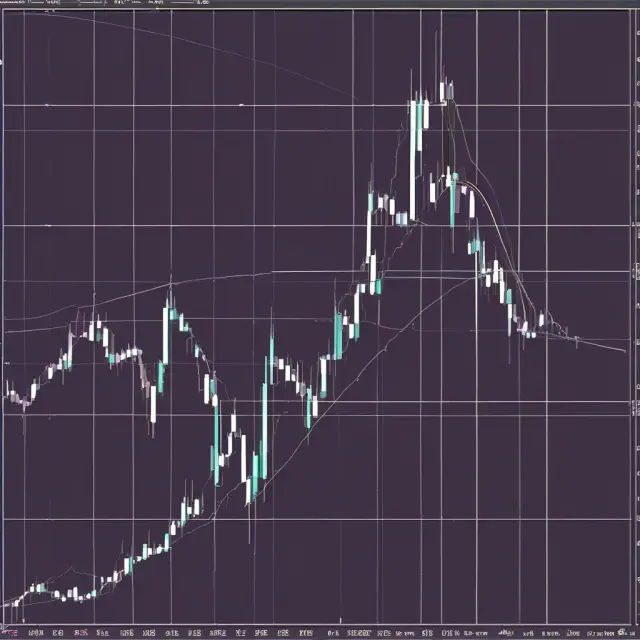
To help you better understand the importance of necklines in head and shoulders chart patterns, let’s delve deeper into how to draw this essential support or resistance level. A neckline is formed by connecting swing lows (for head and shoulders tops) or highs (for inverse head and shoulders) following the pattern formation. Here, we will discuss the methodology for drawing a neckline and considerations for handling severely sloped ones.
Methodology for Connecting Swing Low Points
For a head and shoulders topping pattern, begin by identifying the two swing low points that follow the first two peaks (labeled as L1 and L2). Draw a straight line along these two points and extend it out to the right. The neckline serves as a resistance level in this context, and once the price drops below it, traders may consider placing sell orders or entering short positions.
For an inverse head and shoulders bottoming pattern, follow similar steps but with swing highs. Identify the two swing high points that occur after the second higher peak and connect them with a straight line to form the neckline. As a support level, the neckline may encourage traders to enter long positions or buy orders when the price rises above it.
Considerations for Steeply Sloped Necklines
While drawing a neckline based on swing points is a straightforward process, dealing with severely sloped necklines can pose a challenge. Such necklines might not provide much value in trading as they could lead to false signals. To mitigate the risk of using steeply sloped necklines, consider combining them with other technical indicators such as moving averages or the relative strength index (RSI).
In conclusion, necklines play a vital role in head and shoulders chart patterns by acting as support or resistance levels for determining strategic entry and exit points. By understanding how to draw a neckline and handling steeply sloped ones with caution, traders can gain valuable insights from this essential tool in their technical analysis arsenal.
Keep in mind that no trading strategy is foolproof. Always consider other factors such as market conditions, fundamental analysis, and risk management when making investment decisions.

Understanding Neckline Slopes
When analyzing a head and shoulders pattern, understanding neckline slopes is crucial to making informed trading decisions. The neckline plays a pivotal role in confirming whether the price action is following the anticipated trend reversal. This section will discuss why steeply sloped necklines may not be useful and provide guidance on determining a head and shoulders pattern.
A head and shoulders chart pattern can form during an uptrend, displaying three peaks with a retracement between each one. The first peak is followed by a second peak that is higher than the first and the third, which results in a lower price level compared to the first two peaks. The neckline is then formed by connecting the reaction lows or troughs between these peaks and extending it out to the right as a straight line. When the price breaks below this neckline, a downtrend is assumed.
However, if the neckline slope is excessively steep, it can create uncertainty. In such cases, it may be necessary to consider additional confirmation signals from other technical indicators or chart patterns for better accuracy in predicting the trend reversal.
A head and shoulders pattern with a flat neckline is more reliable as it indicates clear resistance, making the pattern easier to identify. Additionally, a steeply sloped neckline can result in false breakouts, leading to missed opportunities or unnecessary losses. It is essential to be cautious when dealing with necklines that display a severe slope since they might not provide an accurate representation of the underlying price trends.
An inverse head and shoulders pattern, which is the reverse of the head and shoulders pattern, follows the same logic but in the opposite direction. The inverse head and shoulders pattern can form during a downtrend and consists of three troughs with a retracement between each one, leading to the formation of a neckline by connecting the reaction highs or peaks. When the price breaks above the neckline in this case, an uptrend is assumed.
To determine a head and shoulders pattern accurately, it’s essential to analyze various factors like volume, moving averages, and other technical indicators alongside the chart patterns. These indicators can provide further confirmation of the anticipated trend reversal or help traders identify any false signals from steeply sloped necklines. Overall, understanding neckline slopes is crucial in head and shoulders pattern analysis, as it helps traders make informed decisions based on accurate information.
Breaking Down the Head and Shoulders Pattern: Uptrends
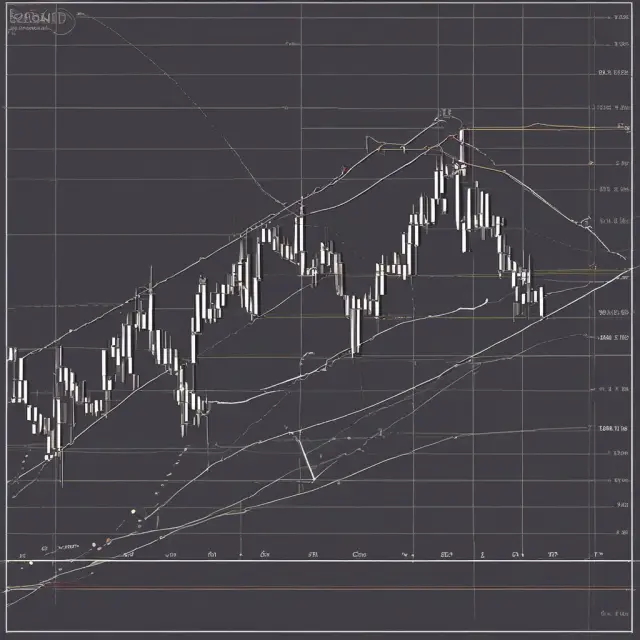
A head and shoulders pattern represents a significant change in trend direction from an uptrend to a downtrend. The neckline plays a crucial role in understanding this reversal. In an uptrend, the neckline is a line of support, serving as a potential level for buyers to enter the market or protect their long positions. Let’s delve deeper into how the neckline functions during an uptrend and strategies for entering long positions based on a confirmed head and shoulders pattern.
A head and shoulders top is formed after an uptrend, characterized by three consecutive peaks with the second peak being higher than the others. The first retracement creates a left shoulder, while the second retracement forms the head—which is typically the highest price level within the pattern. Following the second retracement, the third peak, or right shoulder, forms. After this peak, the price usually declines and breaks below the neckline, confirming the pattern and signaling the reversal to a downtrend.
To identify a head and shoulders top, it’s essential to first establish the neckline by drawing a line that connects the reaction lows during the uptrend following the first two peaks (left shoulder and head). The neckline serves as an area of potential resistance for the price action—buyers may consider this level as a place to enter long positions or protect their existing ones from further downside moves.
Once the price breaks below the neckline, the head and shoulders top is considered confirmed, and traders can enter short positions if they believe the downtrend will continue. However, for those looking to go long, there are strategies to consider:
- Waiting for confirmation: After a significant decline below the neckline, the price may retest the neckline as resistance before continuing its downward trend. If the price bounces back above the neckline during this retest, it could be an indication of bullish sentiment, and long positions can be entered.
- Utilizing moving averages: A long position can also be considered when the short-term moving average (e.g., 50-day or 100-day simple moving average) crosses above the long-term moving average (e.g., 200-day simple moving average). This bullish signal can help confirm that the reversal is underway and provide a more reliable entry point for going long.
- Implementing stop loss: To minimize risks, a stop loss order can be placed below the recent swing low or below the low of the third peak to protect the position from further downside moves. This strategy helps ensure that losses are limited if the price continues to trend bearishly after entering a long position.
In summary, understanding how the neckline functions during an uptrend is crucial for traders who want to enter long positions based on a confirmed head and shoulders top pattern. By considering various strategies, such as waiting for confirmation or implementing moving averages, traders can minimize risks while capitalizing on potential opportunities in the market.
Breaking Down the Head and Shoulders Pattern: Downtrends
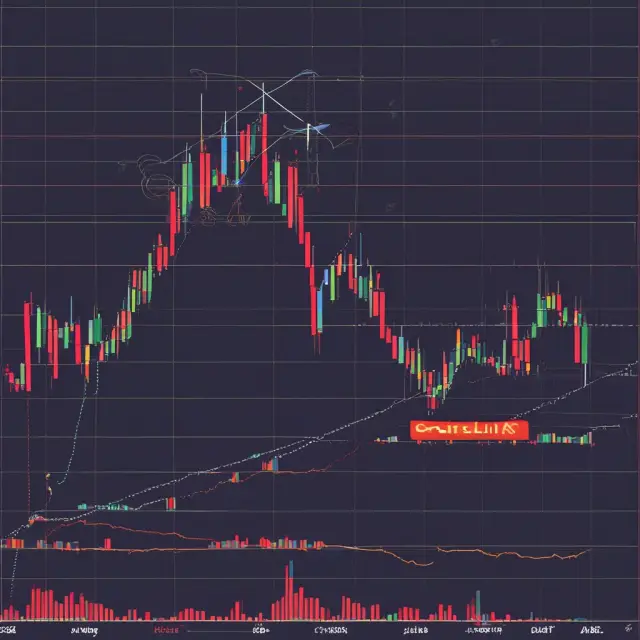
The neckline is a crucial component in identifying head and shoulders chart patterns during downtrends. As a support level, it connects swing lows that form as a result of the pattern’s structure. In this section, we will explore how to identify sell signals using necklines in downtrends and discuss strategies for entering short positions based on confirmed head and shoulders patterns.
Identifying Sell Signals
To pinpoint sell signals when using necklines during a downtrend, look for instances where the price breaches below the neckline after a third peak has formed. This break below the neckline signifies that the downtrend is likely to continue, indicating that it’s an appropriate moment for traders seeking to enter short positions.
Strategies for Entering Short Positions
To implement a short position strategy based on a confirmed head and shoulders pattern during downtrends, follow these steps:
- Identify the head and shoulders pattern by observing the formation of three consecutive peaks, with the second peak being the highest.
- Connect the two lowest points between the first and third peaks to draw the neckline.
- Wait for a clear break below the neckline following the third peak.
- Set a stop loss above the most recent swing high or the high of the third peak.
- Enter a short position once the price drops below the neckline.
The estimated downside move for the head and shoulders pattern is calculated by determining the height of the pattern, which represents the difference between the prices of the second peak and lowest low. This value can be subtracted from the breakout point to provide an approximate target for the downward move. However, it’s important to remember that there are no guarantees regarding price targets or when the price will stop falling.
Example:
Consider a downtrend in the EUR/USD exchange rate where the head and shoulders pattern forms after the third peak (Point C) with a neckline connecting swing lows A and B. Following the break below the neckline, traders may enter short positions with a target of approximately 1.1850 – the height of the pattern from Point B to Point C.
In conclusion, understanding the function and significance of necklines in head and shoulders chart patterns is vital for traders during both uptrends and downtrends. In downtrends, the neckline serves as a support level and helps identify sell signals and strategies for entering short positions based on confirmed patterns. By following these guidelines and practicing patience, investors can effectively utilize necklines to navigate their trading strategies.
How to Use the Neckline in Trading: The GBP/USD Example
When learning head and shoulders chart patterns, a significant aspect to understand is the neckline. This line, which connects swing lows or highs, plays an essential role in identifying the potential breakout of a pattern. In this section, we’ll discuss how to identify and use a neckline effectively using the example of the GBP/USD currency pair.
Understanding Necklines in Head and Shoulders Patterns
The head and shoulders chart pattern consists of three consecutive peaks with a second peak rising higher than the others, followed by a retracement, another lower peak, and then a break below the neckline, which is the connecting line between swing lows or highs. In the case of a bullish head and shoulders bottoming pattern (inverse head and shoulders), the neckline connects swing highs, and when the price rises above it, an uptrend is expected to follow.
Identifying the Neckline in the GBP/USD Example
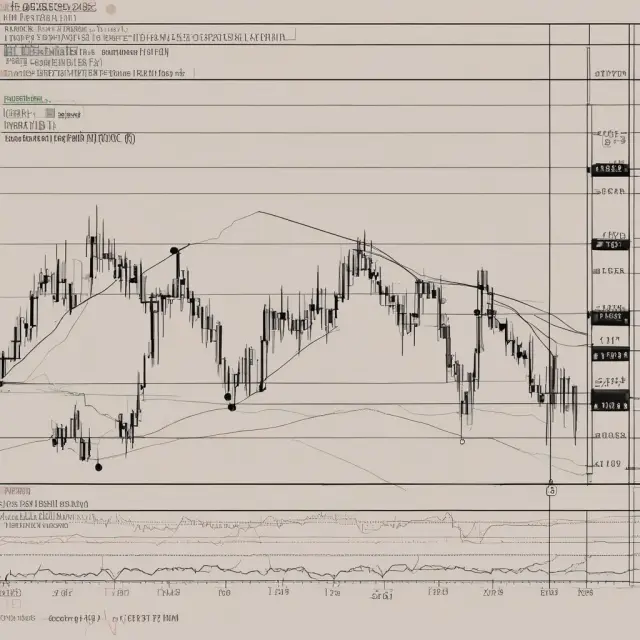
To illustrate the concept of using necklines effectively in trading, let’s take a closer look at the GBP/USD currency pair and its head and shoulders pattern (as shown in Figure 1).
Figure 1: Head and Shoulders Pattern with Neckline for GBP/USD
As you can see, the three peaks (labeled as H1, H2, and H3) form a clear head and shoulders top, with the two lower peaks (L1 and L2) forming the left and right shoulders. The neckline is the horizontal line connecting these swing lows (L1 and L2).
Determining the Potential Price Target Based on Pattern Height
Now that we have identified the head and shoulders pattern and its neckline, it’s essential to determine the potential price target based on the height of this pattern. The estimated downside move for a regular head and shoulders pattern is the difference between the second peak (H2) and the lowest low (L1), which is added to the neckline breakout point (NB).
The height of the GBP/USD’s head and shoulders top is calculated as follows: H2 – L1 = 0.0263
Adding this value to the neckline breakout point, we can estimate a potential downside move of approximately 0.0263 units after the pattern completes (as shown in Figure 2).
Figure 2: Head and Shoulders Pattern with Estimated Price Target for GBP/USD
In conclusion, necklines play a crucial role in identifying head and shoulders patterns and determining potential price targets. By understanding how to draw and utilize necklines effectively, traders can make more informed decisions based on their analysis of financial markets like the GBP/USD currency pair. Remember that no indicator is foolproof and always consider other factors for confirmation before making a trade.

Common Mistakes When Using Necklines
While a neckline can provide valuable insights into potential support or resistance levels in head and shoulders chart patterns, there are common mistakes that traders often make when using this technical tool. In this section, we will discuss some of these pitfalls and offer suggestions for avoiding them to improve your trading strategy.
1. Ignoring Trading Volume: One of the most common errors when utilizing necklines is overlooking trading volume. Ahead-of-time confirmation from trading volume can significantly increase the reliability of a head and shoulders pattern. To effectively gauge the potential significance of a neckline, it’s essential to pay close attention to both price action and volume during the formation and breakout phases.
Pro Tip: When trading with head and shoulders patterns, look for increased volume on the buy or sell side at the neckline, as this can potentially indicate that more significant price movements are likely.
2. Relying Too Heavily on a Single Indicator: It’s essential to remember that no single indicator can provide a definitive answer regarding market trends or reversals. Necklines should be used in conjunction with other indicators, such as moving averages and relative strength index (RSI), for confirmation and to maximize the probability of success.
3. Lack of Patience: Traders may become overly anxious or impatient when waiting for a confirmed breakout or reversal at the neckline level. This can lead to premature entry or exit decisions, potentially resulting in missed opportunities or unnecessary losses. Remember that market trends and patterns take time to develop and unfold; be patient and wait for the right moment before making your move.
4. Misinterpretation of Slopes: A steeply sloped neckline may not always provide accurate insights into potential trend reversals or support/resistance levels. In some cases, a severely sloped neckline can render the pattern less reliable and potentially misleading. Keep in mind that even though a neckline is an essential component of head and shoulders patterns, it is only one tool among many used by technical analysts to gauge market trends and make informed trading decisions.
By understanding these common mistakes when using necklines, you can improve your overall trading strategy and increase the chances of successfully identifying and capitalizing on potential opportunities in the financial markets.

Advantages and Limitations of Necklines
The neckline is an essential part of a head and shoulders chart pattern in technical analysis used by traders to identify potential areas of support or resistance. By analyzing the neckline, one can make informed decisions regarding their trading positions and predict price movements. In this section, we will discuss the advantages of using necklines as well as its limitations.
Advantages of Necklines
A neckline is a powerful tool for traders when it comes to identifying trend reversals in financial markets. When the price moves below (for head and shoulders top) or above (inverse head and shoulders) the neckline, it indicates that the prevailing trend may be over and a new trend has begun. This information can help traders enter and exit positions at favorable prices, maximizing potential profits while minimizing losses.
Additionally, necklines provide clear visual confirmation of trends in financial markets by connecting key support and resistance levels. The straight line drawn from swing lows or highs acts as a crucial reference point for traders when making decisions based on price action. Furthermore, it can serve as a reliable entry or exit signal when used in conjunction with other technical indicators like moving averages, relative strength index (RSI), and moving average convergence divergence (MACD).
Limitations of Necklines
While necklines are a valuable tool for traders, they do come with some limitations. One significant drawback is that a steeply sloped neckline may not be useful for trading or analytical purposes. This is because the line’s angle might not provide an accurate representation of potential support or resistance levels. In such cases, traders must consider other factors like volume and momentum to validate the significance of a head and shoulders pattern.
Moreover, necklines should not be used as standalone indicators in isolation but rather as part of a holistic approach to technical analysis. It is crucial for traders to combine necklines with multiple indicators and fundamental analysis to improve the accuracy and reliability of their predictions. By considering other factors like economic data releases, central bank announcements, and news events, traders can mitigate potential false signals and enhance their overall trading strategy.
In conclusion, necklines are an essential component of head and shoulders chart patterns, offering significant advantages for traders looking to identify trend reversals and entry/exit opportunities. However, they do come with limitations such as steeply sloped necklines and the need for confirmation from other indicators to ensure the accuracy and reliability of their analysis. By understanding these pros and cons, traders can make the most of the valuable insights provided by necklines while minimizing potential risks.
Furthermore, it’s essential to remember that technical analysis is not a perfect tool and should be used alongside fundamental analysis for a well-rounded approach to investing. Always practice good risk management techniques, such as setting stop losses and using position sizing, to minimize potential losses while maximizing gains.

Frequently Asked Questions
Q: What is a neckline in finance?
A: In trading, the term ‘neckline’ refers to a horizontal line that appears as a potential support or resistance level on a chart pattern called head and shoulders. A neckline connects swing lows (in a head and shoulders top) or highs (in an inverse head and shoulders pattern). It indicates the price level where an asset may encounter significant buying or selling pressure, which can potentially trigger a reversal of the prevailing trend.
Q: How is a neckline drawn in finance?
A: To draw a neckline, you need to connect the swing lows (or highs, depending on the chart pattern) that form the support and resistance levels for head and shoulders patterns. You can identify these points by looking at the reaction highs or lows following each peak or trough in the pattern. By connecting two or more of these points, you create a line that represents the neckline.
Q: What are the implications of breaking a neckline?
A: Breaking below (for head and shoulders top) or above (for inverse head and shoulders bottom) a neckline indicates a potential trend reversal for the asset. If prices drop below a neckline, it may signal that the bullish trend is over and a bearish one is beginning. Conversely, rising above the neckline may indicate that the downtrend has ended and an uptrend is starting.
Q: What are the limitations of using necklines as a trading strategy?
A: While necklines can be valuable indicators, they should not be used in isolation. Their effectiveness depends on proper setup, confirmation signals from other technical indicators, and patience. A severely sloped neckline may not provide clear buying or selling opportunities and could result in incorrect trades.
Q: What is the difference between a head and shoulders top and bottom?
A: A head and shoulders top is a bearish reversal pattern that forms during an uptrend, while a head and shoulders bottom is a bullish reversal pattern that emerges during a downtrend. The main difference lies in their structure and interpretation – the former indicates the end of an uptrend and the beginning of a downtrend, whereas the latter signals the end of a downtrend and the beginning of an uptrend.
Q: How does a head and shoulders pattern form?
A: A head and shoulders pattern forms as follows: after an uptrend, there is a peak, followed by a retracement (the left shoulder), another higher peak (the head), another retracement (the neckline), and finally, a lower third peak (the right shoulder). When the price drops below the neckline, it signifies that a reversal to the downside of the prior uptrend is underway.
Q: What are some common mistakes when using necklines?
A: One mistake traders make when using necklines is not considering other indicators or confirmation signals for their analysis. Another error is ignoring volume data and relying solely on the neckline level for entry or exit decisions. It’s essential to consider various factors together for a comprehensive view of the market situation.
Q: Can you give an example of how to use a neckline in trading?
A: An illustrative example of using a neckline can be found in the GBP/USD currency pair, where a head and shoulders top pattern was formed after an uptrend. When prices dropped below the neckline, it signaled further downside potential for the exchange rate between the British pound and US dollar. The height of the pattern, which represents the difference between the second peak and the lowest low, was used to calculate a potential price target for this expected downturn.
 Next entry · No. 3,378The Needs Approach to Life Insurance Planning: A Comprehensive Guide
See also
-
 No. 4,911
27 Jul 2025
20 min
A Comprehensive Guide to Technical Analysis: Understanding Chart Patterns, Indicators, and Strategies
Finance Policy
No. 4,911
27 Jul 2025
20 min
A Comprehensive Guide to Technical Analysis: Understanding Chart Patterns, Indicators, and Strategies
Finance Policy -
 No. 4,565
29 Jun 2025
21 min
Scalping: A High-Risk Trading Strategy for Profiting from Minor Price Changes
Finance Policy
No. 4,565
29 Jun 2025
21 min
Scalping: A High-Risk Trading Strategy for Profiting from Minor Price Changes
Finance Policy -
 No. 5,074
09 Aug 2025
26 min
Understanding and Implementing Effective Trend Trading Strategies in Finance and Investment
Business Finance
No. 5,074
09 Aug 2025
26 min
Understanding and Implementing Effective Trend Trading Strategies in Finance and Investment
Business Finance -
 No. 4,968
01 Aug 2025
20 min
Understanding Tick Size in Finance: Incremental Changes for Stocks, Futures and Forex
Financial Data Analysis
No. 4,968
01 Aug 2025
20 min
Understanding Tick Size in Finance: Incremental Changes for Stocks, Futures and Forex
Financial Data Analysis -
 No. 4,456
20 Jun 2025
20 min
Understanding Reversals: Spotting and Utilizing Trend Changes in Finance and Investment
Business Finance
No. 4,456
20 Jun 2025
20 min
Understanding Reversals: Spotting and Utilizing Trend Changes in Finance and Investment
Business Finance -
 No. 4,434
18 Jun 2025
18 min
Retracements vs. Reversals: Understanding Short-Term Price Movements in the Stock Market
Markets
No. 4,434
18 Jun 2025
18 min
Retracements vs. Reversals: Understanding Short-Term Price Movements in the Stock Market
Markets