Understanding the Nigerian Letter Scam: What it is and How it Operates

Understand the intricacies of the Nigerian letter scam with this comprehensive guide, featuring sections on its origin, tactics, warning signs…
What is a Nigerian Letter Scam?
The Nigerian letter scam, also known as advance fee fraud or 419 fraud, is an intricate and long-standing con that involves a sender requesting assistance from someone to receive a large sum of money. This deception is frequently carried out through emails, but it can also be executed through faxes or traditional mail. The letter’s author typically poses as a high-ranking government official, military officer, or business executive, offering the recipient a substantial commission in exchange for facilitating the transfer of funds.
Origins and Prevalence
The Nigerian letter scam gained notoriety during the 1990s due to its prevalence within Nigeria, but it is not limited to this country. This form of deception can be traced back to various parts of the world. In fact, a significant number of the identified scammers reside in the United States. Section 419 of the Nigerian Criminal Code outlaws such fraudulent activities.
Operation:
The Nigerian letter scam typically unfolds as follows: A potential victim is contacted via email or other means with an enticing offer to help transfer a large sum of money from a foreign country. The reasons for requiring assistance may range from a government freezing an account to an inheritance without a named beneficiary. The sender requests payment of upfront fees, such as taxes, legal costs, or bribes, under the false pretense that this will help ensure the successful transfer of funds. If successful in obtaining payment, scammers may disappear immediately or request even more money.
Warning Signs and Protection
Some red flags that indicate a message might be part of a Nigerian letter scam include references to a U.S. currency account in a foreign country and promises of substantial compensation for minimal effort. Additionally, typos, grammatical errors, and unusual syntax may be present. To protect yourself from such deception, it is essential to remain skeptical and avoid sending any personal or banking information to unverified sources. If you suspect that you might have been contacted by a scammer, report the incident to the U.S. Secret Service, Federal Bureau of Investigation, or your local law enforcement agency.
Romance Scams and Advance Fee Fraud
Nigerian letter scams are a subcategory of advance fee fraud, which encompasses any situation where a victim is promised something of greater value in exchange for an upfront payment. Another common variation of this scheme is the Nigerian romance scam, where scammers create fake online identities to gain a victim’s trust and affection, eventually asking for money under the guise of a romantic relationship.
In conclusion, understanding the nature and intricacies of the Nigerian letter scam can help protect you from becoming a victim. Stay informed, remain vigilant, and remember that if an offer seems too good to be true, it likely is.

How Does the Nigerian Letter Scam Work?
The Nigerian letter scam, also known as advance fee fraud or “419 fraud,” is a sophisticated and persistent deception that has captured the attention of millions around the world since its inception. In this section, we delve into the intricacies of how it operates from start to finish, shedding light on the tactics employed by scammers to ensnare unsuspecting victims.
The Nigerian letter scam originated primarily in Nigeria during the 1990s but has since expanded its reach to other parts of the world. The scheme begins when an individual receives a seemingly authentic letter from someone claiming to be a high-ranking official, such as a military officer, bank manager, or government employee. This letter often states that the sender requires the recipient’s assistance in transferring significant sums of money out of Nigeria.
In exchange for this help, the scammer promises the recipient an enticing commission, which can range from a few thousand to several million dollars. The reasons given for the transfer vary and may include explanations of a government freezing the sender’s account or seeking assistance in securing the money during political unrest.
Once the potential victim is hooked, the scammer begins requesting various fees, including taxes, legal expenses, and bribes to officials, all under the guise of facilitating the transfer. The scammer may also create a sense of urgency by claiming that the opportunity will expire if action isn’t taken promptly.
As victims become increasingly involved, they often find themselves providing more and more money to cover these fees and various other supposed costs. However, despite their best efforts and continued financial support, they never receive the promised reward or even a portion of it. The scammers will either disappear entirely or try to extract even more funds by concocting new reasons for additional payments.
It’s essential to understand that Nigerian letter scams are not limited to Nigeria and can come from other countries as well. Warning signs include unsolicited emails, requests for personal information, promises of substantial rewards, or demands for payment via wire transfer services. Always exercise caution when presented with such opportunities and remember that if it seems too good to be true, it probably is.
The Nigerian letter scam is a classic example of an advance fee fraud scheme, where the victim pays money upfront in anticipation of receiving something of greater value later. It’s important to note that once you send money, there’s no way to recover it—and the consequences can extend beyond financial losses.
In the next section, we’ll discuss common warning signs and tactics used by scammers to lure victims into Nigerian letter scams, providing valuable insights into how to protect yourself from falling victim to these deceptive schemes.

Warning Signs of a Nigerian Letter Scam
The Nigerian letter scam, also known as advance fee fraud or 419 fraud, has been a persistent issue since its inception. This type of scam originated from Nigeria but is not limited to the country and can be perpetrated by various organizations around the world (BBC, 2017). To help you recognize this deceitful practice, here are some common red flags and tactics used by scammers to lure victims.
1. Large sums of money offered for little effort: A significant giveaway that an email is a Nigerian letter scam is the offer of substantial compensation in exchange for minimal work. Scammers may promise millions of dollars as a commission, which can be enticing enough for some people to risk sending thousands of dollars to a stranger.
2. Unusual syntax and grammatical errors: While not all Nigerian letter scams contain grammatical errors or poor syntax, many do. Be wary if you receive an email with numerous typos, as this is often a sign that the sender is not who they claim to be.
3. Request for personal information or banking details: A classic tactic of Nigerian letter scammers is asking for personal details and banking information. They may request your bank account number to facilitate a transfer or provide you with their own banking information for some reason, but always remember that sharing this information puts you at risk for identity theft and financial loss.
4. Urgency: Scammers often create a sense of urgency by claiming there is an immediate need to act quickly in order to complete the transaction. They may ask you to send money before a specific deadline or provide a reason why they can’t wait, such as being in a country with unstable political conditions or having a terminally ill family member.
5. Asking for payment: Nigerian letter scammers may request upfront payments to cover various expenses associated with the transfer, including taxes, legal fees, and bribes to government officials. If you are asked to pay money before receiving any money in return, it’s likely a scam.
6. Romance or love interest: In some cases, Nigerian letter scammers may use a romantic angle to gain your trust. They may claim to be a foreign official, business executive, or even a member of royalty looking for a loving partner. This type of scam is known as a Nigerian romance scam and often results in significant financial and emotional damage to the victim.
7. Unsolicited contact: Generally, unsolicited emails or letters from unknown sources are a red flag. Nigerian letter scammers may send a message with no prior connection to you, but claiming they have found your details through various means.
8. Threatening language: Some scammers use threatening language to try and manipulate their victims into cooperating. This could include implying that the victim will face legal consequences if they don’t comply or warning them of dire consequences if they don’t act quickly.
By being aware of these red flags, you can protect yourself from becoming a victim of a Nigerian letter scam. Always be cautious when receiving unsolicited emails or letters asking for personal information or money and verify the sender’s identity before responding. If you believe you have encountered a Nigerian letter scam or wish to report one, contact your local law enforcement agency or the Federal Trade Commission (FTC).
Additionally, educate yourself on various types of scams and common tactics used by fraudsters. Being informed is essential in preventing yourself from falling prey to these schemes. Remember that if something seems too good to be true, it usually is.

The Consequences of Falling for a Nigerian Letter Scam
Becoming a victim of a Nigerian letter scam comes with serious financial and emotional consequences. In many cases, victims are left feeling embarrassed, violated, and deeply disappointed. Although the initial communication may seem legitimate, it’s essential to recognize that Nigerian letter scams often lead to substantial monetary loss for those who fall prey.
Financial Impact
The financial impact of falling for a Nigerian letter scam can be devastating. Scammers may ask victims to send money upfront to cover various expenses related to the transfer or release of funds—such as taxes, legal fees, and bribes to government officials. The sums requested can range from a few hundred dollars to several thousand or even tens of thousands. Unfortunately, victims often continue sending money in hopes that they will eventually receive their promised share of the large sum being transferred. However, this money is usually lost forever, as there is no actual transfer taking place.
Emotional Impact
Beyond financial loss, falling for a Nigerian letter scam can also result in significant emotional distress. Victims may experience feelings of betrayal, frustration, and embarrassment, especially if they have shared personal information or felt a strong emotional connection with the scammer. The deception can also leave victims feeling vulnerable, anxious, and unsure of how to protect themselves from future scams.
Case in Point: A study by the Federal Trade Commission (FTC) found that people lost over $15 million to Nigerian letter scams between January 2008 and July 2012. In one particularly egregious case, a 76-year-old woman was convinced by a scammer posing as the late dictator of Libya to send more than $300,000 in total over several months.
Protecting Yourself from Nigerian Letter Scams
To protect yourself from Nigerian letter scams and similar fraudulent schemes, it’s crucial to stay informed about the tactics used by scammers. Some common red flags include requests for personal or banking information, promises of substantial compensation for little effort, and unsolicited communication from strangers claiming to be government officials. Be especially cautious if you receive an email with grammatical errors, typos, or unusual syntax.
Remember that if something seems too good to be true, it likely is. Always verify the legitimacy of any request for information or money before taking action. If in doubt, report suspicious emails to your local authorities and delete them without responding. Additionally, keep your personal information secure, especially online, and never share it with unknown individuals or organizations. By staying vigilant, you’ll significantly reduce your risk of becoming a victim of Nigerian letter scams or other types of fraud.
In conclusion, falling for a Nigerian letter scam can result in both financial and emotional consequences. To protect yourself from these schemes, it’s essential to stay informed about common red flags and scammer tactics, and always verify the legitimacy of any request before taking action. By taking proactive steps to safeguard your personal information and finances, you’ll minimize the risk of becoming a victim and enjoy peace of mind.
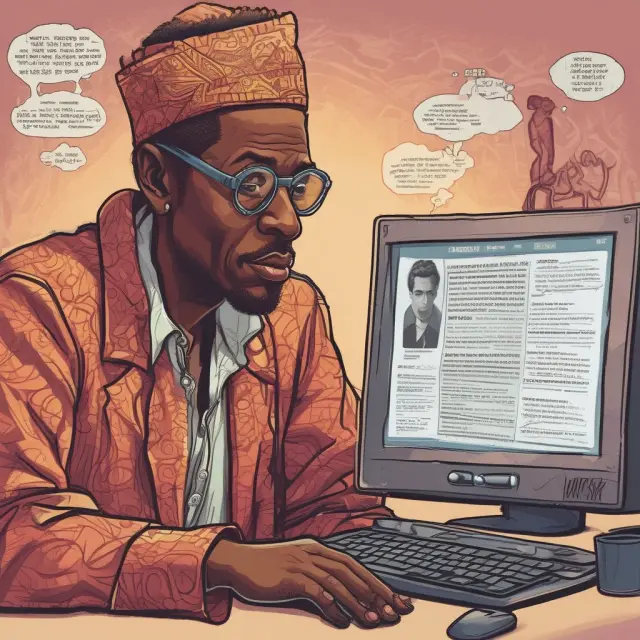
Nigerian Romance Scams: A Common Variation
When it comes to scams, few types are as pervasive or emotionally manipulative as romance scams. These schemes involve a criminal adopting a fake online identity and gaining the victim’s trust and affection before eventually asking for money. Nigerian letter scams share some similarities with this type of fraud, but there are critical differences between them.
Romance Scams: A Definition
In romance scams—also known as catfishing—a criminal creates a false online persona to win the victim’s trust and affection. The scammer may engage in seemingly sincere communication for weeks or even months before asking for money. Unlike the Nigerian letter scam, which usually requests immediate action, romance scammers often take their time building a relationship with their victims.
A Second Look at the Similarities
Both types of scams rely on gaining trust and manipulating emotions to extract money from unsuspecting victims. The main difference is how this trust is established. In Nigerian letter scams, it’s through the promise of a large sum of money or a government position. In romance scams, it comes from the illusion of a genuine connection.
Why Nigeria?
Nigeria continues to be a hub for various types of scams due to several factors: high unemployment rates, relatively low cost of living compared to Western countries, and a large English-speaking population. These conditions create an environment where fraudsters can thrive—and they do. According to a study from tech and cybersecurity company TechShielder, Nigeria is the second-most-notorious country worldwide for romance scams, behind only the Philippines.
What’s Next?
Once the trust is established, both Nigerian letter and romance scammers make their move. The first might ask for an upfront payment for fees or taxes to facilitate a transfer, while the second will request money to help with an unexpected emergency or travel expenses. The consequences of falling for these scams can be devastating, both financially and emotionally.
Staying Ahead of the Scammers
The best defense against scams is education and awareness. By understanding the tactics used by fraudsters, you can protect yourself from becoming a victim. In the case of romance scams, this means being cautious when communicating with strangers online, especially those asking for personal information or money. As for Nigerian letter scams, never share banking details with someone who contacts you unexpectedly and promises large sums of money in exchange for an upfront payment.
In conclusion, while Nigerian letter scams and romance scams share some similarities, they are distinct types of fraud aimed at different goals. By staying informed about both, you can minimize your risk and protect yourself from potential financial and emotional harm.

Advance Fee Scams: Understanding the Connection
The Nigerian letter scam is a type of advance fee scam, which involves requesting money in exchange for an offer of a larger financial reward. This method has been around for decades and continues to pose a significant threat to individuals worldwide. The scheme typically starts with a seemingly legitimate offer from a stranger, often a government or business official, asking the recipient for assistance with transferring funds into their account. In return for this help, the scammer promises a percentage of the transferred money as commission. However, the commission is only an upfront payment required before the promised transfer can occur.
Advance fee scams are not limited to Nigeria; they come in various forms and have different names depending on their origin or target audience. For example, romance scams involve scammers pretending to be interested in a relationship to gain access to victims’ personal information, emotions, and ultimately their money. These schemes can result in both financial loss and emotional distress for victims.
Despite the numerous warning signs and public awareness campaigns, advance fee scams continue to evolve, finding new ways to entice unsuspecting individuals. It is essential to recognize the connection between Nigerian letter scams and other types of advance fee schemes to protect yourself from falling victim to these scams. In this section, we will explore how advance fee scams like the Nigerian letter scheme operate, their implications, and what you can do to avoid becoming a victim.
The process of an advance fee scam begins with an enticing offer. The scammer may use various methods to contact potential victims, such as email, social media, or even traditional mail. In the case of Nigerian letter scams, the contact is typically via email, and the sender poses as a government official or business executive in need of help transferring funds out of Nigeria. The recipient is promised a sizable commission for facilitating this transaction, which can range from a few thousand to millions of dollars.
Once trust has been established with the victim, the scammer will request upfront payments for various fees associated with the transfer process. These could include legal fees, taxes, bribes to government officials, and other charges that appear legitimate at first glance. The scammer may also use a sense of urgency to pressure the victim into making these payments quickly.
As victims send money to cover these supposed expenses, they receive increasingly elaborate stories from the scammer about the difficulties faced during the transfer process. Eventually, the scammer disappears with the victim’s money, leaving them out of pocket and in debt. In some cases, the scammers may even try to involve law enforcement or other authorities in their schemes, further complicating matters for the victims and potentially delaying any attempts to recover their losses.
One significant implication of advance fee scams is the emotional toll they can have on victims. The promise of a substantial reward often lures vulnerable individuals into believing that their luck has changed, only to be left feeling foolish and betrayed when the truth comes to light. Additionally, the embarrassment and shame associated with being defrauded can lead victims to avoid reporting the crime, allowing scammers to continue targeting others unchecked.
To protect yourself from becoming a victim of advance fee scams, it is crucial to stay informed about these schemes and their variations. Familiarize yourself with common red flags, such as requests for personal or financial information, promises of large sums of money, and unexplained urgency. Additionally, be cautious of unsolicited offers from strangers and do your due diligence before sending any money or providing sensitive information. If you suspect you have been a victim of an advance fee scam, report the incident to your local law enforcement agency and file a complaint with the Federal Trade Commission (FTC). By working together, we can help minimize the impact of these schemes and protect our communities from falling prey to scammers’ manipulative tactics.

How to Protect Yourself from Nigerian Letter Scams
Nigerian letter scams, also known as advance fee fraud or 419 fraud, have been a persistent issue in both Nigeria and other countries for decades. This type of scam preys on people’s desire for financial gain and can result in significant losses if not detected early. In this section, we provide practical steps to help you avoid falling victim to Nigerian letter scams.
Stay Informed
First and foremost, staying informed is your best defense against Nigerian letter scams. Familiarize yourself with the warning signs of these schemes and educate those around you, especially elderly family members or individuals who may be more vulnerable. According to the Federal Trade Commission (FTC), Nigeria is the second most common source for romance scams worldwide, and the Nigerian letter scam is a type of advance fee fraud that can come in various forms.
Some warning signs include requests for personal or banking information from unfamiliar sources, promises of substantial financial compensation with minimal effort, as well as spelling errors, poor grammar, and unusual syntax. In some cases, these emails may appear to be official communications from government agencies, banks, or other reputable organizations, but they are actually fraudulent attempts to trick you into providing sensitive information or sending money.
Keep Your Guard Up
If you receive a letter or email from Nigeria (or any foreign country) asking for personal or banking information, do not reply in any manner. Instead, forward the message to the U.S. Secret Service, your local FBI office, or the U.S. Postal Inspection Service. You can also register a complaint with the FTC’s Complaint Assistant.
If you suspect someone close to you is engaging with a scammer, encourage them to contact their local law enforcement agency as soon as possible. Remember, Nigerian letter scams are successful because they rely on tricking only a few people into falling for their ploys.
Do Not Respond to Suspicious Requests
Under no circumstances should you send money or provide sensitive information to someone in response to a suspicious email or letter, even if they claim to be a government official, lottery representative, or business executive. No legitimate entity will ask for your personal information through unsolicited emails or letters. If you’re ever in doubt, contact the organization directly using a phone number or website that you trust and verify their authenticity before sharing any information.
Protect Your Account Information
Be cautious with the information you share online, especially when communicating with strangers or people who have contacted you unsolicited. Be particularly wary of emails or letters requesting your bank account details, passwords, or other sensitive information under the guise of a transfer or an offer to help secure your finances. Remember, banks and reputable organizations will never ask for this type of information via email or letter.
Report Suspected Scams
If you suspect that you have been a victim of a Nigerian letter scam or any other type of fraud, report it immediately to the appropriate authorities. In the US, file a complaint with your local law enforcement agency and the FTC. The earlier you take action, the better chance you have of minimizing losses and preventing future attempts from the same scammer.
Conclusion
Nigerian letter scams continue to pose a risk to unsuspecting individuals, but by staying informed, being vigilant, and following these simple steps, you can protect yourself and your loved ones. Remember that if it sounds too good to be true, it probably is, and never share sensitive information with strangers or people who contact you unexpectedly. Always err on the side of caution and report any suspicious emails or letters to the appropriate authorities.

The Psychology of the Nigerian Letter Scam: Why it Persists
Nigerian letter scams, also known as advance fee fraud or 419 fraud, have been a prevalent issue since their inception in the late 20th century. Despite widespread awareness and numerous educational campaigns, these scams continue to deceive people from all walks of life. Understanding why this type of scheme persists involves examining the motivations and tactics used by the perpetrators, as well as the vulnerabilities of their targets.
At its core, a Nigerian letter scam is a confidence trick that relies on manipulating victims’ emotions and rational thinking to extract money through false promises. Scammers exploit victims’ desires for wealth, adventure, or love, presenting themselves as trustworthy individuals with urgent needs that require financial assistance. The allure of receiving a substantial reward in exchange for a small upfront payment can be hard to resist for some individuals.
One reason Nigerian letter scams continue to thrive lies in the anonymity they offer. Scammers often communicate through untraceable channels such as email, making it difficult for victims to verify their identities or locations. This anonymity allows scammers to operate from anywhere in the world and target a vast audience with little risk of detection.
Additionally, Nigerian letter scams take advantage of human emotions like greed, loneliness, or fear. For example, some scams prey on individuals looking for love and promise a romantic relationship, ultimately asking for financial assistance to meet in person or resolve travel-related issues. Others use the guise of a business opportunity to offer victims a significant return on investment if they contribute their own money first.
The success of Nigerian letter scams also stems from the fact that criminals only need to trick a small percentage of their targets to make their efforts worthwhile. With millions of emails sent out daily, even a conversion rate as low as 0.1% can yield substantial profits for scammers. Furthermore, some victims may be hesitant to report the fraud due to shame or embarrassment, allowing the scam to continue undetected.
The psychological impact of falling victim to a Nigerian letter scam goes beyond just financial loss. Many people experience feelings of betrayal and humiliation, leading to emotional distress. Some victims even become isolated and ashamed, avoiding social interactions for fear of judgment or reprisals. In extreme cases, the consequences can include suicide, particularly among elderly or vulnerable individuals who may have lost significant portions of their savings.
Understanding why Nigerian letter scams persist requires recognizing that they represent a complex interplay between the motivations and tactics of scammers and the vulnerabilities and emotional responses of their targets. While awareness campaigns can help prevent some individuals from becoming victims, it is essential to continue researching these types of schemes to develop more effective countermeasures. By staying informed and practicing critical thinking when encountering unsolicited offers or requests for money, we can collectively reduce the impact of Nigerian letter scams on our communities.

Real-World Examples of Nigerian Letter Scams
The Nigerian letter scam, also known as advance fee fraud or 419 fraud, is an infamous type of deception where a sender requests help in transferring a large sum of money to someone outside their country. The allure of receiving a significant commission for little effort has led many individuals into falling prey to this scam. In this section, we explore real-world examples of Nigerian letter scams and the tactics used by scammers to lure unsuspecting victims.
In 1982, a man named Kweku Adoboli, who would later be known as “The King of Fraud,” was sentenced for his involvement in a $3 million Nigerian letter scam. The scheme started when he received an invitation from a ‘Nigerian prince,’ requesting his help to secure the release of funds that were tied up due to political unrest in Nigeria. Adoboli, who was based in the United States, agreed and subsequently transferred thousands of dollars into various accounts as instructed by the scammer.
Another high-profile case emerged in 1998 when a retired U.S. Army colonel named James Brown was targeted with an email from a woman claiming to be the sister of a former Nigerian dictator’s secretary. She asked for his help in transferring funds to the United States, offering him a percentage as a reward. Unbeknownst to Col. Brown, he had actually been communicating with a scammer named Chukwunonso Nwadike, who had previously targeted several other military officials.
Although most Nigerian letter scams have failed to materialize in reality, their impact on popular culture and awareness is significant. One of the most famous examples is the 1996 novel “The Fortune Cookie,” written by Roger Rosenblatt. The story revolves around a man named Walter Keane who receives an unexpected letter from a Nigerian prince promising to transfer $30 million into his account if he helps facilitate the transfer. Although the scam fails, Keane ultimately learns valuable life lessons.
A recent case from 2019 involved a man from North Carolina receiving an email from someone claiming to be a Nigerian soldier who had discovered a cache of stolen gold during military operations and required assistance to transport it out of the country. The scammer promised to share 35% of the proceeds with the recipient if they provided their bank account information for transferring the funds. Although this email was easily identifiable as a Nigerian letter scam due to its poor grammar and syntax, many others are more sophisticated, making it essential to be cautious and skeptical when encountering such communications.
In conclusion, while Nigerian letter scams may seem like relics from the past, they still persist in various forms and continue to pose a risk for unsuspecting victims. By understanding how these schemes operate and being aware of the warning signs, you can protect yourself from falling prey to such scams and potentially prevent financial loss.
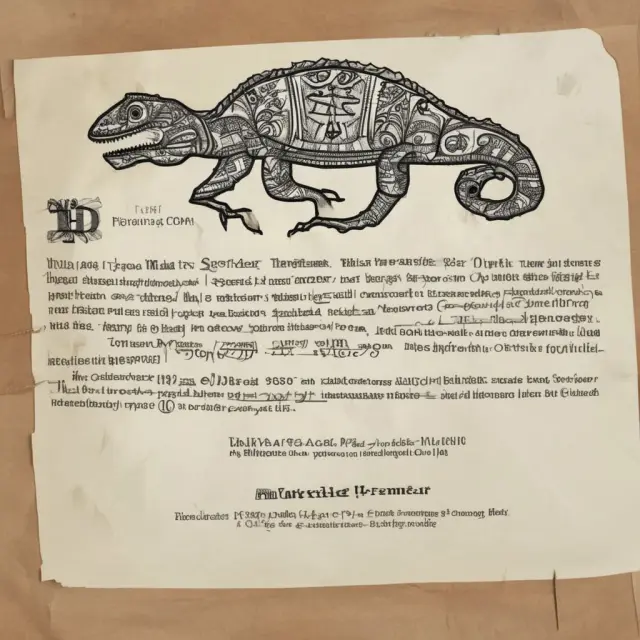
Famous Nigerian Letter Scams: Stories that Captivated the World
The Nigerian letter scam, also known as advance fee fraud or 419 fraud, has been a prevalent and intriguing topic for decades, with its origins rooted in Nigeria. This fraudulent scheme first gained notoriety in the late 1970s, but it wasn’t until the 1990s that it began to receive widespread attention due to the increasing use of email communication. In this section, we will delve into some of the most memorable Nigerian letter scams throughout history and discuss their impact on public awareness.
One of the earliest known instances of a Nigerian letter scam took place in 1982 when a man named William Oyeniyi Ajayi contacted a woman named Mary K. in Florida with an offer to transfer money from a deceased Nigerian diplomat’s account to her. While Mary declined the offer, she shared it with the authorities who managed to trace the scam back to a man named Umaru Ngaoundabe. This incident marked the beginning of heightened interest in and awareness of these types of schemes.
In 1994, the world was introduced to the story of Joe Thomas, an American engineer from Oklahoma who received a letter claiming to be from Princess Eze, the daughter of the late Nigerian Prime Minister Nnamdi Azikiwe. The “princess” offered to transfer a significant sum of money into Thomas’ account in exchange for his assistance. Though initially skeptical, Thomas ultimately agreed and wired $50,000 to the scammers. However, after discovering that he had been deceived, he turned the tables on them by sending them a fake check for over $1 million, which bounced shortly after it was deposited. This event brought widespread attention to Nigerian letter scams and served as a cautionary tale for potential victims.
Perhaps the most famous instance of a Nigerian letter scam occurred in 2008 when British businessman and philanthropist, Victor Agboga, received a letter from “Prince Michael Jackson,” claiming to be the nephew of the late King of Pop. The “prince” asked for Agboga’s help in transferring a large sum of money out of Nigeria and offered him a 15% commission. Though initially suspicious, Agboga eventually agreed, and the two formed a business partnership called “Victor Agboga Global Resources Limited.” They subsequently exchanged several emails and letters, with Agboga sending over $200,000 to various accounts controlled by the scammers before being exposed. This case became a significant embarrassment for Agboga who was later banned from holding a director’s position in any UK company.
As technology evolved, so did Nigerian letter scams. In 2015, a man named James Ibori—who at the time was serving prison time in the UK for money laundering and fraud—was approached by a Nigerian scammer who claimed to be a businessman seeking assistance in moving $37 million out of Nigeria. Ibori, who was once a major figure in Nigerian politics and a convicted criminal himself, recognized the scam and alerted the authorities. This instance demonstrates that even those with knowledge of such schemes can fall victim if they let their guard down.
In conclusion, the Nigerian letter scam has been a persistent challenge for law enforcement agencies and individuals alike. By examining some of the most significant cases throughout history, we can learn valuable lessons about the tactics used by scammers and how to protect ourselves from falling prey. Remember that if it seems too good to be true, it likely is. Always remain skeptical and cautious when dealing with unsolicited offers, especially those requesting personal or financial information.
FAQs About Nigerian Letter Scams
Question: How can I recognize a Nigerian letter scam?
Answer: Some common warning signs include unsolicited emails from strangers, promises of large sums of money for little effort, and requests for personal or banking information. Be wary of misspellings, grammatical errors, and unusual syntax.
Question: What should I do if I’ve been contacted by a Nigerian letter scammer?
Answer: Do not reply to the email or engage with the sender in any way. Instead, report it to the appropriate authorities such as the U.S. Secret Service or the FBI.
Question: Can Nigerian letter scams happen through social media?
Answer: Yes, Nigerian letter scams can also be perpetrated via social media platforms by posing as a friend or business associate and asking for personal or financial information. Always verify the identity of anyone requesting sensitive information before complying.
Question: What should I do if I’ve fallen victim to a Nigerian letter scam?
Answer: Report it immediately to the authorities, change your passwords and account settings, and contact your bank or financial institution to protect yourself from further loss.
Question: Is there a way to prevent Nigerian letter scams?
Answer: Stay informed about the latest scam tactics and be wary of unsolicited emails, especially those with offers that seem too good to be true. Always verify the identity of anyone requesting sensitive information before complying.
FAQs About Nigerian Letter Scams
What is a Nigerian letter scam?
A Nigerian letter scam, also known as advance fee fraud or 419 fraud, is a scheme in which an individual requests help from another person to facilitate the illegal transfer of money. This can be done via email, mail, fax, or phone and typically involves a self-proclaimed government official, bank officer, or business executive offering a commission for assistance.
Origins of Nigerian Letter Scams
Nigerian letter scams gained popularity in the 1970s but have continued to evolve with technology. They are named after Nigeria due to their prevalence during the 1990s, when Section 419 of the Nigerian Criminal Code made such fraud illegal. However, it’s important to note that these scams aren’t limited to Nigeria and can be perpetrated by organizations worldwide.
How does a Nigerian letter scam work?
In this type of scam, the scammer poses as someone in need of assistance with moving large sums of money from one place to another. They request that the recipient provide some upfront payment or fees for various reasons such as taxes, legal fees, and bribes before the transfer can proceed.
What should I look out for in a Nigerian letter scam?
Red flags include:
- Requests for personal information, especially banking details.
- Promises of substantial compensation for little effort.
- Unusual syntax or grammatical errors.
- Mention of U.S. currency accounts in foreign countries.
- Inconsistent or suspicious backstories.
How can I protect myself from Nigerian letter scams?
The U.S. Federal Bureau of Investigation (FBI) recommends the following steps for avoiding these types of fraud:
- Do not reply to unsolicited emails, letters, or faxes requesting personal or banking information.
- Report any suspicious correspondence to your local FBI office or the U.S. Secret Service.
- Be skeptical of offers involving large sums of money for little effort.
- Protect your account information carefully.
- If you know someone who may be vulnerable, explain how scams work and encourage them to avoid such solicitations.
What is the difference between a Nigerian letter scam and a romance scam?
A Nigerian letter scam and a romance scam are related but distinct types of fraud. In a Nigerian letter scam, the scammer poses as someone in need of help to transfer money, whereas a romance scam involves creating a fake online identity to gain trust and affection before asking for money.
What is an advance fee scam?
An advance fee scam occurs when a victim pays money upfront to receive something of greater value, such as a gift, contract, loan, or investment. The victim typically receives little or nothing in return. Nigerian letter scams are a type of advance fee scam.
 Next entry · No. 3,472Understanding Night Depositories: A Secure Option for Businesses Dealing Mainly in Cash and Checks
See also
-
 No. 4,770
15 Jul 2025
14 min
Stop Payment on a Check: The Request Procedure, Rules and Fees
Business Finance
No. 4,770
15 Jul 2025
14 min
Stop Payment on a Check: The Request Procedure, Rules and Fees
Business Finance -
 No. 4,007
14 May 2025
18 min
Understanding Ponzi Schemes: Unraveling a Fraudulent Investment Strategy
Business Finance
No. 4,007
14 May 2025
18 min
Understanding Ponzi Schemes: Unraveling a Fraudulent Investment Strategy
Business Finance -
 No. 2,875
11 Feb 2025
19 min
Understanding Lifetime Cost: The Hidden Expenses of Goods and Services
Business Finance
No. 2,875
11 Feb 2025
19 min
Understanding Lifetime Cost: The Hidden Expenses of Goods and Services
Business Finance -
 No. 2,647
23 Jan 2025
16 min
Understanding Judgment Proof: What It Is and How It Impacts Creditors
Consumer Rights
No. 2,647
23 Jan 2025
16 min
Understanding Judgment Proof: What It Is and How It Impacts Creditors
Consumer Rights -
 No. 979
11 Jul 2024
18 min
Understanding Delinquencies in Finance: Definition, Consequences, and Prevention
Consumer Rights
No. 979
11 Jul 2024
18 min
Understanding Delinquencies in Finance: Definition, Consequences, and Prevention
Consumer Rights -
 No. 5,918
18 Oct 2025
17 min
Understanding Zombie Foreclosures: The Hidden Dangers for Homeowners and Neighborhoods
Real Estate
No. 5,918
18 Oct 2025
17 min
Understanding Zombie Foreclosures: The Hidden Dangers for Homeowners and Neighborhoods
Real Estate