Understanding the Oil Pollution Act of 1990: A Comprehensive Federal Framework for Preventing and Responding to Oil Spills
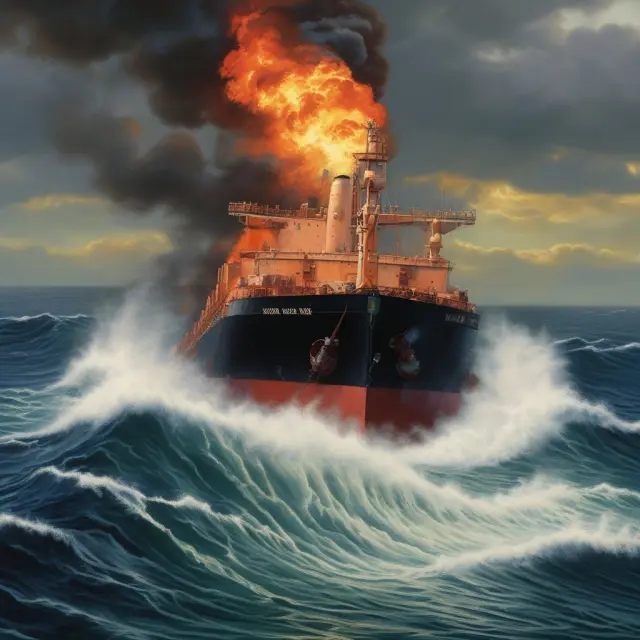
Understand the role, key provisions, and impact of the Oil Pollution Act of 1990 in preventing and responding to oil spills.
Background: The Exxon Valdez Oil Spill and the Need for Change
The Exxon Valdez oil spill on March 24, 1989, was a turning point in U.S. environmental history. It marked one of the most catastrophic events in terms of marine ecology, as approximately 11 million gallons of crude oil were released into Prince William Sound, Alaska. The spill’s impact extended far beyond the local environment, shedding light on the limitations and inadequacies of then-existing U.S. laws dealing with oil spills.
The Exxon Valdez disaster led to the demise of thousands of marine organisms, including seabirds, otters, bald eagles, sea otters, and salmon, among others. The event left over 1,300 miles of coastline polluted, with pockets of oil still present in areas as of August 2020. The ecological consequences were far-reaching, and the human cost was significant: it took decades for some species to begin to recover.
Before the Exxon Valdez disaster, the U.S. lacked a comprehensive framework to prevent and respond effectively to oil spills. Federal funding to address these incidents was insufficient, and liability for damages to those affected by a spill was narrowly defined. The Oil Pollution Act of 1990 (OPA) aimed to address these shortcomings, strengthening the government’s ability to prevent future oil spills and providing more comprehensive compensation to those impacted.
The Need for Change: Prior Legislation and the Limits of Pre-Existing Law
Before the OPA, U.S. federal pollution legislation was fragmented and ineffective. The Clean Water Act of 1972, which initially established a national policy for reducing water pollution, did not address oil spills comprehensively. The Oil Discharge Prevention and Control Act (ODPACA) of 1973, a separate law that dealt specifically with oil spills, was criticized for its narrow focus on prevention and its lack of authority for enforcement and compensation.
The Exxon Valdez oil spill exposed the need for a more robust legal framework to address oil spills. The limitations of the pre-OPA regulatory landscape were evident: limited funding for federal response efforts, weak liability for polluters, and inadequate cleanup technology. To tackle these challenges, Congress passed the Oil Pollution Act of 1990 as an amendment to the Clean Water Act.
The Goals of the OPA: Prevention, Response, Liability, and Compensation
The Oil Pollution Act of 1990 was designed to create a comprehensive federal framework for addressing oil spills. Its primary goals included prevention, response, liability, and compensation. The legislation aimed to establish strict standards for vessel construction, personnel training, contingency planning, enforcement authority, and financial responsibility. By doing so, the OPA sought to prevent future oil spills while ensuring adequate resources were available for cleanup efforts and compensation for those impacted.
The OPA’s far-reaching impacts can be seen in its establishment of the Oil Spill Liability Trust Fund (OSLTF), which provided up to $1 billion in funding for each oil spill event. The fund could be accessed by claimants seeking reimbursement for cleanup costs, with the responsible party as the first point of contact. If a responsible party refused to pay, a claimant could seek damages directly from the OSLTF.
The Role of U.S. Coast Guard and EPA in Enforcing the OPA
Key organizations involved in enforcing and administering the Oil Pollution Act of 1990 are the U.S. Coast Guard and the U.S. Environmental Protection Agency (EPA). The Coast Guard is responsible for response operations, while the EPA oversees contingency planning, enforcement, and financial responsibility regulations.
The role of these agencies in enforcing the OPA has been significant in shaping U.S. maritime law regarding oil spills. Their efforts have led to more stringent requirements for vessels, personnel training, and emergency response preparedness. By working together, the Coast Guard and EPA have provided a more effective, comprehensive approach to preventing and responding to oil spills.
In conclusion, the Exxon Valdez oil spill served as a catalyst for change in U.S. environmental policy. The Oil Pollution Act of 1990 was enacted as a response, creating a more robust framework for addressing oil spills through prevention, response, liability, and compensation measures. Its far-reaching impact can be seen today, with the U.S. Coast Guard and EPA leading efforts to prevent future incidents while providing adequate resources for cleanup and compensation to those affected.

The Objective and Key Provisions of the OPA
The Oil Pollution Act of 1990 (OPA) was enacted as a response to the devastating Exxon Valdez oil spill in 1989. Passed as an amendment to the Clean Water Act of 1972, this landmark legislation aimed to create a comprehensive federal framework for preventing and managing oil spills. The OPA’s primary objective was to establish effective measures to prevent future catastrophic oil spills and ensure swift responses when accidents occurred.
One of the key provisions of the Oil Pollution Act involves enhancing the powers of federal agencies, primarily the U.S. Coast Guard and the U.S. Environmental Protection Agency (EPA), to take action against oil spills. This legislation expanded their authority to enforce stricter standards for maritime transportation of oil, addressing the inadequacy of pre-OPA legislation.
Prior to the passing of the OPA, the United States faced significant limitations in dealing with oil spills. Federal funding for responding to these incidents was insufficient, and damages compensable to those affected were narrowly defined. The Oil Pollution Act addressed these issues by establishing various requirements and provisions. These include:
- **New Vessel Construction and Personnel Training**: To prevent oil spills, the OPA mandated new construction requirements for vessels transporting oil and implemented stringent personnel training standards.
- **Contingency Planning**: The legislation imposed contingency planning obligations on owners and operators of facilities that handle oil to develop detailed emergency response plans.
- **Federal Response Capability**: The OPA expanded the federal government’s capacity to respond to oil spills, ensuring adequate resources were available when needed.
- **Enhanced Enforcement Authority**: The Act granted increased enforcement authority to agencies responsible for protecting waterways from oil pollution.
- **Broadened Scope of Liability**: The OPA broadened the scope of financial and other liabilities that could be imposed on responsible parties.
- **Financial Responsibility Requirements**: New financial responsibility requirements were introduced, ensuring that those involved in transporting or handling oil were prepared to pay for potential damages.
- **Research and Development Programs**: The Oil Pollution Act also allocated resources to research and development programs aimed at improving cleanup technology and storage methods.
By implementing these provisions, the Oil Pollution Act of 1990 created a stronger federal framework for addressing oil spills. It helped prevent future incidents by mandating stricter standards and ensuring those responsible were held accountable for their actions.

Pre-OPA Legislation: Ineffectiveness and Limitations
The Exxon Valdez oil spill of 1989, resulting in 11 million gallons of crude oil being released into Prince William Sound, Alaska, marked a turning point for oil spill legislation in the United States. The incident exposed significant shortcomings in the pre-existing regulatory framework, prompting the need for comprehensive change. Before the passing of the Oil Pollution Act (OPA) of 1990, federal legislation dealing with oil spills was characterized by a lack of effective enforcement and insufficient liability for parties responsible for such environmental disasters.
The U.S. response to the Exxon Valdez oil spill highlighted two key issues: limited resources for cleanup efforts and narrow scope of damages compensation for those affected. The disaster affected over 1,300 miles of coastline and devastated numerous animal populations, with some species still not recovered even 25 years later.
To address these inadequacies, the Oil Pollution Act was designed to create a comprehensive federal framework for preventing future oil spills and developing effective response strategies. This section delves deeper into the limitations and ineffectiveness of pre-OPA legislation and how they were addressed by the 1990 act.
Before the OPA, U.S. maritime pollution legislation was fragmented with weak enforcement mechanisms and narrow liability provisions. The OPA aimed to address these concerns by implementing stricter standards for vessel construction and crew training, mandating contingency planning requirements, expanding federal response capabilities, increasing penalties for polluters, and broadening the scope of damages compensable under federal law.
The Oil Pollution Act significantly enhanced the government’s oversight of maritime oil transportation and established a detailed “prevention, response, liability, and compensation regime” to deal with vessel- and facility-caused oil pollution in U.S. navigable waters. The act created a trust fund, the Oil Spill Liability Trust Fund (OSLTF), to finance cleanup efforts and cover unmet private liabilities on the part of responsible parties. This fund is financed through taxes on both domestic production and imports of petroleum products.
By comprehensively addressing the shortcomings of pre-OPA legislation, the Oil Pollution Act of 1990 emerged as a crucial piece of environmental legislation in the U.S., ensuring that future oil spills are met with swift and effective responses.
The Role of U.S. Coast Guard and EPA in OPA Enforcement
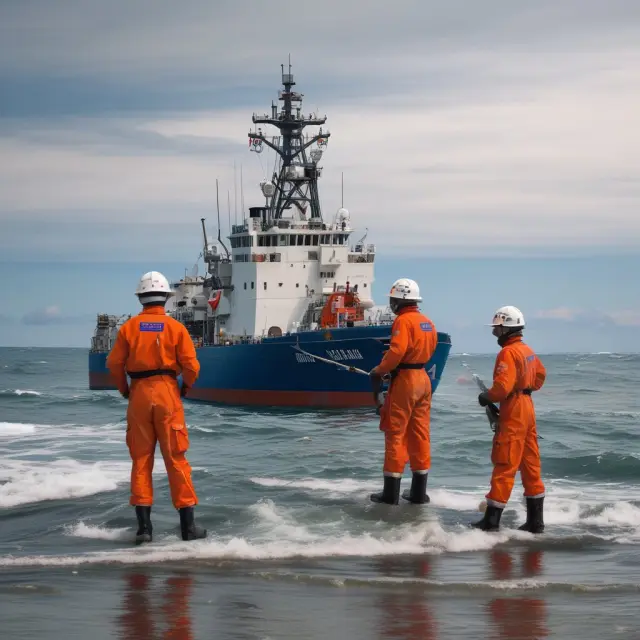
Following the devastating Exxon Valdez oil spill in 1989, it was evident that a stronger federal response was necessary to effectively prevent and manage future oil spills. The Oil Pollution Act of 1990 (OPA) emerged as a comprehensive solution designed to establish a robust framework for addressing oil spills by expanding the powers of key federal agencies: the U.S. Coast Guard (USCG) and the U.S. Environmental Protection Agency (EPA).
Before OPA, federal efforts to tackle oil spills were hamstrung by insufficient funding and limited scope of damages compensation for those affected. The OPA addressed these shortcomings by granting broader authorities and increased responsibilities to the USCG and EPA.
The U.S. Coast Guard’s Role in OPA Enforcement:
Under the Oil Pollution Act, the U.S. Coast Guard assumed a crucial role in preventing oil spills, ensuring vessels met new construction and training requirements, and overseeing response efforts during incidents. The USCG has the authority to enforce regulations related to vessel inspections, flagging, and certification under OPA. In addition, they are responsible for developing contingency plans with industry partners and maintaining a National Response Team (NRT) to respond to oil spills.
The U.S. Environmental Protection Agency’s Role in OPA Enforcement:
The U.S. Environmental Protection Agency plays an essential role in ensuring compliance with OPA regulations, especially concerning the prevention of oil pollution from onshore facilities and handling of hazardous materials. The EPA is authorized to issue permits for oil discharge and set national standards for oil spill contingency plans. Moreover, they are responsible for conducting inspections to enforce these standards and may take enforcement action against violators.
Together, the USCG and EPA work closely with industry partners, state governments, and other stakeholders to ensure that the OPA regulations are effectively enforced and the U.S. navigable waters remain protected from the damaging effects of oil spills.

New Requirements for Vessels and Personnel under OPA
The Exxon Valdez oil spill of 1989 brought to light the inadequacies in the U.S.’s response and regulatory measures against oil spills. The Oil Pollution Act of 1990 (OPA) was a significant legislative response aimed at preventing future oil spills and enhancing emergency cleanup procedures, particularly focusing on new requirements for vessels and personnel.
Before OPA’s enactment, the U.S. had limited resources to respond to oil spills due to insufficient federal funding and narrow compensation scopes for those affected. The OPA aimed to rectify these issues by imposing stricter standards for maritime transportation of oil, which included new requirements for vessel construction and personnel training.
Vessel Requirements
The Oil Pollution Act of 1990 introduced stringent requirements for vessel construction. These regulations required vessels carrying over 26,000 gross tons or transporting more than 1 million barrels of oil to be double-hulled by January 1, 2015. Double-hulled vessels offer an additional barrier between the oil cargo and the outer shell, reducing the risk of hull breaches that can cause oil spills.
Personnel Training
Effective personnel training became a crucial aspect of OPA’s mandate to prevent oil spills. The act required vessel owners to ensure their crew members were adequately trained in safe handling and operation procedures, as well as emergency response planning.
Additionally, the OPA mandated that Coast Guard-certified marine oil spill removal organizations (MOSROs) provide training for personnel working on responding to oil spills. The goal was to ensure a skilled workforce prepared for addressing potential oil spills and minimizing their environmental impact.
In conclusion, the new requirements for vessels and personnel under the Oil Pollution Act of 1990 have significantly contributed to enhancing the U.S.’s ability to prevent oil spills and minimize their consequences. The OPA’s focus on double-hulled vessels and adequate personnel training has proven essential in safeguarding our waters from potential oil spills.

Contingency Planning Under the OPA
The Oil Pollution Act of 1990 (OPA) recognized the critical importance of being prepared to minimize damage from potential oil spills, leading to mandatory contingency planning requirements for responsible parties involved in transportation of oil. Contingency plans must outline procedures for responding promptly and effectively to an oil spill emergency, including notifications, containment measures, cleanup strategies, and communication methods.
Preparation is key to mitigating the potential impact of oil spills on ecosystems, wildlife, human populations, and economies. The OPA’s emphasis on contingency planning reflects this understanding, as well as the lessons learned from past disasters such as the Exxon Valdez oil spill in 1989, where delays in response resulted in significant harm to the affected area.
Under the OPA, responsible parties must submit a detailed contingency plan to the U.S. Coast Guard (USCG) and the Environmental Protection Agency (EPA). Plans are evaluated based on factors such as oil volume being transported, shipping routes, and potential vulnerabilities, with updates required every five years or sooner if changes occur that warrant modifications.
The USCG plays a crucial role in ensuring contingency plans meet OPA requirements. They may conduct inspections and audits to assess plan adequacy, enforce corrective actions when needed, and ultimately approve the final contingency plans.
Contingency planning under the OPA extends beyond individual responsible parties. The act mandates that oil terminal facilities, onshore oil loading and unloading facilities, and marine conveyances involved in importing oil into the U.S. develop and maintain contingency plans as well. This comprehensive approach to contingency planning helps ensure effective responses in various scenarios, reducing the potential for significant damage to ecosystems and communities.
The Oil Pollution Act of 1990’s contingency planning provisions reflect its commitment to preventing and minimizing oil spills and their consequences. By requiring responsible parties to prepare and maintain detailed plans for responding to spills, the OPA aims to minimize the negative impact on both the environment and human populations.

Financial Responsibility and Liability under the OPA
The Exxon Valdez oil spill in 1989 brought to light the significant limitations in federal funding for responding to oil spills and the narrow scope of damages compensable to those affected. Before the Oil Pollution Act (OPA) of 1990, federal legislation addressing oil spills was fragmented with weak enforcement and inadequate liability for polluters. In response, the OPA aimed to strengthen the regulatory framework and broaden liability for responsible parties.
Understanding Financial Responsibility under the Oil Pollution Act of 1990
The Exxon Valdez oil spill, resulting in approximately 11 million gallons of crude oil released into Alaskan waters, highlighted the importance of having effective measures to prevent and respond to such environmental disasters. To ensure adequate resources for cleanup efforts and compensate those impacted, the OPA increased financial responsibility requirements for parties involved in oil transportation.
Pre-OPA Liability Limitations
Prior to the Oil Pollution Act, the U.S. was poorly positioned to deal with oil spills from a financial perspective, with limited funding and narrowly defined damages compensable to affected parties.
Liability Regime under OPA
The OPA shifted the landscape by establishing stricter liability for responsible parties, ensuring they were held accountable for cleanup costs as well as potential damages to natural resources and third-party claims. Any firm identified as a responsible party is subject to virtually unlimited cleanup costs upon being found liable for an oil spill.
The Role of the Oil Spill Liability Trust Fund (OSLTF)
To facilitate quicker response times and provide compensation for damages, the OPA authorized the creation of the Oil Spill Liability Trust Fund (OSLTF). This fund was established to cover cleanup costs and uncompensated damages that exceed a responsible party’s financial resources. The trust is funded through taxes on both domestic production and imports of petroleum products.
In summary, the OPA significantly increased financial responsibility requirements for parties involved in oil transportation and expanded the scope of liabilities for those found to be responsible for destructive oil spills. The OSLTF serves as a crucial resource for funding immediate cleanup efforts and compensating affected parties when a responsible party cannot cover the costs.

The Oil Spill Liability Trust Fund (OSLTF)
One of the most significant aspects of the Oil Pollution Act of 1990 lies in its financial responsibility requirements for parties involved in oil transportation and their potential liability. The OPA established the Oil Spill Liability Trust Fund (OSLTF), a crucial element designed to provide compensation for damages resulting from an oil spill when the responsible party is unable to pay or is not identified.
Established prior to the Exxon Valdez incident, the OSLTF was created in 1986 as part of the Oil Spill Prevention, Preparedness, and Response Act (OSPRPA). The fund is financed by taxes on petroleum production and imports. Its primary objectives are to:
- Finance removal of oil and other hazardous substances from navigable waters or shorelines in case of a spill.
- Pay for assessing damages and compensating claims to third parties affected by the spill.
- Cover uncompensated cleanup costs when the responsible party is unable to pay or cannot be identified.
The Oil Spill Liability Trust Fund is essential because it ensures that financial resources are readily available in case of a significant oil spill, preventing a delay in response and recovery efforts due to a lack of immediate funding. By having such a fund, the OPA provides both incentives for companies to comply with regulations aimed at preventing spills and a safety net for those affected by spills when all other avenues for compensation have been exhausted.
It’s important to note that while the Oil Spill Liability Trust Fund is a vital tool for managing oil spills, it is not meant to be a primary source of funding for cleanup efforts. Instead, it serves as a backup plan to ensure that resources are available when needed and that third-party claims are compensated even if the responsible party cannot pay. In cases where the responsible party is identified and financially capable, they will still be held liable for the costs associated with the spill.
In conclusion, the Oil Spill Liability Trust Fund represents an essential aspect of the Oil Pollution Act of 1990. Its creation aimed to address one of the primary issues uncovered by the Exxon Valdez incident: the limited financial resources available for responding to and compensating damages caused by oil spills. With the OSLTF’s existence, the U.S. now has a more comprehensive approach to dealing with oil spills that provides both incentives for prevention and financial security for those affected when prevention fails.

Impact of the Oil Pollution Act of 1990 on U.S. Maritime Law
The Oil Pollution Act of 1990 (OPA) marked a significant shift in U.S. maritime law by significantly expanding federal oversight and liability for oil spills. The passage of OPA came as a response to the catastrophic Exxon Valdez oil spill in 1989, which highlighted the country’s deficiencies in dealing with such disasters. This section delves into how the OPA reshaped U.S. maritime law concerning oil spills.
Before the Oil Pollution Act, maritime legislation related to oil spills was fragmented and insufficient, making it hard for the federal government to effectively respond to these incidents. The Exxon Valdez oil spill underscored this issue, as the U.S. lacked the necessary resources and regulations to address the crisis.
The OPA aimed to rectify this shortcoming by enforcing stricter standards for the transportation of oil at sea and establishing a comprehensive framework for dealing with oil spills. One significant change brought about by the OPA was the expansion of federal authority regarding marine oil transportation. The Act gave the U.S. Coast Guard and Environmental Protection Agency (EPA) greater powers to enforce regulations and impose penalties on responsible parties.
Furthermore, the Oil Pollution Act introduced new requirements for vessels and personnel involved in oil transportation. These new rules included strengthened safety measures, rigorous training programs, and enhanced contingency planning. In addition, the OPA set forth financial responsibility requirements, ensuring that those transporting oil held sufficient resources to cover potential clean-up costs and liabilities.
Another crucial aspect of the Oil Pollution Act was its impact on liability for oil spills. Under the OPA, any party responsible for an oil spill could be held accountable for extensive cleanup costs, as well as damages incurred by individuals and businesses affected by the incident. The Act also established the Oil Spill Liability Trust Fund (OSLTF), which provided a financial safety net to pay for cleanup efforts and uncompensated damages when responsible parties failed to meet their obligations.
The implementation of the OPA had substantial ramifications on U.S. maritime law. It redefined the federal government’s role in managing oil transportation, increased liability for those involved in this industry, and ultimately improved the nation’s ability to respond effectively to oil spills.

FAQs: Answering Common Questions about the Oil Pollution Act of 1990
The Oil Pollution Act of 1990 (OPA) is an essential piece of environmental legislation that followed the Exxon Valdez oil spill in 1989. It amended the Clean Water Act of 1972, aiming to prevent future oil spills and establish comprehensive cleanup procedures in case of emergencies. To clarify common queries regarding the OPA, this section offers answers to frequently asked questions:
**What caused the need for the Oil Pollution Act of 1990?**
The Exxon Valdez oil spill, which occurred on March 24, 1989, was a turning point that highlighted the limitations in the U.S.’s ability to respond effectively to oil spills. The OPA aimed to address these shortcomings by enhancing federal oversight and creating a framework for preventing future spills and addressing their consequences.
**Which federal agencies enforce and administer the Oil Pollution Act of 1990?**
The U.S. Coast Guard and the U.S. Environmental Protection Agency (EPA) primarily enforce and administer the OPA to ensure compliance with its provisions and respond to oil spills.
**How did the Oil Pollution Act of 1990 differ from pre-existing legislation in handling oil spills?**
Before the passage of the OPA, federal regulations for oil spill prevention and response were fragmented, leading to insufficient funding and limited compensation for those affected. The OPA addressed these issues by implementing stricter standards for vessels, personnel, contingency planning requirements, and broadened enforcement authority.
**What are some key provisions in the Oil Pollution Act of 1990?**
The Oil Pollution Act of 1990 introduced new requirements for vessel construction and personnel training, enhanced federal response capabilities, and established a trust fund to finance clean-up efforts and damage assessments. It also expanded enforcement authority and imposed increased penalties on polluters.
**What is the role of the Oil Spill Liability Trust Fund (OSLTF) under the OPA?**
The Oil Spill Liability Trust Fund (OSLTF) was established in 1986 as part of the Oil Pollution Act of 1990 to cover unmet private liability on the part of a responsible party and pay for quick oil removal and damage assessments. It is funded by taxes on petroleum products, both domestic production and imports.
**How does the Oil Pollution Act of 1990 impact U.S. maritime law?**
The OPA significantly expanded federal oversight of maritime oil transportation and created a detailed regime for dealing with vessel-caused oil pollution in navigable waters, making it an essential piece of U.S. maritime legislation.
 Next entry · No. 3,660Understanding the Oil Price to Natural Gas Ratio: A Key Metric for Energy Commodities
See also
-
 No. 5,605
23 Sep 2025
17 min
Understanding Warehouse Bonds: Protection for Storage Facility Clients
Business Finance
No. 5,605
23 Sep 2025
17 min
Understanding Warehouse Bonds: Protection for Storage Facility Clients
Business Finance -
 No. 5,504
14 Sep 2025
18 min
Understanding Vis Major: An Overview of Superior Forces and Their Impact on Contracts and Insurance
Insurance
No. 5,504
14 Sep 2025
18 min
Understanding Vis Major: An Overview of Superior Forces and Their Impact on Contracts and Insurance
Insurance -
 No. 5,221
21 Aug 2025
18 min
Unearned Interest: Recognizing and Amortizing Prepaid Interest for Financial Institutions
Business Finance
No. 5,221
21 Aug 2025
18 min
Unearned Interest: Recognizing and Amortizing Prepaid Interest for Financial Institutions
Business Finance -
 No. 5,193
19 Aug 2025
20 min
Understanding Underpayment Penalties: How to Avoid Them in Finance and Investment
Taxation
No. 5,193
19 Aug 2025
20 min
Understanding Underpayment Penalties: How to Avoid Them in Finance and Investment
Taxation -
 No. 4,889
25 Jul 2025
19 min
Understanding Tax Liability: Calculating Income, Capital Gains, and Deductions
Taxation
No. 4,889
25 Jul 2025
19 min
Understanding Tax Liability: Calculating Income, Capital Gains, and Deductions
Taxation -
 No. 3,909
06 May 2025
24 min
Understanding Partnerships: Types, Tax Implications, and Advantages for Investors
Business Finance
No. 3,909
06 May 2025
24 min
Understanding Partnerships: Types, Tax Implications, and Advantages for Investors
Business Finance