Bioremediation: A Green and Cost-Effective Approach to Environmental Pollution Cleanup
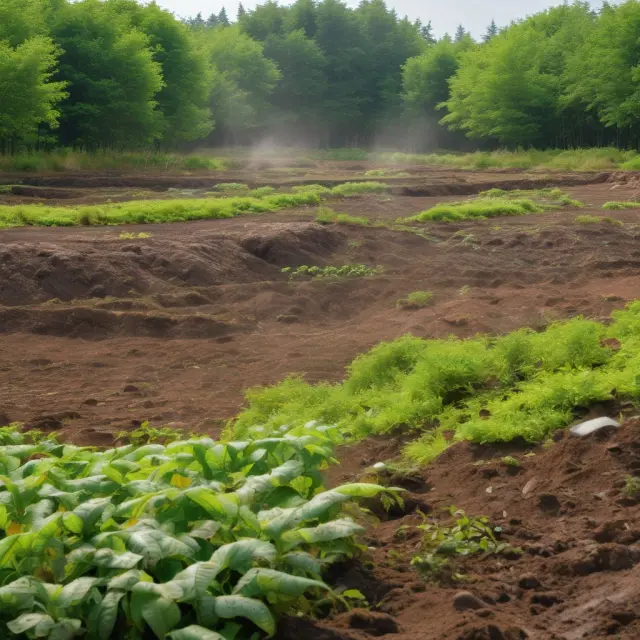
Explore the innovative, eco-friendly approach of bioremediation for cleaning up environmental pollution with microbes, bacteria, composting, mycoremediation…
Introduction to Bioremediation: Cleaning Up Environmental Contaminants with Microbes and Bacteria
Bioremediation is a cutting-edge technology within the realm of environmental science that harnesses the power of microbes and bacteria for cleansing contaminated sites. This process involves utilizing these tiny organisms to break down pollutants, transforming them into less harmful substances or even converting them back into their natural state. Bioremediation plays a crucial role in addressing environmental challenges such as oil spills and contaminated groundwater.
Section Title: How Bioremediation Works: Unleashing the Power of Microbes to Clean Up Contaminants
The wonders of bioremediation lie in its ability to rely on nature’s own cleansing agents—microbes and bacteria—to transform contaminants into less hazardous substances. The process is initiated when microbes, specifically those that thrive on the contaminants, are stimulated by either adding nutrients or chemicals. These organisms then consume the pollutants as their food source, converting them into water and carbon dioxide as waste products.
To facilitate the growth of these beneficial microbes, conditions must be favorable. The presence of an optimal temperature, adequate moisture, and essential nutrients is vital for bioremediation to succeed. Depending on environmental factors, it may be necessary to add specific amendments or supplements to optimize conditions for efficient microbe activity.
Section Title: Advantages of Bioremediation: A Cost-Effective and Eco-Friendly Solution for Cleaning Up Contaminated Sites
The benefits of bioremediation far outweigh the limitations, making it a popular choice among environmental professionals. By using microbes to naturally decontaminate sites, bioremediation minimizes the disruption of ecosystems and reduces the need for expensive equipment. This process also results in minimal byproducts, with most of the contaminants being converted into harmless water and gases.
Moreover, compared to traditional cleanup methods that rely on heavy machinery and large-scale excavations, bioremediation is more cost-effective. The ability to conduct in situ remediation—cleaning up contaminants at their source rather than relocating them to another site for processing—significantly reduces transportation costs as well.
Stay tuned for the following sections covering the different types of bioremediation, a case study on the successful application of bioremediation in cleaning up the Exxon Valdez oil spill, and an exploration of the advantages of mycoremediation using fungi to remove contaminants.

How Does Bioremediation Work? The Science Behind Transforming Contaminants into Harmless Substances
Bioremediation is a powerful, cost-effective approach to environmental pollution cleanup that harnesses the natural capabilities of microbes and bacteria to break down contaminants. In this section, we’ll dive deeper into understanding how bioremediation works by exploring the process in which microorganisms convert contaminants into harmless substances.
At the heart of bioremediation lies a simple principle: microbes thrive on various forms of organic matter as food sources. Contaminants, such as oil, solvents, and pesticides, can serve as alternative food sources for specific microbes that possess the unique ability to metabolize these substances. This conversion process is carried out primarily through two mechanisms: biodegradation and bioaccumulation.
Biodegradation refers to the biological breakdown of contaminants into simpler and more stable compounds, eventually leading to carbon dioxide (CO2), water, and other harmless by-products. Microbes facilitate this process by producing enzymes that catalyze the biochemical reactions required for contaminant degradation. The rate of biodegradation is influenced by factors like temperature, moisture, nutrient availability, and pH levels.
Bioaccumulation, on the other hand, involves microbes taking up contaminants and converting them into less toxic or non-toxic substances, which can then be safely stored within their cells. This process often takes longer than biodegradation but is crucial for effectively neutralizing highly persistent toxins, such as heavy metals.
The success of bioremediation relies on providing suitable conditions that enable these microbes to flourish and carry out the remediation process efficiently. Essential elements include:
- Temperature: Biodegradation thrives in temperatures between 20°C (68°F) to 40°C (104°F).
- Nutrients: Providing a food source, such as carbon (usually in the form of oxygen or organic matter), nitrogen, phosphorus, and other essential nutrients, is vital for microbial growth.
- Water: Adequate moisture ensures that microbes have access to water, which is crucial for their metabolic processes.
- pH levels: Maintaining optimal pH levels is critical for the survival and efficiency of the microorganisms involved in bioremediation.
Bioremediation can take place both on-site (in situ) or off-site (ex situ), depending on the nature and extent of contamination. In situ methods involve treating the contaminated site directly, while ex situ methods involve removing the affected soil or water for treatment elsewhere. Each method has its advantages and disadvantages.
In conclusion, bioremediation is a remarkable, eco-friendly solution to environmental pollution cleanup that capitalizes on the natural abilities of microbes and bacteria. By understanding how this process works and providing the necessary conditions for it to thrive, we can effectively transform contaminants into harmless substances while minimizing damage to ecosystems.
In the next section, we’ll discuss the benefits of bioremediation compared to other cleanup methods and explore real-life examples that illustrate its power in action. Stay tuned!
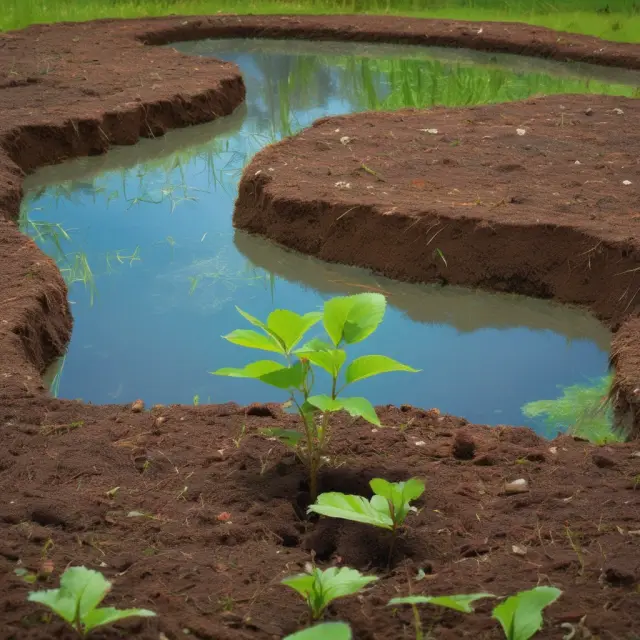
The Advantages of Bioremediation: Minimizing Damage to Ecosystems and Cost Savings
Bioremediation, a process utilizing the power of nature through living organisms like microbes and bacteria, has emerged as an attractive solution for cleaning up environmental contaminants in soil, water, and other environments. Bioremediation offers numerous advantages over traditional cleanup methods, making it an increasingly popular choice for addressing environmental issues such as oil spills or contaminated groundwater.
First and foremost, bioremediation minimizes damage to ecosystems compared to other cleanup methods. The process is often carried out underground, allowing amendments and microbes to be introduced directly into the affected area without causing significant disruption to nearby communities. This targeted approach ensures that the natural environment remains largely intact while contaminants are being decontaminated.
Cost savings is another major advantage of bioremediation. The process relies primarily on natural processes, requiring minimal equipment and labor compared to other cleanup methods. Bioremediation’s cost-effectiveness can be attributed to the absence of the need for expensive machinery or large-scale excavations. In fact, bioremediation projects can save taxpayers millions of dollars over traditional cleanup methods.
Bioremediation creates relatively few harmful byproducts as contaminants are converted into water and harmless gases like carbon dioxide. This is a significant improvement compared to other cleanup methods that may generate substantial hazardous waste during the process. The limited production of byproducts also results in lower overall costs for disposal and environmental remediation.
One study suggests that bioremediation can save up to 50-70% of the cost required for traditional cleanup methods, making it an economically viable solution for addressing a wide range of environmental issues. By the end of 2018, over 1,500 sites had been successfully treated with bioremediation techniques by the United States Environmental Protection Agency (EPA).
One of the most notable examples of bioremediation in action is the cleanup following the Exxon Valdez oil spill in 1989. By utilizing a combination of natural microbes and nutrients to degrade approximately 100,000 pounds of fertilizer over more than 2,000 applications, the affected areas were nearly completely decontaminated within two years. This success story demonstrates the effectiveness and cost savings provided by bioremediation in a large-scale environmental cleanup effort.
In summary, the benefits of bioremediation include minimizing damage to ecosystems, lowering costs, and generating fewer harmful byproducts compared to traditional cleanup methods. As more governments and organizations recognize these advantages, bioremediation is becoming an increasingly popular choice for addressing various environmental issues.
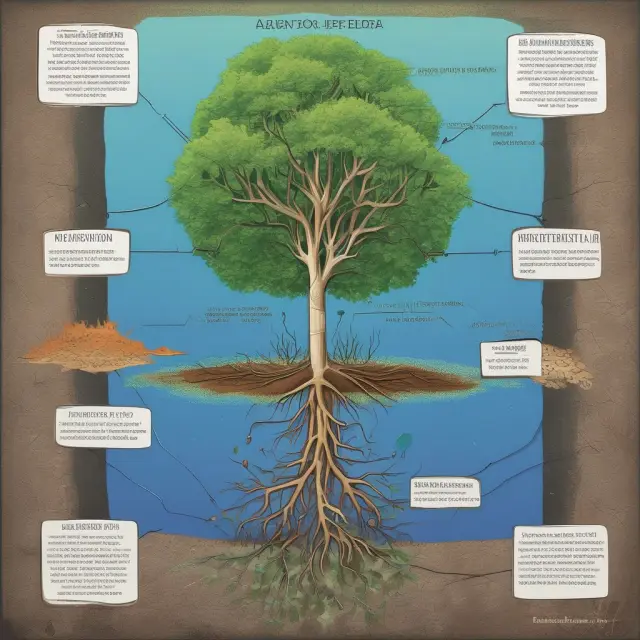
Types of Bioremediation: Stimulating Microbes with Chemicals or Nutrients, Adding Bacteria, or Using Native Microbiomes
Bioremediation is a versatile process that presents several methods for addressing environmental contaminants. The primary techniques in bioremediation include three distinct approaches: biostimulation, bioaugmentation, and intrinsic remediation. Let’s explore each of these types in depth.
Biostimulation: This approach involves stimulating the growth of naturally occurring microbes through chemical or nutrient additives that encourage the consumption and breakdown of contaminants. Biostimulation is particularly useful when dealing with low levels of pollution, and it can be performed both in situ (on-site) or ex situ (off-site). By enhancing the conditions favorable to microbial activity, bioremediation can expedite the process and minimize disruptions to ecosystems.
Bioaugmentation: Another effective type of bioremediation is bioaugmentation, in which specific bacteria or other microbes are introduced to aid in the cleanup efforts. This technique is especially useful when dealing with highly contaminated sites that may not have enough native microorganisms capable of degrading complex pollutants. By introducing these beneficial organisms, bioremediation can enhance the effectiveness and efficiency of the overall process. Bioaugmentation can be applied through various methods like slurry injection or direct addition to soil or water.
Intrinsic Bioremediation: Lastly, intrinsic remediation refers to the use of naturally occurring microorganisms native to a contaminated site for biodegradation. This approach is based on the premise that these microbes have already adapted to the specific environmental conditions and have the natural ability to degrade pollutants effectively. Intrinsic remediation is a cost-effective method as it does not require additional labor or external additives. However, the success of this approach heavily depends on the site’s unique characteristics, such as temperature, pH levels, and contaminant complexity.
Understanding these different types of bioremediation provides valuable insight into how this innovative approach can be tailored to various environmental challenges. By choosing the most suitable technique, practitioners can minimize disruptions to ecosystems while maximizing efficiency in the cleanup process.
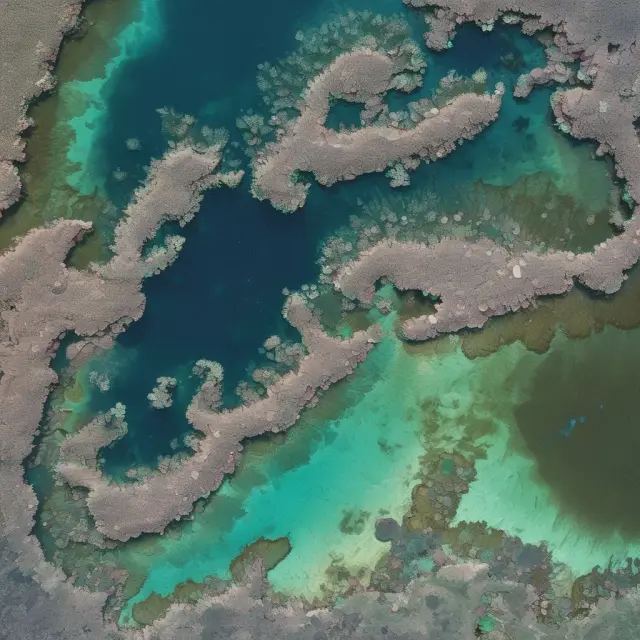
Case Study: Exxon Valdez Oil Spill and Bioremediation: A Success Story in Restoring Contaminated Environments
Bioremediation, an innovative branch of biotechnology, has proven to be a game-changer when it comes to addressing environmental pollution. This eco-friendly technique, which utilizes the power of living organisms such as microbes and bacteria, transforms contaminants into harmless substances. A prime example showcasing bioremediation’s effectiveness is the Exxon Valdez oil spill that occurred in March 1989 off the coast of Alaska.
The Exxon Valdez oil tanker, carrying approximately 24.9 million gallons (nearly 95,000 m³) of crude oil, ran aground on March 24, 1989. The unfortunate event resulted in the release of around 11 million gallons (approximately 41,603 m³) of crude oil into the pristine Prince William Sound ecosystem. Following this environmental disaster, bioremediation emerged as a promising solution to help restore the affected areas.
Bioremediation harnesses the natural abilities of microbes that consume contaminants as food sources, converting them into harmless byproducts such as carbon dioxide and water. The process may occur either in situ (at the site) or ex situ (away from the contaminated area). In the case of the Exxon Valdez oil spill, both methods were employed to clean up the affected shoreline and groundwater.
The remediation efforts began with an initial assessment of the extent of damage caused by the oil spill. Following this evaluation, experts identified favorable conditions for bioremediation, such as adequate temperature and nutrients. To optimize these conditions further, scientists employed various amendments like molasses and vegetable oil to encourage microbial growth.
Bioremediation is a cost-effective alternative to traditional cleanup methods since it requires minimal disruption to ecosystems and generates fewer harmful byproducts. For instance, in the Exxon Valdez incident, the use of bioremediation for groundwater cleanup was particularly noteworthy as it minimized community disturbance.
The successful application of bioremediation in restoring contaminated areas from the Exxon Valdez oil spill served as a pivotal moment for this innovative technique. By the end of 2018, over 1,507 sites had benefited from bioremediation activities across the United States. As biotechnology continues to evolve, new advancements and applications will undoubtedly expand its potential for addressing environmental challenges.

Composting and Bioremediation: A Green Approach to Waste Management
Bioremediation, an integral part of biotechnology, is the process of employing living organisms, such as bacteria and microbes, to restore contaminated environments by removing pollutants and toxic substances. This innovative approach not only tackles environmental issues like oil spills and contaminated groundwater but also offers a greener solution compared to traditional cleanup methods. A unique application of bioremediation lies in composting–an effective process that converts food waste into nutrient-rich soil through the action of microbes, often overlooked as an eco-friendly approach for pollution remediation.
Bioremediation works by stimulating the growth of specific microbes that utilize contaminants as a source of energy and nutrients to degrade contaminated areas into harmless substances like carbon dioxide and water. To optimize conditions for these microbes, composting amendments can be added, such as molasses or vegetable oil, which create an environment conducive for bioremediation to flourish, thereby expediting the cleanup process.
The advantages of using bioremediation and composting are multifaceted. Biodegradation offers minimal disruption to ecosystems as it usually occurs beneath the ground surface. The absence of disruptive equipment or labor makes this green solution cost-effective and environmentally friendly, allowing for the restoration of contaminated sites with minimal community impact.
Bioremediation is an adaptable technique, applicable to a myriad of environmental issues. Oil spills present one significant challenge, but groundwater contamination poses another. In such cases, composting offers a viable solution through the in situ application of microbes that degrade oil components and convert them into harmless substances.
One shining example of bioremediation’s success lies within the Exxon Valdez oil spill incident, which occurred in Alaska in 1989. The groundbreaking cleanup efforts demonstrated the potential of biodegradation to transform contaminated environments through the natural process of microbial action.
As we continue to explore and advance bioremediation techniques, innovations such as mycoremediation–the use of fungi to decontaminate affected areas–promise to further expand its capabilities and applications. This intriguing alternative approach, when combined with traditional bioremediation methods, represents a promising future in the realm of sustainable pollution remediation.

Mycoremediation: Using Fungi to Clean Up Contaminated Areas
Bioremediation has been an integral part of environmental restoration for decades, using microorganisms such as bacteria and fungi to break down contaminants and restore polluted areas. One lesser-known but increasingly popular method in this field is mycoremediation – the application of fungi in remediating various environmental contaminants.
Mycoremediation utilizes fungi, specifically their enzymes, to degrade a broad range of contaminants. These versatile organisms can be found growing naturally in soils and water systems worldwide. By harnessing their unique capabilities, mycoremediation offers several advantages over traditional bioremediation methods.
First, fungi are highly adaptive organisms that thrive in diverse environments. They can grow in harsh conditions, such as heavy metals or high salt concentrations, where microbial activities might be inhibited. Consequently, mycoremediation is an effective solution for cleaning up contaminated sites with extreme conditions, particularly those that are difficult to reach using other methods.
Second, fungi have a larger biomass and surface area compared to bacteria. Their extensive hyphal networks can spread through the soil or water systems, allowing them to cover more ground and interact with a broader range of contaminants. This results in quicker remediation times and more comprehensive coverage.
Third, mycoremediation is often considered a greener alternative to traditional bioremediation due to its minimal requirements for external nutrient inputs. Unlike bacterial processes that typically require an addition of nutrients or chemicals to stimulate growth, fungi can naturally produce enzymes and break down contaminants using the existing organic matter in the environment.
A variety of fungal species have shown remarkable potential for mycoremediation. For example, the white-rot fungus Phanerochaete chrysosporium is particularly effective in biodegrading lignin and cellulose. Another popular species, Penicillium funiculosum, can effectively degrade a wide range of organic pollutants, including petroleum products and synthetic dyes.
Mycoremediation techniques include the following:
- Inoculation: Inoculating contaminated sites with mycelial plugs or spore suspensions to initiate growth. This method can be particularly useful in remediating areas where the native microbiome is limited or absent.
- Myco-filtration: Using fungi to absorb and concentrate contaminants from water systems through their extensive hyphal networks. The filtered contaminants can then be easily removed, making it an effective method for treating wastewater and groundwater.
- Phytoremediation with mycorrhizal fungi: Combining mycoremediation with phytoremediation (the use of plants to remove contaminants from the soil) by integrating mycorrhizal fungi into plant root systems. This enhances both the remediation capabilities and growth rate of the plants, allowing for more efficient and comprehensive bioremediation.
- Myco-composting: Using fungi to degrade organic waste while simultaneously remediating heavy metals or other contaminants. This approach results in the production of nutrient-rich compost that can be used to restore soil health.
- Enzyme production and application: Extracting enzymes from fungi for use in industrial applications, such as breaking down plastic waste or oil spills.
One notable success story of mycoremediation is the cleanup of a diesel-contaminated site in Alberta, Canada. Researchers added oyster mushrooms (Pleurotus ostreatus) to the affected area and observed remarkable progress within just four weeks. The mushrooms grew through the contaminated soil, effectively absorbing and breaking down the oil components.
In conclusion, mycoremediation offers a promising solution for addressing environmental contamination using fungi. With its inherent adaptability, efficiency, and eco-friendliness, it presents an innovative approach to restoring polluted areas while minimizing the environmental impact of remediation efforts. As research in this field continues to evolve, mycoremediation is poised to play a significant role in addressing future contamination challenges.

Innovations in Bioremediation: Emerging Technologies and Applications
Bioremediation has proven itself as an effective method for removing pollutants and contaminants from various environments, including water and soil, with minimal disruption to ecosystems. As the field continues to evolve, researchers are discovering new methods and technologies to optimize bioremediation and expand its applications beyond traditional approaches. In this article, we’ll explore some of the latest advancements in bioremediation and discuss their potential impact on environmental cleanup efforts.
One promising development is the application of nanotechnology in bioremediation. Nanoscale materials can be engineered to improve microbial activity, making bioremediation more efficient and effective. For example, researchers at the University of California, Riverside, have created silver nanoparticles that enhance the growth of bacteria responsible for breaking down certain hydrocarbon pollutants. By using these nanosilver particles in contaminated water, they observed a significant acceleration in biodegradation processes.
Another emerging technology is gene editing, which allows scientists to modify microbes and bacteria to optimize their ability to remove specific pollutants. For instance, researchers have genetically engineered Escherichia coli (E. coli) to produce enzymes that break down polycyclic aromatic hydrocarbons (PAHs), a common environmental contaminant. This engineered bacteria can be introduced into contaminated environments to accelerate the degradation process, offering a more targeted and efficient solution.
Mycoremediation is an alternative approach to bioremediation that focuses on using fungi instead of bacteria or other microbes to clean up environmental contaminants. Fungi possess unique abilities to break down various pollutants, including heavy metals and petroleum products. By harnessing their power, scientists are exploring the potential for mycoremediation in a wide range of applications, from removing industrial wastewater contaminants to rehabilitating post-mining areas.
Innovations in bioremediation not only offer environmental benefits but can also contribute to economic growth. The global bioremediation market is projected to reach $29.4 billion by 2027, according to a report by Grand View Research Inc. As these technologies advance and become more accessible, they have the potential to create new businesses, job opportunities, and collaborations between industries and academic institutions.
Despite its numerous advantages, bioremediation is not without challenges. Some contaminants are resistant to degradation or require conditions that may not be favorable for microbial growth. However, ongoing research and innovation are addressing these limitations, paving the way for more successful and sustainable cleanup efforts in the future.
In conclusion, bioremediation continues to evolve as an effective and eco-friendly method for cleaning up contaminated environments. With advancements in nanotechnology, gene editing, and mycoremediation, we’re seeing a new era of environmental restoration that not only minimizes disruption to ecosystems but also offers economic opportunities. As these innovations continue to develop, they will contribute to a more sustainable future for our planet.
In the next section, we’ll dive deeper into the challenges faced in bioremediation and discuss strategies for ensuring successful cleanup efforts. Stay tuned!
Challenges in Bioremediation: Overcoming Obstacles and Ensuring Successful Cleanups
Bioremediation, as a promising solution for environmental pollution cleanup using living organisms like microbes and bacteria, faces several challenges that must be addressed to ensure the success of this process. While bioremediation offers significant advantages over other methods, such as minimizing ecosystem damage and cost savings, there are obstacles that can slow down or even halt its progress.
One of the primary challenges in bioremediation is the presence of contaminants resistant to microbial degradation. Certain pollutants, such as polycyclic aromatic hydrocarbons (PAHs) and chlorinated solvents, can be notoriously difficult for microbes to break down due to their complex molecular structures. In the case of PAHs, their high molecular weights and multiple aromatic rings make them more challenging for microbes to metabolize compared to other contaminants (Blennow et al., 2003).
To address this challenge, researchers are constantly exploring new ways to enhance bioremediation’s ability to degrade such recalcitrant pollutants. One approach is the use of genetically engineered microbes or the addition of co-metabolites, which can facilitate the breakdown of these complex contaminants (Blennow et al., 2003). For example, scientists have been able to engineer strains of bacteria to produce specific enzymes that break down PAHs more effectively. These engineered microbes can then be used in bioremediation processes, significantly increasing the degradation rate and efficiency.
Another challenge faced by bioremediation is variability in environmental conditions. Biodegradation requires a combination of specific temperature, nutrient availability, and contaminant concentrations to occur efficiently (Cerniglia, 2014). Deviations from these optimal conditions can hinder microbial activity and slow down or even halt the remediation process. For instance, low temperatures can adversely affect the microbes’ metabolism, ultimately affecting their ability to degrade contaminants effectively (Cerniglia, 2014).
To counteract this challenge, researchers are exploring various methods to improve environmental conditions and optimize them for bioremediation. One such method involves the addition of amendments or nutrients that stimulate microbial activity and enhance their ability to degrade contaminants (Cerniglia, 2014). For example, organic materials like vegetable oil or molasses can be added to improve soil conditions and provide food sources for microbes. This approach is particularly useful in cold environments where the temperature may not naturally support optimal biodegradation rates.
Lastly, another challenge lies in the scale of contamination. Large-scale bioremediation projects often require extensive resources, both in terms of labor and funding (Blennow et al., 2003). Additionally, managing the logistics of delivering amendments or nutrients to affected areas can be a significant hurdle for larger-scale projects. To overcome this challenge, researchers are exploring innovative technologies that can streamline bioremediation processes and make them more cost-effective. For example, nanotechnology can potentially improve the efficiency of amendment delivery by increasing their surface area and improving their dispersion in contaminated areas (Blennow et al., 2003).
Despite these challenges, the potential benefits of bioremediation continue to make it a promising solution for environmental pollution cleanup. By addressing these obstacles, researchers can enhance its effectiveness and further solidify its role as a green, cost-effective alternative to traditional remediation methods.

FAQs about Bioremediation: Addressing Common Questions and Misconceptions
Bioremediation, a process utilizing microorganisms like bacteria and fungi to decontaminate polluted environments, is becoming an increasingly popular solution for environmental cleanup efforts. This section aims to clarify common questions surrounding bioremediation’s effectiveness, cost savings, and potential risks.
What makes bioremediation effective?
Bioremediation succeeds due to microbes utilizing contaminants as sources of energy or food. These organisms convert pollutants into harmless byproducts, such as water and carbon dioxide. The success of bioremediation relies on optimal conditions: a suitable temperature, nutrient availability, and an adequate food source for the microbes.
How long does it take to complete the bioremediation process?
The duration of bioremediation depends on various factors like contaminant concentration, environmental conditions, and whether the process is in situ or ex situ. In-situ bioremediation can last several months to years, while ex situ methods may require longer periods due to additional excavation steps.
What are the advantages of bioremediation compared to other cleanup techniques?
Bioremediation offers numerous benefits. It minimizes ecosystem disruption since it primarily occurs underground and doesn’t involve heavy machinery or extensive labor requirements. Additionally, bioremediation generates few harmful byproducts as contaminants are converted into water and carbon dioxide, making it cost-effective and eco-friendly.
What types of contamination can be addressed with bioremediation?
Bioremediation can tackle various environmental pollutants such as oil spills, heavy metals, solvents, pesticides, and even radioactive waste. Different types of bioremediation like biostimulation, bioaugmentation, and mycoremediation cater to specific contamination scenarios.
Is bioremediation safe for the environment?
Bioremediation is considered a safer alternative to traditional cleanup methods as it relies on natural processes, reducing potential harm to ecosystems. The minimal use of machinery and chemicals further minimizes negative impacts on the environment.
Are there any risks associated with bioremediation?
While bioremediation generally poses fewer risks compared to other cleanup methods, some complications may arise, such as slow progress, incomplete removal of contaminants, or microbes producing harmful byproducts during the process. It’s essential to closely monitor these situations to minimize potential risks and optimize outcomes.
What is the future of bioremediation?
Bioremediation continues to evolve with ongoing research and advancements in technology. New innovations include gene editing, nanotechnology, and bio-membranes that can enhance the efficiency and effectiveness of bioremediation. These developments will contribute to more successful and sustainable cleanup efforts, ultimately benefiting our planet and future generations.
In conclusion, bioremediation is a valuable tool for addressing environmental contaminants while minimizing damage to ecosystems and offering cost savings. Its ability to decontaminate various pollutants using natural processes has proven its effectiveness and sets the stage for continued innovation in this essential field.
 Next entry · No. 427Understanding the Bird in Hand Theory: Preferring Dividends to Capital Gains
See also
-
 No. 4,918
27 Jul 2025
19 min
Understanding the Technology, Media, and Telecom (TMT) Sector: An Investment Opportunity for Institutional Investors
Business Finance
No. 4,918
27 Jul 2025
19 min
Understanding the Technology, Media, and Telecom (TMT) Sector: An Investment Opportunity for Institutional Investors
Business Finance -
 No. 1,067
23 Jul 2024
22 min
Understanding Disruptive Innovation: Technologies that Transform Markets
Business Strategy
No. 1,067
23 Jul 2024
22 min
Understanding Disruptive Innovation: Technologies that Transform Markets
Business Strategy -
 No. 1,907
23 Nov 2024
22 min
Exploring Green Investing: Understanding Types, Benefits, and Best Practices
Green Investing
No. 1,907
23 Nov 2024
22 min
Exploring Green Investing: Understanding Types, Benefits, and Best Practices
Green Investing -
 No. 1,904
23 Nov 2024
21 min
Green Bonds: A Comprehensive Guide for Institutional Investors
Green Investing
No. 1,904
23 Nov 2024
21 min
Green Bonds: A Comprehensive Guide for Institutional Investors
Green Investing -
 No. 624
09 May 2024
20 min
Understanding Carbon Credits: A Mechanism for Reducing Greenhouse Gas Emissions
Green Investing
No. 624
09 May 2024
20 min
Understanding Carbon Credits: A Mechanism for Reducing Greenhouse Gas Emissions
Green Investing -
 No. 595
02 May 2024
22 min
Cap and Trade: Understanding the Pros, Cons, and Challenges of a Market System for Reducing Emissions
Green Investing
No. 595
02 May 2024
22 min
Cap and Trade: Understanding the Pros, Cons, and Challenges of a Market System for Reducing Emissions
Green Investing