Understanding the Race to the Bottom: Competition Beyond Ethical Standards

Understanding the complex phenomenon of competition beyond ethical standards in various industries. Exploring the history, causes, consequences, and solutions.
Introduction to the Concept of the Race to the Bottom
The term ‘race to the bottom’ refers to heightened competition between nations, states, or companies that involves sacrificing quality standards or ethical considerations for the sake of gaining a competitive advantage. Coined by Supreme Court Justice Louis Brandeis in 1933, this concept is most commonly associated with labor markets and production costs, particularly as it relates to manufacturing and offshoring. However, the race to the bottom can manifest itself in various industries and sectors where companies attempt to minimize expenses or maximize profits at the expense of others’ well-being.
Understanding the Origins of the Race to the Bottom Concept
Supreme Court Justice Louis Brandeis is credited with coining the term ‘race to the bottom.’ In 1933, during the Liggett v. Lee case, Brandeis highlighted the competition between states to attract businesses by relaxing rules and regulations rather than refining them. This competition created a race to the bottom in which states tried to outdo each other in laxity instead of diligence.
The Impact of Capitalism on the Race to the Bottom
Capitalism’s inherent competitive nature has led to intense market pressure that can result in a race to the bottom, with companies striving to minimize expenses and maximize profits, often at the cost of ethical standards or quality. The pursuit of these advantages may include lower labor costs, reduced taxes, and relaxed regulations.
The Role of Labor and Wages in the Race to the Bottom
In a race to the bottom, companies seek to keep wages low to protect profit margins while maintaining a competitive product. Retail industries are often criticized for engaging in wage reduction and benefit cuts as part of a race to the bottom. To offset rising labor costs, many retailers shift production overseas to regions with cheaper labor or encourage their suppliers to do so using their purchasing power. This dynamic has been particularly evident in the garment manufacturing sector, which has seen intense competition among countries seeking to attract manufacturers with lower wages and looser labor regulations.
The Impact of Taxes and Regulations on the Race to the Bottom
Governments engage in a race to the bottom by changing their taxation and regulatory regimes to attract more business investment dollars. The disparity in corporate taxes worldwide has led many companies to shift their head offices or operations to jurisdictions with favorable effective tax rates. However, this competition can result in lost tax dollars and decreased support for public infrastructure, social systems, and environmental regulations.
Negative Consequences of the Race to the Bottom
The consequences of a race to the bottom can be far-reaching and devastating. Sacrificing ethical standards or regulatory enforcement can lead to negative impacts on the environment, employees, communities, and companies’ shareholders. Moreover, consumers may face poor quality goods or services as a result of cost-cutting during the race to the bottom.
Case Study: The Rana Plaza Disaster in Bangladesh
The tragic Rana Plaza factory collapse in 2013 serves as a stark reminder of the perils of lax labor standards and regulatory enforcement. In an attempt to attract textile manufacturing, Bangladesh had become a major production center known for low wages and lenient regulations. However, this approach culminated in the catastrophic loss of over 1,000 lives when the Rana Plaza building collapsed due to structural deficiencies. This disaster underscores the importance of balancing economic growth with ethical labor practices and regulatory enforcement.
In the following sections, we will delve deeper into the origins, dynamics, and consequences of the race to the bottom in various industries and sectors. Stay tuned for a comprehensive exploration of this complex phenomenon.

History and Origins of the Race to the Bottom Concept
The term “race to the bottom” was famously coined by Supreme Court Justice Louis Brandeis in 1933, in the case Liggett v. Lee. This competition, as described by Brandeis, is characterized by an aggressive pursuit of undercutting competitors through sacrificing quality standards or worker safety to attain a competitive advantage or lower manufacturing costs. The term gained prominence within the context of labor markets and the relentless drive for cost reduction among businesses.
The roots of the race to the bottom can be traced back to the early 20th century when states engaged in a fierce competition to attract new corporate entities by relaxing regulations and offering tax incentives, as described by Brandeis: “We have seen in this country a competition not of diligence but of laxity.”
This cutthroat competition between governments has persisted throughout the decades, with jurisdictions continually trying to outdo one another to attract investment. The consequences can be detrimental for all involved parties. When companies engage in the race to the bottom, it often leads to a downward spiral that goes beyond the immediate participants. Negative impacts can manifest through damage to the environment, public health concerns, and the erosion of employee rights and wages.
In the retail sector, the pressure to offer consumers low prices has led many companies to resort to wage reductions and benefits cuts, further exacerbating competition. This dynamic often results in a shift of labor-intensive manufacturing and production overseas, where wages are lower and regulations are more relaxed.
In the race to attract business investments, governments may weaken their regulatory frameworks or tax structures, sacrificing long-term sustainability for short-term gains. Corporate tax revenues contribute significantly to a country’s infrastructure development and social systems. When countries engage in this race to the bottom by offering lower corporate taxes or less stringent environmental regulations, they risk undermining their own future prosperity.
The case study of Rana Plaza disaster in Bangladesh serves as a poignant reminder of the perils of the race to the bottom. The country’s lax labor standards and regulatory enforcement contributed to a tragic collapse that took over 1,000 lives. This incident underscores the potential consequences when competition between nations results in deregulation and the sacrifice of essential safety measures.

The Impact of Capitalism on the Race to the Bottom
Capitalism is an economic system that thrives on competition, driving companies to seek market dominance and profitability. However, this drive for success can often lead to the infamous ‘race to the bottom,’ a situation where companies make decisions that compromise ethical standards in favor of economic gain. This competition is not limited to businesses but can also extend to governments as they compete for tax revenues or investments by offering lax regulations and lower costs.
The origins of the term “race to the bottom” are attributed to Supreme Court Justice Louis Brandeis, who used it in his 1933 judgment in Liggett v. Lee. Brandeis noted that states engaged in a race to the bottom by relaxing regulations rather than refining them to attract businesses.
Capitalism’s inherent competitive nature fuels the race to the bottom. When companies seek lower production costs, they often look for labor markets with the least expensive workforce or weakest worker protections. This can lead to a downward spiral of lower wages and benefits, inadequate working conditions, and eroding environmental standards.
One industry frequently cited as engaging in a race to the bottom is labor-intensive manufacturing, particularly in sectors such as textiles and electronics. Companies may relocate production to countries with lax labor laws or weak enforcement of workers’ rights to minimize costs. For example, the Rana Plaza disaster in Bangladesh in 2013 tragically highlighted the devastating consequences when labor standards were ignored for the sake of profitability.
The competition between governments to attract businesses and investments can also result in a race to the bottom. They may offer tax incentives, subsidies, or relax regulations, compromising the public good in the process. While this approach can be effective in attracting short-term business, it may ultimately harm the economy and society in the long run through reduced tax revenues and increased costs associated with lax environmental standards, public health issues, and more.
In conclusion, capitalism’s competitive nature drives the race to the bottom, where companies and governments seek economic gain by sacrificing ethical standards. The downward spiral of lower wages, inadequate working conditions, and weakened regulations can have detrimental consequences for all parties involved. To prevent this destructive cycle, stakeholders must consider the long-term impact on society, workers, and the environment when making decisions that promote economic growth.

The Role of Labor and Wages in the Race to the Bottom
In today’s highly competitive global marketplace, companies often strive to reduce costs and maintain market share by minimizing labor expenses. This can lead to a race to the bottom, where countries or regions offer increasingly low wages and relaxed labor regulations to attract businesses. This phenomenon is most commonly discussed in relation to the labor market but can also impact various industries and sectors.
The term “race to the bottom” was popularized by Supreme Court Justice Louis Brandeis during a 1933 judgment for the case Liggett v. Lee, where he described competition between states as being about “laxity,” rather than diligence. This concept refers to a situation in which companies and governments compete against each other in sacrificing standards or ethical lines in their pursuit of economic gain.
One industry that has been subjected to much scrutiny regarding this issue is labor. Companies have been known to move production to areas with lower labor costs or fewer worker rights as a means to protect their profit margins while still offering competitive products. Retail, for instance, is often criticized for its engagement in the race to the bottom and reluctance to implement labor law changes that would increase wages or benefits.
Instead of raising wages domestically, retail companies have moved production overseas to regions with lower wages and benefits or encouraged their suppliers to do so using their purchasing power. Although this can result in job creation in developing countries, it can also lead to poor working conditions and exploitation, particularly when combined with lax regulations and weak enforcement of labor laws.
In the context of a race to the bottom, both companies and governments are compelled by market forces to compete on price. This often leads to a downward spiral in which each participant tries to outdo the other, resulting in deteriorating wages and working conditions, as well as reduced regulatory oversight and environmental protections.
For example, Bangladesh became the world’s second-largest garment manufacturing hub after China due to its low labor costs. The Rana Plaza disaster in 2013 served as a tragic reminder of the perils of this approach when a building housing multiple garment factories collapsed, killing over 1,000 workers and injuring thousands more. The tragedy underscored the importance of upholding ethical standards and regulations in the face of intense global competition.
In conclusion, the race to the bottom is a complex issue that impacts various industries and sectors, with labor being one of its most prominent aspects. As companies continue to compete for market share through cost-cutting measures, it’s essential to consider the long-term consequences on workers, communities, and the environment. Governments also play a crucial role in preventing a race to the bottom by enforcing ethical standards and regulations that protect the public good while remaining competitive within the global economy.

Regulations, Taxes, and the Race to the Bottom
The race to the bottom is a competitive phenomenon where companies, states, or nations attempt to undercut their competitors by sacrificing ethical standards or reducing labor costs at the expense of regulations or taxes. This competition can lead to detrimental consequences for all parties involved, ultimately damaging the environment, public health, employee rights, and long-term profitability.
The origin of the term ‘race to the bottom’ is generally attributed to Supreme Court Justice Louis Brandeis during a 1933 case, Liggett v. Lee. In this judgment, he criticized states for competing not through diligence but by relaxing regulations instead, ultimately resulting in a race among them to offer less protective laws and lower standards.
In contemporary business contexts, governments compete to attract investment dollars by offering tax incentives or reducing regulatory frameworks. This competition between jurisdictions can lead companies to consider relocating their operations where they can benefit from the most favorable conditions.
The disparity in corporate taxation across the world has fueled a significant race to the bottom, as countries compete for FDI (Foreign Direct Investment) by offering lower tax rates. The potential loss of tax revenues can result in long-term consequences, such as decreased funding for infrastructure and social systems.
The relaxation of regulations, particularly environmental ones, can attract companies that prioritize profit over the welfare of the environment or their workers. In a world where all externalities are accounted for and considered, this approach would not pose a problem. However, in reality, competition between governments and politics intertwined with money often result in races to the bottom.
One example of such a race to the bottom can be found in the Rana Plaza disaster in Bangladesh in 2013. The country had become the world’s second-largest garment manufacturing hub due to its low labor costs and weak regulations. In this instance, the lax enforcement of building codes led to a catastrophic collapse that killed over 1,000 workers.
This trend can lead to detrimental consequences for the environment, particularly when governments loosen environmental regulations in order to attract businesses. Producers may choose to relocate to jurisdictions with less stringent standards, leading to increased pollution and negative externalities.
The race to the bottom can harm workers, as companies often compete on the basis of reduced labor costs. The retail sector has been accused of engaging in this practice extensively, pushing for lower wages and benefits while resisting labor law changes that would increase their expenses. Consequently, many have opted to move production overseas or encourage suppliers to do so using their purchasing power.
The consequences of a race to the bottom can also result in permanent damage for the victors. Companies may find themselves squeezed by reduced profit margins as they compete on price rather than quality. Consumers, on the other hand, may be faced with poor-quality goods or services that could ultimately damage the market for those products.
To prevent detrimental consequences resulting from a race to the bottom, governments can collaborate and establish international standards and regulations. By working together, they can set minimum conditions that ensure ethical practices and prevent competition on unethical grounds. Ultimately, this approach would benefit all parties involved and contribute to a more sustainable economic environment.
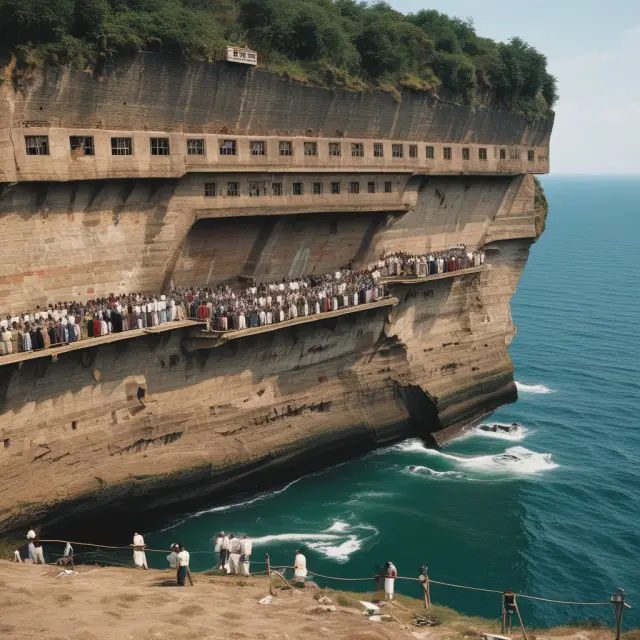
The Negative Consequences of the Race to the Bottom
The term ‘race to the bottom’ evokes an image of companies, states, or nations competing to sacrifice ethical standards and rational economic decisions to undercut their competition. The concept, which gained prominence in the 1930s, has its origins in lax regulations, compromised public goods, and negative externalities that often result from this cutthroat competition. The race to the bottom can manifest across various industries and sectors; it is most frequently discussed within the context of labor markets, as companies seek to minimize their labor costs while maintaining market share.
The race to the bottom can have devastating consequences for all parties involved. Lasting damage may be inflicted on the environment, public health, employee rights, and even the competitors themselves. Consumers’ expectations for ever-lower prices may lead to poor quality goods or services, potentially causing the market for those items to dry up. In this section, we will delve deeper into some of the negative implications of engaging in a race to the bottom.
One of the most significant negative consequences of a race to the bottom is the impact on labor standards and working conditions. Companies may reduce wages and benefits to keep their costs low while maintaining competitive prices for their products. This strategy can lead to a vicious cycle where other companies are compelled to follow suit in order to remain competitive, perpetuating the race to the bottom. The retail sector is often criticized for engaging in this practice, as they resist labor law changes that would increase wages and benefits, pushing production overseas or encouraging suppliers to do so instead. Although the jobs that remain domestically may cost more due to changing regulations, the majority of labor involved in manufacturing and production can be shifted to regions with lower labor costs and fewer worker protections.
The race to the bottom also has far-reaching consequences for the environment, as governments and corporations compete to offer the most favorable taxation and regulatory regimes to attract businesses and investments. Lower taxes and more relaxed regulations may incentivize companies to produce in environments with lax environmental standards or inadequate enforcement of existing regulations. For instance, countries with less stringent environmental laws or weak enforcement mechanisms may become attractive locations for businesses looking to minimize their environmental impact, potentially leading to increased pollution and long-term damage to the natural world.
Another example of a race to the bottom is demonstrated through tax competition between jurisdictions. Corporations are often attracted to favorable tax structures, which can result in significant losses to national treasuries. The revenue lost from corporate taxes contributes to a country’s infrastructure and social systems, as well as supporting environmental regulations. When companies shift their headquarters or operations to lower-tax jurisdictions, it not only results in fewer resources for the original jurisdiction but also poses challenges in terms of maintaining parity among competitors, creating an uneven playing field that can negatively impact local businesses and communities.
A striking example of the perils of a race to the bottom is the Rana Plaza disaster in Bangladesh, which occurred in 2013. The tragic event was a result of lax labor standards and regulatory enforcement. The building, which housed several garment factories manufacturing products for Western brands, collapsed due to structural deficiencies, resulting in over 1,000 fatalities and thousands more injuries. Bangladesh had become a major player in the global textile industry due to its low labor costs and lenient regulations. The disaster underscores the importance of addressing the root causes of the race to the bottom and preventing such disasters from occurring again.
In conclusion, the race to the bottom refers to an intense competition where participants sacrifice ethical standards or rational economic decisions in order to gain a competitive advantage. While it may initially result in short-term benefits for the competitors involved, the long-term consequences can be detrimental to all parties and, in some cases, even catastrophic. It is essential that governments, businesses, and consumers recognize the risks of engaging in a race to the bottom and strive to promote ethical business practices and regulations that protect public goods and ensure fair competition for all.

Case Study: The Rana Plaza Disaster in Bangladesh
The tragic consequences of lax labor standards and regulatory enforcement were vividly illustrated through the Rana Plaza factory collapse in Bangladesh in 2013. Located in Dhaka, Rana Plaza was a multi-story garment manufacturing facility with several factories operating within its premises. This building housed various international brands’ production units. Despite clear violation of numerous safety codes and regulations, the authorities turned a blind eye to the situation due to the country’s intense focus on attracting foreign investment.
Bangladesh had emerged as the world’s second-biggest garment manufacturing hub, with low wages and cheap costs serving as significant factors behind its success. The competition among developing countries to lure businesses, particularly in the manufacturing sector, was fierce, compelling nations to offer more lenient regulations and lower labor costs.
Rana Plaza was a prime example of such lax enforcement, with various building code violations being flagrantly disregarded. Despite clear indicators that the structure was unsafe, including cracks on its exterior walls, workers were ordered to continue working in the building by their employers. The authorities’ refusal to enforce safety regulations eventually led to one of the deadliest industrial accidents in history.
On April 24, 2013, the Rana Plaza complex collapsed, killing more than a thousand people and injuring thousands more. The disaster not only highlighted the importance of enforcing labor standards and regulations but also served as a stark reminder of the disastrous consequences of engaging in a race to the bottom for economic gains.
The Rana Plaza tragedy underscores the need for stricter enforcement of regulations and transparency from corporations when it comes to working conditions, wages, and safety standards, especially within industries that are prone to low-cost competition. In the wake of this disaster, numerous initiatives were launched to promote greater accountability in global supply chains and ensure that workers’ rights are respected.
By examining the case study of Rana Plaza, we can gain a deeper understanding of the importance of adhering to ethical standards, even in the face of fierce competition for market share or tax revenues. This tragic event serves as a powerful reminder that sacrificing quality and safety can lead to disastrous consequences for all parties involved.
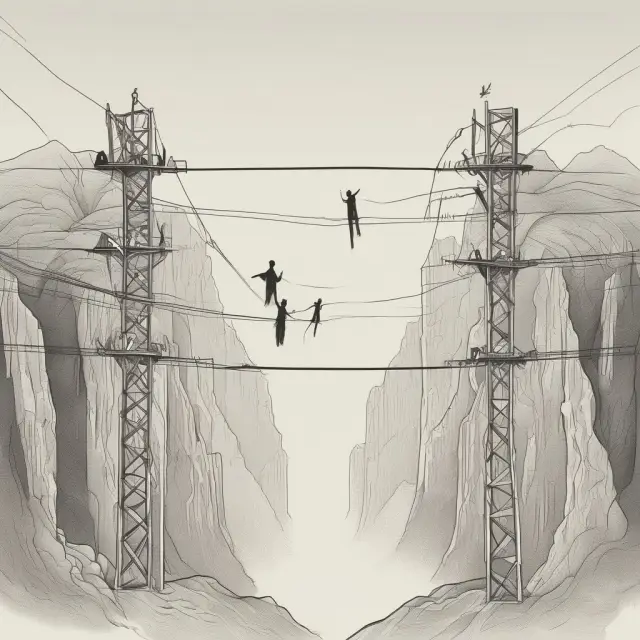
The Role of Consumers in the Race to the Bottom
Understanding how consumer demand for low prices perpetuates the race to the bottom is crucial to grasping the concept’s intricacies. In their quest for affordability, consumers may unknowingly contribute to a downward spiral where corners are cut and ethical standards are compromised. This section will explore the dynamics of the race to the bottom in relation to consumer behavior and its implications.
The term ‘race to the bottom’ generally refers to an escalating competition among companies, states, or nations to undercut each other on price or quality standards by sacrificing ethical norms or labor conditions. Consumers, however, play a pivotal role in driving this relentless pursuit of low costs.
To begin with, it is essential to understand that consumer demand for affordable products can lead companies to engage in a race to the bottom. This may manifest itself in several ways:
1. Outsourcing Production: Companies frequently move their production overseas or to regions with lower labor costs and fewer regulations to reduce manufacturing costs, keeping prices low for consumers while maintaining profit margins. For instance, retailers like Walmart and H&M have been accused of engaging in a race to the bottom by moving their factories to countries such as Bangladesh, Vietnam, and Cambodia, where they can pay workers minimal wages and circumvent labor laws.
2. Dropping Prices: Consumer demand for low-priced products can put pressure on retailers to drop prices, forcing them to cut corners in production processes or eliminate certain features to remain competitive. This can lead to substandard products that compromise safety, quality, or environmental standards. For example, the competition between fast food chains often leads to a race to the bottom regarding ingredient quality and wages for workers.
3. Perpetuating the Cycle: The unrelenting demand for low prices may cause consumers to overlook the potential consequences of their choices and contribute to the continuation of the race to the bottom, as they may be unaware or indifferent to the ethical implications behind the production of goods. This can lead to an unending cycle where companies are incentivized to reduce costs further to meet consumer demands, leading to additional sacrifices in quality standards or ethical considerations.
4. The Role of Multinational Corporations: In some cases, multinational corporations (MNCs) can also perpetuate the race to the bottom by setting up operations in countries with weaker regulations and labor rights. This allows them to exploit cheaper labor and resources while maintaining their competitive edge in the market. For instance, a company might move its production from a high-wage country like the United States to a low-wage country like Vietnam or Bangladesh, putting downward pressure on wages and working conditions in both the origin and destination countries.
While consumer demand for low prices may seem appealing at first glance, it can have profound negative consequences, such as:
1. Decreased Product Quality: Companies that engage in a race to the bottom often compromise product quality to maintain low costs and keep up with consumer demands. This not only harms consumers who end up purchasing substandard goods but also damages the reputation of entire industries and markets, making it more challenging for businesses that prioritize ethical practices and high-quality products to thrive.
2. Unfair Labor Practices: Companies moving production to countries with lax labor laws and weak enforcement may engage in unfair labor practices such as low wages, long working hours, and poor working conditions. This not only harms the workers but can create an uneven playing field for businesses that adhere to fair labor standards.
3. Environmental Degradation: The race to the bottom can lead to increased environmental degradation if companies move their operations to areas with weak or non-existent regulations, leading to unchecked pollution and resource extraction at the expense of local communities and the environment.
4. Societal Unrest: The relentless pursuit of low prices through a race to the bottom can fuel societal unrest by exacerbating income inequality and exploiting vulnerable populations. For example, workers who are paid meager wages or forced into unfavorable labor arrangements may organize protests, strikes, or engage in other forms of civil disobedience, potentially leading to political instability or social unrest.
In conclusion, consumer demand for low prices can contribute significantly to the race to the bottom phenomenon. By being aware of the potential consequences and making informed purchasing decisions, consumers hold the power to break the cycle and encourage companies to adopt more ethical practices. Consumers should consider the long-term implications of their choices and support businesses that prioritize fair labor practices, quality products, and environmental sustainability. By doing so, they can contribute to a more just and equitable marketplace where competition is based on merit and value rather than simply low prices.

How Governments Can Prevent the Race to the Bottom
To address the negative consequences of the race to the bottom, it’s essential for governments to collaborate and establish strict regulations. Here are some potential solutions for preventing a race to the bottom:
1. International Agreements and Collaboration: International bodies like the European Union (EU), World Trade Organization (WTO), and United Nations (UN) can play crucial roles in ensuring that competition remains fair and ethical. Countries can sign international agreements to regulate labor conditions, wages, tax evasion, and environmental standards.
2. Labor Rights and Fair Trade: Enforcing labor rights and promoting fair trade practices can prevent a race to the bottom in the labor sector. Governments must ensure that companies follow strict regulations regarding working hours, minimum wage laws, and workplace safety. By implementing these regulations, workers are protected from exploitation and poor working conditions, which helps maintain a level playing field.
3. Progressive Taxation: A progressive tax system can prevent governments from engaging in a race to the bottom through tax competition. Governments with higher taxes on corporations and the wealthy may attract businesses that value social welfare, as these companies recognize that their investments will contribute positively to society. Additionally, implementing a robust public education system and access to affordable healthcare can help create a skilled workforce that is more desirable for businesses than low wages alone.
4. Green Economy: Encouraging sustainable development and green technology is another way for governments to prevent the race to the bottom. By investing in renewable energy, reducing carbon emissions, and enforcing strict environmental regulations, countries can attract businesses that value sustainability over cheap labor or lax environmental standards.
5. Investment in Human Capital: Governments must prioritize investment in human capital to maintain a competitive workforce. This includes access to education, vocational training programs, and opportunities for upskilling and reskilling. By focusing on the development of its workforce, a country can attract businesses that value skilled labor over cheap labor.
6. Transparency and Accountability: Governments must be transparent and accountable in their dealings with companies, ensuring that they follow ethical practices and regulations. This includes publicly available data on tax payments, labor conditions, and environmental impact assessments. Enforcing these regulations can prevent a race to the bottom and maintain trust between governments, businesses, and citizens.
In conclusion, preventing a race to the bottom requires international collaboration and strong government regulations that focus on labor rights, progressive taxation, green economy, investment in human capital, and transparency and accountability. By implementing these measures, countries can attract businesses that prioritize ethical practices over cheap labor or lax regulations while ensuring sustainable growth and economic development for their citizens.
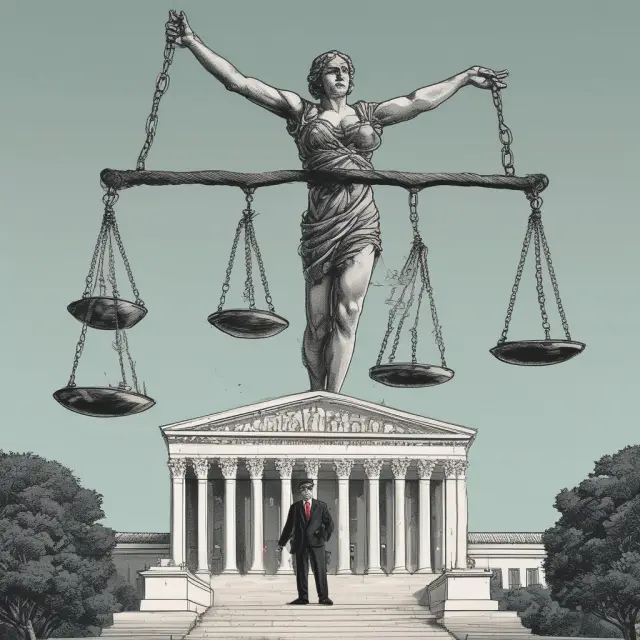
FAQ: Frequently Asked Questions About the Race to the Bottom
The term ‘race to the bottom’ refers to an intense competition between companies, states, or nations aimed at undercutting competitors by sacrificing ethical standards such as worker safety or reducing labor costs. This concept was first introduced by Supreme Court Justice Louis Brandeis in the Liggett v. Lee case (1933), where he pointed out that this competitive situation often goes beyond diligent efforts to improve and instead involves a race for laxity among competitors.
What causes the race to the bottom?
The primary driving force behind a race to the bottom is heightened competition, particularly in labor markets or industries seeking to grab market share. Companies may move manufacturing operations to locations with lower labor costs and fewer worker rights as part of this phenomenon.
Why is it called the ‘race to the bottom’?
The term ‘race to the bottom’ was coined by Supreme Court Justice Louis Brandeis, who described the competition as a result of cutthroat competition rather than diligence and improvement. This race can have significant negative consequences for those involved, such as harming the environment, public health, employee rights, and shareholders.
How does capitalism contribute to the race to the bottom?
Capitalism’s emphasis on competition between businesses to maintain profitability and employment often leads companies to engage in a race to the bottom by cutting costs, which can mean sacrificing quality or ethical standards in order to gain an advantage over competitors. This may result in negative externalities like pollution, waste, and other social issues.
What role do labor and wages play in the race to the bottom?
The term ‘race to the bottom’ is most commonly used in relation to labor markets and wage reductions. Companies seek to keep costs low and offer competitive products by reducing wages, often moving production overseas or pressuring suppliers to do so. While this may protect profit margins in the short-term, it can result in a downward spiral of competition and negatively impact workers.
How do governments contribute to the race to the bottom?
Governments may engage in a race to the bottom by offering tax incentives or relaxing regulations to attract business investments. This can lead to a competitive cycle where each jurisdiction tries to undercut the next, potentially sacrificing the public good in the process.
What are some negative consequences of the race to the bottom?
The race to the bottom can have far-reaching negative impacts, including damage to the environment, public health, employee rights, and shareholders. Additionally, the constant pressure to reduce costs may squeeze profit margins for businesses, potentially leading to poor quality goods or services that can harm their reputation and ultimately impact consumer demand.
What is an example of the race to the bottom in action?
The Rana Plaza disaster in Bangladesh in 2013 is a well-known example of the consequences of the race to the bottom. The building housed several garment factories producing goods for international brands, and its poor construction and lack of regulation led to the collapse that killed over 1,100 workers.
How can governments prevent the race to the bottom?
To prevent a race to the bottom, governments can implement stricter regulations and collaborate with other nations on global standards. This could involve increasing taxes or strengthening labor laws and environmental protections to create a level playing field for businesses while also safeguarding the public good.
 Next entry · No. 4,269Understanding Racketeering: A Comprehensive Guide to Illegal Business Operations
See also
-
 No. 5,926
19 Oct 2025
20 min
Understanding the Impact and Implications of Zoning Laws: A Comprehensive Guide for Institutional Investors
Business Strategy
No. 5,926
19 Oct 2025
20 min
Understanding the Impact and Implications of Zoning Laws: A Comprehensive Guide for Institutional Investors
Business Strategy -
 No. 5,785
07 Oct 2025
20 min
Working Control: The Influence of Minority Shareholders in Corporate Governance
Business Strategy
No. 5,785
07 Oct 2025
20 min
Working Control: The Influence of Minority Shareholders in Corporate Governance
Business Strategy -
 No. 4,816
19 Jul 2025
18 min
The Three Pillars of Sustainability: Economic, Environmental, and Social
Business Strategy
No. 4,816
19 Jul 2025
18 min
The Three Pillars of Sustainability: Economic, Environmental, and Social
Business Strategy -
 No. 4,734
12 Jul 2025
20 min
Stakeholder Management: Understanding the Various Interests Within a Company
Business Strategy
No. 4,734
12 Jul 2025
20 min
Stakeholder Management: Understanding the Various Interests Within a Company
Business Strategy -
 No. 4,641
05 Jul 2025
20 min
Understanding the Sharing Economy: Opportunities, Challenges, and Future Prospects
Business Strategy
No. 4,641
05 Jul 2025
20 min
Understanding the Sharing Economy: Opportunities, Challenges, and Future Prospects
Business Strategy -
 No. 4,625
03 Jul 2025
18 min
Understanding Special Economic Zones (SEZs): Facilitating Rapid Economic Growth through FDI Attraction
Business Strategy
No. 4,625
03 Jul 2025
18 min
Understanding Special Economic Zones (SEZs): Facilitating Rapid Economic Growth through FDI Attraction
Business Strategy