Understanding the Role and Impact of the Federal Trade Commission (FTC)
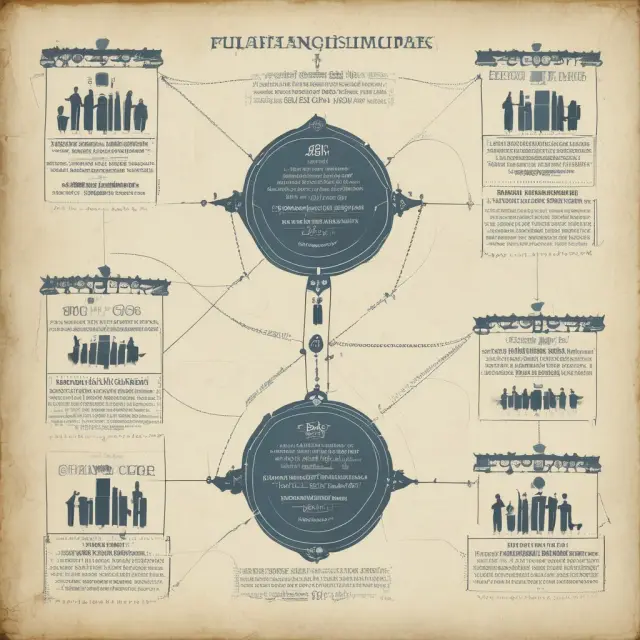
Discover the history, key laws, departments, roles, impacts, controversies, and future of the Federal Trade Commission in this comprehensive guide.
History and Background of the FTC
The Federal Trade Commission (FTC) is a vital federal agency tasked with protecting consumers and ensuring fair competition in the United States marketplace. Established by President Woodrow Wilson in 1914 as part of his trust-busting efforts, it initially focused on enforcing antitrust laws and preventing monopolistic practices. The FTC was created to replace the Bureau of Corporations, an earlier regulatory body responsible for monitoring business activities. Its core functions have evolved over time to include consumer protection, investigating fraud or false advertising, and addressing deceptive business practices.
The Federal Trade Commission’s origin can be traced back to the early 1900s when trust-busting became a significant concern. At that time, there was a growing awareness of monopolies’ negative impact on consumers and the economy. The Bureau of Corporations, created in 1903 by President Theodore Roosevelt, was one of the first attempts to address these concerns. It was tasked with ensuring businesses acted in the public interest. The success of the Bureau of Corporations led to the establishment of the FTC in 1914.
As the years passed, the Federal Trade Commission’s role expanded beyond antitrust law enforcement. Today, it is also responsible for protecting consumers from fraudulent and deceptive practices through the Bureau of Consumer Protection and monitoring proposed mergers through the Bureau of Competition. The FTC enforces a wide range of laws, including the Clayton Act, the Federal Trade Commission Act of 1914, and the premerger notification program, among others.
The agency’s core departments include the Bureau of Competition, which handles antitrust law enforcement, and the Bureau of Consumer Protection, which focuses on consumer protection matters. The Bureau of Economics provides research support to these two departments. Overall, the FTC plays a critical role in maintaining fair competition and ensuring consumers are protected from unscrupulous practices within the U.S. marketplace.
Understanding the Federal Trade Commission (FTC)
The Federal Trade Commission (FTC) is an independent, bipartisan agency that enforces non-criminal antitrust laws in the United States and protects consumers from predatory or misleading business practices. Lina Khan currently serves as its Chair. The primary objective of the FTC is to prevent anticompetitive behavior through its merger review process and enforcement actions. It also safeguards consumers against fraudulent, deceptive, and unfair business practices.
The Federal Trade Commission’s history can be divided into three main eras: 1) the early years (1915-1938), when it focused on antitrust enforcement; 2) the post-war era (1940-1972), when its focus shifted to consumer protection; and 3) the modern era (1973-present), during which it has combined both antitrust and consumer protection efforts.
The FTC’s activities include investigating fraud or false advertising, congressional inquiries, pre-merger notification filings, and enforcement actions against businesses that engage in unlawful practices. It handles scams and unfair business practices through the Bureau of Consumer Protection while discouraging anticompetitive behavior through the Bureau of Competition. The FTC’s jurisdiction covers a wide range of industries and practices, from automobiles to telemarketing to healthcare, making it a critical player in maintaining fair competition and protecting consumers in the U.S. marketplace.

Key Laws Governing the FTC
The Federal Trade Commission (FTC) has been an essential player in regulating competition and protecting consumers since its establishment in 1914 under the Federal Trade Commission Act. This act gave the agency extensive powers to address unethical business practices, anticompetitive behaviors, and consumer complaints.
Before the FTC was formed, there was the Bureau of Corporations, which was founded in 1903 and focused on ensuring businesses operated in the public’s best interest. The Federal Trade Commission Act built upon this foundation, expanding the government’s ability to address deceptive practices within various industries.
A crucial component of the FTC’s responsibilities revolves around antitrust law enforcement. One of its most significant accomplishments was preventing mergers and acquisitions that could potentially lead to a monopoly or stifle competition. Two key laws have shaped the FTC’s efforts in this area: The Clayton Act and the Hart-Scott-Rodino Antitrust Improvements Act.
The Clayton Act, passed in 1914, prohibited various forms of monopolistic practices, including price discrimination, tying arrangements, exclusive dealing, and mergers that could substantially reduce competition. This legislation served as the foundation for antitrust law, paving the way for the FTC’s enforcement activities.
In 1976, the Hart-Scott-Rodino Antitrust Improvements Act was introduced to strengthen the review process for mergers and acquisitions. Under this act, parties involved in transactions that exceed a specific threshold must submit premerger notification filings to both the FTC and the Department of Justice (DOJ). This process allows regulatory bodies to scrutinize proposed transactions for potential anticompetitive consequences and assess any necessary remedies before they are finalized.
The FTC’s consumer protection efforts also stem from significant legislation. For instance, the Federal Trade Commission Act of 1914 provided the agency with the power to prevent and punish fraudulent or deceptive business practices. Other laws, such as the Fair Credit Reporting Act and the Children’s Online Privacy Protection Act, further expanded the FTC’s consumer protection mandate.
Throughout its history, the Federal Trade Commission has played a pivotal role in enforcing antitrust laws and protecting consumers from fraudulent business practices. As the marketplace continues to evolve, it will be interesting to see how the FTC adapts to new challenges and upholds its mission.

Major Departments within the FTC
The Federal Trade Commission (FTC) is a significant government agency responsible for protecting consumers and upholding a competitive marketplace in the United States. It was established on August 27, 1914, by President Woodrow Wilson as part of his administration’s trust-busting efforts following the signing of the Federal Trade Commission Act of that same year. The FTC consists of five Commissioners, with one chairperson appointed by the current President and confirmed by the Senate for a seven-year term. As of August 2021, Lina Khan is serving as the Chair of the Federal Trade Commission (FTC).
The Federal Trade Commission comprises two primary departments: the Bureau of Competition and the Bureau of Consumer Protection. Each department focuses on distinct aspects of FTC activities, contributing significantly to its mission of preventing anticompetitive practices and protecting consumers from unfair or deceptive business conduct.
The **Bureau of Competition** plays a critical role in maintaining competition within various industries by reviewing mergers and acquisitions to ensure they do not result in anticompetitive behavior. It is responsible for enforcing federal antitrust laws, such as the Clayton Act and the Sherman Antitrust Act, which prohibit monopolistic practices and mergers that would create a monopoly or significantly lessen competition within an industry. The Bureau of Competition works closely with the Department of Justice (DOJ) on merger reviews, with both agencies issuing joint statements on major mergers that pose significant implications for consumers and markets.
The **Bureau of Consumer Protection** is dedicated to safeguarding consumers from various deceptive or unfair business practices. Its responsibilities include investigating allegations of false advertising, scams, fraudulent telemarketing, and identity theft. The Bureau of Consumer Protection also manages the U.S. National Do Not Call Registry, which enables consumers to opt-out of unsolicited sales calls, as well as the Telemarketing Sales Rule that regulates telemarketers’ conduct.
Together, these departments ensure the Federal Trade Commission effectively upholds its mission to protect consumers and foster a competitive marketplace. By addressing anticompetitive practices and consumer protection concerns, the FTC helps maintain fair business practices and encourages a dynamic, growing economy.

FTC’s Role in Antitrust Enforcement
The Federal Trade Commission (FTC) is a critical player when it comes to maintaining the competitive landscape of U.S. industries. Its primary role in antitrust enforcement includes preventing anticompetitive business practices through merger review and enforcement actions. This section will delve deeper into the FTC’s role, focusing on its efforts to preserve competition and protect consumers by enforcing antitrust laws.
Established in 1914, the Federal Trade Commission (FTC) was created as part of President Woodrow Wilson’s trust-busting campaign. The agency was tasked with enforcing non-criminal antitrust laws and ensuring a strong competitive market by preventing coercive monopolies and other anticompetitive practices. Over the years, its mandate has expanded to include consumer protection, as well as investigating fraud or false advertising, and dealing with complaints of unfair business practices.
The FTC is comprised of two primary bureaus: the Bureau of Competition and the Bureau of Consumer Protection. The Bureau of Competition focuses on merger review and enforcement actions, working in collaboration with the Department of Justice (DOJ). Their joint efforts are aimed at ensuring that proposed mergers do not negatively impact competition, ultimately protecting consumers from potential price increases or decreased product quality as a result of reduced competition.
The FTC’s antitrust enforcement powers include investigations into single companies or entire industries, seeking voluntary compliances via consent orders, and taking legal action through administrative complaints. These complaints can be heard by an administrative law judge (ALJ) and potentially escalated to the U.S. Court of Appeals and the Supreme Court, should parties choose to appeal.
The FTC’s role in antitrust enforcement is crucial because it helps maintain a competitive marketplace that encourages innovation and provides consumers with a variety of choices. By preventing mergers or business practices that may reduce competition, the agency safeguards consumers from increased prices and reduced product quality.
One notable example of the FTC’s antitrust efforts includes its 1984 crackdown on deceptive pricing in the funeral industry. The Federal Trade Commission Funeral Rule was established to require funeral homes to provide a written General Price List (GPL) detailing all prices for goods and services, making it easier for consumers to compare offerings and avoid being misled by hidden fees.
The FTC also addresses anticompetitive practices in industries such as healthcare and technology. For example, the FTC blocked the proposed acquisition of Palmyra Medical Center by Putney Memorial Hospital due to concerns about potential harm to consumers. This case went all the way to the Supreme Court, with the court ruling in favor of the FTC.
In conclusion, the Federal Trade Commission plays a vital role in ensuring fair competition and protecting consumers through its antitrust enforcement actions. By preventing anticompetitive business practices, such as mergers that may reduce competition, the FTC safeguards consumers from potential price increases and reduced product quality. As industries continue to evolve and consolidate, the FTC’s role remains crucial in maintaining a competitive marketplace for the benefit of consumers.

Consumer Protection Activities of the FTC
The Federal Trade Commission (FTC) plays a crucial role in protecting American consumers from various predatory business practices. Its Consumer Protection Division is responsible for enforcing laws against deceitful advertising, false claims, and fraudulent schemes. These activities are carried out by the Bureau of Consumer Protection (BCP), which focuses on four main areas: deceptive advertising, consumer identity theft, privacy, and Internet fraud.
Deceptive Advertising
One of the FTC’s primary functions is regulating deceptive advertising in various forms and industries to protect consumers from false claims. The FTC enforces laws against misrepresenting products or services in advertisements through its Truth in Advertising Rule, which covers both traditional media (such as television, radio, print) and digital channels (including social media, websites, and email).
Consumer Identity Theft
The FTC’s role in consumer identity theft protection is essential due to the increasing prevalence of data breaches and cyber threats. The agency offers resources and educational materials to help individuals safeguard their personal information and provides a dedicated Identity Theft Hotline (1-877-ID-THEFT) for reporting cases.
Privacy
The FTC also focuses on protecting consumer privacy through its Consumer Protection Rule, which covers sensitive data such as health and financial information. The rule enforces guidelines to ensure companies handle this data responsibly and provides consumers with control over their information.
Internet Fraud
With the rise of e-commerce, online transactions, and digital marketing, the FTC has become a crucial watchdog against Internet fraud. Its efforts include monitoring scams involving fake lotteries, work-at-home schemes, and other types of deceptive practices found on the web.
Examples of Successful Consumer Protection Actions
Since its inception, the Federal Trade Commission (FTC) has taken several notable actions to protect consumers from fraudulent practices. One significant example is the implementation of the FTC Funeral Rule in 1984, which required funeral homes to provide consumers with a written General Price List (GPL), outlining all prices for goods and services. This rule ensured transparency in an industry previously known for hidden fees.
In another case, the FTC cracked down on telemarketing scams in the 1990s through Project Telesweep, which targeted over 100 fictitious business opportunity scams. The agency’s efforts helped to prevent consumers from falling victim to these fraudulent schemes.
More recently, the FTC ordered e-commerce giant Amazon to pay a settlement of $61 million in 2021 for withholding customer tips given to delivery drivers between 2016 and 2018. The deception violated Amazon’s promise to customers that they would receive 100% of their tips, demonstrating the FTC’s continued commitment to holding businesses accountable for deceitful practices.
Filing a Complaint with the FTC
Consumers can file complaints with the Federal Trade Commission (FTC) regarding various deceptive business practices by visiting the FTC Consumer Complaint Center or calling 1-877-FTC-HELP. The information from submitted complaints is used to investigate fraud, unfair business practices, and scams.
In conclusion, the Federal Trade Commission (FTC) plays a critical role in protecting consumers from false advertising, fraud, identity theft, and privacy concerns. Its consumer protection activities have had a significant impact on various industries and have helped prevent countless consumers from falling victim to deceptive business practices. The FTC’s ability to enforce regulations and hold businesses accountable for their actions is essential in maintaining a fair and honest marketplace.

Notable Federal Trade Commission Actions
Since its inception, the Federal Trade Commission (FTC) has taken numerous significant actions aimed at protecting consumers and preventing anticompetitive business practices. In this section, we’ll delve into a few of these notable cases that have left an indelible impact on both the FTC and the businesses involved.
1984: The FTC Funeral Rule
In 1984, the FTC took action against deceptive pricing practices in the funeral home industry, resulting in the implementation of the FTC Funeral Rule. This regulation requires funeral homes to provide a written General Price List (GPL) to anyone requesting it. Funeral homes cannot deny customers access to this information, allowing consumers to make more informed decisions when planning funerals and memorial services.
1995: Project Telesweep
In the mid-1990s, the FTC launched Project Telesweep, a campaign against telemarketing scams involving over 100 fictitious business opportunities. By targeting these schemes, the FTC was able to protect consumers and prevent significant financial losses due to fraudulent practices.
Early 2000s: Healthcare Industry Enforcement
The FTC’s efforts extended into the healthcare industry, where it blocked a proposed acquisition of Palmyra Medical Center by Putney Memorial Hospital based on potential harm to consumers. This case reached the Supreme Court in 2013 and resulted in a favorable ruling for the FTC.
2021: Amazon Settlement
In 2021, e-commerce giant Amazon settled with the FTC over failure to pass on all customer tips to its Flex delivery drivers. The agreement required Amazon to pay more than $61 million as a settlement for misrepresenting that it passed on customers’ tips in full to these drivers.
These actions serve as a testament to the Federal Trade Commission’s dedication to protecting consumers and enforcing fair business practices. By taking a stand against anticompetitive behavior, the FTC continues to maintain a competitive marketplace for businesses while ensuring that consumers have access to accurate information when making purchasing decisions.
In conclusion, the Federal Trade Commission (FTC) is an essential regulatory body responsible for enforcing non-criminal antitrust laws and protecting consumers from predatory business practices in the United States. Established in 1914, this independent, bipartisan agency has evolved to address various concerns over time, with a focus on preventing anticompetitive behavior and ensuring a strong competitive market. In this section, we have explored some of the most significant FTC actions throughout its history, including the implementation of the FTC Funeral Rule, Project Telesweep, healthcare industry enforcement, and the Amazon settlement case.
By understanding the role and impact of the Federal Trade Commission, consumers and businesses alike can make more informed decisions and maintain confidence in the fairness and transparency of the U.S. marketplace.

Filing a Complaint with the FTC
The Federal Trade Commission (FTC) is an independent agency tasked with protecting consumers and ensuring fair competition in the American marketplace. Filing a complaint with the FTC can be an essential step for individuals seeking redress from unfair or deceptive business practices, false advertising, or identity theft. This section will outline the process of filing a complaint with the Federal Trade Commission, including available methods and potential outcomes.
Submitting a Complaint: Consumers may file complaints with the FTC via the agency’s website (ftc.gov) or by calling the FTC Hotline at 1-877-FTC-HELP (382-4357). The FTC also maintains dedicated hotlines for identity theft complaints (1-877-ID-THEFT), telemarketing calls, and do-not-call registrations (1-888-382-1222).
What Information to Provide: When filing a complaint with the FTC, it’s essential to be as detailed as possible. Include your name, contact information, and a thorough description of the issue at hand, including the company or individual involved, dates, and any relevant documentation. It is also important to note that you may submit your complaint anonymously. However, providing your contact information allows the FTC to follow up with you for additional details if necessary.
The Investigation Process: Once a complaint is submitted, the FTC shares it with over 3,000 law enforcement agencies across the country. The agency gathers information from these complaints to create reports, which are used to investigate fraud, unfair business practices, and scams. After an investigation, the FTC may take several actions:
- Administrative Complaint: If evidence of a violation is found, the FTC can issue an administrative complaint against the company or individual. This action typically results in a consent decree, which requires the offending party to cease the deceptive practice and pay a monetary penalty.
- Federal Litigation: In some cases, the FTC may file a lawsuit against the offender in federal court.
- Voluntary Compliance: The FTC may offer voluntary compliance for offenders, allowing them to rectify their actions without facing litigation.
- No Action: If no violation is found, the FTC will close the investigation and not take any further action.
Consumer Education and Resources: In addition to handling complaints, the FTC offers extensive educational resources for consumers, including publications on various consumer protection topics, such as identity theft, scams, and fraud. The agency also operates several online tools, like the National Do Not Call Registry, which enables consumers to prevent unwanted telemarketing calls, and the Consumer Complaint Database, where individuals can view and submit complaints against specific companies or industries.
Conclusion: Filing a complaint with the Federal Trade Commission is an effective way for consumers to report suspected deceptive business practices, false advertising, or identity theft. The FTC investigates each complaint carefully and uses the data to protect consumers and ensure fair competition in the marketplace. By providing detailed information when filing a complaint, consumers can help expedite the process and contribute to the FTC’s mission of preventing consumer harm.

The Impact of the FTC on U.S. Economy
Established in 1914 as part of President Woodrow Wilson’s trust-busting efforts, the Federal Trade Commission (FTC) has played a crucial role in safeguarding consumers and preserving fair competition within the US economy for over a century. While it initially focused on enforcing antitrust laws and preventing monopolistic practices under the Clayton Act, the FTC’s responsibilities have since expanded to include consumer protection and addressing various deceptive or predatory business practices.
The FTC’s efforts in antitrust enforcement have had significant impacts on U.S. industries and businesses by ensuring that mergers do not stifle competition or result in increased prices for consumers. By reviewing proposed mergers with the Department of Justice, the Bureau of Competition prevents potentially harmful combinations from taking place. This proactive approach has contributed to a more competitive business landscape, fostering innovation and economic growth.
Moreover, the FTC’s consumer protection activities have provided relief to countless American consumers affected by scams, fraudulent practices, false advertising, and other deceptive business tactics. For instance, the establishment of the FTC Funeral Rule in 1984 required funeral homes to offer a written General Price List (GPL), ensuring transparency for consumers when it comes to funeral prices. This regulation has helped prevent price gouging and ensured that consumers make informed decisions regarding their funeral arrangements.
The FTC’s regulatory influence extends beyond specific industries, as its impact can be felt across various sectors of the U.S. economy. By implementing regulations, conducting investigations, and enforcing rules against unfair or deceptive practices, the FTC has demonstrated its commitment to protecting consumers and ensuring fair business practices. This steadfast dedication to consumer welfare and competition has contributed to an overall stronger, more competitive American economy.
However, despite the FTC’s critical role in safeguarding consumers and fostering a competitive marketplace, it has faced criticisms and challenges over its power and effectiveness. Critics argue that the agency needs to be more transparent, more efficient, or have more resources to effectively address modern business practices and consumer concerns. As technology continues to evolve, the FTC’s responsibilities will only grow in complexity, requiring a flexible and innovative approach from its leadership.
In conclusion, the Federal Trade Commission (FTC) has had a profound impact on the U.S. economy by enforcing antitrust laws, preventing monopolies, and protecting consumers from fraudulent practices and false advertising. As we move forward in an increasingly complex business environment, the FTC’s role will remain crucial to ensuring a fair, competitive, and transparent marketplace.

Criticisms and Controversies Surrounding the FTC
Since its inception, the Federal Trade Commission (FTC) has faced several criticisms and controversies over the years regarding its power and effectiveness. This section examines some of the main concerns and debates surrounding the FTC.
Power and Independence
One major criticism against the FTC is its lack of enforcement power and independence. The agency, despite its regulatory role in preventing anticompetitive practices and protecting consumers, does not have the authority to levy fines or penalties directly. Instead, it relies on the courts to enforce its rulings. Some argue that this dependence on the court system weakens the FTC’s position when dealing with powerful corporations.
Another controversy lies in the political nature of the Commission itself. With five commissioners appointed by the President and confirmed by the Senate, there is a possibility for partisan influences to impact the decisions made by the FTC. In this regard, critics argue that the FTC lacks the stability and consistency needed to effectively enforce its regulations.
Effectiveness
Another criticism leveled against the FTC concerns its ability to keep up with technological advancements and changing markets. With industries like technology, biotech, and fintech evolving rapidly, it can be challenging for the FTC to stay ahead of emerging issues that may require regulatory intervention. Additionally, the FTC’s limited resources often necessitate a reactive approach rather than a proactive one.
Moreover, critics argue that the agency is overly focused on enforcement actions and should prioritize education and consumer protection instead. Some also contend that the FTC fails to adequately address long-term issues affecting consumers, such as privacy concerns and data security.
Regarding its merger review process, there are criticisms of inconsistency and unpredictability in the FTC’s decision making. For example, some argue that the agency has been too lenient on certain mergers while aggressively challenging others, leaving many uncertain about how the FTC will approach future mergers.
In response to these concerns, the FTC has taken steps to improve its processes and strengthen its enforcement capabilities. For example, it has launched initiatives like Project Let’s Get It Right, which focuses on improving the agency’s enforcement process by increasing efficiency, consistency, and transparency. Additionally, the FTC has been working to adapt to new technologies and industries, such as fintech and digital advertising, through the creation of new bureaus or task forces.
Conclusion
In conclusion, despite its achievements in protecting consumers and ensuring a strong competitive market, the Federal Trade Commission (FTC) faces several criticisms and controversies regarding its power and effectiveness. By examining these concerns, it becomes clear that the FTC plays an essential role in shaping the economic landscape of the United States but also faces significant challenges in staying relevant in today’s rapidly changing business environment. It is crucial for the agency to continue adapting, learning from past mistakes, and addressing criticisms constructively to remain effective in its mission.

Future of the FTC in a Changing Marketplace
As technology advances at an unprecedented pace, the Federal Trade Commission (FTC) is facing several challenges that require innovative solutions. This section discusses some of these challenges and possible responses from the FTC to ensure its effectiveness in the ever-evolving marketplace.
1. The Impact of Big Data on Advertising
The increased availability of personal data presents both opportunities and challenges for businesses and consumers alike. While targeted advertising can improve consumer experience, it also raises concerns regarding data privacy. In response, the FTC has revised its COPPA (Children’s Online Privacy Protection Act) rules to include data collected outside of websites or apps that are directed towards children under 13 years old. The agency is also monitoring developments in adtech and may issue further updates to its guidelines as needed.
2. Consumer Expectations for Personalized Services
Consumers increasingly demand personalized services, from targeted ads to custom recommendations based on their browsing history or past purchases. However, this shift towards more tailored experiences can lead to the collection of vast amounts of data and increased privacy concerns. The FTC is working closely with other regulatory bodies, such as the Federal Communications Commission (FCC) and the European Union’s Data Protection Regulation, to ensure that businesses comply with privacy regulations while providing consumers with personalized offerings.
3. The Role of Artificial Intelligence and Machine Learning
Artificial intelligence (AI) and machine learning (ML) are transforming industries from healthcare to finance, making it crucial for the FTC to understand the implications of these technologies on consumers. The potential risks include biased algorithms, privacy concerns, and deceptive use of AI in advertising. To address these challenges, the FTC is working with stakeholders to develop guidelines that promote transparency and fairness in the use of AI and ML.
4. Addressing the Evolving Nature of Scams and Deception
Fraudsters are continuously adapting their tactics to exploit new technologies, such as social media platforms or mobile applications. To stay ahead of these threats, the FTC is investing in advanced analytics and data-driven methods for detecting and preventing scams. Moreover, the agency is collaborating with law enforcement agencies, industry groups, and technology companies to improve information sharing and coordination efforts.
5. Ensuring Fair Competition in a Digital Economy
The rise of digital markets has led to increased competition concerns, particularly in industries such as social media, search engines, and e-commerce platforms. The FTC is working closely with other antitrust authorities to address these issues through the promotion of fair competition policies that support innovation while protecting consumers from anticompetitive practices.
In conclusion, the Federal Trade Commission’s role in safeguarding consumers and ensuring a competitive marketplace remains as vital today as it was when it was first established over a century ago. By addressing the challenges outlined above and embracing new technologies and collaborative efforts, the FTC is well-positioned to continue its mission in an increasingly complex economic landscape.

Frequently Asked Questions (FAQ)
What is the Federal Trade Commission (FTC)?
Answer: The Federal Trade Commission (FTC) is an independent U.S. government agency established to protect consumers and ensure a strong competitive market through enforcing non-criminal antitrust laws and preventing anticompetitive business practices.
What are the main responsibilities of the FTC?
Answer: The primary roles of the Federal Trade Commission include investigating fraud or false advertising, handling complaints, and reviewing mergers and acquisitions to prevent anticompetitive behavior. It also provides educational materials on consumer protection topics and conducts research through the Bureau of Economics.
What legislation governs the FTC’s activities?
Answer: The Federal Trade Commission (FTC) was established under the Federal Trade Commission Act of 1914, which prohibits anticompetitive business practices. The agency’s jurisdiction includes enforcing consumer protection laws and regulations such as the Clayton Act.
How does the FTC protect consumers?
Answer: The Federal Trade Commission (FTC) protects consumers by preventing fraudulent, deceptive, or unfair business practices through investigations, enforcement actions, and educational initiatives. Consumers can file complaints with the FTC for potential infringements on their rights.
What is the role of the Bureau of Competition?
Answer: The Bureau of Competition within the Federal Trade Commission (FTC) reviews mergers to ensure they do not violate antitrust laws and pose a threat to competition in the marketplace. It also handles litigation related to anticompetitive practices.
How can I file a complaint with the FTC?
Answer: Consumers can submit complaints to the Federal Trade Commission (FTC) online at ReportFraud.ftc.gov or by calling the FTC’s Consumer Response Center at 1-877-FTC-HELP. The FTC also maintains various hotlines for specific complaint types, such as identity theft and telemarketing complaints.
What happens after I file a complaint with the FTC?
Answer: Once a complaint is submitted, it’s shared with more than 3,000 law enforcers nationwide to help investigate potential fraud or unfair business practices. The Federal Trade Commission uses the data gathered from complaints to create reports and identify trends that inform enforcement actions and policy decisions. If further action is warranted, the FTC may contact you for additional information or notify you of any developments in your case.
 Next entry · No. 1,694Funds Transfer Pricing (FTP) in Banking: What It Is and How the FTP Rate Works
See also
-
 No. 1,102
28 Jul 2024
25 min
Understanding the Dodd-Frank Wall Street Reform and Consumer Protection Act: Key Provisions, Impact, and Criticisms
Finance Policy
No. 1,102
28 Jul 2024
25 min
Understanding the Dodd-Frank Wall Street Reform and Consumer Protection Act: Key Provisions, Impact, and Criticisms
Finance Policy -
 No. 5,578
20 Sep 2025
19 min
Waiver of Exemption: Understanding Its History and Modern Regulations in Finance and Investment
Business Finance
No. 5,578
20 Sep 2025
19 min
Waiver of Exemption: Understanding Its History and Modern Regulations in Finance and Investment
Business Finance -
 No. 5,129
14 Aug 2025
21 min
Understanding UDAAP: Unfair, Deceptive, or Abusive Acts or Practices in Finance
Consumerism
No. 5,129
14 Aug 2025
21 min
Understanding UDAAP: Unfair, Deceptive, or Abusive Acts or Practices in Finance
Consumerism -
 No. 5,020
05 Aug 2025
23 min
Trade Secrets: Understanding the Economic Value of Confidential Business Information
Intellectual Property & Business Law
No. 5,020
05 Aug 2025
23 min
Trade Secrets: Understanding the Economic Value of Confidential Business Information
Intellectual Property & Business Law -
 No. 1,357
04 Sep 2024
19 min
Understanding the European Banking Authority (EBA) and Its Role in Ensuring Financial Stability in the EU
Business Finance
No. 1,357
04 Sep 2024
19 min
Understanding the European Banking Authority (EBA) and Its Role in Ensuring Financial Stability in the EU
Business Finance -
 No. 1
24 Feb 2024
23 min
Navigating the Core of America’s Financial Stability: The Federal Reserve Act of 1913
Finance History
No. 1
24 Feb 2024
23 min
Navigating the Core of America’s Financial Stability: The Federal Reserve Act of 1913
Finance History