Understanding the Role and Significance of Remittances in Global Economies

Explore the role, significance, methods, regulations, and impact of remittances on economies worldwide.
Definition and Origin of Remittances
The term “remittance” generally refers to the transfer of money from an individual, organization, or entity to another. However, this definition broadly applies to any payment or settlement for a service or debt, including payments on invoices or bills. The most common application of remittances is the money sent by foreign workers back to their home countries as financial assistance for their families.
The origin of remittances can be traced back to ancient Rome when soldiers were paid in gold and sent to far-off provinces, sending a portion of their earnings to their families. The practice gained momentum during the Industrial Revolution when labor migration became more common. Today, remittances have become an essential source of income for individuals and economies in low-income and developing countries.
In 2021, global remittances reached $605 billion, surpassing foreign direct investment and official development assistance to these countries. The World Bank’s Migration and Development Brief reports that remittance volumes have been steadily increasing since the late 1990s, making them a vital contributor to the economic growth of many countries.
Understanding Remittances: A Key Economic Phenomenon
While most people associate remittances with foreign workers and their families, they play an essential role in the global economy, especially for developing nations. In 2021, $605 billion in remittances were sent to low- and middle-income countries, representing a significant portion of their total income.
Remittances are typically sent using electronic payment systems through banks or electronic money transfer services like Western Union or PayPal. They can also be sent via physical channels such as money orders or cash delivered personally. Remittance fees vary depending on the service provider and method used, with digital channels often offering lower costs than traditional bank transfers.
Impact of Remittances: Supporting Livelihoods and Economies
Remittances not only provide essential financial support to families but also help boost economic development in recipient countries. By sending money back home, migrant workers contribute to the growth of local businesses and industries. Furthermore, remittances help promote financial inclusion by enabling recipients to open bank accounts and access formal financial services.
Despite their positive impact, there are concerns regarding the potential use of remittances for illicit activities, such as money laundering and terrorism financing. To address these concerns, regulatory agencies worldwide have implemented strict Anti-Money Laundering (AML) and Know Your Customer (KYC) measures to ensure that remittance transactions remain transparent and secure.
In conclusion, understanding the role and significance of remittances is crucial for individuals, businesses, and governments alike. With their increasing importance in global finance, it is essential to stay informed about the latest trends, implications, and regulatory developments related to this vital financial phenomenon.
Significance of Remittances in Global Economies
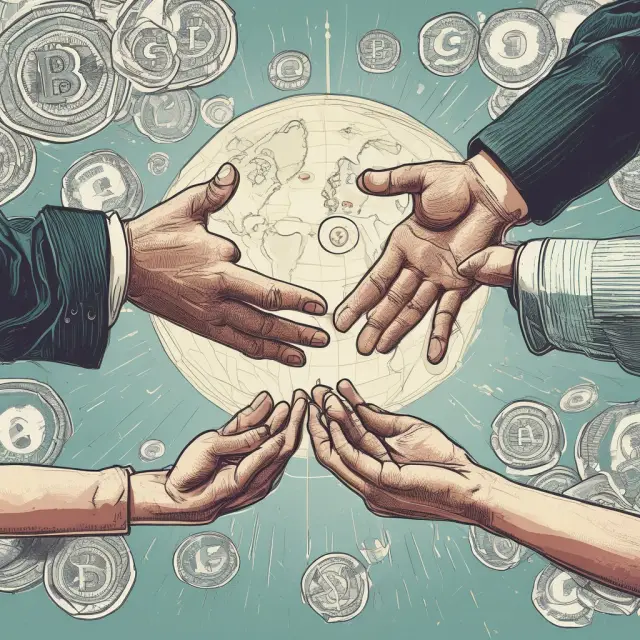
A significant portion of the global economy hinges on remittances, which represent money sent from an individual to another, often across borders. The term “remittance” most commonly refers to funds transferred by migrant workers to their families back home. Remittances have emerged as a critical source of income for many individuals and economies around the world, with the amounts often exceeding development aid and foreign investment in certain countries.
In today’s globalized world, migrants can easily send remittances using electronic payment systems or services, such as banks, electronic money transfer providers like Western Union, or digital platforms like PayPal and WorldRemit. These methods allow for swift transactions, often within minutes, and provide convenience for both the sender and recipient.
The importance of remittances can be observed in developing countries, where they contribute significantly to economic development and poverty alleviation. For instance, according to the World Bank’s Migration and Development Brief, remittances to low- and middle-income countries amounted to $508 billion in 2020 and are expected to reach $630 billion in 2022. These amounts dwarf foreign direct investment and development assistance, making remittances a crucial source of financial support.
Moreover, remittances play an essential role in raising the standard of living for individuals and families, especially in regions with weak economies and limited employment opportunities. They help to finance education, healthcare, housing, and daily expenses, leading to improved overall well-being and reducing poverty levels.
However, international remittances are not without their challenges. For example, high fees associated with sending money abroad can significantly reduce the amount that reaches the recipient. While digital platforms have driven down fees in recent years, traditional banking methods often charge steep fees for cross-border transactions. Additionally, concerns regarding money laundering, terrorism financing, and other illicit activities persist, leading to increased regulation and oversight from financial authorities.
Despite these challenges, remittances will continue to play a significant role in the global economy. They serve as a bridge between families, communities, and countries, fostering connections across borders and providing much-needed financial support for millions of individuals worldwide.

How to Send a Remittance
A remittance refers to the transfer of funds from an individual, often an overseas worker, to their family members in their home country. To send a remittance, various methods can be employed including banks, electronic money transfer services such as Western Union or Wise (formerly TransferWise), and even international money orders through U.S. Postal Service.
Banks and Credit Unions: Individuals can visit their bank or credit union to initiate a wire transfer or Automated Clearing House (ACH) transfer. The former is a swift transaction where the funds are available in the recipient’s account within minutes, but it comes with hefty fees. The latter is a low-cost alternative for consumers, especially when the remittance goes directly into the recipient’s account.
Online Services: Money transfer services such as Western Union and Wise offer a convenient way to send international remittances. They allow users to send money online or in person with minimal processing time. Fees vary based on the service provider and transfer method, but they are generally lower than those charged by banks.
Money Orders: For those who prefer a more traditional approach, international money orders can be sent via U.S. Postal Service. The sender visits their local post office to purchase a money order in the desired amount and pays the fee (up to $49.65 for issuing). Recipients then cash the money order or deposit it directly into their bank account.
Remittance Fees: Sending remittances comes with fees that vary depending on the service provider, transfer method, and exchange rates. Banks charge high fees, particularly for international transfers, while digital channels and money transfer services typically offer lower costs. For example, Wise charges a small flat fee ($4.15) plus a variable percentage of the transfer amount (0.47%) for currency conversion.
Cost Comparison: The global average cost of sending a $200 remittance in Q1 2021 was 6.4%, with banks charging significantly more than digital channels or money transfer services. However, fintech companies like Payoneer, Wise, and WorldRemit are forcing down fees through technological advancements and increased competition.
Regulation and Compliance: Regulatory agencies monitor remittances to prevent illicit activities such as money laundering and terrorism financing. Financial institutions must comply with Anti-Money Laundering (AML) and Know Your Customer (KYC) regulations when processing international transfers. These checks may add extra steps to the transfer process, increasing transaction times and fees.
In conclusion, remittances play a crucial role in economies worldwide by providing essential financial support for millions of families in low-income and developing countries. Understanding how to send a remittance involves choosing from various options – banks, online services, or money orders – and being aware of associated fees and compliance requirements. By exploring these methods and their implications, we can ensure a smooth and cost-effective transfer process that maximizes the impact of this vital financial lifeline.

Impact on Developing Countries
The impact of remittances on developing countries cannot be overstated. These financial inflows have played a crucial role in lifting millions out of poverty and stimulating economic growth in numerous nations. In fact, according to the World Bank, remittances represent one of the largest sources of foreign income for many countries, surpassing both official development assistance (ODA) and foreign direct investment (FDI).
The significance of these funds is most notable in the context of low-income and developing nations. In 2021, it was estimated that remittances to such economies amounted to $605 billion. This is a substantial increase from the $548 billion recorded in 2019 and significantly exceeds the ODA and FDI these countries receive. Furthermore, remittances often serve as a lifeline for individuals and families facing economic adversity, providing essential resources for basic needs such as food, shelter, education, and healthcare.
One notable example of remittance’s impact is Mexico, which received over $36 billion in 2021 from its diaspora working abroad. This amount surpassed the country’s oil exports and significantly bolstered its economy. Similarly, India was the largest recipient of remittances in 2021 with $89 billion, highlighting their importance in addressing poverty and fostering economic development.
Remittances not only provide immediate financial assistance but also contribute to longer-term economic progress by promoting financial inclusion. Many recipients use these funds to open bank accounts, increasing access to formal financial services and strengthening the financial infrastructure of their respective countries. This, in turn, supports broader efforts to expand financial services to unbanked populations and foster greater financial literacy among the populace.
Despite their many benefits, remittances have also been subject to scrutiny due to potential linkages with illicit activities such as money laundering and terrorist financing. While it is crucial to ensure that these funds are not being used for nefarious purposes, it is essential to recognize that the vast majority of remittance transactions serve legitimate purposes and contribute significantly to economic progress in developing countries.
In conclusion, remittances play a vital role in the lives of millions living in low-income and developing countries by providing essential financial resources and contributing to longer-term economic growth. Understanding their importance requires recognizing the unique challenges these economies face and the significant ways in which remittances help mitigate these issues, ultimately fostering more stable and prosperous communities.

Regulation and Compliance
Understanding the regulatory landscape for international remittances is essential for individuals and businesses involved in cross-border transactions. The primary regulations that impact remittances are Anti-Money Laundering (AML) and Know Your Customer (KYC).
Anti-Money Laundering (AML) regulations were put into place to prevent illegal activities, such as money laundering and terrorism financing, from being conducted through financial transactions. These regulations require financial institutions to verify the identity of their customers and ensure that they are not facilitating any illicit activity. In the context of remittances, these rules mean that senders will be asked to provide identification when setting up a transfer through a bank or other financial institution.
Know Your Customer (KYC) is another critical regulatory aspect for remittance transactions. KYC regulations aim to ensure that financial institutions have a clear understanding of their customers, including their identity and risk profile. This information is essential for mitigating potential risks associated with money laundering and terrorist financing. In the case of remittances, both senders and recipients may be required to provide personal information during the transaction process.
It’s important to note that these regulations apply not only to formal financial channels, such as banks and other financial institutions, but also to digital platforms like money transfer services and cryptocurrency exchanges. In recent years, there have been increasing efforts to strengthen regulatory frameworks for digital remittance providers to ensure they are adhering to AML and KYC guidelines, ensuring a safer and more transparent system for all involved parties.
In conclusion, the regulatory landscape for international remittances plays a crucial role in maintaining the integrity of financial systems and preventing illicit activities. As the volume and value of cross-border transactions continue to grow, it’s essential that both senders and recipients understand the importance of AML and KYC regulations and remain vigilant in working with reputable service providers.

Economic and Financial Impact of Remittances
One significant aspect of the role and importance of remittances in global economies lies in their broader economic implications, which extend beyond individual families and recipients. In this section, we discuss how remittances affect markets, exchange rates, and trade.
Remittances as a Source of External Finance
For many developing countries, remittances represent a crucial source of external finance that often surpasses both foreign direct investment (FDI) and official development assistance (ODA). In 2021, remittances to low- and middle-income countries amounted to $605 billion, compared to $439.7 billion in FDI flows and $158.8 billion in ODA commitments. This trend is particularly prominent in regions like Latin America and the Caribbean, where remittances account for a substantial portion of Gross Domestic Product (GDP).
Effect on Exchange Rates and Trade
Remittances can impact exchange rates by increasing the supply of foreign currency, leading to potential appreciation or depreciation depending on various factors. For instance, in countries with large remittance inflows and relatively closed economies, exchange rate appreciation could potentially negatively affect export competitiveness. However, in more open economies, the effect may be mitigated by adjustments in other sectors or the flexibility of exchange rates.
Market Implications
In addition to their macroeconomic impact, remittances can also have implications for financial markets. For example, they could influence interest rates and bond yields, as well as lead to increased financial literacy and inclusion, especially in rural areas where access to formal financial services may be limited. Furthermore, the remittance market has seen significant changes due to technological advancements, with fintech platforms such as PayPal, Wise (formerly TransferWise), and WorldRemit gaining popularity for their lower fees and convenience.
Disaster Relief
Another important aspect of remittances is their role in disaster relief efforts. In the aftermath of natural disasters or conflict situations, remittances often serve as a crucial lifeline for families and communities by providing much-needed financial assistance, sometimes even surpassing official humanitarian aid.
Concerns and Challenges
Despite their benefits, remittances are not without challenges and concerns, including high fees, regulatory issues related to Anti-Money Laundering (AML) and Know Your Customer (KYC), and potential links to illicit activities such as money laundering and terrorism financing. Addressing these concerns and finding effective solutions is crucial for ensuring the safety, efficiency, and legitimacy of the remittance market.
In conclusion, understanding the economic and financial implications of remittances is essential in appreciating their significance in global economies. Remittances play an increasingly important role as a source of external finance, have implications for exchange rates and trade, and can impact financial markets. Furthermore, advancements in technology have led to increased competition and innovation, resulting in lower fees and more convenient services. However, challenges remain, such as regulatory issues and potential illicit activities, which must be addressed to ensure the long-term sustainability and growth of this vital financial instrument.

Historical Trends and Future Predictions
Since the late 1990s, remittances have emerged as a significant source of income for people in low-income and developing countries. In fact, they surpass both foreign direct investment (FDI) and official development assistance (ODA) in many cases, becoming a vital lifeline for individuals and economies alike. Let’s delve into the historical trends and future predictions for this vital financial phenomenon.
Historical Trends
In 2000, global remittances stood at $135 billion, growing steadily to reach $442 billion in 2010 (World Bank). This trend continued, with the total hitting an all-time high of $548 billion in 2019. However, the Covid-19 pandemic led to a decline, with remittances dropping to $508 billion in 2020 and then recovering slightly to $605 billion in 2021 (World Bank Migration and Development Brief).
The impact of these trends extends beyond just numbers. For instance, remittances helped lift over 13 million people out of poverty between 2009 and 2011 alone (World Bank). Furthermore, they are often used as a buffer during economic crises, such as the one precipitated by the pandemic.
Future Predictions
Despite challenges posed by the global health crisis, remittances are expected to grow in the near future. According to the World Bank, global remittances could reach $630 billion in 2022 and continue climbing. This growth is due to a recovering global economy, increasing wages for migrant workers, and advancements in digital technologies.
Advancements in fintech have made sending remittances more convenient, cheaper, and accessible, especially during the pandemic. Companies like Wise (formerly TransferWise), Payoneer, and WorldRemit offer low-cost international transfers, while services like PayPal and Cash App have expanded their reach to facilitate cross-border payments.
The use of digital channels is also becoming more widespread, as people turn to contactless methods to minimize physical interactions during the pandemic. The World Bank reports that digital remittances grew by 23% in 2020 compared to the previous year. This trend is expected to continue as more countries improve their regulatory frameworks and financial institutions embrace technology.
In conclusion, historical trends show that remittances have long been a crucial source of income for individuals and economies in need. Future predictions indicate continued growth fueled by technological advancements, improving economic conditions, and the increasing popularity of digital channels. As this trend continues, it will be essential to explore the implications of these changes on financial inclusion, poverty reduction, and economic development.

Impact on Financial Inclusion
The importance of financial inclusion is undeniable, as it allows individuals and communities to access essential banking services, improve their living conditions, and participate in economic opportunities. One critical aspect of promoting financial inclusion is addressing the issue of cross-border remittances. Remittances play a significant role in expanding financial inclusion, particularly in developing countries. They represent a substantial source of income for people in low-income nations and help combat global poverty, often surpassing both foreign direct investment and official development assistance.
According to the World Bank’s Migration and Development Brief, remittances sent to low- and middle-income countries reached a record $630 billion in 2022—an increase from the previous year despite the economic impact of the Covid-19 pandemic. This figure is larger than the combined inflows of foreign direct investment and official development assistance, making remittances an essential financial lifeline for many families.
Moreover, remittances help promote financial inclusion by facilitating access to banking services. In some developing countries, formal financial institutions are not readily available or accessible to the population, especially in rural areas. Remittances can be used to open bank accounts and enable individuals to engage in transactions that were previously impossible. This is particularly important for those living in less developed nations, as it helps them participate more fully in the global economy and improve their standard of living.
The impact of remittances on financial inclusion extends beyond individual households. They also have a positive effect on local economies, stimulating economic growth through increased spending on goods and services. By improving access to financial services and promoting economic development, remittances contribute significantly to the overall prosperity of developing countries.
However, it’s important to acknowledge that remittances can also pose challenges. One major concern is their potential connection to illicit activities such as money laundering or terrorism financing. The financial system must be adequately regulated and monitored to mitigate these risks while ensuring the free flow of legitimate funds.
In conclusion, understanding the role and significance of remittances in global economies requires a deep dive into their historical context, methods for sending them, impact on developing countries, regulation and compliance, economic implications, and future trends. By exploring each of these aspects, we can gain a more comprehensive perspective on this vital financial phenomenon that has the power to change lives and contribute to the development of nations.

Remittances and Crime
One significant concern surrounding international remittances is their potential connection to illicit activities, such as money laundering and terrorism financing. While the majority of remittances are legitimate transactions, financial intelligence agencies continue to scrutinize this flow of funds due to its sheer size and ease of movement across borders.
Money laundering involves disguising the proceeds from illegal activities as legitimate income. Remittance transfers can serve as an effective tool for money laundering because they do not require extensive documentation or oversight compared to traditional financial transactions such as opening bank accounts or investing in real estate. This makes it easier for criminals to hide their ill-gotten gains in the complex web of international finance.
Terrorism financing is another concern, as remittances can be used to support terrorist organizations that seek to destabilize governments and commit acts of violence. Financial intelligence agencies work tirelessly to track these transactions and prevent them from reaching their intended targets.
Regulation and Compliance:
The increasing focus on preventing money laundering and terrorism financing has led to stricter regulations for international remittances. The Financial Action Task Force (FATF) sets the global standards for anti-money laundering (AML) and counter-terrorism financing (CTF). Countries must comply with these standards to be considered “compliant” or “largely compliant,” which can impact their reputation in the international financial community.
Know Your Customer (KYC) regulations are a crucial component of AML/CTF efforts. They require financial institutions and money transfer services to verify the identity of their customers before processing transactions. This includes collecting identification documents such as passports, driver’s licenses, or national ID cards. The KYC process can be time-consuming and costly for both businesses and consumers, but it helps ensure that illicit funds are not being transferred across borders.
Anti-Money Laundering (AML) software and tools are essential to help financial institutions identify suspicious transactions and comply with AML/CTF regulations. These systems analyze transaction data and identify patterns that may indicate money laundering or other financial crimes. Some countries even have laws requiring remittance companies to register with their national authorities, undergo regular audits, and maintain detailed records of all transactions.
Economic and Financial Impact:
International remittances can have significant economic and financial implications. They often play a critical role in stabilizing economies that are heavily reliant on these inflows. For example, when workers in developed countries lose their jobs due to recessions or other economic downturns, the resulting drop in remittances can lead to decreased consumption and production in recipient countries.
Remittances also impact exchange rates and trade between countries. When large amounts of funds are transferred from a country with a strong currency to one with a weaker currency, it can cause fluctuations in exchange rates. In some cases, this can have negative consequences for the import/export industries in the affected countries.
Historical Trends and Future Predictions:
The future of international remittances looks promising, as advances in technology continue to make transactions faster, cheaper, and more secure. According to a report by Statista, the global value of cross-border remittances is expected to reach $741 billion by 2026. The use of digital wallets and cryptocurrencies for international transactions will likely drive this growth, as these methods offer greater convenience and lower transaction costs compared to traditional banking channels.
However, regulatory challenges remain a significant hurdle for the remittance industry. As governments strive to combat money laundering and terrorism financing, they may impose stricter regulations on international transactions. This could make it more difficult and expensive for individuals and businesses to send remittances across borders, potentially limiting their economic benefits.
FAQs about Remittances:
What is the difference between a remittance and a wire transfer?
A remittance refers to the actual amount of money sent from one person or entity to another. A wire transfer is a method for sending that money electronically through a financial institution.
Can I send remittances anonymously?
No, it is illegal to send anonymous international remittances due to anti-money laundering and counter-terrorism financing regulations.
What are some common fees for sending an international remittance?
Fees for sending international remittances vary depending on the provider and service used. They can range from a flat fee to a percentage of the transfer amount, with additional fees for currency conversion if applicable.
How long does it take for an international remittance to reach its destination?
The time it takes for an international remittance to reach its destination depends on the method used and the countries involved in the transaction. In some cases, funds can be transferred instantly, while in others it may take several days or even weeks.
Are there any tax implications for sending or receiving international remittances?
Tax laws regarding international remittances vary by country. It is important to consult with a tax professional or financial advisor to understand the potential tax implications for your specific situation.

FAQs about Remittances
What exactly is a remittance?
A remittance is the transfer of money from an individual in one country to another, usually by someone working abroad who wants to send funds back home. The term has its roots in the Latin verb “remittere,” which means “to send back.”
How common are international remittances?
They represent a significant source of income for many low-income and developing countries. In 2021, $605 billion was sent worldwide, exceeding foreign direct investment and official development assistance in many instances.
Who typically sends or receives remittances?
Typically, it is someone working abroad who sends the remittance back home to their family members or loved ones. This can include migrant workers, expats, students, and tourists.
How can I send a remittance?
The most common ways to send a remittance are through banks, electronic money transfer services like Western Union, or digital payment platforms such as PayPal or Wise (formerly TransferWise).
Is it expensive to send a remittance?
Yes, fees can vary depending on the service used and the amount being transferred. Bank transfers often carry higher costs than digital channels. In the first quarter of 2021, the average cost for sending $200 was 6.4%.
How long does it take to receive a remittance?
The speed of transfer depends on the method used. Some services, such as electronic money transfer or instant bank transfers, can complete the process within minutes, while others may take days for completion.
What is the impact of remittances on global economies?
They contribute to economic development by providing a significant source of income in developing countries, often exceeding foreign investment and aid. They also help support families back home and promote financial inclusion.
Can remittances be used for illicit activities?
Yes, they have been linked to money laundering and terrorism financing, as intelligence agencies continue to monitor the flow of funds through these channels. Regulatory bodies are working to strengthen oversight and transparency in international remittance transactions.
What is the historical trend of remittances?
They have been on the rise since the late 1990s, reaching a record high of $548 billion in 2019. The Covid-19 pandemic led to a decline in 2020, but recovery and growth are expected for 2022.
 Next entry · No. 4,376A Comprehensive Guide to Understanding Remuneration: Types, Differences, and Synonyms
See also
-
 No. 3,568
08 Apr 2025
21 min
Understanding Nostro Accounts: Simplifying International Transactions and Exchange Rates
Finance Policy
No. 3,568
08 Apr 2025
21 min
Understanding Nostro Accounts: Simplifying International Transactions and Exchange Rates
Finance Policy -
 No. 2,220
19 Dec 2024
20 min
Understanding the Dynamics of Hot Money: Flows, Influences, and Impacts on Global Economies
Global Finance
No. 2,220
19 Dec 2024
20 min
Understanding the Dynamics of Hot Money: Flows, Influences, and Impacts on Global Economies
Global Finance -
 No. 5,018
05 Aug 2025
20 min
Trade Liberalization: Understanding Its Advantages, Disadvantages, and Examples
International Trade
No. 5,018
05 Aug 2025
20 min
Trade Liberalization: Understanding Its Advantages, Disadvantages, and Examples
International Trade -
 No. 4,093
21 May 2025
19 min
Understanding Pro Forma Invoices: A Preliminary Document for International Transactions
International Trade
No. 4,093
21 May 2025
19 min
Understanding Pro Forma Invoices: A Preliminary Document for International Transactions
International Trade -
 No. 3,285
16 Mar 2025
22 min
Understanding Most-Favored-Nation Clause in International Trade and its Implications for Investors
International Trade
No. 3,285
16 Mar 2025
22 min
Understanding Most-Favored-Nation Clause in International Trade and its Implications for Investors
International Trade -
 No. 5,883
15 Oct 2025
17 min
Understanding ZCash (ZEC): A Decentralized Cryptocurrency with Enhanced Security and Anonymity
Crypto
No. 5,883
15 Oct 2025
17 min
Understanding ZCash (ZEC): A Decentralized Cryptocurrency with Enhanced Security and Anonymity
Crypto