Understanding the Role, Functions and History of the Government Accountability Office (GAO)

Understanding the function, role, and history of the Government Accountability Office (GAO) as a watchdog for government spending.
Introduction
The Government Accountability Office (GAO), also referred to as the congressional watchdog, is an independent and non-partisan legislative agency that plays a pivotal role in monitoring and auditing government spending and operations. Its primary function involves examining how taxpayer dollars are allocated and ensuring funds are appropriately used. By providing objective, reliable information to Congress, GAO helps the government save money and streamline processes. The establishment of GAO dates back to 1921, with its original role focusing on auditing federal agencies’ budgetary matters. Over time, however, it has expanded significantly, taking on responsibilities that include evaluating programs and policies, investigating illegal activities within the government, and setting auditing standards.
Section Title: The Role of GAO as a Watchdog for Government Spending
Acting as a watchdog over government spending is the most prominent role played by GAO. The agency conducts audits and reviews to ensure funds are being allocated efficiently and effectively. This not only helps Congress and the executive branch make informed decisions but also instills transparency in the government’s fiscal practices.
Section Title: GAO’s Objectives and Goals
GAO’s objectives include conducting audits, evaluating programs and policies, investigating allegations of illegal activities, setting auditing standards, and providing objective information to Congress and federal agencies. These goals are essential for ensuring the government operates in a responsible and accountable manner while maximizing the value of taxpayer dollars.
Section Title: The Authority and Scope of GAO’s Auditing Standards (Yellow Book)
The Generally Accepted Government Auditing Standards, commonly known as the Yellow Book, outlines the principles used to conduct government audits. These standards ensure that government agencies adhere to a consistent framework for financial reporting, internal controls, and performance evaluations. By doing so, GAO helps streamline the auditing process and maintain confidence in government finances.
Section Title: Who Leads GAO? The Role of Comptroller General
The comptroller general leads GAO, serving as its chief executive officer. Appointed for a term of 15 years, the comptroller general is tasked with implementing GAO’s mission and ensuring the agency delivers accurate and timely reports to Congress.
Section Title: GAO’s Relationship with Federal Reserve
Although GAO has a significant impact on federal spending, it faces certain limitations when it comes to the Federal Reserve. The agency can review the Fed’s emergency lending programs but does not have the authority to investigate individual meetings or monetary policy decisions made by the central bank.
Section Title: GAO’s Evolution and Expanding Role
From its initial focus on budgetary matters, GAO has evolved over the years to take on a more comprehensive role in evaluating government programs, personnel, technology, and policies. This expansion is crucial for addressing complex issues facing the government and maximizing the value of taxpayer dollars.
Section Title: History and Origins of GAO
The Government Accountability Office was established in 1921 to address the need for a formal system to review, monitor, and control government expenditures. As the result of World War I and its significant impact on U.S. spending, Congress passed the Budget and Accounting Act, which created GAO as an independent agency responsible for budget, accounting, and auditing functions. Throughout history, GAO has played a vital role in shaping government finances by monitoring spending during major events like World War II and the Great Depression, and expanding its mission to address new challenges in the modern era.
Section Title: GAO’s Impact on Government Spending
GAO’s influence extends beyond monitoring and evaluating government programs; it also provides recommendations to save money and improve efficiency. One example is the review of government spending related to the COVID-19 pandemic, which amounted to $4.8 trillion. The agency identified five priority recommendations that were implemented by the Federal Reserve. These actions help ensure the government spends taxpayer dollars wisely and effectively.
Section Title: FAQs
What is GAO?
A: The Government Accountability Office (GAO) is an independent legislative agency that monitors and audits government spending and operations, providing Congress with objective, reliable information to help the government save money and work more efficiently.
How does GAO impact government spending?
A: Through its auditing and review processes, GAO helps ensure taxpayer dollars are used appropriately and that programs and policies operate effectively. It also provides recommendations for improving efficiency and saving money.
What is the role of the comptroller general in GAO?
A: The comptroller general is the head of the GAO and leads its mission to monitor government spending and operations. They are appointed by the president for a term of 15 years.
Can GAO review the Federal Reserve’s monetary policy decisions?
A: No, GAO does not have the authority to investigate individual meetings or monetary policy decisions made by the Federal Reserve. However, it can review the Fed’s emergency lending programs and internal controls related to these activities.

The Role of GAO as a Watchdog for Government Spending
The Government Accountability Office (GAO), often referred to as the congressional watchdog, plays an essential role in ensuring that taxpayer dollars are spent appropriately and that government programs and policies operate efficiently. Acting as an independent, non-partisan agency, GAO monitors government spending and provides Congress with objective, reliable information, enabling them to make informed decisions about budgetary matters.
As a watchdog for government spending, the Government Accountability Office serves several critical functions:
- Auditing Federal Agencies: The primary responsibility of GAO is to audit federal agencies on how they manage funds and allocate resources. These audits help identify any instances of misappropriation or mismanagement and provide recommendations on how to improve operations and save money.
- Reviewing Programs and Policies: GAO evaluates the efficiency, effectiveness, and economy of various government programs and policies, ensuring they remain aligned with their original goals and objectives. By conducting thorough reviews, GAO identifies potential areas for improvement and provides recommendations on how to optimize resources and achieve better outcomes.
- Investigating Illegal Activity: In cases where allegations of illegal activities within the government arise, GAO conducts investigations and issues legal determinations on these matters. These findings can lead to significant changes in government operations or policies to address any identified wrongdoing.
In addition to its primary functions, GAO also establishes auditing standards (known as the Yellow Book) that promote consistency during audits and reviews. The Generally Accepted Government Auditing Standards provide a framework for ensuring the reliability and objectivity of government audits while fostering transparency, accountability, and good governance.
The head of GAO is the Comptroller General, who is appointed by the president for a term of 15 years. Understanding the role of the comptroller general is essential as they lead GAO in its mission to provide valuable insights on government spending and operations to Congress. With Gene L. Dodaro currently serving as acting comptroller general, GAO continues its mission to ensure accountability and transparency in government spending.

GAO’s Objectives and Goals
The Government Accountability Office (GAO) plays a significant role in maintaining transparency and accountability within government spending through its objectives and goals. The agency conducts audits of federal programs, reviews government policies, and investigates allegations of illegal activities to help ensure that taxpayer funds are used responsibly and efficiently.
One of the primary goals of GAO is conducting audits of federal agencies to identify any misappropriation or waste of funds. Through these audits, GAO provides Congress with essential information regarding how effectively tax dollars are being spent across various government departments and programs. Additionally, the agency reviews the financial statements of the federal government, which helps ensure that they are accurate and reliable.
Another critical objective of GAO is to evaluate the effectiveness and efficiency of government programs and policies. By assessing these areas, GAO enables Congress and executive branch agencies to make informed decisions on how to improve or modify existing programs based on its recommendations. This function allows for continuous improvement in federal initiatives and services to better meet the needs of the American public.
GAO’s investigative work is an essential component of its mission as well. By conducting thorough probes into allegations of illegal activities, the agency ensures that no unethical behavior goes unchecked within the government. These investigations provide crucial information for both Congress and the executive branch to take appropriate action when necessary.
Moreover, GAO sets the standards for auditing practices through its Generally Accepted Government Auditing Standards, also known as the “Yellow Book.” These principles establish a solid framework that ensures consistency in government audit procedures and reports. This guidance is crucial to maintaining trust in the integrity of the auditing process across all levels of government.
In summary, GAO’s objectives and goals are essential for ensuring accountability, transparency, and efficiency within government spending. Through its comprehensive audits, evaluations, and investigative work, the agency empowers Congress and executive branch agencies to make informed decisions that serve the best interests of the American people.

The Authority and Scope of GAO’s Auditing Standards (Yellow Book)
The Generally Accepted Government Auditing Standards, commonly referred to as the Yellow Book, play a pivotal role in ensuring accountability and transparency within the government. Established by the Government Accountability Office (GAO), these standards provide guidelines for conducting effective audits of government programs, policies, operations, and financial statements. The Yellow Book sets expectations for both internal and external auditors, helping to maintain credibility and reliability in their assessments.
The role of GAO’s auditing standards is twofold: first, they help ensure that federal agencies adhere to uniform practices when managing public funds; second, they provide a framework for the independent evaluation of government programs and operations. By following these standards, auditors can offer assurance that financial transactions are executed in accordance with applicable laws, regulations, and policies.
The Yellow Book is comprised of various sections, addressing topics such as planning and performing engagements, obtaining sufficient evidence, evaluating risk, documenting findings, reporting conclusions, and communicating results. The standards reflect a risk-based approach to auditing, allowing for flexibility while maintaining rigor and objectivity in the evaluation process.
These auditing standards are not only essential for GAO’s operations but also influence the practices of other entities within the public sector. For instance, they have been adopted by the Federal Deposit Insurance Corporation (FDIC), the Securities and Exchange Commission (SEC), and various state governments. By promoting a consistent approach to auditing across different levels and types of organizations, the Yellow Book enhances the overall quality and comparability of financial reporting within the government sector.
In conclusion, the Generally Accepted Government Auditing Standards, or Yellow Book, serve as a cornerstone for maintaining accountability and transparency in government spending and operations. These standards, established by the Government Accountability Office (GAO), provide guidelines for conducting effective audits of federal agencies and influence practices across various entities within the public sector. The Yellow Book’s role is twofold: it ensures uniform practices when managing public funds and offers a framework for independent evaluations of government programs and operations. This, in turn, strengthens the credibility and reliability of financial reporting within the government sector.

Who Leads GAO? The Role of Comptroller General
The head of the Government Accountability Office (GAO) is referred to as the Comptroller General. This influential role involves leading an independent, non-partisan agency responsible for monitoring and auditing government spending. Established in 1921, GAO’s primary goal has been to help ensure that taxpayer dollars are used effectively and efficiently by the legislative and executive branches of the federal government. The Comptroller General is appointed to a 15-year term by the President from a bipartisan list of congressional recommendations.
The Comptroller General plays an essential role in leading GAO’s mission to promote economy, efficiency, and effective use of resources within the federal government. As the chief operating officer of this esteemed agency, they oversee its operations, manage its budget, and guide more than 3,000 professionals dedicated to conducting audits, reviews, and investigations across all areas of government activity.
The Comptroller General reports directly to Congress on their findings and recommendations, ensuring transparency in government spending and accountability for the appropriate use of public funds. They also provide guidance on Generally Accepted Government Auditing Standards (Yellow Book), a set of principles used to streamline audits and reviews within the government sector.
The current Comptroller General is Gene Dodaro, who has served in this role since 2010 following his appointment by President Barack Obama. Prior to joining GAO, he worked in various positions in both the public and private sectors, including roles at the Federal Housing Administration and the Office of Management and Budget.
The Comptroller General’s leadership extends beyond the domestic sphere as they also oversee GAO’s international activities. This includes collaborating with international organizations such as the International Organization of Supreme Audit Institutions to promote transparency and accountability in government spending globally. The Comptroller General has been a driving force behind various initiatives aimed at promoting best practices and sharing knowledge among countries and institutions dedicated to improving government efficiency, effectiveness, and integrity.
In summary, the Comptroller General of the Government Accountability Office is a critical figure in ensuring fiscal responsibility and accountability within the U.S. federal government. Their leadership role encompasses managing GAO’s operations, guiding its mission, reporting to Congress, and collaborating with international organizations to promote transparency and best practices in government spending.

GAO’s Relationship with Federal Reserve
The Government Accountability Office (GAO) plays a crucial role in monitoring the U.S. government’s spending and operations. One of its significant responsibilities is ensuring that the Federal Reserve, the central bank of the United States, operates efficiently and effectively. The GAO’s relationship with the Federal Reserve has evolved significantly since the agency’s inception, granting it broad authority to review the Fed’s emergency lending programs.
The Federal Reserve System was established in 1913 as a means to stabilize the country’s monetary system and economy. Given its role in managing the nation’s monetary policy, the GAO initially had limited authority to oversee the Fed’s operations. However, this changed drastically following the financial crisis of 2007-2008 when emergency lending programs were put into place.
Under the Emergency Economic Stabilization Act (EESA) of 2008, the GAO gained broad authority to review and evaluate these new programs. The act required regular reports from the Federal Reserve about their operations, recipients, and impact on taxpayers. As a result, the GAO conducted numerous audits of emergency lending programs such as the Troubled Asset Relief Program (TARP) and the Term Asset-Backed Securities Loan Facility (TALF).
However, it’s important to note that while the GAO has extensive authority to review the Fed’s operations, it does not have the power to scrutinize individual meetings or monetary policy decisions made by the Fed. This is a deliberate limitation in the GAO’s mandate to ensure the central bank’s independence.
As of May 2021, five out of eight priority recommendations from the GAO regarding the Fed’s emergency lending programs have been implemented. These recommendations include enhancing transparency, improving communication between the Federal Reserve and Congress, and streamlining the process for making emergency loans to financial institutions. The GAO continues to play a vital role in evaluating the effectiveness of the Fed’s efforts to stabilize the economy during times of crisis while maintaining its independence as the U.S. central bank.
The GAO has expanded its relationship with the Federal Reserve over the years, with the agency conducting regular audits and reviews to ensure the Fed operates according to its purpose, which is to promote maximum employment, stable prices, and moderate long-term interest rates. The collaboration between the GAO and the Federal Reserve reflects the importance of accountability in government operations and financial institutions.
In conclusion, the Government Accountability Office’s role as a watchdog for government spending includes its unique relationship with the Federal Reserve. This oversight has enabled it to promote transparency, improve communication, and ensure that taxpayer dollars are used effectively by the Fed during times of economic instability.

GAO’s Evolution and Expanding Role
Since its inception in 1921, GAO has expanded its role from focusing on budgetary matters to evaluating programs and policies, personnel, and technological advancements. The need for increased accountability and efficiency within the government led to a significant expansion of GAO’s mandate over the years.
Originally, GAO was tasked with auditing federal agencies to ensure that funds were used appropriately. However, as the scope of government operations expanded, so did the role of GAO. Today, the agency provides Congress and federal departments with objective, reliable information to help them make informed decisions and save taxpayer dollars.
One of GAO’s primary objectives is to conduct audits that examine the effectiveness, efficiency, and economy of programs and operations. This includes reviewing both financial statements and performance data. These evaluations enable Congress to assess whether funds are being allocated wisely and whether programs are achieving their intended goals.
Moreover, GAO investigates allegations of illegal activity within the government and issues legal determinations on proposed rules regarding other government agencies. These efforts help uphold integrity and accountability within federal institutions.
Another critical aspect of GAO’s work is establishing standards for government audits and reviews, known as the Generally Accepted Government Auditing Standards (Yellow Book). This set of principles provides guidance on how to streamline the process during government audits and ensures consistency across various engagements.
Throughout its history, GAO has adapted to changing circumstances and expanded its role in response to the needs of the time. For instance, following World War I, when government spending soared due to increased demands for social programs, GAO’s focus shifted from ensuring payments were made correctly to auditing federal agencies to ensure they operated according to their intended purpose.
By the 1970s, with the expansion of government programs, GAO’s role grew further to include evaluations in areas such as consumer protection, the environment, and social welfare. Over time, the agency’s workforce evolved from a team of accountants to one comprising scientists, care professionals, and computer scientists, enabling it to address a broader range of issues.
GAO’s influence on government spending is significant. For example, during the COVID-19 pandemic, GAO evaluated the federal response and made numerous recommendations for improving the distribution and management of funds. These recommendations helped ensure that taxpayer dollars were being used effectively and efficiently to mitigate the economic impact of the crisis.
With its independence, expertise, and dedication to transparency and accountability, the Government Accountability Office plays a vital role in safeguarding the public trust by ensuring that government operations are efficient, effective, and transparent.
History and Origins of GAO
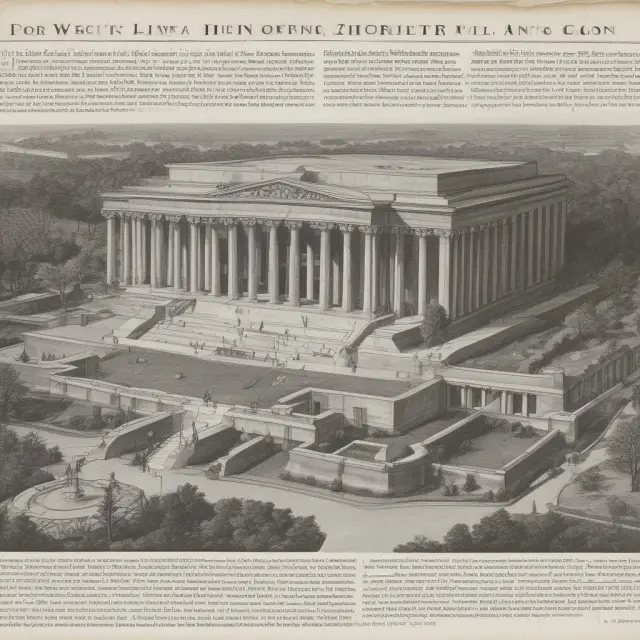
The Government Accountability Office (GAO) is an integral part of the United States government system, serving as a crucial watchdog for taxpayer dollars. Established in 1921 following the significant increase in federal spending during World War I, its primary purpose was to ensure proper management and accountability of government finances. Initially known as the General Accounting Office (GAO), it began its mission with a mandate to focus on auditing, budgeting, and accounting operations.
After World War I, as spending reached unprecedented levels, there was a growing need for an independent body to monitor how funds were being allocated and spent. The Budget and Accounting Act of 1921 answered this call by creating GAO, which initially assumed budget, accounting, and auditing responsibilities from the U.S. Treasury Department.
GAO’s role evolved considerably during the Great Depression when federal programs expanded dramatically under President Roosevelt’s New Deal policies. With a growing need to evaluate the effectiveness of these new initiatives, GAO expanded its mission beyond budgeting and accounting to include programmatic reviews. In doing so, the agency began providing Congress with objective, reliable information that allowed them to make informed decisions about government spending.
Throughout history, GAO has played an essential role in responding to significant events and trends. For instance, following World War II, GAO’s focus shifted towards auditing federal agencies to ensure they operated according to their intended purpose. By the 1970s, as government programs expanded, GAO’s expertise extended beyond budgeting to include areas such as consumer protection, the environment, and social welfare.
The name of the agency was changed from General Accounting Office to Government Accountability Office in 2004 with the passing of the GAO Human Capital Reform Act. This change better reflected its broader mandate and commitment to providing accountability and transparency for the American people.
From its establishment in 1921 to the present day, GAO has remained an essential watchdog for taxpayer dollars and a trusted partner to Congress in ensuring the efficient and effective use of federal resources. Its role is particularly significant during times of economic uncertainty or crisis, such as during the COVID-19 pandemic, when massive spending programs have required rigorous oversight.
With its rich history and commitment to excellence, GAO continues to be an indispensable part of the U.S. government, playing a critical role in maintaining public trust and ensuring that taxpayer dollars are being spent wisely.

GAO’s Impact on Government Spending
The Government Accountability Office (GAO) plays a significant role in influencing government spending by ensuring that taxpayer dollars are used effectively and efficiently. One of its primary functions includes conducting audits, reviews, and investigations to identify opportunities for reducing waste and saving money within various federal programs and agencies. One notable example of GAO’s impact was during the COVID-19 pandemic response when it assessed the government’s $4.8 trillion spending package.
In this section, we dive deeper into how the Government Accountability Office has impacted government spending over the years, specifically focusing on its role in reviewing and auditing federal agencies’ expenditures during significant historical events such as wars and economic crises.
During World War I, a formal system to monitor and control government expenditures was needed due to the sharp rise in spending. This demand led to the establishment of the General Accounting Office (GAO) by the Budget and Accounting Act of 1921. The GAO’s role initially focused on ensuring payments were made properly, but it expanded significantly during World War II when government spending soared once again. By conducting audits and evaluations of agencies’ operations, the GAO helped ensure that funds were used in accordance with their intended purpose.
The impact of GAO’s work was particularly evident during the Great Depression. The New Deal policies introduced by President Roosevelt expanded government programs and expenditures to unprecedented levels. As a result, the GAO’s role grew in importance to ensure that these new programs were operating effectively and efficiently. By focusing on evaluating both the financial performance and program outcomes of federal agencies, the GAO provided critical insights into how taxpayer dollars were being spent and helped identify opportunities for savings and improvement.
Fast forwarding to more recent times, the GAO’s influence in government spending can be seen during the 2007-2008 financial crisis when it conducted extensive reviews of emergency lending programs enacted by the Federal Reserve. Despite having limited authority to review individual meetings and monetary policy decisions made by the Fed, GAO’s reports and recommendations contributed significantly to increasing transparency and accountability within the central bank.
In conclusion, the Government Accountability Office has had a profound impact on government spending throughout history. By conducting audits, reviews, and investigations, it has helped ensure that taxpayer dollars are used effectively and efficiently while providing valuable insights into how federal agencies operate. With its unique combination of expertise in accounting, auditing, and policy analysis, the GAO continues to play a crucial role in promoting fiscal responsibility within the government.

FAQs
Question 1: What is the Government Accountability Office (GAO)?
Answer: The Government Accountability Office (GAO) is an independent, non-partisan legislative agency that monitors and audits government spending and operations. Established in 1921, GAO examines how taxpayer dollars are spent by both the legislative and executive branches of government to ensure funds are appropriately allocated and not misused. It also provides reports and recommendations on how the government can save money and operate more efficiently.
Question 2: What is GAO’s primary role in the federal government?
Answer: GAO serves as a watchdog for government spending, auditing various branches of government to ensure that funds are being used appropriately. Its primary objectives include conducting audits, reviewing programs and policies, investigating allegations of illegal activity within the government, and establishing auditing standards (the Yellow Book).
Question 3: What is the role of the Comptroller General in GAO?
Answer: The comptroller general serves as the head of the Government Accountability Office and is appointed by the president for a 15-year term. The comptroller general oversees all operations of GAO, ensuring it effectively carries out its mission to monitor government spending.
Question 4: What are the Generally Accepted Government Auditing Standards (Yellow Book)?
Answer: Established by the Government Accountability Office, the Generally Accepted Government Auditing Standards (the Yellow Book) provide principles for audits, reviews, and evaluations of government programs. They help ensure that these processes are carried out effectively and efficiently while maintaining the independence and objectivity of the audit function.
Question 5: What is GAO’s relationship with the Federal Reserve?
Answer: The Government Accountability Office has broad authority to review the Federal Reserve, including emergency lending programs established following financial crises. However, it does not have the power to review individual monetary policy decisions made by the Fed or its meetings.
Question 6: When was GAO established and how has it evolved?
Answer: The Government Accountability Office was established in 1921 as part of the Budget and Accounting Act to ensure proper budgeting, accounting, and auditing responsibilities for the U.S. government. Initially focusing on payments, its role expanded during WWI, WWII, and the Great Depression to include auditing government agencies. By the 1970s, GAO’s work grew to encompass reviews of consumer protection, the environment, social welfare, and personnel, among other areas. Today, it continues to evaluate government spending programs and initiatives.
 Next entry · No. 1,867Understanding the Role and Functioning of the Government Accounting Standards Board (GASB)
See also
-
 No. 1,418
12 Sep 2024
22 min
Expiration Dates: Understanding the Meaning and Importance for Food and Medicine
Consumerism
No. 1,418
12 Sep 2024
22 min
Expiration Dates: Understanding the Meaning and Importance for Food and Medicine
Consumerism -
 No. 1,900
22 Nov 2024
25 min
The Great Society: Understanding the Legacy and Impact of President Johnson’s Domestic Policy Initiatives
Government
No. 1,900
22 Nov 2024
25 min
The Great Society: Understanding the Legacy and Impact of President Johnson’s Domestic Policy Initiatives
Government -
 No. 5,978
12 Oct 2026
26 min
Checking Account Fees by Bank (2026): Overdraft, NSF and Monthly Fees at the 30 Largest Banks
Banking
No. 5,978
12 Oct 2026
26 min
Checking Account Fees by Bank (2026): Overdraft, NSF and Monthly Fees at the 30 Largest Banks
Banking -
 No. 5,952
18 Sep 2026
20 min
Overdraft and Insufficient Funds Fees: Get the Refund, Then Stop Paying Them
Banking
No. 5,952
18 Sep 2026
20 min
Overdraft and Insufficient Funds Fees: Get the Refund, Then Stop Paying Them
Banking -
 No. 5,905
17 Oct 2025
21 min
Zero-Rated Goods: Understanding the Tax Exemptions for Various Products and Services
Business Finance
No. 5,905
17 Oct 2025
21 min
Zero-Rated Goods: Understanding the Tax Exemptions for Various Products and Services
Business Finance -
 No. 5,794
08 Oct 2025
16 min
Workout Agreements: A Mutual Solution for Borrowers and Lenders
Business Finance
No. 5,794
08 Oct 2025
16 min
Workout Agreements: A Mutual Solution for Borrowers and Lenders
Business Finance