Understanding the York Antwerp Rules: A Set of Maritime Regulations for Jettisoned Cargo
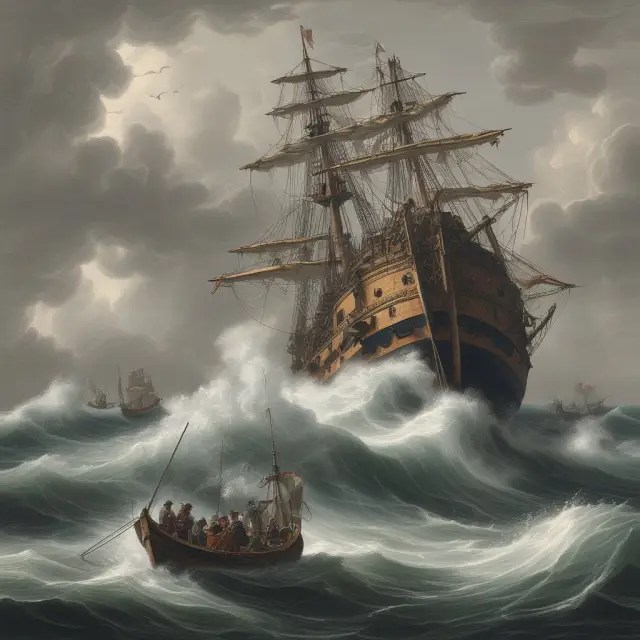
Explore the intricacies of the York Antwerp Rules - an essential set of maritime regulations governing jettisoned cargo and general average. Understand…
Introduction to the York Antwerp Rules
The York Antwerp Rules are a critical set of maritime regulations that govern the protocols related to jettisoned cargo. These regulations have their origins in 1890, making them an essential part of maritime law for well over a century. Essentially, the York Antwerp Rules codify the ancient legal principle known as the law of general average.
The Law of General Average: A Brief Background
Before delving into the specifics of the York Antwerp Rules, it is worth taking a moment to explore the history and significance of the law of general average. This maritime principle has its roots dating back to Ancient Greece, where merchants who shared a voyage would collectively shoulder any losses that resulted from sacrifices made to save the remainder of their cargo or vessel.
The York Antwerp Rules: A New Era in Maritime Regulations
Fast-forwarding to 1890, the first set of York Antwerp Rules was established as a formal codification of the law of general average. Since then, these regulations have been updated and amended several times to reflect evolving industry standards and legal requirements. Today, the York Antwerp Rules are an integral part of numerous maritime contracts, including bills of lading, contracts of affreightment, and marine insurance policies.
Key Principles of the York Antwerp Rules
To understand how the York Antwerp Rules work in practice, it is crucial to be familiar with their three fundamental principles:
- The danger to the ship must be imminent.
- There must be a voluntary jettison of cargo to save the vessel.
- The attempt to avoid the danger must be successful.
Only when these conditions are met can the York Antwerp Rules be applied, ensuring that all parties involved in the maritime adventure share proportionately in any losses resulting from jettisoned cargo. In the following sections, we will further explore each of these principles and provide real-life examples of how they have been applied throughout history.
Upcoming Sections
In the upcoming sections, we will delve deeper into the York Antwerp Rules by discussing their practical applications, examining the role of bills of lading, contracts of affreightment, and marine insurance policies in these regulations, exploring the consequences for non-compliance, reviewing amendments and updates to the York Antwerp Rules over time, emphasizing their importance for ship and cargo owners, and answering frequently asked questions about the application, interpretation, and significance of the York Antwerp Rules. Stay tuned!

The Legal Basis for the York Antwerp Rules
The York Antwerp Rules represent a significant milestone in maritime regulations, specifically concerning the handling of jettisoned cargo. This set of rules, dating back to 1890, is an essential codification of the law of general average and its ancient roots. The law of general average originates from Ancient Greece, specifying that all parties involved in a sea venture must share losses proportionately when sacrifices are made to save the remainder of the cargo or vessel.
The York Antwerp Rules have been established to provide guidelines on how this centuries-old maritime principle should be applied in real-world scenarios. When faced with an emergency situation at sea, such as a threat to a ship due to damage to the hull or unfavorable weather conditions, the captain and crew may find it necessary to jettison some of the cargo to ensure the safety of the vessel and its remaining cargo. In situations where cargo is thrown overboard in this manner, the York Antwerp Rules dictate that all parties involved in the maritime adventure must share proportionately in the financial burden of any resulting losses to the owner or owners of the jettisoned cargo.
The significance of these rules lies in their ability to provide a clear and fair framework for addressing disputes arising from jettison events while preserving the integrity of the maritime industry as a whole. The York Antwerp Rules have been amended numerous times since their initial formulation in 1890, ensuring their relevance and applicability to modern maritime practices.
The essential principles outlined in the York Antwerp Rules include:
- Danger to the ship must be imminent.
- There must be a voluntary jettison of cargo to save the vessel.
- The attempt to avoid the danger must be successful.
These three stipulations provide the foundation for applying the York Antwerp Rules in any given situation where jettisoning is necessary. Understanding this legal basis is crucial for both ship and cargo owners, as well as crew members and other parties involved in maritime commerce. In the following sections, we will delve deeper into these principles and explore their real-life application.
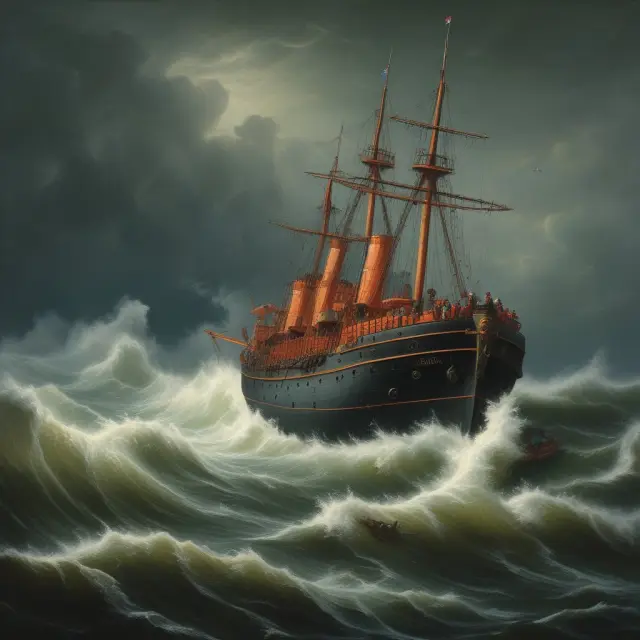
Principles of the York Antwerp Rules
The York Antwerp Rules represent a fundamental set of maritime regulations concerning jettisoned cargo, with its origins dating back to 1890. These rules are crucial in determining the rights and obligations for both ship and cargo owners when it comes to emergencies involving the need to discard cargo to save a vessel from potential sinking or destruction (jettison). The York Antwerp Rules codify the law of general average, an ancient maritime principle with roots tracing back to Ancient Greece.
To understand how the York Antwerp Rules function, it is essential to be aware of their three core principles:
1. Imminent Danger: Before the application of the York Antwerp Rules can occur, it must first be established that there is an imminent danger threatening the vessel. The crew, in consultation with the shipowner and the cargo owners, needs to make a collective decision as to whether such a threat exists or not.
2. Voluntary Jettison: The second principle stipulates that jettisoning must be carried out voluntarily by the master or crew of the vessel. They have the right to discard cargo only when they believe it is necessary to save the ship from potential disaster. If there is any hesitancy or delay in making this decision, the York Antwerp Rules may not apply.
3. Successful Attempt: For the jettisoning event to fall under the York Antwerp Rules, the attempt must ultimately be successful in saving the vessel. This principle ensures that if the crew has made a mistake and the ship still sinks despite their efforts to save it, no claims can be made against those whose cargo was jettisoned according to the rules.
In summary, for the York Antwerp Rules to apply, all three principles must be met: an imminent danger, a voluntary jettison of cargo by the ship’s crew or master, and a successful attempt at saving the vessel. If these conditions are satisfied, each party involved in the maritime adventure will share proportionately in the financial burden of any losses related to the jettisoned cargo.
How the York Antwerp Rules Apply in Practice
The application of the York Antwerp Rules becomes crucial when a ship’s crew is faced with a situation where cargo must be jettisoned to save the vessel from sinking or to prevent further damage. Let’s explore real-life scenarios that highlight the importance and practicality of the rules.
Scenario 1: Cargo Vessel Encountering a Violent Storm
In this instance, a cargo ship is caught in the midst of an intense storm with large waves that threaten to swamp the vessel. The captain and crew make the difficult decision to jettison a portion of the cargo to maintain the stability and prevent the ship from capsizing. This drastic measure saves the lives of those onboard, but it comes at the cost of lost cargo for some of the shippers. As per the York Antwerp Rules, these parties are entitled to compensation based on their proportionate share of the cargo onboard the vessel at the time of jettisoning.
Scenario 2: Collision at Sea
Imagine a container ship collides with another vessel in the middle of the ocean, damaging the latter’s hull and causing water to enter the compartments. The damaged vessel begins to take on water, making it increasingly unstable. Given the gravity of the situation, the captain and crew are forced to jettison a significant portion of the cargo in order to save their own vessel from sinking. Those whose cargo was sacrificed in the effort to secure the ship will receive compensation according to the York Antwerp Rules.
Scenario 3: Fire on Board
Another instance where the York Antwerp Rules apply is when there is a fire onboard a vessel. In this case, if the crew determines that jettisoning cargo is necessary to prevent further damage or risk of harm to the crew, they must do so. The lost cargo will be compensated for under the principles set forth in the York Antwerp Rules.
In each of these scenarios, the York Antwerp Rules play an essential role by ensuring that the financial burden of jettisoned cargo is shared proportionately among all parties involved. This is a key reason why these rules are so crucial to maritime law and have remained relevant for over a century.
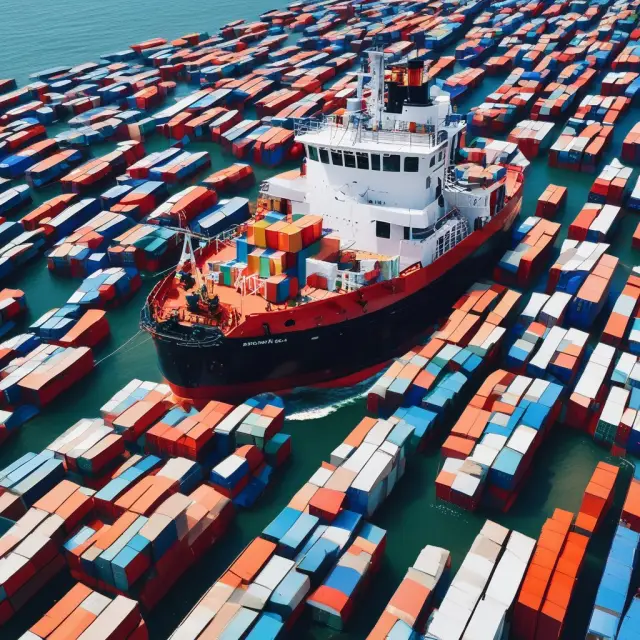
The Role of Bills of Lading, Contracts of Affreightment and Marine Insurance Policies in York Antwerp Rules
Bills of lading, contracts of affreightment, and marine insurance policies are crucial documents in maritime commerce that significantly influence the application of York Antwerp Rules. These instruments set forth various conditions, rights, and obligations related to cargo transport from origin to destination. In this context, understanding their role is essential in grasping the implications of York Antwerp Rules.
Bills of lading represent contracts between the shipper or consignor and the carrier (shipowner or shipping company) for the transportation of goods. They serve as a receipt of cargo loaded aboard the ship and include terms defining freight charges, delivery location, and insurance coverage. The York Antwerp Rules are frequently included as part of the contractual agreement between the parties in bills of lading. Consequently, any jettisoning of cargo under York Antwerp Rule’s conditions results in a direct financial consequence for all concerned parties as specified in these contracts.
Contracts of affreightment, on the other hand, establish a relationship between the shipowner and the cargo owner/shipper for the carriage of goods by means of a chartered vessel. The terms agreed upon in the contract include freight rate, duration, cargo type, and other specifications. Similar to bills of lading, contracts of affreightment often incorporate York Antwerp Rules within their clauses to determine the obligations and liabilities related to jettisoning cargo during a maritime adventure.
Marine insurance policies are taken out by shipowners or cargo owners to protect themselves from various risks associated with sea transport. These policies cover perils such as damage, loss, or destruction of the vessel and its cargo. When jettisoning takes place due to an emergency, the resulting losses could lead to substantial claims under marine insurance policies. As such, understanding the specific clauses in marine insurance contracts is critical for determining the application of York Antwerp Rules and how they impact the financial consequences for all parties involved.
In conclusion, the York Antwerp Rules play a pivotal role in maritime law by providing guidelines on cargo jettisoning in emergency situations. By examining the relationship between these rules and essential documents like bills of lading, contracts of affreightment, and marine insurance policies, we can better understand how these legal constructs interact and provide valuable insight for all stakeholders involved in international seaborne trade.
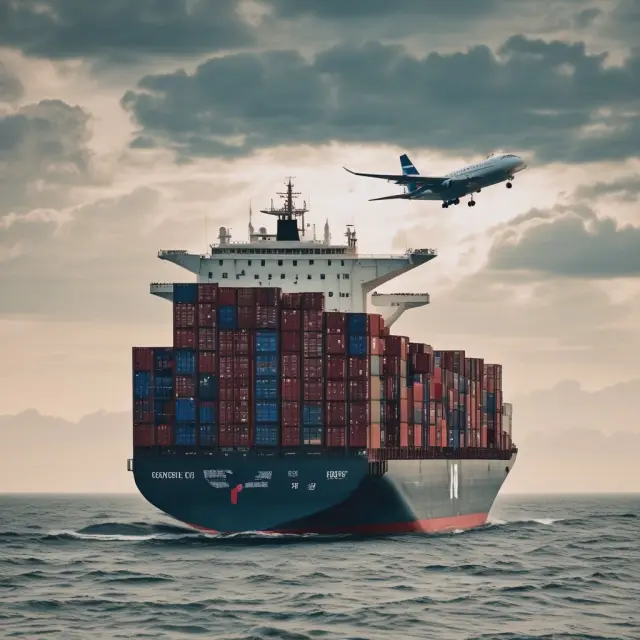
Consequences of Not Adhering to the York Antwerp Rules
When it comes to the consequences of not adhering to the York Antwerp Rules, the ramifications can be significant for all parties involved in a maritime adventure. In brief, failure to comply with these regulations may result in financial losses for any party – be it cargo owners or shipowners. Understanding the implications of not complying with the York Antwerp Rules is crucial for both sides to avoid potential disputes and misunderstandings that can lead to costly legal battles.
First and foremost, it is essential to clarify that non-compliance with the York Antwerp Rules does not absolve a party from their obligations under general maritime law. In fact, breaching these regulations can result in additional claims for damages beyond those related to the jettisoned cargo.
Let’s consider some possible scenarios where the failure to follow the rules may lead to negative consequences:
- If a shipowner does not apply the York Antwerp Rules appropriately during a general average sacrifice, they may be held liable for damages to the affected parties. This can include claims for lost or damaged cargo as well as compensation for any additional expenses incurred due to the improper application of the rules.
- Cargo owners who refuse to accept their proportional share of the losses resulting from a jettisoned cargo may face legal action. This could lead to significant costs associated with litigation, making it essential that they cooperate and adhere to the York Antwerp Rules.
- In certain cases, a failure to comply with the York Antwerp Rules can lead to an unenforceable contract. For instance, if the terms of a bill of lading or charter party contradict the regulations, this can result in an ambiguous agreement that may not be upheld in court.
- Lastly, not adhering to the York Antwerp Rules may impact the reputation and trust between shipowners, cargo owners, and insurers. This could potentially hinder future collaborations or negotiations, making it vital for all parties to follow these rules to maintain a positive working relationship.
In conclusion, the consequences of not complying with the York Antwerp Rules can be far-reaching and costly. By adhering to these regulations, all parties involved in maritime transportation will benefit from an increased level of transparency, fairness, and predictability.
Amendments and Updates to the York Antwerp Rules
The York Antwerp Rules have undergone several amendments and updates since their inception in 1890, reflecting the evolving needs of maritime law. One of the most significant changes came in 1974 with the publication of the New York Produce Lines, which saw a major overhaul of the rules’ provisions for general average adjustments and increased flexibility regarding how the costs could be recovered. In 1994, the York Antwerp Rules were further revised to adapt to the changing international trade landscape and to address specific issues arising from large container ships.
The latest amendment, adopted in 2004, introduced several key changes including:
- Modification of Rule D – The new rule D clarifies that the right to limit liability under Rules B and C no longer applies when general average expenses are incurred due to a breach of charterparty provisions related to seaworthiness or cargo handling. This amendment aims to enhance the responsibility of shipowners to ensure their vessels’ condition and adhere to safe cargo-handling practices.
- Revision of Rule E – The revised rule E expands the definition of ‘saving or attempting to save life or property’ to include the salvage of the vessel, its cargo or other interests in danger at sea, and the protection of the marine environment. This expansion emphasizes the importance of environmental concerns in modern maritime law.
- New Rule W – The introduction of rule W allows for a separate adjustment event to be established when multiple general average events occur during a single voyage. This amendment streamlines the process of determining and allocating general average expenses among all parties involved.
These updates illustrate how the York Antwerp Rules continue to adapt and evolve with the changing maritime industry, ensuring they remain relevant and effective in addressing the needs of ship and cargo owners alike.

Importance of the York Antwerp Rules for Ship and Cargo Owners
Understanding the significance of the York Antwerp Rules is essential for both ship and cargo owners, as these regulations play a pivotal role in managing risks related to jettisoned cargo. The following points highlight the importance of being informed about the rules:
1. Financial Responsibility: The York Antwerp Rules establish clear financial responsibilities for all parties involved in a maritime adventure when cargo is jettisoned to save the ship. This means that each party, including the owners of both the ship and the cargo, share the losses proportionately.
2. Risk Mitigation: For ship owners, adherence to the York Antwerp Rules helps mitigate potential risks associated with jettisoning cargo during an emergency. By having a well-defined set of guidelines, all parties are aware of their obligations in such situations.
3. Legal Protection: The rules provide legal protection for both ship and cargo owners. They establish clear protocols for the application of the law of general average and codify the rights and obligations of all parties involved. This certainty is essential for maintaining a stable maritime business environment.
4. Global Reach: Given that the York Antwerp Rules have been adopted by multiple international conventions, they apply to voyages involving cargo from various parts of the world. Consequently, being familiar with these rules helps ship and cargo owners navigate the complexities of global maritime trade.
5. Contractual Obligations: The York Antwerp Rules are typically included in contracts like bills of lading and marine insurance policies. Awareness of these regulations enables ship and cargo owners to understand their obligations under various contractual agreements, avoiding potential disputes or misunderstandings.
In conclusion, understanding the York Antwerp Rules is crucial for both ship and cargo owners due to their role in managing risks related to jettisoned cargo, establishing financial responsibilities, providing legal protection, ensuring global reach, and clarifying contractual obligations. Being well-versed in these regulations prepares ship and cargo owners to navigate complex maritime situations effectively.

The Future of the York Antwerp Rules in Maritime Law
Since the establishment of the York Antwerp Rules in 1890, these maritime regulations have played a crucial role in establishing protocols surrounding jettisoned cargo and the legal obligations for all parties involved. The relevance of the rules is not limited to the past but extends to the present and future of the maritime industry as well.
As global trade continues to grow and advance, it’s essential to understand the role the York Antwerp Rules play in this expanding market. Let us delve deeper into why these regulations remain relevant and what their prospects are for the future.
Continued Relevance of the York Antwerp Rules
The maritime industry is constantly evolving, with advancements in technology, increased global trade volume, and growing complexity in cargo transportation. Despite these changes, the need to address jettisoned cargo remains as crucial as ever. The York Antwerp Rules provide clear guidelines for determining when cargo must be jettisoned and how parties are expected to share the financial burden of losses.
Adaptability and Flexibility
The York Antwerp Rules have proven their adaptability to changing circumstances, with several amendments and updates throughout history. The most recent addition to these rules was made in 2016, with Amendment No. 13-1, which clarified the applicability of the rules during salvage operations. This demonstrates the flexibility of the York Antwerp Rules to adapt to new situations as they arise, ensuring that the regulations remain relevant in a dynamic industry.
The Role of Technology
Technological advancements have transformed various industries, and maritime transportation is no exception. Innovations like satellite communication systems, global positioning systems, and advanced cargo tracking are becoming increasingly essential for modern shipping operations. As technology continues to evolve, it may lead to new challenges or changes in the application of the York Antwerp Rules. However, these advancements could also potentially help prevent the need for jettisoning in certain situations by providing better information to the crew and enabling more efficient crisis management.
The Future Prospects of the York Antwerp Rules
Given the continual advancements in the maritime industry, it’s essential to assess the future prospects of the York Antwerp Rules. While no one can predict the exact future with certainty, there are some indications that suggest their enduring significance. One potential development could be an expansion of the rules to address emerging challenges such as cybersecurity threats and the potential impact of autonomous shipping on cargo jettisoning.
As the maritime industry continues to evolve, so too will the York Antwerp Rules. By staying informed about these regulations and their future developments, we can better understand how they apply to our businesses and ensure that we are prepared for any situation that may require the jettisoning of cargo.
FAQ: Frequently Asked Questions about the York Antwerp Rules
What exactly are the York Antwerp Rules?
The York Antwerp Rules is a set of maritime regulations that outline the principles regarding jettisoned cargo. These rules codify the law of general average and govern the rights and obligations for both cargo and ship owners when cargo needs to be jettisoned in order to save a vessel.
What is the origin of the York Antwerp Rules?
The roots of the York Antwerp Rules trace back to ancient maritime traditions, specifically the law of general average which dates back to Ancient Greece. The York Antwerp Rules themselves were established in 1890 and have been amended several times since then.
Who is responsible for implementing the York Antwerp Rules?
The captain and crew of a vessel are responsible for enforcing the rules in situations where cargo must be jettisoned to save the ship. The three principles outlined by the rules must be met for their application: an imminent danger to the ship, voluntary jettisoning, and a successful attempt to avoid the danger.
What happens if all three principles are met?
If the situation meets all three stipulations, all parties involved in the maritime adventure must share proportionately in the financial burden of the losses resulting from jettisoned cargo. This is based on the principle that all parties involved in a sea venture must shoulder any sacrifices made to save the remainder of the cargo and the ship.
What are the three principles of the York Antwerp Rules?
- An imminent danger to the vessel
- Voluntary jettisoning of a portion of the cargo to save the entire ship
- Successful attempt to avoid the danger
How do bills of lading, contracts of affreightment, and marine insurance policies factor into York Antwerp Rules?
These documents often include the provisions from the York Antwerp Rules, which outline the financial implications for parties involved in jettisoned cargo cases. The rules determine that all parties share proportionately in losses resulting from sacrifices made to save the ship and the remaining cargo.
 Next entry · No. 5,872Understanding Year to Date (YTD): Analyzing Business Trends and Investment Performance
See also
-
 No. 5,123
13 Aug 2025
22 min
Uberrimae Fidei Contracts: The Principle of Utmost Good Faith in Insurance
Insurance
No. 5,123
13 Aug 2025
22 min
Uberrimae Fidei Contracts: The Principle of Utmost Good Faith in Insurance
Insurance -
 No. 4,122
24 May 2025
20 min
Understanding Promissory Estoppel: Enforcing Unkept Promises and Damages
Legal & Contracts
No. 4,122
24 May 2025
20 min
Understanding Promissory Estoppel: Enforcing Unkept Promises and Damages
Legal & Contracts -
 No. 3,084
27 Feb 2025
24 min
Understanding Marital Property: Differences Between Common Law Property and Community Property States for Institutional Investors
Business Finance
No. 3,084
27 Feb 2025
24 min
Understanding Marital Property: Differences Between Common Law Property and Community Property States for Institutional Investors
Business Finance -
 No. 129
07 Apr 2024
20 min
Understanding Air Waybill (AWB): A Contract of Carriage and Its Significance in International Trade
Global Finance
No. 129
07 Apr 2024
20 min
Understanding Air Waybill (AWB): A Contract of Carriage and Its Significance in International Trade
Global Finance -
 No. 5,829
11 Oct 2025
22 min
Understanding the World Trade Organization (WTO): History, Functions, Advantages, Disadvantages, Leadership, and Importance
International Trade
No. 5,829
11 Oct 2025
22 min
Understanding the World Trade Organization (WTO): History, Functions, Advantages, Disadvantages, Leadership, and Importance
International Trade -
 No. 5,542
17 Sep 2025
19 min
Understanding Voluntary Export Restraints (VERs): What They Are, How They Work, Advantages, Disadvantages and Notable Examples
International Trade
No. 5,542
17 Sep 2025
19 min
Understanding Voluntary Export Restraints (VERs): What They Are, How They Work, Advantages, Disadvantages and Notable Examples
International Trade