Understanding Trade Signals: Technical and Fundamental Triggers for Investors and Traders

Learn about understanding trade signals for investors and traders through this comprehensive article, featuring technical and fundamental triggers…
What Is a Trade Signal?
A trade signal refers to an indicator that suggests the optimal time for investors and traders to buy or sell securities based on specific predefined conditions. These conditions can stem from various sources, including technical indicators, fundamental analysis, quantitative methods, economics, sentiment measures, or even other trade signals systems. By removing emotion from decision-making, trade signals provide a mechanical method for navigating the financial markets.
Key Takeaways
– Trade signals are triggers to buy or sell securities based on predefined criteria.
– They can be used not only for entering and exiting positions but also for adjusting sector allocations or asset classes.
– Traders often prefer simple signals, focusing on a limited number of inputs to make their strategy easier to manage and test over time.
Understanding the Mechanics of Trade Signals
Trade signals employ a variety of inputs derived from various disciplines such as technical analysis, fundamental analysis, quantitative analysis, economics, sentiment measures, and even other trade signal systems. Technical indicators are often at the heart of trade signals due to their ability to reveal trends and patterns. However, incorporating additional factors such as economic data or sentiment measures can help traders make more informed decisions.
Example: Dip-Buying Signals
Contrary to popular belief, trade signals don’t always necessitate frequent buying and selling. Some signals focus on reversion and dip-buying in equities. For instance, a trader may decide to buy when market fear headlines are widespread but the underlying fundamentals indicate good health, leading to potential undervaluation.
Creating a Trade Signal
Traders can design trade signals using a combination of various inputs according to their investment style and strategy. Here’s a list of common inputs used for generating trade signals:
- Technical pattern breakout or break down
- Moving average cross
- Volume surge
- Interest rates
- Volatility
- Cycles
- Sentiment extremes
- Valuation
To create an effective trade signal, traders can use these inputs to meet specific criteria and design a rule-based system that generates signals based on predefined conditions. Keeping the number of inputs manageable is essential for practical purposes as markets evolve over time and require continuous monitoring and adjustment.

Components of Trade Signals
Understanding trade signals involves examining the various inputs used to generate these triggers for action in financial markets. These components range from technical indicators and fundamental analysis to quantitative methods and other signal systems.
Trade signals, whether generated through human analysis or mathematical algorithms, provide investors and traders with a mechanical method to buy or sell securities or assets based on pre-determined criteria. In some cases, signals are used to modify portfolios by determining when it’s appropriate to increase sector allocations or lighten up on others (e.g., shifting money from consumer staples to technology).
While the complexity of a trade signal can vary, traders tend to keep things simple and manageable. This approach is beneficial for several reasons: first, it makes it easier to test trade signals over time; second, simpler strategies are less prone to being rendered obsolete in rapidly changing markets; and third, complex strategies demand more attention and resources than most traders can afford.
Technical indicators serve as a significant foundation for many trade signals. Examples include pattern breakouts or breakdowns (such as triangles, rectangles, head-and-shoulders, and trendlines) and moving average crosses. Technical analysis is used extensively in the stock and futures markets to identify potential entry and exit points based on historical price action.
Fundamental analysis is another essential input for generating trade signals. By examining a security’s financial statements, economic data, and industry trends, traders can develop signals that reflect underlying market conditions or valuations. For instance, a trader might consider a stock with a lower P/E ratio as an attractive buy when a specific technical formation breaks out to the upside and prices are above a certain moving average while interest rates are falling.
Quantitative methods involve using mathematical algorithms to generate signals based on large data sets. These methods can be effective in identifying trends, patterns, or anomalies that may not be immediately apparent through traditional analysis. For example, volume surge is a common input for quantitative trading strategies, as it often precedes significant price movements.
Economic indicators provide signals based on macroeconomic data and trends. Examples include interest rates, inflation, and employment data. By analyzing these indicators, traders can gain insights into overall market conditions and position themselves accordingly. For instance, falling interest rates might suggest that it’s a good time to buy bonds or stocks in sectors that tend to benefit from lower borrowing costs (such as real estate).
Sentiment measures are another essential component of trade signals. These inputs reflect the collective mood or attitude of market participants and can be used as contrarian indicators to identify potential market tops or bottoms. For example, excessive bullishness in surveys or trading activity could suggest a market top, while excessive bearishness might indicate a bottom.
Other signal systems include market cycles, which tend to ebb and flow over time, and various types of volatility measures. Traders can use these signals to identify potential entry and exit points based on historical trends and patterns.
In conclusion, understanding the components of trade signals is crucial for investors and traders seeking a mechanical method to navigate the financial markets. Whether focusing on technical indicators, fundamental analysis, quantitative methods, or other inputs, successful trading strategies require continuous testing and adaptation as market conditions evolve.

Importance of Simple Trade Signals
Trade signals are essential tools for investors and traders as they act as triggers that help initiate transactions in the financial markets. These signals can originate from a variety of sources, including technical indicators, fundamental analysis, quantitative methods, economics, sentiment measures, and other signal systems. While some traders employ complex signals with multiple inputs, others prefer simpler signals for their ease of use and manageability (Bauer, 2013).
Simple trade signals provide clear buy or sell instructions based on a predetermined set of rules that can be easily implemented by individuals or automated trading systems. These signals are valuable because they eliminate the emotional bias that is prevalent when making investment decisions. Moreover, simple signals are easier to understand and less complex, making them more accessible to novice investors who may not have advanced analytical skills.
Despite their simplicity, however, trade signals must be rigorously tested and refined over time. Market conditions evolve continuously, and even the most effective signals eventually become obsolete or lose their predictive power. By periodically evaluating and adjusting the parameters of a simple signal, traders can maintain its relevance and effectiveness (Kirkpatrick, 2017).
An example of a successful simple trade signal is one based on trendline support and resistance levels. A trader might set up a rule that buys when the price of an asset reaches a certain support level or sells when it breaks through a resistance level. This approach relies on the assumption that historical price trends provide insight into future market movements, making it a popular choice among technical traders (CMT Association, 2017).
In summary, simple trade signals offer investors and traders an efficient and effective way to navigate financial markets by providing clear instructions for buying or selling assets based on a predefined set of rules. Their ease of use and manageability make them attractive for both novice and experienced traders who recognize the importance of maintaining a disciplined investment approach. However, it is crucial that these signals are periodically tested and adjusted to ensure they remain relevant in changing market conditions.
References:
Bauer, D. (2013). Technical Analysis: The Complete Resource for Serious Traders and Investors. Wiley Finance.
CMT Association (2017). Certified Market Technician Exam Handbook. CMT Association.
Kirkpatrick, J. (2017). How to Use Trade Signals for Successful Trading. StockCharts.com.

Trade Signals vs. Market Sentiment
Market sentiment and trade signals are two essential components of the financial markets. While both concepts help investors and traders make informed decisions, they serve unique purposes. Understanding their differences is crucial for optimizing investment strategies.
Trade signals represent a trigger or mechanical action to buy or sell a security or asset based on pre-defined criteria. These criteria can be derived from technical analysis, fundamental analysis, quantitative methods, economics, sentiment measures, and even other signal systems. Trade signals are designed to provide an objective perspective in the chaotic world of financial markets, separating emotions from investment decisions.
Market sentiment, on the other hand, refers to the overall feeling or emotion about a security, commodity, or market. Sentiment can be measured through various methods, such as surveys, trading volumes, and price movements. Market sentiment serves as an essential indicator of market psychology, providing insights into the collective behavior of investors and traders.
Although they are different concepts, trade signals and market sentiment can be used together effectively to enhance investment strategies. For instance, a trader could use a bullish sentiment indicator (e.g., high percentage of bullish respondents in surveys) as a buy signal for stocks when combined with other technical or fundamental factors. Conversely, an extremely bearish sentiment reading might serve as a sell signal for futures contracts when coupled with a particular chart pattern or economic indicator.
For example, imagine an investor is considering buying a tech stock that has been underperforming but displays strong fundamentals. If market sentiment indicates the sector is currently out of favor, and the trader’s technical analysis suggests a bullish reversal pattern, they may use this information to initiate a long position, confident that both the sentiment and technical signals support their decision.
However, it is essential to remember that no strategy is foolproof, and both market sentiment and trade signals come with their limitations. Market sentiment can be influenced by numerous factors, such as rumors, news events, and economic indicators, which might not always reflect the underlying fundamentals of a security or asset. Likewise, trade signals can be prone to false positives and false negatives, especially in complex markets or volatile conditions.
In conclusion, understanding the relationship between market sentiment and trade signals is essential for successful investing and trading. By combining the insights provided by both concepts, investors and traders can make more informed decisions that help mitigate risk and optimize returns. However, it’s crucial to remember that no single indicator or strategy should be relied upon exclusively and that continuous monitoring and adjustment are necessary to stay competitive in today’s rapidly evolving financial markets.

Example of a Trade Signal: Reversion and Dip-Buying
One common type of trade signal focuses on reversion and dip-buying in equities. In this scenario, traders look for periods when price action doesn’t align with underlying fundamental data. For example, if market fear headlines cause selling but the fundamental data indicates good health, traders might decide to buy the dip based on their trading signals.
A successful reversion and dip-buying trade signal would involve analyzing the disparity between price action and underlying fundamentals. This strategy often requires a solid understanding of both technical analysis (for identifying trend reversals) and fundamental analysis (for interpreting economic data, earnings reports, and other financial indicators).
The importance of such signals lies in their ability to help investors and traders capitalize on temporary market imbalances. By buying stocks during periods of mispricing driven by fear or other emotional reactions, traders can potentially generate significant returns when the markets eventually revert to their long-term trends.
To create a trade signal for reversion and dip-buying, consider using the following inputs:
- Moving Averages: Watch for crossovers between short-term and long-term moving averages as potential buy signals. For example, when a stock’s 50-day moving average crosses above its 200-day moving average, it could indicate a bullish trend reversal.
- Volume: Analyze the volume trends to assess the strength of a price movement. A significant increase in trading volume during a dip can be a strong indication that the market is oversold and ready for a rebound.
- Sentiment Extremes: Monitor investor sentiment indicators, such as surveys or options markets, for excessive bearishness or fear. These extremes could signal an opportunity to buy the dip based on the expectation of a future reversal.
- Economic Data: Stay informed about economic data and earnings reports to assess the underlying health of the companies in your portfolio. If a company’s fundamentals are strong despite market pessimism, you may want to consider buying the stock during a dip.
- Market Cycles: Understand the seasonal patterns of various asset classes and sectors to time your entry points more effectively. For example, some sectors might be stronger in specific months or quarters, making it a good idea to buy dips during those periods.
- Price-to-Earnings Ratios (P/E): Keep an eye on the price-to-earnings ratio of individual stocks and the broader market. A low P/E ratio could signal undervalued assets, making dip-buying an attractive strategy.
In summary, reversion and dip-buying trade signals provide traders with opportunities to buy undervalued equities based on a disparity between price action and underlying fundamentals. By monitoring market trends, economic data, and investor sentiment, traders can capitalize on temporary mispricings and potentially generate significant returns.

Creating a Trade Signal: Common Inputs
Trade signals provide investors and traders with crucial decision-making information by indicating when it’s the optimal time to enter or exit a trade based on various market conditions. These signals can be derived from a combination of technical indicators, fundamental analysis, quantitative methods, economics, sentiment measures, and other signal systems. This section delves into some of the most common inputs used to generate trade signals.
Technical Pattern Breakout or Breakdown
One popular way to create a trade signal is by identifying technical patterns such as triangles, rectangles, head-and-shoulders, and trendlines. These patterns can indicate potential price movements or reversals that can help trigger buy or sell decisions. For instance, if a bullish head-and-shoulders pattern forms in an uptrend, it may signal a continuation of the existing trend, while a bearish head-and-shoulders pattern could suggest a potential reversal.
Moving Average Cross
Another common input for creating trade signals is based on moving averages. The cross between two averages (such as 50-day and 200-day) can generate buy or sell signals when the moving averages converge or diverge. For example, a bullish signal may be triggered when a security’s price crosses above its 50-day moving average, while a bearish signal may be generated if it breaks below this short-term average.
Volume Surge
Unusually high trading volume can indicate significant market movements and potential trend reversals. By monitoring volume data, traders can create trade signals to enter or exit positions based on this information. For example, a sharp increase in volume during an uptrend could signal a continuation of the upward momentum, while a significant surge in volume during a downtrend may indicate a potential reversal.
Interest Rates
Changes in interest rates can have a considerable impact on various markets and asset classes. By incorporating interest rate data into trade signals, traders can make informed decisions about when to enter or exit positions based on the expected direction of interest rates. For instance, an anticipated rate hike might trigger a sell signal for bonds, while a drop in interest rates could generate a buy signal for equities.
Volatility
Measuring market volatility is essential for generating effective trade signals. High levels of volatility can be indicative of increased market risk and potential opportunities for profit, while low volatility may suggest a stable market with limited trading opportunities. For example, a sudden increase in volatility could trigger a buy signal if the underlying security is oversold or a sell signal if it is overbought.
Cycles
Markets tend to exhibit trends and cycles that can be harnessed to generate trade signals. By understanding these patterns, traders can anticipate potential market movements and adjust their positions accordingly. For instance, the seasonal cycle for stocks, which suggests selling in May and going away, could help determine if a strategy is operating during the strong or weak half of the year.
Sentiment Extremes
Emotions often play a significant role in market trends, making sentiment analysis an essential component of successful trade signals. By monitoring investor sentiment through surveys, trading activity, and other measures, traders can identify extreme bullishness or bearishness that may indicate potential market tops or bottoms. For example, a contrarian strategy might involve buying when sentiment is overly bearish or selling when it is excessively bullish.
Valuation
Lastly, valuation metrics such as price-to-earnings (P/E) ratios, price-to-book (P/B), and other measures can be used to generate trade signals based on a security’s perceived value compared to its market or sector peers. For instance, if a stock’s P/E ratio deviates significantly from its historical average, it may trigger a sell signal for an overvalued security or a buy signal for an undervalued one.
In conclusion, creating effective trade signals involves combining various inputs such as technical patterns, moving averages, volume surge, interest rates, volatility, cycles, sentiment extremes, and valuation metrics. By understanding these components and their interplay in the market, traders can generate timely and accurate signals to guide their investment decisions and capitalize on emerging opportunities.
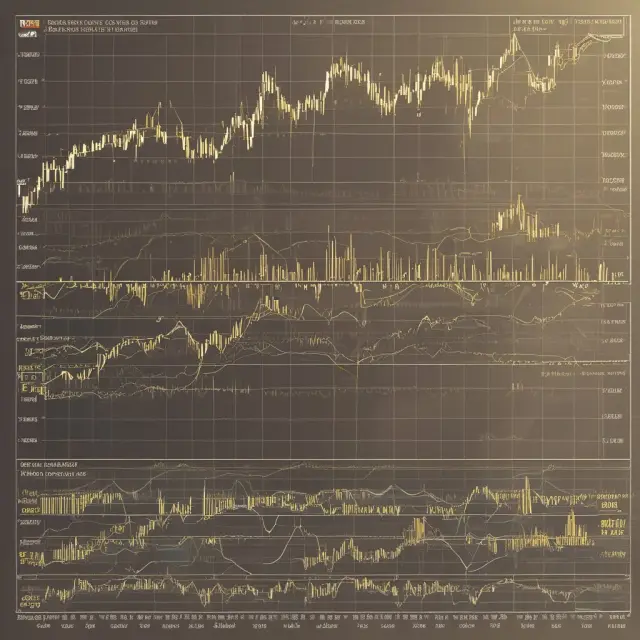
Case Study: Successful Trade Signals in Practice
Trade signals are known for their effectiveness in generating profits for traders and investors by providing clear entry and exit points based on predetermined criteria. In this section, we’ll delve into real-life examples of successful trade signals to understand their importance and the role they play in various investment strategies.
The example below illustrates a profitable trade signal that relies on reversion and dip-buying in equities. Market fear headlines have caused significant selloffs, yet underlying fundamentals indicate strong company health. A trader utilizing this signal would buy during dips as long as their indicator flashes “good deal.”
Example: Apple Inc. (AAPL)
On March 3, 2020, Apple reported stronger-than-expected earnings for its first fiscal quarter of 2020, beating expectations on both the top and bottom lines. Despite the impressive report, market sentiment was bearish due to concerns over the ongoing COVID-19 pandemic’s impact on the technology sector. The stock price experienced a sharp decline in response to these fears.
A trader using a simple yet effective dip-buying strategy might have identified this as an opportunity to enter into a long position on Apple, considering the underlying health of the company. This signal is particularly powerful because it can be applied to various sectors and security types, making it adaptable to changing market conditions.
It’s important to note that successful trade signals often require continuous testing and refinement over time. Market conditions evolve, necessitating adjustments in input criteria and thresholds to maintain the signal’s effectiveness. By remaining diligent and staying informed about current market dynamics, traders can improve their overall investment performance.
Another example of a profitable trade signal is the use of moving averages for determining buy and sell points. When an asset price crosses above or below specific moving averages, it provides valuable entry and exit opportunities. This strategy has proven to be effective in various markets, such as stocks, commodities, and currencies.
Example: Gold (GLD)
In the case of gold, a trader could use moving averages to determine entry and exit points for their position in the precious metal. For instance, if they identified that 50-day and 200-day moving averages were diverging, indicating a potential trend reversal, they may choose to enter a long position when gold’s price crossed above the 50-day moving average. Conversely, they could exit their position when gold’s price crossed below the 200-day moving average, indicating a bearish trend.
Successful trade signals provide valuable insights into market movements and can help investors and traders make informed decisions. By understanding the various inputs that generate these signals, one can build a robust investment strategy tailored to their risk tolerance and objectives. As always, it’s essential to remember that no strategy is foolproof and that continuous monitoring and refinement are necessary for long-term success.

Limitations and Pitfalls of Trade Signals
Trade signals, while a useful tool for investors and traders in the financial markets, do come with their own set of limitations and potential pitfalls. Understanding these risks is crucial for maximizing the effectiveness and profitability of utilizing trade signals in your investment strategy.
Misinterpretation of Signals
One common issue is that trade signals can be misinterpreted or misunderstood by traders or investors. This misinterpretation could result in missed opportunities, premature trades, or even losses due to a lack of proper understanding. To mitigate this risk, it is essential to ensure a thorough grasp of the underlying logic and criteria behind each trade signal.
Market Manipulation
Another significant concern revolves around market manipulation and insider trading. In some cases, unscrupulous traders may intentionally create or manipulate specific signals to exploit unsuspecting investors. To safeguard yourself, always ensure you are dealing with reputable sources for trade signals, and be skeptical of any seemingly “too good to be true” opportunities.
Continuous Monitoring and Adjustment
The financial markets are dynamic entities that constantly change. As such, it is crucial to regularly review and adjust your trade signals based on the evolving market conditions. This ongoing process will help ensure your signals remain relevant and effective in guiding your investment decisions. Additionally, be prepared for false positives or missed opportunities due to changing market dynamics.
Complexity vs. Simplicity
Another challenge with trade signals is striking the right balance between complexity and simplicity. While some investors may prefer complex signals that consider multiple inputs to increase accuracy, others may find simpler signals more manageable and easier to implement effectively. The choice ultimately depends on your investment goals, risk tolerance, and the resources available to you for managing these signals.
In conclusion, trade signals are valuable tools in the financial markets, but they come with their own set of limitations and potential pitfalls. By remaining vigilant and aware of these risks, investors can maximize their benefits while minimizing potential losses. Remember that no trading strategy is foolproof, and it’s always important to use proper risk management techniques when implementing trade signals in your investment portfolio.

How to Use Trade Signals in Your Investing Strategy
Institutional investors can harness the power of trade signals to streamline their investment strategies while minimizing emotion and risk. Incorporating trade signals enables portfolio managers to capitalize on market trends, rebalance their holdings, and make informed decisions when allocating assets among sectors or asset classes. In this section, we will explore how investors can use simple trade signals in their investment strategy effectively.
Trade signals offer several advantages for institutional investors:
- Diversification: By monitoring a range of inputs to generate signals, investors can diversify across various market factors and reduce reliance on any one indicator or methodology.
- Portfolio Management: Trade signals can help optimize portfolio holdings by alerting investors when it may be time to rebalance sector allocations or adjust asset classes based on changing market conditions.
- Risk Assessment: Signals can act as a risk management tool, enabling investors to limit exposure to certain sectors or securities that display weak fundamentals or high volatility.
- Efficiency and Objectivity: Trade signals provide an objective, mechanical process for making decisions, freeing up time for research and analysis, and reducing the impact of emotions on investment decisions.
When using trade signals in an institutional investment strategy, it’s essential to test and refine them regularly. Markets evolve over time, and signals that are effective today might need adjustments or replacement as market conditions change. As a best practice, portfolio managers should assess their signals at least quarterly to ensure they remain relevant and aligned with the investment objectives of their clients.
Incorporating trade signals into an institutional investment strategy requires a clear understanding of the various inputs used to generate signals and their associated strengths and limitations. Some common inputs include:
- Technical patterns (e.g., moving averages, trendlines, and chart formations)
- Fundamental factors (such as earnings reports, economic indicators, and company news)
- Quantitative measures (like momentum and volatility indices)
- Interest rates and inflation expectations
- Market sentiment and investor psychology
- Economic cycles and seasonality patterns
- Regulatory developments and market structure changes
By combining various inputs, investors can create a robust, customized trading signal system that caters to their specific investment style, risk tolerance, and objectives.
Successful trade signals have several key characteristics:
- They are based on well-defined rules and conditions that minimize ambiguity and subjectivity.
- They have a solid theoretical basis or can be derived from historical market data.
- They provide clear entry and exit points, which helps in managing risk and setting stop-loss orders.
- They account for the potential impact of external factors such as market events, news releases, and economic data.
- They are designed to be adaptive and can accommodate changes in market conditions or evolving investment objectives.
Incorporating trade signals into an institutional investment strategy requires a clear understanding of their underlying strengths and limitations. While no single signal system can guarantee profits, effective use of trade signals can help investors navigate complex markets more efficiently and make informed decisions that align with their clients’ goals.

FAQ: Frequently Asked Questions about Trade Signals
Trade signals serve as valuable tools for investors and traders seeking to make informed decisions in the financial markets. In simple terms, a trade signal is an actionable indication generated by analysis that prompts buying or selling of a security or asset. This analysis can be human-generated using technical indicators, or it can stem from mathematical algorithms based on market activity, with additional inputs such as economic indicators.
Key Takeaways
- Trade signals are triggers for buying or selling securities based on predefined criteria.
- They help manage portfolios by determining when to buy more of a sector or shift assets between classes.
- Simple signals, focused on a few key inputs, are often preferred due to their ease of use and manageability.
- Effective trade signals can be based on reversion and dip-buying, with price action not aligning with underlying fundamentals.
- Creating a trade signal involves selecting inputs such as technical patterns, moving averages, volume surges, interest rates, volatility cycles, sentiment extremes, and valuation.
Now, let’s dive into some common questions about trade signals:
What is the difference between a trade signal and market sentiment?
Trade signals and market sentiment are related but distinct concepts. While trade signals offer actionable indications to buy or sell, market sentiment represents the overall emotional state of investors regarding a security or asset class. Understanding both can provide valuable insights into market trends and movements.
Can trade signals be used for long-term investing?
Absolutely! Traders can use trade signals not only for short-term trades but also for longer-term investment strategies. By combining technical, fundamental, and economic indicators, they can create a robust signal that identifies entry and exit points for their investments.
What are some common inputs used to generate trade signals?
Some of the more common inputs include: technical patterns such as triangles, rectangles, head-and-shoulders, and trendlines; moving averages; volume surge; interest rates; volatility; cycles; sentiment extremes; and valuation. By combining these inputs in various ways, traders can create custom signals tailored to their investment goals and strategies.
Can trade signals be used for all types of securities?
Yes, trade signals can be applied to a wide range of securities, including stocks, bonds, currencies, commodities, and derivatives. The key is selecting the appropriate inputs based on the specific characteristics of the security class being traded.
How often should I review my trade signals?
Frequency depends on your trading strategy, time horizon, and available resources. Some traders may choose to monitor their signals daily, while others prefer weekly or monthly reviews. It is essential to strike a balance between frequency and the resources required for monitoring.
In conclusion, understanding the ins and outs of trade signals can significantly enhance your investment strategy. By staying informed about this powerful tool, you’ll be able to make more informed decisions, react efficiently to market movements, and ultimately increase your chances of achieving long-term success in the financial markets.
 Next entry · No. 5,022Understanding Trade Surpluses: Causes, Effects, and Key Countries
See also
-
 No. 5,643
26 Sep 2025
20 min
Understanding Weak Form Efficiency in Finance: Implications for Investors
Business Finance
No. 5,643
26 Sep 2025
20 min
Understanding Weak Form Efficiency in Finance: Implications for Investors
Business Finance -
 No. 5,074
09 Aug 2025
26 min
Understanding and Implementing Effective Trend Trading Strategies in Finance and Investment
Business Finance
No. 5,074
09 Aug 2025
26 min
Understanding and Implementing Effective Trend Trading Strategies in Finance and Investment
Business Finance -
 No. 5,032
06 Aug 2025
20 min
Understanding Trading Strategies: Technical, Fundamental and Quantitative Approaches
Business Finance
No. 5,032
06 Aug 2025
20 min
Understanding Trading Strategies: Technical, Fundamental and Quantitative Approaches
Business Finance -
 No. 5,665
27 Sep 2025
19 min
Understanding Weekly Charts: Long-Term Analysis for Institutional Investors
Finance Policy
No. 5,665
27 Sep 2025
19 min
Understanding Weekly Charts: Long-Term Analysis for Institutional Investors
Finance Policy -
 No. 5,661
27 Sep 2025
17 min
Understanding the Power of Wedge Patterns in Technical Analysis
Finance Policy
No. 5,661
27 Sep 2025
17 min
Understanding the Power of Wedge Patterns in Technical Analysis
Finance Policy -
 No. 5,646
26 Sep 2025
21 min
Understanding Weak Shorts in Finance: Risks, Benefits, Strategies, and Trading Tactics
Finance Policy
No. 5,646
26 Sep 2025
21 min
Understanding Weak Shorts in Finance: Risks, Benefits, Strategies, and Trading Tactics
Finance Policy