Understanding Uninsured Motorist Coverage: What It Is and Why You Need It

Learn the importance of uninsured motorist coverage, requirements by state, and how it works in a car accident scenario.
What is an Uninsured Motorist?
An uninsured motorist (UM) refers to someone who causes an automobile accident while either not carrying valid insurance, possessing insufficient coverage, or failing to maintain their existing policy, leaving you vulnerable to financial repercussions. In a collision with an uninsured driver, your own insurance company steps in and provides compensation for injuries and damages you sustain, as long as you have uninsured motorist coverage.
Uninsured motorists pose a significant issue for drivers across the country, as one out of every eight individuals lacks adequate automobile liability insurance coverage, according to the Insurance Research Council. This situation can lead to serious financial implications if an accident occurs and the at-fault driver does not have sufficient insurance to cover damages or medical expenses.
Having uninsured motorist coverage is vital, as it offers essential protection when driving in areas with high instances of uninsured motorists. In 19 states plus Washington D.C., insurers are mandated to include this coverage within their standard auto policies; however, some states like New Hampshire and Virginia do not have this requirement (though they still strongly advise obtaining it).
To understand how uninsured motorist coverage works, first, let’s take a closer look at what constitutes an uninsured driver:
- Lack of insurance: If the other driver does not carry any form of auto insurance, you would typically file a claim with your own insurer under the uninsured motorist provision in your policy.
- Underinsured coverage gap: In some instances, the at-fault driver may possess an insurance policy but it may not be enough to fully cover damages or medical expenses, especially if they only carry state minimum liability coverage. This is where underinsured motorist coverage comes into play, and it is often bundled with uninsured motorist coverage in a single policy.
- Hit-and-run accidents: If you’re unfortunate enough to be involved in a hit-and-run accident, the other driver is classified as an uninsured motorist since their identity or insurance information is unknown.
To better comprehend the importance of having uninsured motorist coverage, let us examine its components and how it functions:
Types of Uninsured Motorist Coverage
- Bodily Injury Coverage (UMBI): This portion pays for medical bills, lost wages, and other related expenses caused by an accident with an uninsured driver.
- Property Damage Coverage (UMPD): This coverage compensates you for damages to your vehicle when struck by an uninsured motorist or in a hit-and-run scenario.
Having both types of coverage offers the best possible protection as they provide coverage for various aspects of potential accidents. However, it’s essential to note that UM and UMPD are separate coverages and may come with different policy limits.
By understanding uninsured motorist coverage and its importance in today’s driving environment, you can make informed decisions when purchasing an auto insurance policy that best meets your needs and offers comprehensive protection for yourself and those around you.

Understanding State Requirements for Uninsured Motorist Coverage
Uninsured motorist coverage (UM) is an essential component of auto insurance policies that protects you in the unfortunate event of an accident involving a driver without valid insurance or sufficient coverage. In some states, UM coverage is mandatory, and understanding its importance becomes even more crucial as statistics show that over 13% of drivers in the U.S. lack car insurance (Insurance Research Council). Let’s delve into the role of state laws in mandating uninsured motorist coverage, the prevalence of uninsured drivers by state, and the potential financial consequences for those without it.
State Laws and Uninsured Motorist Coverage
Motorists are required to carry a minimum amount of automobile liability insurance coverage as per state laws, with requirements varying significantly among states. Nineteen states and Washington D.C. mandate that auto policies must include uninsured motorist (UM) coverage. This requirement is designed to protect policyholders against the potential financial losses from accidents where the at-fault driver has no or inadequate insurance coverage. New Hampshire and Virginia are the only U.S. states that do not impose minimum requirements for auto insurance.
Uninsured Drivers by State
Despite these mandates, one in every eight American drivers remains uninsured (Insurance Research Council). The top five states with the highest number of uninsured motorists are Florida, Mississippi, New Mexico, Michigan, and Tennessee. Conversely, Maine has the lowest percentage of uninsured drivers at just 4.5%. These statistics emphasize the significance of understanding UM coverage in your state.
Financial Consequences of Being Hit by an Uninsured Motorist
Being hit by an uninsured motorist can lead to substantial financial hardships. Damages and medical bills related to an accident might not be fully covered, leaving you with significant out-of-pocket expenses. UM coverage steps in to offset these costs and provide peace of mind when dealing with such incidents.
In the next section, we will discuss the two types of uninsured motorist coverage – bodily injury and property damage – and their differences from underinsured motorist coverage. Stay tuned!

Types of Uninsured Motorist Coverage
Uninsured motorist (UM) coverage is an essential component of auto insurance policies designed specifically for protecting drivers from financial losses resulting from accidents caused by drivers who do not carry any insurance or insufficient insurance coverage. Uninsured motorist coverage is typically a small add-on cost to an existing car insurance policy and can provide significant peace of mind when navigating the roads, especially considering that approximately one in eight drivers in the United States lacks sufficient coverage (Insurance Research Council).
There are two main types of uninsured motorist coverage: bodily injury and property damage.
1. Uninsured Motorist Bodily Injury Coverage:
Uninsured motorist bodily injury coverage is designed to compensate drivers, passengers, or pedestrians for injuries they incur as a result of being involved in an accident with an uninsured driver. This coverage typically applies when the at-fault driver has no liability insurance or insufficient coverage to pay for damages related to the accident. Injuries sustained may include whiplash, broken bones, or traumatic brain injuries.
2. Uninsured Motorist Property Damage Coverage:
Uninsured motorist property damage coverage is intended to cover the costs associated with repairing or replacing a vehicle damaged in an accident caused by an uninsured driver. This type of coverage may also help pay for towing and rental expenses while your vehicle is being repaired.
It’s important to note that some states require insurance companies to offer bundled uninsured motorist coverage, meaning both bodily injury and property damage are covered under a single policy. Some states even allow the policyholder to “stack” these coverages when multiple vehicles are listed on the same policy.
Understanding the distinction between uninsured motorist and underinsured motorist coverage is also crucial. Underinsured motorist coverage provides protection when an at-fault driver has insufficient insurance coverage to pay for all damages, while uninsured motorist coverage applies when the other driver has no insurance at all. Although these two coverages may overlap, they typically are offered separately.
In conclusion, understanding uninsured motorist coverage and its two types – bodily injury and property damage – can help you make informed decisions regarding your car insurance policy. This coverage not only offers financial protection in the event of an accident with an uninsured driver but also adds a small cost to your existing policy, ultimately providing valuable peace of mind.

How Uninsured Motorist Coverage Works
Understanding the intricacies of uninsured motorist coverage can be crucial for drivers, especially those living in states where uninsured drivers are prevalent. This section will delve into how UM coverage works, the role of insurance companies, and potential limitations on claiming this valuable protection.
When you’re involved in an accident with someone who doesn’t carry liability insurance or whose insurance limits are insufficient to cover damages and injuries, uninsured motorist (UM) coverage kicks into action. UM coverage is designed to shield drivers from financial losses resulting from accidents involving uninsured or underinsured motorists. This type of coverage can save you thousands in damages, medical expenses, and legal fees.
Uninsured motorist coverage functions as an add-on to your auto insurance policy, and its cost is relatively minor compared to the extensive benefits it offers. In most states with mandatory minimum liability coverage requirements, insurance companies are required to include UM coverage by law. However, there are exceptions such as New Hampshire and Virginia, which do not enforce this rule. Despite state regulations, approximately one in every eight drivers on American roads lacks adequate insurance coverage or none at all (Insurance Research Council).
To further enhance your financial protection, uninsured motorist coverage comes in two forms: bodily injury and property damage. The former covers medical bills and related expenses stemming from an accident, while the latter takes care of damages to your car. Understanding the distinction between uninsured motorist coverage and underinsured motorist coverage is also essential. While UM coverage protects you against accidents caused by drivers without insurance, underinsured motorist coverage applies when the at-fault driver has insufficient liability coverage to meet the costs of the damages or injuries incurred.
The claims process for uninsured motorist coverage follows a straightforward procedure:
- If you’re involved in an accident with an uninsured motorist, report it to the police and collect as much information as possible about the other driver and their vehicle.
- Gather contact information from any potential witnesses and take photographs of the scene.
- File a claim with your insurance company as soon as possible. Remember that some insurers may have specific deadlines for filing uninsured motorist claims.
- Provide all necessary documentation, including medical bills and repair estimates, to support your claim.
- During the settlement process, your insurance company will review the information you’ve submitted and negotiate with the other driver’s insurer if applicable.
- If a disagreement arises, your case may proceed to binding arbitration.
- Once the investigation is complete, your insurance company will issue a settlement or denial of the claim.
When engaging in an accident with an uninsured motorist, prioritize safety and follow these steps:
– Assess for injuries and move vehicles off the roadway if necessary.
– Report the accident to the police.
– Collect as much information about the other driver and their vehicle as possible.
– Contact your insurance company to file a claim and provide all relevant documentation.
By being well-informed about uninsured motorist coverage, you’ll be prepared for any unfortunate incident involving an uninsured or underinsured motorist.

Bundling Uninsured and Underinsured Motorist Coverage
When purchasing an auto insurance policy, many drivers focus on the minimum requirements outlined by their state, unaware that adding optional coverage could potentially save them from financial hardships in case of accidents involving uninsured or underinsured motorists. In this section, we dive deeper into understanding two types of additional coverage – Uninsured Motorist (UM) and Underinsured Motorist (UIM) – and how bundling these options can provide a more comprehensive safety net for your financial wellbeing.
Uninsured Motorist Coverage (UM): In essence, UM coverage comes into play when you find yourself in an unfortunate situation where the at-fault driver does not have any auto insurance or their insurance company refuses to pay out the claim. The primary purpose of UM coverage is to protect the policyholder from having to shoulder the financial burden for injuries and damages if they are involved in a collision with such a motorist.
Underinsured Motorist Coverage (UIM): On the other hand, UIM coverage addresses accidents where the at-fault driver has insufficient insurance coverage to pay for all the damages. In these cases, the policyholder can file a claim with their own insurance company and receive compensation for the remaining costs that exceeded the other party’s coverage limit.
Bundling UM and UIM Coverages: Combining UM and UIM coverage allows you to extend your financial protection beyond just the minimum state requirements. Bundling these coverages ensures that you are adequately prepared for accidents involving drivers who may not be fully insured or even have any insurance at all. With bundled coverage, you’ll enjoy peace of mind knowing that you and your passengers are safeguarded from potential financial losses resulting from injuries or damages caused by uninsured or underinsured motorists.
In the U.S., nineteen states mandate that auto insurance policies include uninsured motorist coverage, while New Hampshire and Virginia do not require a minimum amount of auto insurance coverage (Insurance Research Council). Regardless of where you live, investing in this protection can be an affordable addition to your policy and prove invaluable when facing the unexpected.
When choosing an insurance provider, it’s essential to understand their specific UM and UIM coverage offerings and how they compare in terms of cost, available limits, and additional features. Doing so will enable you to make well-informed decisions that best meet your unique needs and budget.

The Importance of Documenting an Accident Scene
After an auto accident involving an uninsured motorist, documenting the scene can significantly increase the chances of a successful uninsured motorist coverage claim. It is crucial to gather as much information as possible to strengthen your case and provide clear evidence for insurance companies.
At the Scene of the Accident
If you have been involved in an accident with an uninsured driver, it’s essential to prioritize safety first. Ensure that all parties involved are checked for injuries before moving vehicles off the road if necessary. Once everyone is secure and emergency services have been called if required, proceed to document the scene meticulously:
- Collect Contact Information: Obtain contact details from all individuals involved, including their names, addresses, phone numbers, and insurance information if available. Remember that an uninsured driver may not be forthcoming with this information, so be prepared to gather it discreetly or through witnesses.
- Identify Witnesses: Locate any potential witnesses at the scene who might have seen the accident unfold and ask them for their names, contact details, and statements about what they saw. Their testimony could prove crucial in establishing liability and supporting your claim.
- Photograph the Scene: Take multiple photographs of the vehicles involved from various angles and positions, as well as any damage or injuries sustained during the collision. These images can provide visual evidence for insurance companies, making it easier to assess the extent of the damages.
- Document License Plate Numbers: If possible, record the license plate numbers of all vehicles involved in the accident, including the uninsured motorist’s vehicle. This information may help identify the driver and their insurance status later on.
- Collect Insurance Information: If any of the other drivers involved have auto insurance, make sure you acquire their insurance information as well. This data can be useful when filing a claim through your own insurance company or negotiating with the at-fault driver’s insurer if they are identified.
After Leaving the Scene
Once you have documented the scene thoroughly and gathered all necessary information, it’s crucial to file a police report if one has not already been filed. The police will help document the incident officially, providing an unbiased account of the accident. Make sure that your statements are accurate and consistent with any witness accounts or physical evidence.
When filing a claim with your insurance company, provide all the information you’ve collected as evidence, along with any medical bills or vehicle repair receipts related to the incident. By documenting the scene and following these steps, you can strengthen your uninsured motorist coverage claim and potentially secure financial compensation for damages and injuries.

Filing an Uninsured Motorist Claim
When you file an uninsured motorist claim with your insurance company, follow these steps:
1. Collect Essential Information: If you have been in an accident caused by a driver who is uninsured or underinsured, collect the following details:
– The other driver’s name, address, phone number, and vehicle information (including license plate number) if possible.
– Witnesses’ names, addresses, and contact information.
– A description of the accident scene, including location, date, and time.
– Photos or videos of the damage to your vehicle and any injuries sustained.
2. Report the Accident: Contact the police and file a report about the incident as soon as possible. Make sure they note that the other driver is uninsured. If it’s a hit-and-run, provide as much information about the vehicle and the scene as you can to the authorities.
3. File a Claim: Contact your insurance company and file an uninsured motorist claim, providing all the details you have gathered. Your insurer will investigate the accident and determine whether the other driver was at fault.
4. Cooperate with Your Insurance Provider: Answer any questions truthfully and provide any required documentation, such as medical bills or repair estimates. The insurer may ask for a recorded statement about the accident.
5. Keep Records: Maintain copies of all documents related to the accident, including police reports, medical records, and vehicle repair invoices. If your claim is denied, this information will be valuable when appealing the decision.
6. Understand the Time Limitations: In most states, there’s a time limit for filing uninsured motorist claims. Be aware of this deadline and ensure you file the claim before it expires.
7. Arbitration or Court Action: If your insurance company denies your claim or offers an unsatisfactory settlement, consider binding arbitration to resolve the dispute. If you’re still not satisfied, you may need to take legal action against the other driver in a court of law.
The process of filing a claim with your insurer can be time-consuming and frustrating, but it is an essential step toward receiving compensation for any injuries or damages you have suffered due to an uninsured motorist. By being prepared with all the necessary information and keeping detailed records, you’ll increase your chances of a successful outcome.

Arbitration Process for Uninsured Motorist Claims
When an uninsured motorist claim goes to arbitration, the process can be complex and lengthy. Arbitration is a form of alternative dispute resolution that allows the parties involved in the claim to resolve their differences outside of court through a neutral third party. This section will outline what to expect during this process, including potential outcomes and the possibility of appeal.
First, it’s important to understand that uninsured motorist claims are typically subjected to arbitration when the insurance company denies coverage or the policyholder disagrees with their offer. Arbitration offers several benefits over going to court, such as a faster resolution time, reduced costs, and confidentiality. However, it is essential to be aware that the results of an arbitration decision are binding.
Once both parties agree to go to arbitration, the insurance company and policyholder select an impartial third-party arbitrator. The arbitrator acts as a judge and mediator during the proceedings, helping the parties reach a mutually acceptable agreement. During the hearing, both sides present their evidence and arguments to support their positions.
The arbitrator will review all relevant information presented by both parties and make a determination based on the facts of the case and applicable state laws. The decision issued by the arbitrator is known as an arbitration award. This award can consist of either damages or denial of coverage, depending on the outcome of the hearing.
If the policyholder disagrees with the arbitration award, they may have the option to appeal the decision. Generally, this involves filing a petition for review in a higher court. However, it’s important to note that not all states allow appeals in uninsured motorist claims, and even if it is permitted, success rates are relatively low.
It is also crucial to remember that the arbitration process can vary significantly from one state to another. Some jurisdictions may have unique procedural requirements or different rules regarding damages. Additionally, specific circumstances surrounding your claim could impact the outcome. A seasoned insurance professional or attorney with experience in uninsured motorist claims can help guide you through this complex process and provide valuable insight into what to expect.
In summary, if an uninsured motorist claim goes to arbitration, it is essential to be prepared for a potentially lengthy and involved process. The outcome could have significant financial implications, so having a clear understanding of the procedures and potential outcomes is crucial. By working with an experienced insurance professional or attorney, you can navigate this complex process effectively and ensure that your rights are protected.
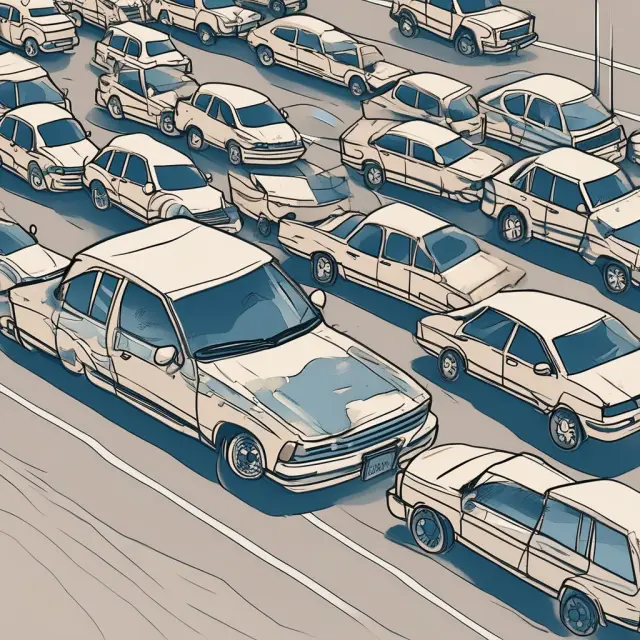
Steps to Take After an Accident Involving an Uninsured Driver
The aftermath of a car accident can be a chaotic and overwhelming experience, especially when the other driver is uninsured. Understanding what steps to take immediately following the accident will help ensure you receive fair compensation for any injuries or damages.
First and foremost, always prioritize safety. Check for injuries, and if anyone is hurt, call emergency services right away. If possible, move your vehicle off the roadway to prevent further accidents.
Once everyone is safe, gather as much information about the other driver and their vehicle as you can. Obtain their contact information, including name, phone number, address, and license plate number. Witnesses to the accident are invaluable, so make sure to get their names, numbers, and addresses as well.
Next, document the scene extensively with photographs or video recordings. This evidence can be crucial when filing a claim, particularly if you find yourself dealing with an at-fault driver who is uninsured.
File a police report, even if the other party claims they will pay for damages out of pocket. A police report serves as official documentation of the accident and may help expedite the insurance claims process. Additionally, it could provide valuable evidence to support your claim later on.
Promptly contact your insurance company to file an uninsured motorist claim. Many states require a specific time frame for reporting accidents, so be aware of any deadlines in your area. Your insurance company may ask for the following information:
- A detailed account of the accident, including date, time, location, and involved parties.
- Contact information for witnesses and the other driver (if known).
- Copies of police reports and medical records related to the accident.
- All bills and receipts related to vehicle repairs and medical expenses incurred due to the accident.
If your claim is denied or underpaid, consider pursuing arbitration. The binding arbitration process involves a neutral third party reviewing the case and making a final decision. Be aware that this process may vary depending on your specific policy and state laws.
In conclusion, being proactive in gathering information, documenting the accident scene, and contacting both law enforcement and your insurance company can help ensure that you receive fair compensation following an accident with an uninsured driver.

FAQs About Uninsured Motorist Coverage
Uninsured motorist (UM) coverage is an essential add-on to auto insurance policies that provides financial security when involved in accidents with uninsured or underinsured drivers. In this section, we will answer some frequently asked questions about uninsured motorist coverage and its importance in protecting you from unexpected financial burdens.
What is Uninsured Motorist Coverage?
An uninsured motorist (UM) coverage is a component of an auto insurance policy that shields you from financial losses caused by drivers without valid insurance, or by hit-and-run drivers. This add-on pays for medical bills, lost wages, and property damage arising from such accidents.
Why Do I Need Uninsured Motorist Coverage?
19 states, plus Washington D.C., require uninsured motorist coverage; however, around one in every eight U.S. drivers do not carry the legally mandated minimum auto insurance coverage, according to the Insurance Research Council (IRC). This leaves policyholders susceptible to financial hardships when involved in accidents caused by such drivers.
What Happens If I Am Involved in an Accident with an Uninsured Driver?
If you don’t have uninsured motorist coverage and are in an accident with an at-fault driver without insurance, you may not receive any compensation for your medical bills or vehicle repairs.
Is Uninsured Motorist Coverage the Same as Underinsured Motorist Coverage?
No, they are distinct coverages. While uninsured motorist coverage protects against accidents involving drivers without any liability insurance, underinsured motorist coverage safeguards you in instances where the at-fault driver’s insurance limits do not fully compensate for your damages. However, these two types of coverage can be bundled together.
What Does Uninsured Motorist Coverage Pay For?
Uninsured motorist bodily injury coverage reimburses medical bills and lost wages related to an accident with an uninsured driver, whereas uninsured motorist property damage covers vehicle repair costs.
How Much Does It Cost To Add Uninsured Motorist Coverage to My Policy?
Uninsured motorist coverage usually adds a small cost to your auto insurance policy but provides valuable protection. The exact cost depends on factors such as the type and amount of coverage, your location, and your driving record.
What Happens When I File an Uninsured Motorist Claim?
Following an accident with an uninsured driver, file a claim with your insurance company as soon as possible. They will require documentation such as medical bills, repair costs, police reports (if available), and witness information to assess and settle the claim. If you are unsatisfied with their decision, the case may go to binding arbitration.
In summary, uninsured motorist coverage offers peace of mind against potential financial losses when involved in accidents with drivers lacking sufficient insurance or no insurance at all. By understanding its importance, benefits, and components, you can make informed decisions about protecting yourself on the road.
 Next entry · No. 5,259Understanding Unintentional Tort: Defined and its Legal Implications
See also
-
 No. 5,653
26 Sep 2025
18 min
Understanding Wear and Tear Exclusions in Insurance Policies: What They Are and Why They Matter
Insurance
No. 5,653
26 Sep 2025
18 min
Understanding Wear and Tear Exclusions in Insurance Policies: What They Are and Why They Matter
Insurance -
 No. 5,425
07 Sep 2025
19 min
Understanding Vanishing Premiums: The Controversial Side of Life Insurance
Insurance
No. 5,425
07 Sep 2025
19 min
Understanding Vanishing Premiums: The Controversial Side of Life Insurance
Insurance -
 No. 5,232
22 Aug 2025
16 min
Understanding Unfair Claims Practices: Protecting Insured Parties from Improper Settlement Tactics
Insurance
No. 5,232
22 Aug 2025
16 min
Understanding Unfair Claims Practices: Protecting Insured Parties from Improper Settlement Tactics
Insurance -
 No. 5,185
18 Aug 2025
17 min
Understanding Underinsured Motorist Endorsements: Protecting Against Uninsured or Underinsured Drivers
Insurance
No. 5,185
18 Aug 2025
17 min
Understanding Underinsured Motorist Endorsements: Protecting Against Uninsured or Underinsured Drivers
Insurance -
 No. 5,184
18 Aug 2025
20 min
Understanding Underinsured Motorist Coverage Limits Trigger: Protecting Against Inadequate Insurance Coverage
Insurance
No. 5,184
18 Aug 2025
20 min
Understanding Underinsured Motorist Coverage Limits Trigger: Protecting Against Inadequate Insurance Coverage
Insurance -
 No. 5,155
16 Aug 2025
20 min
Unauthorized Insurers: The Risks of Doing Business with a Fraudulent Insurance Provider
Insurance
No. 5,155
16 Aug 2025
20 min
Unauthorized Insurers: The Risks of Doing Business with a Fraudulent Insurance Provider
Insurance