Understanding Unintentional Tort: Defined and its Legal Implications

Understand unintentional torts, a type of civil wrong, through an exploration of negligence, real-life examples, insurance coverage, and workplace implications.
Introduction to Unintentional Tort
Understanding unintentional tort is essential as it plays a significant role in determining liability for accidents resulting from carelessness or negligence, rather than intentional wrongdoing. Unlike intentional torts which involve deliberate harm, unintentional torts arise due to an unintended but foreseeable outcome of someone’s actions or inactions. This comprehensive section will delve into the definition and implications of unintentional torts, focusing primarily on negligence and its legal repercussions.
What Sets Unintentional Tort Apart?
To better comprehend unintentional tort, it’s helpful to compare it with intentional tort. Intentional torts refer to harms inflicted upon others intentionally or with the knowledge that one’s actions will likely cause harm. Examples of intentional torts include assault, battery, and defamation.
In contrast, unintentional torts are incidents where someone causes damage or injury as a result of negligence or carelessness, without intending to do so maliciously. These accidents often arise due to the failure to exercise reasonable care. Understanding both intentional and unintentional torts is crucial, as they significantly impact the legal process and insurance coverage.
The Importance of Unintentional Tort
As previously mentioned, unintentional torts primarily involve negligence. Negligence occurs when someone fails to provide a standard of care that a reasonably prudent person would have under similar circumstances. Proving negligence requires three elements: duty of care, breach of the duty, and causation. Let’s explore these factors further in the context of unintentional tort.
In the following sections, we will discuss how courts determine liability for unintentional torts related to children, parents, real-life examples, insurance coverage, and workplace implications. By gaining a clearer understanding of unintentional torts, you’ll be better equipped to navigate potential legal situations involving negligence or carelessness.
Keep in mind that this section focuses on expanding the topic of unintentional tort and negligence from the initial outline provided. As per the guidelines, external links are not permitted. If you require additional sources or context, please consult credible legal resources for a more comprehensive investigation.

Types of Unintentional Torts: Focus on Negligence
An unintentional tort is a type of accident that results in harm to another person or their property. In contrast to intentional torts, which involve actions taken with harmful intent, unintentional torts stem from negligence – a failure to exercise the degree of caution that a reasonable person would employ under similar circumstances.
Negligence is the most common type of unintentional tort. To illustrate, suppose A fails to take appropriate precautions while performing a task and inadvertently harms B as a result. In such cases, A can be held liable for negligence if they have breached their duty of care to prevent harm.
The key components of an unintentional tort claim based on negligence are:
- Duty of Care: The defendant owed the plaintiff a legal obligation to avoid careless actions that may cause harm.
- Failure to Provide Standard of Care: The defendant did not meet the standard of care expected from a reasonable person in that specific situation.
- Cause-in-Fact: The defendant’s negligent behavior was the direct reason for the plaintiff’s injury or loss.
It is essential to understand that unintentional torts differ significantly from intentional ones, as the former stems from careless actions rather than deliberate harm. Unintentional torts also impact insurance companies differently since they arise due to negligence, not premeditation.
The legal implications of unintentional torts can be complex, particularly concerning children. The court assesses a child’s behavior within the context of their age and circumstances. Children under six years old are rarely held responsible for their actions, while parents may be held liable if they fail to provide adequate supervision or training.
In unusual situations, a child might even sue a parent for unintentional torts caused by the parent’s negligence. For instance, if a parent fails to install a smoke alarm and a fire results in the child’s injuries, the child could potentially bring a claim against the parent.
To better grasp the concept of unintentional torts, consider an example. Suppose a camp counselor neglects to provide life jackets for rafting excursions and one camper tragically drowns as a result. In this scenario, it can be argued that the camper’s injury would not have occurred “but for” the camp counselor’s negligence in failing to supply the necessary safety equipment. Therefore, the camp counselor’s careless behavior is considered the cause-in-fact of the tragic event.

Proving Negligence in an Unintentional Tort
An unintentional tort is defined as an accident that results in injury, property damage, or financial loss through a lack of proper care or caution. To establish negligence, a plaintiff must prove three essential factors in the event of an unintentional tort: duty of care, failure to provide standard of care, and cause-in-fact.
1. Duty of Care
The first factor requires that the defendant owed the plaintiff a duty of care, or an obligation to act responsibly and avoid causing foreseeable harm to others. For instance, motorists owe other drivers and pedestrians a duty of care to operate their vehicles safely, while business owners have a duty to ensure their premises are safe for customers.
2. Failure to Provide Standard of Care
Secondly, the plaintiff must demonstrate that the defendant did not meet the required standard of care. In other words, the defendant’s actions or inactions were below the level expected of a reasonable person in the same situation. For example, a doctor’s failure to diagnose a medical condition properly would be considered a breach of the duty of care owed to their patient.
3. Cause-in-Fact
Lastly, the plaintiff must establish that the defendant’s negligence caused their harm. This is often referred to as “proximate cause,” meaning the defendant’s actions were the direct or indirect cause of the injuries sustained by the plaintiff. To illustrate, if a person leaves an unsecured pool unattended and a child drowns in it, the negligence of the pool owner would be considered the proximate cause of the harm to the child.
In cases involving children, the court considers their age, background, and circumstances when assessing responsibility for unintentional torts. In general, younger children are less likely to be held liable due to their inexperience and lack of understanding of potential risks. However, parents can still be held accountable if they fail to provide adequate supervision or instruction to help prevent such accidents from occurring.
Additionally, a child may sue a parent for damages resulting from the parent’s negligence. This could include cases where the parent failed to protect the child from harm or provide adequate care and support. Ultimately, understanding the concept of unintentional torts and the factors required to prove negligence is crucial for navigating liability in various situations, whether they involve children, parents, or other parties.

The Impact of Age on Unintentional Torts with Children
When it comes to unintentional torts, children often find themselves in unique situations. The legal implications for minors differ from those for adults due to their age and varying degrees of maturity. In the realm of unintentional torts, there are some specific factors that come into play when considering cases involving children.
First, it’s essential to understand that a child can indeed be held responsible for damages caused through negligence. However, the court will assess their actions based on their age, life experience, and what would typically be expected of a child in similar circumstances. Children under the age of six are rarely found liable for their actions since they’re too young to understand the consequences of their behavior.
However, parents can sometimes face liability if they fail to adequately supervise or train their children. For example, if a parent fails to teach a child proper safety precautions while playing near water and the child subsequently injures another child, the parent might be held accountable for negligence.
Now let’s explore an intriguing scenario: what happens when a child is injured due to their parent’s negligence? Can they sue their parents for damages? The answer is yes; a child can file a lawsuit against their parents if the parent’s negligence led to their injury. In this case, the child acts as both the plaintiff and the victim.
To prove that the parent was negligent, the child must establish three key elements: duty of care, breach of duty, and cause-in-fact. A duty of care refers to an obligation a person has to prevent foreseeable harm to others. In this situation, a parent’s duty would be to ensure their child’s safety and protect them from potential harm.
Breach of duty occurs when someone fails to provide the standard of care that a reasonable person would under similar circumstances. For example, if a parent leaves a stove burner on and a child is injured as a result, the parent may have breached their duty of care.
Finally, cause-in-fact refers to the connection between the parent’s negligent actions and the resulting injury. In our scenario, if the child’s injuries would not have occurred “but for” the parent’s failure to follow proper safety procedures, then the parent’s breach of duty has caused the injury.
In conclusion, unintentional torts can bring about complex legal situations when children are involved. Factors such as age, maturity, and the role of parents in supervision and training significantly impact liability and potential lawsuits. Understanding these nuances is crucial for anyone seeking a comprehensive grasp on unintentional tort law.
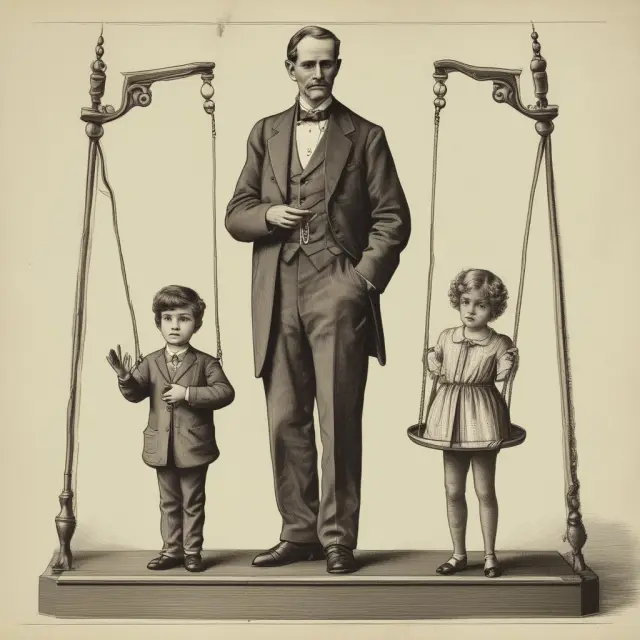
Liability of Parents in Unintentional Tort Cases
Parental responsibility is an essential factor when dealing with unintentional tort cases involving children. The question of whether parents can be held liable for their child’s actions often arises in these situations. Let us explore how the liability of parents is determined in unintentional tort cases.
First, it’s crucial to understand that children are held to different standards depending on their age and maturity levels. The court will assess a broad picture of the child, their background, and the circumstances surrounding the unintentional tort to determine the extent of their responsibility. In most instances, very young children (typically under six years old) are rarely found liable for their actions.
However, parents can be held liable if they fail to train their children adequately or properly supervise them during activities that could potentially cause harm. This is often referred to as “parental negligence.” A parent’s negligence may lead to the child causing injury or damage to others, and the parent may be held accountable for their failure to prevent such an occurrence.
On the other hand, a child can also sue their parents in certain situations where the parents are found negligent. For example, if a parent fails to provide necessary medical attention to their child, who later suffers health complications as a result, the child may have grounds for a lawsuit. In such cases, the child can claim that they suffered damages due to their parents’ negligence.
In conclusion, understanding the liability of parents in unintentional tort cases is essential to grasping the intricacies of this complex legal area. The court considers various factors when determining responsibility, including the age and maturity level of the child, the circumstances surrounding the incident, and whether the parents have adequately supervised or trained their child. As always, consult with a legal expert for specific advice on your case.
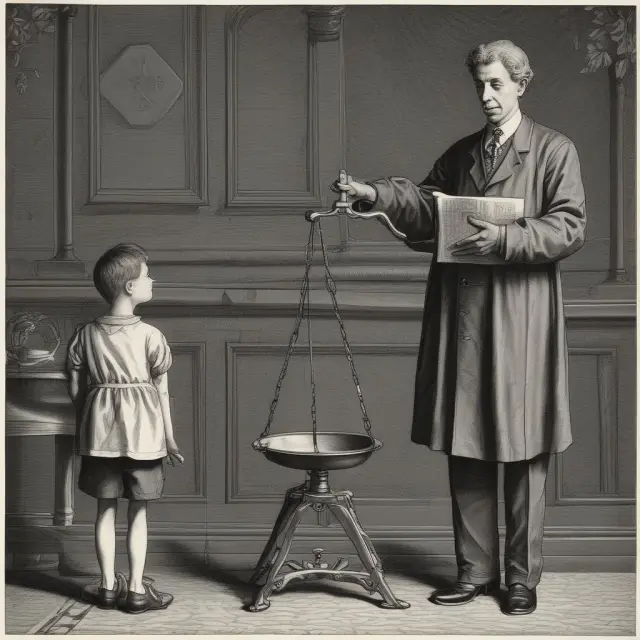
Children Suing Parents for Unintentional Torts
In cases of unintentional torts, it is important to understand the role children can play as both plaintiffs and defendants. While a child might inadvertently cause an accident that leads to injury or damage, they may also be the victims of their parents’ negligence. The court will assess each situation based on the child’s age, background, and the unique circumstances surrounding the unintentional tort.
A Child as a Plaintiff: A child can bring a lawsuit against a parent for an unintentional tort, just like any other individual. For instance, if a child is hurt because of their parents’ failure to provide a reasonable standard of care (such as not providing adequate supervision), they may have the right to seek compensation. In these cases, the child would be considered a plaintiff, and the parent would be the defendant.
A Child as a Defendant: Conversely, if a child is found to have caused an unintentional tort by their actions, the court will consider the child’s age, life experience, and what a similar child of that age would have done under similar circumstances. Children under six years old are rarely held liable for their actions due to their developmental stage. However, older children may be held accountable if they did not exercise the degree of care that a reasonable person would have in their situation.
Parents’ Liability: Parents can also face liability for unintentional torts committed by their children under specific circumstances. For example, parents might be held accountable if they failed to provide proper supervision or failed to train their child in essential skills. The court may find a parent liable for negligence if the injury was foreseeable and could have been prevented with reasonable care.
The Impact of Age on Unintentional Torts: Children’s age plays an important role when it comes to unintentional tort cases. As mentioned, children under six years old are rarely held accountable for their actions due to their developmental stage. Older children might face consequences if they do not act with the care expected of a child of that age. Furthermore, parents’ responsibilities and potential liability change as their child grows.
Real-life Example
Let us examine an example where a five-year-old child is left alone to play near a swimming pool while their parents are indoors. The child accidentally falls into the pool and suffers from minor injuries. In this case, the parents might be found negligent for leaving their child unattended near the pool, especially if they knew or should have known of the risks posed by the water.
In conclusion, understanding children’s role in unintentional torts can provide valuable insight into the complexities and nuances of this legal concept. Whether a child is suing a parent or a parent is being held liable for their child’s actions, age is an essential factor that courts consider when making decisions.

Real-life Example: Unintentional Tort and Negligence
An unintentional tort occurs when an individual causes harm to another person without intending it, often due to carelessness or negligence. A classic example of this is a driver who accidentally hits a pedestrian at an intersection due to running a red light. Let’s delve deeper into the concept of negligence as an unintentional tort and explore how courts handle such cases.
Negligence, as previously mentioned, is a common type of unintentional tort. This refers to a situation where someone causes harm inadvertently because they didn’t exercise the same care a prudent person would have under similar circumstances. In the case of our distracted driver, negligence is established if it’s proven that the driver failed to provide the standard of care expected from a reasonably cautious driver.
In order for an unintentional tort to be considered valid in a court of law, three primary conditions must be met:
- The defendant caused the injuries or damages.
- The defendant failed to meet the standard of care required by law.
- The duty of care existed between the defendant and the plaintiff.
The driver in our example owed a duty of care to all other road users, including the pedestrian they ultimately hit. By running a red light, the driver breached their duty of care, causing harm to the pedestrian.
Children and unintentional torts are dealt with differently by the courts due to their age and life experience. For instance, in the event that a child is involved in an unintentional tort case, the court will consider various factors such as the child’s age, background, and circumstances. Courts generally place less emphasis on a young child’s ability to act responsibly and hold them accountable for their actions to a lesser extent than an adult.
One important implication of unintentional tort is that parents can potentially be held liable if they fail to provide proper care or supervision for their children, leading to injuries or damages. However, the parents are not automatically responsible for every action taken by their child.
Moreover, a child may sue their parent for an unintentional tort if it can be proven that the parent’s negligence led to the child’s harm. For instance, if a child suffers injuries due to a parent failing to secure a safety gate on their staircase, the court may consider the parent’s action (or inaction) as negligent and therefore liable for damages.
The importance of understanding unintentional torts lies in their impact on our daily lives and the legal system. By being aware of these concepts, we can make informed decisions and protect ourselves from potential harm.
Unintentional Torts in Insurance Coverage
Insurance policies play an essential role in protecting individuals from financial losses arising from unintentional torts. In the event that someone causes harm or damage to another person or property, their insurance company may cover the resulting costs under specific policy provisions. Two common types of insurance that typically cover unintentional tort claims are homeowners’ and automobile insurance.
Homeowners’ Insurance: A homeowner’s insurance policy can protect them financially if they are liable for an unintentional tort on their property. For instance, if a visitor slips and falls on an icy porch due to the homeowner’s negligence in not clearing the ice, resulting in injuries, the insurance company may cover the costs of medical bills, lost wages, and legal fees.
Automobile Insurance: Similarly, automobile insurance covers accidents caused by policyholders when driving a car. If a driver unintentionally causes an accident that results in property damage or personal injury to others, their auto insurance company may pay for damages as per the policy’s terms.
It’s important to note that insurance policies vary greatly, and coverage options can differ depending on the specific insurer and policy type. Homeowners’ and automobile insurance policies generally include provisions for liability and property damage, but it is essential to carefully review your individual policy terms for a complete understanding of what is covered.
Moreover, insurance companies use various methods to determine whether they will cover unintentional tort claims. Factors such as the policyholder’s actions leading up to the incident, the extent of damages, and the applicable laws are all considered. It’s always recommended to consult with a legal professional for guidance regarding specific cases or insurance coverage disputes.
In summary, understanding how unintentional torts interact with insurance policies can provide valuable peace of mind, helping policyholders navigate complex situations involving accidents that were unintentionally caused. By being aware of the potential implications and available resources, individuals can protect themselves from unnecessary financial burdens and ensure a more positive outcome for all parties involved.

Implications of Unintentional Torts in the Workplace
An unintentional tort can significantly impact various aspects of workplace dynamics and employer responsibilities. To illustrate, let us explore some possible scenarios where employees or employers could be held liable for unintentional torts in a work setting.
1. Employees causing accidents:
Employers are generally responsible for ensuring the safety of their employees while they’re at work. When an employee causes an accident resulting in injury to another employee, several factors will determine liability. If it is proven that the employer failed to provide adequate training or equipment, negligence might be established, making the employer potentially liable for damages.
2. Employers causing accidents:
On the flip side, when an employer is responsible for causing an injury to an employee through unintentional actions (negligence), they may also face liability. For instance, if a piece of machinery malfunctions due to poor maintenance practices and injures an employee, the employer could be held responsible for negligence.
3. Product Liability:
Products that are used in the workplace can sometimes cause unintentional torts when they malfunction or have defects. An employer might be held liable if they knew about a potential danger and failed to take action, leading to an injury. In contrast, if an employee causes harm to another using a faulty piece of equipment, the employer could still potentially share in the liability since they had a duty to ensure the workplace was safe for all employees.
4. Premises Liability:
Employers are also responsible for maintaining a reasonably safe work environment. If an employee is injured due to hazardous conditions on the premises, such as wet floors or obstructed walkways, and the employer knew about the issue but failed to address it, liability may be established through negligence claims.
5. Insurance Coverage:
In cases of unintentional torts in the workplace, insurance plays a crucial role in providing compensation for damages. Both employers and employees might have insurance coverage that can help cover medical bills, lost wages, or other related expenses. Insurers often provide workers’ compensation coverage to protect employers against potential financial losses from workplace accidents.
The implications of unintentional torts in the workplace underscore the importance of maintaining a safe and secure working environment for all employees. While unintentional injuries can still occur despite diligent efforts, being knowledgeable about employer responsibilities and available insurance options can help mitigate risks and manage the potential financial impact of such events.

FAQs on Unintentional Torts
What is an unintentional tort?
An unintentional tort refers to a type of accident causing injury, property damage, or financial loss where the person responsible did not intend to cause harm but failed to provide the standard of care expected from a reasonable person.
How is an unintentional tort different from an intentional tort?
The primary difference lies in the intentions behind the actions. In an intentional tort, someone intentionally harms another person or their property, whereas an unintentional tort occurs due to negligence and lack of care.
Can children be held responsible for unintentional torts?
Yes, children can be held accountable for unintentional torts based on their age, life experience, and actions under similar circumstances. However, the court may consider a different standard of care when assessing a child’s liability.
What are the three factors needed to prove unintentional negligence?
The three essential components of proving unintentional negligence include: (1) duty of care owed by the defendant, (2) failure to provide the standard of care, and (3) cause-in-fact of the injury or damages.
What is the “standard of care” in unintentional torts?
The standard of care refers to the degree of care a reasonable person would exercise under given circumstances to prevent harm to others or their property.
Can parents be held liable for their child’s unintentional torts?
Parents can potentially be held responsible for their child’s negligent actions if they failed to provide proper supervision, instruction, or failed to ensure their child complied with applicable safety guidelines. However, the parents are not automatically liable for every action taken by their child.
Can a child sue their parents for an unintentional tort?
Yes, a child can file a lawsuit against their parents if they have been injured due to the parents’ negligence, such as failing to provide proper care or supervision.
 Next entry · No. 5,260Understanding the Rare yet Significant Three River Candlestick Pattern: A Bullish Reversal Indicator for Professional Traders
See also
-
 No. 5,831
11 Oct 2025
21 min
Understanding X-Mark Signatures: Legal Implications and Requirements for Validity
Legal & Contracts
No. 5,831
11 Oct 2025
21 min
Understanding X-Mark Signatures: Legal Implications and Requirements for Validity
Legal & Contracts -
 No. 1,390
08 Sep 2024
17 min
Understanding Exculpatory Clauses in Contracts: What They Are, Their Limitations, and Enforceability
Legal & Contracts
No. 1,390
08 Sep 2024
17 min
Understanding Exculpatory Clauses in Contracts: What They Are, Their Limitations, and Enforceability
Legal & Contracts -
 No. 1,109
29 Jul 2024
20 min
Understanding Domiciles: Your Legal Address and Permanent Home
Legal & Contracts
No. 1,109
29 Jul 2024
20 min
Understanding Domiciles: Your Legal Address and Permanent Home
Legal & Contracts -
 No. 5,935
07 Sep 2026
17 min
How Much Life Insurance You Actually Need
Insurance
No. 5,935
07 Sep 2026
17 min
How Much Life Insurance You Actually Need
Insurance -
 No. 5,839
12 Oct 2025
18 min
Understanding Yacht Insurance: Coverage and Key Considerations
Insurance
No. 5,839
12 Oct 2025
18 min
Understanding Yacht Insurance: Coverage and Key Considerations
Insurance -
 No. 5,753
05 Oct 2025
18 min
Understanding Wire Fraud: An In-depth Analysis and Prevention Strategies for Institutional Investors
Business Finance
No. 5,753
05 Oct 2025
18 min
Understanding Wire Fraud: An In-depth Analysis and Prevention Strategies for Institutional Investors
Business Finance