Understanding Utilities Sector: Long-Term Investments, Regulatory Oversight, and Shift towards Clean Energy

Explore the ins and outs of the utilities sector with an in-depth analysis of long-term investments, regulatory oversight, and clean energy shifts.
Overview of the Utilities Sector
The utilities sector, encompassing electric, gas, or water utilities, represents companies that offer services essential to everyday life and are heavily regulated. As of July 2022, the sector boasts a market capitalization of over $1.58 trillion. Despite being private entities, they serve as part of public infrastructure.
Utilities, with their stable dividends and lower volatility, are long-term investments attractive to income-producing investors. The sector’s appeal stems from its predictability and resilience during economic downturns. However, challenges such as regulatory oversight and expensive infrastructure updates persist, as do opportunities presented by the shift towards clean energy.
Utilities offer a range of services, including electricity, natural gas, water, and other essentials, with some companies focusing on renewable energy sources like wind turbines and solar panels. This sector is known for its stable income and lower price volatility compared to the overall equity markets. However, it faces hurdles such as intense regulatory oversight, expensive infrastructure requirements, debt loads, and sensitivity to interest rates.
Investing in Utilities
The utilities sector holds appeal during economic downturns due to its stable income and lower volatility. Investors can choose from various investment vehicles like individual stocks, regional utilities, exchange-traded funds (ETFs), or sector funds containing a diversified basket of utility companies. The sector’s defensive nature makes it an attractive option for income-producing investors seeking consistent returns through dividends.
The Fidelity Select Utilities Portfolio (FSUTX) and the Utilities Select Sector SPDR Fund (XLU) are popular investment vehicles, offering dividend yields of 1.52% and 3%, respectively. These funds provide easy access to a diversified portfolio of utility stocks with various market capitalizations.
Pros and Cons of Utilities Sector
The utilities sector offers several advantages: stable income, lower volatility, predictability, and resilience during economic downturns. However, it comes with challenges like intense regulatory oversight, expensive infrastructure requirements, debt loads, and sensitivity to interest rates.
Understanding the Utilities Sector
The utilities sector comprises companies offering essential services like electricity, gas, or water, which are heavily regulated despite being privately owned. With a market capitalization of over $1.58 trillion as of July 2022, it represents a significant investment opportunity for long-term holdings.
Utilities appeal to income-producing investors due to their stable dividends and lower volatility compared to other equities. However, challenges include regulatory oversight, expensive infrastructure requirements, debt loads, and interest rate sensitivity. Despite these challenges, the utilities sector’s resilience during economic downturns makes it a valuable investment option.
Characteristics of Utilities Companies
Utilities companies are characterized by their large size, offering various services like electricity, natural gas, water, or specializing in one type of service. Some companies focus on clean and renewable energy sources to produce electricity, while others rely on traditional energy sources. These companies require significant amounts of expensive infrastructure to deliver essential services and often carry substantial debt on their balance sheets.
Investing in Utilities
Utilities are popular defensive investments during economic downturns due to their stable dividends and lower volatility. Investors can access the utilities sector through various investment vehicles, including individual stocks, regional utilities, ETFs, or sector funds containing a basket of utility companies.
Pros: Stable income, lower volatility, predictability, and resilience during economic downturns.
Cons: Intense regulatory oversight, expensive infrastructure requirements, debt loads, and interest rate sensitivity.
Public Utility Companies
The utilities sector is made up of major players offering electricity, natural gas, water, or other essential services. These companies are heavily regulated at various jurisdictional levels, primarily at the state level. The National Association of Regulatory Utility Commissioners (NARUC) oversees these commissions to ensure reliable utility service at fair and reasonable rates.
The sector’s shift towards clean energy and infrastructure upgrades opens new opportunities for investment while posing challenges like increased regulation, infrastructure costs, and the need for continuous updates.
Changes within the Utilities Sector
Clean energy initiatives, grid modernization, infrastructure upgrades, electrification of transportation, disaster readiness, and traditional energy players entering renewable energy fields are transforming the utilities sector in 2022. The Infrastructure Investment and Jobs Act allocates $65 billion for upgrading the national power infrastructure, while the ongoing shift towards renewable energy sources presents both opportunities and challenges.
Investors can capitalize on these trends by investing in utilities companies with a focus on clean energy and infrastructure development. The sector’s robust fundamentals make it an attractive option for long-term investors seeking consistent returns through dividends while navigating the shift towards renewable energy sources and infrastructure upgrades.

Characteristics of Utilities Companies
Utilities companies, also known as public utilities or utility stocks, are a significant part of the finance and investment sectors. They provide essential services like electricity, natural gas, water, and other energy-related services to individuals, businesses, and industries. As infrastructure providers, these companies hold immense importance due to their role in the economy’s well-being. With a market capitalization of over $1.58 trillion as of July 2022, utilities represent a substantial sector that attracts investors seeking stable long-term investments and regular income through dividends.
Utilities companies have several characteristics that set them apart from other sectors. They are characterized by their role in the public service infrastructure while being for-profit entities. As such, they face heavy regulatory oversight to ensure reliable services and fair pricing. Utilities typically offer stable dividends as opposed to capital gains. These companies often function as monopolies or have a dominant market position due to the high cost of building and maintaining extensive infrastructure. Their long-term investments in infrastructure mean that they are more resilient during economic downturns compared to other sectors.
Despite their attractive qualities, utilities face challenges such as regulatory oversight, expensive infrastructure maintenance, and the need to adapt to changing market conditions. Regulatory bodies ensure that utility companies provide reliable services at fair prices. However, they may impose restrictions on rate increases or new investments, making it challenging for companies to maintain their infrastructure and grow. Moreover, utilities’ substantial debt loads can make them sensitive to interest rate fluctuations, potentially impacting their profitability and dividend payments.
In conclusion, utilities companies offer investors a stable investment option with long-term growth potential and consistent dividends. Their importance in the economy as essential service providers makes them attractive for income-producing investors and those seeking defensive investments during economic downturns. However, they face regulatory challenges and high infrastructure costs that require careful consideration when investing in this sector.

Investing in Utilities
Utilities are often sought-after investments during economic downturns due to their stable dividends and income-generating nature. As large infrastructure providers, utility companies offer a unique value proposition to investors looking for long-term, dependable returns. The sector’s popularity can be attributed to several factors, including the following:
1. Stability and Predictability: Utilities are characterized by their consistent cash flows due to the necessity of electricity, gas, water, and other essential services. This predictability translates into reliable dividends for shareholders, making utility stocks a popular choice among income-oriented investors.
2. Defensive Investments: During economic downturns or periods of uncertainty, utilities serve as defensive investments due to their recession-resistant nature. Their stable cash flows and low volatility make them attractive alternatives to riskier asset classes.
3. Long-Term Investment Opportunities: The capital-intensive nature of utility infrastructure necessitates long-term investment horizons, providing stability for investors over extended periods.
4. Diversification Benefits: Including utilities in a diversified portfolio reduces overall risk by introducing stable income streams and reducing reliance on specific sectors or individual securities.
Various investment vehicles cater to those interested in the utilities sector. These include:
– Individual Stocks: Investing directly in utility companies offers the potential for higher returns but comes with added risks, such as stock price volatility and company-specific challenges.
– Regional Utilities: Investing in regional utility companies allows investors to focus on specific regions or geographic areas. This approach can help mitigate broader market risk while providing exposure to a local economy.
– Exchange-Traded Funds (ETFs): Utilities sector ETFs allow for diversified exposure to numerous utilities stocks within the sector, offering a more balanced and lower-risk investment opportunity.
– Sector Funds: Mutual funds dedicated to the utilities sector provide investors with an expertly managed fund focusing on utility investments, potentially minimizing individual stock selection risk.
One notable ETF in the utilities sector is the Utilities Select Sector SPDR Fund (XLU), which invests in companies within the utilities sector and has an annual dividend yield of approximately 3%. This yield outperforms the broader S&P 500 index, making utility stocks a popular choice among income-seeking investors.
Despite their numerous advantages, investing in utilities comes with challenges such as regulatory oversight and expensive infrastructure maintenance costs. However, understanding these risks and staying informed of sector trends can help investors make well-informed decisions when considering utility investments.
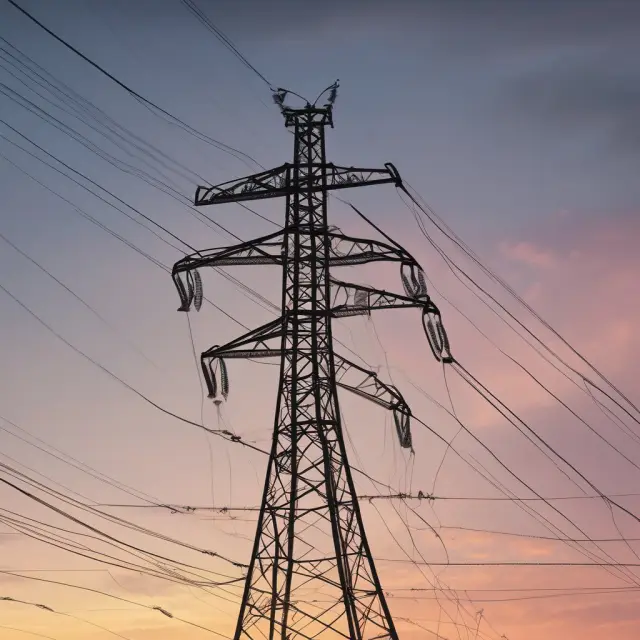
Pros and Cons of Utilities Sector
The utilities sector offers a unique set of advantages and challenges for investors, making it an intriguing investment option. Let’s discuss the pros and cons of investing in this sector.
Advantages:
- Stable Income: Utilities are known for their stable income due to consistent demand for electricity, water, natural gas, and other services essential for modern living. This reliable demand results in a steady stream of revenue, leading to attractive dividends for investors.
- Lower Volatility: The utilities sector is less susceptible to the market volatility experienced by other sectors due to their stable cash flow and regulated nature. As such, they make an excellent investment choice during periods of economic uncertainty or market turmoil.
- Predictability: Utilities provide predictable returns for investors, with steady revenue growth and consistent dividend payments over extended holding periods. This predictability makes it easier to plan long-term financial strategies.
- Income Generation: Utilities offer high dividend yields compared to other sectors, making them an attractive income investment option. Dividends are typically paid out regularly, providing a steady stream of income for investors.
- Long-Term Investments: Utilities sector stocks often exhibit long-term growth potential due to the continuous need for infrastructure upgrades and maintenance, as well as expanding demand for clean energy.
- Economic Downturns: Utilities are popular defensive investments during economic downturns because of their stable cash flows and lower volatility. They offer investors protection from market instability and economic uncertainty.
Disadvantages:
- Regulatory Oversight: The utilities sector is highly regulated, which can impact the pricing and profitability of utility companies. This oversight adds complexity to operations and can lead to potential delays or uncertainties regarding capital expenditures and revenue growth.
- Infrastructure Costs: Utilities require large infrastructure investments for maintaining and expanding their networks. These expenses can weigh heavily on company finances, leading to increased debt loads and pressure to maintain profitability.
- Debt Loads: The utilities sector carries substantial debt due to the high cost of infrastructure investments and capital-intensive nature of utility operations. This debt load makes companies vulnerable to changes in interest rates, which can impact their borrowing costs and cash flow.
- Interest Rate Sensitivity: Utilities are sensitive to interest rate fluctuations since they often carry significant debt loads, making them susceptible to increased borrowing costs when interest rates rise. As a result, the sector’s performance may be negatively affected during periods of rising interest rates.
- Limited Growth Potential: The utilities sector may not offer significant growth potential due to its regulated nature and mature infrastructure. This could limit investors seeking high capital appreciation or those looking for rapidly growing companies.
In conclusion, the utilities sector presents a compelling investment opportunity due to its stable income, lower volatility, and predictability. However, it also comes with regulatory oversight, significant infrastructure costs, and debt loads that can impact profitability and growth potential. By understanding both sides of the equation, investors can make informed decisions on whether this sector aligns with their long-term financial goals.

Public Utility Companies
The utilities sector comprises companies that offer essential services such as electricity, natural gas, water, and other utility services to homes and businesses. These public utilities are private, for-profit entities subject to heavy regulatory oversight from public utility commissions (PUCs) operating at various levels – primarily state level. The National Association of Regulatory Utility Commissioners (NARUC) oversees these commissions and their mission is to ensure reliable utility service at fair and reasonable rates. Some notable utilities companies with strong investor interest include:
- NRG Energy (NRG): An integrated power company providing electricity and energy solutions, as well as natural gas to customers throughout the U.S. and Canada.
- OGE Energy Corp (OGE): A holding company with investments in energy and energy service providers offering physical delivery for electricity in Oklahoma and western Arkansas.
- PG&E (PCG): A holding company providing electricity and natural gas sales and delivery to customers primarily in California.
Regulatory oversight ensures the provision of reliable utility services at reasonable rates. PUCs regulate aspects like pricing, infrastructure investments, and safety standards to protect consumer interests while maintaining a balance between affordability and profitability for utilities companies. This oversight is crucial as public utilities are critical components of the nation’s public service infrastructure.
Utilities sector players face challenges related to regulatory compliance, expensive infrastructure upgrades, and maintaining their financial solvency in the face of changing market conditions and evolving regulations. Clean energy initiatives have brought about significant changes, such as grid modernization, infrastructure upgrades, electrification of transportation, disaster readiness, and traditional energy companies entering the renewable energy field.
In 2022, the U.S. government introduced the Infrastructure Investment and Jobs Act, which allocated $65 billion to upgrade national power infrastructure. Additionally, the Build Back Better bill aimed to provide more than $300 billion in direct subsidies for wind, solar, transmission, storage, carbon capture, and nuclear projects. Although the bill did not pass, it demonstrated a strong commitment to clean energy transition and renewable investments, which could positively impact utilities sector players.
In conclusion, public utility companies serve essential services that are subject to heavy regulatory oversight. Their role in the public service infrastructure necessitates a balance between affordability for consumers and profitability for providers. As the sector faces challenges related to evolving regulations, infrastructure investments, and clean energy initiatives, it also presents opportunities for growth and innovation.

Changes within the Utilities Sector
The utilities sector, known for its large infrastructure providers, is undergoing transformative changes as clean energy initiatives reshape the landscape of this essential industry. Grid modernization, infrastructure upgrades, electrification of transportation, and disaster readiness are driving growth in the utilities sector throughout the 2020s.
Grid Modernization
The push for a more sustainable energy future is compelling utilities to invest in grid modernization – the process of updating electricity transmission and distribution systems. This infrastructure improvement aims to enhance grid resilience, efficiency, and reliability. Grid modernization projects include implementing smart grids that utilize advanced sensors and automation technologies to better manage power flows. Additionally, they may involve integrating renewable energy sources like wind and solar into the grid, which has become increasingly important given growing concerns over climate change.
Infrastructure Upgrades
Utilities companies are investing substantial funds to modernize and upgrade their infrastructure in response to changing customer preferences and evolving regulatory requirements. Replacing aging power plants, refurbishing transmission lines, and integrating new technologies such as energy storage systems and smart grids are essential aspects of this investment cycle. Infrastructure upgrades also contribute significantly to creating jobs and stimulating economic growth.
Electrification of Transportation
The electrification of transportation is another transformative change that will have a significant impact on the utilities sector. As electric vehicles (EVs) become increasingly popular, there will be an increasing demand for charging infrastructure. Utilities companies are partnering with automakers and technology firms to invest in building out charging networks and expanding grid capacity to accommodate this growing need.
Disaster Readiness
With more frequent extreme weather events due to climate change, utilities have been investing in disaster readiness initiatives. These efforts include building more resilient infrastructure, implementing advanced warning systems, and deploying technology solutions like microgrids and energy storage systems. Microgrids are local power generation and distribution systems that can operate autonomously during power outages and help prevent widespread disruptions to essential services.
Impact on Investors
These changes in the utilities sector offer a wealth of opportunities for investors looking to capitalize on the shift towards clean energy, grid modernization, and infrastructure upgrades. Utilities stocks can provide steady returns with lower volatility compared to other sectors. They are often favored during economic downturns as defensive investments due to their stable dividends. By investing in utilities companies that focus on these transformative initiatives, investors can gain exposure to the long-term growth of the sector while contributing to a more sustainable energy future.
In conclusion, the utilities sector is an essential component of our economy and infrastructure. Its evolution towards cleaner, more efficient, and resilient power systems will provide numerous opportunities for both companies and investors alike. Understanding these changes and how they impact utility companies can help inform investment decisions and contribute to a more sustainable energy future.
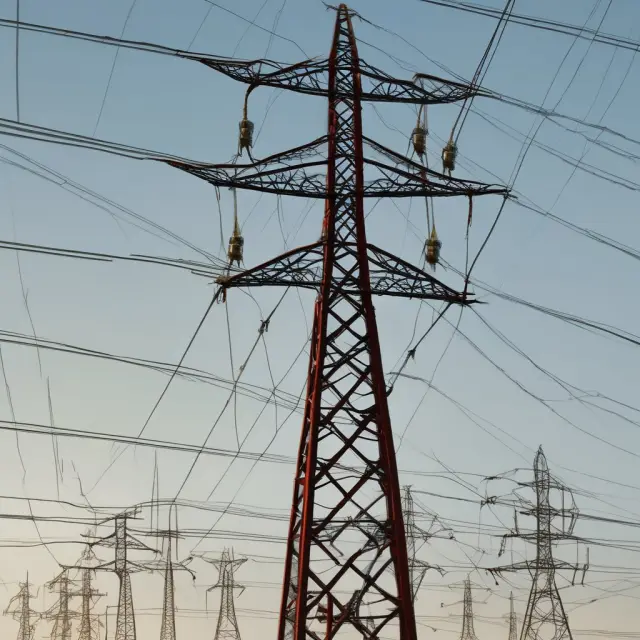
Regulations and Policies Affecting Utilities
The utilities sector is subjected to extensive regulations due to its crucial role in public infrastructure and energy provision. Two significant policies, Build Back Better and Infrastructure Investment and Jobs Act, have recently impacted the utilities sector by introducing tax credits, subsidies, and infrastructure funding.
Build Back Better
The Build Back Better (BBB) bill proposed by President Biden aimed to provide over $300 billion in direct subsidies for wind, solar, transmission, storage, carbon capture, and nuclear projects. Although the bill failed to pass the Senate, its focus on clean energy initiatives attracted attention from utilities companies. The sector largely supported the tax credits proposed in BBB, as they would incentivize investments in renewable energy sources and reduce reliance on fossil fuels.
Infrastructure Investment and Jobs Act
The Infrastructure Investment and Jobs Act (IIJA), signed into law in August 2022, includes $65 billion earmarked for upgrading the national power infrastructure. This funding will be used to modernize the electricity grid, improve energy storage capabilities, and expand transmission lines. The IIJA’s emphasis on clean energy and infrastructure updates is expected to benefit utility companies in various ways.
Impact of Policies
Both policies contribute to a shift towards renewable energy sources and infrastructure upgrades. Utilities are expected to reap benefits from this transition, as they will have opportunities to invest in modernizing their infrastructure, expanding clean energy capabilities, and participating in tax credits or subsidies offered by the government. The IIJA’s focus on disaster readiness also highlights utilities’ role in ensuring resilient power grids during extreme weather events.
Utilities companies are subjected to intense regulatory oversight due to their impact on public infrastructure. Regulations aim to ensure reliable utility service at fair and reasonable rates while addressing the challenges of expensive infrastructure, infrastructure updating, and increasing debt loads. Policymakers’ focus on clean energy initiatives may lead to significant changes within the utilities sector in the coming years.
The Build Back Better bill and Infrastructure Investment and Jobs Act demonstrate the government’s commitment to supporting the transition towards cleaner, more sustainable energy sources while addressing infrastructure needs. Utility companies that can adapt to these changes will have a competitive edge in this evolving landscape, positioning them as attractive investments for those seeking stable dividends, long-term capital growth, and environmental consciousness.

Impact of Inflation on Utilities Sector
Investing in utilities often appeals to risk-averse investors due to their consistent, predictable nature and stable dividends. However, one significant challenge the sector faces is inflation. Historically, high inflation rates have brought about substantial challenges for utility companies in terms of debt loads, fuel costs, interest rates, and regulatory oversight.
During the inflationary periods of the 1970s and 80s, utilities were hit hard with increased debt from soaring fuel costs, frequent blackouts, higher regulation, and bankruptcies (Smith, 1982). However, it’s important to note that modern utility companies have made strides in adapting to inflationary pressures. In this section, we will discuss how inflation impacts utilities through debt loads, fuel costs, interest rates, and regulatory oversight.
Impact on Debt Loads
Debt is a significant component of the utility sector, with many companies carrying substantial debt loads due to the high capital requirements for infrastructure investments. Inflation can exacerbate these debt loads by increasing operating expenses. For example, if inflation causes labor costs and materials to rise, a utility may need to spend more on wages and supplies to maintain its operations (Brenner & Cavanaugh, 2016). Furthermore, utilities often issue debt at fixed interest rates which can create issues when inflation rises. During periods of high inflation, the real value of these debts decreases, making it more challenging for utilities to meet their debt obligations and potentially increasing the risk of default (EIA, 2018).
Impact on Fuel Costs
Another substantial impact of inflation is the rising cost of fuels like natural gas and coal. Utility companies rely heavily on fuel to generate electricity, making fuel costs a significant portion of their expenses. During periods of high inflation, these costs can rise substantially, putting pressure on utility companies’ bottom lines (EIA, 2018). Additionally, utilities may face challenges when passing these increased fuel costs onto customers through rate increases. Regulatory commissions often resist allowing rate hikes during periods of economic downturns, making it difficult for utilities to recover their costs and maintain profitability (Smith, 1982).
Impact on Interest Rates
Interest rates play a significant role in the utility sector as many companies rely on debt financing to fund infrastructure projects. When inflation causes interest rates to rise, it becomes more expensive for utilities to borrow capital for these projects. This can make it challenging for companies to finance new investments and maintain their existing infrastructure (EIA, 2018). In some cases, high interest rates may deter utilities from investing in new projects altogether, leading to underinvestment in critical infrastructure upgrades and potential risks to the reliability and safety of the grid.
Impact on Regulatory Oversight
Lastly, utilities face increased regulatory oversight during periods of high inflation as governments seek to protect consumers from rising energy costs. Inflation can lead to pressure for more frequent rate increases and increased scrutiny of utility company operations. This can make it challenging for utilities to implement necessary infrastructure upgrades and maintain profitability (Smith, 1982). Furthermore, regulatory changes and increased oversight can result in additional expenses for utilities, further exacerbating the impact of inflation on their bottom line.
Despite these challenges, utility companies have shown resilience during periods of high inflation. For example, during the late 1970s and early 1980s, utilities managed to maintain profitability by implementing cost-cutting measures, such as labor force reductions and increased automation (Smith, 1982). Additionally, some utilities have shifted towards renewable energy sources which can provide cost savings in the long run. In conclusion, while inflation poses significant challenges for the utility sector, companies have demonstrated their ability to adapt and thrive during periods of rising costs. Understanding these challenges is essential for investors looking to invest in utility stocks or ETFs and can help them make informed decisions about their portfolios.
In the next section, we will discuss the advantages and disadvantages of investing in the utilities sector and examine some of the largest public utility companies currently attracting investor interest.

Utilities Sector during Economic Downturns
During economic downturns, utility stocks often perform better than other sectors due to their stable dividends and lower volatility. In times of economic uncertainty, investors tend to shift funds towards defensive investments, and utilities are a popular choice. Let’s delve deeper into why this happens:
Firstly, utilities are capital-intensive industries that require substantial investments for infrastructure upgrades and maintenance. This translates into a long-term commitment for utility companies. Consequently, investors view utility stocks as stable income producers rather than growth plays. Utilities can weather economic downturns because they have regulated revenue streams. Regulators set rates to recover costs and provide a predictable return on equity (ROE) for investors. This assurance of a steady cash flow makes utilities attractive during uncertain economic times.
Secondly, utility stocks offer lower volatility compared to the broader stock market due to their stable dividends and defensive nature. The sector’s low beta also contributes to its stability, making it an excellent choice for risk-averse investors. Utilities tend to outperform the S&P 500 during periods of economic recession. For instance, during the financial crisis of 2008, utility stocks significantly outperformed the broader market by delivering positive returns while many other sectors reported significant declines (Siegel, 2010).
Finally, utilities are essential services that consumers and businesses rely on daily. As such, demand for these services remains relatively stable even during economic downturns. For example, people still need electricity to power their homes and water to maintain hygiene. In turn, this steady demand translates into a predictable revenue stream for utility companies, further reducing the risk of revenue losses in economic downturns.
However, it’s important to note that utilities also face challenges during economic downturns. For instance, regulatory oversight and high debt loads can increase costs and reduce profitability for these companies. Additionally, changes in interest rates and inflation can affect their operating expenses. Despite these challenges, utility stocks continue to be popular defensive investments for income-producing investors due to their stable dividends and lower volatility.
In conclusion, utilities have proven to be resilient investments during economic downturns due to their essential nature, regulated revenue streams, and stable dividends. These factors make them an attractive choice for income-focused investors seeking defensive investments in times of economic uncertainty.

FAQ
What exactly is the utilities sector, and why should investors care about it?
The utilities sector primarily involves companies that provide electricity, natural gas, water, or other essential services, such as wind energy or renewable power. Utilities are appealing to investors because they typically offer stable dividends, lower volatility, and serve as defensive investments during economic downturns. Additionally, the sector has significant infrastructure requirements, which can create opportunities for long-term investment in capital-intensive projects.
What challenges face utility companies?
Utilities encounter various challenges, including regulatory oversight, extensive infrastructure upgrades and maintenance, large debt loads due to their capital-intensive nature, and sensitivity to changes in interest rates. Furthermore, the shift towards clean energy initiatives and government regulations like Build Back Better or Infrastructure Investment and Jobs Act can bring both opportunities and challenges to utility companies.
What is the current state of the utilities sector?
As of July 2022, the utilities sector had a market capitalization of over $1.58 trillion. While the sector has faced significant changes with clean energy initiatives and infrastructure upgrades, it continues to attract investors due to its stability and income generation potential. However, challenges like regulatory oversight, expensive infrastructure requirements, and interest rate sensitivity remain key concerns for utility companies.
What are some investment vehicles for utilities?
Investors can access the utilities sector through various investment vehicles, such as individual stocks, regional utilities, exchange-traded funds (ETFs), or sector funds containing a basket of utility stocks from throughout the United States. For example, Fidelity Select Utilities Portfolio (FSUTX) and Utilities Select Sector SPDR Fund (XLU) are popular options for investors looking to gain exposure to the utilities sector.
What sets utilities apart from other sectors during economic downturns?
Utilities often perform well during recessions as defensive investments due to their stable dividends, lower volatility, and predictability compared to other equity markets. They are also attractive to income-producing investors seeking a steady source of income. However, utilities may become less desirable when interest rates rise, making it necessary for companies to offer higher yields to attract bond investors and maintain their competitiveness.
 Next entry · No. 5,377Understanding Utility Patents: What They Are, How They Differ from Other Patents, and Their Importance in Finance and Investment
See also
-
 No. 2,396
02 Jan 2025
23 min
Understanding the Essential Role of Infrastructure in Finance and Investment
Business Finance
No. 2,396
02 Jan 2025
23 min
Understanding the Essential Role of Infrastructure in Finance and Investment
Business Finance -
 No. 2,156
14 Dec 2024
19 min
Understanding Holding Periods: Tax Implications and Calculating Return for Investors
Business Finance
No. 2,156
14 Dec 2024
19 min
Understanding Holding Periods: Tax Implications and Calculating Return for Investors
Business Finance -
 No. 3,407
26 Mar 2025
19 min
Nest Egg: Building Wealth for Retirement, Home Purchase, and Education
Personal Finance
No. 3,407
26 Mar 2025
19 min
Nest Egg: Building Wealth for Retirement, Home Purchase, and Education
Personal Finance -
 No. 1,661
19 Oct 2024
18 min
Understanding Forward Rate Agreements (FRA) for Institutional Investors: Formula, Calculation, Advantages, Risks and Differences with Forward Contracts
Finance Policy
No. 1,661
19 Oct 2024
18 min
Understanding Forward Rate Agreements (FRA) for Institutional Investors: Formula, Calculation, Advantages, Risks and Differences with Forward Contracts
Finance Policy -
 No. 265
07 Apr 2024
22 min
Understanding the Role and Functionality of Audit Committees in Financial Reporting and Disclosure
Corporate Finance
No. 265
07 Apr 2024
22 min
Understanding the Role and Functionality of Audit Committees in Financial Reporting and Disclosure
Corporate Finance -
 No. 225
07 Apr 2024
21 min
Understanding the Asian Infrastructure Investment Bank (AIIB): An Overview and Its Impact on Global Finance
Global Finance
No. 225
07 Apr 2024
21 min
Understanding the Asian Infrastructure Investment Bank (AIIB): An Overview and Its Impact on Global Finance
Global Finance