Understanding Veblen Goods: Definition, Differences, Causes and Examples
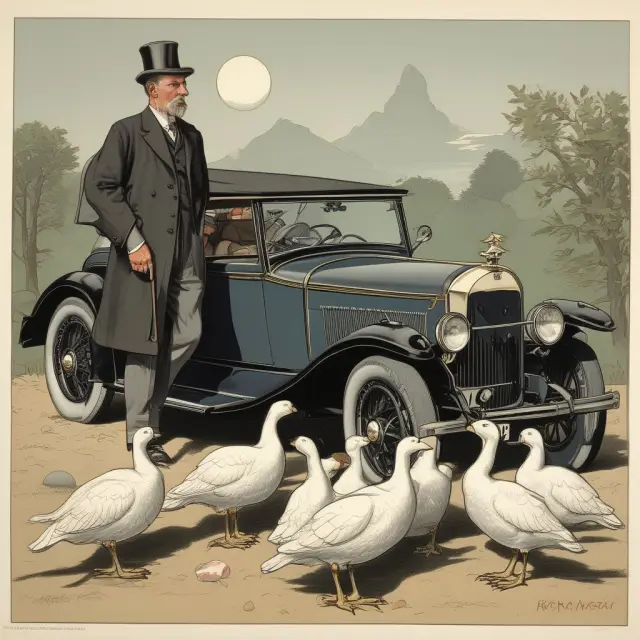
A Veblen good is a luxury item whose demand rises as its price rises, because a high price itself signals wealth and status. It is named after economist Thorstein Veblen, who introduced the term conspicuous consumption in The Theory of the Leisure Class (1899), and it is an exception to the usual law of demand.
What is a Veblen Good?
A Veblen good, named after American economist Thorstein Veblen, refers to a specific economic phenomenon where demand for a product or service increases when its price rises due to the item’s perceived exclusivity and status symbolism. Contrary to the typical response of demand decreasing as prices escalate, Veblen goods have an upward-sloping demand curve. These high-quality, desirable commodities are often targeted towards affluent consumers who appreciate their luxurious appeal, making them a popular choice for individuals seeking to elevate their social standing or display their wealth.
A Veblen good is characterized by its exclusivity, which adds to its allure and demand. This concept challenges the fundamental economic principle of a negative relationship between price and quantity demanded, with consumers perceiving a higher price tag as an indicator of superior quality. The luxury market thrives on this phenomenon, creating products that cater to individuals’ desire for exclusivity and social status, such as luxury cars, yachts, watches, and designer clothing.
Distinguishing Features of Veblen Goods
– Demand increases as price rises due to perceived exclusivity and status symbolism
– High-quality goods targeted towards affluent consumers
– Luxury market drivers, including luxury cars, yachts, watches, and designer clothing
– Upward-sloping demand curve, which contradicts the typical negative relationship between price and quantity demanded
Understanding Veblen Goods
A Veblen good is a non-essential item that signifies wealth, status, or success in society. The increased demand for these goods arises from their exclusivity and the notion of conspicuous consumption – purchasing goods to display one’s wealth or social standing. This demand pattern is based on the idea that as the price increases, the perception of prestige and value associated with the item grows, making it even more appealing to consumers. The term ‘Veblen good’ was coined by economist Thorstein Veblen in his book “The Theory of the Leisure Class,” published in 1899.
Key Differences Between Veblen Goods and Other Economic Concepts
– Normal goods (demand decreases as price rises): When the price of a normal good increases, the quantity demanded decreases since it becomes less affordable for consumers. Examples include food, clothing, and housing.
– Giffen goods (demand increases as price rises): A Giffen good is an essential item for which the demand curve is upward sloping because consumers have no acceptable substitutes or due to their psychological association with lower prices. An example would be a particular brand of bread during wartime when substitute options were limited.
– Veblen goods (demand increases as price rises): The unique characteristic of Veblen goods is the increase in demand caused by their exclusivity and perceived value, making them a luxury or status symbol.
The Economic Significance of Veblen Goods
Veblen goods play an essential role in understanding consumer behavior and economics due to their counterintuitive demand pattern. They highlight the importance of factors beyond basic utility, such as prestige, exclusivity, and social status, in driving consumer demand. Moreover, they illustrate the complex relationship between price and perceived value, demonstrating that higher prices can sometimes increase the desirability and appeal of a product or service.
Examples of Veblen Goods
A variety of products and services can be classified as Veblen goods due to their exclusivity and association with status and luxury. Some common examples include:
– Luxury cars, such as Rolls Royce, Bentley, or Ferrari
– Watches from Rolex, Patek Philippe, or Omega
– Yachts, private jets, and high-end real estate
– Designer clothing brands like Chanel, Louis Vuitton, and Gucci
– Art pieces by famous artists such as Picasso, Monet, or Van Gogh
– Exclusive memberships to clubs, associations, or communities
– Premium education at Ivy League schools
The underlying principle of Veblen goods is that their perceived value and desirability increase in response to higher prices. This unique economic phenomenon has significant implications for businesses and industries targeting affluent consumers, as they can leverage the concept to create demand and maintain a competitive edge by continuously increasing prices without negatively impacting sales. The luxury market thrives on this principle, making Veblen goods an essential aspect of understanding consumer behavior and marketing strategies in today’s global economy.

Understanding Veblen Goods: Luxury or Status Symbols
Veblen goods are distinct from standard consumer products due to their unique demand patterns. This section delves deeper into the role of Veblen goods as luxury items and status symbols.
A Veblen good is a product for which the demand rises when its price increases. The primary reason behind this trend lies in the good’s allure as an exclusive item or status symbol. The term “Veblen good” was coined by economist Thorstein Veblen, who observed that consumers sought to differentiate themselves from others through conspicuous consumption of high-priced goods.
Luxury and Status Symbols
The association between Veblen goods and luxury is intrinsic. The increased price tag makes these items more desirable for those wanting to express their affluence or social status. Luxury cars, yachts, designer watches, and other expensive items are typically considered Veblen goods because they serve as indicators of wealth and prestige.
The allure of exclusivity is a powerful motivator for consumers. When the price of an item increases, it can become more attractive due to its perceived rarity or desirability. This demand pattern stands in stark contrast to standard consumer products, where the inverse relationship between price and demand generally holds true.
Contrasting Veblen Goods with Normal Goods and Giffen Goods
To further understand Veblen goods, it’s helpful to compare them to normal goods and Giffen goods. Normal goods follow a typical downward-sloping demand curve: as their price decreases, demand increases, and vice versa. On the other hand, Giffen goods have an upward-sloping demand curve similar to Veblen goods, but these products are essential items with no easily available substitutes.
While both Veblen and Giffen goods share an upward-sloping demand curve, their primary differences lie in their nature as luxury or essential goods. Veblen goods cater to consumers’ desire for status and exclusivity, while Giffen goods represent necessities that consumers cannot do without.
Causes of the Veblen Effect
The Veblen effect stems from various factors, including the appeal of exclusivity and the human need for self-expression and social status. As previously mentioned, the higher price tag of a Veblen good often makes it more desirable due to its perceived rarity. Additionally, consumers may believe that owning such an item signals success or prestige.
Another factor contributing to the Veblen effect is the perception of increased quality with a higher price point. Companies can leverage this belief by marketing their goods as superior or exclusive, even if they are manufactured using the same materials and processes as less expensive versions. The perceived value of these items is often based on brand identity and marketing rather than inherent quality.
Examples of Veblen Goods
Veblen goods come in various forms, including luxury cars, yachts, designer watches, art, and high-end fashion. These items are typically marketed as status symbols or indicators of wealth and exclusivity. As a result, their prices tend to be significantly higher than comparable products.
Conclusion
Veblen goods represent a unique class of consumer products that defy conventional economic principles by exhibiting an upward-sloping demand curve. These items are sought after for their exclusivity and status as luxury goods or symbols of prestige and wealth. Understanding the dynamics behind Veblen goods can provide valuable insights into consumer behavior and the role of marketing in shaping demand patterns.
Veblen Goods vs. Normal Goods and Giffen Goods: Comparison
When it comes to the realm of economics, understanding various types of consumer behavior and demand patterns is essential. Among these concepts lies an intriguing phenomenon known as Veblen goods. These unique commodities exhibit an upward-sloping demand curve, which stands in contrast to the conventional downward slope found in normal goods. To grasp the distinction between Veblen goods and other types of consumer items like normal goods and Giffen goods, let us embark on a comprehensive comparison of their fundamental characteristics.
Firstly, it’s essential to reiterate that Veblen goods are luxury items characterized by an increase in demand as prices rise due to the allure of exclusivity and the symbolic status they convey. This concept is named after American economist Thorstein Veblen, who introduced the term “conspicuous consumption.” Contrary to popular belief, not all expensive items can be classified as Veblen goods; instead, they must conform to the following criteria:
- Exclusivity: Veblen goods are generally targeted toward affluent consumers and possess a distinct brand identity that resonates with luxury and status.
- Limited Availability: These goods tend to have a limited supply, which only amplifies their desirability as they are farther out of reach for the average consumer.
- High Utility: Owning a Veblen good can provide immense pleasure and satisfaction, making them highly valuable despite their substantial price tags.
In comparison, normal goods adhere to the conventional inverse relationship between price and demand; as prices increase, demand typically decreases. Giffen goods, however, display an upward-sloping demand curve, but they differ significantly from Veblen goods in various ways:
- Essential Items: Giffen goods are considered essential consumption items with no ready substitute or viable alternative.
- Inelastic Demand: The demand for these goods remains unchanged even when prices increase due to their necessity.
- Limited Luxury: Unlike Veblen goods, which are luxury items that convey status and exclusivity, Giffen goods do not have this particular appeal.
To further illustrate the differences between Veblen, normal, and Giffen goods, consider how they fare in terms of consumer behavior and price elasticity. For instance, when the price of a normal good rises, consumers may choose to purchase a substitute or reduce their consumption altogether. However, for a Veblen good, the increased price could potentially lead to heightened demand as it enhances the product’s perceived exclusivity. On the other hand, Giffen goods face an entirely different scenario; their inelastic demand means that consumers remain indifferent to price changes and continue purchasing them at the same rate regardless of any price fluctuations.
Additionally, understanding why consumers are drawn to Veblen goods requires delving into the underlying psychological factors that influence their desire for exclusivity and perceived status. Many individuals find immense joy in owning a product that is not only desirable but also out of reach for others. This concept of “conspicuous consumption” plays a significant role in driving demand for Veblen goods, as people are willing to pay a premium price for the prestige and social standing they believe these items bestow upon them.
Moreover, it’s essential to acknowledge that the appeal of a Veblen good lies not only in its exclusivity but also in the perception of improved quality when prices rise. This can lead consumers to assume that a more expensive product is inherently superior, even if this isn’t the case. Marketing and branding strategies often capitalize on this phenomenon by positioning their goods as desirable luxury items with high-quality reputations, thereby attracting consumers who are willing to pay top dollar for these perceived benefits.
Examples of Veblen goods abound in various industries, from automobiles and yachts to watches, fine jewelry, and exclusive art pieces. These commodities carry substantial price tags that reflect their perceived value and exclusivity. By contrast, Giffen goods are typically essential items with no ready substitutes, such as basic staples like rice, potatoes, or bread. While they may be unaffected by price fluctuations in the short term due to consumers’ unwavering demand for them, their prices can eventually become prohibitive if external factors like supply chain disruptions come into play.
In conclusion, understanding Veblen goods and how they differ from normal and Giffen goods is a crucial aspect of analyzing consumer behavior, economic trends, and market dynamics. Their unique characteristics, including exclusivity, high utility, and perceived status, set them apart from other types of commodities and offer valuable insights into human preferences and purchasing patterns.

Causes of the Veblen Effect: The Appeal of Exclusivity and Status
Veblen goods are known for their exclusive nature and appeal as status symbols, which increases demand as prices rise. This phenomenon contradicts the conventional law of demand, where quantity demanded has an inverse relationship with price. So why does this happen? A primary explanation lies in the attraction to exclusivity and status that these goods bring.
The Veblen Effect was first introduced by American economist Thorstein Veblen, who observed that consumers tend to value things more when they’re difficult to obtain or represent high social status. In today’s marketplace, goods like luxury cars, yachts, watches, and designer clothing often exhibit this behavior.
Why do people pay a premium for these items? The simple answer lies in the appeal of exclusivity and status that comes with owning them. Veblen goods are typically high-quality, well-made products sought after by affluent consumers who value not just their utility but also the social prestige they bring.
The term ‘conspicuous consumption’ describes this phenomenon, as individuals use these expensive items to flaunt their wealth and elevate their perceived societal standing. By paying a higher price for these goods, buyers signal their financial success and desirability in the eyes of others, making them highly sought-after possessions.
In essence, Veblen goods are luxury items that represent a status symbol or social marker. People invest in them not just because of their functionality but also due to the prestige they convey. Moreover, as prices increase, these goods become more exclusive and desirable to potential buyers.
This is a significant departure from conventional demand, where an increase in price would generally lead to decreased demand. The unique nature of Veblen goods turns this assumption on its head. Companies marketing luxury items capitalize on this effect by maintaining high prices and creating a perception of exclusivity to generate interest and demand.
It’s also worth noting that Veblen goods are not limited to physical possessions; services can exhibit these characteristics as well. For instance, private education or elite healthcare services may be priced high due to the perceived exclusivity and value they offer.
In conclusion, the appeal of exclusivity and status drives demand for Veblen goods, which is why their price increases lead to higher demand instead of lower demand. This counterintuitive behavior has significant implications for marketing strategies, consumer psychology, and economic theory. By understanding the underlying causes of this phenomenon, we can gain valuable insights into human motivation and preferences in the realm of finance and investment.

Veblen Goods: Always Expensive and High-Utility
Understanding the unique characteristics of Veblen goods requires delving deeper into their appeal and societal significance. These goods are not only expensive but also boast a high level of utility for their owners. Let’s explore what makes them so desirable and why they remain a constant in our market economy.
The Exclusivity Factor
A Veblen good is a luxury item that possesses an upward-sloping demand curve, which means that as its price rises, demand for it increases. This phenomenon can be attributed to the exclusivity factor and the role that status plays in consumer behavior. When a high-priced product becomes even pricier, it may actually become more desirable to those who seek exclusivity and status. The concept is rooted in the idea that owning such an item conveys a sense of wealth and prestige to the consumer and their social circle. This desire to show off or display one’s affluence is often referred to as conspicuous consumption, a term coined by economist Thorstein Veblen.
Luxury and Status Symbols
Veblen goods serve as symbols of luxury and status. These items are not only coveted for their quality but also for the societal perception they convey. The demand for Veblen goods is driven by consumers’ desire to elevate their social standing within their communities or social circles. As a result, these items become more desirable as their prices increase due to the exclusivity and prestige associated with them.
Comparing Veblen Goods to Normal and Giffen Goods
Unlike normal goods whose demand decreases when their price rises, Veblen goods’ demand curve slopes upward. This is also different from Giffen goods, which have an upward-sloping demand curve due to the absence of available substitutes. While Veblen goods and normal goods differ in their response to price changes, the distinction between Veblen and Giffen goods lies in their nature. The former represents luxury items or status symbols, whereas the latter pertains to essential goods for which no adequate alternatives exist.
Understanding Consumer Psychology
The allure of a Veblen good is not just about its utility but also the feelings of exclusivity and self-satisfaction that come with owning one. When consumers pay a premium price for these items, they derive pleasure from the knowledge that their purchase is an investment in their social status. Moreover, they may even feel that the high cost is indicative of better quality. The perceived value of a Veblen good often far outweighs its objective value, making it an intriguing and fascinating aspect of consumer behavior.
Examples of Veblen Goods
Veblen goods can be found across various sectors, including fashion, transportation, real estate, and art. Luxury cars, private jets, expensive jewelry, designer clothing, yachts, and even fine wines are common examples. The exclusivity factor is a major selling point for these goods, as consumers are drawn to the allure of owning something that not everyone can access or afford.
Marketing Strategies for Veblen Goods
Businesses that sell Veblen goods employ marketing strategies designed to emphasize their exclusivity and rarity. These tactics can include limited availability, selective distribution, high-profile endorsements, and even strategic pricing. By creating a sense of scarcity, businesses can generate demand and justify higher prices for these luxury items.
In conclusion, Veblen goods represent an intriguing aspect of consumer behavior, as they defy conventional economic principles by increasing in demand when their price rises. This phenomenon is driven by the allure of exclusivity and the desire to project status and wealth through conspicuous consumption. Understanding this concept can provide valuable insights into the complex relationship between consumers, prices, and luxury goods.

Examples of Veblen Goods: Luxury Cars, Yachts, Watches, etc.
Veblen goods are not just abstract concepts but tangible, real-life products that consumers purchase to signal their wealth and status. Some of the most common examples include luxury cars, yachts, watches, and high-end fashion. Let’s dive deeper into these examples.
1) Luxury Cars:
Luxury cars are a prime example of Veblen goods because their exclusivity increases demand as their price rises. Consumers associate them with wealth, status, and prestige. A luxury car is often more expensive than its functional counterpart yet offers only marginal performance upgrades. This is the essence of the Veblen effect in action.
For instance, purchasing a Ferrari or Lamborghini, instead of a standard sports car, will not necessarily lead to faster driving speeds but conveys social status and exclusivity. Brands like Rolls-Royce and Bentley are renowned for their high prices, which further increase the desirability of their vehicles due to their association with wealth and prestige.
2) Yachts:
Yachts represent another classic example of Veblen goods. These extravagant watercrafts symbolize extreme opulence and luxury. Their high cost is a significant factor in increasing demand, as the perception of exclusivity associated with yacht ownership significantly drives the market for these products. Yacht owners are often viewed as wealthy individuals who can afford to indulge in such luxuries.
3) Watches:
Expensive watches, like Rolex, Patek Philippe, or Omega, also fall under the category of Veblen goods. Although they may not offer any substantial functional differences compared to cheaper alternatives, their high price and exclusivity create a strong demand. Wearing an expensive watch can signal wealth and status to others, making it a popular choice for individuals looking to make a statement.
4) High-End Fashion:
The fashion industry is also replete with examples of Veblen goods. Designer clothing and accessories like Gucci, Chanel, or Prada can fetch high prices because they are perceived as exclusive and status symbols. Consumers often pay a premium for these brands not only for their quality but also to demonstrate their affluence.
In conclusion, Veblen goods have a unique characteristic: their demand increases when the price rises due to their exclusivity and association with luxury or status symbols. This contrasts with normal goods, which have a downward-sloping demand curve. Luxury cars, yachts, watches, and high-end fashion are prime examples of Veblen goods. Their appeal lies in the perceived value of exclusivity and social status they bestow on their owners.

Veblen Goods in Art: Rare Paintings and High Value
Art has long been an investment vehicle for the affluent, a place where the elite gather to showcase their wealth and status. The world of art offers numerous examples of Veblen goods – expensive pieces that thrive on exclusivity and demand. In this section, we delve deeper into this concept as it relates to rare paintings and their high value.
A Veblen good is a product or asset whose demand curve exhibits an upward slope instead of the typical downward slope. In contrast to normal goods – for which demand falls as prices rise due to the law of diminishing marginal utility – Veblen goods are those for which demand increases with rising price because they hold status and symbolic value. The term “Veblen good” is derived from Thorstein Veblen, a renowned American economist who first introduced this concept in his book “The Theory of the Leisure Class.”
In the art world, Veblen goods are often sought after for their exclusivity and rarity. Rare paintings represent an excellent example of this phenomenon. Consider Picasso’s “Les Femmes d’Alger,” which fetched $155 million at a Christie’s auction in May 2015. This painting, along with other works by the artist, has repeatedly set record-breaking prices due to their perceived status and exclusivity.
Why do rare paintings function as Veblen goods? The answer lies in our human tendency to place value on objects based on their rarity and desirability – what economists refer to as “conspicuous consumption.” By purchasing a high-priced painting, an individual not only acquires a valuable asset but also communicates their wealth and status to others.
This phenomenon is particularly evident in the world of contemporary art. Many artists have managed to turn their works into Veblen goods by creating limited editions or one-of-a-kind pieces. Banksy’s shredded “Girl with Balloon,” which sold for over $1 million at a Sotheby’s auction just minutes after being shredded, is a prime example of this strategy in action.
As with other Veblen goods, the price of rare paintings is not solely driven by their intrinsic value but also by the perceived status and desirability they convey. This dynamic has led to an escalating arms race among collectors, art dealers, and investors, all vying for ownership of the rarest and most exclusive works.
In conclusion, rare paintings offer a striking example of Veblen goods in action within the world of art. The exclusivity and desirability of these assets fuel an upward-sloping demand curve, with prices continuing to rise as collectors compete for a share of the limited supply. This unique dynamic underscores the enduring allure of conspicuous consumption and the importance of status in our society.

Marketing Strategies for Selling Veblen Goods
When it comes to marketing strategies for selling Veblen goods, the focus shifts from necessity to exclusivity and status. These products are high-quality, luxury items with an upward-sloping demand curve due to their desirability as status symbols. Understanding how to effectively sell Veblen goods requires an approach that emphasizes exclusivity, brand identity, and marketing techniques that cater to the target audience of affluent consumers.
1. Emphasizing Exclusivity: One of the most effective marketing strategies for selling Veblen goods is to promote their exclusivity. This can be done through limited production runs, restricted distribution channels, or other tactics designed to make the product seem rare and desirable. For example, a luxury car manufacturer may release only a certain number of a particular model each year to create scarcity and demand.
2. Building a Strong Brand Identity: A crucial aspect of marketing Veblen goods is establishing a powerful brand identity. This often involves crafting a compelling narrative around the product’s heritage, origin, or unique selling points. The brand story should resonate with the target audience and reinforce the perception of luxury and exclusivity. For instance, a high-end watch brand may build its reputation on traditional craftsmanship techniques and Swiss precision to appeal to status-conscious consumers.
3. Adopting Upmarket Retailing: Veblen goods are usually sold through upmarket retail channels or boutiques that cater specifically to affluent customers. The retail environment should reflect the exclusivity of the product and offer an experience that aligns with the brand’s image. This may include personalized services, knowledgeable sales associates, and an overall atmosphere of luxury and sophistication.
4. Influencer Marketing: Engaging influencers, celebrities, or industry experts can help increase awareness and desirability for Veblen goods. By partnering with influential figures, brands can tap into their followers’ trust and create a buzz around the product. For example, a luxury fashion brand may collaborate with a well-known celebrity to wear its designs at high-profile events or in public appearances.
5. Limited Edition Releases: Launching limited edition versions of Veblen goods is another effective marketing strategy to generate excitement and demand. This not only creates scarcity but also allows consumers to feel part of an exclusive club or community, further enhancing their sense of status and belonging. A luxury brand may release a special edition watch with unique features or materials that are only available for a limited time.
6. Pricing Strategies: The price point is a key factor in the marketing of Veblen goods, as it plays into their appeal as status symbols. Brands often employ premium pricing to reinforce the perception of exclusivity and high quality. This may involve increasing prices over time or offering tiered pricing structures that cater to different budget levels within the target audience.
7. Leveraging Social Media: Social media is a powerful tool for reaching affluent consumers and promoting Veblen goods. Brands can use platforms like Instagram, Facebook, and Pinterest to showcase their products in an aspirational way, with carefully curated visual content designed to inspire desire and engagement. Collaborations with social media influencers or targeted advertising campaigns can help extend the reach of these efforts and generate buzz around the brand and its offerings.
In summary, marketing strategies for selling Veblen goods revolve around emphasizing their exclusivity, building a strong brand identity, and adopting tactics that cater to affluent consumers’ desire for luxury and status. By understanding the unique characteristics of these products and applying effective marketing techniques, brands can create demand and ultimately sell more Veblen goods.
Psychological Perspectives on Veblen Goods: Status, Self-Esteem, and More
The psychological appeal of Veblen goods lies in their ability to confer status upon the consumer and inflate their self-esteem. As a result, demand for these exclusive items increases when their price rises, which is counterintuitive to the general economic principle that demand decreases as prices go up. To understand why consumers are drawn to Veblen goods, we need to delve deeper into their psychological significance.
Status and Social Differentiation
The allure of a Veblen good is intimately tied to its status-conferring nature. By purchasing a high-priced, exclusive item, individuals distinguish themselves from others in society. This social differentiation can be traced back to our evolutionary past when access to resources and status symbols was a critical determinant of survival and reproductive success (Buss, 1987). In modern times, this ancient impulse continues to manifest itself through the acquisition of luxury goods.
Self-Esteem: Boosting the Ego
Another psychological factor that drives demand for Veblen goods is self-esteem enhancement. When consumers purchase a Veblen good, they are not only signaling their social standing but also boosting their own ego and self-image. The high cost of the item serves as a tangible symbol of success and wealth, providing the consumer with an emotional lift and a sense of satisfaction (Csikszentmihalyi & Rochberg-Halton, 1981). This psychological benefit is especially appealing to individuals who place a premium on status, prestige, or social acceptance.
Perception of Quality: Beyond the Price Tag
The high price tag associated with Veblen goods often leads consumers to perceive them as superior in quality. Even if the actual difference in quality between a Veblen good and a less expensive alternative is negligible, the consumer’s belief in its superiority can drive demand (Kahle & Winchester, 1987). This phenomenon is known as the “quality hierarchy effect.” By paying a higher price for a product, consumers convince themselves that they are receiving a better quality item – despite little or no tangible difference.
In conclusion, Veblen goods offer consumers a unique blend of exclusivity, status, and self-esteem enhancement. The psychological appeal of these high-priced items is rooted in our innate desire for social differentiation and the emotional benefits derived from their acquisition. Understanding the complex interplay between consumer psychology and Veblen goods can provide valuable insights into why these luxury items continue to thrive in today’s marketplace.
References: Buss, D. M. (1987). The evolution of desire. Psychology Today. Csikszentmihalyi, M., & Rochberg-Halton, E. (1981). The meaning of things: Domestic symbols and the self. Cambridge University Press. Kahle, H. W., & Winchester, J. O. (1987). Market segmentation based on quality perceptions: A review and an empirical study. Journal of Marketing Research, 24(3), 262-273.

FAQ: Common Questions About Veblen Goods
What exactly is a Veblen good?
A Veblen good is an economic concept introduced by American economist Thorstein Veblen. It refers to a product where the demand increases as its price rises due to the exclusivity and status associated with it. These goods are typically high-quality, luxury items for which consumers pay a premium not just for their utility but also for the social prestige they convey.
Why is a Veblen good called a “Veblen good”?
The term “Veblen good” comes from Thorstein Veblen’s works, particularly his book “The Theory of the Leisure Class,” where he first described this economic phenomenon. In it, he critiqued the concept of conspicuous consumption and discussed how individuals pay more for items to flaunt their wealth or status.
How is a Veblen good different from a normal good?
A normal good is one where the demand decreases as its price increases due to the law of demand, which states that people buy less of a product as its price goes up. In contrast, a Veblen good’s demand increases as its price rises because consumers view it as a status symbol and desire it even more when it becomes more expensive.
Is there a difference between a Veblen good and a Giffen good?
Yes, both types of goods have an upward-sloping demand curve but differ in nature. A Veblen good is a luxury item that people buy for its exclusivity and social status, whereas a Giffen good is a staple or essential product where an increase in price leads to higher demand due to the consumers’ income elasticity of demand.
What are some examples of Veblen goods?
Luxury cars, private jets, designer clothes and accessories, high-end electronics, exotic vacations, and art pieces can all be considered Veblen goods since their value is not just based on their functional utility but also the prestige they convey.
Why do people buy Veblen goods?
People are drawn to Veblen goods because of the social status and exclusivity they represent. These items signal wealth, high-class living, and a certain level of sophistication or taste that is desirable within their social circles. By purchasing these luxury goods, consumers can enhance their self-image and boost their confidence.
Is it always true that Veblen goods are expensive?
Yes, the price is indeed a significant factor for Veblen goods as consumers are willing to pay a premium for the status and exclusivity they offer. This perceived value justifies the higher cost, making them sought-after items for affluent individuals.
 Next entry · No. 5,459Understanding VeChain: A Comprehensive Guide for Institutional Investors
See also
-
 No. 3,029
23 Feb 2025
21 min
Understanding Luxury Items: Definition, Elasticity of Demand, and Special Considerations for Professional Investors
Business Finance
No. 3,029
23 Feb 2025
21 min
Understanding Luxury Items: Definition, Elasticity of Demand, and Special Considerations for Professional Investors
Business Finance -
 No. 2,107
10 Dec 2024
19 min
Understanding Hierarchy-of-Effects Theory and Its Stages for Effective Investment Marketing
Business Finance
No. 2,107
10 Dec 2024
19 min
Understanding Hierarchy-of-Effects Theory and Its Stages for Effective Investment Marketing
Business Finance -
 No. 4,066
19 May 2025
19 min
Price Skimming: Understanding This Product Pricing Strategy and Its Limits
Business Strategy
No. 4,066
19 May 2025
19 min
Price Skimming: Understanding This Product Pricing Strategy and Its Limits
Business Strategy -
 No. 3,072
26 Feb 2025
19 min
Understanding Marginal Benefit: Maximizing Consumer and Business Value
Business Strategy
No. 3,072
26 Feb 2025
19 min
Understanding Marginal Benefit: Maximizing Consumer and Business Value
Business Strategy -
 No. 3,030
23 Feb 2025
19 min
Understanding Luxury Taxes: Definition, Impact, and Controversies
Taxation
No. 3,030
23 Feb 2025
19 min
Understanding Luxury Taxes: Definition, Impact, and Controversies
Taxation -
 No. 747
01 Jun 2024
19 min
Understanding Consumer Goods: Classification, Marketing, and Trends
Business Strategy
No. 747
01 Jun 2024
19 min
Understanding Consumer Goods: Classification, Marketing, and Trends
Business Strategy