Understanding War Risk Insurance: Protecting Against Losses from War-Related Events

Understand the importance of War Risk Insurance in protecting businesses from war-related losses. Covers perils, industries, benefits, and challenges.
Introduction to War Risk Insurance
Understanding the concept of war risk insurance can be crucial for businesses and individuals operating in politically volatile regions or industries prone to war-related events. This type of coverage serves as a financial safeguard, protecting against potential losses that may result from acts of war, such as invasions, insurrections, riots, strikes, revolutions, military coups, and terrorism. War risk insurance is necessary due to the exclusion of these perils in standard insurance policies, making it an essential component for those at risk of unforeseen war events.
Perils Covered Under War Risk Insurance
War risk insurance can be tailored to address various types of losses. Commonly covered perils include: kidnappings and ransom, sabotage, emergency evacuation, worker injury, long-term disability, loss or damage of property and cargo, event cancellations, and more. It’s important to note that terrorism may be considered a separate category of risk under some policies, while others might combine it with war risk insurance.
Industries That Benefit From War Risk Insurance
High-risk industries include aviation and maritime sectors. Operating in regions with political instability increases the likelihood of encountering war-related events, making war risk insurance indispensable for these entities. Companies that need protection against kidnappings, piracy, hijacking, or terrorist attacks can significantly benefit from customized coverage options.
The Necessity of War Risk Insurance for High-Risk Industries
Given the high risks associated with potential war-related events and their unpredictability, war risk insurance serves as a vital tool to manage risks for businesses and individuals operating in volatile regions or industries. It offers protection against devastating damages that could potentially arise from unexpected conflicts or political upheavals.
Case Study: Impact of 9/11 on War Risk Insurance
Following the September 11, 2001 terrorist attacks, the insurance industry faced significant challenges and changes in war risk coverage. To mitigate potential losses, Congress implemented the Federal Aviation Administration (FAA) Aviation War Risk Insurance Program, providing coverage for U.S.-based airlines and ordering premiums based on pre-9/11 costs. This program was essential to ensure that the aviation industry could continue operating despite the uncertainty surrounding war risk insurance.
Challenges of War Risk Insurance
The insurance industry faces challenges when dealing with war risk policies due to the unpredictability of potential damages and the difficulty in accurately assessing premiums. Despite the risks, insurers continue to offer war risk coverage as a crucial component for businesses and individuals operating in high-risk areas.

What War Risk Insurance Covers
War risk insurance is a specialized form of coverage designed to protect against losses arising from perils such as invasions, insurrections, riots, strikes, revolutions, military coups, and terrorism. These events are often excluded from standard insurance policies due to their inherent risks. By purchasing war risk insurance, policyholders can shield themselves from financial losses resulting from war-related events.
The scope of war risk insurance coverage includes various types of losses:
1. Kidnappings and ransom: In areas with a high threat of political instability or terrorism, the possibility of kidnapping and subsequent ransom demands is significant. War risk insurance can cover such losses, providing a safety net for individuals and organizations operating in these regions.
2. Sabotage: Intentional damage to property or infrastructure due to war or politically-motivated activities can lead to substantial financial losses. War risk insurance may provide coverage for damages resulting from sabotage.
3. Emergency evacuation: In the event of an imminent threat, war risk insurance may cover the cost of evacuating personnel and their families from dangerous areas. This can help mitigate potential losses and ensure the safety of those involved.
4. Worker injury or long-term disability: War risk insurance can provide coverage for injuries sustained by employees during wartime, including long-term disability benefits if necessary. This coverage is especially important for companies operating in high-risk areas where worker safety may be compromised.
5. Loss or damage of property and cargo: War risk insurance may cover losses related to property and cargo damage due to war or related events. This is particularly valuable for industries such as maritime, aviation, and manufacturing that rely on physical assets.
6. Event cancellations: In some cases, war or political instability may force the cancellation of events such as conferences, festivals, or sporting events. War risk insurance can help recoup losses incurred due to these cancellations.
Some types of war risk insurance policies specifically cover acts of terrorism, while others might consider terrorism and war separate perils. Industries in the aviation and maritime spheres often require specialized war insurance options tailored to their unique needs. For instance, a war risk insurance policy may compensate a ship’s owner for the full cost of a vessel seized by a government. Additionally, the loss of time due to temporary detention caused by war activities might also be covered under certain policies.
The Bumbershoot policy is an example of excess liability insurance targeted at the maritime industry. Despite its importance, war risk insurance poses challenges for insurers due to the difficulty in accurately assessing potential damages and calculating premiums based on this assessment. Furthermore, the financial burden from war or related activities can be significant and unpredictable, potentially putting insurers at risk of insolvency if adequate coverage is not priced appropriately.
Industries That Benefit from War Risk Insurance
War risk insurance is designed to provide coverage against losses resulting from war-related events and perils, such as invasions, insurrections, riots, strikes, revolutions, military coups, terrorism, and related incidents. Industries that operate in politically unstable regions or have a heightened exposure to potential war risks can greatly benefit from war risk insurance. Three major industries that typically require war risk coverage are aviation, maritime, and entities operating in volatile areas.
The Aviation Industry
The aviation industry, particularly airlines, is one of the most prominent sectors that depend on war risk insurance due to their exposure to various potential risks. In many cases, governments may mandate the requirement for airlines to carry war risk coverage before they are authorized to operate in certain regions or airspace. War risk policies can cover damages and losses resulting from conflicts, hijacking, terrorism, and other related events that can significantly impact an airline’s operations and assets.
The Maritime Industry
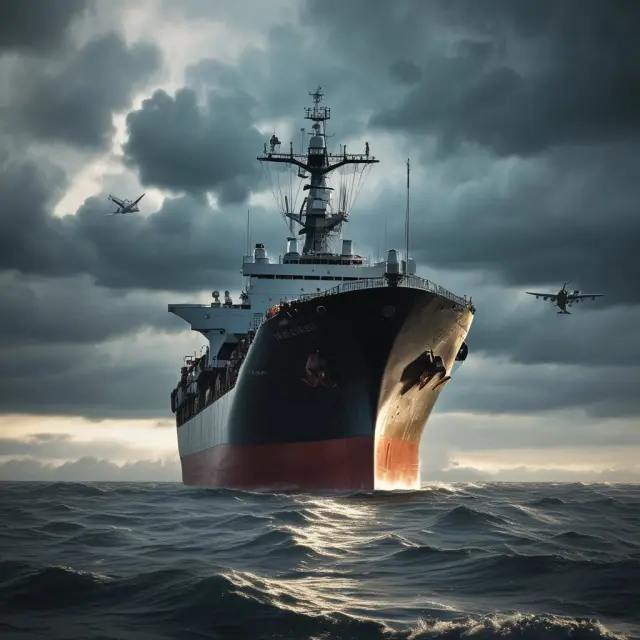
Similar to the aviation industry, war risk insurance is essential for companies operating in the maritime sector due to their exposure to various risks associated with maritime transportation, especially in unstable regions. War risk policies protect shipping companies from losses caused by piracy, hijacking, sabotage, and other potential risks. Policies may compensate owners for the total cost of a seized or damaged vessel and cover any loss of time due to temporary detention. Additionally, war risk insurance can also provide coverage for cargo during transit, protecting shippers from financial losses arising from theft, piracy, or damage caused by war-related events.
Companies Operating in Politically Unstable Areas
Entities operating in areas with an elevated risk of political instability and potential war risks can significantly benefit from war risk insurance coverage. This includes corporations, nonprofit organizations, and governments that have assets, operations, or employees stationed in volatile regions. War risk policies can provide protection against losses resulting from acts of war, such as property damage, employee injuries or death, evacuation costs, and loss of business income. By securing war risk insurance, these companies can mitigate potential financial impacts on their businesses and gain peace of mind knowing they are covered in the event of unforeseen events.
Conclusion:
War risk insurance plays a vital role in protecting businesses and individuals operating in high-risk environments by offering essential coverage for losses resulting from war-related perils. Industries such as aviation, maritime, and entities in volatile areas can particularly benefit from this type of insurance. By understanding the various aspects of war risk insurance, organizations can make informed decisions regarding their risk management strategies and safeguard themselves against potential financial losses in the face of unforeseen events.

Why War Risk Insurance is a Necessity for High-Risk Industries
Businesses and individuals operating in regions with a significant risk of war and related perils can greatly benefit from war risk insurance. These areas often include politically unstable countries where the likelihood of experiencing losses due to insurrections, military coups, terrorism, or other war-related events is higher than in stable regions. War risk insurance offers protection against these potential losses by covering a range of perils, including kidnappings and ransom, sabotage, emergency evacuation, worker injury, long-term disability, loss or damage to property and cargo, as well as event cancellations.
In the case of industries like aviation and maritime, war risk insurance is often a necessity due to their inherent vulnerability to war-related risks. For instance, in the aviation sector, governments may require airlines to have adequate war risk coverage before allowing them to operate in their airspace or use their airports. Maritime industries face similar challenges, as a seized ship can result in significant losses if not adequately insured against war-related perils.
However, the provision of war risk insurance comes with its own set of challenges for both policyholders and insurers. The high risks associated with war make it difficult to accurately predict damages and calculate premiums. Insurance companies face an uncertain future when underwriting war risk policies due to the unpredictable nature of war-related events and their potential devastating impact on businesses and individuals. This uncertainty can result in a higher risk for insurers, potentially leading to financial instability and even insolvency if they are unable to accurately assess the likelihood of losses or cover the damages that may result from these events.
One notable example of this challenge materialized following the September 11, 2001 terrorist attacks in New York City and Washington D.C., which caused an estimated $40 billion in insurance losses. In response to the uncertainty surrounding war risk insurance issuance and pricing, Congress passed legislation requiring the Federal Aviation Administration (FAA) to offer war risk insurance to U.S.-based airlines while basing premiums on pre-9/11 costs. The FAA War Risk Insurance Program was in effect until 2014 when private industry capacity increased and pricing for war risk insurance decreased, making it more accessible to the market.
Despite these challenges, war risk insurance remains a crucial tool for managing risks and protecting businesses and individuals against unforeseen events. By understanding the potential risks associated with their operations and securing adequate coverage, policyholders can maintain peace of mind, continue business activities, and mitigate financial losses that could arise from unexpected political upheavals or acts of war.
Case Study: 9/11 Terrorist Attacks and the Impact on War Risk Insurance
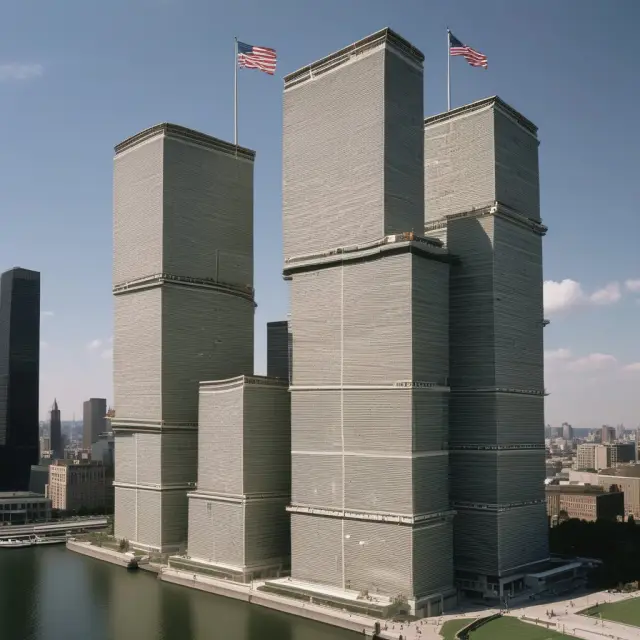
Following the tragic events of September 11, 2001, war risk insurance became a topic of significant concern for both governments and the private sector. The terrorist attacks caused an estimated $40 billion in insurance losses and left insurers uncertain about issuing new policies or renewing existing ones due to the heightened risks and potential for further attacks.
The Federal Aviation Administration (FAA) responded by implementing the FAA Aviation War Risk Insurance Program, which required offering war risk insurance to U.S.-based airlines at pre-9/11 premiums. This program was in place until 2014 when the private industry had regained capacity and lower premiums for war risk insurance.
The Challenges of War Risk Insurance: Insurers faced difficulties assessing the potential outcomes and calculating appropriate premiums due to the unpredictability and devastating nature of war-related events. This uncertainty led to a reluctance to offer new policies, and existing ones were often canceled or not renewed, leaving some entities vulnerable to financial losses.
Types of Coverage: War risk insurance may cover various perils including kidnappings and ransom, sabotage, emergency evacuation, worker injury, long-term disability, loss or damage of property and cargo, and event cancellations. Terrorism is sometimes included in war risk insurance policies as a separate category from war. In the maritime industry, specialized forms of excess liability insurance known as Bumbershoot policies are available to address unique risks.
The aviation and maritime industries often require war risk insurance due to their exposure to high-risk areas or operations. For instance, companies operating in politically unstable regions may secure war risk insurance to protect against losses from events such as invasions, insurrections, riots, strikes, revolutions, military coups, and terrorism.
Government regulations can also influence the need for war risk insurance. For example, some countries require airlines to have war risk insurance before operating in their airspace or using their airports. In these cases, war risk insurance may compensate a shipowner for the full cost of a vessel if it is seized by the government or cover loss of time due to temporary detention.
The Importance of War Risk Insurance: War risk insurance plays a crucial role in risk management and financial protection for businesses and individuals operating in high-risk environments. This type of coverage offers peace of mind and confidence in business operations, allowing organizations to focus on their core competencies instead of worrying about potential losses from unforeseen events.
In conclusion, the 9/11 terrorist attacks highlighted the importance of war risk insurance for industries operating in high-risk environments. The subsequent government response and private sector adaptation underscored the necessity of this coverage to protect against devastating financial losses. Despite the challenges associated with accurate premium assessment and potential insolvency risks, war risk insurance remains a valuable tool for managing and mitigating risks related to acts of war and terrorism.
FAQ: Common Questions About War Risk Insurance
– What is considered a war event?
War events include invasions, insurrections, riots, strikes, revolutions, military coups, sabotage, kidnappings, ransom demands, emergency evacuation, worker injury or long-term disability caused by war and terrorism.
– How does war risk insurance work?
War risk insurance is a separate policy that covers losses resulting from events such as war, invasions, insurrections, riots, strikes, revolutions, military coups, sabotage, kidnappings, ransom demands, emergency evacuation, worker injury or long-term disability caused by war and terrorism.
– Who can benefit from war risk insurance?
Businesses and individuals operating in high-risk areas or industries (aviation, maritime) can benefit from war risk insurance to protect against losses resulting from war-related events.
– Can war risk insurance policies be customized?
Yes, war risk insurance policies can be tailored to meet the specific needs of different industries and entities. For example, aviation and maritime industries may have more industry-specific coverage options available.
– What industries typically need war risk insurance?
Industries operating in high-risk areas or environments, such as the aviation and maritime sectors, often require war risk insurance to protect against potential losses from war-related events.

The Challenges of War Risk Insurance
War risk insurance is a crucial coverage option for businesses and individuals operating in high-risk areas, but it comes with its own set of unique challenges for both the clients and insurers. The primary difficulties include the inherent uncertainty in assessing potential outcomes and calculating appropriate premiums.
War risk insurance covers various perils, such as kidnappings, sabotage, terrorism, and damage to property and cargo. With war-related events being unpredictable and potentially devastating for businesses, accurate assessment of risks and calculation of premiums based on potential losses is a significant challenge for insurance providers.
Moreover, the financial implications of war or related events can be extensive and often exceed the coverage limits set by the insurers. This uncertainty creates high risks for insurers in terms of potential insolvency if large-scale losses occur. Consequently, insurers have to price their policies accordingly while still offering competitive rates that attract clients.
One of the most notable instances of war risk insurance challenges was demonstrated during and following the 9/11 terrorist attacks in 2001. The aftermath caused a significant rise in concern about issuing war risk coverage due to potential financial strain on the insurance industry. Congress passed the Federal Aviation Administration (FAA) Aviation War Risk Insurance Program, which required the FAA to offer war risk insurance to U.S.-based airlines at pre-9/11 premium rates until 2014. This was a necessary step taken to mitigate the impact on the aviation industry and provide financial security to affected parties.
In conclusion, understanding war risk insurance is essential for businesses and individuals operating in high-risk areas, but the challenges involved make it a complex coverage option. Assessing potential outcomes and accurately calculating premiums based on possible losses remains a challenge for insurers due to the unpredictability of war-related events. Despite these difficulties, war risk insurance continues to play a vital role in managing risks, offering financial protection, and providing peace of mind to those who need it most.

Types of War Risk Insurance Policies
War risk insurance policies come in various forms to cater to specific industries and perils. Broadly speaking, there are three primary types: perils-specific policies, industry-specific policies, and comprehensive war risk insurance policies. Let’s explore each type in greater detail.
1. Perils-Specific Policies
These policies focus on covering losses arising from specific perils, such as terrorism or sabotage. For example, an insurer may offer a policy designed specifically for terrorist attacks or hijacking events. These types of war risk insurance policies can be beneficial for entities that operate in areas where the risks of these particular perils are higher than average.
2. Industry-Specific Policies
Industries like aviation and maritime are more susceptible to various types of war-related losses due to their nature. As a result, insurers offer specialized policies tailored to these sectors. For instance, in the aviation industry, war risk insurance can cover temporary detention or hijacking incidents. In turn, the maritime sector may receive coverage for ship seizure or loss of time due to government intervention. These industry-specific policies provide businesses with the necessary protection against potential losses arising from their unique risks.
3. Comprehensive War Risk Insurance
Comprehensive war risk insurance policies offer extensive coverage for various perils related to war and political upheaval. This type of insurance is designed for entities that need broad protection against all potential losses associated with war events, including kidnapping and ransom, sabotage, and other unforeseen circumstances. Comprehensive war risk insurance can be an ideal choice for businesses operating in high-risk areas or industries, giving them peace of mind and confidence in their business operations.
Understanding the various types of war risk insurance policies available is crucial to assessing which policy best suits your needs based on your industry, location, and potential risks. By securing adequate coverage, you can effectively manage risks, protect your assets, and safeguard your business from potentially devastating financial losses.
Benefits of War Risk Insurance for Investors and Institutions
War risk insurance offers significant advantages to investors, businesses, and institutions operating in unstable political environments or industries prone to war-related events. While the specifics can vary depending on the policy purchased, war risk insurance provides three primary benefits: risk management, financial protection against losses from war-related events, and peace of mind and confidence in business operations.
Firstly, war risk insurance plays a crucial role in managing risks for businesses operating in areas with high potential for political instability or armed conflicts. For example, companies in the aviation industry have long relied on war risk insurance to cover losses from hijackings, strikes, invasions, and other related perils. Similarly, organizations in the maritime sector often purchase specialized war insurance policies to protect against piracy, sabotage, and other risks.
Secondly, war risk insurance serves as a financial safeguard for investors and institutions. In an era of heightened geopolitical tensions and increasing risks of conflict, the potential losses from acts of war can be massive. By investing in comprehensive war risk insurance policies, businesses and individuals can protect themselves against significant financial losses resulting from war-related events.
Lastly, war risk insurance offers a critical psychological benefit by providing peace of mind and confidence to those operating in high-risk environments. In industries like aviation or maritime where the risks are inherently greater due to their exposure to large-scale disasters, war risk insurance can help alleviate concerns about potential losses and enable businesses to focus on their core operations without constant worry.
The importance of war risk insurance was underscored by the aftermath of the 9/11 terrorist attacks in 2001. In response to the devastating damage caused by the attacks, Congress passed legislation requiring the Federal Aviation Administration (FAA) to offer war risk insurance to U.S.-based airlines. This coverage was crucial for the aviation industry as it faced significant financial losses and uncertainty in the wake of the terrorist attacks.
In conclusion, war risk insurance plays an indispensable role for investors, businesses, and institutions by offering risk management, financial protection against losses from war-related events, and peace of mind in unstable political environments or industries prone to war-related risks. The ability to manage and mitigate these risks is essential for maintaining business continuity and success in a complex global landscape.

Conclusion: The Role of War Risk Insurance in Protecting Against Unforeseen Events
War risk insurance plays a crucial role in protecting investors and institutions from financial losses arising from war-related events, such as invasions, insurrections, riots, strikes, revolutions, military coups, or terrorism. With the exclusion of these perils from standard insurance policies, it is essential for companies and individuals operating in high-risk areas to consider investing in separate war risk insurance coverage.
The importance of this type of insurance was highlighted following the 9/11 terrorist attacks. The devastating consequences resulted in billions of dollars’ worth of losses for the insurance industry, leading to a significant increase in uncertainty regarding the issuance of new policies and premiums. To mitigate these risks and restore confidence within the industry, the Federal Aviation Administration (FAA) created a War Risk Insurance Program offering coverage to U.S.-based airlines based on pre-9/11 rates.
War risk insurance policies typically cover various perils, such as kidnappings and ransom, sabotage, emergency evacuation, worker injury, long-term disability, loss or damage of property and cargo, and event cancellations. The aviation and maritime industries often have specialized war risk insurance options to cater to their particular needs.
Despite the crucial role that war risk insurance plays in protecting against unforeseen events, the challenges for insurers remain significant. War-related activities can result in substantial damages, making it challenging for insurance companies to accurately assess possible outcomes and calculate appropriate premiums. Moreover, the damage from these events can be vast and unpredictable, which poses a high risk that even premiums set at a high level might not be sufficient to cover the losses insurers may incur.
In conclusion, war risk insurance plays an essential role in providing financial protection for investors and institutions operating in areas with heightened risks of war-related events. The industry’s ability to adapt and offer comprehensive coverage is vital in managing uncertainty and maintaining confidence among policyholders.

FAQ: Common Questions About War Risk Insurance
What is war risk insurance?
War risk insurance provides financial protection against losses from events such as invasions, insurrections, riots, strikes, revolutions, military coups, and terrorism. This type of coverage is a necessity for businesses and individuals operating in high-risk countries or industries where the standard insurance policies often exclude war-related risks due to their high unpredictability and potential costs. War risk insurance may cover a range of perils, including kidnappings and ransom, sabotage, emergency evacuation, worker injury, long-term disability, loss or damage of property and cargo, as well as event cancellations.
How does war risk insurance work?
War risk insurance functions by offering coverage for losses resulting from events such as wars, invasions, insurrections, riots, strikes, revolutions, military coups, terrorism, and other perils not typically covered under standard insurance policies. By purchasing a separate war risk insurance policy or rider, insured parties can protect themselves financially against potential losses stemming from these events.
Who can benefit from war risk insurance?
War risk insurance is beneficial for individuals, organizations, and businesses operating in high-risk environments where the standard insurance policies do not cover war-related risks. This includes industries such as aviation, maritime, and companies based in politically unstable regions. War risk insurance offers protection against a wide range of potential perils, including kidnappings and ransom, sabotage, emergency evacuation, worker injury, long-term disability, loss or damage to property, cargo, and event cancellations.
Can war risk insurance policies be customized?
Yes, war risk insurance policies can be tailored to address specific industries and risks. For instance, the maritime industry might require specialized coverage for seizing ships, while aviation companies may need protection from hijackings. The flexibility of these policies makes them an essential choice for organizations operating in high-risk areas.
What industries typically need war risk insurance?
Industries that operate in politically unstable regions or have a higher exposure to the risk of war and related perils can significantly benefit from war risk insurance. Notable examples include aviation, maritime, and companies working in conflict zones or countries with ongoing instability. By purchasing specialized coverage for their unique risks, these entities can secure financial protection against potential losses.
In conclusion, war risk insurance is an essential coverage option for individuals, organizations, and businesses that operate in high-risk environments where the standard policies often exclude war-related risks. With its ability to cover a broad spectrum of perils such as kidnappings, sabotage, emergency evacuation, worker injuries, long-term disability, property damage, cargo loss, event cancellations, and more, war risk insurance plays a crucial role in risk management and financial protection against unforeseen events.
 Next entry · No. 5,603War Bonds: A Patriotic Investment for Military Funding
See also
-
 No. 5,512
15 Sep 2025
18 min
Vocational Degrees: A Comprehensive Guide for Professional and Institutional Investors
Education
No. 5,512
15 Sep 2025
18 min
Vocational Degrees: A Comprehensive Guide for Professional and Institutional Investors
Education -
 No. 5,607
23 Sep 2025
22 min
Understanding Warehouse-to-Warehouse Clauses in Insurance Policies: Protecting Goods from Warehouse to Destination
Insurance
No. 5,607
23 Sep 2025
22 min
Understanding Warehouse-to-Warehouse Clauses in Insurance Policies: Protecting Goods from Warehouse to Destination
Insurance -
 No. 5,601
22 Sep 2025
17 min
Understanding War Exclusion Clauses in Insurance: What They Mean and Why They Are Important for Investors
Insurance
No. 5,601
22 Sep 2025
17 min
Understanding War Exclusion Clauses in Insurance: What They Mean and Why They Are Important for Investors
Insurance -
 No. 5,504
14 Sep 2025
18 min
Understanding Vis Major: An Overview of Superior Forces and Their Impact on Contracts and Insurance
Insurance
No. 5,504
14 Sep 2025
18 min
Understanding Vis Major: An Overview of Superior Forces and Their Impact on Contracts and Insurance
Insurance -
 No. 5,185
18 Aug 2025
17 min
Understanding Underinsured Motorist Endorsements: Protecting Against Uninsured or Underinsured Drivers
Insurance
No. 5,185
18 Aug 2025
17 min
Understanding Underinsured Motorist Endorsements: Protecting Against Uninsured or Underinsured Drivers
Insurance -
 No. 5,142
15 Aug 2025
18 min
Umbrella Insurance Policy: A Valuable Addition to Your Existing Insurance Coverage
Insurance
No. 5,142
15 Aug 2025
18 min
Umbrella Insurance Policy: A Valuable Addition to Your Existing Insurance Coverage
Insurance