Understanding Wholesaling: How it Works in Business and Finance

Learn the ins and outs of wholesaling in business and finance. Understand its definition, importance, differences from distribution, and more.
Definition and Role of a Wholesaler
A crucial component of the business world is wholesaling – an essential link in the supply chain that often goes unnoticed. Wholesalers serve as intermediaries between manufacturers or producers and retailers. Their primary role lies in purchasing goods from the source, typically manufacturers, in large volumes and then selling these items to retailers.
Understanding Wholesaling’s Role
Wholesalers do not manufacture goods but rather concentrate on sales, delivery, and distribution. They purchase products directly from manufacturers at a discounted price due to bulk purchases. This discount allows wholesalers to pass savings onto retailers when they sell in large quantities.
Retailers, like Walmart, can benefit significantly from buying in bulk through wholesalers. By doing so, they not only receive a discount but also ensure an adequate supply for their stores. The cost savings help these businesses maintain competitive pricing and increase profitability.
The Importance of Wholesaling
Wholesalers play a vital role in the supply chain. They can be categorized into various sectors such as consumer goods, electronics, automobiles, or food and beverages, among others. In some industries, wholesalers may specialize in specific product categories like textile or pharmaceuticals.
Wholesaling vs. Distributors: Key Differences
Although wholesalers and distributors both sell goods to retailers, their roles differ significantly. While wholesalers focus on purchasing and selling goods, distributors are responsible for marketing, sales promotion, and delivery logistics for a specific product line. The primary difference lies in the level of control over the supply chain: wholesalers purchase from multiple manufacturers while distributors represent single brands.
In today’s globalized economy, understanding the role and significance of wholesaling is crucial. It provides insights into how various industries operate, the benefits they offer to retailers and consumers, and its importance in financial services. In the following sections, we will explore examples of wholesaling across diverse industries, the challenges faced by wholesalers, and future prospects for this critical business function.

Wholesaling in Business: Buying and Selling Goods
The intricacies of wholesaling lie in the role it plays as a vital link in the supply chain between manufacturers and retailers. Wholesalers are intermediaries, not manufacturers, who purchase goods from manufacturers at a lower cost due to bulk purchases. They then sell these goods to retailers at a higher price while still offering them savings compared to individual purchases.
The significance of wholesaling is reflected in the massive scale of transactions involved. For instance, consider Walmart as an example: this retail giant buys thousands of bottles of hand moisturizer from wholesalers at discounted prices. Subsequently, they sell these items to consumers after restocking their shelves when inventory levels drop.
Wholesalers may specialize in a specific product or industry. Some examples include foodstuffs, electronics, and even electricity. Furthermore, some wholesalers act as intermediaries between other wholesalers and retail businesses requiring an array of diverse goods or components.
It’s essential to distinguish wholesalers from official distributors for branded products. While wholesalers sell a multitude of competing products, they do not typically offer product support, have limited connection to manufacturers, and may even lack extensive product knowledge. Conversely, an official distributor acts as an extension of the manufacturer, providing full product support, warranty, and training.
In the supply chain hierarchy, wholesaling plays a pivotal role, falling between raw material suppliers and retailers. Effective supply chain management (SCM) is crucial to maximizing efficiency in business processes from manufacturers to end-users. The role of wholesalers in this process ensures that retailers have access to products at competitive prices, enabling them to cater to their customers’ needs more efficiently.
In the financial services industry, the term ‘wholesaling’ refers to providing financial services to large institutional clients such as real estate developers or pension funds instead of individual consumers. Mutual fund wholesalers in this context act as representatives for asset management companies (AMCs) by distributing access to mutual funds to companies wishing to offer them to their investors.
A mutual fund wholesaler is a salesperson whose role revolves around selling mutual funds to potential resellers. They are compensated from the fees of the mutual funds they distribute, and their importance lies in fostering relationships with key decision-makers within these organizations. This approach streamlines the process of securing large institutional clients for AMCs, ultimately increasing their market reach and revenue.
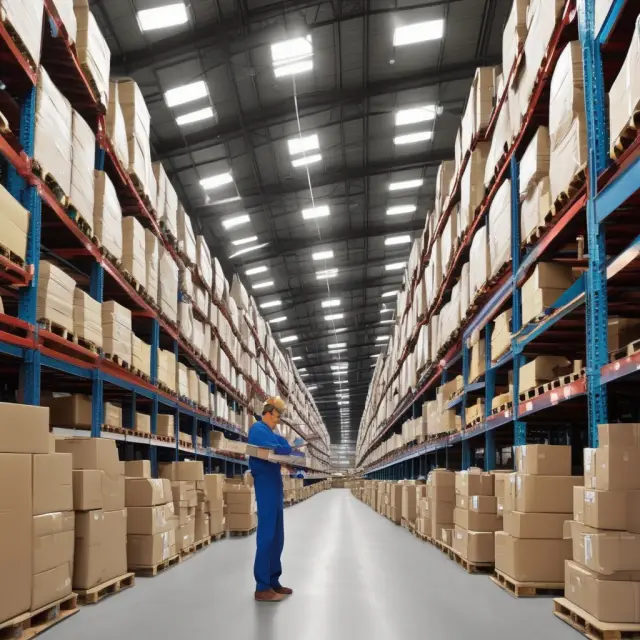
Examples and Specializations of Wholesalers
Wholesalers act as intermediaries in the supply chain, purchasing goods directly from manufacturers or producers at a discounted price and selling to retailers for profit. This business model is common across various industries due to its cost-saving benefits. Let’s explore some examples and specializations of wholesaling in diverse sectors:
1. Automotive Industry: Car dealerships serve as primary wholesalers, buying new vehicles from manufacturers like Ford or Toyota and selling them to retail consumers. These dealerships often purchase the vehicles in bulk and enjoy discounted pricing due to their volume purchases. They then resell with a markup, making a profit while providing a wide selection for customers.
2. Food Industry: Wholesalers like Sysco or US Foods distribute food products to various foodservice providers such as restaurants, hotels, and institutions. These wholesalers purchase goods directly from manufacturers and sell them at discounted prices to their clients. They may even import specific items from overseas or source from local farmers for niche offerings.
3. Electronics Industry: Tech retailers like Best Buy often act as wholesalers when dealing with larger purchases, such as bulk orders of computers or telecommunication equipment. These retailers can leverage their buying power to secure competitive pricing and discounts, passing on the savings to other businesses seeking these products in large quantities.
4. Pharmaceutical Industry: In this sector, wholesalers distribute drugs from manufacturers to retail pharmacies, hospitals, clinics, and other healthcare providers. They ensure a steady supply of medications while offering price discounts due to bulk purchases. Moreover, they facilitate the complex logistics behind handling sensitive, time-constrained items.
5. Office Supplies: Office Depot and Staples act as wholesalers when providing supplies to businesses, such as paper, printers, or office furniture in large quantities. By purchasing these items directly from manufacturers at discounted prices, they are able to offer significant savings, enabling their clients to save on their operational costs.
Wholesalers can also specialize in specific product categories or industries, allowing them to gain in-depth knowledge of the market and tailor their services accordingly. Their expertise provides valuable insights that help businesses make informed purchasing decisions. By partnering with a reputable wholesaler, companies can optimize their supply chain management and benefit from competitive pricing, increased selection, and efficient delivery systems.
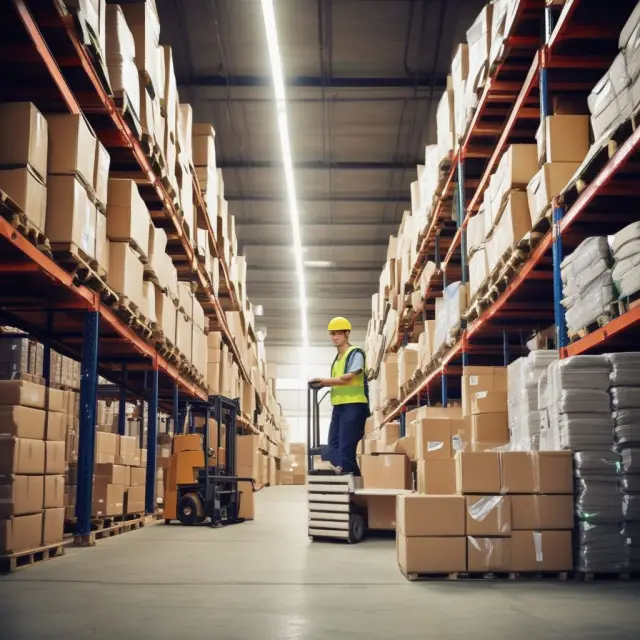
Wholesalers vs. Distributors: Key Differences
When it comes to understanding business operations within the supply chain, distinguishing between the roles and functions of wholesalers and distributors is essential for a well-informed perspective. Wholesalers and distributors both play crucial roles in moving goods from manufacturers to retailers or end consumers, yet their specific responsibilities significantly differ.
Wholesalers act as an intermediary between manufacturers and retailers by purchasing large quantities of products at discounted prices directly from the manufacturer and reselling them to retailers for a profit. The primary objective is to provide cost savings to retailers when they buy in bulk, enabling the retailer to sell competitively while maintaining their profit margins. This business model results in a more efficient supply chain through volume buying at discounted prices, which benefits both the wholesaler and retailer.
On the other hand, distributors are responsible for promoting, selling, and delivering goods directly from manufacturers to the end consumer or final retailers. While they may also offer value-added services like warehousing, logistics support, and marketing assistance, their primary focus lies in connecting manufacturers with consumers or retailers who do not have the resources to source products directly.
One crucial distinction between wholesalers and distributors is that wholesalers purchase goods from manufacturers at a bulk rate, then sell these items to retailers, whereas distributors deal directly with manufacturers to acquire products for end-consumer sales. Additionally, wholesalers may offer a broader range of competing products, while distributors typically specialize in a specific product category or brand.
In summary, understanding the key differences between wholesalers and distributors is essential for evaluating their role within various industries and how they contribute to an efficient supply chain. Wholesalers primarily purchase goods from manufacturers in large quantities at discounted prices and sell them to retailers to ensure cost savings and competitive advantages, whereas distributors focus on connecting manufacturers with consumers or retailers by promoting and selling products directly from the manufacturer.

Supply Chain Management: Efficient Wholesaling
Wholesalers play a crucial role in supply chain management (SCM), as they facilitate the smooth flow of goods from manufacturers to retailers and, ultimately, to consumers. By aggregating demand for products, wholesalers help optimize inventory levels and reduce transportation costs, contributing significantly to efficient SCM operations.
The primary function of a wholesaler is to act as an intermediary between manufacturers and retailers by purchasing goods in large quantities directly from the manufacturer at discounted prices due to economies of scale. The wholesaler then sells these products to retailers at higher prices than they paid, allowing them to profit while still offering competitive prices that enable retailers to remain attractive to consumers.
Wholesalers’ role within SCM becomes increasingly valuable when considering the complexity and intricacy involved in managing the flow of various goods across multiple channels and partners, such as manufacturers, retailers, and transportation providers. As part of their value-added services, wholesalers often assume responsibility for product sorting, customization, and labeling before delivering to individual retailers, further streamlining the overall supply chain process.
Moreover, wholesalers can help retailers manage inventory levels by providing real-time information on stock availability and sales trends, which enables retailers to make informed decisions and adjust their orders accordingly. This collaboration leads to improved efficiency and lower overall costs, resulting in increased competitiveness for both the retailer and the wholesaler.
Additionally, efficient wholesaling contributes to more effective risk management within the supply chain. By managing large inventories and serving as a buffer between manufacturers and retailers, wholesalers can help mitigate potential disruptions that could negatively impact the entire supply chain. For instance, if there’s a delay in production or transportation, retailers can rely on their inventory held by the wholesaler, allowing them to continue serving their customers without experiencing significant downtime or revenue loss.
The importance of efficient wholesaling within the financial services industry is also evident when considering the role played by mutual fund wholesalers. In this context, wholesalers act as intermediaries between asset management companies and institutional investors, promoting their funds’ offerings through personalized pitches and sales strategies. By creating strong relationships with these key stakeholders, mutual fund wholesalers help secure investments in their clients’ products and contribute to the overall growth of their firm.
In conclusion, wholesaling is a vital component of efficient supply chain management that enables manufacturers to reach retailers more effectively while providing cost savings, inventory optimization, and risk mitigation benefits for all parties involved. The role of a wholesaler extends beyond simply purchasing and selling goods; they act as an essential link between various partners in the supply chain, helping streamline processes, manage risks, and drive growth.

Wholesaling in the Financial Services Industry
In the world of business and finance, wholesaling refers not only to the process of buying goods in bulk for resale but also to providing financial services to large institutional clients instead of individual retail customers. Let’s dive deeper into understanding wholesalers’ roles in this sector, focusing on mutual funds and asset management.
In asset management, a wholesaler plays a crucial role as a representative or sponsor of a mutual fund. Their primary function is to sell the product to retailers such as banks, insurance companies, and financial intermediaries. These resellers then make these mutual funds accessible to individual investors. Wholesalers often act as liaisons between asset management firms and potential institutional partners. By demonstrating the investment strategy, risk profile, and performance data of various mutual funds, they help build relationships and establish trust with their counterparts in financial institutions.
Mutual fund wholesalers are typically compensated through commissions based on the sales they generate for the asset management company. Their success lies in effectively communicating the value proposition that the funds offer to potential investors. A successful mutual fund wholesaler must have a thorough understanding of the investment strategies, risk profiles, and performance data associated with the products they represent. Additionally, they should be able to articulate these complex concepts clearly and succinctly to a diverse audience, making them invaluable resources for both asset management firms and retailers.
In the context of mutual fund wholesaling, underwriting is another critical function that involves helping institutional clients buy new mutual funds. Underwriters essentially act as intermediaries between asset managers and potential investors in large-scale investment projects or initial public offerings. Underwriting deals can include various securities, such as stocks, bonds, or other types of debt instruments.
In addition to mutual funds, wholesalers play essential roles in the financial services industry by underwriting new issues for insurance companies, pension funds, and other large institutional clients. Wholesaling in the financial services sector is a specialized area that requires extensive knowledge of market conditions, investment strategies, and regulatory requirements. Successful financial services wholesalers combine expertise in finance with effective communication skills to build strong relationships with potential clients and create value for their asset management firm partners.

Benefits of Wholesaling for Retailers
Wholesalers play a crucial role in providing cost savings and competitive advantages to retailers. When retailers partner with wholesalers, they can purchase goods at discounted prices due to the large volumes bought from wholesalers. The cost savings enable retailers to offer more attractive pricing to their customers or increase profit margins.
The scale of purchasing offered by wholesalers is one significant advantage. Buying in bulk can lead to substantial price reductions that are not possible for individual retailers, especially smaller ones. This partnership empowers the retailer to better compete with larger competitors and expand their product offerings without significant financial risk.
Additionally, wholesalers streamline the sourcing process by providing a centralized platform for purchasing various products from multiple manufacturers or suppliers. Retailers benefit from efficient procurement processes that can reduce time and resource costs. Moreover, wholesalers may provide value-added services such as order fulfillment, inventory management, and logistical support, reducing the retailer’s operational burden.
Retailers can also leverage wholesalers to gain access to a wider range of products or niche offerings that might be difficult or costly to source individually. This partnership allows retailers to cater to diverse customer preferences while minimizing inventory risks and costs.
Moreover, wholesalers often have established relationships with manufacturers and brands. These relationships may result in preferential treatment or exclusive deals for retailers who partner with them. Retailers can access new product lines, promotional discounts, and other benefits that help them stay competitive in the marketplace.
Lastly, wholesalers offer flexibility for retailers when it comes to order quantities and frequencies. They allow retailers to scale their inventory levels based on sales trends or seasonality without having to worry about excess stock or out-of-stock situations. This flexibility enables retailers to maintain a steady supply of products while minimizing inventory holding costs.
In conclusion, wholesalers provide significant benefits for retailers by offering cost savings, access to wider product offerings, and efficient sourcing processes. Retailers can leverage these advantages to remain competitive in the marketplace and adapt to changing customer preferences or market conditions.

Challenges Faced by Wholesalers
Wholesaling is an integral part of the business world, playing a significant role in supply chain management and the financial services industry. Despite its importance, wholesaling faces several challenges that require innovative solutions to maintain competitiveness and profitability. In this section, we’ll discuss some common challenges faced by wholesalers.
First and foremost, the intense competition poses a major challenge for wholesalers. With many competitors offering similar products and services, it can be difficult to stand out in the market. One solution is to specialize in a specific niche or product category. This not only sets a wholesaler apart from their competitors but also allows them to establish expertise and develop strong relationships with retailers and manufacturers.
Another challenge faced by wholesalers is managing inventory levels and maintaining accurate records. Wholesaling involves handling large quantities of goods, which can lead to complex logistical issues if not managed effectively. Utilizing advanced technology solutions like inventory management software and implementing efficient warehouse operations are vital for addressing this challenge.
Margins in the wholesaling business are often thin. Aggressive pricing by competitors and retailers can put pressure on wholesalers to maintain their profitability. One strategy to counteract this is to identify and focus on high-demand, high-profit niches. This requires a deep understanding of market trends and consumer behavior, but the potential rewards are significant.
The rapid pace of technological advancement also poses challenges for wholesalers. Staying up-to-date with emerging technologies like artificial intelligence, automation, and blockchain can help improve operational efficiency and enhance the overall customer experience. Embracing these technologies allows wholesalers to stay competitive in a rapidly changing market.
Lastly, maintaining strong relationships with both manufacturers and retailers is crucial for success in wholesaling. Building trust and fostering long-term partnerships can lead to better pricing, improved supply chain performance, and increased overall profitability. Effective communication, transparency, and proactive problem-solving are essential components of these relationships.
In conclusion, while wholesaling comes with several challenges, it remains a vital component of the business world. By specializing in niches, investing in technology, focusing on high-demand products, and fostering strong relationships, wholesalers can overcome these obstacles and thrive in the competitive marketplace.

Future Prospects for Wholesaling: Trends and Predictions
As we move into the future, the role of wholesalers remains crucial to the functioning of various industries and their supply chains. While the fundamentals of buying in bulk at discounted prices and selling to retailers at higher prices have remained constant, the market environment and technology are transforming the landscape for this business. This section will explore key trends and predictions that impact the future prospects for wholesaling.
First, the growing importance of e-commerce is a significant trend affecting the wholesaling industry. With more consumers turning to online shopping platforms, retailers need efficient methods for sourcing goods in bulk at competitive prices. Consequently, wholesalers are investing heavily in their digital capabilities and expanding their e-commerce offerings. They are focusing on providing customized solutions for retailers, such as real-time inventory tracking, streamlined order management systems, and more personalized marketing tools.
Second, the rise of private label brands has become a game changer for wholesalers in several sectors, particularly in consumer goods. Retailers are increasingly looking to create their own unique products or rebrand existing ones, as it offers them a competitive edge and increased margins. Wholesalers with strong expertise in sourcing raw materials, manufacturing, and logistics have been well-positioned to capture this trend by providing turnkey solutions for retailers looking to launch private label brands.
Third, sustainability and ethical business practices are becoming increasingly important for consumers. This has led to a growing demand for more transparency in the supply chain. Wholesalers that can prove their commitment to sustainable sourcing, fair labor practices, and ethical manufacturing are gaining an edge over competitors. This shift is not just limited to consumer goods; it also applies to industries such as agriculture and textiles.
Fourth, automation and technological advancements will continue to transform wholesaling operations. With the increasing use of artificial intelligence, machine learning, and blockchain technology in supply chain management, wholesalers are able to optimize their inventory management, improve order fulfillment, and streamline communication between various parties in the supply chain. These improvements lead to enhanced efficiency, reduced costs, and better customer service.
Fifth, mergers and acquisitions have become a common trend among wholesalers looking to expand their reach or enter new markets. In addition, strategic partnerships with complementary businesses can help wholesalers offer a broader range of products and services to retailers. This consolidation in the industry is expected to continue as companies seek to strengthen their positions in a rapidly changing market environment.
Finally, globalization has played a significant role in shaping the wholesaling landscape, allowing for greater access to new markets and international trade opportunities. However, it also presents challenges related to logistics, regulatory compliance, and cultural differences. Wholesalers that can navigate these complexities will be well-positioned to capitalize on global market trends and growth opportunities.
In conclusion, the role of wholesalers in various industries will continue to evolve as market conditions, consumer demands, and technological advancements shape the future. By focusing on e-commerce capabilities, private label brands, sustainability, automation, mergers and acquisitions, and globalization, wholesalers can adapt and thrive in this rapidly changing business landscape.

FAQ: Common Questions about Wholesaling
Wholesalers play a crucial role in the business and finance industries, but their function might not be well understood by everyone. Here we aim to clarify some common questions regarding wholesaling.
What is the role of a wholesaler in the business world?
A wholesaler is an intermediary in the supply chain who purchases goods from manufacturers at discounted prices and sells them to retailers for a profit. By buying large quantities, wholesalers can offer cost savings to retailers when they purchase in bulk.
What does a wholesaler do that’s different from a manufacturer?
Wholesalers don’t produce the goods they sell; instead, their business focuses on sales and delivery to retailers. Manufacturers create the products, while wholesalers facilitate their distribution.
Why is it beneficial for retailers to buy from wholesalers?
Retailers save costs when they purchase in bulk from wholesalers. Wholesalers offer discounts due to large purchases, allowing retailers to sell products at competitive prices and still make a profit.
How does wholesaling fit into the supply chain?
Wholesaling is one step between manufacturers and end-users, where goods are bought at a bulk price from the manufacturer and sold to retailers for resale. SCM (Supply Chain Management) optimizes business processes, making it more efficient and reducing costs throughout the entire supply chain, including wholesaling.
Is there a difference between a distributor and a wholesaler?
While both distributors and wholesalers serve as intermediaries, they have distinct roles in the supply chain. Wholesalers buy goods from manufacturers at discounted prices to sell to retailers, while distributors manage the distribution of products for a manufacturer or brand. Distributors might offer additional services like product support or warranties that are not typically provided by wholesalers.
What industries use wholesalers?
Wholesaling is prevalent across various industries, including food, electronics, and automotive parts, among others. In each case, wholesalers buy goods from manufacturers, offer cost savings to retailers through bulk purchases, and facilitate the distribution process.
How does wholesaling work in finance?
In finance, wholesaling refers to providing financial services, such as mutual fund sales, to large institutional clients rather than individual retail customers. A wholesaler distributes these services to intermediaries who sell them to potential investors. Wholesalers are compensated for their role through fees associated with the investment products they sell.
These FAQs should help clarify any confusion about the role of wholesaling in business and finance, but if you have additional questions, please feel free to ask!
 Next entry · No. 5,715Understanding Wholly-Owned Subsidiaries: Advantages, Disadvantages, and Tax Implications for Institutional Investors
See also
-
 No. 5,465
11 Sep 2025
20 min
Understanding Vendors in Finance and Investment: Types, How They Work, and Examples
Business Finance
No. 5,465
11 Sep 2025
20 min
Understanding Vendors in Finance and Investment: Types, How They Work, and Examples
Business Finance -
 No. 5,396
05 Sep 2025
17 min
Understanding the Role and Benefits of Value-Added Networks (VAN) in Modern Finance and Investment
Business Finance
No. 5,396
05 Sep 2025
17 min
Understanding the Role and Benefits of Value-Added Networks (VAN) in Modern Finance and Investment
Business Finance -
 No. 3,270
15 Mar 2025
41 min
Morningstar Inc.: Understanding the Global Investment Research Firm’s History, Offerings, and Ratings
Business Finance
No. 3,270
15 Mar 2025
41 min
Morningstar Inc.: Understanding the Global Investment Research Firm’s History, Offerings, and Ratings
Business Finance -
 No. 5,693
30 Sep 2025
24 min
Understanding White Label Products: Benefits, Types, and Real-life Examples
Business Strategy
No. 5,693
30 Sep 2025
24 min
Understanding White Label Products: Benefits, Types, and Real-life Examples
Business Strategy -
 No. 2,790
04 Feb 2025
20 min
Understanding Lead Time: Streamlining the Supply Chain for Faster Production
Business Strategy
No. 2,790
04 Feb 2025
20 min
Understanding Lead Time: Streamlining the Supply Chain for Faster Production
Business Strategy -
 No. 2,597
19 Jan 2025
19 min
Understanding Just-in-Time Inventory System: Advantages, Disadvantages, and Examples
Business Strategy
No. 2,597
19 Jan 2025
19 min
Understanding Just-in-Time Inventory System: Advantages, Disadvantages, and Examples
Business Strategy