Understanding Work Tickets: A Comprehensive Guide for Professional Investors
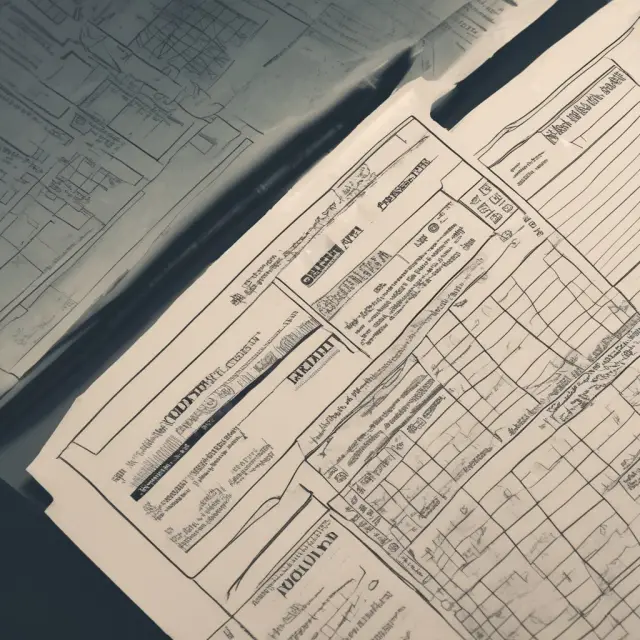
Learn everything you need to know about work tickets for professional investors, from functionality to software tools, in this comprehensive guide.
Introduction to Work Tickets
Work tickets serve as essential documentation for professional investors and businesses involved in billing clients for labor costs or tracking productivity, project management, budget creation, and profit analysis. By understanding what a work ticket is, its functionality, and how it differs from other related concepts like timesheets and work orders, investors can optimize their operations and maximize efficiency.
What Is a Work Ticket?
A work ticket refers to a formal document used for recording the labor costs incurred by an organization when providing services to its clients. This document is crucial for both internal tracking purposes, such as project management and productivity measurement, and external billing purposes. When hourly or temporary workers are employed, work tickets are instrumental in ensuring that they are paid accurately for their labor while also enabling the billing of their clients for the costs incurred.
Functionality of Work Tickets
Work tickets offer various benefits to organizations, including:
- Billing Clients: Work tickets facilitate accurate and timely invoicing of clients for labor hours spent on their projects or tasks.
- Labor Cost Tracking: They provide a means for monitoring the cost associated with direct labor, which is essential for effective budgeting and financial management.
- Productivity Measurement: By keeping track of how much time is being dedicated to specific tasks, work tickets allow investors to assess team productivity and identify opportunities for improvement.
- Budget Creation: Accurate documentation of labor costs enables the development of realistic and effective budgets that reflect actual expenses and project requirements.
- Project Management: Work tickets contribute significantly to efficient project management by offering a clear overview of resources allocated, progress made, and the status of ongoing tasks.
- Profit Analysis: By examining work tickets, investors can determine profitability levels for various projects or services and adjust their strategies accordingly.
Work Tickets vs. Timesheets: Understanding the Difference
Although related in nature, it is essential to distinguish between work tickets and timesheets. Work tickets primarily serve an external purpose – to document labor costs that can be billed to clients for a specific project or task. Timesheets, on the other hand, are used internally within an organization to record employee hours worked and can facilitate the automation of payroll processes.
In essence, work tickets focus on billable hours and rates for external clients, while timesheets concentrate on internal labor costs and efficiency tracking. By recognizing their differences, investors can employ both effectively to optimize financial management, project execution, and overall business performance.
Stay tuned for the next section as we explore the manual process of filling, approving, and processing work tickets.

Functionality of Work Tickets
Work tickets serve multiple functions in a professional investment setting, facilitating labor cost tracking and providing valuable data for project management, profit analysis, budget creation, and billing clients. The importance of this system lies in ensuring accurate timekeeping, maintaining client relationships, and optimizing business operations.
The primary use of work tickets is to serve as a record of hours worked on various tasks or projects. These records are essential for calculating labor costs and providing the basis for creating invoices for clients. Accurately billing clients is crucial for maintaining revenue streams and ensuring that investors receive a return on their investments. In addition, work tickets can be used to evaluate productivity, as the data they provide can help managers identify patterns in employee performance, enabling them to make informed decisions about staffing and resource allocation.
Furthermore, work tickets play an essential role in project management by allowing managers to monitor progress on tasks and assess the impact of labor costs on overall project budgets. By analyzing labor hours spent on different projects, investors can make data-driven decisions regarding resource allocation and future project planning. Additionally, the data provided by work tickets helps investors in identifying trends, forecasting labor needs, and determining profitability through an analysis of both direct and indirect labor costs.
Work tickets are typically created when a request for work is initiated. The ticket may include information such as a description of the task or problem, cost estimates, authorization forms, labor time and rates, and the names of those involved in the process – the requester and the person responsible for performing the work. This comprehensive documentation provides valuable context to team members, ensuring that they have all the necessary information needed to complete their tasks efficiently and effectively.
In summary, work tickets are an essential tool for professional investors, providing a means of managing labor costs, tracking productivity, creating budgets, billing clients accurately, and maintaining project records. By harnessing the power of this versatile system, investors can optimize their operations, maximize profits, and deliver exceptional value to their clients.

Work Ticket vs. Timesheet: Understanding the Difference
Two essential concepts within the finance and investment sectors that are often interchangeably used are work tickets and timesheets. While they may appear similar at first glance, these two terms represent distinct functions and applications to professional investors. In this section, we will elucidate the differences between work tickets and timesheets.
Work tickets serve as a record of labor hours spent on various tasks or projects for clients or internal purposes. They are primarily used in service industries for tracking billable hours to clients accurately. Work tickets can also be employed for monitoring productivity, calculating labor costs, creating budgets, managing projects, and determining profitability.
Timesheets, on the other hand, represent a more traditional method of recording an employee’s worked hours, typically used in hourly or contract-based employment scenarios. Their primary purpose is to ensure that employees are paid accurately for their labor based on the agreed-upon hourly rate. Timesheets may be filled out manually or digitally using devices like punch clocks or electronic timecard readers. In cases where timesheets serve as work tickets in project management, they function as a record of hours spent on specific tasks within a project.
In essence, the main difference lies in their focus: work tickets are primarily focused on tracking client billing and project management, while timesheets center around recording and calculating labor costs for employees. Both work tickets and timesheets may be used interchangeably depending on the business context, with the former being more commonly associated with services industries and the latter with hourly wage structures.
Understanding this distinction is crucial for professional investors as it allows them to optimize their operations by utilizing these tools effectively in various scenarios. Proper management of work tickets and timesheets can lead to increased efficiency, better accuracy, and ultimately, increased profitability. In the following sections, we will delve deeper into the functionality and best practices associated with work tickets.
Manual Work Tickets: Process and Best Practices
Manual work tickets serve as a crucial tool for professional investors in managing labor costs, tracking employee productivity, and ensuring accurate billing to clients. This section aims to detail the process of creating and handling manual work tickets while highlighting best practices that lead to increased efficiency and accuracy.
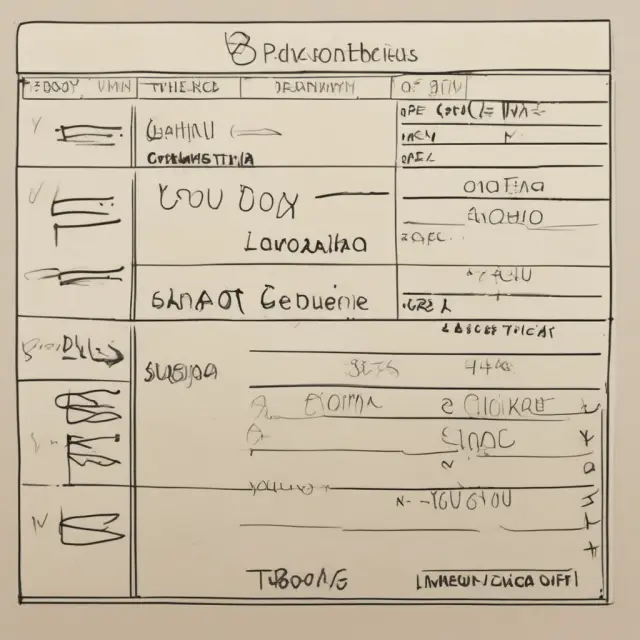
First and foremost, it is essential to understand the components of a manual work ticket. A typical work ticket includes fields for recording an employee’s name or ID, job title, department, date, hours worked, job description, project or task name, client details, and any relevant notes. These tickets may be filled out daily, weekly, bi-weekly, monthly, or even bi-monthly, depending on the payroll schedule of the organization.
Once an employee completes a workday, they record their hours and tasks performed on the work ticket. Supervisors must then carefully review these entries for accuracy and approve them before submitting them to payroll for processing. To maintain efficiency, supervisors should establish clear guidelines for their team members regarding proper usage and completion of work tickets.
One best practice is ensuring all hours worked are properly documented in real-time. This can help prevent misunderstandings or discrepancies between reported hours and actual labor costs. Managers may also consider establishing a regular review schedule to ensure work tickets are completed accurately and on time, thus streamlining the payroll process.
Another best practice is to maintain an organized system for storing, retrieving, and archiving manual work tickets. This includes using clearly labeled filing systems or electronic databases that can quickly provide access to specific records when required for audits, client billing, or other purposes.
Lastly, maintaining communication channels between employees, supervisors, and payroll staff is essential. Ensuring everyone understands the process behind filling out work tickets, their deadlines, and the importance of accuracy will contribute to an efficient and accurate labor tracking system that benefits both employers and clients alike.

Digital Work Tickets: Benefits and Implementation
When it comes to managing and optimizing the operations of professional investors, digital work tickets have become an indispensable tool for businesses, offering numerous advantages over manual processes. Digital work tickets provide a more streamlined, efficient, and secure approach to labor cost tracking, billing clients, project management, budget creation, and productivity measurement.
Automation: By automating the process of recording employee hours and generating invoices, digital work tickets help reduce the time spent on manual data entry and calculations. This not only increases efficiency but also minimizes errors and potential discrepancies that can arise with handwritten or manually inputted records. With the ability to automatically track labor costs in real-time, professional investors can easily identify trends, optimize their team’s performance, and make informed decisions about resource allocation.
Security: Implementing digital work tickets significantly enhances data security compared to paper or manual processes. By storing all records electronically, businesses can minimize the risk of losing important documents or having them fall into the wrong hands. Furthermore, digital work tickets can be integrated with secure payroll, billing, and project management systems, ensuring that sensitive information is protected from unauthorized access.
Integration: Digital work tickets offer seamless integration with various business tools that are essential for professional investors. These include enterprise resource planning (ERP) systems, customer relationship management (CRM) platforms, accounting software, and project management solutions. By integrating these systems, businesses can create a centralized platform where all information is easily accessible and up-to-date. This not only streamlines operations but also increases transparency and accountability.
In conclusion, digital work tickets offer numerous benefits for professional investors looking to optimize their business processes while ensuring accuracy, security, and efficiency. By automating labor cost tracking and billing clients, enhancing data security, and integrating with various essential systems, digital work tickets have become an indispensable tool in today’s competitive financial landscape.
In the next section, we will explore popular software solutions for managing and optimizing work tickets to help you make an informed decision on which solution best suits your business needs.

Work Ticket Software: Popular Tools and Features
In today’s digital era, numerous software solutions cater to managing work tickets and optimizing their functionality for professional investors. These tools automate processes, streamline workflows, ensure accuracy, and provide valuable insights into labor costs and productivity. In this section, we will explore popular work ticket software and their key features that make them indispensable for investment firms.
1. **Asana**: Asana is a versatile project management tool widely used by professional investors due to its comprehensive work ticket system. It offers the ability to assign tasks with specific deadlines, set up custom fields for tracking detailed information, and seamlessly integrate with other tools like accounting software or CRM systems. With features like time tracking, project dashboards, and team collaboration, Asana is an excellent solution for managing complex projects involving multiple work tickets.
2. **Trello**: Trello is a simple yet powerful tool known for its user-friendly board system that makes managing work tickets engaging and efficient. It provides flexibility to categorize tasks into lists (such as “To Do,” “In Progress,” and “Completed”) using cards, making it easier for investors to keep track of project progress. Trello also integrates with many third-party applications for automating processes and enhancing functionality.
3. **Zoho Projects**: Zoho Projects is an all-in-one project management solution designed specifically for professional services firms. It offers an intuitive work ticket system that includes customizable forms, time tracking, resource planning, and reporting features. This software also supports collaboration tools like chat, forums, and real-time updates, enabling teams to stay informed about work progress and effectively manage client expectations.
4. **Freshservice**: Freshservice is an ITSM (IT Service Management) solution that offers comprehensive work ticket management functionality with features such as automated workflows, service catalogs, and self-service portals. It caters specifically to IT teams handling large volumes of support tickets and allows for customization, automation, and integration with other business applications.
5. **Smartsheet**: Smartsheet is a spreadsheet-like platform that transforms the way work tickets are managed by offering more advanced capabilities like formulas, conditional formatting, and automated actions. It enables users to create custom forms, track progress, collaborate effectively, and integrate with other essential business systems.
These software solutions offer diverse features tailored to various industries and team sizes. By implementing these tools, professional investors can optimize their work ticket processes, maximize productivity, improve collaboration, and enhance client satisfaction.

Legal and Compliance Considerations for Work Tickets
Work tickets serve multiple purposes for professional investors, including labor cost tracking, productivity measurement, project management, and profit analysis. However, maintaining compliant work ticket systems is crucial to ensure that these processes align with legal and ethical requirements. In this section, we will discuss essential compliance considerations for work tickets in various contexts:
1. Labor laws: Compliance with labor regulations, such as minimum wage requirements, overtime rules, and recordkeeping standards, can be facilitated through the proper use of work tickets. Accurately capturing employee hours on work tickets is vital to maintaining compliance with labor laws, ensuring fair wages, and preventing costly litigation.
2. Data security: Ensuring data security for sensitive information contained in work tickets, including personal employee and customer data, is essential. Compliance with relevant data protection regulations, such as the General Data Protection Regulation (GDPR) or the Health Insurance Portability and Accountability Act (HIPAA), can be achieved by implementing secure storage solutions, access controls, and encryption methods for digital work tickets.
3. Timekeeping accuracy: To maintain compliance with labor laws and avoid disputes, it’s imperative to ensure that time recorded in work tickets accurately reflects actual hours worked. Employers must provide employees with clear instructions on how to fill out work tickets, ensuring transparency and reducing the likelihood of errors or miscommunications.
4. Ethical considerations: Proper handling and recording of employee overtime, vacation time, sick days, and other leave-related issues can help maintain ethical practices and improve overall morale. Ensuring that work tickets accurately reflect these hours is essential to maintaining fair labor practices and fostering a positive work environment.
5. Regulatory reporting: In certain industries, regulatory agencies may require regular reporting on labor hours and costs incurred by the company. Accurately recording and tracking this information in work tickets can save time and resources when it comes time to prepare these reports, while also minimizing the risk of errors or inconsistencies.
6. Compliance audits: Regular internal and external audits may be conducted to ensure that a company’s work ticket processes meet regulatory requirements. Preparing for these audits by maintaining clear documentation, accurate records, and effective communication with auditors can help minimize potential issues and maintain the organization’s reputation as a compliant and ethical business partner.
In conclusion, understanding the importance of legal and compliance considerations in managing work tickets is crucial for any professional investor looking to optimize their labor costs, ensure fair wages, and foster a positive work environment while maintaining regulatory compliance and minimizing risks. By following best practices and utilizing technology solutions designed specifically for work ticket management, investors can streamline processes, reduce the risk of errors, and focus on delivering exceptional value to their clients.

Integrating Work Tickets with Other Systems: ERP, CRM, and More
Work tickets can be an essential component in the efficient functioning of a professional investor’s business operations. By effectively managing work tickets, companies can improve labor cost tracking, enhance productivity measurement, optimize budgeting, and ultimately drive profit growth. However, work tickets do not operate in isolation but are interconnected with other critical systems such as Enterprise Resource Planning (ERP), Customer Relationship Management (CRM), and more. In this section, we’ll explore how integrating work tickets with these systems can significantly enhance the value derived from work ticket management.
Enterprise Resource Planning (ERP) Integration
ERP is a business solution that aims to integrate various aspects of an organization into one system, such as planning, purchasing, inventory control, accounting, sales, marketing, and customer relationship management. Integrating work tickets with an ERP system can lead to increased efficiency and accuracy in labor cost tracking. It also allows for real-time data sharing between systems, enabling quicker decision making on projects and reducing potential errors.
Customer Relationship Management (CRM) Integration
By integrating work tickets with a CRM system, organizations can have a more comprehensive view of their customer interactions, enabling better collaboration among different teams. For example, the sales team can access real-time information about project progress, allowing them to provide accurate and up-to-date quotes to clients. Meanwhile, the project management team can leverage this data to ensure that client expectations are being met, enhancing overall customer satisfaction.
Other Integrations
Work tickets can also be integrated with other systems like accounting software, payroll systems, and various productivity tools. By automating the process of transferring work ticket information to these systems, organizations can save significant time and reduce potential errors. For instance, integrating a work ticket system with an accounting software enables automatic recording of labor costs, improving accuracy and streamlining the financial reporting process.
In conclusion, the integration of work tickets with essential business tools like ERP, CRM, and other systems not only enhances the value derived from managing work tickets but also allows for increased collaboration, efficiency, and reduced errors. By optimizing these connections, professional investors can focus on delivering high-quality services to their clients while streamlining their internal operations.

Case Studies: Success Stories with Work Tickets
Work tickets have proven to be an invaluable tool for numerous businesses across industries to optimize operations, increase productivity, and reduce costs. Let us explore some real-life examples of companies that have successfully implemented work tickets to streamline their workflows and enhance profitability.
In the construction industry, a medium-sized firm called “Building Bridges” managed to revolutionize their billing process by adopting digital work tickets. Before implementing this system, Building Bridges relied on manual timesheets filled out by workers on paper, which were then submitted to project managers for approval and processing. This time-consuming process not only led to significant delays but also left room for errors. With the introduction of a digital work ticket system, Building Bridges was able to automate the billing process, reduce manual errors, and provide real-time visibility into labor costs for individual projects. As a result, they experienced a 30% reduction in processing time and increased accuracy by 95%.
Another success story comes from “Tech Innovations,” an IT consulting firm that used work tickets to boost productivity and streamline project management. Prior to implementing a digital work ticket system, Tech Innovations faced challenges with keeping track of employee hours spent on specific projects. With the introduction of digital work tickets, they gained real-time insights into labor costs, were able to identify potential cost overruns early on, and enhanced their ability to forecast future resource requirements. As a result, the company saw a 20% increase in productivity, as well as improved client satisfaction due to more accurate and timely billing.
“Creative Solutions,” a marketing agency, also experienced significant improvements by adopting a digital work ticket system for managing their creative projects. The agency struggled with keeping track of multiple project versions, revisions, and the time spent on each task. With the new work ticket system, they were able to streamline their project management process, minimize errors, and improve communication between team members. This resulted in a 35% decrease in project delivery times and increased customer retention due to better collaboration and transparency throughout the entire creative process.
In conclusion, these case studies showcase the transformative power of work tickets in various industries. By automating processes, improving accuracy, and providing real-time visibility into labor costs, companies can optimize their operations, increase productivity, reduce costs, and ultimately deliver better value to their customers.

FAQ: Common Questions About Work Tickets
What is a work ticket?
A work ticket is a document that records the hours worked by employees and serves as a basis for billing clients or calculating wages. It’s also called a time card, timesheet, or work order depending on the context.
How are work tickets different from timesheets?
While both work tickets and timesheets serve to document hours worked, work tickets focus more on tracking labor costs for clients, billing purposes, productivity measurement, project management, budget creation, and profit analysis. Timesheets, on the other hand, are typically used to calculate hourly wages or salaries for employees. Work tickets may be manual (paper-based) or digital.
Can work tickets be used interchangeably with the term ‘work orders’?
Yes, in certain contexts, a work ticket can also be referred to as a work order, particularly when it comes to recording services provided for clients. A work order may include instructions for a given task, cost estimates, and labor time and costs.
What information is typically included in a work ticket?
Work tickets contain essential details like the name of the employee, dates of work performed, hours worked, labor rates, job description or project tasks, client information, and billing details. They can be used to ensure accurate labor cost tracking, productivity measurement, and project management.
How do I manage and process work tickets?
The manual process involves employees filling out work tickets at the end of each day or week, then their supervisor approving them before sending them to payroll for processing and payment. Digital work tickets can be automated and integrated with payroll systems, making the process faster, more secure, and error-free.
What benefits do digital work tickets offer?
Digital work tickets provide numerous advantages such as automation, increased security, real-time data access, and easy integration with other business systems like ERP, CRM, and payroll. They also streamline the billing process, improve accuracy, and enhance overall efficiency.
 Next entry · No. 5,778Understanding Workable Indication: A Flexible Pricing Technique in Municipal Bond Markets
See also
-
 No. 4,510
24 Jun 2025
20 min
Understanding Robotic Process Automation: Benefits, Limitations, and Applications for Institutional Investors
Business Finance
No. 4,510
24 Jun 2025
20 min
Understanding Robotic Process Automation: Benefits, Limitations, and Applications for Institutional Investors
Business Finance -
 No. 5,916
18 Oct 2025
18 min
Understanding Zombie Debt: A Guide for Professional Investors
Business Finance
No. 5,916
18 Oct 2025
18 min
Understanding Zombie Debt: A Guide for Professional Investors
Business Finance -
 No. 5,896
17 Oct 2025
18 min
Understanding Zero-Floor Limits: Protecting Against Fraud and Processing Every Transaction
Business Finance
No. 5,896
17 Oct 2025
18 min
Understanding Zero-Floor Limits: Protecting Against Fraud and Processing Every Transaction
Business Finance -
 No. 5,842
12 Oct 2025
23 min
Understanding Yankee Certificates of Deposit (CDs): An Investment Opportunity for Professional and Institutional Investors
Business Finance
No. 5,842
12 Oct 2025
23 min
Understanding Yankee Certificates of Deposit (CDs): An Investment Opportunity for Professional and Institutional Investors
Business Finance -
 No. 5,841
12 Oct 2025
17 min
Understanding Yankee Bonds: Advantages, Disadvantages, and Everything In Between
Business Finance
No. 5,841
12 Oct 2025
17 min
Understanding Yankee Bonds: Advantages, Disadvantages, and Everything In Between
Business Finance -
 No. 5,830
11 Oct 2025
19 min
X-Efficiency: Understanding the Concept and Its Significance for Institutional Investors
Business Finance
No. 5,830
11 Oct 2025
19 min
X-Efficiency: Understanding the Concept and Its Significance for Institutional Investors
Business Finance