Understanding Xetra: Germany’s Dominant Electronic Trading Platform

Learn about Understanding Xetra: Germany's dominant electronic trading platform. Discover features, benefits, & comparisons.
Introduction to Xetra and Its Role in the German Stock Market
Xetra is a renowned electronic trading platform based in Germany, managed by Deutsche Börse Group since its inception in 1997. The platform is headquartered in Frankfurt and is responsible for an extensive range of trading activities involving various securities like stocks, funds, bonds, warrants, and commodities contracts. Xetra’s impact on the German stock market is significant; it executes more than 90% of all share trading in Germany, making it a critical component of the local exchange ecosystem. Furthermore, approximately one-third of continental Europe’s ETF trades occur through Xetra. By providing increased flexibility, transparency, and quick execution times, Xetra attracts a vast number of investors from various sectors.
One of the key features that sets Xetra apart is its ability to showcase order depth within markets. This electronic trading platform offers low costs and high transparency, which are crucial factors for investors in today’s fast-paced financial landscape. Its significance extends beyond Germany, as more than half of its 430 members come from outside the country (as of July 2022). The platform operates during regular market hours Monday to Friday, with trading activity taking place between 9 a.m. and 5:30 p.m. local time, excluding major holidays. Daily trading hours begin with an opening auction at 8:50 a.m., followed by a closing auction at 5:30 p.m.
The emergence of Xetra marked a turning point in the history of electronic trading systems. Launched just a year after Instinet, which was one of the first automated trading platforms, and two years before Nasdaq’s electronic system, Xetra quickly distinguished itself as a dominant player in this space. It enabled investors to execute trades with increased efficiency, offering lower costs, heightened transparency, and lightning-fast turnaround times, especially for highly traded shares on the DAX index.
As trading activity continues to shift from physical trading floors to electronic platforms, Xetra remains at the forefront of this transformation. Despite its success, challenges such as cybersecurity threats persist. In the digital age, protecting sensitive financial information and infrastructure has become a top priority for exchange operators like Deutsche Börse Group.

Features and Benefits of Trading on Xetra
Xetra, a German electronic trading platform launched in 1997 by Deutsche Börse Group, offers investors unique advantages over traditional exchange methods. By providing increased flexibility, transparency, low costs, and quick turnaround times for trading various securities, Xetra has attracted significant attention from market participants across the globe.
One of the key benefits of using Xetra is the heightened flexibility it provides traders. The platform offers direct access to real-time order book depth information, enabling users to make informed decisions and respond quickly to changing market conditions. This level of transparency empowers investors to adapt their strategies, manage risk more effectively, and execute trades at optimal times.
Another significant advantage of Xetra is the cost savings it offers. Traditional trading methods can be expensive and time-consuming, requiring intermediaries such as brokers or banks to facilitate transactions. With Xetra, investors have the ability to trade directly on the exchange, thus eliminating the need for intermediaries and reducing costs significantly. This cost advantage is particularly attractive to high-frequency traders and large institutions that execute numerous trades daily.
Transparency is a critical component of Xetra’s success. The platform provides real-time information about market conditions and order book depth, allowing users to make informed decisions. Furthermore, the automated nature of electronic trading minimizes the possibility for errors or discrepancies that can occur in manual trading methods. This transparency not only helps traders but also strengthens investor confidence in the integrity of the market as a whole.
Finally, Xetra offers quick turnaround times when executing trades. In today’s fast-moving financial markets, the ability to execute trades swiftly is essential for maintaining competitiveness and maximizing profit potential. By connecting buyers and sellers directly on the platform, Xetra facilitates transactions more efficiently than traditional trading methods.
In summary, Xetra provides investors with a range of benefits that make it an attractive alternative to traditional trading methods. Its flexibility, transparency, cost savings, and quick turnaround times have positioned Xetra as one of the leading electronic trading platforms in the world and have contributed to its dominance in Germany and continental Europe’s stock markets.

History of Xetra: The First Global Electronic Trading System
The inception of Xetra can be traced back to 1997 when it emerged as a pioneering electronic trading system in Germany and one of the first globally. Operated by Deutsche Börse Group, this Frankfurt-based platform revolutionized stock exchange transactions by offering an efficient, flexible, and transparent trading environment for investors.
At its launch, Xetra accounted for more than 90% of all trading in German shares. It rapidly grew in significance, not just domestically but also across continental Europe, where it presently facilitates approximately one-third of ETF trading. With the increasing popularity and accessibility of electronic trading systems worldwide, Xetra’s influence extended beyond its home market, becoming a formidable competitor to other well-known platforms like Instinet and Nasdaq.
Xetra was developed in response to the growing demand for more efficient, cost-effective, and transparent trading solutions. Its innovative technology allowed investors to access real-time information about market depth and offered fast execution times, making it an attractive option for traders seeking to maximize their returns. The platform’s success can be attributed to its ability to meet these demands effectively, leading to increased investor confidence and trust in the system.
Moreover, Xetra’s trading hours were specifically designed to cater to European markets. Trading activity takes place between 9 a.m. and 5:30 p.m. local time Monday to Friday, excluding major holidays. These flexible hours give investors ample opportunities to make informed trades based on market conditions during their preferred trading sessions.
As electronic trading systems gained momentum in the financial industry, Xetra’s dominance continued, with more and more trading shifting away from physical trading floors towards digital platforms. Today, very few exchanges still offer trading on a physical floor. Instead, electronic trading has become the norm, with Xetra remaining at the forefront as one of the most popular and influential global systems.
However, with this shift to electronic trading comes new challenges. The increasing reliance on technology for financial transactions heightens cybersecurity risks. As financial systems store sensitive user data, including credit card information, they become prime targets for hackers and other cyber-attacks. To mitigate these risks, platforms like Xetra employ robust security measures and constantly evolve their defenses to stay ahead of potential threats.
In summary, the emergence of Xetra in 1997 marked a turning point in the financial industry by introducing a highly efficient and transparent electronic trading system that quickly gained widespread popularity within Germany and beyond. Its continued influence can be attributed to its ability to meet the growing demands of investors for flexible, cost-effective, and real-time trading solutions while addressing the challenges of cybersecurity threats through advanced technology and security measures.

Xetra vs. Other Electronic Trading Systems: A Comparison
While Xetra may be a dominant figure in the German and European stock markets, it isn’t the only electronic trading system in existence. Comparing Xetra with other notable electronic trading systems such as Instinet and Nasdaq can help investors better understand their options when it comes to executing trades electronically.
Instinet: A Pioneer in Electronic Trading
One of the earliest entrants into the field of automated trading was Instinet, which was established in 1969 by a group of institutional investors seeking increased efficiency and control over their trading activities. Initially focusing on facilitating direct trades among U.S. institutions, Instinet’s platform allowed traders to interact using terminals instead of the phone calls previously required for order execution. Over time, Instinet expanded its services to include offerings like ResearchPlus, providing real-time market data, and AlertNet, offering customizable alerts based on specific security conditions.
Nasdaq: A Major Player in Electronic Trading
Another significant competitor in the electronic trading space is Nasdaq, which launched its electronic system in 1971, making it one of the oldest competitors to Xetra. Unlike Instinet, which started as a purely institutional offering, Nasdaq’s electronic platform initially focused on small orders before eventually expanding into larger trades. In 1984, Nasdaq introduced the Small Order Execution System (SOES) to cater to individual investors.
Comparing Features and Benefits
When comparing Xetra with other electronic trading systems like Instinet and Nasdaq, several features stand out:
– Flexibility: Xetra offers increased flexibility in terms of seeing order depth within the markets, enabling users to make more informed decisions about their trades. This is particularly useful for highly traded securities, such as those found on the DAX index.
– Transparency: All three systems provide high transparency, ensuring that investors have real-time access to accurate market data and trading information. However, Xetra’s transparent order book displays allow users to see other market participants’ bids and asks, providing a more comprehensive view of market activity.
– Costs: The cost structures of these systems differ based on factors like transaction fees, subscription costs, and various other charges. For instance, Instinet might charge higher fees for its additional services like ResearchPlus or AlertNet, while Nasdaq’s SOES may have lower trading fees but require a monthly subscription. Xetra’s pricing structure is generally considered competitive in the market.
– Turnaround Times: All three systems offer quick execution times, with slight differences based on factors such as order size, market conditions, and the specific electronic trading system being used. In general, however, investors should not experience significant variations in turnaround times between the systems.
In summary, Instinet, Nasdaq, and Xetra all provide essential benefits for users seeking efficient, cost-effective, and transparent methods of trading various securities electronically. While there are differences in features, costs, and historical context, each platform can meet the demands of investors in diverse ways. Ultimately, understanding these nuances allows traders to make informed decisions when choosing an electronic trading system best suited for their investment strategies and preferences.

How to Use Xetra for Investment: Trading Stocks, ETFs, and Other Securities
Xetra, the German electronic trading platform operated by Deutsche Börse Group, offers investors a convenient and efficient means of buying and selling various securities. This section aims to provide you with a step-by-step guide on how to use Xetra for investment, specifically in stocks, ETFs, and other securities.
First things first: To get started, potential investors must create an account with Xetra. This can be done through the Deutsche Börse’s website. Once registered, users gain access to their personal trading platform and a unique client number called a ‘Securities Number.’ This identifier is essential when executing trades on Xetra.
When it comes to trading stocks on Xetra, investors can follow these simple steps:
- Log in to the Xetra trading platform with your user credentials.
- Navigate to the ‘Trading’ tab and select the desired stock from the list.
- Enter the number of shares you wish to buy or sell.
- Choose your order type (limit, market, stop-loss).
- Confirm your details, including client number and trading password.
- Execute the trade.
The process for trading ETFs on Xetra is very similar:
- Log in to your account on the Xetra platform.
- Head to the ‘Trading’ tab and locate the desired ETF.
- Enter the number of units you intend to buy or sell.
- Decide on an order type (limit, market, stop-loss).
- Double-check your client number and trading password before executing the trade.
It is important to note that Xetra also enables users to trade other securities such as bonds, warrants, or commodities contracts. The process for these transactions may vary slightly depending on the specific security type but generally follows the same pattern: log in, locate your desired security, input your order details, and execute the trade.
In conclusion, using Xetra for investment is a straightforward process that offers investors flexibility, low costs, and high transparency. Whether you’re trading stocks, ETFs, or other securities on this platform, the steps are simple yet effective, making it an attractive option for both local and international investors.

Xetra Trading Hours: When Is It Open for Business?
Xetra, the German electronic stock exchange owned by Deutsche Börse Group, operates between 9 a.m. and 5:30 p.m. local time, Monday to Friday. Traders can execute orders during these hours, except on major holidays. Xetra was among the first global electronic trading systems when it launched in 1997, providing investors with increased flexibility, lower costs, and high transparency compared to traditional exchange floors.
Trading on Xetra includes stocks, funds, bonds, warrants, and commodities contracts. With a majority of Germany’s trading volume and approximately one-third of continental Europe’s ETF trades occurring through the platform, it is an essential component for many investors. The platform hosts an opening auction daily at 8:50 a.m. and a closing auction at 5:30 p.m., ensuring a well-rounded trading experience for participants.
Despite its importance, Xetra is not the only electronic trading system in operation. Instinet, launched in 1969, was an early pioneer in automated trading, while Nasdaq introduced their system in 1971. While these platforms dominated the trading scene, they initially relied on phone orders for trade execution. The rise of internet technology facilitated the dominance of electronic trading over physical trading floors. Nowadays, only a few exchanges offer trading on physical trading floors.
However, electronic trading systems like Xetra come with their own set of risks. Cybersecurity threats are becoming increasingly prevalent and represent a significant concern for financial institutions that store sensitive user information. The U.S. Department of Homeland Security employs advanced cybersecurity measures to protect classified government data. In the context of electronic trading platforms, the risk is amplified as large entities such as businesses and governments are prime targets for cyberattacks. Xetra and other financial systems must ensure robust security measures to protect user information and maintain trust within their community.
In summary, traders can engage in trading activities on Xetra from 9 a.m. to 5:30 p.m. local time, Monday through Friday. The platform hosts opening and closing auctions daily at 8:50 a.m. and 5:30 p.m., respectively. Understanding Xetra’s trading hours is crucial for maximizing investment opportunities in the German stock market.
Market Participants on Xetra: Who Can Trade on the Platform?
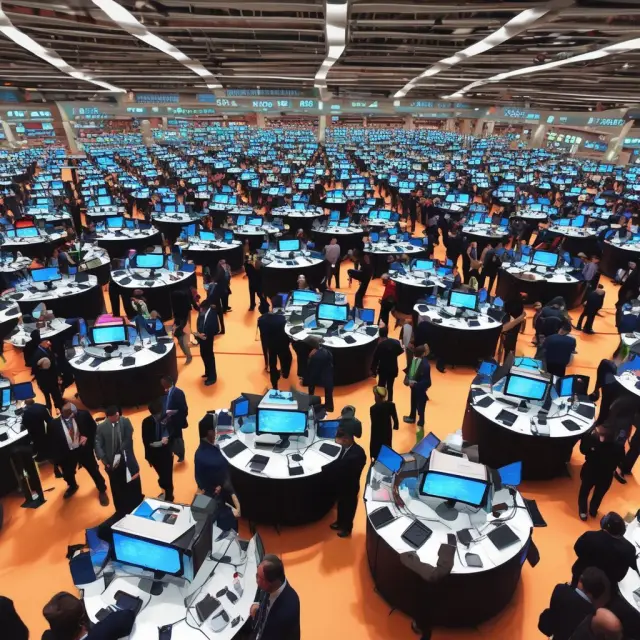
Xetra is an electronic trading platform owned and operated by Deutsche Börse Group in Frankfurt, Germany. Launched in 1997, it has grown to become one of the world’s leading exchanges for equity trading, accounting for over 90% of all shares traded on German stock markets. With Xetra’s widespread popularity and importance, it’s crucial to understand the various market participants who utilize this platform to execute their trades.
Trading Institutions
One significant group of market participants on Xetra are trading institutions. This term encompasses a range of entities, including banks, hedge funds, pension funds, asset managers, and proprietary trading firms. These institutions use Xetra for their large-scale trading activities due to the platform’s high liquidity, transparency, and efficient execution capabilities.
Retail Investors
Another critical market participant category on Xetra is retail investors or individual traders. Retail investors can access Xetra through various brokerages that provide clients with trading accounts connected to this electronic exchange. This group of market participants benefits from the low costs, transparency, and quick turnaround times offered by Xetra when executing their trades in stocks, ETFs, and other securities.
Market Makers
Xetra is also home to market makers or liquidity providers who play a crucial role in ensuring that the exchange maintains efficient pricing for various financial instruments. Market makers are firms or individuals that continuously quote bid-ask prices for securities they wish to trade and are compensated through the bid-ask spread. Their presence on Xetra helps maintain an orderly market, facilitating better price discovery and contributing to a more liquid trading environment.
Market Access Points (MAPs)
Market access points or MAPs allow various trading venues, such as alternative trading systems (ATS), multilateral trading facilities (MTFs), and systematic internalizers (SI) to connect to Xetra. This connection enables these entities to trade in the securities listed on the exchange while also providing their clients with additional liquidity sources. MAPs contribute to a more competitive and efficient market, benefiting all Xetra participants.
In summary, understanding the various market participants on Xetra – trading institutions, retail investors, market makers, and Market Access Points (MAPs) – provides valuable insight into the functioning and success of this critical electronic trading platform in the German financial markets.

Risks Associated With Electronic Trading: Security Concerns on Xetra
The rise of electronic trading platforms like Xetra has brought significant benefits to the financial industry, including increased flexibility, transparency, and quick execution times. However, these systems also come with certain risks, particularly related to cybersecurity threats. In this section, we’ll explore some of the most pressing security concerns associated with Xetra and discuss measures taken by Deutsche Börse Group to mitigate these risks.
Cybersecurity Threats in Electronic Trading: An Overview
As electronic trading systems continue to gain popularity, they become increasingly attractive targets for cybercriminals. The financial sector is a prime target due to the vast amounts of sensitive data and valuable assets that are stored and traded on these platforms. Cyber attacks can lead to significant losses, reputational damage, or even systemic risks to the financial markets.
Threats to electronic trading systems include:
- Man-in-the-Middle (MITM) attacks: MITM attacks involve intercepting and modifying communications between two parties in a transaction without their knowledge. In an electronic trading context, this could result in incorrect order information being transmitted or manipulated for financial gain.
- Denial of Service (DoS) attacks: DoS attacks aim to flood a system with traffic to make it unavailable to users. In the case of Xetra, a successful DoS attack could potentially disrupt trading activity and cause market disruption.
- Insider trading: Electronic trading systems like Xetra can be vulnerable to insider trading activities if sensitive information is leaked or stolen from within the organization. This can lead to unfair advantages for certain traders and undermine the integrity of the market.
- Malware attacks: Malware, such as viruses, worms, and Trojans, can infect electronic trading systems and cause significant damage. They may steal data, disrupt operations, or even allow unauthorized access to sensitive information.
- Phishing scams: Phishing attacks involve tricking users into providing sensitive information, often through email or text messages. In the context of Xetra, users could be targeted with fraudulent emails that appear to originate from Deutsche Börse or other legitimate sources to steal login credentials or other valuable data.
Mitigating Risks on Xetra: Deutsche Börse Group’s Approach
Deutsche Börse Group takes security seriously and employs a multi-layered approach to protect Xetra against cyber threats. Some of the measures in place include:
- Physical Security: The Frankfurt Data Center where Xetra is hosted is protected by advanced physical security measures, such as 24/7 surveillance, access control systems, and biometric authentication.
- Network Security: Deutsche Börse Group implements robust network security controls to protect against cyber threats. This includes firewalls, intrusion detection and prevention systems, and antivirus software.
- Data Encryption: Xetra uses advanced encryption technologies to secure user data both during transmission and at rest. This helps ensure that sensitive information remains protected even if intercepted by unauthorized parties.
- Strong Authentication: Users are required to authenticate themselves using strong passwords or multi-factor authentication (MFA) to access their Xetra accounts. This adds an additional layer of security, making it more difficult for attackers to gain unauthorized access.
- Incident Response and Disaster Recovery: Deutsche Börse Group has a dedicated incident response team that is prepared to handle cyber threats in real-time. They work closely with law enforcement agencies and other relevant organizations to minimize the impact of attacks on Xetra users. The organization also maintains robust disaster recovery procedures, ensuring that trading activity can continue even during system disruptions or failures.
- Regulatory Compliance: Deutsche Börse Group adheres to strict regulatory guidelines related to data privacy and cybersecurity. This includes regular audits and assessments by both internal and external entities to ensure that the company remains compliant with relevant regulations such as GDPR, MiFID II, and others.
By implementing these measures and continuously monitoring and updating their security protocols, Deutsche Börse Group aims to protect Xetra users from cyber threats and maintain the integrity of the electronic trading platform. As technology evolves and new threats emerge, the organization remains committed to staying ahead of the curve and ensuring that its users’ assets remain secure.
Xetra’s Impact on the Global Stock Market: Competition and Market Trends
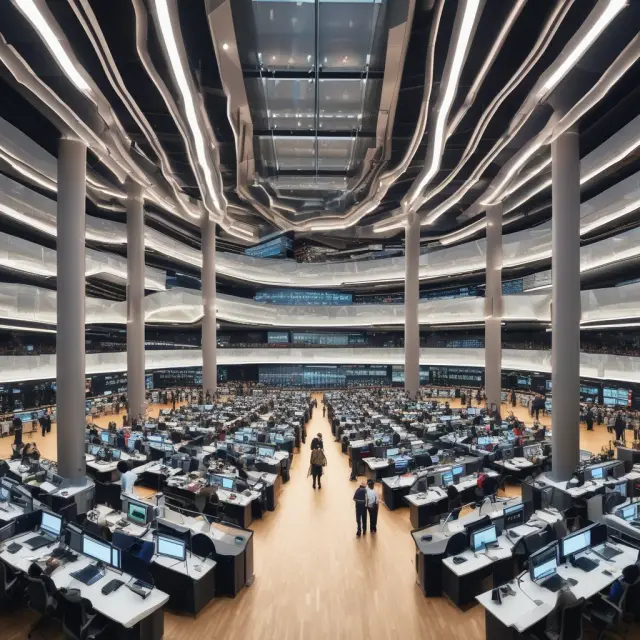
Xetra has significantly impacted the global stock market through increased competition and market trends since its inception in 1997. As one of the first fully electronic trading platforms, it introduced a new era of trading that is now widespread across the financial industry. Xetra’s influence can be seen through several aspects:
- Competition Among Exchanges: With the rise of electronic trading systems like Xetra, physical trading floors began to lose popularity due to the advantages offered by their automated counterparts. Traditional exchanges such as the New York Stock Exchange (NYSE) and Nasdaq soon followed suit with their own electronic platforms. As a result, competition among stock exchanges intensified, pushing them to offer faster turnaround times, lower costs, and increased transparency to attract traders.
- Shift Away from Physical Trading: Today, the majority of trading activity takes place electronically rather than on physical trading floors. The convenience and efficiency of electronic trading platforms have made them increasingly popular among investors worldwide. This shift has significantly reduced the need for traditional stock exchanges with physical trading floors.
- Increased Global Connectivity: As Xetra grew in popularity, it facilitated increased connectivity between global markets. Investors could now access securities from other regions through a single platform without having to deal with multiple intermediaries or different time zones. This connectivity has contributed to the growth of international trading and the interconnectedness of various financial markets.
- Cybersecurity Concerns: With the increased reliance on electronic trading systems, cybersecurity threats have become a significant concern for exchanges. Xetra, like any other financial system that stores sensitive user information, is at risk of cyber-attacks from nation-states, hackers, and other malicious actors. To mitigate these risks, exchanges must invest in advanced security measures and continuously adapt to new threats.
Xetra’s dominance as a trading platform, along with the broader shift towards electronic trading, has led to a more interconnected and competitive global stock market. This trend is likely to continue as technology continues to evolve, offering new opportunities for exchanges and investors alike.

FAQs About Xetra: Answering Common Questions
What exactly is Xetra?
Xetra is a leading electronic trading platform in Germany operated by the Deutsche Börse Group. It was launched in 1997 and offers electronic trading in various securities, including stocks, funds, bonds, warrants, and commodities contracts. More than 90% of all share trading in Germany takes place through Xetra.
Who owns and operates the Xetra platform?
The Deutsche Börse Group owns and operates Xetra. This diversified organization offers various products and services throughout the financial industry’s value chain, such as listing, trading, clearing, settlement, custody services, liquidity management, and more.
What types of securities can be traded on Xetra?
Securities that can be traded on Xetra include stocks, funds, bonds, warrants, and commodities contracts. The platform caters to about one-third of continental Europe’s ETF trading volume.
When is the Xetra market open for trading?
Trading hours for the Xetra electronic platform are from 9 a.m. to 5:30 p.m. local time, Monday to Friday, with the exception of major holidays. The platform hosts an opening auction daily at 8:50 a.m and a closing auction at 5:30 p.m.
What is the significance of the DAX index for Xetra?
The DAX is a blue-chip stock market index that represents 40 of the biggest and most liquid German companies listed on the Frankfurt Stock Exchange (FRA). The majority of trading on Xetra involves these shares, as more than 90% of all share trading in Germany takes place through this platform.
How does Xetra compare to other electronic trading systems like Instinet or Nasdaq?
Xetra was one of the first global electronic trading systems and has grown significantly since its launch in 1997, dominating the majority of share trading in Germany. It offers increased flexibility for investors and is a fully electronic platform, providing fast turnaround times at low costs with high transparency. Instinet and Nasdaq were earlier entrants into the automated trading space but have been surpassed by Xetra’s market share.
What are some risks associated with electronic trading on Xetra?
The primary risk associated with electronic trading platforms like Xetra is cybersecurity threats. As financial systems that store sensitive user information, they present attractive targets for hackers and cybercriminals. Implementing robust security measures to protect against such attacks is essential for maintaining investor trust and protecting their personal and financial data.
 Next entry · No. 5,836Understanding XRT: Ex-Rights Trading and Its Role in Finance
See also
-
 No. 5,346
01 Sep 2025
19 min
Understanding Upticks in Finance: Meaning, Types, Importance, and Rules
Business Finance
No. 5,346
01 Sep 2025
19 min
Understanding Upticks in Finance: Meaning, Types, Importance, and Rules
Business Finance -
 No. 5,000
03 Aug 2025
21 min
Understanding the Toronto Stock Exchange (TSX): Canada’s Premier Stock Market
Business Finance
No. 5,000
03 Aug 2025
21 min
Understanding the Toronto Stock Exchange (TSX): Canada’s Premier Stock Market
Business Finance -
 No. 4,907
26 Jul 2025
18 min
Understanding To Be Announced (TBA) Trades in Finance: A Comprehensive Overview
Business Finance
No. 4,907
26 Jul 2025
18 min
Understanding To Be Announced (TBA) Trades in Finance: A Comprehensive Overview
Business Finance -
 No. 4,532
26 Jun 2025
18 min
Understanding Real-Time Gross Settlement (RTGS): Its Importance, Mechanisms, and Benefits for Institutional Investors
Business Finance
No. 4,532
26 Jun 2025
18 min
Understanding Real-Time Gross Settlement (RTGS): Its Importance, Mechanisms, and Benefits for Institutional Investors
Business Finance -
 No. 3,814
29 Apr 2025
20 min
Understanding the OTCQB: A Guide for Institutional and Professional Investors
Business Finance
No. 3,814
29 Apr 2025
20 min
Understanding the OTCQB: A Guide for Institutional and Professional Investors
Business Finance -
 No. 3,601
11 Apr 2025
19 min
The New York Stock Exchange (NYSE): History, Operation, and Significance
Business Finance
No. 3,601
11 Apr 2025
19 min
The New York Stock Exchange (NYSE): History, Operation, and Significance
Business Finance