Volatility Arbitrage: Profiting from the Difference Between Forecasted and Implied Volatility

Learn about Volatility Arbitrage: a complex trading strategy profiting from the difference between forecasted and implied volatility. Discover the…
Introduction to Volatility Arbitrage
Volatility arbitrage is a sophisticated trading strategy in finance and investment that targets the disparity between the forecasted future volatility of an asset’s price and the implied volatility reflected in options based on that asset. By identifying discrepancies between forecasted and implied volatilities, a trader can potentially profit from this difference in expectations. However, like all trading strategies, it involves risks and requires careful analysis and execution.
Understanding Implied Volatility
Implied volatility is the market’s consensus expectation of future price volatility for an underlying asset as reflected in option prices. It represents the uncertainty in the market regarding future price movements. To calculate implied volatility, we analyze an option’s premium, strike price, expiration date, and interest rates. The higher the level of implied volatility, the more expensive the option and the greater the perceived risk.
The relationship between implied volatility and option pricing is crucial to understanding volatility arbitrage. When calculating option prices, market participants consider not only the stock price and time remaining until expiration but also the expected future volatility of the underlying asset. If implied volatility changes, it affects option prices even if the underlying stock price doesn’t move.
Forecasted Volatility vs. Implied Volatility
Volatility arbitrage thrives on the difference between forecasted and implied volatilities. Forecasted volatility is an investor’s expectation of future asset price volatility based on their analysis of various economic indicators, market trends, and other fundamental factors. Ideally, an arbitrage strategy will profit when the forecasted volatility differs from the implied volatility in options prices.
For instance, if a trader believes the stock option is underpriced because implied volatility is too low, they might consider opening a long call option combined with a short position in the underlying stock to profit off the forecast. Conversely, if they believe that implied volatility is overstated and will decrease, they could open a long position in the stock and a short position in a call option. The strategy’s success hinges on correctly predicting the direction of future price movements and volatility changes.
Implementing a Volatility Arbitrage Strategy
To implement a volatility arbitrage strategy, a trader can create a delta-neutral portfolio consisting of an option and its underlying asset. This strategy aims to maintain a position where the total delta of all held options and the underlying stock is zero, ensuring the overall market risk remains constant. By taking long and short positions in both the underlying asset and options, a trader can effectively hedge against small price changes while profiting from anticipated volatility discrepancies.
Assumptions and Risks of Volatility Arbitrage
Volatility arbitrage requires several assumptions for successful implementation:
- The trader must be correct about whether implied volatility is over-or under-priced.
- The investor must estimate the time it will take for the strategy to profit, as time value erosion could outpace potential gains.
- Market conditions need to remain favorable, allowing the strategy to be executed efficiently and with minimal transaction costs.
- The underlying stock price should not deviate significantly from expectations, or else the strategy will have to be adjusted.
As with all trading strategies, volatility arbitrage carries risks, such as market risk, liquidity risk, counterparty risk, and operational risk. Additionally, there are complexities involved in accurately forecasting future volatility and implementing a delta-neutral portfolio, making it best suited for experienced investors.

Understanding Implied Volatility
Implied volatility plays a significant role in option pricing. It reflects market participants’ expectations about the future price fluctuations of an underlying asset. In simple terms, it is a measure of how much the price of an option is influenced by the uncertainty or volatility of the underlying stock. Calculating Implied Volatility
Implied volatility can be calculated using various methods. One popular method is through the Black-Scholes model, an analytical formula used to determine the theoretical price of a European call option. The Black-Scholes model uses several factors, including the current stock price, strike price, time until expiration, interest rate, and risk-free rate, to calculate option prices. Implied volatility is calculated as a function of these inputs, with the exception of volatility. The formula assumes a constant volatility, but in reality, volatility is not constant. To estimate implied volatility, one can look at the market price for options on the asset and use it to determine the market expectation of volatility.
Relationship between Option Pricing and Implied Volatility
The pricing of an option depends on the expected future price movement of the underlying asset as well as the amount of time until expiration. When implied volatility is high, options become more expensive due to their increased sensitivity to potential price movements. Conversely, when implied volatility is low, options are relatively cheaper. Traders and investors can use this relationship between option pricing and implied volatility to make informed decisions about buying or selling options.
For example, if a trader believes that the implied volatility of an option on a particular stock is lower than its true volatility, they may take advantage of this mispricing by buying the option and profiting when implied volatility eventually rises to reflect the true level of uncertainty in the underlying asset. This strategy is known as volatility arbitrage. Conversely, if a trader believes that implied volatility is too high for an option, they may sell the option and profit when implied volatility falls back down to a more reasonable level.
Understanding volatility arbitrage requires a solid foundation in options pricing and an awareness of market conditions. It is not a strategy for novice traders or those who are unfamiliar with options. In the next section, we will explore how volatility arbitrage works in practice by discussing the difference between forecasted volatility and implied volatility.
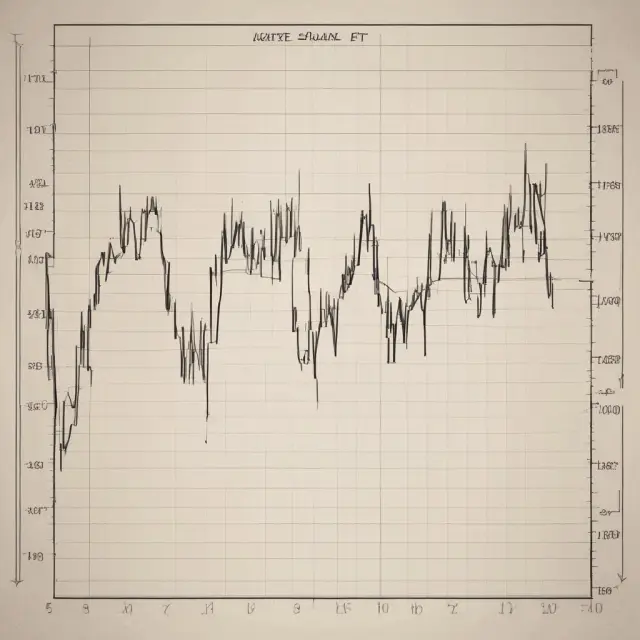
Forecasted Volatility vs. Implied Volatility
Volatility arbitrage is a complex trading strategy designed to profit from the difference between forecasted future price volatility and implied volatility of options based on a specific asset, such as a stock. By understanding the relationship between these two concepts – forecasted volatility and implied volatility – investors can effectively implement this strategy.
Implied Volatility: Implied volatility is an option pricing parameter that reflects market participants’ expectations for the future price swings of a financial asset, such as a stock or a currency pair. The implied volatility value is derived from the prices of options with various expirations and strike prices. It represents the standard deviation of the underlying asset’s price over a specific period, typically one year.
Forecasted Volatility: Forecasted volatility, also known as historical volatility or realized volatility, is the actual volatility experienced by a financial asset over a given time frame, such as a month, quarter, or year. It’s calculated based on past price data and measures the dispersion of an asset’s prices over that period.
The Discrepancy: The key difference between forecasted volatility and implied volatility lies in their measurement periods. Forecasted volatility is historical, whereas implied volatility is forward-looking. In some cases, the discrepancy between these two values can lead to opportunities for arbitrage strategies.
When the implied volatility of an option contract deviates from its forecasted volatility, a potential profit opportunity arises. Traders can aim to capitalize on this discrepancy by taking positions in both the underlying asset and the corresponding options. This strategy is called volatility arbitrage.
For example, if a trader believes that the implied volatility for a particular stock option contract is underpriced compared to its forecasted volatility, they may choose to establish a long call option position combined with a short stock position. This delta-neutral strategy aims to profit from an anticipated increase in implied volatility and the subsequent rise in option prices.
Conversely, if a trader anticipates that the implied volatility will be lower than its forecasted value, they may consider opening a long position in the underlying stock while selling a call option against it. The goal is to profit from a decrease in implied volatility and the subsequent decline in option prices.
Timing and Execution: Successfully implementing a volatility arbitrage strategy requires careful planning and execution due to several factors that can impact its performance, such as time value erosion and market risks. Market participants must make accurate assumptions regarding the length of time it will take for their strategy to realize profits before these potential gains are offset by the decaying time value of the options. Additionally, unforeseen price movements in the underlying asset or changes in overall market conditions can significantly impact the viability of the strategy.
In conclusion, volatility arbitrage is a complex and sophisticated trading strategy that can offer substantial rewards for experienced traders willing to navigate its intricacies. By understanding the fundamental difference between forecasted and implied volatility, investors can effectively exploit any discrepancies between these values and potentially profit from their knowledge in the ever-changing world of financial markets.
Stay tuned for further sections covering the implementation, assumptions, risks, and potential rewards associated with this intriguing strategy.

Implementing a Volatility Arbitrage Strategy
Volatility arbitrage is a sophisticated trading strategy designed to profit from the discrepancy between forecasted volatility and implied volatility. This technique can be implemented through a delta-neutral portfolio, which includes both an option and its underlying asset. To understand how this works, it’s crucial to know the difference between these two types of volatility.
Implied volatility is the market price for future stock price volatility that is embedded in option prices. This metric is derived from option prices based on the Black-Scholes Model, which calculates the theoretical value of an option using various inputs, including implied volatility. When investors buy options, they are essentially paying a premium for this expected future volatility.
In contrast, forecasted volatility represents the anticipated price swings that an investor expects in an underlying asset. This estimation can be derived from historical data and statistical models, allowing traders to make informed decisions based on past market trends. By comparing implied volatility to forecasted volatility, an arbitrage opportunity may arise when a trader believes there is a mispricing of the option’s implied volatility.
To execute a volatility arbitrage strategy, one can create a delta-neutral portfolio consisting of both a long call option and a short position in the underlying stock. This approach ensures that the total delta of the positions is equal to zero, minimizing the overall market exposure while focusing on the difference between forecasted and implied volatilities.
For example, suppose an investor believes that implied volatility for a particular stock is too low compared to their expected volatility. They may open a long call option position and a short sale of the underlying stock simultaneously. By doing this, they have effectively hedged out any price movements in the underlying asset.
If their forecasted volatility estimate proves correct, and implied volatility rises, the cost of the call option will increase in value. Conversely, if implied volatility falls and is lower than forecasted, the short position in the underlying stock would offset any losses from the long call option.
However, it’s essential to remember that implementing a volatility arbitrage strategy carries risk for traders. The first assumption that must be met is being correct about the direction of implied volatility. Another critical factor is understanding the time horizon for profitability since time value erosion can outpace any gains if the strategy isn’t executed quickly enough. Additionally, market conditions may not always allow for the adjustments required to maintain a delta-neutral position, potentially resulting in higher transaction costs or even liquidation of positions at unfavorable prices.
As a complex trading strategy, volatility arbitrage requires extensive knowledge and experience. This approach is best suited for experienced traders who can effectively manage risk, analyze market trends, and stay informed about relevant news and events that might impact their positions. Incorporating a disciplined approach and thorough research will significantly improve the likelihood of success in this sophisticated investment strategy.

Assumptions and Risks of Volatility Arbitrage
Volatility arbitrage is a complex trading strategy that targets potential discrepancies between forecasted future price volatility and implied volatility of options based on an underlying asset, such as a stock. The key to successful implementation lies in correctly estimating the difference between these two types of volatility. Let’s explore some critical assumptions and risks associated with this strategy.
1. Correctly Forecasting Volatility
To implement a volatility arbitrage strategy, you must accurately predict whether implied volatility is over- or under-priced in relation to forecasted volatility. This requires understanding market conditions and the underlying asset’s historical price movements, which can be challenging even for experienced traders.
2. Timing and Time Value Erosion
Volatility arbitrage involves holding positions until the discrepancy between implied and forecasted volatilities is realized. However, this strategy carries a significant risk due to time value erosion. The longer you hold these positions, the more likely it becomes that time will outpace any potential profits, especially as options lose value over time.
3. Market Risks
Market risks are another essential factor in volatility arbitrage. External factors like macroeconomic news and events can significantly impact an underlying asset’s price and volatility, making it difficult to execute this strategy effectively. For example, if the stock price moves more quickly than expected, you may be forced to adjust your positions, which could result in substantial losses.
4. Complexity and Requires Expertise
Volatility arbitrage is a complex strategy best suited for experienced traders who have an in-depth understanding of options pricing, volatility calculations, and market conditions. Beginners are strongly discouraged from attempting this strategy without proper knowledge and resources.
By acknowledging these assumptions and risks, investors can make more informed decisions when considering implementing a volatility arbitrage strategy. It’s essential to note that this strategy is not suitable for everyone and carries significant risk. Investors should consult their financial advisor before making any investment decisions based on the information provided in this article.

Example: Profiting from a Discrepancy in Implied and Forecasted Volatilities
Volatility arbitrage is a complex trading strategy that seeks to capitalize on the difference between forecasted future price volatility, also known as realized volatility, and implied volatility of options based on an underlying asset. When implied volatility diverges from forecasted volatility, a discrepancy arises, creating an opportunity for profit. In this section, we’ll explore how a trader could potentially benefit from such a situation through an example.
Let us assume that a trader has forecasted the annual volatility of a particular stock to be 25% based on historical trends and market conditions. Concurrently, the implied volatility, derived from option prices, indicates an implied volatility of only 18%. The trader may consider this an opportunity to profit, as the implied volatility appears undervalued relative to their forecasted estimate.
The trader might choose to implement a delta-neutral strategy that consists of both a long call option on the stock and a short position in the underlying stock itself. The reasoning behind this is to exploit the difference in the price movement between the option and the stock while maintaining a neutral overall market exposure.
Now, let us consider two scenarios:
- Scenario A – Correct Forecast: If the trader’s forecasted volatility turns out to be accurate and implied volatility eventually rises to match, the cost of the option will increase. As a result, the trader would profit from the difference between their entry price (when they bought the option) and the new market price.
- Scenario B – Incorrect Forecast: If the trader’s forecasted volatility turns out to be incorrect, or implied volatility remains unchanged, the cost of maintaining both positions would continue to depreciate. The trader may eventually decide to exit their position if they cannot afford the time value erosion. However, even in this scenario, the strategy could still yield a profit if implied volatility does eventually converge with forecasted volatility at a later point in time.
It is crucial to note that volatility arbitrage comes with inherent risks and complexities. In order for the strategy to be successful, the trader must accurately predict the difference between forecasted and implied volatilities, as well as time the entry and exit points effectively. This requires extensive market knowledge, experience, and resources.
In conclusion, profiting from a discrepancy in implied and forecasted volatilities can potentially result in significant gains for experienced traders. However, it is important to remember that this strategy carries considerable risk and comes with a learning curve. To be successful, one must have a deep understanding of option pricing, market conditions, and the ability to accurately forecast future price movements.

Advantages and Disadvantages of Volatility Arbitrage
Volatility arbitrage is a sophisticated trading strategy employed by experienced traders seeking to capitalize on the price discrepancies between forecasted and implied volatilities. While it can yield significant profits, this strategy requires a deep understanding of options pricing and underlying asset volatility. Let us delve deeper into the advantages and disadvantages of employing volatility arbitrage.
Advantages:
- Profit from price discrepancies: Volatility arbitrage offers an opportunity to profit when the implied volatility of options does not reflect the forecasted future volatility of the underlying asset.
- Opportunity for long-term gains: With the right timing and assumptions, a trader may be able to benefit from the convergence of implied and forecasted volatilities over an extended period.
- Hedge against potential losses: A well-executed volatility arbitrage strategy can act as a hedge against market risk, potentially limiting overall portfolio losses.
Disadvantages:
- Complexity: Volatility arbitrage is a complex strategy involving the use of options and the underlying asset, requiring a strong understanding of derivatives and their pricing dynamics.
- Time value erosion: The time decay of options can result in significant losses if the anticipated convergence between forecasted and implied volatilities does not occur within the desired timeline.
- Market risks: A trader implementing volatility arbitrage is exposed to various market risks, including interest rate changes and shifts in underlying asset prices, which can impact option pricing and profitability.
- Capital requirements: This strategy necessitates a substantial investment due to the high initial capital needed to open positions in both options and their underlying assets.
- Requires expertise: Successful implementation of volatility arbitrage requires a strong understanding of financial markets, volatility forecasts, and option pricing dynamics.
In conclusion, while volatility arbitrage can yield substantial profits for experienced traders, it is not without its risks. Understanding the advantages and disadvantages of this strategy is crucial before considering its implementation. If you are a beginner investor, we recommend focusing on simpler strategies or seeking guidance from financial professionals.

Considerations for Success in Volatility Arbitrage
Volatility arbitrage is a complex trading strategy that can yield significant profits if executed correctly. However, it requires a strong understanding of options pricing and market conditions, along with adequate resources and skills to implement successfully. Let us discuss some important considerations for those looking to engage in this advanced investment strategy.
1. Skills and Resources
A trader implementing volatility arbitrage strategies must possess a deep understanding of implied volatility and how it impacts option pricing. Additionally, having access to real-time market data, historical price charts, and various financial tools can be crucial in determining forecasted volatility accurately. The ability to analyze complex data and interpret it effectively is necessary for success in this area.
2. Risk Management
As with any investment strategy, risk management plays a vital role in volatility arbitrage. A trader must carefully consider the potential risks associated with their positions, such as market movements, time decay, and counterparty risks when entering into options contracts. Effective risk management techniques can help minimize these risks and protect the investor from substantial losses.
3. Understanding Implied vs. Forecasted Volatility
Forecasted volatility refers to an estimate of future price movement based on historical data and market conditions, while implied volatility is derived from options prices. In volatility arbitrage, a trader aims to profit from the difference between these two values. It’s crucial for traders to have a strong grasp of both concepts and understand the factors that influence their divergence or convergence.
4. Time Value Decay
Time decay is an essential factor in options trading, as it represents the gradual decrease in option value as the expiration date approaches. In volatility arbitrage, a trader must consider the time value of both the long and short positions they take to ensure their strategy remains profitable throughout the duration of their investment. Effective monitoring and adjustment based on market conditions is necessary for success.
5. Market Conditions
Market conditions can significantly impact volatility arbitrage strategies, particularly in relation to implied versus forecasted volatility. For instance, during periods of high market volatility, the difference between implied and forecasted values may converge, making it challenging to profit from arbitrage opportunities. Conversely, during times of low market volatility, disparities between these values can widen, creating more significant potential for profits. A trader must remain aware of current market conditions when deciding whether to enter into a volatility arbitrage strategy.
6. Regulatory Compliance and Legal Considerations
Finally, it’s essential to comply with regulatory requirements and legal obligations when engaging in volatility arbitrage strategies. Depending on the jurisdiction, specific licenses or permits may be required for options trading or other related activities. Additionally, understanding tax implications and reporting requirements is crucial to avoid any potential legal issues.
In conclusion, volatility arbitrage can be a lucrative investment strategy for experienced traders with a solid understanding of options pricing and market conditions. However, it comes with inherent risks and requires substantial resources, skills, and expertise. Thorough research, effective risk management, and an awareness of regulatory requirements are vital aspects that can contribute to the success of a volatility arbitrage strategy.

Volatility Arbitrage: A Complex Strategy for Experienced Traders
Volatility arbitrage is a sophisticated investment strategy aimed at profiting from the difference between forecasted and implied volatilities of an underlying asset, typically stocks or indices. This strategy involves taking advantage of any mispricings in option markets and can be complex and risky. It requires a solid understanding of options pricing and the intricacies surrounding volatility measures.
The primary goal of a volatility arbitrage trade is to exploit discrepancies between forecasted future price volatility and the implied volatility of an option contract. These discrepancies arise due to factors like market sentiment, market liquidity, or changes in underlying fundamentals. The trader attempts to profit by taking a position in the underlying asset and a related option with opposite bets to create a delta-neutral portfolio.
Understanding Implied Volatility is crucial for implementing a successful volatility arbitrage strategy. Implied volatility is an estimate of future price volatility, as indicated by options prices. This measure reflects market expectations regarding the potential variation in asset prices over a specific time frame. If a trader believes that implied volatility is overestimated or underestimated compared to their forecasted volatility, they may consider taking advantage of the discrepancy for potential gains.
However, executing such a strategy involves risks and requires careful timing, particularly in managing positions and adjusting to changing market conditions. For instance, if the underlying asset price moves more quickly than anticipated, the strategy must be altered, which could result in additional costs or difficulties depending on the market situation. Furthermore, the success of volatility arbitrage strategies is heavily reliant on accurate forecasting of future volatilities, which can be challenging and uncertain.
To be an effective volatility arbitrage trader, one must have a strong understanding of options pricing, risk management, and volatility analysis. Additionally, they should possess sufficient resources to monitor markets closely, analyze complex data, and adapt to rapidly changing market conditions. Consequently, this strategy is generally best suited for experienced investors with significant capital and trading expertise.
While volatility arbitrage offers potential rewards, it is important to remember that investing always carries risks. It’s essential to consider the potential gains and losses associated with any investment decision and ensure the strategy aligns with personal risk tolerance and investment objectives. If you’re interested in delving further into this complex trading strategy, be sure to thoroughly research its intricacies before attempting to execute any trades.

Frequently Asked Questions (FAQ)
Volatility Arbitrage is a complex trading strategy that requires extensive knowledge of options pricing, market conditions, and volatility forecasts. To help answer some common questions about this intriguing investment approach, we’ve compiled a list of frequently asked questions:
What is Volatility Arbitrage?
Volatility arbitrage is an investment strategy that involves taking advantage of the difference between the forecasted future volatility of an underlying asset and the implied volatility derived from options pricing. The goal is to profit from any discrepancies, but this strategy comes with significant risks for traders.
What are the key components of Volatility Arbitrage?
The strategy involves holding both a long position in an option (usually a call option) and a short position in the underlying asset. A trader must assess whether implied volatility is over-or under-priced compared to their forecasted volatility, adjusting positions as necessary.
Why use Volatility Arbitrage?
Volatility arbitrage can be used when a trader believes that the market’s implied volatility for an underlying asset does not accurately reflect the true level of future price fluctuations (forecasted volatility). Profiting from this mispricing requires a well-calibrated understanding of market movements and timing.
What is the process to implement Volatility Arbitrage?
To begin, traders identify the potential discrepancy between forecasted and implied volatility for an asset. If they believe implied volatility is underpriced, they can purchase a long call option on the asset and sell short on the underlying stock. Conversely, if they anticipate that implied volatility is overpriced, they may buy the underlying stock while selling short on the call option.
Is Volatility Arbitrage suitable for all investors?
No, this strategy is not recommended for novice investors due to its complexity and risk profile. Understanding market conditions, volatility forecasting, and options pricing are essential components of a successful volatility arbitrage trade.
How does time value erosion impact Volatility Arbitrage?
Time value erosion occurs when the value of an option decays over time due to its sensitivity to expiration dates. Traders must be mindful of this, as it can eat away at potential profits and ultimately impact the success or failure of their volatility arbitrage strategy.
What are some risks associated with Volatility Arbitrage?
There is a multitude of risks that come with volatility arbitrage, including potential losses if forecasted volatility doesn’t materialize as expected, market risk, and the need for constant monitoring and adjustments to positions. Additionally, there is always a possibility that the underlying asset price could move significantly while the trader holds their position, making it challenging or even impossible to close out their trade at a profit.
Is Volatility Arbitrage worth pursuing?
Successful volatility arbitrage trades require a deep understanding of financial markets and options pricing, as well as an ability to accurately forecast future volatility. The potential rewards can be significant, but the risks are substantial. It’s essential to carefully consider your investment objectives and risk tolerance before attempting to implement this complex trading strategy.
By addressing some common questions about volatility arbitrage, we hope to provide a more comprehensive understanding of this intriguing investment approach. While not without its challenges, this strategy can offer unique opportunities for experienced investors looking to capitalize on market inefficiencies and price discrepancies.
 Next entry · No. 5,518Understanding Volatility Ratios: A Technical Measure to Identify Price Patterns and Breakouts
See also
-
 No. 4,984
02 Aug 2025
23 min
Understanding Time Value in Options Trading
Financial Education
No. 4,984
02 Aug 2025
23 min
Understanding Time Value in Options Trading
Financial Education -
 No. 5,520
15 Sep 2025
18 min
Understanding Volatility: Measuring and Utilizing Risk in Finance and Investment
Finance Policy
No. 5,520
15 Sep 2025
18 min
Understanding Volatility: Measuring and Utilizing Risk in Finance and Investment
Finance Policy -
 No. 5,519
15 Sep 2025
24 min
Understanding Volatility Skew – A Key Indicator in Option Trading
Finance Policy
No. 5,519
15 Sep 2025
24 min
Understanding Volatility Skew – A Key Indicator in Option Trading
Finance Policy -
 No. 3,759
24 Apr 2025
21 min
Understanding Option Premium: Components and Factors for Investors
Finance Policy
No. 3,759
24 Apr 2025
21 min
Understanding Option Premium: Components and Factors for Investors
Finance Policy -
 No. 2,675
26 Jan 2025
18 min
Understanding Kappa: Measuring Option Contract’s Price Sensitivity to Changes in Implied Volatility
Financial Education
No. 2,675
26 Jan 2025
18 min
Understanding Kappa: Measuring Option Contract’s Price Sensitivity to Changes in Implied Volatility
Financial Education -
 No. 1,992
01 Dec 2024
22 min
The Comprehensive Guide to Understanding and Utilizing the Guppy Multiple Moving Average (GMMA) in Finance and Investment
Business Finance
No. 1,992
01 Dec 2024
22 min
The Comprehensive Guide to Understanding and Utilizing the Guppy Multiple Moving Average (GMMA) in Finance and Investment
Business Finance