Countertrade: Understanding Barter, Counterpurchase, and Offset
Explore the ins and outs of countertrade with this comprehensive guide, discussing barter, counterpurchase, offset, and their benefits. Understand case…
Introduction to Countertrade
Countertrade represents a unique approach to international trade where goods or services are swapped instead of being purchased using hard currency. It is an essential solution for countries with limited foreign exchange resources or credit facilities, providing them access to essential items and raw materials while promoting economic growth in their industries. In this section, we will delve deeper into countertrade, discussing its three primary forms: barter, counterpurchase, and offset.
Barter: The Oldest Form of Countertrade
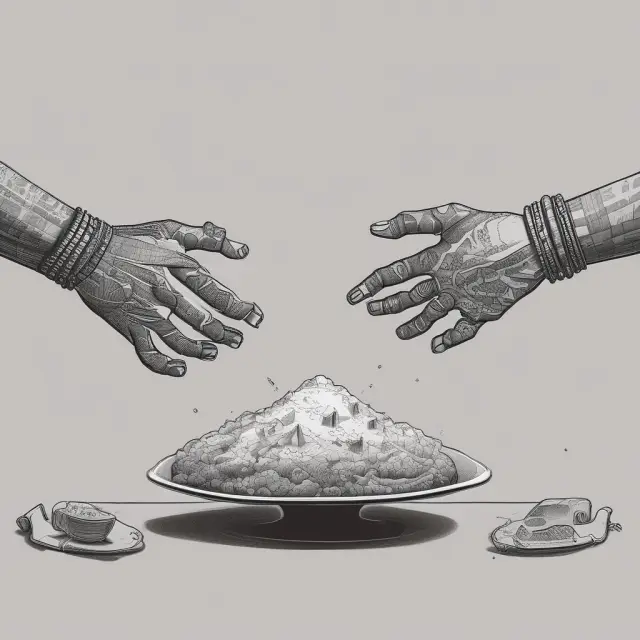
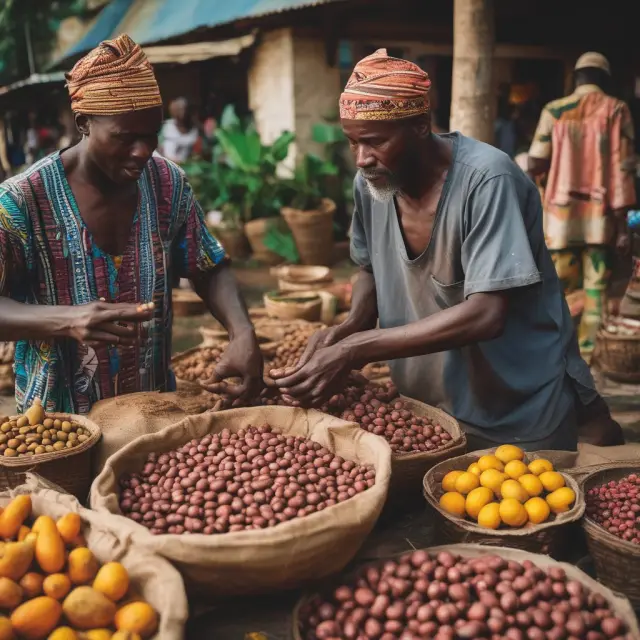
Barter is the oldest form of countertrade, which involves a direct exchange of goods or services between parties without using cash as settlement. A classic example is a bag of nuts being exchanged for coffee beans or meat. Despite the simplicity of this method, it remains an effective solution for countries looking to minimize their reliance on hard currency.
Counterpurchase: The Seller’s Commitment to Future Purchases
Under counterpurchase arrangements, an exporter sells goods or services to an importer while agreeing to also purchase other goods in the future from that same importer. This approach provides benefits for both parties – the exporter accesses new markets and customers, while the importer secures a guaranteed buyer for their products. Counterpurchase transactions usually involve trading firms facilitating the sale of the goods being purchased by the exporter.
Offset: Win-Win Solutions in International Trade
Offset is a countertrade mechanism where the seller collaborates with the buyer to manufacture or assemble part of their exported product within the buying country. This approach not only benefits local industries but also fosters economic growth and job creation. Offset agreements are prevalent in sectors like aerospace, defense, and infrastructure due to their significant investment requirements.
In the following sections, we will further explore other countertrade examples, benefits, drawbacks, and case studies to provide a comprehensive understanding of this alternative trade methodology that is vital for cash-strapped nations.

Barter: The Oldest Form of Countertrade
Countertrade is an innovative international business strategy that allows countries with limited foreign exchange or credit facilities to engage in trade transactions without requiring cash settlements. This reciprocal form of trade has been particularly popular among developing nations seeking to access needed goods and services. One of the oldest and simplest forms of countertrade is barter, which involves a direct exchange of goods or services between trading partners.
Bartering: The Basics
In its purest sense, bartering refers to the direct exchange of one type of good or service for another, without any monetary settlement. For instance, if a farmer in one country has an abundance of nuts but lacks coffee beans, they could trade a quantity of their nuts for coffee beans from a trader in a coffee-producing nation. In this way, both parties benefit from the exchange: the nut exporter acquires the desired commodity while the coffee bean importer receives valuable goods. This is known as a barter transaction or simply a trade.
Agriculture and Bartering
Historically, bartering has been an essential method for agricultural communities to access the products they need but don’t produce themselves. With globalization, however, this practice has declined significantly due to the widespread availability of cash and formal credit systems. Nonetheless, in certain remote or underdeveloped areas, barter remains a viable means for exchanging goods and services.
Barter Transactions in Action: An Example
Let us consider an example of a hypothetical trade between two countries, Country A and Country B. In this scenario, Country A produces textiles while Country B is rich in agricultural produce. Both economies are experiencing challenges accessing foreign currency to purchase the goods they need from international markets. As a result, they decide to engage in a series of barter transactions.
Country A could offer its textiles to Country B in exchange for the latter’s agricultural produce, such as rice or wheat, which is in high demand within Country A. With this arrangement, both parties avoid the need for cash settlements and benefit from the mutual exchange of goods. This transaction promotes economic growth in both nations by fostering trade relationships while allowing them to access essential commodities they might not have been able to otherwise.
While barter transactions may seem simple, they can be complex in practice due to factors like transportation logistics, differing product quality, and negotiating fair exchange rates. Nevertheless, when executed effectively, this ancient form of countertrade remains a valuable tool for economies seeking to expand their trade horizons and mitigate foreign currency challenges.

Counterpurchase: Selling and Buying Back
In counterpurchase transactions, the seller provides goods or services to an importer and agrees to make a future purchase of other goods from that importer. This type of agreement differs significantly from bartering as it involves cash payments for both the initial sale and the subsequent purchase, albeit between two different transactions.
Counterpurchase arrangements are structured as follows: An exporter sells goods or services to an importer in one country and then agrees to buy specified goods from that same importer in another transaction, typically within a specific time frame. The exporter does not take physical possession of the goods bought back but rather uses a trading firm to resell them or use them as inputs for production purposes.
Under this arrangement, sellers can expand their product offerings while also purchasing raw materials or other necessary goods and services from the importer at a potentially lower cost due to the counterpurchase agreement. This win-win situation allows both parties to achieve their business objectives while improving economic relations between the two countries involved.
While counterpurchase agreements can be beneficial for all parties, it is essential to understand that this type of transaction involves some risks and challenges. These include:
- Complex negotiations: Counterpurchase transactions require extensive negotiations between the exporter and importer regarding the terms of both sales.
- Potentially higher costs: The added cost of engaging a trading firm to facilitate the sale of goods purchased under a counterpurchase agreement can be substantial, offsetting any potential savings from the initial sale.
- Logistical issues: Coordinating two separate transactions and ensuring that all parties fulfill their obligations can be challenging due to differing time zones, communication barriers, and regulatory complexities.
Despite these challenges, counterpurchase agreements remain a popular alternative for companies seeking to expand into new markets or source raw materials from countries with limited foreign exchange reserves. By understanding the benefits and risks involved in this type of transaction, exporters can make informed decisions and capitalize on the opportunities that come with international trade.

Offset: A Win-Win Solution for Trade
Offset arrangements are one of the three primary types of countertrade agreements, alongside bartering and counterpurchase. In an offset agreement, a seller assists in marketing products manufactured by the buying country or allows part of the exported product’s assembly to be carried out by manufacturers in the buying country. This practice is particularly common in industries such as aerospace, defense, and infrastructure.
Offset agreements can take various forms:
- Offsetting is sometimes referred to as industrial participation or industrial cooperation, where the seller provides support for local manufacturing efforts. For instance, a foreign aircraft manufacturer could enter into an offset agreement with a country by setting up a joint venture to manufacture components locally.
- Offsets may also include technology transfer, with the seller providing training and knowledge to local manufacturers. This not only benefits the buyer but allows the selling company to expand its market reach and create long-term business relationships.
- In other cases, offset agreements involve the purchase of goods or services from the buying country as a condition for making an original sale. For example, if Company A sells jet engines to Country X, it may agree to purchase an equivalent value of goods or services from Country X’s manufacturers as part of the deal.
Offset arrangements can bring significant benefits to both parties:
- The buying country gains access to new technology and expertise, which can lead to industrial growth and the development of a stronger domestic manufacturing sector.
- The selling company expands its market reach by gaining a foothold in the buying country’s market. This can be a particularly valuable opportunity for smaller companies looking to enter international markets.
- Offset agreements can also help to reduce trade imbalances, as they allow countries to exchange goods and services without the need for hard currency transactions.
Offset arrangements are not without their challenges, however. Some of these include:
- Negotiating the specifics of an offset agreement can be complex, particularly when it comes to determining the value of the goods or services being exchanged.
- Offset agreements may require significant investment in local infrastructure and capabilities, which could result in higher upfront costs for the selling company.
- Enforcing offset agreements can also be challenging, as there is potential for the buyer to renege on its commitment to make the required purchases or provide access to manufacturing facilities.
- Offset arrangements may face resistance from free market advocates who argue that such deals distort markets and create unfair trade practices.
- Implementing offset agreements can be time-consuming, particularly when dealing with multiple parties in different countries.
Despite these challenges, offset arrangements remain a popular strategy for international business transactions. By providing benefits to both the buying and selling countries while minimizing the need for hard currency transactions, offset agreements enable companies to expand their markets, promote industrial development, and build long-term business relationships.
Understanding Other Countertrade Examples
Counterpurchase, buybacks, compensation trades – these are all different types of countertrade arrangements that offer distinct advantages to both parties involved. In this section, we will delve deeper into each of these arrangements and explore their differences from counterpurchase and offset.
Buybacks: A Countertrade for Cash-Strapped Nations
A buyback is a type of countertrade where the exporter builds a manufacturing facility in the buying country or provides technology, equipment, training, or other services as part of a contract and agrees to take a certain percentage of the plant’s output as partial payment for the contract. This arrangement allows cash-strapped countries to acquire much-needed goods and services while providing the exporter with an opportunity to expand their global reach.
Compensation Trade: A Mix of Barter and Hard Currency
Compensation trade is a form of countertrade in which one flow involves barter, while the other consists of hard currency. For example, if an exporter sells goods worth $10,000 to an importer and receives raw materials worth $8,000 in return, the remaining $2,000 could be paid in cash. This hybrid arrangement offers the benefits of both countertrade and traditional financing methods. It allows countries to conserve foreign currency while providing a partial payment in hard currency to offset transaction risks and logistical issues.
Offset: A Win-Win Solution for Trade
Offset arrangements are similar to counterpurchase agreements but differ in that they focus on industrial participation rather than future purchases. In an offset arrangement, the seller assists in marketing products manufactured by the buying country or allows part of the exported product’s assembly to be carried out by manufacturers in the buying country. This practice can lead to a more mutually beneficial trade relationship as both parties gain from the exchange.
Counterpurchase vs. Buybacks vs. Offset: Key Differences
While all three arrangements involve reciprocal trade, they differ significantly in terms of their primary focus and benefits. Counterpurchase is an arrangement where goods or services are sold and purchased back at a later date, providing the exporter with future sales opportunities. In contrast, buybacks involve building a manufacturing facility in a foreign country or offering technology, equipment, training, or other services as partial payment for a contract. Offset arrangements focus on industrial cooperation by having the seller assist in marketing products manufactured by the buying country or allowing part of the exported product’s assembly to be carried out by manufacturers in the buying country.
In conclusion, understanding the various countertrade examples such as buybacks, compensation trades, and offset is crucial for any business looking to expand into global markets. Each arrangement offers unique advantages and challenges, making it essential to research and carefully consider which one best suits your specific needs. By choosing the right countertrade strategy, businesses can not only build stronger relationships with foreign partners but also gain access to valuable resources, lower costs, and tap into new markets.
Benefits and Drawbacks of Countertrade
Countertrade represents an essential tool for cash-strapped countries aiming to exchange goods and services with other nations without relying on hard currency. With various forms, such as barter, counterpurchase, and offset, this alternative trade method offers several advantages while carrying some potential drawbacks.
Preservation of Foreign Currency
One of the primary benefits of countertrade lies in its ability to conserve foreign currency for developing countries that face restrictions on access to liquid funds or credit facilities. By engaging in countertrade transactions, nations can acquire necessary goods and services without having to rely solely on their limited cash reserves.
Lower Unemployment
Countertrade helps lower unemployment levels by promoting economic growth within industries as countries trade goods and services with one another. This exchange stimulates demand for labor and generates new job opportunities, contributing to overall development.
Higher Sales
Countertrade transactions result in increased sales for both the exporting and importing nations. The exporter gains access to a larger international market, while the importer obtains desired goods or services that might not otherwise be available through conventional trade channels.
Ease of Entry into Challenging Markets
For developing countries seeking to enter challenging markets, countertrade offers an easier path for establishing a presence and gaining entry to new customers. By engaging in counterpurchase or offset arrangements, nations can negotiate favorable terms that better position them for long-term success in the target market.
Potential Disadvantages
Despite its advantages, countertrade carries some potential drawbacks worth considering. One major concern is the complexity of negotiations involved in these transactions due to their unique nature and the need for specialized intermediaries or trading firms to facilitate them. Additionally, the costs associated with these arrangements can be higher compared to traditional financing methods due to additional transaction fees and the need for third-party involvement. Logistical issues may also arise as both parties navigate intricate countertrade deals.
Market Discrimination and Interactions with Trade Policies
Countertrade activities can interact with various trade policies, potentially leading to discrimination in the marketplace. Developing nations shifting terms, conditions, or opening up new markets could result in unfair competition for established players. Moreover, trade policies may impact countertrade transactions by limiting the availability of specific goods or services, creating challenges for exporters and importers alike.
In conclusion, countertrade offers valuable benefits to cash-strapped nations, such as preservation of foreign currency, lower unemployment, higher sales, and easier market entry. However, complex negotiations, potentially higher costs, and interactions with trade policies present potential drawbacks that must be carefully considered before engaging in these transactions. To gain a deeper understanding of countertrade, the following sections delve into the specifics of barter, counterpurchase, and offset arrangements and explore real-life examples of their successful implementation.

Interactions with Trade Policies
Countertrade interacts with various trade policies and can result in complexities as countries strive to protect their industries and maintain fair trade practices. One common concern is that countertrade may lead to discrimination in the marketplace, particularly for developing nations. As countertrade activities grow and evolve, governments and international organizations have implemented policies aimed at addressing these concerns.
One of the primary challenges faced by countries engaging in countertrade arrangements is ensuring compliance with global trade rules. Countertrade can be complex as it may involve multiple transactions and parties over extended periods. Governments need to establish guidelines for countertrade practices that comply with World Trade Organization (WTO) agreements and prevent discrimination against foreign competitors.
Countertrade also interacts with other international economic policies, such as the General Agreement on Tariffs and Trade (GATT). For instance, Article XVII of GATT prohibits the conditioning of exports on the recipient country agreeing to import other goods or services from the exporting country. This rule could potentially conflict with countertrade arrangements.
Another factor influencing the implementation of trade policies is the potential for countertrade transactions to shift terms and conditions. For example, as countries become more economically advanced and their foreign exchange positions strengthen, they may move away from traditional countertrade arrangements and adopt other financing methods. Shifts in these terms and conditions can lead to complications and uncertainty in trade relationships.
Additionally, the role of international financial institutions like the World Bank and the International Monetary Fund (IMF) could play a significant part in shaping the future of countertrade. Some experts believe that these organizations might consider new approaches to facilitate more efficient and effective countertrade practices while promoting greater transparency and compliance with WTO rules.
Ultimately, understanding how countertrade interacts with trade policies is crucial for developing countries seeking to maximize benefits from this reciprocal form of trade. Adhering to international guidelines, maintaining open communication channels, and fostering a level playing field will help ensure the long-term success of these arrangements.
In conclusion, countertrade offers cash-strapped nations an alternative financing method that can facilitate economic growth through the exchange of goods and services. Understanding the intricacies of barter, counterpurchase, and offset arrangements is essential for navigating the complex world of international trade. By staying informed about how these practices interact with trade policies and global economic trends, countries will be better positioned to leverage countertrade as a valuable tool in their foreign trade strategy.
Bartering: A Comparison with Other Trade Methods
Countertrade is a unique method of international trade that enables countries with limited foreign exchange or credit facilities to exchange goods and services reciprocally. This article focuses on bartering, counterpurchase, and offset as the most common countertrade methods. In contrast to traditional financing methods, bartering can be particularly advantageous for cash-strapped nations.
Bartering: The Oldest Countertrade Method
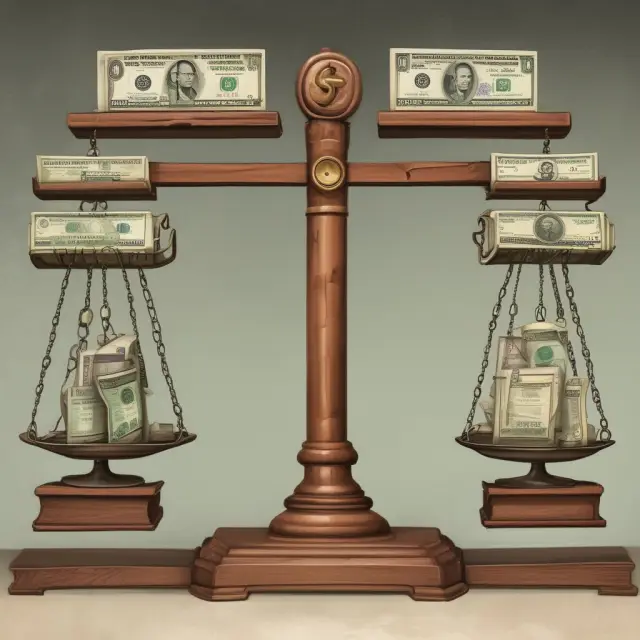
Barter is the oldest form of countertrade; it’s the direct exchange of goods and services between two parties without any cash settlement. In essence, barter transactions involve a trade instead of a sale and purchase. For instance, a farmer might trade a bag of nuts for coffee beans or meat. Bartering is useful when one party lacks the necessary currency to pay for a desired good or service from another party.
Comparison with Traditional Financing Methods
Compared to traditional financing methods like loans or credit facilities, barter transactions can be more accessible and advantageous for cash-strapped nations. In some cases, it might even be the only viable option for conducting business in specific industries or markets. However, bartering does have its limitations: it may involve complex negotiations, require high logistical coordination, and potentially lead to issues with determining fair value.
The Importance of Bartering for Cash-Strapped Nations
Bartering has been a crucial tool for cash-strapped nations in their economic development strategies. By engaging in barter arrangements, these countries can gain access to essential goods or services that may not be readily available using traditional financing methods or through limited foreign exchange reserves. Moreover, barter transactions enable the export of surplus domestic resources while acquiring needed imports in return.
Bartering vs. Counterpurchase and Offset
Counterpurchase and offset are two other common countertrade methods that differ significantly from bartering. In contrast to bartering where no cash is exchanged, counterpurchase arrangements involve the sale of goods or services followed by a future purchase. Offsets, on the other hand, consist of an agreement for the seller to provide assistance in marketing or manufacturing products within the buyer’s country.
Bartering: A Viable Alternative for Cash-Strapped Nations
In conclusion, bartering is a powerful tool for cash-strapped nations seeking to engage in international trade while limiting their reliance on foreign exchange or credit facilities. Although it comes with its own challenges and complexities, the benefits of bartering – conservation of limited resources, lower unemployment, increased sales, and ease of entry into challenging markets – often outweigh the drawbacks for many developing economies. By understanding the nuances of countertrade methods like bartering, countries can effectively employ them as part of a comprehensive trade strategy that caters to their unique economic needs.
Case Studies: Success Stories in Countertrade
Countertrade has proven effective in various industries across the globe, providing both economic benefits and strategic advantages to countries engaging in such transactions. Let’s examine three significant countertrade examples where nations have successfully implemented bartering, counterpurchase, and offset arrangements.
1. Barter: The Cocoa Exchange in Ghana
Ghana, a West African nation, has a long history of bartering, with cocoa being its primary agricultural commodity. In the 1950s, Ghana initiated a successful bartering system called the Cocoa Exchange. Under this arrangement, farmers traded cocoa beans directly for basic necessities such as tools, clothing, and textiles from local merchants. This approach eliminated the need for hard currency transactions while ensuring essential goods reached the rural farming communities.
2. Counterpurchase: The Iran-France Nuclear Deal
In 2015, France signed a historic counterpurchase deal with Iran to sell Airbus passenger jets and helicopters in return for Iranian oil over ten years. Under this arrangement, Iran committed to purchasing around €18 billion ($20 billion) worth of French goods and services. In exchange, Airbus agreed to deliver 118 aircraft to Iran’s national carrier, IranAir. This counterpurchase deal created economic opportunities in both nations, boosting their respective industries while expanding international trade ties.
3. Offset: The Boeing 787 Dreamliner Production
The Boeing 787 Dreamliner is a modern, fuel-efficient aircraft produced by the American company Boeing. Over the years, Boeing has implemented an offset strategy for the production of this aircraft, with countries like Japan and Italy playing crucial roles. In these agreements, Boeing partnered with local firms to manufacture parts and assemble sections of the aircraft within their respective countries. This approach not only created jobs in those nations but also built long-term business relationships while fostering economic growth.
By examining these case studies, it becomes evident that countertrade has played a significant role in the global economy by offering strategic advantages to both developing and developed nations. Through various arrangements like bartering, counterpurchase, and offset, countries have been able to conserve foreign currency, stimulate economic growth, and strengthen international trade ties while providing valuable opportunities within their industries.

FAQs About Countertrade
What is countertrade?
Countertrade refers to a reciprocal form of international trade where goods or services are exchanged instead of cash payment. It is widely used by countries with limited foreign exchange resources or credit facilities.
How does countertrade differ from traditional financing methods?
Countertrade acts as an alternative to traditional financing for developing nations when they lack access to hard currency or credit facilities. Instead, countertrade provides a means of exchanging goods and services directly between countries.
Which are the main categories of countertrade?
There are three primary categories: barter (direct exchange of goods and services), counterpurchase (selling and buying back), and offset (assisting in marketing or allowing partial assembly in the importing country).
What is an example of barter?
A classic example of bartering involves a farmer trading wheat for cattle with another farmer. No cash exchange occurs, but both parties receive goods of equivalent value.
What are the advantages of countertrade for cash-strapped nations?
Countertrade allows developing countries to conserve foreign currency and access essential goods and services. Additionally, it can lead to lower unemployment, higher sales, better capacity utilization, and ease of entry into challenging markets.
Are there any disadvantages to countertrade?
Yes, some common disadvantages are complex negotiations, potentially higher costs, and logistical issues. Furthermore, interaction with various trade policies may lead to discrimination in the marketplace and shifting terms.
What is counterpurchase in countertrade?
Counterpurchase refers to an arrangement where a seller sells goods or services to a foreign buyer while agreeing to purchase other goods from that same buyer at a later date. This exchange doesn’t involve cash, but the goods are traded between the parties.
What is offset in countertrade?
Offsetting is a countertrade agreement where a seller provides assistance in marketing or allows partial assembly of an exported product to be carried out by manufacturers in the importing country. This practice is common in industries like aerospace, defense, and infrastructure.
Can you provide examples of successful countertrade strategies?
Certain countries, such as Brazil, have implemented successful countertrade strategies to promote economic growth through barter arrangements, offsets, and counterpurchase deals. For instance, Brazil’s Embraer aircraft manufacturer has built partnerships with various international airlines, resulting in mutually beneficial collaborations and increased sales.
How does the value proposition of countertrade differ from traditional financing methods?
The value proposition of countertrade is uncertain, as goods being exchanged may have significant price volatility, making it challenging to determine the true value of a countertrade transaction. This can make it difficult for countries and businesses to compare potential offers and choose the most advantageous one.
 Next entry · No. 803Understanding Coupon Rates: Yield, Market Interests, and Special Considerations
See also
-
 No. 358
15 Apr 2024
21 min
Bartering: The Oldest Form of Commerce Revitalized
Business Strategy
No. 358
15 Apr 2024
21 min
Bartering: The Oldest Form of Commerce Revitalized
Business Strategy -
 No. 3,399
25 Mar 2025
19 min
Understanding Negotiable Bill of Lading: A Comprehensive Guide for Institutional Investors
Business Finance
No. 3,399
25 Mar 2025
19 min
Understanding Negotiable Bill of Lading: A Comprehensive Guide for Institutional Investors
Business Finance -
 No. 2,322
27 Dec 2024
23 min
Import Substitution Industrialization (ISI): Understanding the Theory, History, and Real-World Application
International Trade
No. 2,322
27 Dec 2024
23 min
Import Substitution Industrialization (ISI): Understanding the Theory, History, and Real-World Application
International Trade -
 No. 2,069
07 Dec 2024
21 min
Understanding the Heckscher-Ohlin Model: An Economic Theory of International Trade
Global Finance
No. 2,069
07 Dec 2024
21 min
Understanding the Heckscher-Ohlin Model: An Economic Theory of International Trade
Global Finance -
 No. 1,682
22 Oct 2024
23 min
Understanding Free Trade Areas: Benefits, Costs, and Implications for Institutional Investors
Finance Policy
No. 1,682
22 Oct 2024
23 min
Understanding Free Trade Areas: Benefits, Costs, and Implications for Institutional Investors
Finance Policy -
 No. 1,356
03 Sep 2024
19 min
Understanding the Complexity of the Euromarket: Eurocurrencies vs European Union’s Single Market
Business Finance
No. 1,356
03 Sep 2024
19 min
Understanding the Complexity of the Euromarket: Eurocurrencies vs European Union’s Single Market
Business Finance