Demystifying the Demand Curve: Understanding Price-Quantity Relationships in Finance and Investment

Explore the intricacies of Demand Curves, including their significance in finance & investment. Understand Laws of Demand, elasticity, & exceptions.
What Is a Demand Curve?
A demand curve is a graphical representation depicting the relationship between price and quantity demanded for a specific time frame. In a standard demand curve, price appears on the vertical axis, while quantity demanded is plotted on the horizontal axis. The majority of goods and services follow this downward-sloping pattern: as the price increases, the desired quantity decreases, in accordance with the law of demand.
Understanding Demand Curves
The law of demand states that for most commodities, an increase in their price leads to a decrease in the corresponding quantity demanded, keeping all other factors constant. The downward slope from left to right in a typical demand curve illustrates this relationship. For instance, if corn’s price rises, consumers are incentivized to purchase less corn, and thus the total quantity demanded drops.
Types of Demand Curves
An individual demand curve represents an analysis of an individual consumer’s price-quantity relationship. For example, consider a pizza-loving consumer named Joel. If a slice costs $1.50, Joel buys four slices daily (4 x $1.50 x 5 = $30), but when the price drops to $1, he may opt for six slices instead ($20 for eight slices).
A market demand curve is derived by aggregating individual demand curves across an entire market. It showcases the collective quantity of a product demanded at various price points. For instance, if all consumers in a city exhibit the same preferences as Joel, the market demand curve would mirror his individual curve.
Understanding Elasticity and Inelasticity
The responsiveness of demand to changes in price is measured by elasticity or price elasticity of demand. If a 50% price increase causes a 50% decrease in the quantity demanded, corn’s demand elasticity is 1. In contrast, if a 50% price hike results in just a 10% reduction in demand, its elasticity is 0.2.
Elastic goods have high elasticity (shallow demand curves), meaning that significant shifts occur when prices change. For instance, luxury or discretionary items, such as candy bars or designer cereals, are easily substituted and replaced by cheaper alternatives.
Inelastic goods have low or no elasticity (steep demand curves), making up necessities like utilities, prescription drugs, and tobacco products. These items remain popular despite price fluctuations due to limited or no available substitutes.
Understanding the Implications for Finance and Investment
A solid understanding of demand curves is crucial for investors, as it helps them make informed decisions regarding commodities, stocks, and other assets. For example, by analyzing historical demand curves, investors can anticipate market trends, identify potential opportunities, and mitigate risks associated with price changes and fluctuations in consumer preferences.
In conclusion, a demand curve is an essential tool for understanding the relationship between price and quantity demanded within a specific time frame. By examining both individual consumer behavior and aggregate market tendencies, investors can make informed decisions based on this valuable insight into consumer preferences and economic trends.

Understanding the Law of Demand
The law of demand is an essential concept in finance and investment that reveals the relationship between the price of a product and the quantity demanded within a specific time frame. The demand curve, which represents this relationship, typically slopes downward from left to right as the price of a good increases, the demand for it decreases. This inverse correlation exists because people generally prefer purchasing more of an item when its price is lower or subsidized.
The law of demand implies that price acts as the independent variable, while quantity demanded serves as the dependent one. While this arrangement contradicts the typical horizontal placement of independent variables in graphs, it is standard practice within economics. A classic example of a demand curve is observed when we examine how changes to the price of corn affect the total amount consumers demand for it.
When the price of corn drops significantly, consumers may choose to increase their purchases, as they find that the same budget can now buy more units. Conversely, if the price of corn rises, consumers may reduce their purchases and search for cheaper alternatives or substitute goods. This relationship between price and quantity demanded holds true for most products except in some unusual circumstances called Giffen goods and Veblen goods.
The Importance of Understanding Demand Curves
As an assistant to a prominent financial analyst, you’ll often encounter demand curves when analyzing investment trends or assessing the performance of various industries. By examining how price changes impact the quantity demanded for different commodities, you can make more informed decisions about investment opportunities and identify potential risks related to demand fluctuations. Furthermore, understanding demand curves will enable you to anticipate consumer behavior in response to market shifts.
To gain a deeper understanding of this topic, let’s explore various aspects of demand curves, including their types, factors that influence them, and their significance to finance and investment.
Types of Demand Curves
- Individual Demand Curve: An individual demand curve illustrates the relationship between price and quantity demanded for a single consumer or household. It shows how a consumer’s demand changes based on various prices.
- Market Demand Curve: A market demand curve represents the total quantity of a product demanded by all consumers in a particular market at different prices. By summing up individual demand curves, we can determine the overall shape and positioning of the market demand curve.
Demand Elasticity and Inelasticity
Elasticity measures how much the quantity demanded changes in response to price adjustments. The elasticity of a product refers to its responsiveness to price alterations. If consumers significantly reduce their consumption when prices increase, the good is said to have elastic demand. Conversely, if changes in price do not affect demand significantly, the good has inelastic demand.
Exceptions to Demand Curves: Giffen Goods and Veblen Goods
Giffen goods are non-luxury products for which the demand curve slopes upward instead of downward as prices increase. This behavior is counterintuitive to the law of demand, but it is observed in specific circumstances when a good serves as an essential ingredient or component of a more expensive product or a replacement for a more expensive alternative.
Veblen goods are luxury items where consumers’ desire for them grows stronger as their prices rise. This inverse relationship stems from their status symbol appeal, making them valuable commodities that command high price points and elicit increased demand as the cost rises.
Factors Affecting Demand Curves
- Income Changes: An increase in consumer income may shift the entire demand curve to the right, indicating higher demand for goods at all price points.
- Price of Substitutes: If the prices of substitutes rise, consumers may switch from those goods to the one in question, increasing demand for it. Conversely, if the price of a substitute falls, consumers may shift away from the original product, causing its demand to decrease.
- Changes in Tastes and Preferences: Shifts in consumer preferences can significantly impact demand curves, as people begin to favor certain goods over others based on cultural or personal preferences.
- Population Growth: The expansion of a population results in an increase in overall demand for goods and services across the board.
- Price Expectations: If consumers anticipate future price increases, they may bring their purchases forward to secure current lower prices, leading to temporary shifts in demand.
Understanding how various factors can influence demand curves is crucial for investors who must make informed decisions regarding investments in commodities, stocks, and other assets based on market trends and consumer behavior. By examining historical data, economic indicators, and market conditions, you can anticipate how demand may change over time and adjust your investment strategies accordingly.

Types of Demand Curves
The demand curve is a fundamental concept in economics that explains the relationship between the price and quantity demanded for a particular product or service within a specified timeframe. A demand curve typically slopes downward from left to right as an expression of the law of demand, which states that for most goods, a rise in price leads to a decrease in the quantity demanded. There are two primary types of demand curves: individual and market demand curves.
An individual demand curve represents the relationship between price and quantity demanded for a single consumer or household. For instance, if Joel typically buys four slices of pizza at $1.50 each for lunch every day, he might adjust his consumption when prices change. If the price drops to $1 a slice, Joel may choose to buy six slices instead, while a decrease to 75 cents could prompt him to consume eight slices daily. By plotting these points on a graph, we can determine an individual demand curve.
In contrast, a market demand curve represents the sum of all individual demand curves within a specific market. This graph shows the total quantity demanded by consumers at varying price points for a particular product or service. The shape and slope of this curve reflect overall market demands, including consumer preferences, income levels, population size, and availability of substitutes or complements.
It is important to note that the responsiveness of demand curves varies depending on the elasticity of goods and services. Elastic demand refers to a significant change in consumption relative to price changes, while inelastic demand indicates minimal response. The degree of elasticity influences how consumers respond to price adjustments, and understanding these differences is crucial for investors to make informed decisions.
In conclusion, the demand curve plays a critical role in finance and investment by helping us understand the relationship between price and quantity demanded for goods and services within a specific market. By examining individual and market demand curves and their underlying elasticities, investors can gain valuable insights into consumer behavior and market trends that influence commodity prices, stocks, and various other assets.
Upcoming Section: Understanding Demand Elasticity and Inelasticity (Depth)

Demand Elasticity and Inelasticity
Understanding the relationship between price changes and consumer response is crucial in finance and investment, particularly when analyzing how goods or services are affected by market conditions. Two concepts that help investors decipher this relationship are demand elasticity and inelasticity.
Demand Elasticity, also referred to as price elasticity of demand, measures the responsiveness of consumers to price changes. If a 10% increase in price leads to a 5% decrease in quantity demanded, the demand is considered elastic. Conversely, if a 10% increase in price results in only a 1% drop in demand, it’s considered inelastic.
Elastic Goods
Goods with more elastic demand exhibit significant shifts in demand when prices change, meaning consumers can easily substitute one product for another as prices fluctuate. Luxury goods and consumer discretionary items like candy bars or cereals are examples of elastic goods. These products have a shallow demand curve, meaning the curve is closer to the horizontal axis.
Inelastic Goods
Necessities, such as utilities, prescription drugs, and tobacco, typically have inelastic demand. These goods are considered less responsive to price changes since consumers tend to keep using them regardless of price increases or decreases. Inelastic goods have a steeper demand curve, which is closer to the vertical axis.
Understanding these concepts can provide valuable insights for investors when making decisions related to commodities, stocks, and other assets. For instance, knowing that demand for luxury goods is more elastic than demand for necessities means that a sudden price increase could significantly impact the sales of luxury brands while having minimal effect on companies producing essential goods.
Apart from the differences in price response between elastic and inelastic goods, there are other factors that can influence demand curves: population growth, income changes, cultural shifts, and availability of substitutes or complements. Factors like these can shift a demand curve to the right or left, indicating an increase or decrease in consumer demand for a specific product or service.
By understanding the concepts of demand elasticity and inelasticity, investors can make more informed decisions regarding their financial investments and better anticipate market trends.

Exceptions to the Demand Curve
There are two notable exceptions to the typical relationship between price and quantity demanded, as described by the law of demand: Giffen goods and Veblen goods. These goods challenge the common notion that a rise in price leads to a decrease in quantity demanded. Understanding these anomalies can broaden our perspective on how consumer behavior influences market dynamics.
Giffen Goods: An Inverted Demand Curve
A Giffen good is a non-luxury item, often considered a staple food, for which there is no viable substitute in the given context. The demand curve for such a product displays an upward slope instead of the usual downward slope, as shown in Figure 1. This counterintuitive behavior arises because when the price increases, it might reduce the affordability of other goods for consumers, making the Giffen good relatively more attractive.
An example can help clarify this concept. Suppose rice is a Giffen good in a particular market. If the price of rice rises, some people may be forced to cut back on luxury items or other discretionary spending to maintain their rice consumption levels. The increase in demand for rice due to income effects outweighs the decrease in demand stemming from the substitution effect. As a consequence, the total quantity demanded remains steady or even increases when the price rises.
Veblen Goods: The Allure of Luxury Items
On the opposite end of the spectrum lies Veblen goods, characterized by their exclusive appeal and high status. These luxury items exhibit an upward-sloping demand curve, as illustrated in Figure 2. As the price of a Veblen good increases, its desirability often grows due to its perceived association with wealth and prestige. Consumers may even view a higher price tag as a sign of quality, driving them to buy more of these goods to maintain or enhance their status.
A classic example of a Veblen good is a diamond engagement ring. The price of a diamond ring has very little correlation with the intrinsic value of the diamonds it contains. Instead, the price is driven by consumer perception and social norms. As the price increases, the demand for these rings may actually rise since they are perceived to be more desirable due to their high cost.
In conclusion, while most goods conform to the law of demand with a downward-sloping demand curve, Giffen goods and Veblen goods represent intriguing exceptions that challenge this assumption. Understanding these anomalies can offer valuable insights into consumer behavior and market dynamics, enriching our comprehension of finance and investment principles.

Factors That Shift Demand
Understanding the Law of Demand is crucial in finance and investment, but it’s equally essential to know how factors other than price can affect demand. In economics, a shift in demand refers to a change in the quantity demanded at every price level due to external influences. When factors like population growth, income changes, cultural shifts, or price of substitutes/complements alter, the entire demand curve moves to the right or left, resulting in increased or decreased demand. Let’s delve deeper into these influencing factors:
1. Population Growth: As populations grow, so does the demand for various goods and services, assuming that income levels remain constant. An increasing population implies that more individuals will need basic necessities like food, clothing, shelter, education, and healthcare. For instance, consider a country where population growth is substantial but average income remains stagnant. In this scenario, there may be higher demand for agricultural produce or housing, leading to shifts in the demand curve.
2. Income Changes: A shift in income levels can significantly impact demand curves for various goods and services. For example, if an economy undergoes a period of economic growth, causing an increase in average income, the demand for luxury items like cars, expensive electronics, or vacation homes may see considerable growth as well. Conversely, decreasing income can lead to lower demand for non-essential goods and services.
3. Cultural Shifts: Changes in societal preferences or trends can shift demand curves. For example, a growing preference towards plant-based diets may cause a decrease in the demand for meat products, while a surge in the popularity of electric vehicles could lead to a decline in demand for gasoline. These shifts often result from new information, innovations, or lifestyle changes that alter consumers’ purchasing habits.
4. Price of Substitutes/Complements: A change in the price of substitutes (goods or services that can replace each other) or complements (items that enhance the value of a product) can significantly impact demand curves. For instance, if the price of a substitute for a product decreases dramatically, demand for the original item could decline, as consumers opt for cheaper alternatives. Inversely, an increase in the price of complementary goods may decrease overall demand due to their higher cost.
Understanding these factors and how they impact demand curves is crucial for investors as it allows them to make informed decisions regarding various commodities, stocks, or other assets based on market trends and external influences.

Understanding Demand Elasticity
Demand elasticity, also known as price elasticity of demand, measures how sensitive consumers are to price changes when it comes to buying a specific product or service. It reveals the degree to which quantity demanded responds to alterations in price. This concept is crucial for investors and economists because it provides insights into consumer behavior and market trends.
The formula for demand elasticity is as follows:
Demand Elasticity = Percent Change in Quantity Demanded ÷ Percent Change in Price
Demand elasticity can be categorized into three types based on its magnitude: elastic, unit elastic, and inelastic.
1. Elastic demand: When the percentage change in quantity demanded is greater than the percentage change in price, we refer to it as an elastic demand. This implies that consumers are highly responsive to price changes. For instance, if a 10% increase in the price of gasoline results in a 20% decrease in its consumption, it suggests elastic demand.
2. Unit elastic demand: When the percentage change in quantity demanded is equal to the percentage change in price, we call it unit elastic demand. This indicates that consumers’ purchasing habits do not alter significantly despite price changes. For example, if a 5% rise in the price of milk leads to a 5% decrease in its consumption, it represents unit elastic demand.
3. Inelastic demand: When the percentage change in quantity demanded is smaller than the percentage change in price, we have inelastic demand. This implies that consumers are not very sensitive to price changes and their purchasing behavior remains largely unaffected. For example, if a 20% increase in the price of bread leads to only a 5% decrease in its consumption, it indicates inelastic demand.
The elasticity of demand varies across different markets and goods based on factors like availability of substitutes, the importance of the product in consumers’ lives, and the income level of consumers.
Essentially, understanding demand elasticity helps businesses and investors identify profitable pricing strategies and anticipate market trends. For instance, if a company offering an elastic good raises its prices by a large margin, it may lose a considerable number of customers. On the other hand, a firm selling an inelastic product can potentially charge higher prices without significantly impacting its sales volume.
Investors can apply demand elasticity concepts when analyzing companies’ financial statements and evaluating their investment potential. By studying historical pricing trends, investor can gauge whether a company’s pricing strategy is well-aligned with the elasticity of the product or service it offers. Moreover, demand elasticity can help investors identify opportunities for price increases or decreases that could potentially boost profits or mitigate losses.
In conclusion, understanding demand elasticity plays a vital role in finance and investment by shedding light on consumer behavior and market trends, allowing investors to make informed decisions regarding commodities, stocks, and other assets.
Comparing Demand and Supply Curves
When discussing the relationship between prices and quantity demanded or supplied in the context of finance and investment, understanding the concepts of demand and supply curves is essential. Both demand curves and supply curves play a crucial role in how markets operate, allowing for the allocation of resources and determination of price. In this section, we will delve deeper into these two types of curves to help differentiate between them.
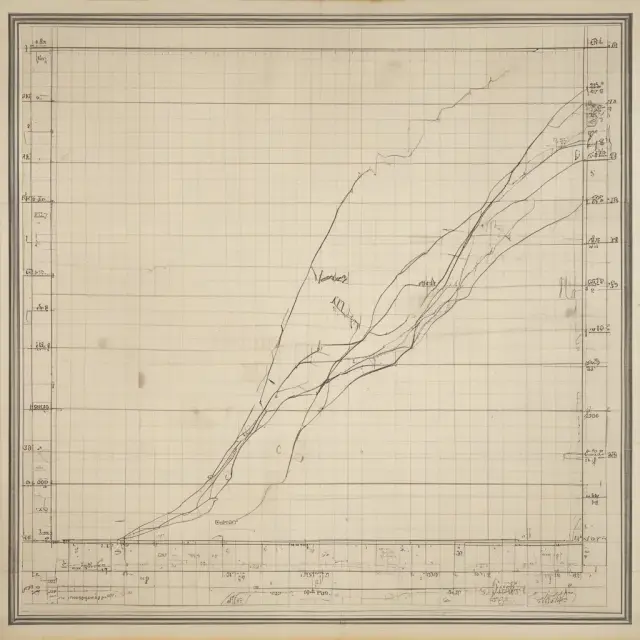
A demand curve is an illustration of the relationship between the price of a good or service and the quantity demanded within a specified timeframe. It represents the inverse relationship that exists between price and quantity demanded: as prices rise, the quantity demanded generally falls, while lower prices correspond with increased demand (see Fig. 1).
In comparison, a supply curve graphically portrays the correlation between the cost of producing a good or service and the amount supplied for a specified time period. The supply curve typically exhibits a positive relationship between price and quantity supplied: as the price of a product increases, producers are incentivized to increase production and offer more goods or services on the market (see Fig. 2).
Fig. 1: Demand Curve
Fig. 2: Supply Curve
Examining these figures further, we can observe some key differences between demand and supply curves. The demand curve typically slopes downward from left to right, whereas the supply curve inclines upward from left to right. These patterns are reflections of the laws of demand and supply, respectively. According to the law of demand, the quantity demanded for a product decreases as its price rises. On the other hand, the law of supply states that the amount supplied is influenced by the cost of production: an increase in production costs will typically result in a higher price and less supply being offered on the market.
To further differentiate between demand and supply curves, it is essential to understand their unique applications within the finance and investment sectors. Demand curves help professionals analyze consumer behavior and predict how shifts in economic factors might impact demand for various securities or commodities. Conversely, understanding supply curves can aid investors in anticipating price movements and assessing a company’s ability to meet production targets, which is vital information for making informed investment decisions.
In conclusion, both demand and supply curves are integral components of economic analysis within the finance and investment industries. By familiarizing yourself with their unique characteristics and applications, you will be well-equipped to make more informed decisions based on market trends and price dynamics.

Implications of the Demand Curve for Finance and Investment
Understanding demand curves is crucial for investors looking to make informed decisions regarding commodities, stocks, and other assets. The demand curve illustrates the relationship between price and quantity demanded in a given time period, revealing valuable insights into consumer behavior and market dynamics. As the price of an asset changes, the corresponding change in demand can significantly impact its value, making it essential for investors to study demand curves when evaluating potential investments.
The law of demand states that, typically, as the price of a good rises, the quantity demanded falls, all else being equal. This inverse relationship between price and demand is observed across various industries and market sectors. For instance, in commodity markets, changes in supply or demand can cause shifts in prices that ripple through the entire economy. Similarly, in stock markets, the introduction of a new competitor or a change in consumer preferences can lead to substantial price movements for individual stocks.
Professional investors rely on an understanding of the demand curve to make informed decisions regarding investment strategies and asset allocation. By analyzing historical data and trends, investors can predict how changes in price or other market factors might impact future demand and adjust their investments accordingly. For example, if an investor anticipates a rise in the demand for a particular commodity due to population growth or changing consumer preferences, they may choose to invest in futures contracts or related stocks before the price increase occurs.
Moreover, understanding the concept of elasticity, which measures the responsiveness of demand to price changes, is critical for investors. Elastic goods have more responsive demand, meaning that a change in price significantly impacts the quantity demanded. For example, luxury cars may have elastic demand since consumers are likely to reduce their purchases when prices increase or switch to less expensive alternatives if prices decrease. In contrast, inelastic goods, such as essential commodities like water or medication, have relatively stable demand regardless of price fluctuations, making them attractive investments for income-seeking investors.
Finally, it is important to note that demand curves can shift due to various factors, including population growth, changes in income levels, and cultural shifts. Understanding these factors and their potential impact on the demand curve is crucial for making informed investment decisions. By keeping up with market trends and economic indicators, investors can position themselves to capitalize on demand shifts and minimize risk.

FAQs
Question 1: How do demand curves differ between industries?
Answer: Demand curves vary between industries depending on their products’ elasticity. For instance, consumer goods like luxury items or branded foods show more elastic demand because consumers can easily substitute them with alternatives when prices change. On the other hand, necessities such as utilities, prescription drugs, and tobacco products have inelastic demand due to limited substitution possibilities.
Question 2: What are the implications of changes in population and income on demand curves?
Answer: A growing population increases overall demand for goods and services, shifting the market demand curve to the right. Conversely, changes in consumers’ income levels influence their purchasing power and ability to buy certain products, leading to a left or right shift in the individual demand curve.
Question 3: How can investors apply the principles of demand curves to their investments?
Answer: Understanding demand curves is crucial for investors as they provide insight into how commodities, stocks, and other assets respond to changes in market conditions. For example, an increase in demand can lead to price appreciation, while a decrease in demand may result in asset devaluation. By analyzing historical data on supply and demand and anticipating future trends, investors can make informed decisions on potential investment opportunities.
In the realm of finance and investment, understanding the relationship between price and quantity demanded is essential for making insightful decisions. The demand curve, a graphical representation of this relationship, plays a critical role in various aspects of economics, from individual consumer behavior to market analysis. In this article, we dive into the intricacies of demand curves and explore how they can be applied to finance and investment.
What Is a Demand Curve?
A demand curve is a graphical representation of the relationship between the price of a good or service and the quantity demanded for a given period of time. In a typical representation, the price appears on the left vertical axis, while the quantity demanded is depicted on the horizontal axis. The fundamental principle underpinning this relationship is known as the law of demand: for most goods and services, a rise in price leads to a decrease in demand, with all other factors remaining constant.
Understanding the Law of Demand
The law of demand states that there is an inverse relationship between the quantity demanded and the price of a good or service. As the price rises, consumers generally buy less of the product and vice versa. However, it’s important to note that this rule doesn’t apply universally to all goods; some exceptions, like Giffen goods and Veblen goods, have unique demand characteristics.
Types of Demand Curves
There are two primary types of demand curves: individual demand curves and market demand curves. An individual demand curve reflects the price-quantity relationship for a single consumer. Conversely, a market demand curve represents the summation of all individual demand curves within a given market.
Demand Elasticity and Inelasticity
The responsiveness of consumers to price changes is measured by demand elasticity or price elasticity of demand. Elastic goods have more elastic demand, meaning their quantity demanded significantly shifts in response to price fluctuations. Nonetheless, luxury items and consumer discretionary products often exhibit higher elasticity due to their ease of substitution. Conversely, necessities, such as utilities, prescription drugs, and tobacco products, demonstrate relatively inelastic demand since there are fewer viable alternatives for these goods.
Exceptions to the Demand Curve: Giffen Goods and Veblen Goods
While most goods follow the law of demand, certain exceptions like Giffen goods and Veblen goods exhibit distinct demand patterns. Giffen goods, such as rice or bread, are non-luxury items for which demand increases with price increases. The opposite is true for Veblen goods, luxury products with upward-sloping demand curves that become more desirable when their prices rise.
Factors That Shift Demand Curves
Several factors can influence demand curves by shifting them to the left or right: population growth, income changes, cultural shifts, and the availability of substitutes/complements. These factors are essential for investors as they may impact market trends and asset prices.
Implications for Finance and Investment
The principles of demand curves are valuable in finance and investment, providing insight into how various economic conditions can affect commodities, stocks, and other assets. For example, a change in supply or demand can lead to shifts in equilibrium price levels, influencing asset valuations and investor decisions. By understanding these fundamental concepts, investors can make informed choices regarding their investment portfolios and anticipate market trends.
In conclusion, the demand curve is an indispensable tool for understanding the complex relationship between price and consumer behavior. In finance and investment, this knowledge can lead to more effective decision-making, allowing investors to navigate various economic conditions and capitalize on emerging opportunities.
 Next entry · No. 982Understanding Demand Schedules: A Comprehensive Guide for Institutional Investors
See also
-
 No. 988
12 Jul 2024
19 min
Demand Theory: Understanding the Inverse Relationship Between Price and Consumer Demand
Business Finance
No. 988
12 Jul 2024
19 min
Demand Theory: Understanding the Inverse Relationship Between Price and Consumer Demand
Business Finance -
 No. 207
07 Apr 2024
21 min
Understanding Arc Elasticity: Measuring the Change in Quantity Demanded with Respect to Price
Economics
No. 207
07 Apr 2024
21 min
Understanding Arc Elasticity: Measuring the Change in Quantity Demanded with Respect to Price
Economics -
 No. 4,274
05 Jun 2025
26 min
Random Walk Theory in Finance: Understanding Its Implications for Investors
Business Finance
No. 4,274
05 Jun 2025
26 min
Random Walk Theory in Finance: Understanding Its Implications for Investors
Business Finance -
 No. 2,489
10 Jan 2025
22 min
Understanding Inverse Correlation in Finance: Definition, Calculation, and Implications for Investors
Business Finance
No. 2,489
10 Jan 2025
22 min
Understanding Inverse Correlation in Finance: Definition, Calculation, and Implications for Investors
Business Finance -
 No. 2,389
02 Jan 2025
19 min
Inflation Hedging: Protecting Your Investments from Inflation
Business Finance
No. 2,389
02 Jan 2025
19 min
Inflation Hedging: Protecting Your Investments from Inflation
Business Finance -
 No. 2,318
27 Dec 2024
20 min
Understanding Implied Rates: A Comprehensive Guide for Institutional Investors
Business Finance
No. 2,318
27 Dec 2024
20 min
Understanding Implied Rates: A Comprehensive Guide for Institutional Investors
Business Finance