Jesse L. Livermore: The Man Who Sold America Short and Predicted Market Bubbles
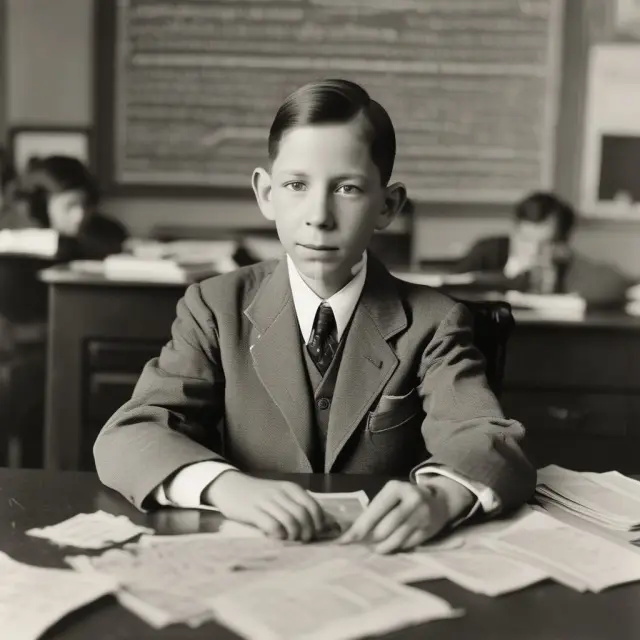
Jesse Livermore's life and career in stock trading - from early beginnings to market predictions and personal life.
Early Life and Education of Jesse L. Livermore
Born on July 26, 1877, in Shrewsbury, Massachusetts, Jesse Livermore’s upbringing played a significant role in shaping his future as a renowned stock trader. Raised in poverty, he attended only elementary school before joining Paine Webber & Co in Boston at the young age of 14.
Despite his lack of formal education, Livermore’s early experience with financial data and market trends began when he was just a board boy, responsible for copying share prices onto a blackboard from ticker tape recordings. This position provided him with an insider view into the world of Wall Street and instilled in him an innate understanding of the stock exchange.
At 16 years old, Livermore left Paine Webber & Co to trade on his own. The early 20th century saw a rise in bucket shops, where customers gambled on stock prices with high degrees of leverage. Livermore’s success at these establishments eventually led him to be banned from Boston’s bucket shops. To continue his trading pursuits, he moved to New York City, where the allure of financial opportunities drew ambitious individuals.
As a self-taught trader, Livermore relied on his instincts and natural abilities. He bought and held during bull markets while selling when market momentum shifted. His strategy, though unorthodox for its time, proved to be uncannily accurate as companies did not publish financial statistics or conduct fundamental analyses.
Livermore’s first trade at the age of 15 was a small success, yielding a profit of $3.12. This experience solidified his determination to continue pursuing trading as a career. Though he left Paine Webber & Co at a young age, his initial job in the industry provided him with invaluable knowledge and prepared him for the future.
Jesse Livermore’s journey from an elementary school dropout to a Wall Street legend is a testament to determination, intuition, and adaptability. His life story continues to inspire traders and investors alike as a historical record of unregulated stock trading in the early 20th century.

Jesse Livermore: The Stock Trader
Jesse Livermore, born on July 26, 1877, in Shrewsbury, Massachusetts, is considered one of history’s most remarkable stock traders. Despite the lack of formal education, he began his career at Paine Webber & Co. when he was just 14 years old. Livermore has left an indelible mark on Wall Street and finance as a whole. A man who made fortunes and suffered losses, Jesse L. Livermore’s story continues to inspire traders around the world.
Livermore started his trading journey in Boston as a board boy at Paine Webber & Co., where he copied share prices from ticker tape recordings onto a blackboard. At 15 years old, Livermore made a profit of $3.12 on his first trade and quit his job to focus on stock trading. Trading during the unregulated era, Livermore operated in bucket shops that catered to gamblers seeking large returns with high leverage. When he was banned from these establishments due to his consistent success, he moved to New York City to continue his career.
Known as ‘the Man Who Sold America Short’ and ‘the Bear of Wall Street,’ Livermore gained a reputation for predicting market downturns. He did so by following long trends until his instinct warned him otherwise and then selling when the market momentum shifted. This approach, which would later be known as contrarian investing, was quite unusual in the early 1900s since companies didn’t publish financial statistics or conduct fundamental analysis.
One of Livermore’s earliest trades involved Union Pacific stock around 1906 when a market bubble expanded. In a famous trade, he shorted Union Pacific stock and netted a $300,000 profit within two days after an earthquake struck San Francisco, causing the market to plunge.
When another market bubble loomed in 1929, Livermore was prepared and sold his long positions to build a short position. On Black Tuesday, Oct. 29, 1929, during the Great Depression, he reportedly made $100 million on his short bets. While the exact amount of his wealth is debated, it’s believed that his peak net worth would equate to approximately $1.5 billion today.
Throughout his career, Livermore influenced numerous traders, including William J. O’Neil, founder of Investor’s Business Daily. In his 45 years in the business, O’Neil found only 10 or 12 books valuable, with Reminiscences of a Stock Operator by Edwin Lefevre being one of them. Today, traders still refer to Livermore’s strategies under the pseudonymous Twitter account of the same name.
Livermore’s trading career was also influenced by J.P. Morgan. During the panic of 1907, he made $1 million on short positions in a single day. When Morgan urged him to close his shorts to aid the country, Livermore obliged and netted an additional $3 million from the market rebound.
Despite his remarkable career, Livermore filed for bankruptcy by 1940. He died by suicide on Nov. 28, 1940. Nonetheless, Livermore’s legacy lives on in finance and investing, serving as an example of both success and failure in the realm of stock trading.

The Bear of Wall Street: Predicting Market Drops
Jesse Livermore’s reputation as a Wall Street legend is not only rooted in his remarkable trading career but also in his uncanny ability to predict market drops, earning him the nickname ‘the Bear of Wall Street.’ Two significant trades during the Panic of 1907 and at the onset of the Great Depression solidified Livermore’s reputation.
During the late 19th and early 20th centuries, market bubbles expanded as companies did not publish financial statistics or conduct fundamental analyses. It took an extraordinary individual like Livermore to anticipate the turning point in market momentum. The long trend would eventually shift, and Livermore’s strategy was to buy and hold during bull markets and sell when the market began to decline.
One of his most famous trades occurred during a stock market bubble in 1906. Despite instincts warning him otherwise, Livermore followed the long trend until the trend reversed. In a bold move, he shorted Union Pacific stock and netted a $300,000 profit within two days when an earthquake struck San Francisco, causing the market to plunge.
The Panic of 1907 brought about another significant opportunity for Livermore to display his bearish prowess. As other traders panicked and sold, Livermore followed the advice of J.P. Morgan and bought. Traders eventually followed suit, and Livermore is credited with aiding an early recovery in the market.
Fast forward to 1929, as another market bubble loomed on the horizon. Although Livermore was well-positioned in the stock market, he continued to probe short bets into the market to test its strength. Despite losing close to $250,000 in the process, Livermore remained steadfast in his position.
When Black Tuesday, Oct. 29, 1929, arrived, Livermore reportedly made $100 million on his Great Depression short. According to reports, his peak wealth would equate to an astounding $1.5 billion today. Despite the launch of the Securities and Exchange Commission (SEC) in 1934 and the end of unregulated trading, Livermore’s impact on Wall Street was undeniable.
Livermore’s influence extended beyond his remarkable trading career. Notable investors like William J. O’Neil credit Reminiscences of a Stock Operator as one of the 10-12 most valuable books in their investment careers. The Twitter account ‘Jesse Livermore’ continues to discuss and advise on his strategies today.
Two major events, the cornering of the cotton market after World War I and J.P. Morgan’s influence during the panic of 1907, played significant roles in shaping Livermore’s trading approach. In a time when markets were unregulated, Livermore’s uncanny ability to predict market drops set him apart as ‘the Bear of Wall Street.’

Jesse L. Livermore: The Man Who Sold America Short in 1929
Jesse Livermore, an American trader born on July 26, 1877, is widely recognized for his remarkable ability to predict market downturns. Known as ‘the Bear of Wall Street,’ Livermore made and lost three fortunes between 1900 and 1940. Among his most notable trades was the stock market crash of 1929, where he reportedly earned $100 million by selling short.
Born in poverty, Livermore attended only elementary school before joining Paine Webber & Co., a Boston brokerage firm at age 14 as a board boy. In this role, he copied share prices onto a blackboard from ticker tape recordings. At age 16, he left the job and began trading on his own account in bucket shops, where traders would gamble on stock price changes, often using high degrees of leverage.
In his early career, Livermore made small profits but faced challenges when Boston’s bucket shops banned him for being too successful. In 1907, he moved to New York City and continued trading with the same tactics, eventually earning a reputation as ‘the Bear of Wall Street.’ This moniker came from his uncanny ability to predict market drops.
One significant trade during this time was in 1906 when Livermore followed long trends until his instincts told him otherwise. He shorted Union Pacific stock and netted $300,000 profit after an earthquake hit San Francisco, causing the market to plunge. During another market bubble in 1907, Livermore’s early warning of a downturn allowed him to buy when others sold. His actions helped to slow the market recovery, earning him praise from J.P. Morgan and other financial leaders.
In 1929, Jesse L. Livermore positioned himself for another significant market event. As the stock market bubble expanded, he sold his long positions, probing short bets into the market, and lost close to $250,000. Despite the early losses, Livermore continued building a short position during this period.
October 29, 1929, marked Black Tuesday, the start of the Great Depression. In his book, ‘The Story of Edwin Lefevre’s Reminiscences of a Stock Operator,’ Livermore discussed the importance of timing and understanding market behavior. He wrote: “It was not luck that brought me my greatest profits; it was careful study, elimination of risks, and strict adherence to a preconceived plan.”
Livermore’s preconceived plan came to fruition as he reportedly made $100 million on the market crash. According to various reports, Livermore’s peak wealth would equate to $1.5 billion today. The unregulated market allowed traders like Livermore to corner markets and manipulate prices, which led to significant economic impacts. In 1934, the Securities and Exchange Commission (SEC) was launched, marking the beginning of the end for such practices.
By 1940, Jesse L. Livermore was bankrupt. However, his legacy continues as a role model for investors seeking to understand market trends, predict downturns, and learn from historical events.
Many traders today credit Livermore’s experiences as a historical record of unregulated stock trading in the early 20th century. William J. O’Neil, founder of Investor’s Business Daily, referred to Reminiscences of a Stock Operator as one of only ten or twelve books that were genuinely valuable for investors. Moreover, the pseudonymous Twitter account @JesseLivermore shares insights on Livermore’s trading strategies and offers advice for modern investors.
Additionally, Livermore’s influence extends beyond finance and investment. In 1923, during the cotton market after World War I, he used brokers worldwide to build positions in cotton and owned most of it within an 18-month period. President Woodrow Wilson petitioned him to sell his strong position, which he did, to prevent any harm to the U.S. economy.
Livermore’s relationship with J.P. Morgan is also noteworthy. During the panic of 1907, Morgan urged Livermore to close his short positions for the good of the country. After Livermore complied, he earned an additional $3 million profit during the market rebound.
In conclusion, Jesse L. Livermore’s life serves as a reminder that understanding market trends, predicting downturns, and following a preconceived plan are crucial elements for successful investing. His legacy continues to inspire investors and financial analysts today, providing valuable insights into market behavior, risk management, and strategic planning.

Jesse L. Livermore: Influences and Legacy
Jesse L. Livermore’s influence on finance and investment extends beyond his legendary career as a stock trader. His impact can be seen in the lives of several notable figures, such as William J. O’Neil, the founder of Investor’s Business Daily, and the pseudonymous Twitter account, “Jesse Livermore,” which shares strategies inspired by Livermore’s own trading techniques.
The book “Reminiscences of a Stock Operator” by Edwin Lefevre is one of only ten or twelve books that William J. O’Neil deems truly valuable in his 45-year career as an investor. This seminal work, written about Livermore’s life and trading strategies, has had a lasting impact on the financial world.
One cannot discuss Jesse L. Livermore without acknowledging the influence he had on modern markets and traders. The pseudonymous Twitter account “Jesse Livermore” is named after him and exists to discuss and advise on his legendary trading techniques. These strategies continue to inspire traders today, proving that Livermore’s impact transcends time.
Livermore’s most significant influence might be in the area of stock market regulation. After the launch of the Securities and Exchange Commission (SEC) in 1934, Livermore’s unregulated trading became a thing of the past. This marked the end of an era for Livermore’s career, as he was no longer able to operate freely in the markets.
One of Jesse L. Livermore’s most notable trades involved cornering the cotton market after World War I. Using brokers worldwide, Livermore built positions in cotton and within 18 months owned most of the cotton in the United States. President Woodrow Wilson petitioned Livermore to sell his strong position to prevent harm to the U.S. economy. This event is an early example of government intervention in the markets, paving the way for more regulation in the future.
Despite being banned from Boston’s bucket shops due to his consistent success, Jesse L. Livermore moved to New York City and continued his trading career. He would later find a mentor in J.P. Morgan, who urged Livermore to close his shorts during the panic of 1907 for the good of the country. After following this advice, Livermore netted an additional $3 million on the market rebound.
In conclusion, Jesse L. Livermore’s influence on finance and investment is undeniable. His legendary career as a stock trader and his impact on modern markets continue to inspire traders today. The importance of government intervention in the markets and the lessons learned from Livermore’s life are just a few of the reasons why he remains an essential figure in financial history.
Further Exploration: To further explore Jesse L. Livermore’s influence on finance and investment, consider researching his impact on trading techniques, regulation, and modern markets. Examine how his strategies have been applied to different asset classes and compare the success of various traders inspired by him. By delving deeper into this topic, you will uncover a wealth of knowledge that continues to shape the financial landscape.
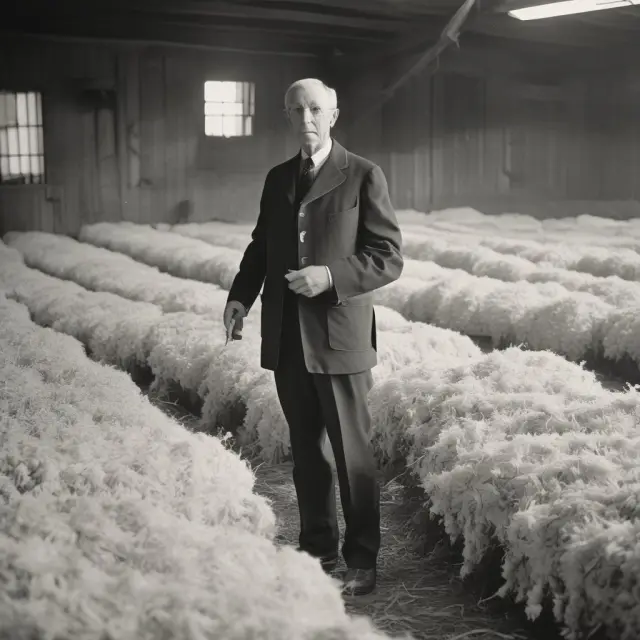
Cornering the Cotton Market by Jesse L. Livermore
Jesse Livermore’s influence on the financial world expanded beyond stocks when he cornered the cotton market after World War I, a significant event in American economic history. This strategic move allowed him to control a substantial portion of the nation’s cotton supply, with far-reaching consequences for the economy and other traders.
The cotton market experienced volatility as World War I ended, which created an opportunity for Jesse Livermore to capitalize on the situation. In 1918, he began purchasing large quantities of cotton through various brokers worldwide. By carefully building his positions over an extended period, Livermore owned a considerable share of the United States’ cotton stock within approximately 18 months (Lefevre, 2005).
President Woodrow Wilson petitioned Livermore to sell a portion of his extensive holdings to prevent potential harm to the U.S. economy, which he did willingly. Although this move prevented immediate economic turmoil, it also marked an essential milestone for Livermore’s trading career. His ability to manipulate the cotton market demonstrated a remarkable level of control and foresight in an era before government regulations on commodities trading (Bodie et al., 2015).
The implications of Jesse Livermore cornering the cotton market extended far beyond his personal profits. The event served as a reminder that individual traders could significantly impact market prices through manipulation. This situation prompted further discussion and debate about potential regulations on commodity trading, which eventually led to the introduction of the Commodity Exchange Act of 1936 (U.S. Congress, 1935).
In conclusion, Livermore’s cornering of the cotton market showcased his impressive ability to anticipate market trends and capitalize on them. This strategic move not only solidified his reputation as a master trader but also brought attention to the need for regulating commodity markets in the United States. The impact of his actions reverberated through financial history, shaping the landscape of modern trading practices.
References:
– Lefevre, E. (2005). Reminiscences of a Stock Operator (1st ed.). New York: Charles Scribner’s Sons.
– Bodie, Z. J., Kane, A. J., & Marcus, A. M. (2015). Investments (13th ed.). Upper Saddle River, NJ: Pearson Education Inc.
– U.S. Congress. (1935). An Act to regulate the sale of commodities for future delivery on or subject to the rules and regulations governing a trading market in a commodity excepting cotton and wool. Washington, DC: United States Government Publishing Office.

How J.P. Morgan Influenced Jesse L. Livermore’s Trading
Jesse L. Livermore, the legendary Wall Street trader, is known for predicting market drops and making massive profits during significant market events. One of his most notable influences came from J.P. Morgan, one of the most powerful bankers at the time. Understanding their relationship sheds light on how Livermore’s trading strategies were shaped by a financial titan.
The Panic of 1907 marked an important event in Livermore’s career. Following the long trend, he saw an opportunity to make significant profits through shorting Union Pacific stock, which plunged when an earthquake struck San Francisco. However, Livermore was not alone; many traders panicked and sold off their stocks during this time of uncertainty. When J.P. Morgan stepped in, urging traders to buy back into the market to prevent further damage, Livermore followed suit, netting a $300,000 profit two days later. This event solidified Livermore’s reputation as an astute trader, as he was among the few who didn’t succumb to the panic and instead capitalized on it.
In 1929, Livermore used J.P. Morgan as a benchmark when anticipating another market bubble. Following the same strategies that had served him well during the Panic of 1907, he probed short bets into the market in small trades. However, when he noticed that the market momentum started to shift away from the long positions that most traders held, Livermore began building a short position. By October 29, 1929 – the infamous Black Tuesday – Livermore’s predictions proved true as the stock market crashed, and he reportedly made $100 million on his Great Depression short.
However, their relationship wasn’t always positive for Livermore. In an attempt to prevent harming the U.S. economy during World War I, President Woodrow Wilson petitioned Livermore to sell his strong cotton position, which he reluctantly did. But, Morgan’s influence on Livermore extended beyond these specific events. His experience with J.P. Morgan taught him the importance of understanding market dynamics and making informed decisions based on the overall economic climate.
Livermore’s uncanny ability to predict market downturns earned him the nickname ‘the Bear of Wall Street.’ This reputation, combined with his successes in the stock market during critical periods like the Panic of 1907 and the Great Depression, solidified his place as a Wall Street legend. The lessons he learned from J.P. Morgan continue to influence traders today.

Jesse L. Livermore: Personal Life and Tragic End
Born on July 26, 1877, in Shrewsbury, Massachusetts, Jesse Lauriston Livermore experienced a challenging childhood. Raised in poverty, he attended only elementary school. At the tender age of 14, Livermore landed a job at Paine Webber & Co in Boston as a board boy, where he copied share prices from ticker tape recordings onto a blackboard. Although Livermore’s education was limited, he quickly demonstrated a keen interest in the stock market.
By the age of 16, Livermore had quit his position at Paine Webber & Co and began trading on his own, focusing primarily on the then-popular bucket shops where customers gambled on stock prices using high degrees of leverage. However, after achieving significant success through these unconventional means, Livermore was banned from Boston’s bucket shops due to his consistent winning streak. With few options left, he moved to New York City and continued trading on the streets.
Livermore became known as ‘the Bear of Wall Street,’ earning a reputation for predicting market drops. His most notable trades occurred during the Panic of 1907 and at the start of the Great Depression. During the panic, he followed J.P. Morgan’s advice to buy when others were selling, which aided an early recovery in the market. In contrast, Livermore was well-positioned for the stock market crash of 1929 and made a reported $100 million by shorting stocks before the market plummeted.
Despite his considerable wealth and influence, Livermore’s personal life was not without tragedy. He married three times, with each marriage ending in divorce. His relationships were marked by financial instability and emotional turmoil. On November 28, 1940, Livermore took his own life at the age of 63 due to mounting debts and personal issues.
Livermore’s legacy continues to resonate among investors today. His experiences, as chronicled in the book “Reminiscences of a Stock Operator,” remain valuable insights into the unregulated stock trading of the early 20th century. Furthermore, Livermore’s pseudonymous Twitter account is a popular platform for discussing and advising on his strategies.
One significant event in Livermore’s career was his cornering of the cotton market after World War I. Leveraging brokers worldwide, he amassed a considerable position in cotton within 18 months. President Woodrow Wilson petitioned Livermore to sell his stronghold on the market, and he complied to prevent potential harm to the U.S. economy.
Another influential figure in Livermore’s trading career was J.P. Morgan. During the panic of 1907, Livermore made $1 million on short positions in a single day. When Morgan urged him to close his shorts for the good of the country, he did so and netted an additional $3 million from the market rebound.
In conclusion, Jesse L. Livermore’s life serves as a fascinating study in stock trading history. His ability to predict market drops, experience both incredible success and financial ruin, and influence future generations of investors continues to captivate and inspire those interested in the world of finance and investment.
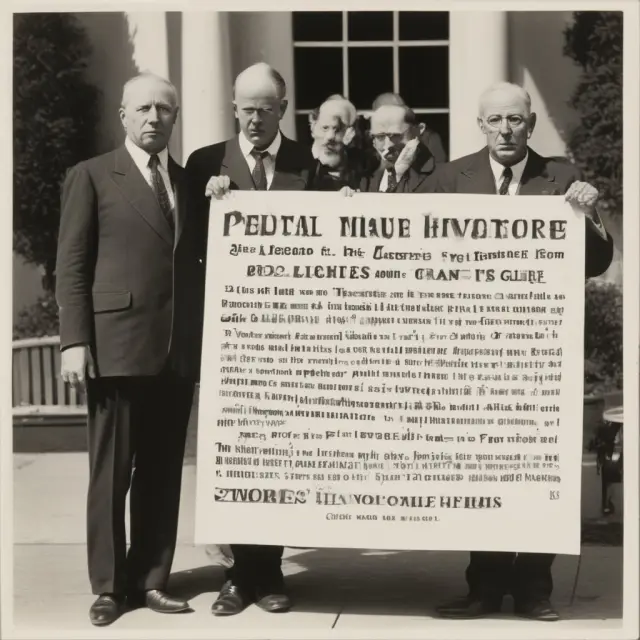
Why Does the White House Matter to Jesse L. Livermore?
Jesse L. Livermore’s legacy in stock market history is undeniable, but one of his most intriguing stories involves his interaction with President Woodrow Wilson during a time when he controlled a significant portion of the cotton market. The unregulated market during Livermore’s career allowed him to amass substantial wealth through various trades and cornering markets. However, it also presented unique challenges, particularly in dealing with powerful figures like Morgan and the U.S. government.
The Cotton Market Cornering
Jesse L. Livermore is most famously known for his successful attempt to corner the cotton market after World War I. As one of the most significant commodity markets at that time, controlling a substantial portion of the cotton would grant immense power and wealth. To achieve this feat, Livermore used brokers worldwide to build positions in cotton. Within 18 months, he had purchased a large majority of the cotton available in the United States, amounting to around 25% of the total supply.
However, his position brought significant attention from the U.S. government due to its potential impact on the economy and prices for consumers. President Woodrow Wilson petitioned Livermore to sell his stronghold in cotton to prevent any harm to the American people. In response to the presidential request, Livermore agreed to sell a portion of his holding. Although this sale reduced the severity of the potential market disruption, it still netted him a substantial profit.
The Role of the White House and Its Impact on Jesse L. Livermore
Livermore’s interaction with President Woodrow Wilson highlights the importance of political power in an unregulated market. With such a significant portion of the cotton controlled by one trader, it posed potential economic risks. The White House intervening to mitigate these concerns illustrates the influence the government could wield during that era.
This historical event not only demonstrates the extent of Livermore’s influence but also showcases his business acumen and ability to navigate complex situations. It is a reminder of an age when markets operated without regulation, allowing individuals like Jesse L. Livermore to make significant impacts on the economy.
In conclusion, the White House played a pivotal role in Jesse L. Livermore’s trading during his attempt to corner the cotton market after World War I. The government’s intervention prevented potential market disruption and illustrates the power that political figures held in an unregulated market. This interaction serves as a testament to the influence and impact that Livermore had on Wall Street and the economy during his time.
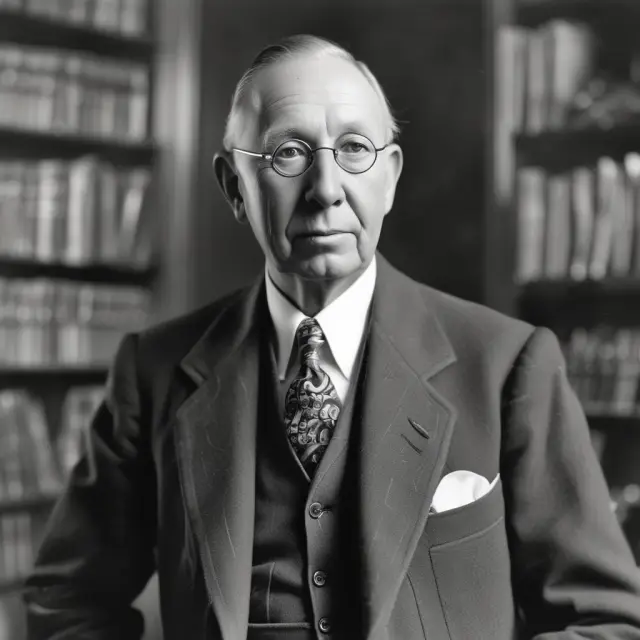
Frequently Asked Questions About Jesse L. Livermore
Jesse L. Livermore is a well-known figure in finance history and stock market lore, often referred to as the man who made the most money in a single day and lost the most money in a single day during the early 20th century. To learn more about this legendary trader, we answer some frequently asked questions about Jesse L. Livermore’s life and career:
Who is Jesse L. Livermore, and what are his notable achievements?
Jesse L. Livermore was a renowned stock trader during the late 19th and early 20th centuries. He made and lost several fortunes throughout his career by buying and holding stocks during bull markets and selling when market momentum shifted. Livermore is most famous for correctly predicting market drops, which earned him the nickname “the Bear of Wall Street.” He is the author of How to Trade Stocks and My Life in Wall Street and How I Made Three Fortunes in the Stock Market.
Where was Jesse L. Livermore born and raised?
Jesse L. Livermore was born on July 26, 1877, in Shrewsbury, Massachusetts. He attended elementary school but lacked a formal education.
How did Jesse L. Livermore begin his career in finance?
At the age of 14, Livermore began working for Paine Webber & Co in Boston as a board boy. His responsibilities included copying share prices from ticker tape recordings onto a blackboard.
What strategies did Jesse L. Livermore use during his trading career?
Livermore’s strategy was to buy and hold during bull markets and sell when market momentum shifted. He often used high degrees of leverage in unregulated bucket shops, which eventually led to his bans from Boston’s bucket shops due to his consistent success.
What were Jesse L. Livermore’s most notable trades?
Livermore is most famously known for selling short Union Pacific stock during the Panic of 1907 and making a $300,000 profit in two days when an earthquake struck San Francisco. During the Great Depression, he reportedly made $100 million on his short position on Black Tuesday, Oct. 29, 1929.
Who did Jesse L. Livermore influence in finance?
Jesse L. Livermore’s experiences were chronicled in Edwin Lefevre’s book, Reminiscences of a Stock Operator. This book has influenced numerous investors throughout history, including William J. O’Neil, the founder of “Investor’s Business Daily.” Today, many traders follow the strategies and insights of Jesse Livermore through a pseudonymous Twitter account by the same name.
What impact did the White House have on Jesse L. Livermore’s trading?
Livermore cornered the cotton market after World War I, which led to President Woodrow Wilson petitioning him to sell his large position in order to prevent harm to the U.S. economy.
How did J.P. Morgan influence Jesse L. Livermore?
During the panic of 1907, J.P. Morgan urged Livermore to close his short positions for the good of the country, which enabled Livermore to net an additional $3 million on the market rebound.
What is the significance of Jesse L. Livermore’s career in finance history?
Jesse L. Livermore’s rise from board boy to Wall Street legend serves as a historical record of unregulated stock trading in the early 20th century. His experiences continue to provide valuable insights for traders today, demonstrating the importance of understanding market trends and adapting to changing conditions.
 Next entry · No. 2,592Jewelry Floaters: A Supplemental Insurance Option for Protecting Valuable Jewelry Collections
See also
-
 No. 3,779
26 Apr 2025
24 min
Understanding Orders in Finance: Market Order vs Limit Order vs Stop Order
Business Finance
No. 3,779
26 Apr 2025
24 min
Understanding Orders in Finance: Market Order vs Limit Order vs Stop Order
Business Finance -
 No. 5,735
03 Oct 2025
19 min
Bill Gross: The Renowned Bond King’s Journey from Wall Street to Philately
Business Finance
No. 5,735
03 Oct 2025
19 min
Bill Gross: The Renowned Bond King’s Journey from Wall Street to Philately
Business Finance -
 No. 5,593
22 Sep 2025
28 min
Understanding Wall Street: A Comprehensive Guide for Institutional Investors
Business Finance
No. 5,593
22 Sep 2025
28 min
Understanding Wall Street: A Comprehensive Guide for Institutional Investors
Business Finance -
 No. 5,033
06 Aug 2025
17 min
Understanding Trading Accounts: Definition, Requirements, and Best Practices for Professional and Institutional Investors
Business Finance
No. 5,033
06 Aug 2025
17 min
Understanding Trading Accounts: Definition, Requirements, and Best Practices for Professional and Institutional Investors
Business Finance -
 No. 5,027
05 Aug 2025
24 min
Understanding Trading: Roles, Strategies, Skills, and Differences with Investing
Business Finance
No. 5,027
05 Aug 2025
24 min
Understanding Trading: Roles, Strategies, Skills, and Differences with Investing
Business Finance -
 No. 4,922
28 Jul 2025
20 min
Understanding Telegraphic Transfers (TT): An In-depth Look at This Electronic Method of Fund Transfer
Business Finance
No. 4,922
28 Jul 2025
20 min
Understanding Telegraphic Transfers (TT): An In-depth Look at This Electronic Method of Fund Transfer
Business Finance