Liberty Bonds: A Historical Look at War Financing and Public Investment

A historical deep dive into Liberty Bonds' impact on war financing, public investment, and financial markets.
Background and History of Liberty Bonds
Liberty Bonds represent a unique piece of American history, serving as debt obligations issued by the U.S. Department of the Treasury during two significant periods in our nation’s development – World War I and post-9/11 reconstruction. This section offers an insightful look into the origins, the role of the government, and the appeal of Liberty Bonds as an investment vehicle.
The concept of Liberty Bonds emerged during World War I when the U.S. government sought innovative ways to finance its military engagement in Europe. In response, Congress passed the first Liberty Bond Act in 1917, leading to the issuance of these war bonds. The appeal of Liberty Bonds extended beyond financial gain, as they provided citizens with a sense of patriotic duty and investment opportunity.
During this period, Americans were encouraged to buy these securities as a symbol of support for their country and its military forces. The government’s promotion campaign created a significant impact on the American population, making Liberty Bonds an accessible form of investing for many individuals.
Interestingly, Liberty Bonds re-emerged in the 21st century during New York City’s post-9/11 rebuilding effort. In contrast to historical Liberty Bonds, these bonds served as municipal obligations and had different objectives: financing the construction of residential and commercial buildings within the Liberty Zone area of Lower Manhattan that had been devastated by the terrorist attacks in 2001.
Understanding the background and history of Liberty Bonds is crucial for appreciating their significance both historically and economically. As we explore subsequent sections, we will delve deeper into the details of each Liberty Bond Act during World War I, their appeal as a patriotic investment, and the successful fundraising efforts that made Liberty Bonds such an integral part of American history.
In the following section, we will discuss the first Liberty Bond Act of 1917, which set the stage for this groundbreaking financial instrument and offered intriguing insights into the interest rates, promotional campaigns, and public response that shaped its success.

The First Liberty Bond Act of 1917
Background and Significance
The U.S. government’s first-ever Liberty Bond offering came in the form of the First Liberty Bond Act on December 6, 1917, which authorized the sale of $3.2 billion in bonds to fund American participation in World War I. This debt instrument was also known as a Liberty Loan. It represented a significant departure from previous federal borrowing practices since it targeted individual citizens and not just large investors or financial institutions (Federal Reserve Bank of St. Louis, n.d.).
Interest Rates and Appeal
The initial offering’s interest rate was set at 3.5%, which was lower than the prevailing savings account rates during that era. However, the primary appeal of Liberty Bonds for many Americans wasn’t financial gain; it was a way to support their country and the war effort in Europe (Federal Reserve Bank of St. Louis, n.d.).
Promotional Campaigns and Subsequent Offerings
Despite initial modest sales, the federal government, through the Treasury Department, launched a massive public awareness campaign to boost interest and encourage more purchases. This campaign included eye-catching posters, billboards, endorsements from movie stars, and other promotional tactics (Federal Reserve Bank of St. Louis, n.d.).
Subsequently, Liberty Bonds were issued in three additional offerings, raising a total of approximately $17 billion (Rose, 2002). Interest rates increased slightly with each subsequent issue, peaking at 4.25% for the fourth issuance (Federal Reserve Bank of St. Louis, n.d.).
Impact and Legacy of Liberty Bonds
Liberty Bonds provided millions of ordinary Americans their first investment opportunity, paving the way for broader financial literacy. The bonds’ appeal transcended monetary value and became a symbol of patriotism during wartime (Federal Reserve Bank of St. Louis, n.d.). Despite low interest rates relative to other available investments, Liberty Bonds served as an essential component in financing WWI and left an indelible mark on the American financial landscape.

Liberty Bonds as a Patriotic Investment
When the U.S. entered World War I, Liberty Bonds served a dual purpose—financing America’s war efforts while fostering financial literacy and patriotism among citizens. The first issue of these bonds was a turning point for many Americans who had never considered investing before. Although the initial offering encountered some challenges in 1917, it marked the beginning of an era that would change the investment landscape.
Patriotic Appeal
The idea behind Liberty Bonds originated from Secretary of the Treasury William Gibbs McAdoo, who saw them as a means to not only finance the war effort but also create opportunities for individual Americans to demonstrate their support and participate in the process. As a result, the bonds were marketed primarily based on their patriotic significance rather than their financial returns. The bond program represented an inclusive invitation to “ordinary” citizens who had previously been excluded from Wall Street investment opportunities.
Financial Education
As Americans invested in Liberty Bonds, they gained knowledge about investing and the financial markets. McAdoo’s vision was that these securities would serve as a valuable educational tool for individuals. Despite having lower interest rates than savings accounts, Liberty Bonds were attractive due to their connection to supporting the nation and its military efforts during WWI.
The Success Story of Liberty Bonds
Although the initial offering in April 1917 did not perform as well as expected, subsequent issues were more successful. With each subsequent release, interest rates increased slightly, with the fourth issue boasting an interest rate of 4.25%. Despite their modest returns, Liberty Bonds provided a unique experience for many Americans and helped them become familiar with investing concepts. The popularity of these bonds demonstrated the potential impact of government initiatives aimed at increasing financial literacy and civic engagement.
The Lasting Impact on Bond Market History
Liberty Bonds left an indelible mark on U.S. history, providing a platform for ordinary citizens to participate in the investment world and contribute to America’s war efforts. The legacy of these bonds continues to influence financial markets and public policy. Today, collectors seek out Liberty Bonds due to their historical significance and rarity, making them a valuable addition to any collection.
In conclusion, Liberty Bonds represent an essential chapter in the history of U.S. finance and investment. Their innovative approach to war financing and financial education transformed the relationship between individuals and their government, setting the stage for future initiatives that encouraged widespread investment opportunities and civic involvement.

Liberty Bonds’ Success: Subsequent Issuances
Following the initial offering of Liberty Bonds in April 1917, subsequent issuances proved to be more successful due to a well-orchestrated promotional campaign and favorable interest rates. The U.S. government understood that the first release didn’t meet its fundraising targets, necessitating a stronger approach for later offerings.
With the Second Liberty Bond Act of 1917, the U.S. government raised the interest rate to 3.5% and launched an extensive public awareness campaign, using eye-catching posters, billboards, movie star endorsements, and other tactics to encourage Americans to invest in these securities. The effort paid off as the second issue sold $2 billion worth of Liberty Bonds within a single week, surpassing expectations and setting a precedent for future offerings.
The third and fourth issues of Liberty Bonds continued to build on this momentum, with interest rates gradually increasing up to 4.25%. By the end of World War I, the U.S. government had raised a total of $17 billion through Liberty Bond sales.
Many of these bonds were eventually cashed in or converted to other securities offering higher interest rates. Today, the early issues of Liberty Bonds are considered rare and highly valued among collectors due to their historical significance and patriotic connection to supporting the war effort.
Liberty Bonds saw a resurgence in the 21st century during New York City’s post-9/11 rebuilding efforts. However, these bonds differed significantly from their historical counterparts. Instead of federal Treasury bonds, they were municipal bonds jointly issued by the city and state to help finance the reconstruction of Lower Manhattan, with assistance from the federal government.
These private activity bonds, which targeted real estate developers and corporations rather than individual investors, faced controversy for favoring high-profile projects and corporations while not all being located near Ground Zero. Nonetheless, they contributed significantly to the revitalization of downtown Manhattan as a thriving and populated area.

Liberty Bonds’ Collectible Value Today
The collectible value of Liberty Bonds can be attributed to their historical significance and rarity. As a reminder, these bonds were first issued during World War I as part of the U.S. government’s efforts to finance military operations abroad and rebuild areas damaged by the war in Europe. With their unique place in American history, many collectors find them incredibly valuable.
Liberty Bonds offer a glimpse into a time when the U.S. government relied on its citizens for financial support during wartime. Additionally, these bonds marked the first time that ordinary Americans had an opportunity to invest in securities beyond savings accounts. This historical context provides collectors with a strong connection to our nation’s past and makes Liberty Bonds a sought-after acquisition.
Moreover, the rarity of these bonds is another factor contributing to their value in today’s market. Many Liberty Bonds from the initial offering were cashed in or converted into bonds with higher interest rates when available, making them scarce. The fact that most investors cashed in their bonds before maturity resulted in a relatively small supply of original Liberty Bond certificates.
Collectors can identify Liberty Bonds through various features. First, they are distinctly different from other bonds issued during the same era due to their unique serial numbers, which start with a “W” for War Savings Certificates or “L” for Liberty Loans. Furthermore, Liberty Bonds were offered in smaller denominations than most stocks and securities of that time, making them accessible to a broader range of investors.
The collectible value of Liberty Bonds is evident through their sales at auction houses. In 2015, a collection of Liberty Bond certificates from the first series sold for an impressive $389,750 at Heritage Auctions in Dallas, Texas. This demonstrates not only the historical significance but also the rarity and desirability of these bonds among collectors.
Beyond their monetary value, Liberty Bonds hold a special place in American history as symbols of patriotism and community spirit. Owning one of these rare gems allows collectors to connect with our country’s past while contributing to the preservation of a vital piece of financial history.

The 21st Century Resurgence of Liberty Bonds
The concept of Liberty Bonds, which had proven successful during World War I in financing the war effort and unifying the nation, was resurrected following another national tragedy. In 2002, New York City turned to this historical financing method to rebuild its devastated areas, particularly Lower Manhattan, which had been severely damaged by the terrorist attacks on September 11, 2001 (9/11).
Unlike their predecessors that were federal bonds sold by the U.S. Department of the Treasury and the Federal Reserve to finance war operations in Europe, these Liberty Bonds represented New York municipal bonds issued jointly by the New York City Housing Development Corporation and the New York State Housing Finance Agency. The federal government made a $1.2 billion contribution to help kick-start the program, with the primary aim to rebuild residential and commercial structures within the Liberty Zone—an area primarily situated in downtown Manhattan that was hit hardest by the attacks (Levine & Cohan, 2003).
The bonds were significantly different from their historical counterparts; they weren’t taxable federal Treasury bonds but rather triple-tax-exempt municipal bonds. The primary target audience for these Liberty Bonds shifted to real estate developers and corporations, with a focus on financing projects that would revitalize the area around Ground Zero (New York City Housing Development Corporation, 2003).
The program encountered controversy, as critics argued that the bonds unfairly benefited high-profile corporations rather than the local community. Moreover, not all of these projects were actually located within the Liberty Zone. Despite such criticisms, the issuance of Liberty Bonds did contribute to a remarkable building spree in downtown Manhattan. Today, the area is more densely populated and vibrant compared to its previous state before 9/11.
The unique approach of combining historical precedents with contemporary finance proved successful in addressing the unprecedented challenges faced by New York City post-9/11. The Liberty Bond program marked a notable chapter in both the city’s history and the broader realm of public financing, demonstrating the potential for innovative financial solutions to emerge from adversity.

The Impact of Liberty Bonds on the Economy
Liberty Bonds played a significant role in shaping economic growth during both World War I and New York City’s post-9/11 rebuilding efforts. When first introduced, these government-issued securities aimed to finance the U.S.’ participation in the First World War. The bonds’ impact transcended their financial function—they provided a platform for ordinary citizens to express patriotism during a critical time in history.
During the early 20th century, Liberty Bonds offered the average American their initial investment opportunity outside of savings accounts or professional Wall Street transactions. The U.S. government intended to create a financial education program as part of the Liberty Bond campaign. This initiative was particularly meaningful since securities were previously regarded as exclusive investments for the wealthy or professionals.
Liberty Bonds served as a catalyst in driving economic expansion during World War I, generating approximately $17 billion from their sale. This substantial investment enabled the U.S. to contribute substantially to the Allied war effort and proved instrumental in securing a victory.
In the 21st century, Liberty Bonds reemerged as an essential tool for financing New York City’s post-9/11 reconstruction. The New York City Housing Development Corporation and the New York State Housing Finance Agency issued these bonds with a $1.2 billion federal contribution between 2002 and 2006. This time, they targeted real estate developers and corporations to finance the rebuilding of Lower Manhattan, which had been devastated by the terrorist attacks in 2001.
Although these Liberty Bonds were not federally treasury bonds, but rather New York municipal bonds, their impact on economic growth was substantial. They fueled a significant building boom in downtown Manhattan and transformed the area into a more populated and thriving community than ever before. Despite criticisms of benefiting high-profile corporations and projects that weren’t directly related to Ground Zero, these bonds effectively stimulated the New York City economy during an era of uncertainty and recovery.
In both instances, Liberty Bonds significantly influenced economic growth by providing essential funding for critical undertakings and giving Americans a sense of involvement in significant historical events.

Liberty Bonds vs. Other Investment Opportunities
When Liberty Bonds were issued during World War I, they represented a unique investment opportunity for the average American. While savings accounts provided fixed returns and Wall Street securities presented greater risk, these war bonds offered both the chance to support the military effort and potentially earn a slightly higher interest rate. Let’s explore how Liberty Bonds compared to other popular investment alternatives during that era:
Savings Accounts: At the time of the first Liberty Bond issuance in 1917, savings accounts provided relatively low-risk but limited returns for individual investors. In comparison, Liberty Bonds offered a slightly higher interest rate and the added appeal of contributing to the war effort. However, since savings account interest was tax-free at that time, one could argue that the net difference in yield was not significant.
Wall Street Securities: The stock market, particularly the New York Stock Exchange (NYSE), was a popular investment avenue for wealthier Americans during the early 20th century. While Liberty Bonds were still considered securities, they differed significantly from Wall Street investments in terms of risk and liquidity. Stocks offered potential capital gains, but they also presented greater volatility and uncertainty, especially during wartime. In contrast, Liberty Bonds provided a steady interest rate, with the added benefit of supporting the country’s military efforts.
Bonds from Other Countries: As the United States was entering World War I, other countries faced their own financial challenges and issued bonds to finance their war efforts. For example, France and Great Britain turned to their citizens for assistance through bonds such as the French Bleu bond and the British War Loan. These foreign bonds might offer slightly different interest rates or maturities than Liberty Bonds, but ultimately, they also required investors to support a specific military conflict. In many cases, these foreign bonds were sold in the United States by their respective governments or local agencies, making them comparable to Liberty Bonds in terms of accessibility and availability.
Liberty Bonds vs. Savings Accounts: A Closer Look
To better understand how Liberty Bonds compared to savings accounts during World War I, let’s examine the interest rates and tax implications for each type of investment.
Interest Rates
Liberty Bond interest rates started at a slightly higher 3.5% for the first issuance in 1917, which was marginally higher than average savings account yields during that time. However, as subsequent Liberty Bonds were issued, the interest rates rose gradually, reaching 4.25%. In comparison, standard savings account interest rates ranged from around 3% to 4%, depending on the bank and term length.
Taxes:
One significant difference between Liberty Bonds and savings accounts was tax treatment. Initially, Liberty Bond interest was exempt from federal taxes, except for estate or inheritance taxes. In contrast, savings account interest at that time was completely tax-free. While this distinction might not seem substantial at first glance, it could impact an investor’s overall yield and after-tax return.
The combination of a slightly higher interest rate (compared to savings accounts) and the appeal of supporting the war effort made Liberty Bonds an attractive alternative for many Americans. However, their tax-exempt status for federal taxes also set them apart from traditional savings accounts and added to their allure.

Liberty Bonds’ Influence on Modern Financial Markets
One of the most significant long-term effects of Liberty Bonds lies within the realm of war financing and government intervention in economic stimulus efforts. The creation, promotion, and successful sale of these bonds set a precedent for future federal initiatives aimed at mobilizing public support and investment during times of crisis.
Following World War I, the success of the Liberty Bond program inspired similar financial campaigns throughout Europe and beyond, further bolstering the belief that collective investment could contribute to national development and recovery efforts. As nations grappled with economic turmoil between the wars, this concept would prove vital in financing major infrastructure projects, rebuilding war-torn areas, and establishing a sense of community engagement and ownership in the face of adversity.
Liberty Bonds’ influence extended far beyond Europe as well. Their widespread acceptance among individual investors paved the way for an increased role of government in managing economic crises and fostering financial literacy within the population. This, in turn, laid the groundwork for modern public investment opportunities, such as municipal bonds and tax-advantaged savings plans, which continue to shape personal finance strategies today.
Moreover, Liberty Bonds’ impact can be traced throughout the latter half of the 20th century when governments turned to fiscal policy tools like deficit spending and bond issuances to manage economic downturns. For instance, during World War II, the U.S. government employed a similar strategy through the sale of U.S. Savings Bonds to fund the war effort, illustrating the enduring legacy of Liberty Bonds in shaping public investment opportunities.
Additionally, the 21st-century resurgence of Liberty Bonds can be seen as an embodiment of their historical significance. Following the terrorist attacks on September 11, 2001, New York City and State governments issued Liberty Bonds to finance rebuilding efforts in the aftermath of the devastating tragedy. Although different from the original Liberty Bonds in terms of issuer, structure, and purpose, they shared a common thread—the appeal to patriotic sentiment and the collective investment spirit that had made the original bonds such a success.
In conclusion, the historical significance of Liberty Bonds extends far beyond their role as war financing tools. Their influence on public investment opportunities, economic recovery efforts, and government intervention in times of crisis has shaped modern financial markets in profound ways. From fostering financial literacy to inspiring community engagement during challenging periods, Liberty Bonds represent a testament to the power of collective action and the enduring potential for creative financial solutions.
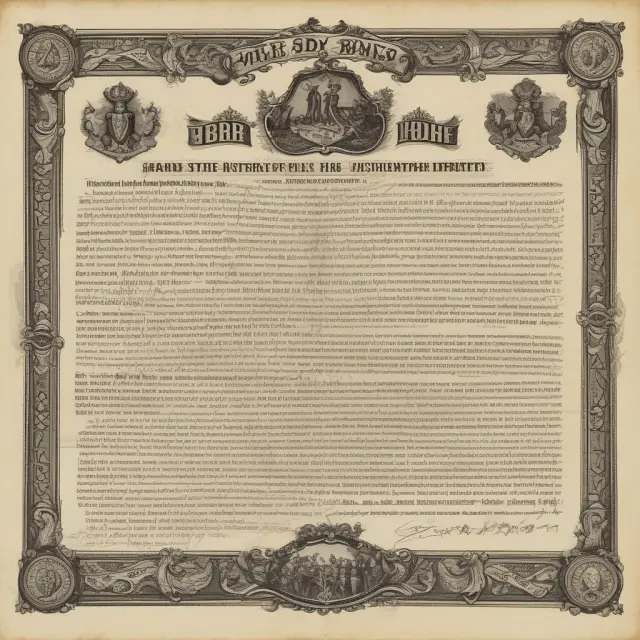
FAQs about Liberty Bonds
What Is the Historical Significance of Liberty Bonds?
Liberty Bonds are historical financial instruments issued by the U.S. Department of the Treasury to finance American participation in major wars, including World War I and the post-9/11 rebuilding efforts. They served as a way for citizens to demonstrate their patriotism while also offering an investment opportunity.
When Were Liberty Bonds First Introduced?
Liberty Bonds were first introduced in 1917 during World War I, with the passage of the Liberty Bond Act. The bonds’ initial issuance saw modest success due to low interest rates and a lackluster public response; however, subsequent promotional efforts led to increased sales later that year.
Why Were Liberty Bonds Sold to the Public?
The U.S. government sold Liberty Bonds as part of its war financing strategy during World War I. These bonds allowed Americans to contribute to their country’s military efforts while also offering a return on investment.
How Did Liberty Bonds Help Foster Financial Literacy in America?
Liberty Bonds represented the first opportunity for many ordinary Americans to engage in investing, making them instrumental in promoting financial literacy across the nation.
What Interest Rates Were Offered with Liberty Bonds?
Interest rates for Liberty Bonds varied during their issuance throughout World War I and the post-9/11 period. The initial offering had an interest rate of 3.5%, while subsequent issues saw rates between 4% to 4.25%.
What Made Liberty Bonds Valuable to Collectors?
Many Liberty Bonds issued during World War I are now rare and valuable collector’s items due to their historical significance and limited availability as most were redeemed or converted into bonds offering higher interest rates.
How Did Liberty Bonds Differ from Traditional Savings Accounts?
Liberty Bonds offered lower initial interest rates compared to savings accounts at that time but represented an investment opportunity for ordinary Americans, promoting financial literacy and fostering patriotic sentiment.
What Was the Role of the U.S. Government in Issuing Liberty Bonds?
The U.S. government issued Liberty Bonds as a means of financing war efforts during World War I and post-9/11 rebuilding efforts, providing an opportunity for citizens to demonstrate their support through investment.
What Happened to Liberty Bonds After the Wars’ Ends?
Most Liberty Bonds issued during World War I were redeemed or converted into bonds offering higher interest rates, making them rare and valuable collector’s items today. However, some remained in circulation due to their long-term maturity periods.
How Did Liberty Bonds Influence Modern Financial Markets?
Liberty Bonds helped establish the concept of war financing through government debt issuance, paving the way for future economic stimulus efforts and shaping modern investment markets.
 Next entry · No. 2,857Understanding the London Interbank Bid Rate (LIBID): The Other Side of the Popular LIBOR
See also
-
 No. 5,803
08 Oct 2025
19 min
Understanding the World Gold Council: Its Role in Gold Mining, Investment, and Consumption
Business Finance
No. 5,803
08 Oct 2025
19 min
Understanding the World Gold Council: Its Role in Gold Mining, Investment, and Consumption
Business Finance -
 No. 5,226
22 Aug 2025
20 min
Understanding the Basics of Unemployment Claims: A Comprehensive Guide for Institutional Investors
Business Finance
No. 5,226
22 Aug 2025
20 min
Understanding the Basics of Unemployment Claims: A Comprehensive Guide for Institutional Investors
Business Finance -
 No. 3,485
02 Apr 2025
18 min
Understanding the Norwegian Krone: History, Value, and Impact on Norway’s Economy
Finance Policy
No. 3,485
02 Apr 2025
18 min
Understanding the Norwegian Krone: History, Value, and Impact on Norway’s Economy
Finance Policy -
 No. 1,358
04 Sep 2024
19 min
A Historical Overview of the European Community (EC): Unifying Europe’s Economies and Politics
Business Finance
No. 1,358
04 Sep 2024
19 min
A Historical Overview of the European Community (EC): Unifying Europe’s Economies and Politics
Business Finance -
 No. 4,995
03 Aug 2025
22 min
The Curious History and Modern Revival of Tontines: A 500-Year Old Capital Raising System
Finance History
No. 4,995
03 Aug 2025
22 min
The Curious History and Modern Revival of Tontines: A 500-Year Old Capital Raising System
Finance History -
 No. 3,595
11 Apr 2025
17 min
Numismatics: The Fascinating Study of Currency, Coins, and Collectibles
Finance History
No. 3,595
11 Apr 2025
17 min
Numismatics: The Fascinating Study of Currency, Coins, and Collectibles
Finance History