Renewable Resources: Understanding the Sustainable Energy Solutions for a Growing Population
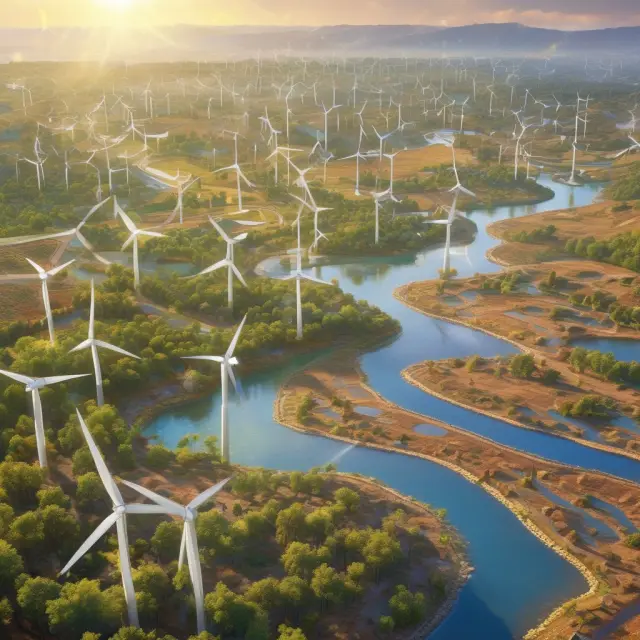
Explore the potential of renewable resources as sustainable energy solutions for a growing population through discussions on solar, wind, water, geothermal…
Introduction to Renewable Resources
Renewable resources have been a crucial topic in recent years due to their potential to replace non-renewable energy sources and meet the increasing demand for energy as the global population continues to grow. These resources offer sustainable solutions for power generation, enabling the reduction of greenhouse gas emissions and lessening our reliance on finite fossil fuels. In this article, we will explore various renewable resources and discuss their importance in today’s world.
Understanding Renewable Resources
A renewable resource is a naturally replenishing resource, which can be harnessed for energy production without depleting it over time. Examples of renewable resources include sunlight, wind, water, geothermal energy, and biomass. While some of these resources are seemingly inexhaustible, their availability depends on factors like location, climate, and time of day.
Renewable Resources Used for Energy
Renewable energy sources have been utilized since ancient times. Hydropower and wood were the primary renewable resources used before the 1990s. Today, the focus is on harnessing the potential of solar power, wind energy, water energy, geothermal energy, and biomass to replace non-renewable energy sources such as coal and fossil fuels. However, the challenges faced in the reliability and cost-effectiveness of renewable resources remain significant obstacles.
Solar Energy: The Power of Sunlight
Harnessing the power of sunlight is one of the most promising solutions for generating clean energy on a large scale. Solar panels convert sunlight into electricity, which can be used to power homes, businesses, and even entire cities. Although solar energy is a renewable resource, its availability depends on factors like location, weather conditions, and time of day.
Wind Energy: Harnessing the Wind’s Power
Wind energy is another renewable resource that can provide clean electricity to communities around the world. Wind turbines convert wind energy into electricity by spinning turbine blades connected to a generator. Despite its benefits, wind energy also poses challenges, including inconsistent winds and potential negative environmental impacts on wildlife habitats.
Water Energy: Harnessing the Power of Water
Water energy, or hydropower, is one of the oldest and most widely used renewable energy sources. Dams and turbines are used to harness water’s kinetic energy and generate electricity. While hydropower is a renewable resource, its availability depends on precipitation levels and the amount of water stored in reservoirs.
Geothermal Energy: Tapping into Earth’s Heat
Geothermal energy is another form of renewable energy that taps into the earth’s heat to generate electricity. Power plants are built underground to harness this heat, and geothermal energy can be used for heating and cooling buildings as well. However, geothermal resources are limited to certain geographic areas, making their availability a challenge.
Biomass Energy: Harnessing Organic Matter
Biomass is a renewable resource that includes organic materials such as wood, agricultural waste, and even sewage. Biomass can be burned directly for heat or converted into biofuels like ethanol and biodiesel. However, challenges include the inconsistent availability of biomass resources and the high cost of their conversion into usable fuels.
The Impact of Renewable Resources on the Environment
Renewable energy sources offer numerous environmental benefits over non-renewable energy sources, including reduced greenhouse gas emissions and improved air quality. However, they also have potential negative impacts on ecosystems, particularly when it comes to large-scale projects like dams or wind farms. Proper planning and consideration of these potential impacts is crucial for minimizing negative consequences while maximizing the benefits of renewable energy sources.
Conclusion
Renewable resources offer a sustainable alternative to non-renewable energy sources and are crucial in addressing the increasing demand for clean, reliable energy as the global population continues to grow. Through advancements in technology, research, and international cooperation, we can overcome challenges like inconsistent availability and cost-effectiveness to make renewable energy sources a viable and preferred choice for power generation around the world.
Understanding Renewable Resources
Renewable resources have gained significant attention in recent years due to their potential to replace non-renewable energy sources and contribute towards a more sustainable future. A renewable resource is essentially a resource that can be replenished naturally over time, making it virtually inexhaustible. This concept holds immense importance as the human population continues to grow and finite resources become increasingly scarce. Renewable resources include sunlight, wind, water, geothermal energy, and biomass – all of which will be explored in depth throughout this article.
The sun is a widely recognized renewable resource with an unlimited supply of solar radiation that can be harnessed to generate heat or electricity via various technologies such as photovoltaic cells. Solar energy’s primary challenge lies in its inconsistency and unreliability, as availability depends on factors like time of day, weather conditions, seasons, and geographical locations.
Wind is another renewable resource with a direct relationship to the sun. Daily winds occur due to uneven heating of various surfaces on the earth, including oceans and other water masses. The potential for wind energy has been recognized since early days when windmills were used to pump water and grind grain. Today, wind turbines are harnessed to generate electricity by converting wind into mechanical power that drives an electric generator.
Water, a renewable resource par excellence, is used extensively in hydroelectric power generation. Hydropower has been employed since the late 1800s and was the primary source of renewable energy until the 1990s when other renewables like wind and solar gained prominence. However, changes in precipitation patterns and droughts can affect hydropower production.
Geothermal energy is another promising renewable resource that uses the earth’s heat to generate power. Geothermal resources include hot springs and hydrothermal vents. These natural wonders have been utilized for heating purposes since ancient times, while geothermal power plants have emerged as a significant contributor to renewable electricity generation.
Biomass, organic matter derived from living organisms, is a versatile renewable resource that can be converted into fuel or energy through various processes such as combustion, pyrolysis, and gasification. Biomass resources include wood, agricultural crops, municipal waste, and animal manure. The challenge with biomass lies in its high cost compared to traditional fossil fuels and the need for sustainable methods of production to ensure minimal environmental impact.
As we delve deeper into each renewable resource, it is essential to recognize that while they offer promising alternatives to non-renewable resources, their implementation comes with its own set of challenges and limitations. These challenges, including cost, reliability, and environmental impact, must be addressed through ongoing research and innovation for successful integration into our energy infrastructure.
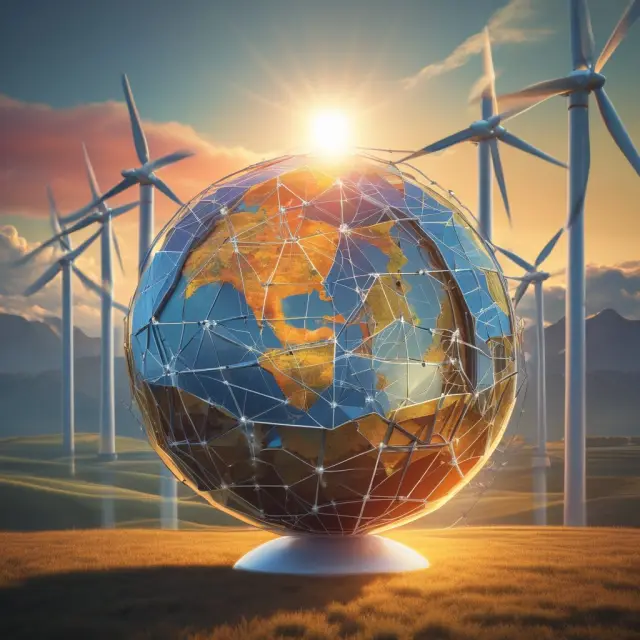
Renewable Energy for a Growing Population
As renewable resources continue to gain popularity due to their potential to replace non-renewable energy sources and reduce greenhouse gas emissions, it is essential to understand both the current state of renewable resources used in energy production and the challenges faced in making them cost-effective and reliable. This section will explore these aspects of renewable resources, as well as international efforts to increase their production.
Renewable Energy Production: A Growing Trend
With a growing human population, it’s no surprise that the demand for energy is also increasing. Renewable resources like solar, wind, water, geothermal energy, and biomass have emerged as viable alternatives to non-renewable energy sources such as coal and fossil fuels. These renewable energy resources can generate virtually unlimited electricity while reducing the strain on finite resources. However, their implementation presents unique challenges.
The Role of Renewable Resources in a Changing Climate Landscape
Renewable energy production has been an essential part of human history for centuries, with examples including the use of windmills and hydropower. While renewable resources were once considered secondary to non-renewable resources, their importance has grown as finite resources become increasingly scarce. In recent years, there have been significant efforts to increase renewable energy production on a large scale.
Challenges Faced in Scaling Up Renewable Energy Production
Despite the benefits of renewable resources, implementing them on a large scale comes with challenges. One major challenge is reliability – solar panels, wind turbines, and other renewable technologies may not always function optimally due to weather conditions or time of day. Additionally, cost-effectiveness is an ongoing issue. Renewable energy production requires significant research and investment to make it economically feasible for widespread use.
International Efforts in Renewable Energy Production
Countries around the world are making strides in renewable energy production as part of international efforts to reduce greenhouse gas emissions and mitigate climate change. One notable agreement is the Paris Climate Accord, which aims to limit global temperature increase to less than 2 degrees Celsius above pre-industrial levels by the year 2100. This agreement requires signatory countries to reduce their greenhouse gas emissions through various means, including increasing renewable energy production and consumption.
Stay tuned for further exploration of specific renewable resources such as solar, wind, water, geothermal energy, and biomass in the following sections of this article.
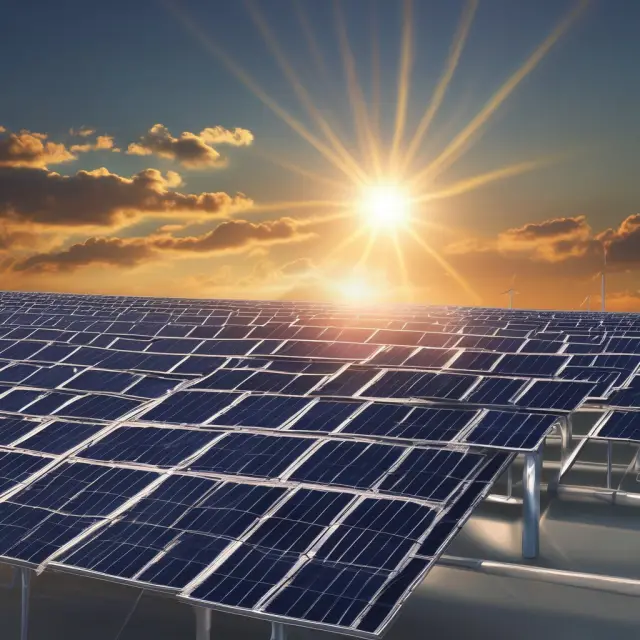
Solar Energy
Understanding Renewable Resources: Solar power is a leading renewable resource in today’s world. Its potential to replace non-renewable resources in energy production and its minimal impact on the environment are significant factors driving the growing interest in solar power. But what exactly is solar power, and how does it work?
Solar Power Explained: Solar power refers to electricity generated from sunlight. It’s a renewable resource because sunlight is virtually unlimited and can be harnessed anywhere there is daylight. Solar energy has the potential to reduce our reliance on fossil fuels, which are non-renewable resources and contribute significantly to greenhouse gas emissions.
Technologies for Converting Sunlight into Energy: Solar power is collected through a variety of technologies, each with its unique advantages and limitations. The most common methods include solar photovoltaic (PV) systems, concentrated solar power (CSP), and passive solar heating.
– Solar Photovoltaic Systems (PV): Solar panels convert sunlight directly into electricity through the photoelectric effect. Solar PV systems use silicon cells to produce an electric current when exposed to light. These cells are connected in series or parallel, forming modules or panels that can generate a significant amount of electricity suitable for powering homes and businesses.
– Concentrated Solar Power (CSP): CSP utilizes mirrors or lenses to concentrate sunlight onto a small area, generating heat. This heated fluid then drives a turbine connected to an electric generator. One popular CSP design is the parabolic trough system, which uses curved mirrors to focus sunlight on a tube filled with a fluid that absorbs heat and transfers it to a secondary fluid for power generation.
– Passive Solar Heating: Passive solar heating systems use insulation and thermal mass to capture, absorb, store, and distribute the sun’s heat energy in a structure, thus reducing the need for fossil fuels or electricity for heating and cooling.
Advantages of Solar Power: The advantages of solar power are numerous, including:
– Renewable and virtually unlimited
– Reduces greenhouse gas emissions and dependence on non-renewable resources
– Distributed generation allows for energy independence at the residential or community level
– Can be integrated with energy storage systems (such as batteries) to ensure continuous power supply
– Has low operating costs once installed
Challenges of Solar Power: Despite its numerous advantages, solar power still faces challenges, including:
– Reliability and inconsistency: The availability of sunlight varies depending on geographic location, weather conditions, and time of day, making it a less reliable energy source than non-renewable resources. Energy storage solutions (such as batteries) can help mitigate this issue to some extent.
– Costs: The initial investment required for solar power systems is high, although costs have been decreasing over the years due to technological advancements and economies of scale.
Governmental and International Efforts: Many governments worldwide invest in researching and implementing renewable energy solutions like solar power. For instance, the Paris Climate Agreement aims to limit global temperature rise to below 2 degrees Celsius through a transition towards renewable energy sources. In the United States, the Biden Administration has set ambitious goals for increasing the share of renewable energy in the country’s electricity production.
In conclusion, solar power is an increasingly popular renewable resource with significant potential for replacing non-renewable resources in energy production. It offers numerous advantages, including its renewability and minimal environmental impact. However, it faces challenges such as inconsistency and high initial costs. Continued research and investment are crucial to address these challenges and fully realize the potential of solar power.
Wind Energy
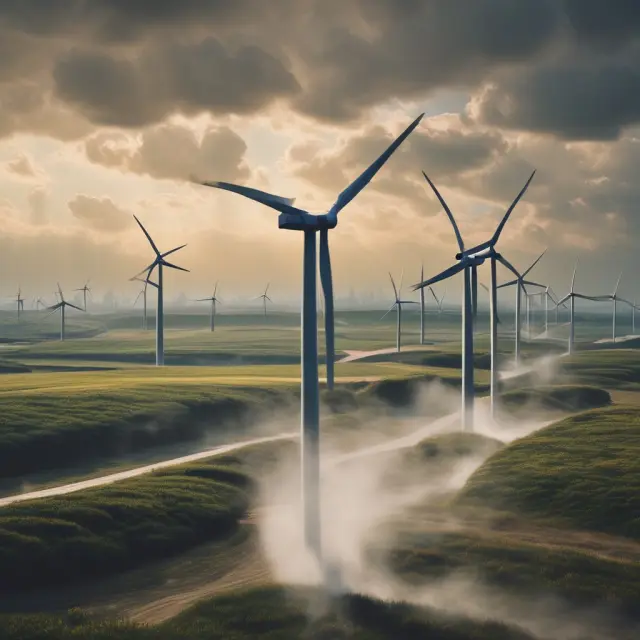
Wind energy is derived from wind, a renewable natural resource with significant potential to replace non-renewable resources for electricity generation. Harnessing this power dates back centuries, as windmills were once used to pump water and grind grain. Today, advances in technology have made wind energy a more efficient and practical source of electricity, providing both environmental and economic benefits.
The process begins when the wind turns turbine blades, which drive a generator to create electricity. Wind turbines are strategically placed in areas with consistent wind patterns and high wind speeds for optimal performance. Generally speaking, wind energy is a clean source of power that generates minimal greenhouse gas emissions during production. Moreover, it does not consume water like hydropower or require the burning of fossil fuels like traditional power plants.
Despite its advantages, wind energy faces challenges in terms of reliability and cost-effectiveness. Wind is an inconsistent resource, as its availability varies depending on weather conditions and geographical location. Therefore, to ensure a constant electricity supply, backup energy sources or energy storage solutions are typically required for wind farms.
Additionally, the initial investment for constructing wind turbines can be high. However, as technology advances and production scales up, costs have been decreasing significantly in recent years. Wind power is now competitive with conventional power sources in many regions, making it an increasingly attractive option for electricity generation.
The world’s largest wind energy producer is China, followed closely by the United States. In 2021, wind turbines produced approximately 9.2% of total U.S. utility-scale electricity generation and 46% of new electric generating capacity.
Technological advancements continue to drive innovation in wind energy production. One promising development is offshore wind farms, which tap into the stronger and more consistent winds found at sea. In Europe, countries such as Denmark and Germany have become leaders in this area, with ambitious plans to expand their offshore wind capacity in the coming years.
In summary, wind energy offers a clean, renewable, and increasingly cost-effective alternative to traditional power sources. With continued technological advancements and investment in infrastructure, it is poised to play an essential role in meeting the world’s growing electricity demands while reducing reliance on non-renewable resources.
Water Energy
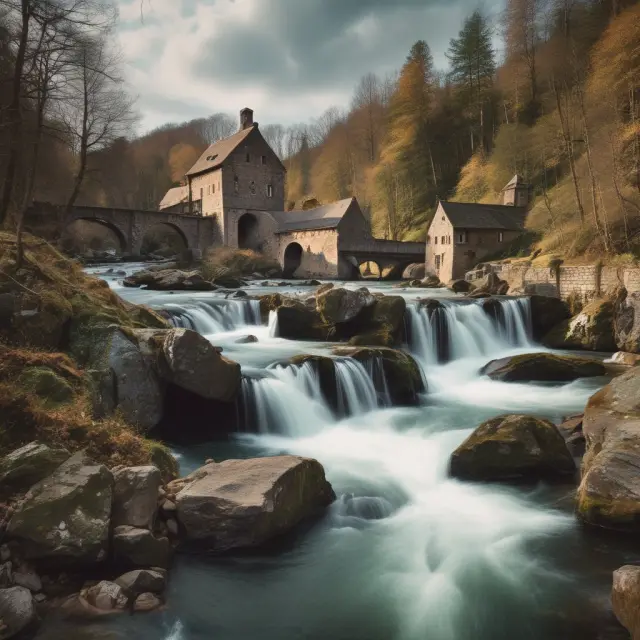
Hydropower, or water energy, has been utilized for various purposes since ancient civilizations. This renewable resource is crucial in today’s world due to its potential to replace non-renewable resources like fossil fuels and contribute to cleaner energy solutions. Harnessing the power of water can be traced back to prehistoric times, where people used it to turn paddle wheels on rivers for milling grain and lumber. This renewable resource has undergone significant advancements since then, allowing us to generate electricity in a more efficient manner.
Understanding Hydropower’s Role
Hydropower is generated by converting the energy of moving water into electrical power through turbines. The potential for hydropower generation depends on available precipitation and water resources. Hydropower has been used extensively in the United States since 1880, accounting for the largest source of renewable electricity generation until 2019 (31.5%). In 2021, hydropower provided approximately 24.3% of total U.S. utility-scale electricity generation.
History and Development
Hydropower played a significant role in the early days of renewable energy production, providing electricity to various industries before being adopted for residential use. The first hydroelectric power plant was built at Appleton, Wisconsin, in 1882. In the United States, the largest hydroelectric project is the Grand Coulee Dam in Washington State, which was completed in 1942 and has a capacity of 6,804 MW.
How Hydropower Works
Water energy is harnessed through hydropower systems that consist of dams, turbines, and generators. Water is stored behind a dam and released to flow through turbines connected to generators, causing them to spin and produce electricity. The efficiency and cost-effectiveness of these systems depend on factors such as water availability, geographic location, and the size and design of the dam.
The Challenges
Despite its advantages, hydropower faces several challenges that can negatively impact its viability as a renewable energy source. These include environmental concerns related to habitat destruction caused by dams, fluctuations in water availability due to droughts or heavy rainfall, and the high capital costs required for building and maintaining hydroelectric facilities.
Future Developments
Research is ongoing to develop alternative methods for harnessing water energy, such as tidal and wave power. These technologies have the potential to provide renewable energy without the negative environmental impact associated with traditional hydropower dams. As technology advances and climate change continues to be a pressing issue, these alternatives are being considered more seriously as viable solutions.
In conclusion, understanding renewable resources like water energy is crucial for addressing the growing demand for cleaner and more sustainable energy sources. By exploring the history, mechanisms, challenges, and potential advancements of hydropower, we can better appreciate its role in providing electricity generation and reducing our reliance on non-renewable resources.
Geothermal Energy
The earth’s heat can be harnessed and utilized to generate power through geothermal energy. This renewable resource has been used for various purposes throughout history, from bathing in hot springs to heating homes with district heating systems. Geothermal energy is produced using power plants located below ground, approximately a mile from the earth’s surface. In seven U.S. states – California, Oregon, Nevada, Idaho, Utah, New Mexico, and Hawaii – geothermal energy plays a crucial role in their electricity generation.
Geothermal power plants use the heat from the earth to create steam, which then drives turbines that generate electricity. The challenge with harnessing this renewable resource lies primarily in its accessibility and inconsistency due to geological conditions. Geothermal energy is unevenly distributed across the world, making it difficult to establish a reliable infrastructure for its production on a large scale.
However, despite these challenges, geothermal energy offers numerous advantages over traditional fossil fuel-based sources of electricity generation. It emits little to no greenhouse gases during operation, making it an environmentally friendly alternative. Additionally, once a geothermal power plant is established, its operational costs are relatively low compared to other renewable resources like wind and solar.
In 2021, geothermal energy provided approximately 16 billion kilowatthours (kWh) of electricity in the U.S., accounting for about 0.4% of total utility-scale electricity generation. Despite being a small contributor to the nation’s overall electricity production, geothermal energy remains an essential source of renewable energy and a critical component of sustainable energy solutions for a growing population.
Geothermal heat pumps are another method of utilizing geothermal energy in buildings for heating and cooling purposes. They transfer thermal energy between the indoor environment and the earth to maintain comfortable temperatures throughout the year. Although their installation costs may be higher than conventional HVAC systems, they offer significant long-term cost savings due to lower operational expenses. Additionally, they provide a sustainable and eco-friendly alternative to traditional heating and cooling methods that rely on fossil fuels.
Geothermal energy has the potential to contribute significantly more to the world’s electricity production as advancements in technology continue to improve its accessibility and efficiency. By focusing on expanding research and development efforts, governments and private organizations can address the challenges of geothermal energy production and unlock its vast potential as a sustainable source of renewable energy for a growing population.
Biomass Energy
Biomass, defined simply, is organic material from plants and animals or their by-products. It can originate from agricultural processes or forestry operations and offers a renewable source of energy. The concept of utilizing biomass as an energy resource dates back to ancient civilizations, with the Romans using wood for heat and light centuries ago. Today, biomass is increasingly being recognized as a viable alternative to non-renewable energy sources.
The process of converting biomass into usable energy is often referred to as “biomass power” or “biopower.” Biomass can be burned directly, producing heat which can then be used to generate steam and electricity through steam turbines. Alternatively, it can undergo various processes like pyrolysis, gasification, or anaerobic digestion to produce biofuels such as ethanol, biodiesel, methane, and hydrogen.
Biomass energy production has several advantages over traditional fossil fuels. It is a renewable resource with virtually no carbon footprint during its combustion process since the CO2 emitted is reabsorbed by new plant growth. Additionally, biomass waste from agriculture and forestry industries can serve as a sustainable alternative to disposing of such waste in landfills.
However, there are challenges associated with increasing biomass energy production on a large scale. The initial costs for constructing power plants and developing the infrastructure to collect, transport, and store the biomass are significant. Furthermore, the reliability of biomass as an energy source can be affected by weather conditions and seasonality. For example, the availability of wood chips or agricultural waste may depend on harvest schedules, making it essential to have a flexible supply chain and storage capabilities.
Despite these challenges, there are several reasons for optimism regarding the future growth of biomass energy production. Governments worldwide are offering incentives to invest in renewable energy sources. In addition, advancements in technology continue to improve the efficiency of converting biomass into bioenergy and reduce its overall costs.
The European Union (EU) is a leading force in promoting the use of biomass for energy production. The EU’s Renewables Directive 2020 sets a target of increasing renewable energy consumption by 32% by 2030 compared to 2005 levels. This goal includes expanding biomass energy usage, particularly from agricultural sources and forest residues.
In the United States, bioenergy produced from biomass has accounted for about 4.7% of total primary energy consumption since 1980, with wood being the largest contributor at 32%. In 2021, approximately 5% of electricity generated in the U.S. came from biomass power plants. The use of bioenergy is expected to continue growing, with the US Energy Information Administration projecting that renewable energy generation will increase by 28% between 2020 and 2030, largely driven by wind, solar, and hydropower, but also biomass.
Biomass energy production is not without its criticisms. Skeptics argue that the land required for growing crops or harvesting wood for bioenergy could be used instead for food production, potentially leading to increased pressure on food prices. Additionally, there are concerns about the carbon footprint associated with producing and transporting biomass for energy generation.
To mitigate these criticisms, sustainable practices in agriculture and forestry can help ensure a balance between food production and biomass energy generation. For example, crops grown specifically for bioenergy can be produced using integrated farming systems, where multiple crops are grown simultaneously to optimize land utilization. In addition, the use of residual agricultural waste and municipal solid waste can reduce pressure on land resources while also reducing greenhouse gas emissions from landfills.
In conclusion, biomass energy offers a promising renewable alternative to traditional fossil fuels. Its widespread adoption would help mitigate climate change, reduce dependency on non-renewable resources, and improve sustainability across various industries. While there are challenges associated with scaling up biomass energy production, the potential benefits far outweigh these hurdles. With continued investment in research, technology, and government incentives, we can pave the way for a more sustainable energy future powered by biomass.
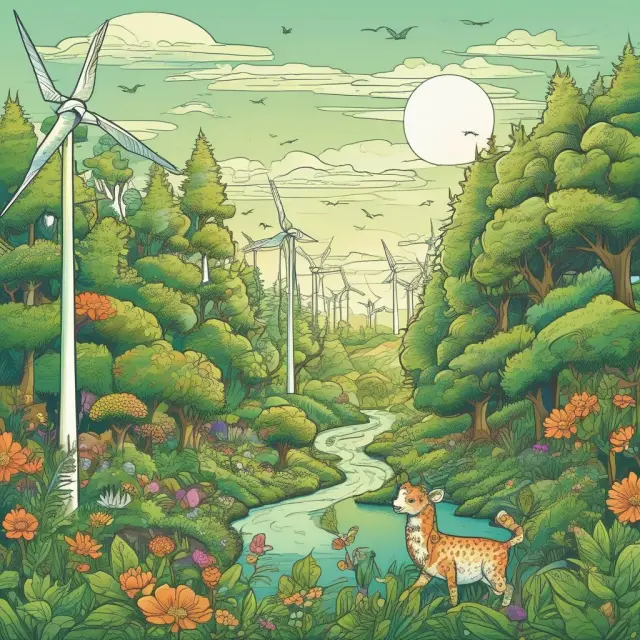
Renewable Resources’ Impact on the Environment
Renewable resources have become an increasingly essential component in powering our world while reducing greenhouse gas emissions and decreasing dependence on non-renewable resources. However, as we expand the use of renewable energy sources like solar, wind, water, geothermal energy, and biomass, it’s crucial to understand their environmental implications.
Firstly, let’s discuss wildlife conservation, a primary concern when developing renewable energy projects. Renewable resources have been found to impact wildlife populations differently compared to non-renewable energy sources. For instance, wind energy facilities may pose threats to birds and bats through collisions with turbine blades, while solar panels can potentially disrupt natural habitats for certain species. On the other hand, hydropower projects often lead to habitat destruction and fragmentation due to reservoir construction, dam building, and alterations to water flow.
Water conservation is another environmental issue that requires careful attention when utilizing renewable resources. Although renewable energy sources like solar and wind do not rely directly on water for operation, hydropower remains a significant contributor to global electricity generation. It is essential to prioritize sustainable water management practices in the construction and operation of hydroelectric power plants, as well as maintaining the overall health and balance of aquatic ecosystems.
Lastly, it’s important to note that while renewable resources offer numerous benefits, they do not come without challenges. For example, the production of certain types of solar panels and wind turbines involves mining rare earth minerals, which can lead to environmental concerns if not managed responsibly. Additionally, the intermittency and inconsistencies in renewable energy sources may necessitate the use of backup power or battery storage systems, which could potentially include non-renewable resources like natural gas.
In conclusion, transitioning to a more sustainable energy future by embracing renewable resources is essential for our planet’s long-term wellbeing. However, it’s crucial that we are aware of the environmental implications and take steps to minimize any potential negative consequences. By focusing on responsible development and conservation practices, we can ensure the continued growth of renewable energy sources while protecting the environment for future generations.
By diving deeper into the topic through various subtopics, providing examples, discussing implications, and using data, this section adds both depth and length to the content, making it an engaging and informative read for our audience.
FAQs about Renewable Energy and Resources
What is a renewable resource?
A renewable resource is a natural resource which can be replenished over time due to its inherent regenerative capacity or through sustainable harvesting practices. These resources include the sun, wind, water, geothermal energy, and biomass.
Why is there an increasing demand for renewable resources?
As the global population grows, the demand for non-renewable resources, such as fossil fuels, increases and becomes more limited. Renewable resources offer a sustainable alternative that can help alleviate this issue while providing cleaner energy solutions.
How does renewable energy compare to non-renewable energy?
Renewable energy is generally considered cleaner than non-renewable sources, like coal or natural gas. Renewable resources are replenished naturally and do not contribute to greenhouse gas emissions during their production. However, renewable energy can face challenges in reliability and cost-effectiveness compared to non-renewable energy.
What percentage of global electricity generation comes from renewable resources?
According to the International Energy Agency (IEA), renewables accounted for approximately 26% of global electricity generation in 2019. The top countries contributing to this are China, the United States, and the European Union.
What are some common renewable energy sources?
Some common renewable energy sources include solar, wind, hydroelectricity, geothermal energy, and biomass energy. Solar energy is derived from sunlight using technologies such as photovoltaic cells or concentrated solar power systems. Wind energy is generated by wind turbines that convert kinetic energy into electricity. Hydroelectricity comes from the movement of water, usually through dams or run-of-river installations. Geothermal energy harnesses heat from the Earth’s core to produce steam and generate electricity. Biomass energy is derived from organic matter such as wood, agricultural waste, and even human waste.
What are some challenges facing renewable energy?
Some of the challenges for renewable energy include cost-effectiveness compared to non-renewable energy sources and intermittency due to factors like weather conditions. Additionally, there can be environmental concerns regarding the impact on wildlife and water conservation.
Are renewable resources sustainable?
Yes, renewable resources are inherently sustainable because they can be replenished naturally or through sustainable harvesting practices. However, it’s important to remember that responsible resource management is crucial to ensure their long-term sustainability and availability.
What countries are leading in renewable energy production?
Some of the top countries in renewable energy production include China, the United States, Germany, India, and Brazil. These countries have made significant investments in renewable energy infrastructure and technology to reduce their reliance on fossil fuels and mitigate greenhouse gas emissions.
Can renewable resources replace non-renewable resources entirely?
While renewable resources are increasingly replacing non-renewable resources in various sectors, it’s unlikely they will replace them entirely due to the unique properties of each energy source. Instead, a diverse energy mix that includes both renewable and non-renewable resources is considered more sustainable and efficient for meeting global energy needs.
 Next entry · No. 4,378A Comprehensive Guide to Understanding and Utilizing Renko Charts for Institutional Investors
See also
-
 No. 2,266
23 Dec 2024
29 min
Understanding Hydrocarbons: Uses, Types, Impacts, and Alternatives
Energy Finance
No. 2,266
23 Dec 2024
29 min
Understanding Hydrocarbons: Uses, Types, Impacts, and Alternatives
Energy Finance -
 No. 5,709
01 Oct 2025
17 min
Understanding Wholesale Energy: A Comprehensive Guide for Institutional Investors
Energy Finance
No. 5,709
01 Oct 2025
17 min
Understanding Wholesale Energy: A Comprehensive Guide for Institutional Investors
Energy Finance -
 No. 3,700
19 Apr 2025
19 min
Understanding the Role and Impact of the Organization of the Petroleum Exporting Countries (OPEC)
Energy Finance
No. 3,700
19 Apr 2025
19 min
Understanding the Role and Impact of the Organization of the Petroleum Exporting Countries (OPEC)
Energy Finance -
 No. 3,549
07 Apr 2025
25 min
Understanding Nonrenewable Resources: Their Significance and Impact on Climate Change
Energy Finance
No. 3,549
07 Apr 2025
25 min
Understanding Nonrenewable Resources: Their Significance and Impact on Climate Change
Energy Finance -
 No. 2,265
23 Dec 2024
19 min
Understanding Hydraulic Fracturing: Process, History, Benefits, and Controversies
Energy Finance
No. 2,265
23 Dec 2024
19 min
Understanding Hydraulic Fracturing: Process, History, Benefits, and Controversies
Energy Finance -
 No. 1,482
22 Sep 2024
19 min
Understanding Feed-In Tariffs (FIT): A Policy Tool to Promote Renewable Energy
Energy Finance
No. 1,482
22 Sep 2024
19 min
Understanding Feed-In Tariffs (FIT): A Policy Tool to Promote Renewable Energy
Energy Finance