Understanding Nonrenewable Resources: Their Significance and Impact on Climate Change

Learn about nonrenewable resources, their environmental impact, and the shift towards renewables for a sustainable future.
Introduction: What are Nonrenewable Resources?
Nonrenewable resources represent a valuable yet finite category of natural resources derived primarily from the Earth. These resources, including crude oil, natural gas, coal, and uranium, take millions to billions of years to form and cannot be replenished as quickly as they are extracted and consumed. In contrast, renewable resources like solar, wind, water, geothermal, and biomass are naturally replenished and considered sustainable alternatives for meeting our energy needs.
Nonrenewable resources play a crucial role in modern society due to their high energy density and the ease of conversion into usable forms, such as electricity or fuel. However, their finite nature poses significant economic, environmental, and geopolitical challenges that have spurred global efforts towards transitioning to more sustainable renewable alternatives.
In this section, we will discuss what nonrenewable resources are, how they are extracted, their advantages and disadvantages as energy sources, the emergence of renewables, and the economic implications of the ongoing shift from nonrenewables to renewables.
Understanding the Nature and Formation of Nonrenewable Resources
Nonrenewable resources come in various forms, primarily fossil fuels like crude oil, natural gas, and coal. Fossil fuels are derived from ancient organic materials that have been buried deep beneath the Earth’s surface for millions to billions of years. As these resources undergo geological processes, they transform into hydrocarbons that can be extracted and processed into energy sources.
Uranium, a non-fossil nonrenewable resource, is also essential in the nuclear power sector, which accounts for around 10% of global electricity generation. Uranium, unlike fossil fuels, does not undergo a transformation during extraction and instead serves as a direct fuel source when processed into nuclear fuel pellets for use in reactors.
The Scarcity and Environmental Impact of Nonrenewable Resources
Despite their abundance, nonrenewable resources are finite. Their extraction and consumption have significant environmental implications, especially with regard to greenhouse gas emissions that contribute to climate change. Burning fossil fuels releases carbon dioxide and other harmful pollutants into the atmosphere, contributing to increased global temperatures, ocean acidification, and air pollution.
Investing in Renewable Energy: The Future of Sustainable Alternatives
As nonrenewable resources become increasingly scarce and their environmental impact becomes more pronounced, many investors are turning their attention towards renewable energy sources as viable alternatives for long-term financial gains. Renewables offer the potential for reduced carbon emissions, improved energy security, and diversified investment opportunities in a growing market.
Stay tuned for the following sections of this comprehensive guide on nonrenewable resources: extracting nonrenewable resources, their usage as energy sources, and the global trends towards renewable energy transition.
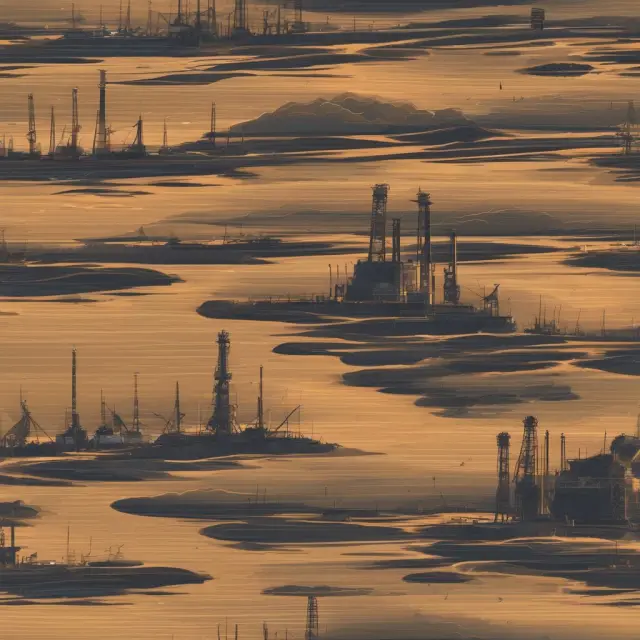
Extracting Nonrenewable Resources: Processes and Challenges
The extraction process for nonrenewable resources can be intricate, and it comes with significant environmental challenges. Crude oil, natural gas, coal, uranium, and other minerals are extracted via various methods depending on their geological location, physical properties, and accessibility. Let’s explore some common methods and the consequences of extracting nonrenewable resources:
1. Oil Extraction
Oil is primarily extracted using one of two processes – drilling or mining (for heavy oil sands). Drilling involves creating a wellbore from which crude oil is pumped to the surface for further processing. Mining, on the other hand, is used to extract heavy oil sands and shale oil. This process removes the entire deposit along with the oil-bearing bitumen or shale, which requires extensive energy consumption and water usage.
2. Natural Gas Extraction
Natural gas is typically extracted using a technique called hydraulic fracturing (fracking), which involves injecting high-pressure water, sand, and chemicals into the ground to create small cracks in shale formations, releasing natural gas trapped within. Fracking can contaminate local water sources and emit methane, a potent greenhouse gas, during extraction and transportation.
3. Coal Extraction
Coal is extracted using various methods such as surface mining or underground mining. Surface mining involves removing the topsoil and overburden above coal seams before extracting the coal itself, while underground mining involves excavating the coal deposits from beneath the ground. Both processes have significant environmental impacts, including deforestation, land degradation, water pollution, and greenhouse gas emissions.
4. Uranium Extraction
Uranium is extracted primarily through open-pit or underground mining. In open-pit mining, large holes are dug to expose the uranium ore, which is then crushed and processed using acid leaching to extract the uranium. Underground mining involves tunneling into the earth to access the uranium deposits, often resulting in significant groundwater contamination due to the acidic nature of uranium mining processes.
In conclusion, while nonrenewable resources play a vital role in our economy and energy production, their extraction comes with considerable environmental consequences. As we transition towards a more sustainable future, it is essential to minimize these impacts by investing in renewable energy sources and adopting greener extraction methods for nonrenewables where possible.
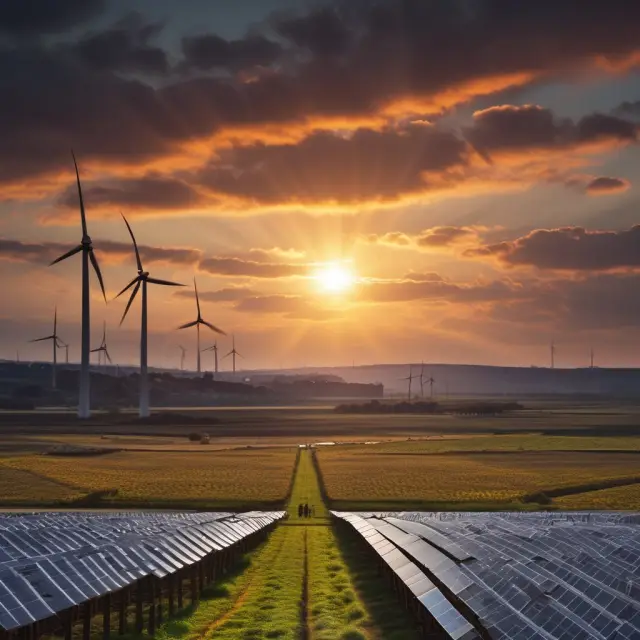
Nonrenewables as Energy Sources: Advantages and Disadvantages
Nonrenewable resources, primarily fossil fuels like crude oil, natural gas, and coal, have been the primary energy sources for centuries due to their affordability, high energy density, and convenience. However, they come with significant disadvantages that impact our economy and the environment, particularly in terms of climate change.
Advantages:
- High Energy Density: Nonrenewable resources provide an enormous amount of energy compared to their mass. For instance, crude oil contains about 5.6 megajoules (MJ) per kilogram while natural gas yields around 34 MJ per cubic meter. Renewable sources like solar and wind have much lower energy densities, making it challenging to store and transport them efficiently.
- Availability and Convenience: Nonrenewables are readily available in many locations and can be extracted using well-established technologies. Their availability is crucial for maintaining energy security and supporting economic growth, especially during the transition to renewable resources.
- Versatility: Fossil fuels have diverse applications beyond electricity generation, such as fueling transportation, industry, and heating homes. It is difficult to replace nonrenewables with renewable sources in all these sectors due to their varying properties and energy densities.
Disadvantages:
- Environmental Impact: The most significant disadvantage of nonrenewable resources is the environmental damage caused by their extraction, transportation, and combustion. For example, oil spills from offshore drilling or coal mining can have devastating effects on marine ecosystems and human health. Fossil fuels are also major contributors to climate change as they emit large amounts of greenhouse gases when burned.
- Depletion: Nonrenewable resources are finite and will eventually be depleted, leading to increased costs and potential energy security issues in the future. The transition to renewable resources is crucial for mitigating these risks and ensuring long-term sustainability.
- Health Concerns: The burning of nonrenewables releases pollutants that can harm human health. Particulate matter from coal combustion can lead to respiratory issues, while nitrogen oxides contribute to smog and acid rain, negatively impacting air quality in urban areas.
- Resource Scarcity: As the world’s population continues to grow and demand for energy increases, the availability of nonrenewable resources becomes a concern. The competition among nations for access to these resources can lead to geopolitical tensions and conflicts.
In conclusion, nonrenewable resources have played a crucial role in powering economies and fueling industrialization. However, their environmental impact and the finite nature of these resources necessitate the transition to renewable energy sources. This shift not only reduces greenhouse gas emissions and minimizes damage to ecosystems but also provides long-term economic benefits.
Section Title: Renewable Resources: The Alternative Energy Solution (Next Section)
Description: Introduction to renewable resources such as solar, wind, water, geothermal, and biomass as sustainable alternatives to nonrenewable resources. Discuss their advantages and current trends in implementation and growth.

Renewable Resources: The Alternative Energy Solution
A renewable resource is a natural substance whose supplies replenish naturally or can be sustained, unlike nonrenewable resources which are finite and cannot easily be replaced. Renewables include resources like solar energy, wind energy, water, geothermal, and biomass. In contrast to nonrenewables, their abundant availability makes them sustainable.
Solar Energy: Solar power is obtained from the sun’s rays which are converted into electricity. It is a clean energy source that does not produce greenhouse gases during its operation. Solar panels can be installed on rooftops or large solar farms to generate electricity for homes and businesses.
Wind Energy: Wind turbines convert wind energy into electricity using turbine blades. The most common types of wind turbines include horizontal axis wind turbines (HAWT) and vertical axis wind turbines (VAWT). Wind farms consist of multiple wind turbines that generate electricity on a large scale.
Water: Hydropower, another form of renewable energy, comes from harnessing the power of falling water through dams or turbines. It is one of the most widely used forms of renewable energy worldwide.
Geothermal Energy: Geothermal energy is derived from heat within the Earth’s core and can be extracted using geothermal power plants. This form of energy is reliable, clean, and sustainable as it does not produce greenhouse gases during operation.
Biomass: Biomass includes organic materials like wood, agricultural waste, and food waste. When these materials are burned, they release carbon dioxide; however, the CO2 absorbed during their growth is equal to or greater than the CO2 released during combustion. This makes biomass a renewable energy source with a net-zero carbon footprint.
Renewables offer several advantages over nonrenewable resources: They are sustainable and abundant, reduce greenhouse gas emissions, and do not contribute to climate change. Furthermore, their usage has environmental benefits, such as reducing air pollution. Additionally, renewable energy sources offer economic opportunities in terms of job creation and business growth.
While renewables have been growing rapidly, nonrenewable resources still dominate the global energy landscape, with fossil fuels accounting for over 80% of total energy consumption worldwide. The shift towards renewable energy is gaining momentum as concerns about climate change and environmental degradation from nonrenewable resources continue to escalate. Governments and private sector entities are investing heavily in renewables, driving down costs and increasing efficiency.
In conclusion, renewable resources are a viable and sustainable alternative to nonrenewable resources for meeting our energy needs. With their abundance, sustainability, and environmental benefits, renewables offer a promising path towards a cleaner, more sustainable future.

The Economic Perspective of Nonrenewables
Nonrenewable resources represent a significant economic force, shaping industries, markets, and economies worldwide. These valuable resources include crude oil, natural gas, coal, uranium, and metals and minerals. Although nonrenewable resources contribute significantly to the economy, their finite nature and environmental impact have spurred an increased focus on renewable alternatives.
Economic Significance of Nonrenewables
Nonrenewable resources represent a substantial economic force due to their role as primary energy sources. The world’s energy demand continues to grow, with nonrenewable resources such as crude oil and natural gas satisfying the majority of this need. In 2021, oil accounted for approximately 33% of the global energy mix, followed by natural gas (25%) and coal (30%).
The economic significance of nonrenewables is evident in their influence on industries, markets, and international trade. The extraction, production, and distribution of these resources create jobs and generate substantial revenue for various economies. For instance, the oil industry employs millions of people globally and has a significant impact on the economies of countries such as Saudi Arabia, Russia, Iraq, and the United States.
Price Fluctuations and Scarcity
As nonrenewable resources are finite, their availability is subject to price fluctuations due to supply and demand dynamics. For example, crude oil prices have experienced significant volatility throughout history, influenced by factors such as geopolitical events, production cuts, and increased demand. The rising trend in oil prices since the late 1990s can be attributed to a combination of increasing global demand, supply constraints, and geopolitical risks.
The finite nature of nonrenewables also raises concerns over their scarcity. Some experts predict that the world’s known reserves of fossil fuels will peak within this century. When these resources are depleted, the world could face a significant challenge in transitioning to alternative energy sources. The economic implications of this shift would be substantial, as many industries rely on nonrenewable resources for their operations.
Environmental Impact and Transition to Renewables
The environmental impact of nonrenewable resources has been a major concern, particularly regarding climate change. The burning of fossil fuels releases large quantities of greenhouse gases, primarily carbon dioxide, which contribute to the warming of the planet. The Paris Agreement, signed by 196 countries in 2015, aims to limit global temperature increase to well below 2 degrees Celsius above pre-industrial levels and pursue efforts to limit the temperature increase to 1.5 degrees Celsius.
The transition to renewable energy sources represents an economic opportunity for both developed and developing countries. Renewable resources such as solar, wind, geothermal, and hydroelectric power offer sustainable alternatives to nonrenewables with minimal environmental impact. Investments in renewables are projected to reach $1 trillion annually by 2030.
Investment Opportunities in the Renewables Sector
Institutional investors have increasingly recognized the potential of the renewable energy sector as a viable investment opportunity. The sector offers various avenues for investment, including infrastructure projects, public and private equity funds, and debt securities. The growth prospects of renewable energy companies are supported by government incentives, favorable regulatory environments, and advancements in technology.
In conclusion, nonrenewable resources have played a significant role in the global economy, but their finite nature and environmental impact necessitate a transition to sustainable alternatives. Renewables represent an economic opportunity for investors seeking long-term growth prospects and a reduction in carbon emissions. The shift towards renewable energy will be an ongoing process that requires collaboration among governments, businesses, and consumers.
Nonrenewable Resources: Extraction, Economic Significance, & Environmental Impact
Nonrenewable resources are natural substances extracted from the Earth that cannot replace themselves at the rate of consumption. This finite nature makes them essential economic drivers for industries, markets, and economies worldwide. Nonrenewables include crude oil, natural gas, coal, uranium, and metals and minerals. While nonrenewable resources contribute significantly to the economy, their finite availability and environmental impact necessitate a shift towards renewable alternatives.
Extraction of Nonrenewable Resources
Nonrenewable resources are extracted from the Earth through various methods such as mining, drilling, or quarrying. The extraction process can be capital-intensive, requiring significant investments in equipment, technology, and infrastructure. This investment creates jobs and generates revenue for economies reliant on nonrenewables.
Economic Significance of Nonrenewable Resources
Nonrenewable resources represent a substantial economic force due to their role as primary energy sources. The world’s energy demand continues to grow, with nonrenewable resources such as crude oil and natural gas satisfying the majority of this need. The fossil fuel industry employs millions of people globally and generates substantial revenue for various economies.
Price Fluctuations and Scarcity
Nonrenewables are finite resources subject to price fluctuations due to supply and demand dynamics. For example, crude oil prices have experienced significant volatility throughout history, influenced by factors such as geopolitical events, production cuts, and increased demand. The rising trend in oil prices since the late 1990s can be attributed to a combination of increasing global demand, supply constraints, and geopolitical risks.
Environmental Impact of Nonrenewable Resources
The environmental impact of nonrenewable resources has been a major concern, particularly regarding climate change. The burning of fossil fuels releases large quantities of greenhouse gases, primarily carbon dioxide, which contribute to the warming of the planet. This environmental impact necessitates a transition towards renewable energy sources to reduce carbon emissions and mitigate climate change risks.
Transition to Renewable Energy and Investment Opportunities
The shift towards renewable energy represents an economic opportunity for both developed and developing countries. Renewable resources such as solar, wind, geothermal, and hydroelectric power offer sustainable alternatives to nonrenewables with minimal environmental impact. Institutional investors have increasingly recognized the potential of the renewable energy sector as a viable investment opportunity. The growth prospects of renewable energy companies are supported by government incentives, favorable regulatory environments, and advancements in technology.
In conclusion, nonrenewable resources represent a significant economic force but necessitate a transition towards renewable alternatives due to their finite nature and environmental impact. Renewables offer sustainable energy sources with minimal environmental impact, presenting an investment opportunity for institutional investors seeking long-term growth prospects and reducing carbon emissions. The shift towards renewable energy will be an ongoing process that requires collaboration among governments, businesses, and consumers.

Nonrenewable Resources vs. Renewable Resources: Comparison
Understanding Nonrenewable and Renewable Resources
Before delving into the comparison between nonrenewable and renewable resources, it’s essential first to grasp what these resources are. Nonrenewable resources, as their name suggests, are those that can’t be replaced naturally at the rate they are being consumed. Examples of nonrenewables include crude oil, natural gas, coal, uranium, and even groundwater in certain cases. Renewable resources, on the other hand, are those whose supplies can replenish themselves naturally or can be sustained. The most common renewable resources include sunlight, wind, water, geothermal heat, and biomass.
Comparing Sustainability and Abundance
Nonrenewables, being finite resources, face a significant challenge in their sustainability. As we use more nonrenewable resources, their availability dwindles. This contrasts with renewable resources, which are abundant and virtually inexhaustible. For instance, the sun provides more energy in one hour than the world uses in an entire year. Similarly, wind is a plentiful resource, with enough wind potential to power the globe multiple times over.
Usage and Environmental Impact
Nonrenewable resources have been the primary sources of energy for centuries, mainly due to their affordability and ease of extraction. However, their consumption comes at a cost – environmental degradation and climate change. Renewables, on the other hand, are generally more environmentally friendly as they do not release greenhouse gases when harnessed effectively.
Comparing Energy Generation from Nonrenewable and Renewable Resources
Nonrenewables contribute significantly to global energy consumption with fossil fuels like coal, oil, and natural gas providing approximately 80% of the world’s energy needs. However, the environmental impact is substantial. Burning these fuels releases greenhouse gases, leading to climate change. Renewable resources are now increasingly being adopted as alternatives due to their sustainability and minimal environmental impact. Solar, wind, hydroelectricity, geothermal, and biomass have shown great potential in meeting energy demands while reducing carbon emissions.
Economic Perspective
From an economic standpoint, nonrenewable resources’ finite nature can lead to increased costs as their availability dwindles. In contrast, renewables offer the advantage of being sustainable and cost-effective in the long term. Investing in renewable energy projects presents an opportunity for businesses and individuals seeking sustainable, low-carbon energy sources with long-term returns.
Transitioning Towards a Renewable Future
As nonrenewable resources become increasingly scarce and expensive, many countries have begun to transition towards renewables as the future of energy production. Government initiatives, technological advancements, and increased public awareness are driving this shift. As costs continue to decrease and environmental concerns grow, renewables will likely become the dominant energy sources in the coming decades.
In conclusion, understanding nonrenewable resources vs. renewable resources is crucial in navigating our changing energy landscape. While nonrenewables have been the backbone of our energy needs for centuries, their finite nature and environmental impact call for a shift towards renewable resources that offer sustainability, abundancy, and minimal environmental impact. The transition to renewable energy sources presents opportunities for investment and long-term gains.

Environmental Impact of Nonrenewable Resources: Climate Change and Beyond
Nonrenewable resources, such as crude oil, natural gas, coal, uranium, and minerals like gold, silver, or iron, are finite substances extracted from the Earth. While these resources are invaluable for economies, they come with significant environmental consequences, most notably contributing to climate change.
Climate Change: A pressing issue
The extraction, production, and consumption of nonrenewable resources, particularly fossil fuels, is a major contributor to global greenhouse gas emissions. The combustion of coal, oil, and natural gas releases large amounts of carbon dioxide (CO2) into the atmosphere. CO2 traps heat in the Earth’s atmosphere, leading to a rise in global temperatures and climate change. Climate change impacts human life through extreme weather events like hurricanes, droughts, and heatwaves, sea-level rise, and food shortages.
Carbon emissions: Major contributors
The energy sector is responsible for about 60% of the world’s greenhouse gas emissions, with coal being the largest contributor (41%) followed by oil (28%) and natural gas (23%). The burning of fossil fuels to generate electricity and power transportation vehicles releases significant amounts of CO2.
Environmental impact beyond climate change
Besides contributing to climate change, the extraction and production of nonrenewable resources have other detrimental impacts on the environment:
- Air pollution: Fossil fuel combustion generates smog and acid rain, which harms human health and ecosystems.
- Water pollution: The mining and processing of mineral resources can lead to contamination of water sources.
- Land degradation: Mining and oil spills cause deforestation, soil erosion, and desertification.
- Health risks: Workers involved in the extraction and production processes face health hazards including respiratory diseases, cancer, and silicosis.
- Waste disposal: The disposal of waste from mining and processing can contaminate water sources and pose long-term environmental and health risks.
Alternatives: Renewable energy sources
Renewable resources like solar, wind, hydroelectricity, geothermal, and biomass offer sustainable alternatives to nonrenewable resources. They do not contribute to climate change and have minimal impact on the environment. The renewable energy sector has seen significant growth in recent years. In 2019, renewables generated more electricity worldwide than coal for the first time.
Investing in renewable energy: Opportunities and Strategies
As the world moves towards a low-carbon economy, investments in renewable energy have become increasingly attractive. Institutional investors can gain exposure to this growing sector by investing in dedicated funds or exchange-traded funds (ETFs) focused on renewables. Some strategies include infrastructure investments in solar farms, wind turbines, and hydroelectric power plants.
Conclusion: Moving towards a sustainable future
As the world’s population continues to grow and energy demands increase, it is crucial that we move towards more sustainable solutions. Renewable resources offer a cleaner, greener alternative to nonrenewable ones. Investing in renewables not only benefits the environment but also presents opportunities for financial growth. By transitioning away from nonrenewable resources and embracing renewables, we can mitigate climate change and secure a sustainable future for generations to come.

Global Trends in Renewable Energy Transition
Nonrenewable resources like crude oil, natural gas, coal, uranium, and other minerals have long been the backbone of the global economy, serving as primary sources of energy for industries, transportation, and power generation. However, as these resources are nonrenewable in nature, their availability is finite, posing significant economic and environmental challenges. The global trend is shifting towards renewable energy sources to address the increasing demand for sustainable alternatives and mitigate climate change impacts.
The International Energy Agency (IEA) reports that renewable energy accounted for approximately 28% of total electricity generation in 2019, with wind, solar, hydro, and bioenergy being the leading contributors. The trend towards renewables is expected to continue due to declining costs, increasing awareness of environmental concerns, and governmental incentives aimed at reducing greenhouse gas emissions.
Investments in renewable energy have been on the rise, with an estimated $329 billion spent globally in 2019 according to BloombergNEF. Solar and wind power are leading this growth, with investments increasing by 14% and 17%, respectively, year over year.
Solar power is becoming increasingly cost-competitive with conventional energy sources, making it an attractive option for countries looking to diversify their energy mix. According to the IEA, solar photovoltaic (PV) costs have dropped by more than 80% since 2009 and are expected to continue decreasing in the coming years.
Wind power is another renewable energy source on the rise, with investments increasing at a compound annual growth rate of 14% from 2015 to 2019, reaching $138 billion. Advances in wind turbine technology and economies of scale have led to lower costs, making wind power a more viable option for energy generation.
Hydroelectricity remains the largest source of renewable electricity globally but is facing challenges due to environmental concerns and competition from other renewable sources. Investments in hydropower grew by just 1% year over year in 2019, while investments in solar and wind power grew by 14% and 17%, respectively.
The economic implications of the shift towards renewable energy are significant, with new opportunities emerging for businesses and investors. According to a report by Goldman Sachs Research, clean energy technologies could account for up to $2 trillion in investments between 2023 and 2040. This presents an opportunity for investors looking to capitalize on the growth of renewables and the transition away from fossil fuels.
Investing in Renewable Energy: Strategies and Opportunities
Institutional investors, including pension funds, sovereign wealth funds, and insurance companies, are increasingly interested in renewable energy as a long-term investment opportunity. The sector offers stable returns, low risk compared to traditional commodities, and the potential for capital appreciation.
There are various ways for institutional investors to invest in renewable energy:
- Direct equity investments: Investing in renewable energy companies that own or operate power generation assets.
- Debt securities: Investing in debt instruments issued by renewable energy companies or project-level financing.
- Infrastructure funds: Investing in specialized infrastructure funds focused on renewable energy and clean technology.
- Green bonds: Investing in green bonds, which are debt securities specifically allocated for environmentally sustainable projects.
- Renewable energy indices: Investing in indices that track the performance of renewable energy companies or renewable energy-focused exchange-traded funds (ETFs).
Conclusion: A Brighter Future with Renewables
The shift towards renewable energy is driven by a combination of economic, environmental, and regulatory factors. While nonrenewable resources continue to play a significant role in the global economy, their finite nature and negative environmental impacts make them an unsustainable long-term solution. Renewable energy, on the other hand, offers a cleaner, more sustainable alternative with increasing cost competitiveness and strong economic growth potential.
Institutional investors looking to capitalize on this trend can consider various investment strategies to gain exposure to renewable energy. The transition towards a low-carbon economy is an opportunity for investors to not only generate attractive returns but also contribute to a more sustainable future.

Investing in Renewable Energy: Opportunities and Strategies
Understanding the Renewable Energy Landscape
The transition from nonrenewable resources towards renewable energy is not a new phenomenon but has gained significant traction over the last decade due to environmental concerns, depletion of fossil fuel reserves, and increasing affordability of renewables. Renewable energy sources like solar, wind, geothermal, hydroelectric, and biomass have emerged as promising alternatives to traditional energy sources, offering various benefits to investors.
Investment Opportunities in Renewable Energy
Institutional investors have a unique opportunity to capitalize on the growing demand for renewable energy. Renewable energy infrastructure projects can provide stable long-term returns due to their long-term nature and predictable cash flows from power purchase agreements (PPAs) and feed-in tariffs. Renewable energy investment opportunities span a wide range, including:
- Project finance
- Equity investments in renewable energy companies
- Green bonds and loans
- Renewable infrastructure funds
- Investing in renewable energy technology and innovation
- Carbon credits and cap-and-trade systems
- Publicly traded exchange-traded funds (ETFs)
- Renewable energy index funds
Strategies for Investing in Renewable Energy
Developing a successful investment strategy requires thorough research, risk analysis, and a clear understanding of the renewable energy market dynamics. Here are some strategies institutional investors may consider:
- Diversification across various renewable energy sources and geographies
- Assessing the financial viability of projects based on location, technology, and regulatory frameworks
- Investing in companies with strong management teams, growth potential, and a proven track record
- Considering the environmental, social, and governance (ESG) implications of investments
- Building partnerships with renewable energy developers, manufacturers, and policymakers
- Monitoring government incentives, subsidies, and regulations that impact renewable energy markets
- Establishing a dedicated renewable energy investment team or partnering with industry experts
- Implementing a long-term investment horizon and risk management framework
Potential Risks in Renewable Energy Investments
Renewable energy investments do come with their own set of risks, including:
- Technological advancements and competition from other renewable sources
- Fluctuations in commodity prices, especially for raw materials used in renewable energy projects
- Political instability or regulatory changes that can impact project financing or returns
- Weather-related risks that might impact the performance of renewable energy systems
- Finding and securing land and permits for large-scale projects
- Long development timelines and high upfront capital costs
- Operational risks, such as maintenance, insurance, and labor disputes
- Inflation risk and currency fluctuations that can impact returns over the long term
- Environmental concerns related to the disposal of renewable energy systems at the end of their useful life.
Conclusion
Renewable energy investments have emerged as an essential component of a well-diversified investment portfolio for institutional investors seeking stable, long-term returns while addressing pressing environmental concerns and contributing to a more sustainable future. A thoughtful approach, including thorough research, risk analysis, and strategic partnerships with industry experts, can help mitigate the challenges associated with renewable energy investments and create significant value for investors.
Investors should also remember that no investment strategy guarantees returns or is without risks, so it’s crucial to consult with financial advisors and conduct extensive research before making any investment decisions. As the world moves towards a low-carbon economy, renewable energy will continue to play an increasingly important role in the global energy landscape.

FAQs on Nonrenewable Resources: Common Questions Answered
Nonrenewable resources, as the name suggests, are natural substances that cannot be replenished at a rate commensurate with their consumption. These include fossil fuels such as crude oil, natural gas, coal, and uranium, among others. Here’s a deeper look into the topic:
**What is the definition of nonrenewable resources?**
Nonrenewable resources are substances that take millions to billions of years to form in the Earth but are extracted and consumed much more rapidly than they can be replenished.
**Why are nonrenewable resources significant?**
Nonrenewable resources hold immense value as energy sources, primarily for electricity generation and transportation fuel. The world is heavily reliant on them, with fossil fuels accounting for approximately 80% of the global energy mix. However, their finite nature raises concerns about sustainability and future availability.
**What are some examples of nonrenewable resources?**
- Crude oil: A fossil fuel derived from ancient organic materials like plankton and algae, used primarily as a transportation fuel in the form of gasoline and diesel.
- Natural gas: Another fossil fuel that comes mostly from methane deposits trapped beneath the Earth’s surface or from coal beds and shale formations. It is primarily used for electricity generation and heating purposes.
- Coal: A nonrenewable resource formed from ancient plant matter that is burned to produce heat and generate electricity.
- Uranium: A naturally occurring radioactive metal used in nuclear power plants as a fuel source for generating electricity through a controlled nuclear reaction.
- Groundwater: Some types of groundwater are considered nonrenewable resources if the aquifer cannot be replenished at the same rate it’s drained.
- Metals and minerals: Nonrenewables when extracted from the earth, but some argue they can be renewable because they can be recycled or replaced through mining new reserves.
**What is the process of extracting nonrenewable resources?**
Extracting nonrenewable resources involves various methods depending on their form and location. Oil and natural gas are often extracted using drilling techniques, while coal is mined from underground mines or open-pit quarries. Uranium can be extracted from mining ores or by in-situ recovery from underground solutions.
**What environmental challenges do nonrenewable resource extraction pose?**
Extracting nonrenewable resources can have significant environmental implications, including habitat destruction, water consumption, and air pollution. For example, oil spills can devastate marine ecosystems while coal mining can cause deforestation and water contamination.
**What are the alternatives to nonrenewable resources?**
Renewable resources like solar, wind, hydroelectric power, geothermal energy, and biomass provide sustainable alternatives for generating electricity without reliance on finite resources. These resources offer cleaner production methods and have the potential to replace traditional nonrenewable resources in various applications over time.
**How does the economy relate to nonrenewable resources?**
Nonrenewable resources hold significant economic value due to their abundance, ease of extraction, and high energy density. As supplies diminish, the cost to extract them may increase, leading consumers to seek alternative energy sources like renewables. However, transitioning away from nonrenewables requires significant investment and time.
**How does the usage of nonrenewable resources contribute to climate change?**
Burning fossil fuels releases greenhouse gases, primarily carbon dioxide, into the atmosphere, leading to rising temperatures and a changing climate. This contributes to various environmental challenges like sea level rise and increased frequency of extreme weather events. The adoption of renewable energy sources is crucial in mitigating these impacts and reducing overall carbon emissions.
**What are some recent trends and initiatives regarding nonrenewables?**
The world is moving towards a more sustainable energy future, with increasing investments in renewable energy and efforts to reduce reliance on nonrenewable resources. The adoption of cleaner alternatives such as electric vehicles and the expansion of renewable energy generation capacity are important steps towards a greener future. Additionally, international agreements like the Paris Agreement aim to limit global warming below 1.5°C, which will require significant reductions in carbon emissions from nonrenewable resources.
**How can investors get involved in renewable energy?**
Investing in renewable energy offers opportunities for individuals and institutions alike to contribute to a more sustainable future while generating returns. Renewable energy investment options include publicly traded stocks, mutual funds, exchange-traded funds (ETFs), private equity, venture capital, and infrastructure projects. Diversified portfolios that include exposure to renewables have shown promising long-term returns, making it an attractive alternative to traditional energy investments.
**How do nonrenewable resources impact future generations?**
The depletion of nonrenewable resources poses significant challenges for future generations, including potential economic instability due to resource scarcity and the environmental consequences of their usage. Investing in renewable energy and promoting sustainable practices today will help ensure a cleaner, more resilient world for future generations.
 Next entry · No. 3,550Understanding Non-Renounceable Rights Issues: An Opportunity for Existing Shareholders or Dilution of Value?
See also
-
 No. 3,662
16 Apr 2025
18 min
Understanding Oil Reserves: Size, Importance, and Components
Energy Finance
No. 3,662
16 Apr 2025
18 min
Understanding Oil Reserves: Size, Importance, and Components
Energy Finance -
 No. 2,266
23 Dec 2024
29 min
Understanding Hydrocarbons: Uses, Types, Impacts, and Alternatives
Energy Finance
No. 2,266
23 Dec 2024
29 min
Understanding Hydrocarbons: Uses, Types, Impacts, and Alternatives
Energy Finance -
 No. 5,799
08 Oct 2025
18 min
The World Economic Outlook (WEO): Understanding the Semiannual Report of Global Macroeconomic Conditions and Prospects
Global Finance
No. 5,799
08 Oct 2025
18 min
The World Economic Outlook (WEO): Understanding the Semiannual Report of Global Macroeconomic Conditions and Prospects
Global Finance -
 No. 5,680
29 Sep 2025
17 min
Understanding Wellbores: A Comprehensive Guide for Institutional Investors
Energy Finance
No. 5,680
29 Sep 2025
17 min
Understanding Wellbores: A Comprehensive Guide for Institutional Investors
Energy Finance -
 No. 5,169
17 Aug 2025
20 min
Understanding Unconventional Oil: From Fracking to Oil Sands
Energy Finance
No. 5,169
17 Aug 2025
20 min
Understanding Unconventional Oil: From Fracking to Oil Sands
Energy Finance -
 No. 4,377
13 Jun 2025
21 min
Renewable Resources: Understanding the Sustainable Energy Solutions for a Growing Population
Energy Finance
No. 4,377
13 Jun 2025
21 min
Renewable Resources: Understanding the Sustainable Energy Solutions for a Growing Population
Energy Finance