Understanding Wellbores: A Comprehensive Guide for Institutional Investors
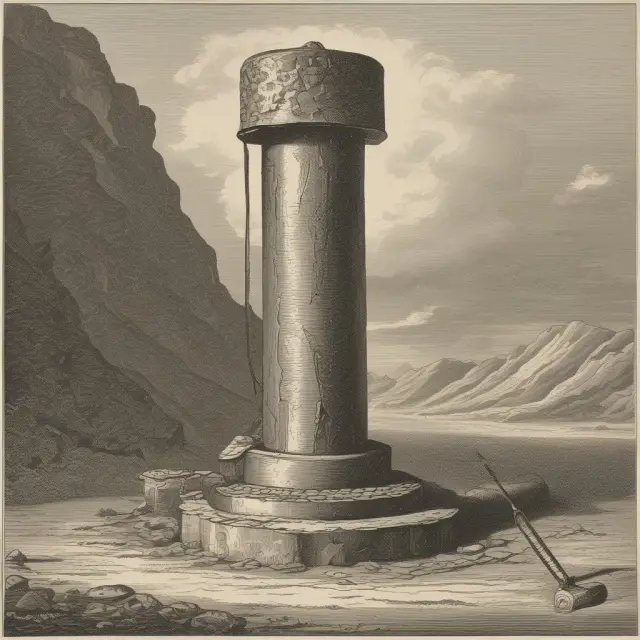
A comprehensive guide for institutional investors, covering the definition, construction, and maintenance of wellbores. Understand their importance and key…
Introduction to Wellbores
A wellbore is a crucial aspect of the oil, gas, or water industry. It refers to the drilled hole that companies use to extract these valuable resources from beneath the Earth’s surface. The importance of wellbores lies in their ability to provide sustained access to subsurface resources. In this section, we will discuss what wellbores are, their significance, and essential takeaways.
Wellbore vs. Borehole: While a wellbore is a type of borehole, the terms are not interchangeable. A borehole can be defined as a narrow hole drilled into the ground to extract resources, measure temperatures, or for various other purposes. Wellbores specifically focus on oil, gas, or water extraction and may be vertical or horizontal.
A wellbore can be uncased or encased in materials such as steel and cement. Casing improves the stability of the wellbore while enhancing operation efficiency and resource recovery. Wellbores are complex to create, requiring specialized expertise and equipment. The drilling process involves drilling a hole into the ground, installing casing, and then extracting resources.
Historical Perspective
The history of wellbores dates back thousands of years. Initially, miners used hand-operated rigs to dig wells. In China during the Qin Dynasty (221–206 BC), drillers achieved depths of 30 meters using a team of men jumping on and off a beam to impact the drilling bit while rotating it. By the 1800s, drillers managed to reach depths of 1,000 meters using buffalo and oxen to turn the boring tool. The method was known as “kicking her down.”
Despite their long history, wellbores continue to evolve with technology, enabling modern extraction methods such as horizontal drilling and hydraulic fracturing to unlock vast reserves of oil and natural gas. This development has revolutionized the industry and made the world less reliant on foreign oil imports.
Key Takeaways
- Wellbores are a type of borehole used for extracting oil, gas, or water resources from beneath the Earth’s surface.
- A wellbore may be uncased or encased in materials such as steel and cement to improve stability and efficiency.
- The historical development of wellbores has led to innovations like horizontal drilling and hydraulic fracturing, transforming the oil and gas industry.

Wellbore Definition and Classification
A wellbore is a type of borehole that plays an essential role in natural resource extraction. The primary distinction between the two lies in their purpose: while a borehole is a narrow hole drilled into the ground for various reasons, a wellbore specifically refers to the hole used for the exploration and recovery of oil, gas, or water.
Boreholes serve diverse purposes, including mineral extraction, environmental assessment, temperature measurement, and more. However, the focus here is on wellbores as they are instrumental in accessing underground resources that can be harnessed to generate energy and provide essential commodities.
Wellbores can be vertical or horizontal and may be either encased or uncased. Vertical wellbores are typically drilled straight down into the ground, while horizontal ones extend outwards from a vertical axis. The choice between the two types depends on the geological conditions, extraction techniques, and targeted resources.
A wellbore is usually made up of several components, including the open hole (or uncased portion) and the casing or liner (which can be cemented in place to seal off unwanted fluids). These components help ensure the well’s stability, improve resource recovery, and prevent contamination.
The process of creating a wellbore involves drilling a hole into the ground using specialized equipment and techniques. This task is complex due to the varying geological conditions encountered during drilling, as well as safety and environmental considerations that must be taken into account.
An essential step in the creation of a wellbore is cleaning it before and after production. Pre-production cleaning removes any debris or drilling mud from the walls, ensuring an unobstructed pathway for resources to travel upwards towards the surface. Post-production cleaning maintains the integrity of the wellbore by keeping it free from unwanted buildup.
The history of wellbores dates back thousands of years. Chinese miners first drilled wells using a team of men jumping on and off a beam, rotating the boring tool with buffalo or oxen. This method was later adopted in California during the 1860s, where it became known as “kicking her down.” The development of more sophisticated technologies led to deeper wellbores and increased efficiency. Today’s drilling rigs employ advanced machinery to create wellbores that can reach depths far beyond what was previously possible.
The diversity in geological conditions and the vast array of resources targeted by wellbores necessitate various techniques, from traditional methods to more advanced technologies, such as directional drilling and hydraulic fracturing. Understanding the principles behind these techniques and their applications can help investors make informed decisions when investing in companies that engage in resource extraction.
In conclusion, a wellbore is an essential component of natural resource extraction. Its definition and classification distinguish it from boreholes used for other purposes, while its unique structure and processes set it apart from typical drilling operations. By understanding the role of wellbores, their creation, and the methods employed in their maintenance, investors can gain valuable insights into the energy sector and the companies operating within it.
Geological Considerations for Wellbores
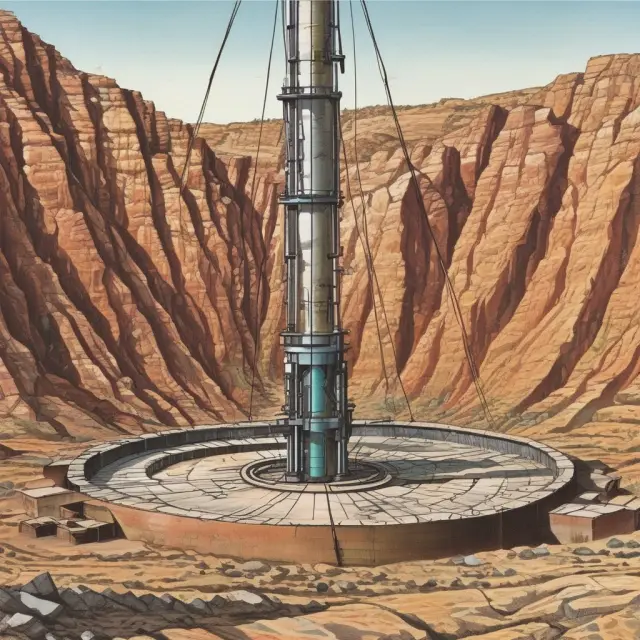
A wellbore is a crucial aspect of resource exploration as it provides a means to extract valuable resources such as oil, gas, or water from the ground. Understanding geological considerations is essential when designing and constructing a wellbore due to its significant influence on drilling operations. The success of a wellbore relies upon several geological factors that impact drilling efficiency, safety, and environmental concerns.
First, geological conditions like rock formations and strata must be considered during the planning phase to ensure the wellbore is adequately designed for the target formation. Geosteering and directional drilling techniques can help drillers navigate through complex subsurface environments to reach their objectives more effectively.
Second, understanding geomechanical properties such as rock strength, fracturing tendencies, and pressure regimes are vital for drilling operations and wellbore stability. These factors influence the selection of drilling techniques and equipment used in constructing a wellbore. For instance, soft rocks require different drill bits and mud systems compared to hard rock formations.
Third, hydrologic conditions, including aquifers and groundwater, are essential considerations for wellbores that involve water or hydrocarbon production. Properly understanding these conditions helps engineers design effective production methods while minimizing environmental risks such as contamination of the surrounding water resources.
Fourth, seismicity and geothermal gradients can impact wellbore planning and drilling operations. Seismic activity can cause damage to drilling equipment or pose safety risks during drilling and production phases. Geothermal gradients affect temperature conditions, which in turn impact drilling efficiency and fluid properties.
Fifth, drillers must consider environmental regulations that govern the construction of a wellbore. Regulations related to air quality, water resources protection, and waste management can significantly influence drilling operations and associated costs. Compliance with these regulations is essential for ensuring social acceptance of drilling activities and maintaining a positive public perception.
Sixth, considering geological uncertainties can help prevent unexpected complications during drilling and production phases. Geophysical surveys, petrophysics, and drill stem tests are examples of tools used to evaluate subsurface conditions for better risk assessment and wellbore planning.
In conclusion, a comprehensive understanding of the geological factors influencing wellbores is vital for designing, constructing, and maintaining efficient, safe, and environmentally friendly operations. Geological considerations such as rock formations, strata, geomechanical properties, hydrologic conditions, seismicity, and environmental regulations have significant impacts on drilling efficiency, safety, and costs. By factoring these elements into wellbore planning, drillers can improve operational performance while minimizing risks associated with resource extraction projects.
Wellbore Construction and Design
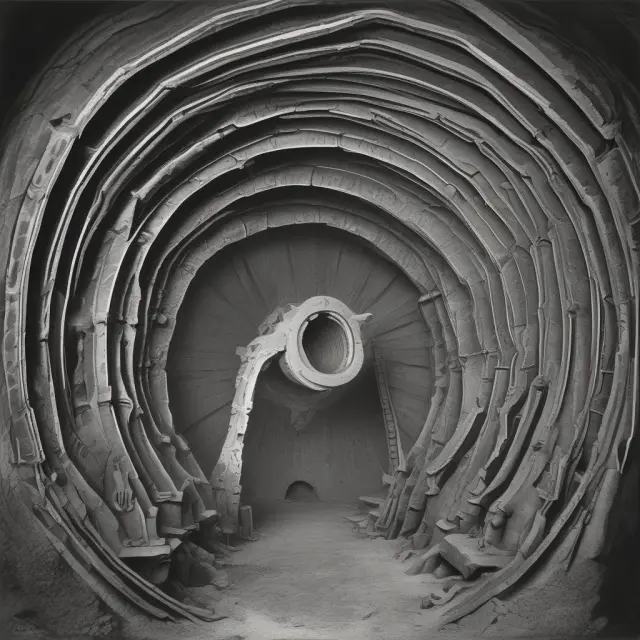
A wellbore is a hole drilled into the ground with the primary objective of extracting natural resources such as oil, gas, or water. Wellbores are critical components in resource extraction processes as they provide access to these valuable resources. In this section, we’ll discuss the process, techniques, and materials used to create a wellbore.
Wellbore Construction Process
Creating a wellbore involves several steps, from drilling the initial hole to installing casing and liners. The first step is drilling an exploratory hole, called a “wildcat well,” to determine if there are any commercial quantities of resources present. If successful, production equipment is installed to extract the resources, and additional measures like casing and liners may be employed for safety reasons.
Wellbore Techniques
The techniques used to create a wellbore depend on factors such as geological conditions and the intended purpose of the well. For example, horizontal drilling allows access to more reserves and reduced environmental impact by reducing the number of wells needed. Hydraulic fracturing (fracking) can be employed to extract resources from difficult rock formations that are otherwise hard to access.
Wellbore Materials
The materials used in constructing a wellbore depend on factors such as depth, temperature, and geological conditions. The most common materials include steel casings and cement liners. Steel casings provide mechanical support for the wellbore, while cement liners ensure that the extracted resources do not mix with groundwater or other aquifers.
Cleaning a Wellbore
The importance of cleaning a wellbore cannot be overstated. Pre-production cleaning removes drilling mud and debris from the wellbore walls to prevent potential safety hazards and improve resource recovery efficiency. Post-production cleaning ensures that the well continues producing at maximum capacity by removing paraffin, asphaltenes, or other deposits that might build up in the wellbore over time.
Historical Perspective on Wellbores
The process of drilling wellbores has a long and rich history, with evidence of ancient Chinese miners creating wells dating back to the Qin Dynasty (221–206 BC). The methods used to create wellbores have evolved significantly over the centuries. In the early days of oil extraction in California, drillers would use a technique called “kicking her down” that involved teams of men jumping on and off a beam to impact the drilling bit while turning it with buffalo or oxen. These methods paved the way for modern-day drilling techniques used today, which include rotary drilling and directional drilling.

Cleaning a Wellbore: Pre- and Post-Production
One critical aspect of maintaining an operational wellbore is ensuring it stays free from debris and impurities. The importance of cleaning a wellbore can be seen in both pre-production and post-production stages. In the pre-production phase, cleaning a wellbore prepares it for the production process by removing any drilling mud or cuttings that remain within the borehole walls. This is essential to ensure optimal performance and recovery efficiency from the reservoir.
Post-production cleaning plays an equally significant role as it helps maintain the integrity of the wellbore and prolong its operational life. Debris buildup, such as paraffin wax or scale deposits, can negatively impact production rates and increase maintenance costs if left unchecked. Cleaning a wellbore post-production is also crucial for enhancing the safety of the operation by reducing potential risks associated with blockages, corrosion, or other contaminants that may have entered the borehole over time.
Methods used to clean wellbores can vary depending on factors such as the well’s depth and fluid composition. Mechanical cleaning techniques employ tools like brushes, scrapers, and jets to remove debris from the walls of the borehole. Alternatively, chemical cleaning methods use solvents or acids to dissolve impurities, which are then removed via production flow or through separate waste lines.
Regular wellbore cleaning ensures that the resources extracted remain economically viable. Neglecting wellbore cleaning can result in decreased productivity and potential environmental issues, as contaminated water from the wellbore can seep into surrounding aquifers if not properly managed. Moreover, it is crucial to note that proper wellbore cleaning practices align with the principles of sustainable drilling and production, which aim to minimize waste, reduce emissions, and increase energy efficiency.
In conclusion, cleaning a wellbore before and after production is an indispensable part of ensuring operational success and long-term sustainability in resource extraction activities. Through various methods and practices, wellbores can be maintained at high performance levels while minimizing risks, optimizing resources, and reducing costs for the benefit of all stakeholders involved.

Historical Perspective on Wellbores and Drilling Techniques
Wellbores have been an integral part of resource exploration since ancient times. These holes, drilled for various purposes such as oil extraction, mineral assessment, or temperature measurement, have undergone significant evolution over the centuries. A wellbore is defined as a hole that is drilled into the ground to extract natural resources like oil and gas. The term wellbore can also be used interchangeably with borehole; however, it often refers to the actual drilled hole along with the casing within.
Historically, wellbores were created using simple tools and manpower—drillers would use a team of men to “kick her down,” jumping on a beam to impact the drilling bit while rotating the boring tool by buffalo or oxen. This method was used as early as the Qin Dynasty in China around 221 BC, where wells reaching depths of 30 meters were achieved. By the 1800s, advancements in drilling technology led to deeper wellbores—those capable of reaching a depth of 1,000 meters.
Throughout history, wellbores have been used for various purposes. For instance, in ancient Rome, they were utilized to extract water and minerals for therapeutic purposes. In the late 1850s, Americans began drilling wellbores to extract oil from California’s Monterey Formation using the “kicking her down” method. Later on, rotary drilling—a more efficient process that utilized a drill bit spinning with a pipe to bore holes—emerged in the early 1900s and became the standard for wellbore construction.
The development of offshore drilling in the late 1890s led to floating units or platforms being used as drilling rigs, supported by the seafloor to create wellbores. With technological advancements throughout history, modern wellbores can reach depths of over 35,000 feet (approximately 10,668 meters) and have revolutionized industries such as oil and gas.
Despite these advancements in drilling techniques, the importance of cleaning a wellbore remains crucial for optimal resource recovery and safety. Wellbores must be cleaned before and after production to ensure that mud or debris does not accumulate, which can lead to increased costs and risks.
Wellbore Casing and Liners
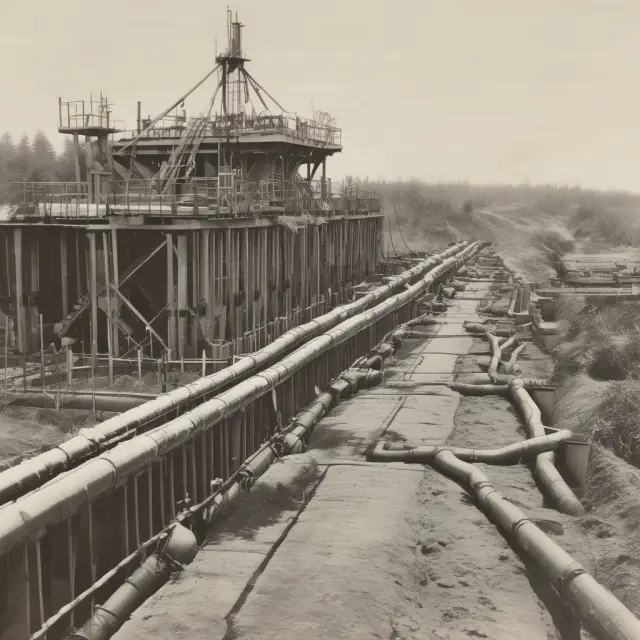
Casing and liners play a crucial role in a wellbore’s construction. These materials improve stability and aid in resource recovery while enhancing the operational efficiency of a well. A wellbore refers to both the drilled hole itself and the steel casing or cement liner that surrounds it. In the early stages of drilling, the wellbore may be open and uncased; however, this is usually not sustainable for long-term operations.
Materials: Casing materials vary depending on the geological conditions, drilling methods, and intended purpose of the well. Commonly used casing materials include steel pipes, which can be threaded or welded together to form a continuous string. Concrete and cement are also used as liners within the wellbore. Liners protect the borehole from corrosion, damage, or environmental hazards.
Purposes: Casing serves multiple purposes, including preventing blowouts during drilling operations, reducing the risk of contamination, and maintaining pressure in the reservoir. Additionally, casing improves the well’s production efficiency by limiting fluid loss and providing structural support for drill strings and other equipment.
Benefits: Properly installed casing and liners increase the longevity of a wellbore, leading to reduced operating costs and an extended production life. Casing also minimizes safety risks during drilling operations by reducing the chance of a blowout or well failure.
Historically, wellbores have been created using various methods and materials. Traditional Chinese miners, for example, used teams of men to jump on and off a beam to impact a boring tool while rotating it with buffalo or oxen. However, the need for advanced casing and liner systems became apparent as drilling technologies evolved. Today’s wellbores employ sophisticated materials and equipment, such as high-strength steel alloys and cementing agents that seal the borehole effectively against environmental hazards.
Understanding the importance of casing and liners in a wellbore’s construction is essential for institutional investors looking to invest in the oil and gas industry. A wellbore’s durability, production efficiency, and operational safety are all influenced by these materials. By ensuring that companies adhere to best practices in casing installation, investors can mitigate risks, maximize returns, and contribute to a sustainable energy future.
Environmental Considerations for Wellbores
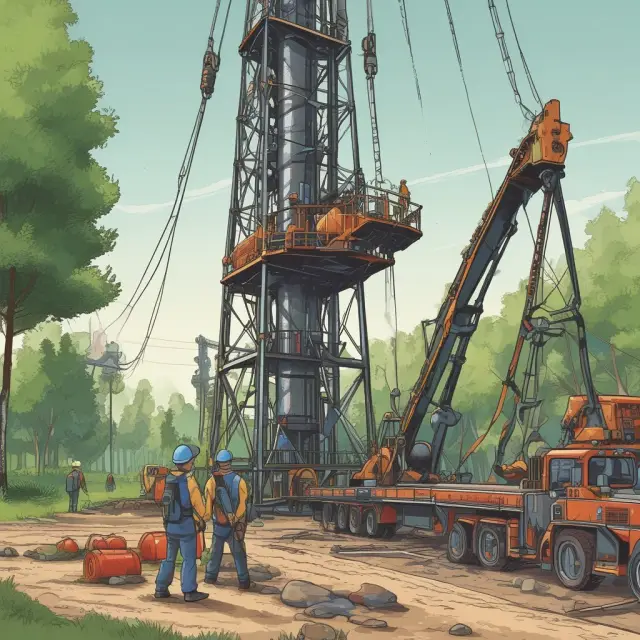
Wellbores are not only instrumental for resource extraction but also raise significant environmental concerns. As a result, governments worldwide have implemented numerous regulations to ensure the proper construction, operation, and decommissioning of wellbores. These considerations include water usage and disposal, air emissions, chemical usage, noise pollution, and seismic activities.
Water Usage and Disposal: The drilling process requires an immense amount of water, which can lead to significant water consumption and wastewater generation. Proper management of produced water is essential for minimizing environmental impacts and potential health hazards. Regulations dictate the safe disposal of fracking flowback water through methods like recycling, reusing, or treated discharge.
Air Emissions: Drilling operations release volatile organic compounds (VOCs) and greenhouse gases (GHGs), contributing to local air pollution. Operators must ensure compliance with regulations limiting emissions from the drill site. Technologies like low-emission drilling methods, flare gas recovery systems, and alternative energy sources can help reduce emissions.
Chemical Usage: The drilling process involves extensive use of chemicals for various purposes like fracturing fluids, drilling muds, and acidizing agents. Proper chemical management is essential to ensure minimal environmental impact. Regulations stipulate proper handling, disposal, and treatment of these chemicals, as well as the monitoring and reporting of their usage.
Noise Pollution: Drilling operations generate substantial noise that can disrupt wildlife habitats and local communities. Operators must comply with regulations governing noise emissions from drilling sites. Technologies like low-noise drilling methods and equipment can help minimize impacts on nearby communities.
Seismic Activities: Seismicity is a concern for wellbore construction due to the potential for induced seismic events. Regulations establish guidelines for minimizing seismic risks during drilling, completion, and production. These guidelines include monitoring the subsurface geology, assessing potential seismic hazards, and implementing mitigation measures if needed.
In conclusion, wellbores are crucial components of resource extraction; however, they also raise various environmental concerns that require proper management to minimize their impact on communities and ecosystems. Regulations enforced by governments worldwide help ensure responsible drilling practices and the protection of human health and the environment.
Wellbore Maintenance and Repair
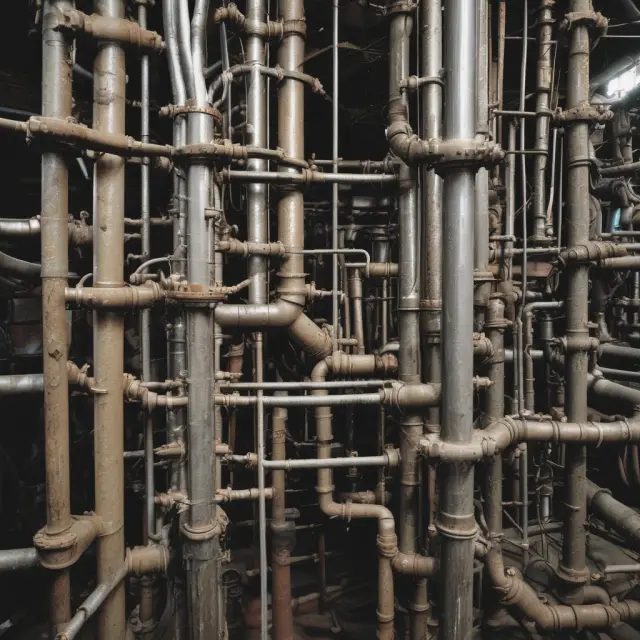
A wellbore is an essential component of resource extraction operations. It serves as a conduit for extracting oil or gas from underground reservoirs. As the primary point of contact between the hydrocarbon reservoir and surface facilities, regular maintenance and repair are necessary to ensure efficient and safe production. In this section, we will discuss common issues faced during wellbore operation and methods used for their resolution.
Wellbore Damage: An Unavoidable Risk
The drilling and completion process can damage a wellbore. Common causes include the use of under-sized casing or liners, improper drilling practices, and geological anomalies. When these damages occur, they can lead to unwanted consequences such as decreased production rates, increased operating costs, and safety risks.
Common Damages
- Tubing failure
- Casing wear
- Scale and paraffin buildup
- Corrosion
- Water influx
Addressing Damages
To mitigate these potential issues, a variety of maintenance strategies are employed by operators to maintain the integrity of their wellbores. These include:
- Regular inspections
- Workover operations
- Interventions
- Chemical treatments
- Cementing
Regular Inspections
Inspection is crucial for early detection and intervention when dealing with potential wellbore issues. Operators can perform visual inspections using wireline or drilling logs, production logging, and pressure tests to assess the condition of their wellbores.
Workover Operations
When damage is detected, a workover operation may be necessary. During a workover, the production casing, tubing, or other components can be retrieved for repair or replacement. This procedure allows operators to address any issues that could negatively impact production rates or threaten safety.
Interventions
Interventions are procedures used to restore functionality to a damaged wellbore. Examples include acidizing, gravel packing, and squeeze cementing. These techniques improve the productivity of the well by enhancing the flow of oil and gas from the reservoir.
Chemical Treatments
Chemical treatments like acidizing or paraffin removal can also be used to mitigate damages. Acidizing involves using an acid mixture to dissolve formation damage, while paraffin removal deals with wax buildup in the wellbore. These treatments help maintain the well’s flow and prevent production decline.
Cementing
Cementing is a process that ensures the wellbore remains stable. Cement is pumped into the annulus to fill any voids between the casing and surrounding formation. It prevents groundwater or reservoir fluids from entering the wellbore while also providing structural support.
In conclusion, regular maintenance and repair are essential components of wellbore management. Damages can lead to decreased production rates, increased operating costs, and safety risks. By employing strategies such as regular inspections, workover operations, interventions, chemical treatments, and cementing, operators can maintain the integrity of their wellbores and maximize their potential for extracting valuable resources.

FAQ: Frequently Asked Questions About Wellbores
Investors interested in the oil and gas industry often encounter the term “wellbore” during their research. In essence, a wellbore is a hole drilled into the ground for various purposes such as extracting natural resources, mineral exploration, environmental assessment, and temperature measurement. For institutional investors, it’s crucial to understand what wellbores are, how they’re constructed, and why they matter in the energy sector. Here, we address some frequently asked questions about wellbores that will help you gain a better understanding of their significance in oil and gas production.
What is a Wellbore?
A wellbore refers to a specific type of borehole that is used for extracting oil or gas from the ground. While the terms “wellbore” and “borehole” can be used interchangeably, a wellbore includes not only the drilled hole but also any casing or lining materials used to reinforce and seal it.
How Is a Wellbore Created?
Creating a wellbore involves several steps, including drilling the initial hole, cleaning the borehole before production, installing necessary equipment such as casing or liners, and producing the oil or gas from the well. The process can be complex, requiring specialized expertise, tools, and techniques to ensure maximum resource extraction efficiency and safety.
Why Is Cleaning a Wellbore Important?
Cleaning a wellbore before and after production is essential for maintaining its integrity and optimizing resource recovery. Drilling mud or debris left in the borehole can increase operating costs, pose safety risks, and negatively impact the environment. Properly cleaning the wellbore ensures the efficient extraction of resources while minimizing these potential issues.
How Long Have People Been Creating Wellbores?
The practice of creating wellbores dates back thousands of years, with evidence of ancient wells dating as far back as the Qin Dynasty in China (221–206 BC). The techniques used to create these early wells varied greatly from those used today. For example, Chinese miners would use teams of men jumping on a beam and rotating a boring tool to drill the wells.
Why Is Understanding Wellbores Important for Institutional Investors?
Institutional investors benefit from understanding wellbores because they play a significant role in the production process for oil and gas companies. By gaining insight into the construction, maintenance, and benefits of wellbores, investors can make more informed decisions regarding their investments in the energy sector. Additionally, being aware of recent advancements and trends related to wellbore technology can help investors identify potential investment opportunities or risks within their portfolios.
In conclusion, a wellbore is a crucial component in the oil and gas industry for resource extraction, and understanding its importance goes beyond just recognizing it as a borehole. This FAQ addresses key aspects of wellbores to help you grasp their significance in the energy sector and make informed decisions as an institutional investor.
 Next entry · No. 5,681Understanding Wellness Programs: Boosting Employee Health and Corporate Bottom Lines
See also
-
 No. 3,972
11 May 2025
21 min
Understanding Petroleum: A Comprehensive Guide for Institutional Investors
Energy Finance
No. 3,972
11 May 2025
21 min
Understanding Petroleum: A Comprehensive Guide for Institutional Investors
Energy Finance -
 No. 3,657
16 Apr 2025
20 min
Understanding Oil Fields: Discovering and Maximizing the Value of Fossil Fuels
Energy Finance
No. 3,657
16 Apr 2025
20 min
Understanding Oil Fields: Discovering and Maximizing the Value of Fossil Fuels
Energy Finance -
 No. 5,169
17 Aug 2025
20 min
Understanding Unconventional Oil: From Fracking to Oil Sands
Energy Finance
No. 5,169
17 Aug 2025
20 min
Understanding Unconventional Oil: From Fracking to Oil Sands
Energy Finance -
 No. 3,789
27 Apr 2025
20 min
Organic Reserve Replacement: Understanding the Importance of Organic Reserves for Oil and Gas Companies
Energy Finance
No. 3,789
27 Apr 2025
20 min
Organic Reserve Replacement: Understanding the Importance of Organic Reserves for Oil and Gas Companies
Energy Finance -
 No. 3,662
16 Apr 2025
18 min
Understanding Oil Reserves: Size, Importance, and Components
Energy Finance
No. 3,662
16 Apr 2025
18 min
Understanding Oil Reserves: Size, Importance, and Components
Energy Finance -
 No. 3,658
16 Apr 2025
19 min
Understanding Oil Initially in Place (OIIP): An Essential Concept for Institutional Investors
Energy Finance
No. 3,658
16 Apr 2025
19 min
Understanding Oil Initially in Place (OIIP): An Essential Concept for Institutional Investors
Energy Finance