The Chicago Mercantile Exchange (CME): History, Functioning, and Significance in the Global Financial Market
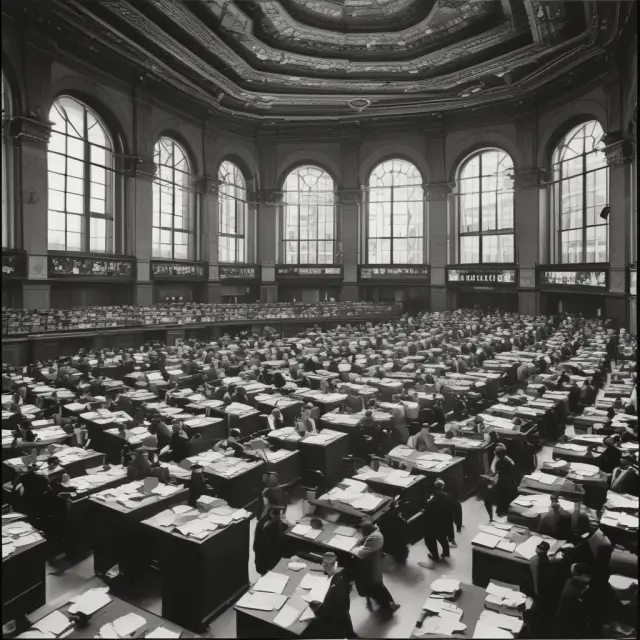
Discover the rich history of the Chicago Mercantile Exchange (CME), from its origins as a butter and egg market to a leading global financial exchange.
Brief Overview of the Chicago Mercantile Exchange (CME)
The Chicago Mercantile Exchange (CME), widely known as the “Merc,” is a globally recognized financial institution with an impressive history dating back to 1898. Founded as the ‘Chicago Butter and Egg Board,’ CME initially focused on trading agricultural commodities such as wheat, corn, and livestock. As the world evolved, so did the CME. In the late 20th century, it expanded its offerings to include financial futures, setting the stage for transformative growth.
Anchored in Chicago, Illinois, the CME has witnessed several significant milestones throughout its history. It was the first exchange to demutualize and become a publicly-traded, shareholder-owned corporation back in 2000. In 1865, it introduced futures contracts for the first time. A decade later, in 1961, the CME launched its first futures contracts based on frozen pork bellies, setting the stage for trading other commodities and financial instruments.
The most significant transformation came in 2007 when the Chicago Mercantile Exchange merged with the Chicago Board of Trade to create CME Group. Today, this mega-exchange operates various exchanges worldwide, offering futures and options contracts in diverse sectors like agriculture, energy, stock indices, foreign exchange, interest rates, metals, real estate, and weather derivatives.
In addition to being an influential player in the financial sector, CME also plays a vital role in risk management for businesses and investors alike. By offering a regulated platform for trading futures and options contracts, it enables participants to hedge risks, manage volatility, and secure prices critical to their business activities or investment strategies.
CME’s clearing services further enhance its value proposition by ensuring counterparty risk is minimized and trades are settled smoothly and efficiently. The Chicago Mercantile Exchange also sets industry standards in regulatory compliance, ensuring transparency, fairness, and market integrity for all stakeholders.
As a key player in the financial markets, CME has continued to innovate over the years by introducing new products and services tailored to meet the evolving needs of its global clientele. One notable example is Bitcoin futures, launched in late 2017, which opened up new opportunities for investors seeking exposure to the digital asset class.
The Chicago Mercantile Exchange’s market influence extends beyond its trading platform with subsidiaries like CME Clearing, a leading central counterparty clearing provider, and ownership of financial indexes such as Dow Jones indices, enhancing its position in the broader financial ecosystem. With an annual volume of 3 billion contracts worth approximately $1 quadrillion, CME remains a crucial component of the global financial landscape.

From Butter and Eggs to Futures: The Early Years of the CME
The Chicago Mercantile Exchange (CME), initially known as the Chicago Butter and Egg Board, traces its roots back to 1898. Established in a modest leather-covered table in the then-new Merchandise Mart, it began as an informal forum for farmers to meet and trade contracts on agricultural commodities like butter, eggs, wheat, and corn.
In its early years, the exchange’s trading was primarily focused on cash settlements and relied upon the honor system with no centralized clearinghouse or regulatory oversight. The board continued this tradition until 1919 when it changed its name to the Chicago Mercantile Exchange. This marked the beginning of a new era for the organization as it began to expand beyond agricultural commodities and focus more on futures trading.
The first futures contracts were introduced in 1961 for frozen pork bellies, marking a significant milestone in the exchange’s history. However, the real transformation came in the late 1960s with the introduction of financial futures and currency contracts. This expansion allowed CME to cater to an increasingly diverse range of clients, including commercial enterprises, hedge funds, and speculators.
It was during this period that the exchange began to attract global attention as a leading platform for trading financial instruments. By 1972, CME had introduced interest rate, bond, and futures contracts, further solidifying its reputation as a major player in the derivatives market.
Over time, the Chicago Mercantile Exchange continued to grow both organically and through mergers and acquisitions. In 2007, it merged with the Chicago Board of Trade (CBOT) to form CME Group – one of the world’s largest financial exchange operators. This merger brought together complementary product offerings and geographical reach, allowing the organization to cater to a broader client base and further strengthen its position in the industry.
As CME expanded, it continued to innovate and introduce new products and markets. In 2017, the exchange began trading in Bitcoin futures, making it the only regulated market for this emerging asset class. More recently, it has focused on developing unique offerings like weather derivatives that cater to niche demand and differentiate it from competitors.
Despite its evolution, the Chicago Mercantile Exchange remains committed to its core mission of providing a regulated, transparent, and efficient platform for risk management through futures contracts and settlement services. With CME Clearing acting as a central counterparty clearing provider, the exchange continues to offer unparalleled value to its clients in managing price risk and maintaining liquidity in diverse markets.
By embracing change and continuously adapting to market demands, the Chicago Mercantile Exchange has become an indispensable part of the global financial landscape. Its rich history, innovative spirit, and unwavering commitment to customer service make it a trusted partner for businesses and investors around the world.

Expansion and Diversification: The Addition of Financial Futures
In the 1970s, the Chicago Mercantile Exchange (CME) underwent a significant transformation, moving from its agricultural roots to become a leading global financial exchange. This shift began with the introduction of financial futures contracts.
Prior to this period, CME’s primary focus was on agricultural products like wheat and corn. However, the rise of new technologies and increasing globalization necessitated a change in direction for the Exchange. In 1972, the CME introduced the first interest rate, bond, and futures contracts – marking its first steps into the financial sector.
The addition of financial futures contracts transformed the CME from an agricultural-focused exchange to a globally recognized financial powerhouse. It was during this time that the Exchange saw the rapid growth of innovative products such as Treasury bonds, Eurodollars, and currency futures. This expansion allowed CME to tap into the needs of institutional investors and commercial entities seeking risk management solutions.
The introduction of financial futures contracts enabled sellers of underlying assets to lock in prices for their securities at a future date. Meanwhile, buyers could hedge against potential price fluctuations or speculate on market movements. This new product offering proved attractive, attracting both large institutional investors and individual traders. The success of financial futures contracts paved the way for CME’s further growth and diversification into other sectors such as energy, real estate, and metals.
The addition of these financial instruments to the Chicago Mercantile Exchange opened up new markets and opportunities, making it a significant player in the global financial markets. Today, the CME is known not only for its agricultural roots but also for its role in managing risk through futures contracts and settlement services. The Exchange’s comprehensive offering continues to evolve with the introduction of new products such as Bitcoin futures and weather derivatives.
In conclusion, the expansion of the Chicago Mercantile Exchange into financial futures during the 1970s was a turning point for the organization. This transformation allowed CME to cater to a broader range of clients and markets, cementing its position as one of the world’s leading financial exchanges.

Mergers, Acquisitions, and Expansion: The Creation of CME Group
After its early success with agricultural products, the Chicago Mercantile Exchange (CME) continued to expand its offerings in the 1970s by introducing financial futures. This move proved to be a game-changer for the exchange, as it attracted a new clientele of institutional investors and financial institutions seeking to manage risks associated with interest rates, currencies, and commodities. In turn, CME transformed itself into a leading global financial exchange operator.
The Chicago Mercantile Exchange’s growth did not stop there. In 2007, the CME underwent a significant expansion by merging with the Chicago Board of Trade (CBOT), another influential futures exchange based in Chicago. This merger created CME Group, which is now one of the world’s largest financial exchange operators.
Apart from the merger with CBOT, CME made several strategic acquisitions to further diversify its offerings and reach new markets. One such acquisition was NYMEX Holdings, Inc., the parent company of the New York Mercantile Exchange (NYMEX) and Commodity Exchange, Inc (COMEX), which CME purchased in 2008. This move enabled CME to gain a strong presence in energy markets, specifically crude oil and natural gas futures.
In 2010, CME further expanded by purchasing a 90% interest in the Dow Jones stock and financial indexes. With this acquisition, CME added popular benchmark indexes like the Dow Jones Industrial Average (DJIA), S&P 500 Index, and Nasdaq Composite to its offerings.
Another significant expansion came in 2012 when CME purchased a 98% stake in the Kansas City Board of Trade, making it the dominant player in hard red winter wheat and corn markets. The CME’s acquisitions continued with the purchase of the New York Cotton Exchange (NYCE) and its associated brands in 2013.
In late 2017, the Chicago Mercantile Exchange made headlines when it began trading in Bitcoin futures, marking a significant milestone for the digital currency market. By offering Bitcoin futures, CME provided a regulated, transparent, and efficient trading platform for investors to hedge or speculate on the cryptocurrency’s price movements.
CME Group now operates multiple exchanges worldwide, including the Chicago Mercantile Exchange, CBOT, NYMEX, COMEX, and Kansas City Board of Trade. Additionally, it provides a wide range of services such as CME Clearing, which serves as a central counterparty to facilitate trade transactions and manage risk. The consolidated financials of these entities contribute significantly to CME Group’s impressive $4.7 billion in total revenues and $2.6 billion net income in 2021.

Role and Functioning of CME in Risk Management
The Chicago Mercantile Exchange (CME) plays an essential role in managing risks for various entities within the financial markets by offering a regulated forum for buying and selling futures contracts and settlement services through its platform. This section will discuss how CME facilitates risk management, the significance of its clearing service, and the advantages it offers to commercial entities and speculators alike.
CME as a Risk Management Tool: Managing Uncertainties for Businesses and Consumers
Futures contracts provide valuable tools for managing uncertainties in various industries and sectors by enabling sellers and buyers to lock in prices at predetermined future dates. This certainty allows businesses to protect themselves against price volatility, mitigate their risks, and maintain a stable financial position.
For example, farmers can benefit from selling futures contracts to secure prices for their crops before harvesting; this ensures a steady revenue stream, regardless of fluctuations in market prices. Meanwhile, consumers or buyers can purchase futures contracts to secure the price of essential raw materials needed for production or manufacturing processes, preventing any potential increases in costs that may negatively impact their profitability.
Speculation vs. Hedging: The Role of Speculators in Managing Risks
While commercial entities use futures contracts primarily as a hedging tool, speculators assume the risk that commercials hedge by buying or selling futures with the expectation of profiting from price changes. By taking the opposite side of trades made by commercial entities, speculators add liquidity to markets and help maintain an efficient pricing mechanism for underlying commodities.
CME Clearing: Central Counterparty Risk Management
To ensure a smooth and secure trading environment, CME operates its clearinghouse, CME Clearing, as a central counterparty in futures trades. By acting as the buyer to every seller and the seller to every buyer in each trade, CME Clearing assumes the risk of default by offsetting each party’s position. This eliminates the need for both parties to maintain a margin account with one another, thereby reducing counterparty risk.
CME’s Regulated Environment: Enhancing Trust and Confidence in Risk Management
Regulatory oversight is essential in maintaining trust and confidence within the financial markets. The Chicago Mercantile Exchange operates under strict regulations from various government agencies and self-regulatory bodies to ensure a fair, transparent, and efficient trading environment. Regulations cover areas such as market surveillance for fraudulent activities, supervision of clearing processes, and reporting requirements. This regulatory environment provides essential safeguards that enable businesses, commercial entities, and individual investors to engage in futures trading with confidence.
In conclusion, the Chicago Mercantile Exchange serves a vital role in managing risks by providing a centralized forum for buying and selling futures contracts and offering critical settlement services. The importance of CME extends beyond its historical origins as an agricultural exchange; it now operates as a leading global financial marketplace with diverse offerings, including futures on Bitcoin and weather derivatives. As such, the Chicago Mercantile Exchange plays a crucial role in enabling risk management for commercial entities, speculators, and investors alike.
Regulation, Compliance, and Oversight
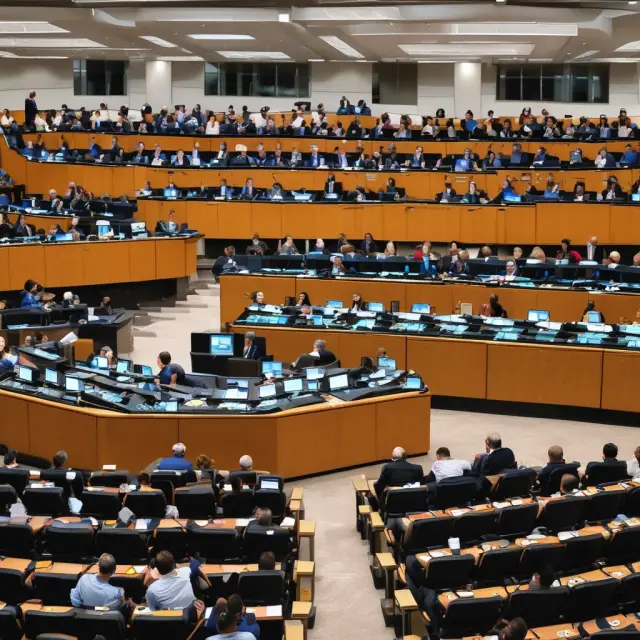
The Chicago Mercantile Exchange (CME) operates under stringent regulatory oversight to ensure fairness, transparency, and integrity in its financial transactions. Its regulation covers various aspects from the exchange’s trading practices, market operations, and governance. This section provides an overview of the CME’s regulatory environment and its relationships with key government agencies and self-regulatory bodies.
The Commodity Futures Trading Commission (CFTC), established in 1974, is the primary regulator for commodities, futures, and options markets in the United States. CME Group falls under CFTC’s jurisdiction as it deals with various derivatives contracts, including commodity and financial instruments. The CFTC’s role encompasses overseeing market participants (brokers, merchants), ensuring fair trade practices, monitoring risks, and investigating manipulation or abusive trading activities.
Additionally, the CME Group is a member of several self-regulatory organizations, such as the National Futures Association (NFA) and the Securities and Exchange Commission (SEC). The NFA’s responsibilities include examining members’ business practices for compliance with rules and regulations, providing educational programs, and operating a dispute resolution process. The SEC, on the other hand, oversees securities markets, enforces securities laws, and registers securities, including exchange-traded funds (ETFs) that track futures contracts on the CME.
In terms of risk management, the CME’s clearinghouse, CME Clearing, plays a significant role in ensuring counterparty risk is minimized through various methods, such as margin requirements and daily marking to market. The clearinghouse also acts as the central counterparty for all futures and options transactions executed on the exchange, providing a level of assurance that all trades will be settled as agreed upon between parties.
In conclusion, the CME’s regulatory environment is robust, ensuring fairness, transparency, and integrity in its financial transactions. Its relationship with key government agencies and self-regulatory bodies enables it to maintain trust among market participants while complying with necessary regulations. The implementation of rigorous risk management practices, such as those employed by CME Clearing, further bolsters investor confidence.

CME vs. Chicago Board of Trade: Key Differences and Similarities
The Chicago Mercantile Exchange (CME) and the Chicago Board of Trade (CBOT) are two prominent financial exchanges with a rich history in the heart of America’s financial hub – Chicago, Illinois. Both CME and CBOT are renowned for their roles in shaping the futures and options markets. Although they share some similarities, there are essential differences between these two financial powerhouses.
Origins
The origins of CME date back to 1898 when it was established as the Chicago Butter and Egg Board, focusing primarily on agricultural products like butter, eggs, and livestock futures. The name changed in 1919 and transitioned into a modern exchange for various futures contracts. In contrast, CBOT can trace its roots back to 1848 when it was founded as the “The Board of Trade for the City of Chicago.” Initially dealing with agricultural commodities like wheat, corn, and soybeans, it later expanded its offerings into financial products such as gold, silver, U.S. Treasury bonds, and energy futures.
Markets Offered
While both exchanges initially focused on agricultural commodities, they have since diversified their product lines significantly. Today, CME is renowned for offering a wide array of contracts in agriculture, energy, stock indices, foreign exchange, interest rates, metals, real estate, and even weather derivatives. CBOT follows closely behind, with its offerings spanning agricultural products, financial futures, and various indices such as the S&P 500 and Dow Jones Industrial Average.
Structure and Operations
One of the most notable differences between CME and CBOT lies in their trading mechanisms. The Chicago Mercantile Exchange operates primarily as an electronic exchange, offering both open outcry and electronic trading methods. In contrast, the Chicago Board of Trade has almost entirely transitioned to a fully electronic platform for executing trades.
Historical Merger
In 2006, CME Group merged with the Chicago Board of Trade in a strategic move aimed at expanding its product offerings and strengthening its position within the global financial market. The merger created a formidable force in the industry, combining the strengths of both organizations to offer an extensive range of futures and options contracts across various asset classes.
In conclusion, while CME and CBOT share some similarities due to their origins and focus on futures markets, the differences between the two exchanges are significant. These include their respective histories, product lines, trading mechanisms, and the merger that brought them together under one roof as part of the CME Group. Understanding these nuances enables investors and traders to make informed decisions when navigating the complex world of financial markets.
Unique Aspects: Trading Weather Derivatives at CME
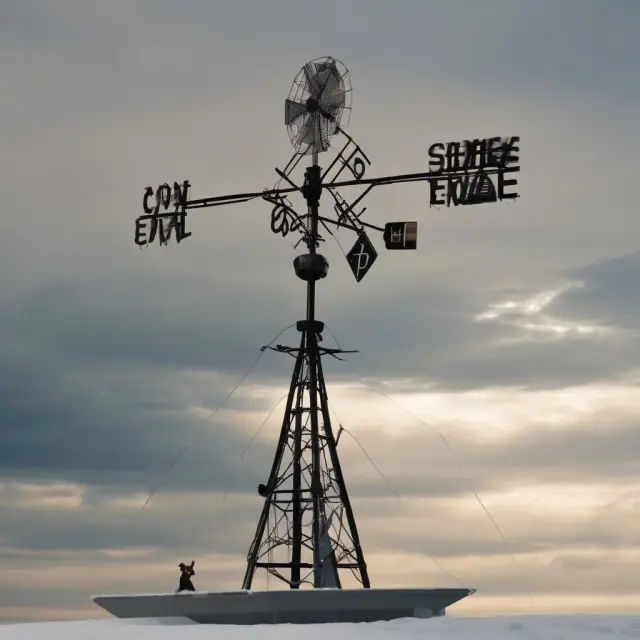
The Chicago Mercantile Exchange (CME) is known for offering various types of futures and options contracts. However, one of the most unique offerings at the exchange is trading weather derivatives. The ability to bet on weather patterns has provided a significant advantage to risk managers and investors alike. In this section, we’ll dive into what weather derivatives are, how they work, their importance within CME’s ecosystem, and potential risks and opportunities for traders.
Weather Derivatives: An Overview
A weather derivative is a type of financial derivative contract that pays out based on the occurrence or non-occurrence of specified meteorological conditions. These contracts are designed to help manage the risks associated with weather events, which can significantly impact various industries such as agriculture, energy, insurance, and construction. The most common types of weather derivatives include temperature index options, rainfall indices, wind speed indices, and hurricane contracts.
How Weather Derivatives Work at CME?
Trading weather derivatives on the Chicago Mercantile Exchange is done through exchange-traded futures and options contracts. The contracts are settled daily based on calculated index values that represent the average temperature or precipitation in a given region over a specific period, typically a month. Participants can take long or short positions depending on their beliefs about the future weather conditions and potential impacts on their industries.
Importance of Weather Derivatives at CME
Weather derivatives have become increasingly important for risk management as climate patterns continue to shift and extreme weather events become more frequent. The Chicago Mercantile Exchange offers a regulated and centralized platform for participants to hedge their risks, providing greater transparency and liquidity. The ability to trade weather derivatives directly on the exchange has significantly reduced counterparty risk and made it easier for market participants to manage their exposure.
Risks and Opportunities for Traders in Weather Derivatives at CME
While trading weather derivatives can offer significant opportunities, it also comes with inherent risks. For instance, there is a possibility of large price movements due to unexpected weather patterns or news events that might impact the market sentiment. Additionally, the payout structure of weather derivatives can be complex and requires a deep understanding of meteorological data and the underlying industry implications.
To mitigate these risks and capitalize on opportunities, traders should maintain up-to-date knowledge of historical weather patterns, current forecasts, and market sentiment. They should also consider employing various hedging strategies and monitoring key market indicators to effectively manage their positions.
In conclusion, the Chicago Mercantile Exchange’s offering of weather derivatives is a unique aspect that sets it apart from other exchanges. With increasingly frequent extreme weather events and their potential impacts on industries, trading weather derivatives has become an essential tool for risk managers and investors alike. By understanding the basics of weather derivatives, their importance within CME’s ecosystem, and potential risks and opportunities, participants can make informed decisions in this exciting market.

Financial Performance of Chicago Mercantile Exchange
The Chicago Mercantile Exchange (CME) has grown to become one of the largest financial exchange operators globally since its humble beginnings in 1898 as the Chicago Butter and Egg Board. This section delves into the financial performance of CME, including revenues, net income, assets, liabilities, and employee statistics, while also highlighting how these figures have evolved over time.
According to its 2021 Annual Report, CME Group reported a net income of $2.6 billion with total revenues of $4.7 billion. This growth is an impressive improvement from the $1.3 billion net income and $3.5 billion in total revenues reported in their 2016 annual report. The financial performance of CME can be attributed to its strategic acquisitions, including NYMEX Holdings, Inc., and the Dow Jones stock and financial indexes, as well as the introduction of new products such as Bitcoin futures.
As of March 2022, CME reported almost $206 billion in total assets and just over $178 billion in liabilities. This represents a significant increase from the $95.4 billion in total assets and $83.9 billion in total liabilities reported at the end of 2016. The growth can be attributed to both organic expansion and acquisitions.
Employee-wise, CME Group had 3,480 employees as of March 2022, up from 2,750 in 2016. This increase is mainly due to the integration of the companies acquired during that period. The workforce growth also reflects the exchange’s ongoing efforts to provide exceptional service and products to its clients worldwide.
Through the first quarter of 2022, CME had generated $711 million in net income, representing a substantial increase from the $459 million in net income recorded during the same period in 2021. The growth can be attributed to a stronger trading environment and continued success of its products.
In summary, the Chicago Mercantile Exchange’s financial performance has seen significant growth over the past decade, which can be linked to strategic acquisitions, new product offerings, and a robust trading environment.

FAQs
What is the Chicago Mercantile Exchange (CME)?
The Chicago Mercantile Exchange (CME) is a leading global exchange for futures and options trading, founded in 1898 as the Chicago Butter and Egg Board. The CME provides a regulated forum to manage risks through futures contracts and settlement services. It offers markets in various sectors, including agriculture, energy, stock indices, foreign exchange, interest rates, metals, real estate, and weather derivatives.
What products does the CME offer for trading?
The CME provides a wide range of products for trading, such as futures and options in agriculture, energy, stock indices, foreign exchange, interest rates, metals, real estate, and even weather. Unique to the CME is its weather derivatives market.
What is CME’s history?
CME began life as the Chicago Butter and Egg Board in 1898 before changing its name to the Chicago Mercantile Exchange in 1919. The exchange launched its first futures contracts in 1961, introduced financial futures in the 1970s, and merged with the Chicago Board of Trade in 2007 to create CME Group.
How did CME evolve over time?
CME’s expansion includes the addition of financial futures in the 1970s, mergers with the Chicago Board of Trade in 2007 and NYMEX Holdings, Inc. in 2008, and acquisitions of Dow Jones stock and financial indexes in 2010 and the Kansas City Board of Trade in 2012. The CME began trading Bitcoin futures in late 2017.
What is CME’s significance in risk management?
CME offers a regulated venue for managing risks through futures contracts and settlement services. Its clearing division, CME Clearing, plays a critical role in providing central counterparty clearing to ensure market integrity. The exchange is also the only regulated market for trading Bitcoin futures.
Who regulates the Chicago Mercantile Exchange?
The Commodity Futures Trading Commission (CFTC) oversees the regulation of commodities and derivatives contracts in the United States, including the Chicago Mercantile Exchange. The CFTC is responsible for overseeing brokers, merchants, conducting risk surveillance, and investigating market manipulation and other abusive trade practices. It also regulates trading in virtual assets like Bitcoin.
How does the Chicago Mercantile Exchange (CME) compare to the Chicago Board of Trade (CBOT)?
While both exchanges are based in Chicago and offer futures and options, they have distinct histories and markets. The CME originally focused on agricultural products before expanding to financial markets, while the CBOT primarily dealt with agricultural commodities but later added financial derivatives. They merged in 2006 to form CME Group.
How big is the Chicago Mercantile Exchange (CME)?
As of March 2022, the CME reported almost $206 billion of total assets and just over $178 billion of liabilities. The exchange employs approximately 3,480 people and operates in more than 15 countries. In the first quarter of 2022, CME generated a net income of $711 million with total revenues of $4.7 billion.
Why is the Chicago Mercantile Exchange (CME) important?
The Chicago Mercantile Exchange is vital to America’s financial infrastructure as it is a major trading hub for various commodities, precious metals, foreign currencies, treasury bonds, cryptocurrencies, and derivatives. It provides a regulated forum for managing risks and offers settlement services that help create a smooth and transparent marketplace.
 Next entry · No. 693Understanding the Capital Market Line: Maximizing Risk-Adjusted Returns
See also
-
 No. 2,304
26 Dec 2024
18 min
Understanding the International Monetary Market (IMM) of CME: History, Functioning, and Importance
Finance Policy
No. 2,304
26 Dec 2024
18 min
Understanding the International Monetary Market (IMM) of CME: History, Functioning, and Importance
Finance Policy -
 No. 1,278
22 Aug 2024
16 min
Understanding Euro Medium Term Notes (EMTNs) – A Flexible Source of Debt Financing for Global Markets
Business Finance
No. 1,278
22 Aug 2024
16 min
Understanding Euro Medium Term Notes (EMTNs) – A Flexible Source of Debt Financing for Global Markets
Business Finance -
 No. 823
14 Jun 2024
17 min
Understanding Credit-Linked Notes: A Comprehensive Guide for Institutional Investors
Corporate Finance
No. 823
14 Jun 2024
17 min
Understanding Credit-Linked Notes: A Comprehensive Guide for Institutional Investors
Corporate Finance -
 No. 652
15 May 2024
24 min
Understanding Collateralized Debt Obligations (CDOs): Benefits, Risks and the Role in the Subprime Mortgage Crisis
Corporate Finance
No. 652
15 May 2024
24 min
Understanding Collateralized Debt Obligations (CDOs): Benefits, Risks and the Role in the Subprime Mortgage Crisis
Corporate Finance -
 No. 604
04 May 2024
18 min
Understanding the Capital Adequacy Ratio: Calculation, Importance and Limitations
Finance Policy
No. 604
04 May 2024
18 min
Understanding the Capital Adequacy Ratio: Calculation, Importance and Limitations
Finance Policy -
 No. 584
01 May 2024
20 min
Understanding Buy to Open Orders: A Comprehensive Guide for Professional and Institutional Investors
Investments
No. 584
01 May 2024
20 min
Understanding Buy to Open Orders: A Comprehensive Guide for Professional and Institutional Investors
Investments