Understanding the New York Mercantile Exchange (NYMEX): A Comprehensive Guide for Institutional Investors
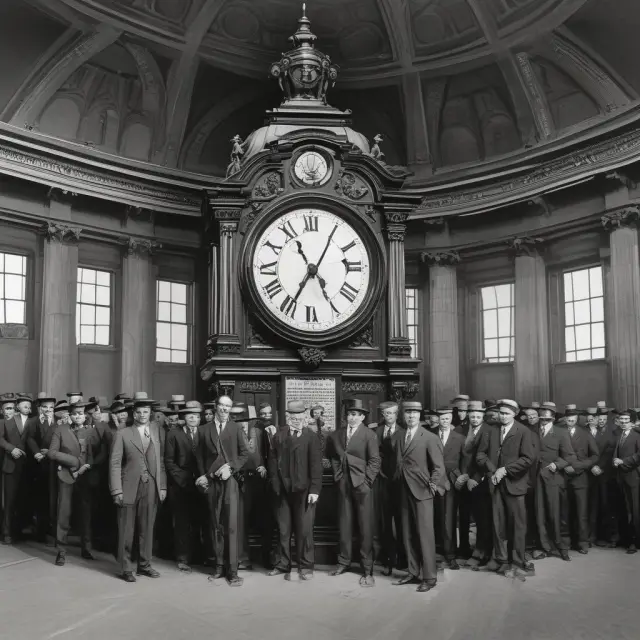
Explore NYMEX: Learn about its history, role in commodity trading, regulated products, transition to electronic trading, and advantages for institutional…
Brief History of NYMEX
The New York Mercantile Exchange (NYMEX) has a rich history that dates back to its origins as the Butter and Cheese Exchange of New York, established in 1872 by dairy merchants seeking a platform to trade their products. Throughout its long-standing existence, NYMEX evolved significantly and underwent several acquisitions that shaped it into the major commodity trading exchange we know today, now part of the Chicago Mercantile Exchange Group (CME).
Starting with its humble beginnings in 1872, the exchange focused on dairy commodities. However, it expanded its offerings over the years to include other agricultural products, metals, and eventually energy contracts. NYMEX’s transformation continued when it merged with COMEX in 1994, becoming one of the largest physical commodity exchanges at that time.
In 2008, the global financial crisis put significant pressure on NYMEX to commercially survive independently. As a result, it joined forces with the CME Group from Chicago to ensure long-term sustainability. The acquisition brought a valuable selection of energy products, metal contracts, and agricultural contracts to CME Group’s repertoire.
Although its origins can be traced back almost two centuries ago, NYMEX has adapted to modern trading requirements over time. It was once an open-outcry market with trading pits where traders met to haggle and agree on market prices. Today, however, the exchange has largely transitioned to electronic systems to meet investor preferences for fast order executions.
NYMEX’s significance in commodity trading stems from its role as a tool for managing risk through hedging positions and gauging futures prices. The exchange is regulated by the Commodity Futures Trading Commission (CFTC) and has daily exchange volume of approximately 30 million contracts, with NYMEX contributing about 10% to that total due to the physical commodities it trades.
Understanding the historical context and evolution of the New York Mercantile Exchange provides valuable insight into its importance within the trading and hedging worlds. Stay tuned for our subsequent sections, where we delve deeper into NYMEX’s role in commodity trading, the various products traded on the exchange, its transition to electronic trading systems, and more.

NYMEX’s Role in Commodity Trading
The New York Mercantile Exchange (NYMEX) has played a pivotal role in commodity trading since its earliest days. Initially established as the Butter and Cheese Exchange of New York in 1872, this exchange evolved significantly throughout history. It is currently part of the Chicago Mercantile Exchange Group (CME Group), which is renowned for being the world’s leading and most diverse derivatives marketplace.
The Role of NYMEX in Hedging Risk
NYMEX has grown to become essential for institutional investors, commodity producers, consumers, and traders seeking to manage price risks associated with their inventory positions or future cash flows. The exchange’s futures contracts help participants protect against potential losses caused by price fluctuations, allowing them to focus on their core businesses rather than worrying about market volatility.
The Wide Range of Commodities Traded on NYMEX
NYMEX offers a comprehensive range of futures and options on various energy, precious metals, agricultural, and other commodities. These instruments cater to speculators looking for profitable trading opportunities and to companies wanting to hedge against price risks in their respective industries. Some popular examples include:
1. Energy Commodities: Natural gas, crude oil, heating oil, and gasoline futures are commonly traded on the exchange. They provide price visibility to energy producers and consumers and help manage market risk for both groups.
2. Precious Metals: Gold, silver, platinum, and palladium futures enable investors to capitalize on price movements or hedge against inflation. Their popularity arises from their role as safe-haven assets during economic uncertainty.
3. Agricultural Commodities: NYMEX offers a wide range of agricultural commodities like corn, soybeans, wheat, sugar, cotton, and others. These contracts help farmers, food processors, and merchants manage price risks and maintain stable cash flows for their businesses.
Understanding the Transition to Electronic Trading Systems
NYMEX’s transition from open-outcry trading pits to electronic systems started in 2006 when it introduced Globex, a computerized electronic trading platform. While some argue that this shift reduced transparency and increased speed, others maintain that the system offers numerous advantages:
- Faster Execution Speeds
- Lower Transaction Costs
- Access to Global Markets
- Enhanced Liquidity
- Improved Market Efficiency
Regulation of NYMEX
The Commodity Futures Trading Commission (CFTC) regulates all trading activities on the New York Mercantile Exchange to ensure fairness, transparency, and integrity in the markets. The CFTC enforces rules that promote competitive and efficient commodity markets while protecting investors from manipulation, fraudulent practices, and abusive trading tactics.
Conclusion: NYMEX’s Significance in Today’s Financial Markets
In conclusion, the New York Mercantile Exchange plays a crucial role in commodity trading, providing essential risk management tools for various industries. Its extensive range of commodities, commitment to innovation, and robust regulatory framework make it an attractive choice for institutional investors seeking to protect against price volatility and capitalize on market opportunities.

Products Traded on NYMEX
The New York Mercantile Exchange (NYMEX) is renowned for its extensive range of products in the commodity market. Its diverse offerings include energy, precious metals, agricultural commodities, and various other goods. Since 1872, the exchange has undergone significant evolution to become a vital component of the Chicago Mercantile Exchange Group (CME Group).
Origins
The New York Mercantile Exchange traces its roots back to 1872 when a group of dairy merchants founded the Butter and Cheese Exchange of New York. This exchange was eventually renamed as the New York Cotton Exchange in 1933, and in 1953 it adopted its current name – NYMEX. The exchange underwent substantial growth throughout its history, merging with COMEX in 1994 to become the largest physical commodity exchange at that time. However, by 2008, NYMEX encountered financial challenges and was acquired by the Chicago Mercantile Exchange Group. This merger brought an impressive selection of energy products, metal contracts, and agricultural contracts to CME.
Role in Commodity Trading
NYMEX holds immense significance in commodity trading and risk management. The exchange’s futures and options on various metals, energy, and agricultural commodities serve as essential tools for companies, farmers, and other industries seeking to manage risks. Furthermore, these instruments are used by speculators to gauge futures prices and create protective positions (hedges), making NYMEX an indispensable part of the trading world.
Commodities Traded on NYMEX
Energy
NYMEX is famous for its energy products, including crude oil, natural gas, and Brent crude oil. Energy futures are essential for both commodity producers and consumers, enabling them to hedge against price volatility. By trading on NYMEX, investors can gain exposure to the prices of major global energy sources, making it a popular choice among those seeking to invest in or gain an understanding of the energy sector.
Precious Metals
NYMEX offers futures contracts for precious metals like gold, silver, and platinum, enabling traders and investors to hedge against inflation and economic uncertainty. Precious metals are often seen as safe-haven assets due to their historical value during periods of financial instability. Trading on NYMEX allows participants to benefit from price movements in these valuable commodities.
Agricultural Commodities
NYMEX features a diverse range of agricultural products, including wheat, corn, soybeans, and sugar. These contracts allow farmers, food processors, and other agricultural industry players to manage their risks by hedging against potential market volatility. Additionally, investors can gain exposure to these essential commodities and potentially profit from price movements.
Other Commodities
Besides energy, precious metals, and agricultural commodities, NYMEX offers futures and options on other goods such as coffee, cotton, and livestock. This diverse range of products allows participants to gain exposure to various sectors and industries, enabling them to manage risk and potentially benefit from price movements in these essential commodities.
NYMEX’s Transition to Electronic Trading
The decline of open-outcry trading pits and the rise of electronic systems have significantly impacted NYMEX. While the exchange was once characterized by traders meeting to haggle and agree on market prices, it has increasingly introduced electronic trading platforms since 2006. This shift towards electronics is a response to cost benefits and investor preferences for fast order execution. Today, despite the United States’ continued use of open-outcry exchanges, most other major markets have already converted to electronic networks.
Regulation and Supervision of NYMEX
Government bodies play a crucial role in regulating and enforcing fair trading practices on NYMEX. The Commodity Futures Trading Commission (CFTC), an independent agency of the United States government, is responsible for promoting competitive and efficient futures markets while protecting investors from manipulation, abusive trade practices, and fraud.
Advantages and Disadvantages of Trading on NYMEX
Institutional investors considering trading on NYMEX must weigh its advantages and disadvantages. The exchange’s extensive range of commodities, including energy, precious metals, agricultural products, and other goods, provides diverse investment opportunities. Additionally, futures and options contracts enable hedging against market volatility and potential price movements, offering effective risk management strategies.
However, trading on NYMEX may also present challenges for institutional investors. The exchange’s open-outcry system is increasingly being replaced by electronic platforms, which might require a learning curve for those accustomed to traditional trading methods. Furthermore, the regulatory environment and potential costs of entering the market could be deterrents for some institutional investors.
To Get Started with Trading on NYMEX
Institutional investors interested in trading on NYMEX must first prepare by opening an account, conducting thorough research, and understanding risk management strategies. The following steps can help get started:
1. Open a CME Group account
The first step to accessing NYMEX is to open a CME Group account. This process typically requires providing personal information and completing the necessary paperwork to comply with regulatory requirements.
2. Familiarize yourself with the platform
Once an account has been established, it’s important for institutional investors to familiarize themselves with the NYMEX trading platform. Learning how to navigate the exchange, place orders, and manage positions is essential before making any trades.
3. Utilize research tools and resources
CME Group offers a variety of research tools and resources to help institutional investors make informed decisions. These include historical price data, market news, and real-time market data.
4. Understand risk management strategies
Understanding risk management strategies such as hedging and diversification is crucial for mitigating potential losses when trading on NYMEX. Institutions should consider their investment objectives, risk tolerance, and overall portfolio strategy before making any trades.
5. Stay informed about regulations and market conditions
Regulations and market conditions can significantly impact trading on NYMEX. Institutional investors must stay abreast of these factors to make well-informed decisions and navigate the exchange effectively.
FAQ
What is the New York Mercantile Exchange (NYMEX)?
Answer: The New York Mercantile Exchange is a commodity futures exchange that is part of the Chicago Mercantile Exchange Group. It offers a diverse range of products, including energy, precious metals, and agricultural commodities.
What types of commodities are traded on NYMEX?
Answer: Energy, precious metals, agricultural commodities, and other goods such as coffee, cotton, and livestock are traded on NYMEX.
How does NYMEX benefit investors?
Answer: Institutional investors can benefit from trading on NYMEX by gaining exposure to a diverse range of commodities, managing risk through hedging strategies, and potentially profiting from price movements in essential goods.
What is the difference between CME and CBOT?
Answer: While both CME and CBOT deal with commodity futures and offer energy, metals, and agricultural products, they have distinct differences in rules, regulations, trading systems, and offerings.
Why does NYMEX matter to financial markets?
Answer: The New York Mercantile Exchange plays a vital role in financial markets by providing essential commodity futures and options contracts that help companies, farmers, and investors manage risks and gain exposure to various sectors and industries.

NYMEX’s Transition to Electronic Trading
In 2006, NYMEX began the transition from its iconic trading pits to electronic trading systems, following a global trend towards faster order execution and cost benefits. The decline of open-outcry trading was inevitable as technology advanced, but the shift impacted the New York Mercantile Exchange significantly.
The evolution of NYMEX from a traditional open-outcry exchange to an electronic platform was a gradual process that began in 2006. The first step towards this transition occurred when the Chicago Climate Exchange (CCX), the world’s first and North America’s largest voluntary, legally binding greenhouse gas emission reduction marketplace, merged with NYMEX on March 13, 2006. Although CCX was an electronic exchange, the merger did not directly affect NYMEX’s open-outcry trading pits at that time.
In January 2008, CME Group, then known as the Chicago Mercantile Exchange, acquired NYMEX for $9 billion, integrating its energy, precious metals, agricultural contracts, and other commodities into CME’s existing offerings. The acquisition also brought about a significant expansion of trading platforms to include NYMEX’s electronic system, GLOBEX. By the end of 2008, open-outcry trading on the New York Mercantile Exchange ceased completely.
The significance of this transition extends beyond cost savings and faster execution; it has also altered the trading landscape by making access to markets more accessible to a larger audience. As a result, the electronic platform allows more investors to engage in commodity trading with ease, contributing to increased liquidity and price transparency. Moreover, the shift to electronic trading has enabled CME Group to offer derivatives on a wider range of global benchmarks, making it an even more valuable resource for managing risk in various markets.
Comparatively, it is worth noting that while NYMEX made the switch to an electronic platform completely, its counterparts like CBOT and CME still maintain open-outcry trading pits for some commodities. However, as technology continues to progress and market participants increasingly value speed and cost savings, these exchanges are expected to follow suit and transition to more electronic systems in the future.

Regulation and Supervision of NYMEX
The New York Mercantile Exchange (NYMEX), now a part of the Chicago Mercantile Exchange (CME) Group since 2008, plays an essential role in the global financial markets as it provides a platform for trading futures and options contracts on various commodities. In order to maintain fairness and trustworthiness within this dynamic marketplace, several regulatory bodies are responsible for supervising and regulating NYMEX transactions.
Origins of Regulation
Historically, the New York Mercantile Exchange (NYMEX) was founded in 1872 as the Butter and Cheese Exchange of New York, focusing on dairy products. As commodities trading evolved over the years, so did regulatory frameworks to ensure market integrity and investor protection. In 1936, the Commodity Exchange Act (CEA) was enacted by the US Congress, establishing the Commodity Exchange Authority (CEA), which later became the Commodity Futures Trading Commission (CFTC) in 1974.
The Role of CFTC
As mentioned earlier, the CME Group, including NYMEX, is a significant player in global financial markets. In this context, CFTC assumes a pivotal role as an independent US government agency responsible for overseeing and regulating derivatives markets, including futures contracts traded on NYMEX. The commission’s primary objectives include promoting competitive and efficient futures markets and protecting investors from manipulation, fraudulent trading practices, and other abuses.
Regulatory Functions
CFTC enforces regulations through its Division of Market Oversight (DMO) and the Office of the Chief Economist (OCE). DMO sets market rules, registers exchanges, clears and settles transactions, and monitors trading activities to ensure fairness, while OCE provides economic analyses to support CFTC’s mission.
Conclusion
NYMEX plays a crucial role in providing a platform for commodity futures trading and risk management. The regulatory bodies like the Commodity Futures Trading Commission (CFTC) overseeing NYMEX transactions ensure fairness, transparency, and investor protection. This oversight enables institutional investors to make informed decisions when considering commodities as part of their investment strategies.

Key Differences Between CME, CBOT, and NYMEX
The Chicago Mercantile Exchange (CME), the Chicago Board of Trade (CBOT), and the New York Mercantile Exchange (NYMEX) are all integral parts of the CME Group – the world’s leading derivatives marketplace. Established in 1972, NYMEX started as an open-outcry market for dairy merchants but has since undergone significant transformations. In this section, we will focus on the distinguishing features of each exchange to help institutional investors better understand their unique offerings and investment opportunities.
CME: The Chicago Mercantile Exchange
The CME is widely known as the world’s largest futures exchange by total traded options contract volume. It primarily deals with financial derivatives, including equity indices, interest rates, currencies, and commodities. The CME Globex electronic trading platform connects traders worldwide to enable 24-hour access for trading in various markets. In addition to the standard futures contracts, options on indexes (like the E-mini S&P 500), individual stocks, and currencies are also available for trading.
CBOT: The Chicago Board of Trade
Founded in 1848, CBOT was originally an open-outcry grain exchange before becoming a part of CME Group in 2006. Its main offerings include agricultural commodities like corn, soybean, wheat, sugar, and coffee. Like the CME, CBOT also offers financial derivatives, such as Treasury bonds, Eurodollars, and S&P 500 futures contracts. CBOT’s trading platform, known as the CBOT360, provides advanced trading tools and real-time market data to cater to both active and institutional traders.
NYMEX: The New York Mercantile Exchange
NYMEX, a part of the CME Group since 2008, primarily focuses on energy (crude oil, natural gas), precious metals (gold, silver, platinum, palladium), and agricultural commodities (livestock, cotton). NYMEX has seen significant changes over the years, moving from open-outcry trading to electronic platforms like the Globex system. As a result, it caters to both traditional and electronic traders while offering highly liquid markets for its listed products.
While all three exchanges are part of CME Group, each offers distinct advantages for institutional investors based on their unique product offerings, market access, and trading platforms. To fully harness the potential of these exchanges, it is essential to understand their differences and how they can be utilized in various investment strategies.
Understanding these key differences between CME, CBOT, and NYMEX allows institutional investors to make informed decisions regarding which exchange(s) would best suit their trading objectives, risk tolerance, and expertise. By leveraging the unique features of each exchange, institutional traders can maximize their opportunities for profit while minimizing potential risks.
The Impact of NYMEX on Financial Markets
Established in 1872 as the Butter and Cheese Exchange of New York (later becoming known as the New York Mercantile Exchange or NYMEX), this influential exchange has undergone significant transformations over the years, playing a crucial role in shaping financial markets. As part of the Chicago Mercantile Exchange Group (CME) since 2008, NYMEX is now a leading derivatives marketplace renowned for listing futures and options on various energy, precious metals, agricultural, and other commodities.
The Importance of Commodity Trading
Commodity trading has long been an essential component of the global financial landscape. Companies, farmers, and other industries use these instruments to hedge risks, protect themselves against price volatility, and speculate on future market trends. With its vast offerings, NYMEX plays a pivotal role in facilitating commodity price discovery, enabling investors, producers, and consumers to efficiently manage risks and make informed decisions.
Influence on Commodity Prices and Investor Behavior
The influence of NYMEX on commodity prices is significant, as the exchange serves as a barometer for future market trends. Institutional investors rely on futures contracts traded on NYMEX to gauge price direction, manage risk exposure, and anticipate potential shifts in supply and demand dynamics. Moreover, the availability of highly liquid futures markets allows traders to engage in arbitrage activities that can influence spot prices.
Regulated Trading Environment
Given the importance of commodity trading to financial markets, it is essential that exchanges like NYMEX maintain a fair and transparent trading environment. The Commodity Futures Trading Commission (CFTC) regulates the exchange, ensuring adherence to rules promoting competitive and efficient futures markets while protecting investors from manipulation, abusive trade practices, and fraud.
Differences Between CME, CBOT, and NYMEX
Although all three exchanges operate within the CME Group umbrella, they each cater to distinct commodity classes and trading styles. While NYMEX is known for energy, precious metals, and agricultural products, Chicago Mercantile Exchange (CME) offers a diverse range of interest rate futures and options, and Chicago Board of Trade (CBOT) focuses on grain and agricultural commodities. The differences in product offerings, trading rules, and market participants create unique advantages for investors targeting specific asset classes or risk management strategies.
By understanding the history, role, and influence of the New York Mercantile Exchange, institutional investors can make informed decisions when engaging with this crucial financial market. In the following sections, we will explore the various aspects of NYMEX, including its evolution, products, electronic trading systems, and regulatory landscape.
Advantages and Disadvantages of Trading on NYMEX
Institutional investors looking to enter the world of commodity trading often consider listing their trades on the New York Mercantile Exchange (NYMEX). With a rich history dating back to 1872, the exchange boasts significant advantages and potential risks for those aiming to capitalize on commodity markets. In this section, we will explore both the benefits and disadvantages of trading on NYMEX.
Advantages:
1. Diversified Commodity Offerings: One of NYMEX’s primary attractions lies in its extensive list of futures and options contracts across various commodities such as energy, precious metals, agricultural products, and more. This diversity allows institutional investors to hedge their positions against price risks in multiple sectors.
2. Global Reach and Liquidity: NYMEX’s reputation for being the world’s largest physical commodity futures exchange means that it attracts a large, global investor base, providing high liquidity and enabling efficient price discovery.
3. Hedging and Risk Management: Companies operating in industries that are susceptible to commodity price fluctuations can employ NYMEX contracts as hedging tools to protect themselves from potential losses or lock-in favorable prices for future transactions.
4. Regulation and Transparency: As part of the Chicago Mercantile Exchange Group (CME), NYMEX enjoys rigorous regulatory oversight, ensuring fair trading practices and investor protection through organizations like the Commodity Futures Trading Commission (CFTC).
Disadvantages:
1. Open-Outcry vs. Electronic Trading: One of the most significant downsides to NYMEX is the transition from open-outcry trading pits to more modern, electronic systems. While there are advantages to both methods, some investors may prefer the traditional face-to-face negotiation and human interaction that open-outcry offers.
2. Fees: Compared to other exchanges offering similar commodity contracts, NYMEX may have higher trading fees, which can eat into potential profits for institutional investors.
3. Complexity of Commodity Markets: Trading on NYMEX requires a solid understanding of the underlying commodities, seasonal trends, supply and demand dynamics, and global market factors. The learning curve can be steep for those new to commodity markets.
4. Market Volatility: Commodity prices are inherently volatile, which can make it difficult for institutional investors to time their entries and exits effectively, potentially leading to losses.
In conclusion, the advantages of trading on NYMEX include a diverse range of offerings, global reach, hedging potential, and robust regulatory framework. However, disadvantages like the transition to electronic trading, higher fees, complexity, and market volatility are important factors that institutional investors should carefully consider before making their investment decisions. Understanding these aspects can help investors weigh the pros and cons of trading on NYMEX effectively.
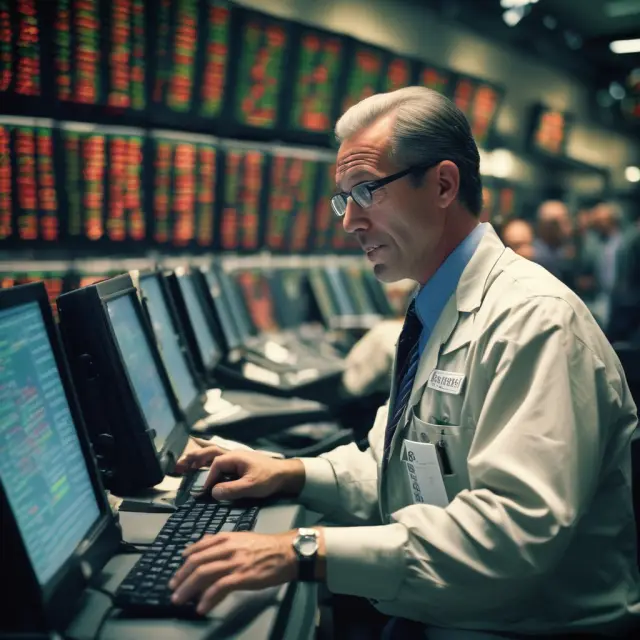
How to Get Started with Trading on NYMEX
As an assistant to a distinguished content creator focusing on finance and investment, I am here to help expand upon the section of your article dedicated to understanding the New York Mercantile Exchange (NYMEX) and the process of getting started with trading on this significant commodities exchange.
NYMEX, now part of the Chicago Mercantile Exchange Group (CME), is a global leader in derivatives markets, offering a diverse range of futures contracts in energy, precious metals, agricultural, and other commodities. For institutional investors considering engaging with NYMEX, the following steps will help prepare for a successful trading experience.
1. Opening an account: Before diving into the world of NYMEX trading, it is crucial to establish a brokerage account with a member firm of the exchange. A member firm acts as an intermediary between traders and the exchange, providing essential services such as executing trades, accessing real-time market data, and managing risk management tools. Research reputable firms that offer competitive commissions, user-friendly platforms, and reliable customer service.
2. Familiarize yourself with trading platforms: Each brokerage firm offers its unique trading platform, so it is essential to become acquainted with the software before placing your first trade. Explore various features such as real-time market data, order types, charting tools, and customizable alerts. This familiarity will lead to a more efficient trading experience and a better understanding of your chosen broker’s offerings.
3. Research NYMEX commodities: Understanding the fundamentals behind each commodity you plan to trade is vital for informed decision-making. Factors such as supply and demand, seasonality, geopolitical events, and weather patterns can significantly impact commodity prices. Stay up-to-date with market news and analysis to make informed trading decisions and manage risk effectively.
4. Develop a risk management strategy: A well-thought-out risk management strategy is essential for success in commodity trading. Implement stop-loss orders, limit orders, and other tools to protect your portfolio from excessive losses during volatile market conditions. Set clear entry and exit points based on market analysis and regularly review your positions to ensure alignment with your investment objectives.
5. Continuous learning: The financial markets are ever-evolving, so staying informed about trends, regulations, and technological advancements is crucial for long-term success. Follow industry experts, attend seminars, read books, and engage in discussions with fellow traders to expand your knowledge base and refine your skills continuously.
FAQ
What is the New York Mercantile Exchange (NYMEX)?
Answer: The New York Mercantile Exchange (NYMEX) is a global commodity exchange that is part of the Chicago Mercantile Exchange Group (CME). It specializes in futures and options trading for various energy, precious metals, and agricultural commodities.
What are some historical milestones of NYMEX?
Answer: Originally founded as the Butter and Cheese Exchange of New York in 1872, NYMEX evolved over time, merging with COMEX in 1994 to become one of the largest physical commodity exchanges. In 2008, it was acquired by CME Group due to the global financial crisis.
What is open-outcry trading on NYMEX?
Answer: Open-outcry trading refers to face-to-face trading in a designated marketplace, like what once took place at NYMEX. However, with the rise of electronic trading systems, these traditional pits have been on the decline.
What commodities are traded on NYMEX?
Answer: The exchange offers futures and options contracts for energy products (crude oil, natural gas, heating oil, etc.), precious metals (gold, silver, platinum, palladium), agricultural commodities (wheat, corn, soybeans, sugar, cotton), and other commodities.
How does NYMEX contribute to the CME Group?
Answer: The acquisition of NYMEX by CME in 2008 added a significant range of energy products, metal contracts, and agricultural contracts to CME’s listings.
Which government agency regulates trading on NYMEX?
Answer: The Commodity Futures Trading Commission (CFTC) is the independent U.S. government agency responsible for regulating and enforcing fair trading practices on the New York Mercantile Exchange and other commodity exchanges.
What are the main differences between CME, CBOT, and NYMEX?
Answer: Each exchange offers unique characteristics that cater to specific commodities and trading styles, making them distinguishable from one another. For instance, while CME and NYMEX focus on futures and options, CBOT specializes in derivatives related to agricultural goods.
Why is the New York Mercantile Exchange important?
Answer: The significance of NYMEX lies in its role as a large contributor to the total trading volume for CME, providing vital risk management tools and opportunities for commodity producers, consumers, and investors alike. Additionally, the exchange’s historical importance in introducing open-outcry trading has had far-reaching impacts on the financial world.
How can institutions get started with trading on NYMEX?
Answer: To start trading on NYMEX, institutions should first consider opening a trading account with a brokerage firm authorized to operate on the exchange, and then learn about the market, risk management strategies, and available tools for research and analysis.
What sets NYMEX apart from other commodity exchanges?
Answer: NYMEX is renowned for its rich history, innovation, and the variety of products it offers – energy, precious metals, agricultural, and other commodities – making it a valuable resource for institutional investors and traders worldwide.
 Next entry · No. 3,600Understanding NYSE Arca: A Comprehensive Guide for Institutional Investors
See also
-
 No. 5,837
11 Oct 2025
22 min
Understanding Institutional Share Classes: The Advantages and Differences of Y-Shares
Business Finance
No. 5,837
11 Oct 2025
22 min
Understanding Institutional Share Classes: The Advantages and Differences of Y-Shares
Business Finance -
 No. 5,822
10 Oct 2025
20 min
Understanding Writing an Option: Risks, Benefits and Practical Examples for Institutional Investors
Business Finance
No. 5,822
10 Oct 2025
20 min
Understanding Writing an Option: Risks, Benefits and Practical Examples for Institutional Investors
Business Finance -
 No. 5,813
09 Oct 2025
18 min
Understanding Wrap Accounts: A Comprehensive Guide for Institutional Investors
Business Finance
No. 5,813
09 Oct 2025
18 min
Understanding Wrap Accounts: A Comprehensive Guide for Institutional Investors
Business Finance -
 No. 5,291
27 Aug 2025
18 min
Understanding Unlimited Tax Bonds: A Comprehensive Guide for Institutional Investors
Business Finance
No. 5,291
27 Aug 2025
18 min
Understanding Unlimited Tax Bonds: A Comprehensive Guide for Institutional Investors
Business Finance -
 No. 5,276
26 Aug 2025
22 min
Understanding Unitranche Debt: A Comprehensive Guide for Institutional Investors
Business Finance
No. 5,276
26 Aug 2025
22 min
Understanding Unitranche Debt: A Comprehensive Guide for Institutional Investors
Business Finance -
 No. 5,100
11 Aug 2025
20 min
Understanding Trust Receipts: A Comprehensive Guide for Institutional Investors
Business Finance
No. 5,100
11 Aug 2025
20 min
Understanding Trust Receipts: A Comprehensive Guide for Institutional Investors
Business Finance