The New York Board of Trade (NYBOT): History, Function, and Significance for Institutional Investors
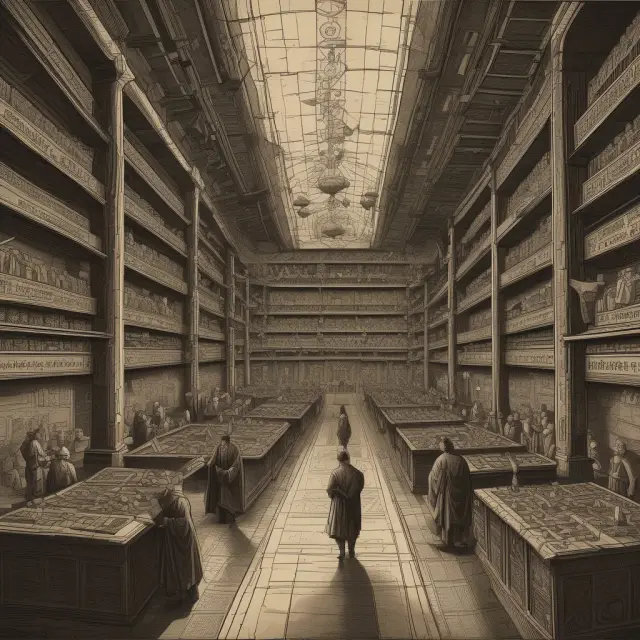
Explore NYBOT: History, functions, impact on Commodity Futures Trading & benefits for Institutional Investors. From pits to all-electronic exchange.
Introduction to the New York Board of Trade (NYBOT)
Founded over 150 years ago in 1870, the New York Board of Trade (NYBOT) is a renowned commodity exchange with deep roots in the US financial market. The NYBOT plays a significant role in facilitating futures contracts and price certainty for both producers and consumers. This historic exchange has adapted to the evolving landscape of trading by transitioning from traditional human-driven trading floors, or ‘pits,’ to an entirely digital platform since becoming part of the Intercontinental Exchange (ICE) in 2006.
Before delving into the details of NYBOT’s transformation and its role in today’s commodities trading marketplace, it is essential to understand the underlying concept behind this venerable exchange: futures contracts. By allowing producers and buyers to lock in prices for future deliveries, these contracts provide much-needed price certainty. Institutional investors can utilize standardized futures contracts to secure raw materials at predetermined prices, regardless of how spot prices might fluctuate during the interim period.
The New York Board of Trade initially focused on physical commodities such as coffee, cotton, and cocoa. By facilitating indirect trading through futures contracts, NYBOT enabled greater efficiency for companies reliant on these raw materials. This approach mitigated the risks associated with unforeseen volatility or production shortages.
Throughout most of its history, the New York Board of Trade operated using human traders in large and boisterous trading floors, commonly referred to as ‘pits.’ These spaces fostered a competitive atmosphere where traders could react quickly to price changes and market fluctuations. However, even prior to its acquisition by ICE, NYBOT made strategic moves to expand its offerings. In 1997, the exchange acquired the Coffee, Sugar, and Cocoa Exchange (CSCE), significantly enhancing its footprint in commodity trading markets.
Fast forward to 2006 when NYBOT became part of the Intercontinental Exchange (ICE). This acquisition marked a turning point for the historic exchange as it embarked on an ambitious digitization process, eventually closing off its traditional trading floors. Today, the ICE operates as a fully electronic exchange, enabling near-instant transactions among market participants across the globe.
Stay tuned as we explore the significance of the New York Board of Trade in today’s global marketplace and delve deeper into the advantages it provides for institutional investors.

Traditional Trading Methods at the New York Board of Trade
The New York Board of Trade (NYBOT), founded in 1870, has an extensive history as a commodity exchange that contributed significantly to the U.S. financial markets. Initially focusing on physical commodities like coffee and sugar, the NYBOT enabled producers and consumers to secure prices for their goods through futures contracts, providing protection against price volatility and production risks (commodities trading, futures contracts).
Prior to the digital era, the NYBOT facilitated transactions primarily on human-driven trading floors, commonly referred to as ‘pits.’ These bustling arenas allowed for immediate negotiations between buyers and sellers, resulting in an efficient and responsive marketplace. In 1997, NYBOT expanded its influence by merging with the Coffee, Sugar, and Cocoa Exchange (CSCE). This combined entity continued to operate as a significant player in the commodity trading sector until it was eventually acquired by the Intercontinental Exchange (ICE) in 2006.
During their time at the NYBOT pits, traders would shout out their bids and offers in clear voices to ensure that everyone present could hear the transactions being made. The trading floor environment was lively due to the constant back-and-forth between buyers and sellers looking for the most advantageous deals. This human interaction created an intimate marketplace where participants gained a heightened sense of transparency, enabling them to make informed decisions on commodity prices.
The New York Board of Trade’s human trading floors stood as symbols of the exchange’s rich history in physical commodities markets. However, the exchange underwent significant changes with the advent of digitalization and automation. These transformations were driven by advancements in technology, which enabled a more efficient, cost-effective, and accessible platform for traders to conduct business.
The shift from human trading floors to all-electronic exchanges required traders to adapt to new systems and processes that allowed them to interact with other participants remotely. While the change was initially met with skepticism by some in the industry, it ultimately resulted in increased liquidity, streamlined workflows, and a more global reach for commodity markets. Today, the Intercontinental Exchange (ICE), which includes the New York Board of Trade since 2006, operates as an entirely digital exchange that caters to various commodities, including energy, metals, agricultural products, currencies, and interest rates.
In summary, the New York Board of Trade’s traditional trading methods represented a significant chapter in the history of commodity markets. These human-driven trading floors facilitated immediate transactions between buyers and sellers, providing transparency and fostering an intimate marketplace for participants. While the exchange has since transitioned to all-electronic trading, its legacy in the development and evolution of commodities trading remains a critical part of financial history.

The Evolution of the New York Board of Trade into an All-Electronic Exchange
In 2006, the New York Board of Trade (NYBOT) underwent a significant transformation when it became part of the Intercontinental Exchange (ICE). This acquisition marked the end of NYBOT’s human-driven trading floors and ushered in an era of all-electronic commodity futures trading.
Before 2006, the New York Board of Trade was renowned for its bustling trading floors or “pits,” where professional traders would engage in high-energy negotiations to buy and sell various commodities. These pits were central to the NYBOT’s reputation as a leading marketplace for physical commodities like coffee, cotton, and cocoa since its establishment in 1870.
However, by the late 20th century, technological advancements had already begun to disrupt traditional trading methods. The acquisition of the Coffee, Sugar, and Cocoa Exchange (CSCE) in 1997 expanded the NYBOT’s commodity offerings but foreshadowed a more fundamental shift toward digitization.
By integrating the CSCE into their operations, the New York Board of Trade became an even more prominent force in the global commodities trading marketplace. However, it would take another decade for the NYBOT to fully embrace the digital revolution and move away from its physical trading floors.
When the ICE acquired the New York Board of Trade in 2006, they closed down the remaining human-driven trading pits and transitioned all transactions to an electronic platform. This transformation was a game-changer for the NYBOT and its counterpart, the Chicago Mercantile Exchange (CME), which also facilitated commodity futures trading with standardized contracts.
As of today, the ICE operates as an entirely electronic exchange, providing near-instant transactions among market participants worldwide. The shift to all-electronic trading has led to a significant increase in the size and reach of commodities markets. Traders can now buy and sell a variety of commodities and derivative products based on interest rates, currency values, and other underlying assets with ease.
The evolution of the New York Board of Trade from a traditional human-driven exchange to an all-electronic marketplace was driven by both technological advancements and changing market demands. The acquisition by ICE in 2006 marked a turning point for the NYBOT and opened up new opportunities for institutional investors seeking price certainty in commodity markets.

Understanding Commodity Futures Trading: A Basic Overview
Commodity futures trading plays a significant role in managing price risks for both producers and consumers of agricultural and energy commodities. The New York Board of Trade (NYBOT), which later became part of the Intercontinental Exchange (ICE) in 2006, has been at the forefront of this essential market since its inception in 1870. By enabling indirect trading through standardized futures contracts, the NYBOT provides a platform where producers and buyers can lock in prices for commodities, protecting themselves from potential price volatility and supply disruptions.
The concept of commodity futures trading is based on an agreement between two parties to buy or sell a commodity at a predetermined price and future date. For instance, a coffee producer may enter into a futures contract to sell coffee beans at a fixed price in three months. This allows the producer to secure a stable income regardless of any fluctuations in the market price during that period. Similarly, a food manufacturer that uses coffee as an ingredient can purchase a futures contract for coffee to ensure a consistent cost for their raw material, mitigating the risks associated with volatile commodity prices.
A futures contract is essentially a financial derivative, meaning its value is derived from an underlying asset or commodity. In this context, the underlying commodity could be anything from agricultural products like wheat and corn to livestock such as cattle and hogs or energy resources including crude oil, natural gas, and electricity.
Standardized futures contracts are essential for facilitating large-scale commodity trading since they help ensure liquidity within the market. In a standardized contract, the terms of the agreement – such as the quality, quantity, and delivery date of the underlying commodity – are clearly defined. This standardization makes it easier for participants to enter or exit their positions at any time without having to negotiate specific terms each time.
In essence, futures contracts allow parties to hedge against price risks by allowing them to lock in a fixed price for future delivery. This can be particularly important for businesses whose profits are heavily reliant on commodity prices, as it enables them to manage their costs and revenues more effectively. Additionally, futures markets provide a means for speculators to profit from price movements, contributing to increased market efficiency and liquidity.
The New York Board of Trade (NYBOT), which later became part of the Intercontinental Exchange (ICE) in 2006, has played a significant role in commodities trading since its establishment in 1870. Over time, it expanded its offerings to include a broader range of commodities and eventually transitioned to an all-electronic exchange. Today, the ICE continues to be an essential platform for commodity futures trading, providing liquidity and price discovery services to market participants from around the world.

Commodities Traded on the New York Board of Trade (NYBOT)
The New York Board of Trade (NYBOT), one of the oldest commodity exchanges in the United States, has seen a significant transformation over its 150-year history. Initially focused on physical commodities like coffee, cotton, and cocoa, NYBOT has evolved into an all-electronic exchange since becoming part of the Intercontinental Exchange (ICE) in 2006.
Throughout its history, the NYBOT’s primary function has remained to provide a platform for price discovery, facilitating the buying and selling of futures contracts that allow producers and buyers to secure prices against volatility and production shortages. By enabling this form of price certainty, the exchange plays a crucial role in stabilizing commodity markets and providing risk management tools for market participants.
Some of the most commonly traded physical commodities on the NYBOT platform include:
- Coffee – As one of the initial focus areas for the New York Board of Trade when it was founded in 1870, coffee remains a prominent commodity today. Coffee futures contracts help producers and buyers protect against price fluctuations by allowing them to lock in prices for future delivery.
- Cotton – Cotton is another important commodity traded on the NYBOT, with futures contracts offering price protection to cotton growers and textile manufacturers.
- Cocoa – Cocoa, an essential ingredient for chocolate production, is another key focus area for the New York Board of Trade. Cocoa futures contracts allow producers and buyers to secure prices against potential supply shortages or price volatility in the global marketplace.
- Sugar – As a primary component of various food products like jams, baked goods, and beverages, sugar is another essential commodity traded on the NYBOT platform through futures contracts.
- Metals – While initially focused primarily on agricultural commodities, the New York Board of Trade has expanded its offerings to include metals such as Gold and Silver. By allowing traders to participate in precious metals futures contracts, the exchange enables price discovery and risk management tools for gold and silver producers, refiners, and users.
In conclusion, the New York Board of Trade (NYBOT) has played a vital role in facilitating commodity trading since its inception in 1870. By focusing on price discovery and securing prices through futures contracts, the NYBOT has enabled producers and buyers to manage risk in various commodities markets and ensure price certainty for their businesses. Today, as an all-electronic exchange within the Intercontinental Exchange (ICE), the New York Board of Trade continues to evolve, providing a dynamic marketplace for both physical and electronic commodity futures contracts.
Benefits and Advantages of Trading Commodities on the New York Board of Trade
The New York Board of Trade (NYBOT), a commodity futures exchange founded in 1870 and now part of the Intercontinental Exchange (ICE) since 2006, plays a pivotal role in providing price certainty to both producers and buyers of various commodities. Commodity trading involves the buying and selling of raw materials such as sugar, coffee, cotton, cocoa, gold, crude oil, natural gas, and other essential resources. One key benefit of this exchange is its ability to facilitate futures contracts which allow market participants to lock in prices ahead of time. This provides significant advantages for all parties involved.
For producers, commodity price volatility can result in substantial financial losses if the market swings negatively. For buyers, unforeseen cost increases may force them to pass on these added expenses to their consumers or clients. By allowing producers and buyers to buy and sell futures contracts at predetermined prices, both parties can mitigate risks associated with price volatility. This is especially crucial for industries whose entire business model relies on a steady supply of certain raw materials.
The use of standardized futures contracts ensures that the terms of each transaction are well-defined and consistent across all participants, providing transparency and fairness to the marketplace. As the market evolves and prices fluctuate, these contracts can be settled daily or at expiration, enabling commodity traders to take advantage of price differences between various delivery months or even different exchanges (such as the Chicago Mercantile Exchange or COMEX).
For institutional investors, trading in commodities through futures contracts offers an opportunity for diversification. By investing in a diverse range of commodities across various sectors and geographic regions, they can hedge against macroeconomic risks such as inflation and currency fluctuations, thereby reducing their overall portfolio volatility. Furthermore, commodity futures can serve as a valuable tool for generating returns through price appreciation or through the collection of carrying charges (the cost difference between financing the short-term storage and sale of a commodity versus longer-term storage).
The NYBOT’s all-electronic exchange setup, which was implemented following its acquisition by ICE in 2006, has led to increased efficiency and accessibility. Instant transactions, low latency, and real-time market data enable traders to make quick decisions based on the latest information. The digitization of trading also resulted in increased transparency and reduced costs compared to traditional trading floors where human brokers facilitated transactions through shouting, hand signals, or other nonverbal cues.
In today’s global economy, commodity trading has taken on new importance as a source of price certainty for producers and buyers around the world. The New York Board of Trade (NYBOT), an integral part of this landscape since its founding in 1870, continues to play a vital role as a platform for futures contracts and price discovery.
The Role of the Chicago Mercantile Exchange (CME) in Commodities Trading
Founded in 1898, the Chicago Mercantile Exchange (CME) is another significant player in the commodity futures market, specializing in various products like livestock, metals, and crude oil. Similar to the New York Board of Trade (NYBOT), the CME allows participants to lock in prices for future delivery using standardized contracts. This pricing mechanism ensures price certainty for producers and buyers, mitigating risk from unpredictable commodity market fluctuations.
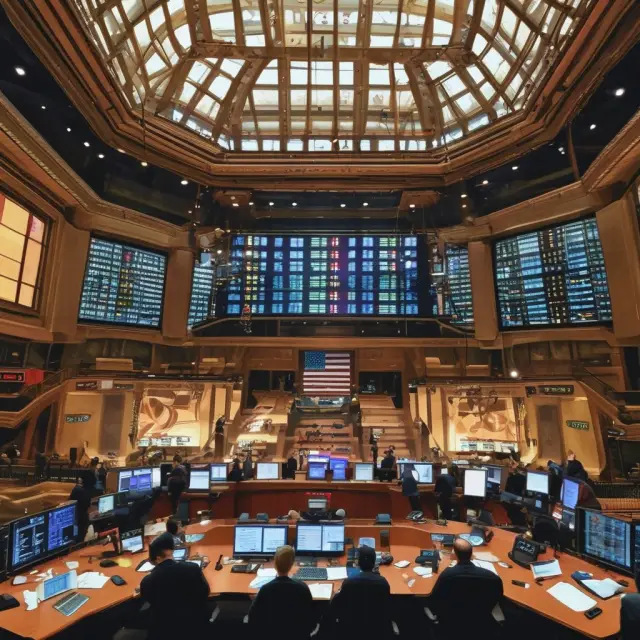
Before the advent of electronic trading platforms, both the NYBOT and CME relied on physical trading floors where traders communicated and negotiated directly with one another. The loud, fast-paced environment allowed for immediate price adjustments based on supply and demand fluctuations. However, human intervention could also introduce errors or create discrepancies in pricing.
Since the 1990s, both exchanges have undergone significant technological advancements, transitioning to electronic trading systems that automate pricing and execution processes. This change has led to improved accuracy and speed while reducing the influence of human error. Both the CME and NYBOT now operate as all-electronic commodity exchanges, allowing for seamless trading of futures contracts between institutions around the world.
The integration of digital platforms has expanded market accessibility and liquidity, enabling traders to execute transactions on a 24/7 basis, thereby catering to diverse time zones and shifting market conditions. This digitization not only benefited the exchanges themselves but also contributed to the growth and evolution of global commodities trading markets as a whole.
By focusing on providing essential price discovery mechanisms for producers and buyers, both CME and NYBOT continue to play pivotal roles in their respective commodity sectors. The two exchanges share several similarities, such as offering standardized futures contracts that allow participants to lock in prices and reduce overall market risk. However, each exchange does cater to specific commodity classes – the NYBOT focusing on sugar, coffee, and cocoa, while the CME specializes in livestock, metals, and crude oil.
As both exchanges continue to adapt to technological advancements and market demands, they remain essential players in the global commodities trading landscape. Their synergy and competition contribute to a more robust, transparent, and efficient commodity futures marketplace for institutional investors.

Real-World Example: The New York Board of Trade’s Impact on Commodities Trading
The acquisition of the New York Board of Trade (NYBOT) by Intercontinental Exchange (ICE) in 2006 marked a turning point for the exchange. Since then, the NYBOT has evolved from a physical commodity exchange with trading floors into an all-electronic platform, making it one of the most significant players in the global derivatives marketplace.
Before the merger, the NYBOT was known for its human traders working on large and bustling trading floors, where they dealt with various physical commodities such as coffee, cotton, and cocoa. However, the 21st century brought about a shift towards electronic platforms for trading. With ICE’s acquisition, the NYBOT started transitioning from traditional methods to fully digital ones.
The closure of the trading floors in 2008 marked the final step in the NYBOT’s digitization process. Today, the exchange operates solely as an all-electronic platform, allowing near-instant transactions among market participants worldwide. This transformation has not only significantly increased the efficiency and speed of commodity trading but also opened the market to a larger global audience.
The New York Board of Trade’s shift to an electronic exchange was part of a broader trend in the commodities industry. The Chicago Mercantile Exchange (CME), another major player in commodities trading, had already adopted digital platforms for its transactions years earlier. As a result, ICE and the NYBOT now compete directly with the CME as they offer similar services for various commodities, including metals, energy, and agricultural products.
The impact of this transformation on institutional investors has been considerable. By providing a more transparent, efficient, and accessible trading environment, electronic platforms have allowed these investors to manage risk more effectively by locking in prices ahead of time and diversifying their portfolios across various commodity sectors. Furthermore, the shift towards digital platforms has made it easier for institutional investors to participate in markets they previously couldn’t access due to logistical constraints or limited resources.
In summary, the New York Board of Trade’s journey from a traditional human-driven exchange to an all-electronic platform has significantly impacted commodities trading. Its acquisition by ICE and subsequent digitization process have allowed the exchange to grow into a global marketplace for derivatives and provided numerous benefits for institutional investors in terms of efficiency, risk management, and accessibility.

The New York Board of Trade in Today’s Global Marketplace
Since the acquisition by Intercontinental Exchange (ICE) in 2006, the New York Board of Trade (NYBOT) has transformed from a traditional commodities exchange with physical trading floors to an all-electronic platform. This evolution has enabled near-instant transactions among market participants worldwide and expanded its offerings beyond physical commodities such as sugar, coffee, and cocoa.
Today, the ICE is considered a truly international marketplace where traders can transact in various commodities ranging from electricity to jet fuel. In addition, the exchange offers derivative products based on interest rates, currency values, and other underlying assets. This shift toward digitization has significantly increased the size of commodities trading markets, making the NYBOT an essential component of the global financial marketplace.
The New York Board of Trade’s role in facilitating futures contracts remains significant. As a result, producers and buyers of commodities can lock in prices ahead of time for later delivery weeks, months, or even years, providing price certainty amidst unforeseen volatility or production shortages. The standardized futures contracts ensure that companies dependent on these commodities have a clear understanding of their cost structure, regardless of spot price fluctuations.
Comparatively, the Chicago Mercantile Exchange (CME) facilitates similar trading in various commodities like livestock, metals, and crude oil. While both exchanges share common goals, the digitization of the NYBOT has made it an increasingly attractive option for institutional investors seeking global exposure to a wide range of commodity markets.
The ICE’s growth since acquiring the NYBOT demonstrates its significance in today’s marketplace. Initially, the exchange focused on physical commodities like sugar, coffee, and cocoa. However, digitization enabled it to expand into a multifaceted platform catering to a diverse range of commodity trading needs. By 2013, ICE Futures U.S. had become the largest futures exchange in the world based on open interest, surpassing both the CME and Chicago Board Options Exchange (CBOE).
This shift toward digitization has been instrumental in increasing market efficiency and fostering competition among various trading entities. The ability to access real-time pricing information from anywhere in the world and execute trades instantly provides substantial advantages for institutional investors. Additionally, it allows for better risk management through the use of advanced tools that enable traders to hedge their positions across multiple markets or manage counterparty credit risk more effectively.
In conclusion, the New York Board of Trade (NYBOT) has significantly evolved from its traditional trading floor roots to become an essential component in today’s global financial marketplace as part of Intercontinental Exchange (ICE). Its role in enabling price certainty for commodity producers and buyers through futures contracts remains crucial. However, the digitization process has expanded its offerings, making it an increasingly attractive option for institutional investors seeking global exposure to a wide range of commodity markets.
Frequently Asked Questions about the New York Board of Trade (NYBOT)
What is the origin and history of the New York Board of Trade (NYBOT)?
The New York Board of Trade (NYBOT), founded in 1870, is one of the oldest commodity exchanges in the United States. Initially focused on physical commodities such as sugar, coffee, and cocoa, the NYBOT facilitated price certainty for producers and buyers by allowing them to lock in prices ahead of time through futures contracts.
When was the New York Board of Trade (NYBOT) acquired by the Intercontinental Exchange (ICE)?
The NYBOT became part of the ICE in 2006, with the exchange focusing on electronic trading following the acquisition.
What role does the New York Board of Trade (NYBOT) play in commodities trading?
The NYBOT plays a crucial role in commodities trading by providing a platform for institutions and traders to buy and sell futures contracts. These standardized contracts allow producers and buyers to secure prices for raw materials, protecting them from price volatility and production shortages.
What are some examples of the commodities traded on the New York Board of Trade (NYBOT)?
The New York Board of Trade offers a range of commodities for trading, including coffee, cotton, cocoa, and sugar, as well as various futures contracts based on interest rates, currency values, and underlying assets.
What is the significance of the Chicago Mercantile Exchange (CME) in relation to the New York Board of Trade (NYBOT)?
The Chicago Mercantile Exchange (CME) operates in a similar capacity to the NYBOT, facilitating futures trading for various commodities such as livestock, metals, and crude oil. Both exchanges provide essential services that enable price certainty for producers and buyers in industries dependent on raw materials.
How did trading in the New York Board of Trade (NYBOT) shift from human-driven to electronic?
The NYBOT’s acquisition by the Intercontinental Exchange (ICE) in 2006 led to a transition from traditional human-driven trading floors to entirely electronic exchange platforms. This shift has resulted in near-instant transactions for market participants worldwide.
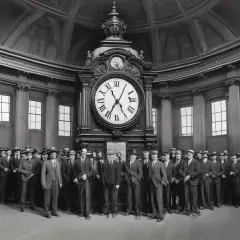 Next entry · No. 3,599Understanding the New York Mercantile Exchange (NYMEX): A Comprehensive Guide for Institutional Investors
See also
-
 No. 5,622
24 Sep 2025
19 min
Understanding the Warsaw Stock Exchange: A Comprehensive Guide for Institutional Investors
Business Finance
No. 5,622
24 Sep 2025
19 min
Understanding the Warsaw Stock Exchange: A Comprehensive Guide for Institutional Investors
Business Finance -
 No. 5,605
23 Sep 2025
17 min
Understanding Warehouse Bonds: Protection for Storage Facility Clients
Business Finance
No. 5,605
23 Sep 2025
17 min
Understanding Warehouse Bonds: Protection for Storage Facility Clients
Business Finance -
 No. 4,721
11 Jul 2025
23 min
Understanding the Dynamics between Spot Prices and Futures Prices: A Comprehensive Guide for Institutional Investors
Business Finance
No. 4,721
11 Jul 2025
23 min
Understanding the Dynamics between Spot Prices and Futures Prices: A Comprehensive Guide for Institutional Investors
Business Finance -
 No. 3,601
11 Apr 2025
19 min
The New York Stock Exchange (NYSE): History, Operation, and Significance
Business Finance
No. 3,601
11 Apr 2025
19 min
The New York Stock Exchange (NYSE): History, Operation, and Significance
Business Finance -
 No. 3,368
22 Mar 2025
20 min
NCDEX: Understanding India’s Leading Commodity Exchange for Agricultural Products
Business Finance
No. 3,368
22 Mar 2025
20 min
NCDEX: Understanding India’s Leading Commodity Exchange for Agricultural Products
Business Finance -
 No. 3,002
20 Feb 2025
17 min
Understanding Look-Alike Contracts: Derivatives of Derivatives
Business Finance
No. 3,002
20 Feb 2025
17 min
Understanding Look-Alike Contracts: Derivatives of Derivatives
Business Finance