Understanding the World of Futures Markets: A Comprehensive Guide
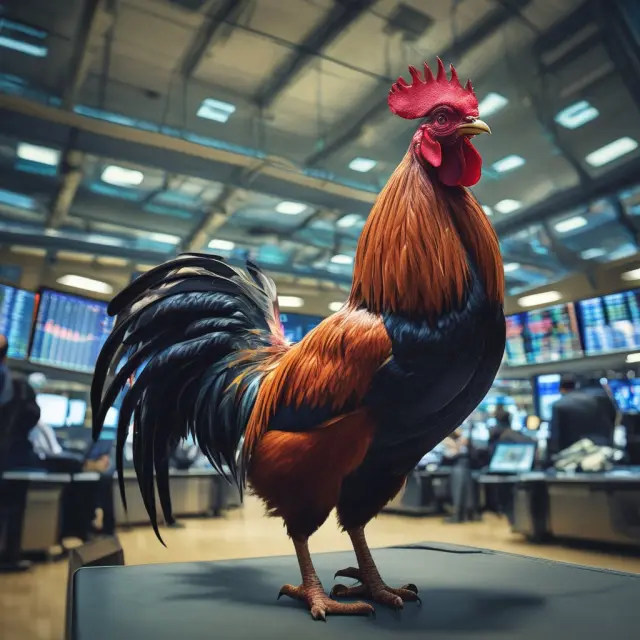
Understand the ins and outs of futures markets with this comprehensive guide, covering contracts, players, regulation, types, hedging, trading, pros/cons, &…
What is a Futures Market?
A futures market refers to a specific type of auction market where participants transact in futures contracts – exchange-traded derivatives agreements to buy or sell a commodity, currency, bond, or other asset for delivery at a later date. The price of these futures contracts is settled and agreed upon at the time of the transaction. Major examples of futures markets include the New York Mercantile Exchange (NYMEX), Chicago Mercantile Exchange (CME), Chicago Board of Trade (CBoT), Cboe Options Exchange, and Minneapolis Grain Exchange. Historically, these markets operated through open outcry systems in trading pits; however, they have largely transitioned to electronic platforms over the past few decades.
Futures contracts were initially created by producers and suppliers of commodities as a means of managing market volatility. Through negotiations with investors, these entities agreed to take on the inherent risk and reward of price fluctuations in exchange for the certainty of future revenue or costs. As such, futures markets serve an essential role within the financial system, providing both hedging opportunities and facilitating price discovery.
Unlike stocks, which are issued by companies, futures contracts can be created as long as open interest is increased. These markets have a larger size compared to commodity markets, and they cater not only to agricultural products but also to financial instruments and future values of interest rates. Major players in the futures market landscape include exchanges, clearinghouses, regulatory bodies, and traders.
The Commodity Futures Trading Commission (CFTC) plays a significant role in regulating U.S.-based futures markets, while each exchange is subject to national regulation in its respective country of operation. Clearinghouses such as the Chicago Mercantile Exchange (CME), ICE, and Eurex facilitate revenue generation by processing trades after they have been executed on the exchange.
For illustration purposes, let’s consider a coffee farmer entering into a futures contract with an investor. If the farmer sells green coffee beans to a roaster for $4 per pound, and the roaster sells that roasted pound for $10, both parties benefit by fixing their costs at a specific price. In this arrangement, the investor agrees to absorb any losses if the price of coffee falls below a predetermined level; conversely, if the price rises above the agreed-upon rate, the investor retains any gains. The roaster, on the other hand, enjoys predictability in its costs and avoids potential losses due to market volatility.
In summary, futures markets represent a vital component of the financial system by providing price discovery and hedging opportunities for various commodities, currencies, bonds, and indices. These markets facilitate trading through exchanges and are regulated by entities such as the CFTC, while major players include traders, clearinghouses, regulatory bodies, and the exchanges themselves.

Understanding Futures Contracts
In a futures market, participants buy and sell futures contracts – standardized agreements for the purchase or sale of a particular asset at a predetermined price on a future date. These contracts help businesses and investors mitigate risk by providing a hedge against price fluctuations. By entering into a futures contract, parties agree to lock in a future price for their asset, allowing them to protect themselves from market volatility.
Futures markets can be found across various industries and sectors, with the most common being agriculture commodities, metals, energies, currencies, and interest rates. In these markets, contracts are created when both parties agree on an exchange to buy or sell a specific asset at a predefined price and future date.
The Benefits and Risks of Futures Contracts
Futures contracts offer several advantages for market participants, such as:
- Price Risk Hedging: By entering into a futures contract, parties can secure a fixed price for their assets or underlying commodities, providing protection against potential future price fluctuations that could negatively impact their business operations or investment portfolios.
- Speculation: Futures markets also provide opportunities for investors to speculate on the future price direction of various assets by taking both long (buy) and short (sell) positions based on their market outlook.
- Arbitrage Opportunities: Differences in prices between related futures contracts can be exploited through arbitrage transactions, which involve buying an asset or contract in one market and selling it in another market where the price is higher to profit from the price differential.
However, participating in a futures market does carry certain risks, including:
- Counterparty Risk: Since entering into a futures contract involves dealing with another party, there’s always the risk that the counterparty might not fulfill their obligations under the contract terms, which could lead to financial losses.
- Market Risk: Fluctuations in market conditions and unexpected price movements can result in profits or losses for futures contract holders, depending on the direction of these changes.
- Operational Risk: Transactions made through complex derivatives such as futures contracts come with inherent risks related to their settlement, clearing, custody, and other operational aspects that need to be carefully managed.
Key Components of Futures Contracts
Futures contracts have several essential elements, including:
- Contract Size: The quantity or unit size of the underlying asset defined in the contract.
- Delivery Months: The various months throughout the year for which futures contracts can be traded and settled.
- Expiration Date: The date on which a futures contract will no longer be tradeable or settle.
- Margin Requirements: The upfront funds required from traders to maintain their positions, ensuring they have sufficient collateral to cover potential losses.
- Daily Settlement: The daily process of marking-to-market and settling gains or losses based on the day’s price movements.
- Standardization: Futures contracts are standardized in terms of contract size, delivery location, and quality standards, making them more liquid and easier to trade compared to customized agreements.
Regulatory Oversight of Futures Markets
Futures markets are heavily regulated by various regulatory bodies to ensure fair trading practices and mitigate potential risks. In the United States, these markets come under the jurisdiction of the Commodity Futures Trading Commission (CFTC), which sets rules and guidelines for futures exchanges and their participants. The CFTC’s primary goal is to provide transparency, integrity, and market accessibility while protecting consumers, markets, and the overall financial system from potential risks.
By providing a comprehensive understanding of the role and essential components of futures contracts, this section aims to offer readers valuable insights into this complex but fascinating world of risk management, investment opportunities, and economic stability.

Regulation and Oversight of Futures Markets
The world of futures markets is vast and complex, with significant financial implications for both producers and investors alike. To ensure fair trading practices, transparency, and stability within these markets, various regulatory bodies play a crucial role in overseeing futures market activities. One such organization, the Commodity Futures Trading Commission (CFTC), is responsible for regulating the U.S. derivatives market, including futures markets.
The CFTC was established under the Commodity Exchange Act of 1936 to ensure that commodity trading activities are conducted in a fair and transparent manner. Its mission includes promoting the competitive integrity and market transparency essential for maintaining open, efficient, and competitive markets.
Regulation extends beyond the United States as well, with various regulatory bodies governing futures markets across the globe. In Europe, the European Securities and Markets Authority (ESMA) and the European Market Infrastructure Regulation (EMIR) are responsible for supervising futures trading activities. Similar organizations exist in other countries like Japan’s Financial Services Agency (FSA), Australia’s Australian Securities and Investments Commission (ASIC), and the United Kingdom’s Financial Conduct Authority (FCA).
These regulatory bodies ensure that futures markets operate fairly by setting rules and standards for participants, monitoring market activities, and enforcing penalties for non-compliant behavior. They also provide transparency and accountability to investors through regular reporting, disclosures, and public records of trading data.
Futures contracts are standardized by exchanges, which act as the primary venue for facilitating futures trades between buyers and sellers. In the U.S., the National Futures Association (NFA) acts as an independent self-regulatory organization that sets membership requirements and provides regulatory oversight to ensure fair trading practices among exchange members.
The clearinghouses associated with futures exchanges play a significant role in managing risk within these markets. They act as intermediaries, facilitating the exchange of contracts between buyers and sellers while assuming counterparty risk on behalf of their members. Clearinghouses provide security and stability to the market by ensuring that all contracts are fulfilled and settling trades daily, which helps prevent potential systemic risks from impacting the entire futures market.
In summary, regulatory bodies such as the CFTC, ESMA, FSA, ASIC, FCA, NFA, and other organizations play a crucial role in ensuring fair trading practices, maintaining transparency, and managing risk within futures markets. Their oversight helps to create a stable environment for all participants, allowing them to operate confidently and effectively within the complex world of futures markets.

Major Players in Futures Markets
Futures markets involve several essential players that facilitate smooth trading and settlement of transactions. Understanding these entities is crucial for anyone considering participation in this market sector.
1. Exchanges:
A futures exchange acts as a central hub where buyers and sellers come together to trade various futures contracts. These platforms set the rules, provide liquidity, and facilitate clearinghouse services. Examples of prominent exchanges include the Chicago Mercantile Exchange (CME), New York Mercantile Exchange (NYMEX), Commodity Exchange (COMEX), and Intercontinental Exchange (ICE).
2. Clearinghouses:
A futures clearinghouse is an essential player in managing risk for both buyers and sellers in the market. The primary role of a clearinghouse is to act as a counterparty for every trade, ensuring all parties meet their obligations when entering into a contract. As such, they serve as central intermediaries that guarantee transactions’ performance by collecting margin from traders and managing settlements.
3. Regulatory Bodies:
Governmental regulatory bodies play an essential role in overseeing the futures markets to ensure fair trading practices, transparency, and market integrity. In the U.S., the Commodity Futures Trading Commission (CFTC) is the primary regulatory body responsible for regulating commodity futures and option markets. Additionally, national regulatory bodies of various countries have jurisdiction over their respective markets.
4. Brokers:
A broker acts as a bridge between investors and exchanges by executing trades on behalf of clients, providing access to market information, and offering guidance on trading strategies. Brokers may also offer margin accounts, which allow traders to buy contracts with borrowed funds, enhancing their buying power.
5. Market Participants:
Individual or institutional investors, hedgers, and speculators are the primary participants in futures markets. Hedgers use futures to manage price risk associated with underlying assets or commodities. Speculators trade futures contracts based on market expectations, aiming for profitability through capital gains or losses.
In conclusion, understanding the roles of various major players within the futures markets landscape is essential for anyone interested in participating. This knowledge allows individuals to make informed decisions and navigate the complexities of this dynamic and exciting financial sector.

Types of Assets Traded in Futures Markets
Futures markets are diverse financial ecosystems that encompass various commodities, financial instruments, and indices for trading. These markets serve a crucial role in managing risks associated with price volatility, providing an essential hedging tool to producers, suppliers, and investors alike. Understanding the types of assets commonly traded in futures markets adds depth to our grasp of this vital sector.
Agricultural Commodities
The roots of futures markets can be traced back to agricultural commodities such as wheat, corn, soybeans, sugar, coffee, and cotton. These contracts allow farmers to lock in profits by selling their crops at a fixed price prior to harvest, protecting themselves from potential market downturns and securing cash flow for the upcoming growing season. For consumers, futures markets offer price certainty as they can purchase these commodities at a future date with a set price.
Energies:
Futures contracts on crude oil, natural gas, and other energy sources provide protection against volatile prices for both producers and consumers. Producers can hedge their production risk by selling futures contracts for the expected output, while consumers such as power plants, airlines, or chemical companies can protect themselves from price spikes by purchasing these futures contracts to secure their fuel requirements at a fixed price.
Metals:
Gold, silver, copper, and other metals are commonly traded in futures markets. These contracts allow miners, manufacturers, and jewelers to manage risk as well as speculate on future metal prices. In times of economic uncertainty or inflation, precious metals like gold can experience increased demand for safe-haven investments, making futures trading an essential component in this sector.
Currencies:
Foreign currency futures contracts enable traders and investors to speculate on the value of one currency against another. Central banks and international businesses use these instruments for risk management purposes by hedging their foreign exchange positions. Currency futures can also serve as a tool for investors seeking to profit from expected movements in exchange rates, thereby offering an alternative investment avenue.
Interest Rates
Futures contracts on interest rates enable traders and investors to speculate on the future direction of key central bank benchmarks such as the U.S. Federal Reserve’s Federal Funds rate or the European Central Bank’s main refinancing rate. These instruments provide insight into monetary policy expectations, influencing asset prices and economic trends.
Indices:
Futures contracts on major stock market indices, like the S&P 500 or the Dow Jones Industrial Average, give investors an opportunity to hedge their stock portfolios or express a view on the overall direction of equity markets. These instruments can help investors manage risk in times of market volatility while offering potential for profit through index futures arbitrage and other trading strategies.
In summary, the versatility of assets traded in futures markets underscores their significance as an essential tool for managing risks in various industries and sectors. Whether it’s agricultural commodities or financial instruments like currencies and indices, futures markets provide a platform to hedge price volatility, secure cash flow, and capitalize on market movements.
By understanding the different types of assets traded in futures markets, one can not only deepen their investment knowledge but also appreciate the underlying economic forces that drive these financial instruments. As a result, this comprehension serves as an essential foundation for navigating and profiting from the complex and dynamic landscape of futures trading.

The Role of Hedging in Futures Markets
In today’s uncertain economic climate, businesses and investors alike seek to manage risk and protect their financial interests. One powerful tool for accomplishing this goal is through hedging in futures markets. By entering into a futures contract, parties can lock in future prices for the purchase or sale of an underlying asset, thereby mitigating potential price volatility. In essence, hedging serves as a vital risk management strategy and plays a significant role in stabilizing prices within futures markets.
A futures hedge is essentially an agreement between two parties to buy or sell a specific quantity and quality of an underlying commodity, financial instrument, or index at a predetermined price on a future date. This arrangement allows the hedger to secure a fixed price for their potential future transaction, insulating them against potential market fluctuations.
Consider the example of a coffee farmer looking to sell their crop in six months. The farmer is uncertain about the future price of coffee and wants to protect themselves from potential losses due to market volatility. By entering into a futures contract to sell coffee at a fixed price, the farmer can hedge against any adverse price movements that may occur before the actual sale. Likewise, if the price of coffee rises, the farmer can benefit from this increase by either keeping their profit margin or closing out the futures position and selling their crop in the spot market for a higher price.
Hedging is not limited to commodity markets; it also plays an essential role in managing risk within financial futures markets. For example, an investor holding stocks can hedge against potential stock price declines by purchasing put options or entering into a futures contract to sell the underlying stock at a future date. Conversely, if the investor is bullish on the stock and anticipates its price to rise, they may engage in a call option or buy a futures contract for that same stock to profit from potential gains.
In addition to benefiting individual market participants, hedging plays a crucial role in stabilizing prices within futures markets overall. By providing a mechanism for risk transfer between counterparties, hedging helps reduce market volatility and makes the market more efficient by facilitating the smooth flow of capital and commodities between buyers and sellers. In turn, this enhances the liquidity of futures markets and fosters a more stable macroeconomic environment.
To ensure fair trading practices within futures markets, regulatory bodies like the Commodity Futures Trading Commission (CFTC) closely monitor hedging activity. The CFTC employs various regulations and guidelines to maintain market transparency and integrity, including position limits, reporting requirements, and anti-manipulation rules. These measures help mitigate any potential risks associated with excessive speculative activity or market manipulation and promote a level playing field for all participants.
In conclusion, hedging is an indispensable component of futures markets that plays a crucial role in managing risk for individual investors and businesses while contributing to overall market stability. By allowing counterparties to enter into agreements that lock in future prices for underlying assets or financial instruments, futures contracts offer a powerful tool for mitigating potential losses and navigating the complexities of an ever-evolving economic landscape.

How to Trade on Futures Markets: Getting Started
For those interested in participating in futures markets, getting started can be a daunting task. However, understanding some fundamental steps will make the process smoother and more accessible.
First, it’s crucial to open an account with a brokerage firm that specializes in futures trading. This can often be done through an online application or by visiting your preferred broker in person. Be prepared to provide necessary documentation such as proof of identity, residency, and financial resources. Once you have an account, you will need to deposit a margin (collateral) with the broker to cover potential losses in futures trading.
Next, it’s essential to select a suitable broker for your needs. Reputable brokers offer competitive spreads, efficient trade executions, and reliable customer support. It is also wise to check for any regulatory approvals or memberships (such as the National Futures Association or Commodity Futures Trading Commission) which can guarantee a certain level of security and reliability.
Once you have your account set up with a broker, it’s time to place an order. The most common type of order in futures markets is a market order, where the trade is executed at the current market price. Other types include limit orders (trades executed only when the specified price is reached) and stop-loss orders (trades executed once the market price reaches a certain level to minimize losses).
It’s important to note that futures markets involve significant risks, including potential for substantial losses due to leverage. As such, thorough research and risk management strategies are crucial to success in the futures market. Additionally, it’s recommended to start small and gradually increase your position size as you gain experience and familiarize yourself with the market dynamics.
Overall, trading on futures markets can provide numerous benefits, including price hedging, speculative opportunities, and access to a wide array of commodities and financial instruments. By following these steps and understanding the essentials, newcomers can get started and potentially thrive in this dynamic and rewarding marketplace.
In conclusion, entering the futures markets may seem intimidating at first glance, but with proper preparation, knowledge, and guidance, it is an exciting opportunity for investors and traders alike. With its unique characteristics and benefits, a futures market stands as a vital component of modern finance, offering potential rewards that can exceed those found in traditional stock or commodity markets.
If you’re considering taking your first steps into the world of futures trading, this comprehensive guide has provided you with valuable insights into what a futures market is, how it operates, and the essentials for getting started. By understanding the basics, you will be well on your way to exploring the diverse opportunities and managing potential risks associated with participating in futures markets.

Pros and Cons of Trading in Futures Markets
Futures trading presents unique advantages for investors and traders seeking to manage risks or capitalize on market movements. However, it is not without its challenges. Understanding both sides of the equation can help you make informed decisions regarding whether futures markets are a suitable option for your investment strategy.
Pros of Futures Trading:
- Hedging Risk: The primary use of futures markets is to manage risk, primarily among producers and consumers of commodities. By buying or selling futures contracts, both parties can secure prices and protect themselves from the uncertainty brought by price volatility in underlying assets.
- Diversification: Futures markets provide numerous opportunities for diversifying investment portfolios beyond traditional stocks, bonds, and mutual funds. The inclusion of a variety of commodities, currencies, and financial instruments can help reduce overall risk and improve returns.
- Leveraged Opportunities: Futures contracts offer substantial leverage compared to other investments, allowing investors to control larger positions with smaller capital outlays. This amplifies potential gains but also heightens the risks associated with market volatility.
- 24/7 Trading: Unlike traditional stock markets, which have specific trading hours, futures exchanges operate around the clock. This offers increased flexibility for investors to trade based on their schedules and time zones.
- Access to Institutional Grades Instruments: Futures markets provide access to a range of institutional-grade investment products, including futures contracts on indices, currencies, and commodities. These instruments offer deep liquidity and tight spreads, making them ideal for large institutional investors.
Cons of Futures Trading:
- Complexity: Futures trading involves navigating various factors such as margin requirements, leverage, and settlement processes. This complexity can be intimidating to new investors or those unfamiliar with the futures markets landscape.
- Market Volatility: Due to their leveraged nature, futures contracts are subject to significant price swings and volatility. Even experienced traders can encounter losses when markets move against them rapidly.
- Regulatory Environment: Futures trading is regulated by various organizations such as the Commodity Futures Trading Commission (CFTC) in the U.S. The regulatory environment can be complex, requiring investors to adhere to specific rules and guidelines.
- Liquidity Risk: While futures markets offer deep liquidity for many contracts, less-traded instruments may lack sufficient liquidity, making it difficult to enter or exit positions without impacting the market price.
- Margin Requirements: Futures trading involves posting margin as collateral for trades, which can be a significant financial commitment. A change in market conditions can result in increased margin requirements, requiring additional capital to maintain open positions.
In conclusion, futures markets offer numerous advantages for investors and traders seeking to manage risk or gain exposure to various asset classes. However, the complexities and risks inherent in futures trading necessitate a solid understanding of the markets’ nuances and an appreciation of its unique challenges. Before engaging in futures trading activities, thoroughly evaluate your investment objectives, risk tolerance, and market knowledge to ensure a successful experience.

Market Trends and Strategies in Futures Trading
Futures markets have gained immense popularity over the past few decades due to their unique characteristics that enable risk management and speculation opportunities for investors and traders worldwide. As one of the most liquid and dynamic financial markets, futures trading presents various trends and strategies used by market participants to maximize profits or mitigate risks. In this section, we delve into the current market trends and strategies in the world of futures trading.
Market Trends:
- Electronic Trading: With advancements in technology, electronic trading platforms have become increasingly prevalent in futures markets. These platforms provide traders with quicker access to real-time information and execution capabilities, contributing to increased liquidity and efficiency within the market.
- Automated Trading Systems (ATS): ATS, also known as “algo-trading” or “robo-trading,” refers to computer programs designed to automatically execute trades based on predefined parameters. These systems have gained widespread use in futures markets due to their ability to process vast amounts of data and execute trades at lightning speed with minimal human intervention.
- Regulatory Environment: Regulatory bodies such as the Commodity Futures Trading Commission (CFTC) play a significant role in shaping market trends within futures trading. New regulations, like mandatory reporting requirements and position limits, can impact various aspects of futures markets and necessitate traders to adapt their strategies accordingly.
- Geopolitical Events: Futures markets are sensitive to geopolitical events that can significantly influence commodity prices or financial indices. For instance, political instability, natural disasters, or economic sanctions can lead to market volatility and create trading opportunities based on price movements.
Strategies in Futures Trading:
- Hedging: Hedging is a popular strategy used by producers, consumers, and investors to manage risk by locking in future prices for commodities or financial instruments. For instance, farmers may sell futures contracts to protect against potential price declines, while energy companies can use futures contracts to hedge against volatile fuel costs.
- Arbitrage: Arbitrage is a trading strategy that involves exploiting price discrepancies between related markets or commodities to profit from the difference in prices. This can be done by simultaneously buying a security at a lower price and selling it at a higher price in another market.
- Speculation: Speculation refers to making a bet on future price movements for financial instruments based on anticipated trends or market conditions. Traders may use technical analysis, fundamental analysis, or sentiment indicators to identify potential opportunities for profit.
- Index Trading: Index futures represent the overall value of an underlying asset class or index and offer traders exposure to various securities within that class without the need to buy each individual security. Popular indexes include the S&P 500, Dow Jones Industrial Average, and the NASDAQ Composite.
As market conditions change, new trends and strategies emerge in futures markets. Staying informed about these trends and adapting trading strategies accordingly can help investors and traders effectively navigate this dynamic market landscape.

Futures Markets FAQ
What exactly is a futures market?
A futures market refers to an exchange where buyers and sellers trade futures contracts – standardized agreements for the sale of a financial instrument, commodity, or currency at a predetermined price on a future date. These markets allow participants to manage price risks by buying or selling futures based on their expectations regarding future market prices.
How do futures markets differ from other markets?
Futures markets stand out due to their unique features: standardized contracts, leverage, and continuous trading through exchanges. The contracts are interchangeable among participants, reducing the need for custom negotiations. Moreover, these markets offer leveraged positions – traders can control larger asset amounts with smaller capital deposits – making them appealing to both risk-taking investors and hedgers. Lastly, futures markets provide uninterrupted trading opportunities as they operate around the clock, except for short breaks during major economic news releases or market holidays.
What are the benefits of participating in futures markets?
Participating in futures markets comes with several advantages:
- Risk Management: Futures markets enable effective price risk management through hedging strategies, such as long positions (buying) and short positions (selling), allowing investors to protect themselves from potential losses or lock in profits.
- Price Discovery: These markets serve as important sources of price discovery for underlying assets by providing insights into the future market expectations of participants.
- Market Liquidity: Futures markets offer deep liquidity, which means that they can absorb large orders without significantly impacting prices due to their high trading volumes.
- Transparency: Due to regulatory requirements, futures exchanges provide detailed information on trading activity, giving investors greater transparency and more informed decision-making capabilities.
- Diversification: Futures markets offer various asset classes for investment, allowing portfolio diversification and reducing overall risk.
What are some key components of a futures contract?
A futures contract consists of the following essential elements:
- Asset (commodity or currency) to be traded
- Quantity of the underlying asset
- Contract price – the agreed-upon value of the underlying asset at the time of the agreement
- Settlement date – the future date when the transaction will settle, i.e., the buyer takes delivery or closes their position
- Exchange – the entity that sets the rules and facilitates trading for the futures contract in question.
What role does regulation play in futures markets?
Regulation plays a crucial role in ensuring fair trading practices, market transparency, and investor protection within futures markets. Some key regulatory bodies include the Commodity Futures Trading Commission (CFTC) in the United States and various national regulatory bodies for international markets. These organizations aim to maintain market integrity by monitoring trading activities, enforcing rules, and addressing any potential fraudulent or manipulative practices.
What are the major players in futures markets?
The main players in futures markets include:
- Producers/suppliers – those involved in producing or supplying the underlying asset (e.g., farmers)
- Consumers/users – those who require the underlying asset for their business operations (e.g., manufacturers)
- Hedgers – investors looking to minimize price risk through futures trading
- Traders – individuals or firms who speculate on price movements in various assets or markets
- Exchanges – entities that provide a platform for traders to buy and sell futures contracts
- Clearinghouses – intermediaries that ensure the performance of both parties by facilitating the exchange of collateral and settling transactions.
What types of assets are traded in futures markets?
Futures markets cover a wide range of assets, including commodities (e.g., oil, gold, silver), financial instruments (e.g., interest rates, currencies), and indices (e.g., S&P 500, NASDAQ). As economic conditions evolve, new futures contracts are added to address the needs of various market participants and investors.
 Next entry · No. 1,718Understanding Future Value: Calculating the Worth of Investments at a Later Date
See also
-
 No. 2,984
19 Feb 2025
21 min
Long Hedges: Price Stability for Input-Dependent Companies
Business Finance
No. 2,984
19 Feb 2025
21 min
Long Hedges: Price Stability for Input-Dependent Companies
Business Finance -
 No. 1,715
26 Oct 2024
22 min
Understanding Futures Contracts: A Comprehensive Guide for Institutional Investors
Business Finance
No. 1,715
26 Oct 2024
22 min
Understanding Futures Contracts: A Comprehensive Guide for Institutional Investors
Business Finance -
 No. 2,947
16 Feb 2025
18 min
Understanding Loan Credit Default Swaps (LCDS): A Comprehensive Overview of This Advanced Credit Derivative
Finance Policy
No. 2,947
16 Feb 2025
18 min
Understanding Loan Credit Default Swaps (LCDS): A Comprehensive Overview of This Advanced Credit Derivative
Finance Policy -
 No. 5,455
10 Sep 2025
18 min
Understanding Vault Receipts: A Comprehensive Guide for Institutional Investors
Business Finance
No. 5,455
10 Sep 2025
18 min
Understanding Vault Receipts: A Comprehensive Guide for Institutional Investors
Business Finance -
 No. 4,831
20 Jul 2025
21 min
Understanding Synthetic Positions and Products in Finance: Simulating Gains, Mitigating Risk
Business Finance
No. 4,831
20 Jul 2025
21 min
Understanding Synthetic Positions and Products in Finance: Simulating Gains, Mitigating Risk
Business Finance -
 No. 4,723
11 Jul 2025
19 min
Understanding the Role and Calculation of Spot Rates in Finance and Investment
Business Finance
No. 4,723
11 Jul 2025
19 min
Understanding the Role and Calculation of Spot Rates in Finance and Investment
Business Finance