The Great Society: Understanding the Legacy and Impact of President Johnson’s Domestic Policy Initiatives
Understand President Johnson's landmark domestic policy initiatives, including antipoverty, healthcare, education, and environmental protections - exploring…
Introduction to the Great Society Programs and Policies
The Great Society, a term coined by President Lyndon B. Johnson during his 1964 State of the Union address, refers to the collection of domestic policy initiatives introduced between 1963 and 1965. These programs aimed to eliminate poverty and racial injustice, improve education, protect civil rights, and preserve the environment. Johnson’s vision for a ‘Great Society’ built upon earlier New Deal policies, with a focus on addressing societal issues at their roots to create lasting change. In the following sections, we will delve into the origins of this ambitious set of programs, including the objectives of the initiatives, the background that inspired Johnson’s plans, and the impact they had on American society.
Johnson’s vision for a Great Society was shaped by his belief in the potential for America to create a better future for all its citizens. Building upon the successes of President Franklin D. Roosevelt’s New Deal policies, which addressed the Great Depression through relief programs, Johnson aimed to tackle poverty and social inequality in a more comprehensive manner. The initiatives were introduced at a pivotal moment in American history, as the country grappled with civil rights struggles, the Vietnam War, and the changing economic landscape. In this section, we will provide an overview of the Great Society’s objectives and the timeframe in which they were implemented.
The Great Society was comprised of various programs addressing poverty alleviation, healthcare, education, environmental protections, and civil rights. The initiatives were introduced through legislation and executive orders over the course of Johnson’s presidency from 1963 to 1965. In the following sections, we will explore each area in greater detail, discussing their origins, objectives, and lasting impact on American society.
In conclusion, President Lyndon B. Johnson’s Great Society programs represented a significant expansion of the federal government’s role in addressing societal issues at their roots. By focusing on poverty alleviation, healthcare, education, environmental protections, and civil rights, Johnson created a lasting legacy that continues to shape American society today. In the following sections, we will delve deeper into these initiatives and explore their historical context, objectives, and impacts.
Stay tuned for more insights on each of the individual programs that make up the Great Society, including Johnson’s antipoverty programs, healthcare initiatives, educational policies, and environmental protections. Additionally, we will discuss how the Great Society’s impact on civil rights continues to be felt today, as well as its broader implications for American society. By understanding the origins and objectives of these groundbreaking initiatives, we can better appreciate the lasting impact they have had on our nation.
As a reminder, this is an educational article and is not intended as investment advice or financial planning. Please consult a professional for personalized guidance.
The Background and Context of the Great Society
President Johnson’s political context played a significant role in shaping the Great Society. Johnson came to office during an era marked by profound social and economic change. The U.S. had emerged from a period of economic expansion following World War II, but many Americans still grappled with widespread poverty, inequality, and limited access to quality education and healthcare. Johnson was inspired by President Franklin D. Roosevelt’s New Deal programs, which helped pull the country out of the Great Depression. Seeking to build upon this legacy and address persistent social issues, Johnson envisioned a ‘Great Society’ where every American would have an equal opportunity to thrive.
In his historic 1964 State of the Union address, delivered at the University of Michigan, Johnson first articulated his plan for a Great Society in these words: “This administration today, here and now, declares unconditional war on poverty in all its forms and in all our society. Not because the war on poverty will be easy, but because it is morally right; because it is economically essential; and because we can not afford to wait.” This ambitious vision would eventually result in a range of groundbreaking programs aimed at reducing poverty, improving education, expanding healthcare access, protecting civil rights, and preserving the environment.
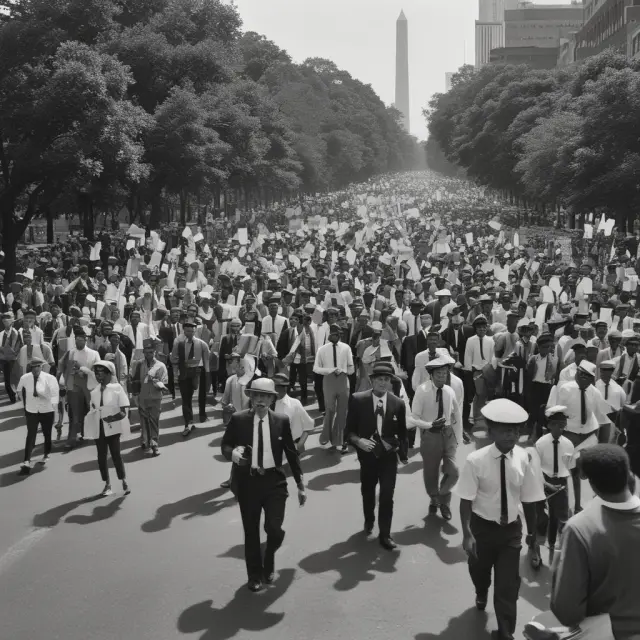
The Great Society initiatives were also influenced by the political climate of the time. The mid-1960s saw increased activism and social unrest, particularly regarding civil rights. The Montgomery Bus Boycott in 1955 and the March on Washington for Jobs and Freedom in 1963 galvanized public support for civil rights legislation. Johnson, recognizing the importance of addressing these issues to maintain political stability and ensure a more equitable society, embraced civil rights as an integral part of his Great Society agenda.
Johnson’s domestic policy initiatives were also shaped by global events. The U.S. was heavily involved in the Vietnam War during this time, which diverted resources and public attention away from domestic issues. Despite these challenges, Johnson remained committed to improving life for millions of Americans through his comprehensive vision for a Great Society.

The Origins and Objectives of the Great Society Programs
President Lyndon B. Johnson, who served in office from 1963 to 1969, is best remembered for his ambitious domestic policy agenda, which came to be known as the “Great Society.” This collection of programs was initiated during Johnson’s State of the Union address on January 4, 1964, when he declared his intent to create a society “where every man, woman, and child in this country can have an opportunity to grow to his full potential.” In the following two years, Johnson proposed and signed numerous pieces of landmark legislation that would change the American political landscape and address various social issues.
At the core of Johnson’s vision were four main objectives: eliminating poverty, expanding access to healthcare, improving education, and promoting civil rights (Gilbert, 1967). In this section, we will discuss the origins of these objectives and the key programs that were established as part of the Great Society.
First, Johnson’s concern for poverty reduction was influenced by the economic conditions at the time. The U.S. experienced a period of significant growth in the post-World War II era, but many Americans continued to live below the federal poverty line. In 1963, approximately 22 million people, or nearly one in five Americans, lived below the poverty threshold (Department of Labor, 1964).
In response, Johnson proposed the Economic Opportunity Act of 1964, which aimed to create jobs and provide training opportunities for underprivileged individuals. This legislation established the Office of Economic Opportunity and introduced programs such as the Job Corps, community action programs, and work-study grants. The goal was to help people achieve self-sufficiency by providing them with education, skills, and employment opportunities.
Second, Johnson’s focus on expanding access to healthcare was driven by a recognition of the lack of coverage for aging adults and low-income families. In 1964, only about half of Americans had health insurance (National Center for Health Statistics, 1965). Johnson responded by signing the Social Security Amendments of 1965, which created Medicare to provide coverage for people aged 65 and older, and Medicaid to help cover healthcare costs for low-income families. These programs significantly improved access to healthcare for millions of Americans and contributed to increased life expectancies (Centers for Disease Control and Prevention, n.d.).
Third, Johnson’s commitment to improving education was inspired by his belief that a well-educated population would contribute to a stronger democracy and economy. In 1965, the Elementary and Secondary Education Act (ESEA) was signed into law, providing federal funding for schools in districts where over half of the students came from low-income families. Additionally, Johnson created the National Foundation on the Arts and Humanities Act, which established the National Endowment for the Arts and the National Endowment for the Humanities to fund cultural institutions and promote artistic and intellectual pursuits.
Lastly, Johnson’s dedication to civil rights stemmed from his support for desegregation efforts and the ongoing Civil Rights Movement. In 1964, he signed the Civil Rights Act, which banned discrimination based on race, color, religion, sex, or national origin in employment, education, and public accommodations. The Voting Rights Act of 1965 followed shortly after, guaranteeing African Americans the right to vote by prohibiting discriminatory voting practices.
Johnson’s Great Society programs were a departure from previous welfare programs that relied on assistance for the poor. Instead, these initiatives emphasized self-sufficiency, education, and personal responsibility (Moynihan, 1965). The impact of these programs continues to be felt today. For instance, Medicare, Medicaid, the Older Americans Act, and the Elementary and Secondary Education Act (ESEA) of 1965 remain in place. Furthermore, the National Endowment for the Humanities and the National Endowment for the Arts continue to support libraries, museums, public television and radio, and other cultural institutions that enrich American society.
In conclusion, President Johnson’s Great Society programs were a defining moment in American history, as they addressed social issues and set the stage for future policy initiatives. By focusing on poverty reduction, healthcare, education, and civil rights, Johnson created lasting legacies that continue to shape American society today.
President Johnson’s Vision for Civil Rights as Part of the Great Society
The civil rights movement in America, which had gained significant momentum since the 1950s, played a crucial role in shaping President Lyndon B. Johnson’s vision for the Great Society. Johnson’s domestic policy initiatives were not limited to antipoverty measures, healthcare, education, and environmental protections; they also included civil rights legislation as an integral part of his plan to create a ‘Great Society.’
Background: Civil Rights Movement and Johnson’s Inspiration
President Johnson became President in 1963 following the assassination of President John F. Kennedy. At that time, the United States was grappling with significant civil rights challenges. The civil rights movement had been gaining momentum since the late 1940s, but it reached a critical point in the early 1960s with high-profile events such as the Montgomery Bus Boycott (1955) and the March on Washington for Jobs and Freedom (1963).
Johnson was influenced by these developments. In his acceptance speech at the Democratic National Convention, Johnson pledged his support to the civil rights cause. He believed that progress in this area would be essential for achieving a Great Society – a society free from poverty and racial injustice.
Civil Rights Legislation: A Key Component of Johnson’s Vision
Johnson saw civil rights legislation as an essential component of his Great Society agenda. In 1964, he proposed and signed the Civil Rights Act into law. This landmark legislation prohibited discrimination based on race, color, religion, sex, or national origin – a significant step forward in protecting civil rights for all Americans.
The following year, Johnson presented Congress with the Voting Rights Act, which was designed to protect African Americans’ right to vote. The act targeted states with a history of discriminatory practices and required federal approval before any changes to voting laws could be implemented. This legislation significantly reduced barriers to voting for millions of African Americans.
By including civil rights legislation as part of his Great Society agenda, Johnson demonstrated his commitment to creating a society where all citizens had equal opportunities to thrive. The passage of these laws marked a turning point in American history and paved the way for further progress in civil rights and social justice.
The Impact on American Society: A Lasting Legacy
Johnson’s Great Society programs, including his efforts to address civil rights issues, have had a profound impact on American society. The Civil Rights Act of 1964 and the Voting Rights Act of 1965 helped reduce racial discrimination in various aspects of life, from employment and education to housing and voting. These laws also set the stage for further progress in civil rights and social justice during the late 20th century and beyond.
Moreover, Johnson’s initiatives contributed significantly to reducing poverty levels in the United States. The War on Poverty, which was a key component of the Great Society, helped lift millions of Americans out of poverty through various programs and initiatives that provided training, education, and employment opportunities.
Conclusion: A Transformative Vision for American Society
President Lyndon B. Johnson’s vision for the Great Society was transformative in many ways. His commitment to creating a society free from poverty and racial injustice extended beyond antipoverty measures and education initiatives; it also encompassed civil rights legislation as an essential part of his agenda. By doing so, he set the stage for significant progress in civil rights, social justice, and American society as a whole. Johnson’s legacy lives on through the programs and policies that continue to shape America today, making a lasting impact on millions of lives.

Antipoverty Programs: Jobs, Training, and Community Development
The Great Society initiatives under President Johnson aimed to not only reduce poverty but also provide opportunities for those in low-income communities to improve their lives. A major component of Johnson’s antipoverty efforts involved job creation, workforce training, and community development. In March 1964, the Economic Opportunity Act was introduced to Congress, which established the Office of Economic Opportunity (OEO) to administer these programs.
Job Corps: Johnson envisioned a Job Corps program that would offer job training and education for young people from disadvantaged backgrounds. The OEO provided grants to states and localities to create their own work training programs. This allowed individuals in underprivileged communities the opportunity to gain valuable skills, prepare for employment, and eventually move toward self-sufficiency.
Workforce Training: In addition to the Job Corps program, Johnson encouraged state and local governments to develop job training initiatives. These efforts focused on providing education and vocational training for young adults, as well as older workers who had been displaced from their jobs. The National Work-Study Program was introduced to help fund college education for students from low-income families, furthering their opportunities for advancement in the workforce.
Community Action Programs: Johnson believed that community involvement was vital in addressing poverty and creating lasting change. As a result, he initiated government-sponsored Community Action Programs (CAP). These programs, operated by local volunteers, aimed to assess community needs, mobilize resources, and implement projects that would help improve the overall quality of life for residents in low-income communities.
The impact of Johnson’s antipoverty initiatives was significant. By providing job training, workforce development opportunities, and support for community improvement projects, these programs helped to lift millions of Americans out of poverty and improve their economic wellbeing. While some challenges remained, the seeds of change were planted that would continue to grow in subsequent decades.
In conclusion, Johnson’s antipoverty initiatives formed a critical aspect of his larger vision for a ‘Great Society’. By focusing on job creation, workforce training, and community development, these programs aimed to empower individuals from disadvantaged backgrounds and help them build better lives for themselves and their families. The success of these programs would not only reshape the social landscape in the United States but also serve as a model for future efforts to reduce poverty and improve opportunities for all Americans.
FAQs: Answering Commonly Asked Questions About Johnson’s Antipoverty Programs
What was the purpose of President Johnson’s antipoverty programs?
Answer: Johnson’s antipoverty programs were designed to provide job training, workforce development opportunities, and support for community improvement projects in low-income communities. Their goal was to empower individuals from disadvantaged backgrounds and help them build better lives for themselves and their families.
How did the Job Corps program work?
Answer: The Job Corps program provided job training and education for young people from disadvantaged backgrounds. It was administered by the Office of Economic Opportunity (OEO) and allowed individuals to gain valuable skills, prepare for employment, and eventually move toward self-sufficiency.
What was the significance of community action programs in Johnson’s antipoverty efforts?
Answer: Community Action Programs (CAP) were government-sponsored initiatives that aimed to assess community needs, mobilize resources, and implement projects that would help improve the overall quality of life for residents in low-income communities. They allowed for local involvement and community empowerment in addressing poverty and creating lasting change.
What impact did Johnson’s antipoverty programs have on reducing poverty?
Answer: Johnson’s antipoverty initiatives were successful in lifting millions of Americans out of poverty and improving their economic wellbeing. While some challenges remained, these programs laid the foundation for future efforts to reduce poverty and improve opportunities for all Americans.
Healthcare Programs: Medicare and Medicaid
President Lyndon B. Johnson introduced several groundbreaking domestic policies in the United States during his presidency, one of which was the creation of Medicare and Medicaid healthcare programs. These initiatives were aimed at addressing healthcare access for elderly Americans and those living below the poverty line.
Before Johnson took office, many aging adults in the U.S. lacked any health insurance coverage. Likewise, millions of people lived paycheck to paycheck or below the federal poverty line with limited to no access to healthcare services. Recognizing this issue, Johnson made it a priority to improve access to healthcare for these groups and establish comprehensive legislation to address their needs.
Medicare, introduced on July 30, 1965, was one of the most significant accomplishments of the Great Society policies. This program provided hospitalization coverage and doctor visits for Americans aged 65 or older. Medicare’s introduction significantly improved healthcare access for elderly citizens, providing peace of mind and financial relief from potentially catastrophic medical bills.
Medicaid, signed into law alongside Medicare on July 30, 1965, was another crucial initiative that addressed healthcare coverage for low-income individuals. This program provided coverage for necessary medical services, including doctor visits, hospitalization, and prescription drugs. Medicaid’s implementation revolutionized healthcare access for millions of Americans, reducing the burden on hospitals and state governments while improving overall health outcomes.
Both Medicare and Medicaid continue to play a vital role in the U.S. healthcare system today, serving over 60 million enrollees combined. These programs have significantly impacted healthcare access, leading to increased life expectancies from 66.6 years for men and 73.1 for women in 1964 to 73.2 and 79.1 respectively in 2021.
The creation of these healthcare programs was a monumental achievement in Johnson’s Great Society initiatives, paving the way for improved access to essential healthcare services for millions of Americans who previously lacked them.

Education Programs: Head Start, ESEA, and the National Endowment for the Arts and Humanities
President Lyndon B. Johnson’s Great Society initiative was an extensive social reform plan with lasting impacts on American society. Among its most significant accomplishments were initiatives aimed at improving education and supporting cultural institutions. In this section, we will explore Johnson’s vision for educational opportunities and the establishment of the National Endowment for the Arts and Humanities.
Johnson’s Education Agenda: Project Head Start and ESEA
In March 1964, Johnson proposed the Economic Opportunity Act to Congress with a focus on addressing poverty through education, training, and work programs. The Office of Economic Opportunity (OEO) was established to administer these initiatives, including Project Head Start, an eight-week summer camp for children aged three to five in low-income families. Over 500,000 youngsters attended this preschool program that laid the groundwork for cognitive development and overall wellbeing. The following year, Johnson passed the Elementary and Secondary Education Act (ESEA) of 1965, which provided federal funding to public schools serving low-income families.
National Endowment for the Arts and Humanities: A Cultural Legacy
In addition to education initiatives, Johnson’s vision extended to the cultural sector by signing the National Foundation on the Arts and Humanities Act in 1965, creating the National Endowment for the Arts (NEA) and National Endowment for the Humanities (NEH). Both entities were designed to fund and support cultural institutions that contribute to a healthy society. They provide grants to libraries, public television and radio, museums, and archives. Today, these programs continue to inspire, educate, and preserve America’s rich artistic and intellectual heritage.
The Lasting Impact of Johnson’s Educational Initiatives
Johnson’s education policies and initiatives have left a lasting impact on American society. Project Head Start has evolved to reach over one million children every year with comprehensive early learning services, including nutrition, health, and social services. The Elementary and Secondary Education Act (ESEA) remains an important federal program that ensures educational opportunities for students from disadvantaged backgrounds. Furthermore, the National Endowment for the Arts and Humanities continue to support cultural institutions in America, ensuring access to arts and humanities programs for millions.
In conclusion, President Lyndon B. Johnson’s Great Society initiative was a wide-ranging set of domestic policy initiatives that aimed to improve American society through education, environmental protections, civil rights, and workforce development. Among its most significant accomplishments were initiatives focused on education and cultural institutions, including Project Head Start, the Elementary and Secondary Education Act (ESEA), and the establishment of the National Endowment for the Arts and Humanities. These programs continue to inspire and impact American society decades after their inception.
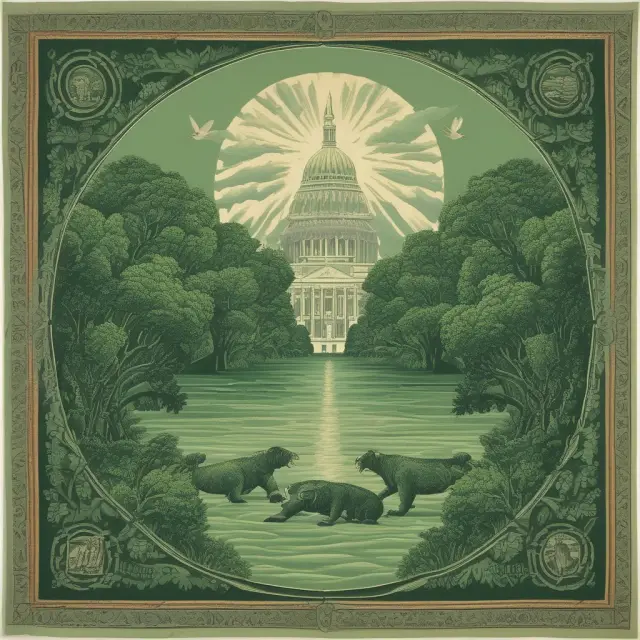
Environmental Protections: Clean Air, Clean Water, and Preserving Natural Resources
President Lyndon B. Johnson’s Great Society initiatives went beyond poverty reduction, education, and civil rights, as he also championed environmental protections through several programs and policies. The President recognized the importance of preserving natural resources and safeguarding public health by ensuring clean air, water, and scenic trails. These efforts significantly impacted the United States’ environmental landscape.
The Great Society Programs and Policies: Environmental Perspective
President Johnson’s initiatives focused on addressing environmental challenges in various ways, such as setting water quality standards, vehicle emission regulations, wildlife protection, river conservation, and historic landmark preservation. The following are some of the most notable environmental programs and policies implemented under Johnson’s administration:
1. Clean Air Act Amendments (1965)
The Clean Air Act Amendments were an essential component of Johnson’s Great Society initiatives, which aimed to protect public health by improving air quality and reducing air pollution. These amendments set the foundation for the establishment of the Environmental Protection Agency in 1970, providing regulatory authority over air emissions from industrial facilities.
2. Clean Water Act (1965)
The Clean Water Act was another critical piece of legislation introduced under Johnson’s Great Society programs. This act established the National Pollutant Discharge Elimination System (NPDES), which regulates point source water pollution, and the Federal Water Pollution Control Administration (FWPCA), which became the U.S. Environmental Protection Agency in 1972.
3. Wildlife Protection Acts (1966)
The Landmark Wilderness Act of 1964, which Johnson signed into law, created eight new national wilderness areas totaling over one million acres. Furthermore, the Endangered Species Preservation Act of 1966 was passed to protect endangered wildlife species and their habitats within the United States.
4. National Trails System Act (1968)
The National Trails System Act established a network of trails for hiking, biking, horseback riding, and other outdoor recreational activities, enhancing public access to scenic natural areas and promoting environmental education.
5. Headwaters Program
Project Head Start, initially introduced as an eight-week summer camp in 1964, also included environmental education components. Johnson’s administration emphasized the importance of environmental stewardship by incorporating environmental awareness into the program and establishing the National Environmental Education Act in 1970.
Environmental Protections: Lasting Impact on American Society
Johnson’s environmental initiatives have left a lasting impact on American society, influencing modern legislation and shaping public opinion regarding environmental protection. Some of these programs have evolved over time, demonstrating their resilience and adaptability to address contemporary environmental challenges. The following are some key examples:
1. Clean Air Act Amendments (CAA)
The CAA has been amended several times since its original passage in 1965, with significant modifications occurring in the Clean Air Act of 1970, the Clean Air Act Amendments of 1990, and the Clean Air Act of 1996. These amendments have set increasingly stringent emission standards for various pollutants, leading to substantial improvements in overall air quality across the United States.
2. Clean Water Act (CWA)
The CWA has undergone significant changes since its original passage in 1965, with major amendments being made in 1972 and 1977. These revisions expanded federal regulatory authority over water quality issues, leading to substantial improvements in water quality for millions of Americans.
3. Endangered Species Act (ESA)
The ESA has been a critical tool for wildlife conservation since its passage in 1969. The act has successfully protected numerous species from extinction and promoted the recovery of many others. In recent years, it has also played a crucial role in addressing climate change impacts on endangered species populations.
4. National Trails System Act (NTS)
The NTS continues to expand and evolve, with new trails being added and existing trails being improved. Today, over 20,000 miles of national recreation trails and scenic areas are protected under the act, providing opportunities for millions of Americans to enjoy the great outdoors while fostering a deeper appreciation for nature and environmental stewardship.
In conclusion, President Johnson’s Great Society initiatives not only focused on poverty reduction, civil rights, education, but also on environmental protections. These efforts have significantly impacted the United States’ environmental landscape by setting the foundation for numerous laws, agencies, and programs that continue to shape public policy and promote a healthier and more sustainable future.

Consumer Protection: Establishing Agencies and Laws to Protect Consumers
The Great Society was marked by ambitious efforts to create a more equitable society through various programs, and consumer protection was no exception. President Johnson’s administration introduced several significant laws and established agencies aimed at safeguarding American consumers from potentially hazardous products and ensuring fair business practices. These initiatives were crucial in establishing consumer rights as a national priority and significantly shaping the U.S. regulatory landscape.
In the 1960s, prior to Johnson’s tenure, consumer protection was not a top priority for the federal government. Consumers often had little recourse when they encountered faulty or dangerous products. However, President Johnson recognized that protecting consumers was essential to creating an equitable society and ensuring public trust in business practices.
The creation of the Consumer Product Safety Commission (CPSC) in 1972 marked a turning point for consumer protection in the U.S. The CPSC was formed to “protect the public against unreasonable risks of injuries and deaths associated with consumer products.” This comprehensive agency now oversees the regulation, labeling, and recall process for various products that can potentially pose hazards to consumers.
Before the establishment of the CPSC, individual states were responsible for regulating consumer products within their jurisdictions. However, this patchwork approach was inadequate to address the widespread risks posed by certain products. Johnson’s administration recognized the need for a centralized agency to address these issues and provide consumers with consistent protection.
The CPSC is mandated by the Consumer Product Safety Act of 1972. This legislation granted the commission the authority to create standards, restrict unsafe consumer products, oversee product recalls, and educate the public on safety concerns. The jurisdiction of the CPSC covers most consumer products except for motor vehicles, food, drugs, alcohol, tobacco, and firearms.
Another significant consumer protection law passed during Johnson’s presidency was the Child Protection Act of 1966. This legislation granted the federal government the power to define potential hazards and issue warning labels on dangerous toys and household items. The Act aims to protect children from choking, burns, electric shock, and other injuries that can occur due to consumer products.
These consumer protection initiatives were essential components of Johnson’s broader vision for a Great Society that prioritized the welfare of its citizens. By addressing consumer concerns, Johnson’s administration demonstrated a commitment to ensuring equal access to safe and reliable products for all Americans. These efforts continue to shape consumer protection laws and policies in the U.S. today.
FAQs:
What is the definition of the Great Society?
The Great Society refers to President Lyndon B. Johnson’s set of domestic policy initiatives, programs, and legislations introduced between 1964 and 1965 aimed at reducing poverty levels, racial injustice, crime, and improving the environment.
Which programs were part of the Great Society?
The Great Society included programs such as Medicare, Medicaid, Project Head Start, Older Americans Act, and Elementary and Secondary Education Act (ESEA) of 1965, among others.
Who urged Congress to pass the Civil Rights Act as part of his vision for a Great Society?
Before his untimely death, President John Kennedy asked Congress in 1963 for a comprehensive civil rights bill. When Lyndon B. Johnson became the president after Kennedy’s death, he urged Congress to pass the Civil Rights Act as part of his and Kennedy’s vision for a Great Society.
What was the significance of consumer protection initiatives in the Great Society?
Consumer protection initiatives like the creation of the Consumer Product Safety Commission (CPSC) and the Child Protection Act of 1966 were essential components of Johnson’s broader vision for a Great Society, as they demonstrated a commitment to ensuring equal access to safe and reliable products for all Americans.

The Legacy of the Great Society: Impacts and Influence on American Society
As President Johnson’s Great Society initiatives entered their implementation phase in the mid-1960s, they left a profound impact on American society that persisted for generations. This section delves deeper into the lasting effects these programs had on poverty reduction, education levels, and social inequality.
Poverty Reduction: A Statistical Perspective
Johnson’s goal of ending poverty in America was an ambitious one, yet his initiatives produced significant progress towards this objective. Between 1959 and 1963, the percentage of Americans living below the poverty line dropped from 22.4% to 14%. This downward trend continued with the implementation of Great Society programs, as the poverty rate fell further to 11% by 1970 and 9.6% a decade later (U.S. Census Bureau).
While not achieving Johnson’s ultimate goal, the Great Society policies significantly reduced the poverty rate during his tenure and influenced future initiatives to address this persistent issue.
Education: A Key Focus Area for Lasting Change
Great Society programs brought about substantial improvements in education access and quality for millions of Americans. The Elementary and Secondary Education Act (ESEA) of 1965, also known as the “Mother of All Reforms,” provided federal funding for public schools, focusing on areas where children from low-income families resided (U.S. Department of Education). This legislation paved the way for further educational reforms and helped establish a stronger foundation for future generations.
The Head Start program, one of the most well-known aspects of Johnson’s domestic agenda, aimed to improve early childhood education by offering preschool services and support for families living below the poverty line (U.S. Department of Health and Human Services). Today, over one million children benefit from Head Start programs annually (National Center for Children in Poverty).
Inequality: A Long-Term Perspective
While Johnson’s domestic policies achieved substantial progress in various areas, they did not entirely eliminate social inequality. However, these initiatives played an essential role in shaping future policies to address persistent issues and set a foundation for lasting change. For example, the Civil Rights Act of 1968 prohibited discrimination in the sale, rental, and financing of housing. Although this law did not immediately erase housing segregation, it helped pave the way for further progress and informed later civil rights legislation (U.S. Department of Housing and Urban Development).
In conclusion, President Johnson’s Great Society initiatives significantly impacted American society through their efforts to reduce poverty, improve education levels, and address social inequality. Though they did not fully achieve Johnson’s ambitious goals, these programs set the foundation for future policies and influenced a lasting change in American society.
FAQs: Answering Commonly Asked Questions About the Great Society Programs
What is the definition of the Great Society?
The term ‘Great Society’ refers to a set of domestic policy initiatives launched by President Lyndon B. Johnson between 1964 and 1965 in the U.S. These programs aimed to reduce poverty levels, address racial injustice, decrease crime, and improve the environment, earning it a place as one of the most extensive social reform plans in modern history.
Which policies are considered part of Johnson’s Great Society?
The Great Society includes initiatives such as Project Head Start, Medicare, Medicaid, the Older Americans Act, the Elementary and Secondary Education Act (ESEA) of 1965, and the National Endowment for the Arts and Humanities. These programs focused on antipoverty efforts, education, healthcare, environmental protections, and consumer protection.
What inspired Johnson’s domestic policy agenda?
Johnson’s domestic policy initiatives were motivated by his vision of creating a ‘Great Society,’ aiming to eliminate poverty and racial injustice through education, civil rights, healthcare, and environmental protections. His ambitions were influenced by Franklin D. Roosevelt’s New Deal programs in the 1930s.
What was Johnson’s approach to addressing poverty?
Johnson introduced various antipoverty initiatives such as the Office of Economic Opportunity (OEO) and the Economic Opportunity Act. These efforts focused on job creation, work training, community development, and providing aid to farmers and parents re-entering the workforce.
When was Medicare and Medicaid introduced?
Medicare and Medicaid became part of U.S. law during Johnson’s tenure as President in 1965. Medicare provided healthcare coverage for aging adults, while Medicaid offered assistance to individuals living below the federal poverty line.
How did Johnson support education initiatives?
Johnson implemented programs like Project Head Start and passed the Elementary and Secondary Education Act (ESEA) of 1965. These efforts aimed to improve access to quality education for all Americans, particularly those from underprivileged backgrounds.
What role did environmental protections play in Johnson’s agenda?
Johnson established various initiatives focused on environmental protection, including water and air quality standards, wildlife preservation, scenic trails, and historic landmarks.
What consumer protection programs were implemented during the Great Society era?
The Great Society era saw the establishment of the Consumer Product Safety Commission (CPSC) in 1972 to protect consumers from potential risks associated with various products. The Child Protection Act of 1966 was another consumer protection initiative, focusing on ensuring the safety of toys and household items.
 Next entry · No. 1,901Understanding the Greater Fool Theory: A Risky Investment Strategy
See also
-
 No. 5,787
07 Oct 2025
22 min
Understanding the Working Tax Credit (WTC): Eligibility, Amounts, and Application
Government
No. 5,787
07 Oct 2025
22 min
Understanding the Working Tax Credit (WTC): Eligibility, Amounts, and Application
Government -
 No. 2,313
27 Dec 2024
22 min
Understanding Impeachment: A Comprehensive Guide for Institutional Investors
Government
No. 2,313
27 Dec 2024
22 min
Understanding Impeachment: A Comprehensive Guide for Institutional Investors
Government -
 No. 1,866
17 Nov 2024
19 min
Understanding the Role, Functions and History of the Government Accountability Office (GAO)
Government
No. 1,866
17 Nov 2024
19 min
Understanding the Role, Functions and History of the Government Accountability Office (GAO)
Government -
 No. 5,952
18 Sep 2026
20 min
Overdraft and Insufficient Funds Fees: Get the Refund, Then Stop Paying Them
Banking
No. 5,952
18 Sep 2026
20 min
Overdraft and Insufficient Funds Fees: Get the Refund, Then Stop Paying Them
Banking -
 No. 5,905
17 Oct 2025
21 min
Zero-Rated Goods: Understanding the Tax Exemptions for Various Products and Services
Business Finance
No. 5,905
17 Oct 2025
21 min
Zero-Rated Goods: Understanding the Tax Exemptions for Various Products and Services
Business Finance -
 No. 5,794
08 Oct 2025
16 min
Workout Agreements: A Mutual Solution for Borrowers and Lenders
Business Finance
No. 5,794
08 Oct 2025
16 min
Workout Agreements: A Mutual Solution for Borrowers and Lenders
Business Finance