The Impact and Legacy of the Group of 3: A Free Trade Agreement Between Mexico, Colombia, and Venezuela

Explore the origins, benefits, and impact of the Group of 3 free trade agreement between Mexico, Colombia, and Venezuela.
Background of the Group of 3
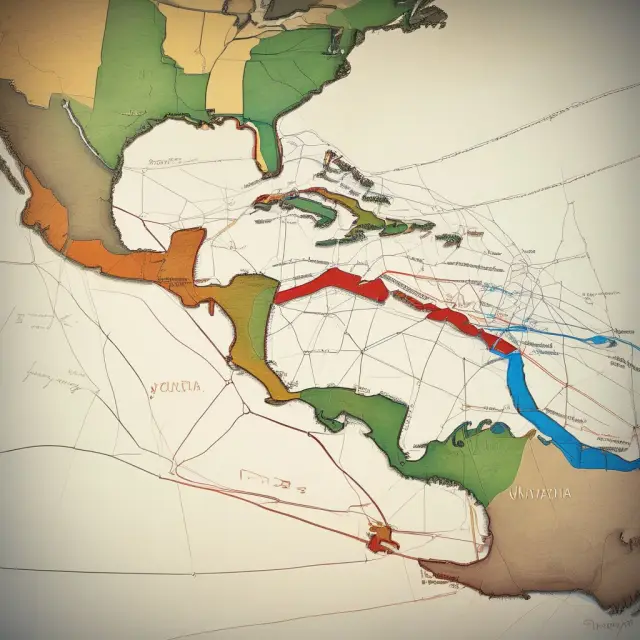
The Group of 3 (G3) was a free trade agreement between Mexico, Colombia, and Venezuela, established in 1995. This groundbreaking pact aimed to foster closer economic ties among its members by removing barriers for trade and investment. With a focus on intellectual property rights, public sector investments, and tariff reductions, the G3 represented a significant step forward in regional economic integration.
Mexico’s leadership was instrumental in the creation and implementation of this agreement, as it extended the country’s free trade efforts beyond North America. Mexico viewed the G3 as an opportunity to strengthen its influence in Central America and promote regional economic growth. By initiating such agreements, Mexico paved the way for expanded trade among participating countries.
Colombia entered into the G3 agreement with high expectations, anticipating potential benefits from increased exports and foreign investment. The country’s participation in the agreement also held importance for its energy sector as it collaborated with both Mexico and Venezuela on joint projects such as linking power grids and gas pipelines. These initiatives aimed to improve accessibility to energy resources and bolster trade between nations.
Venezuela, initially a part of this alliance, saw limited participation due to geopolitical factors. In 2006, Venezuela’s departure from the G3 was announced when it joined Mercosur. Although its involvement in the agreement was brief, Venezuela did contribute to the Group of 3’s impact on regional energy infrastructure. One of the most notable projects was the interconnection of power grids and gas pipelines between Mexico and Colombia/Venezuela. In October 2007, a gas pipeline opened between Colombia and western Venezuela, providing access to previously unavailable gas resources for the region.
As the Group of 3 progressed, Mexico continued its efforts to expand free trade in the region, eventually leading to the formation of the Pacific Alliance with Chile and Peru in 2014. This alliance aimed to deepen economic ties among all four countries and strengthen connections to Asia through their shared Pacific Ocean borders.
In conclusion, the Group of 3 was a pioneering effort towards regional economic integration that, despite its brief lifespan, left significant marks on Mexico, Colombia, and Venezuela. The agreement bolstered trade relationships between these countries and set the stage for further collaboration in the energy sector. Though its impact may have been limited due to the departure of Venezuela and other regional trade agreements, the legacy of the Group of 3 remains a testament to the potential benefits of regional economic cooperation.
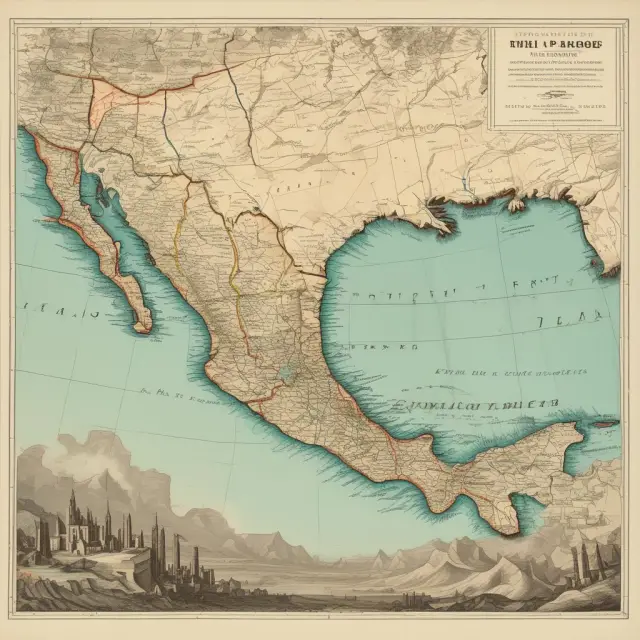
Mexico’s Role in the Group of 3
The Group of 3, established in 1995, was a free trade agreement between Mexico, Colombia, and Venezuela that aimed to facilitate economic cooperation among its members. Mexico, as a leading regional power, played a vital role in this pact. The country’s strategic objectives for joining the Group of 3 can be attributed to its pursuit of extending free trade throughout Central America and deepening economic ties with neighboring nations.
One of Mexico’s primary goals was to expand its influence in Central America and establish itself as a vital trading partner. By spearheading the Group of 3, Mexico sought to promote an open and interconnected regional economy, offering numerous benefits for all parties involved. In this context, Mexico served as the largest and most influential participant, demonstrating strong commitment and leadership throughout the agreement’s existence.
As part of its strategy, Mexico aimed to attract foreign investment in various industries by establishing a favorable business environment and reducing trade barriers with Colombia and Venezuela. This approach helped Mexico position itself as a key player in regional trade negotiations, enabling it to set the tone for subsequent agreements like the Pacific Alliance with Chile and Peru.
The Group of 3 provided Mexico with an opportunity to increase its exports and diversify its trading partners beyond the United States and Canada. By focusing on trade with Colombia and Venezuela, Mexico was able to tap into new markets, which contributed to its growing economic influence in Central America. Moreover, the agreement allowed Mexico to leverage the labor markets of these countries to produce finished goods that could be sold back to the U.S. and Canadian markets through NAFTA.
The energy sector played a significant role in the Group of 3 as well. One of its most notable projects was linking power grids and gas pipelines between Mexico, Colombia, and Venezuela. This initiative aimed to foster energy interdependence among members, making their economies more resilient against external shocks while also providing access to cleaner and more efficient energy sources for all three countries.
The Group of 3 not only provided Mexico with a platform to expand its economic presence in Central America but also positioned it as a regional leader committed to promoting free trade, economic cooperation, and sustainable development. The agreement’s impact on the region can still be felt today as Mexico continues to maintain strong economic ties with Colombia and other neighboring countries.

Colombia’s Participation in the Group of 3
Colombia joined Mexico in the Group of 3 free trade agreement with Venezuela in 1995, initially expecting significant benefits from the pact. The primary goals for Colombia were to promote economic growth and attract foreign investment by opening its market to a larger regional trading bloc. As a result, Colombian exporters gained access to Mexico’s extensive consumer base, providing an opportunity to expand their businesses beyond traditional markets in Europe and the United States.
One significant aspect of the Group of 3 was its impact on Colombia’s energy sector. The agreement facilitated the linking of power grids and gas pipelines between Colombia, Mexico, and Venezuela, which enabled improved electricity exchange and more efficient regional energy distribution. In October 2007, a major gas pipeline opened between Colombia and western Venezuela, providing vital access to previously inaccessible regions and enhancing the overall efficiency of the South American energy market.
Trade volumes between Colombia and Mexico surged during the Group of 3 era, with Mexican imports from Colombia increasing by almost 10% year-on-year between 2004 and 2005. Major Colombian exports to Mexico included coffee, flowers, bananas, textiles, footwear, and automotive parts. The agreement also led to increased investments in various industries such as manufacturing, transportation, and services.
However, the Group of 3 did not last long, as Venezuela pulled out in 2006, and Colombia continued its trade partnership with Mexico for approximately nine more years until joining the Pacific Alliance in 2014 along with Chile and Peru. Despite its limited tenure, the Group of 3 significantly influenced Colombia’s economic development and regional integration efforts.
As a parting note, while Venezuela was initially involved in the agreement, its impact on the pact was minimal due to political changes that occurred during Chavez’s presidency. Nevertheless, the experience provided valuable insights for future trade negotiations and agreements within Central America and North America.

Venezuela’s Involvement in the Group of 3
When the Group of 3 was established between Mexico, Colombia, and Venezuela in 1995, Venezuela initially showed a strong commitment to the free trade agreement. However, its level of participation turned out to be limited over time. Eventually, Hugo Chavez’s government decided not to renew the agreement in 2006. Instead, Venezuela joined Mercosur, another regional free trade area that predated the Group of 3.
One reason for Venezuela’s hesitation may have been its strategic interest in strengthening ties with Argentina and other Mercosur members. Additionally, Chavez’s populist agenda and anti-neoliberal ideology might have played a role in shunning the Group of 3, which was seen as promoting free trade and economic liberalization.
The Group of 3 still made progress despite Venezuela’s limited involvement. One notable achievement was the linking of power grids and gas pipelines between Mexico and Colombia/Venezuela. In October 2007, a gas pipeline opened between Colombia and western Venezuela, allowing gas to flow to areas previously without access. This project not only supported energy security for both countries but also provided an opportunity for Mexico to extend its influence in the region’s energy sector.
Although Venezuela did not fully participate in the Group of 3, the agreement contributed positively to Mexico and Colombia’s economic ties. For Mexico, the Group of 3 was part of a broader strategy to open trade policies and significantly boost exports. The agreement offered Mexico an opportunity to leverage labor markets throughout the region for producing finished goods that could be sold into the U.S. via NAFTA.
Moreover, the Group of 3 played a role in solidifying Mexico’s position as Central America’s most important trading partner. However, its impact was limited compared to other trade agreements, such as the Pacific Alliance, which later drew more attention and had stronger economic implications for participating countries. The Group of 3 eventually weakened due to regional competition and new trade agreements between individual countries and the U.S.
In summary, Venezuela’s involvement in the Group of 3 was brief and limited, but it still managed to contribute to the linking of power grids and gas pipelines between Mexico and Colombia/Venezuela. The agreement helped strengthen Mexico and Colombia’s economic ties, but its influence paled in comparison to other regional trade initiatives.

Notable Projects During the Group of 3 Era
One of the significant achievements during the Group of 3 era was the implementation of joint projects focused on enhancing energy production and infrastructure, particularly in the areas of power grids and gas pipelines between Mexico, Colombia, and Venezuela. This collaboration aimed at strengthening economic ties among the three nations and improving access to essential resources.
At the start of the agreement in 1995, Mexico, as a leading partner, took the initiative to connect its power grid with those of Colombia and Venezuela. The integration was part of a broader strategy to develop stronger energy relationships throughout Central America, ultimately positioning Mexico as the region’s essential trading partner.
The gas pipelines project between Mexico and its partners began in 2007 when an essential gas pipeline opened between Colombia and western Venezuela. This development allowed for the uninterrupted flow of gas to regions previously deprived of this vital resource, thereby fostering significant improvements in the daily lives of people residing in these areas.
The linking of power grids and gas pipelines proved crucial for the energy sector in the Group of 3 nations, enabling more efficient trade flows, improved access to resources, and closer economic collaboration. Additionally, the success of this project showcased Mexico’s commitment to regional development and its role as a trusted partner for energy projects.
The energy initiatives carried out under the Group of 3 agreement contributed significantly to Mexico’s position as Central America’s most important trading partner. The interconnected power grids and gas pipelines fostered economic growth, creating opportunities for increased trade between the countries involved.
While the Group of 3 era came to a close in 2014 when Colombia and Venezuela joined other regional alliances like the Pacific Alliance, the impact of this free trade agreement lived on through its successful energy projects. The linking of power grids and gas pipelines between Mexico, Colombia, and Venezuela remains an enduring legacy that showcases the potential for fruitful collaborations in the region.
The End of the Group of 3
Despite its ambitious objectives, the Group of 3 free trade agreement between Mexico, Colombia, and Venezuela faced significant challenges and ultimately disbanded in 2013. Understanding the reasons behind the agreement’s demise, as well as its impact on the participating countries and valuable lessons learned, is crucial to appreciate this significant chapter in regional trade history.
Venezuela’s Departure: A Shift in Alliances
One of the most significant factors contributing to the dissolution of the Group of 3 was Venezuela’s withdrawal from the agreement in 2006. Hugo Chavez, then President of Venezuela, opted for his country to join Mercosur instead of extending its participation in the Group of 3. This shift in alliances significantly weakened Mexico and Colombia’s partnership, as Venezuela had been a key player in the energy sector under the agreement.
Impact on Participating Countries: Trade Dynamics
While the discontinuation of the Group of 3 was unfortunate for some, it also brought about new opportunities and alliances for the participating countries. Mexico continued to play an influential role as Central America’s leading trading partner through other free trade agreements, such as the Pacific Alliance. Colombia and Peru joined Chile in creating this alliance in 2014 with the goal of boosting trade between the four countries and strengthening economic ties to Asia.
Legacy and Lessons: A Catalyst for Change
The Group of 3 had a considerable impact on regional trade, particularly in Mexico’s favor. Though it only lasted ten years, this agreement enabled Mexico to extend its free trade policies further into Central America and expand labor markets throughout the region. The success of the Group of 3 served as a catalyst for countries in the area to seek stronger economic ties with their neighbors and other global partners.
In conclusion, the demise of the Group of 3 did not mark the end of regional trade efforts between Mexico, Colombia, and Venezuela. Instead, it paved the way for new alliances, increased collaboration, and a renewed focus on strengthening trade relationships throughout Central America and beyond. By understanding the reasons behind its dissolution and the lessons learned from this agreement, we can appreciate the significance of the Group of 3 in shaping contemporary regional economic dynamics.

Impact on Central America and North America
The Group of Three (G3) had significant implications for both Central American economies and its North American counterpart. Mexico, as the most influential member, used the free trade agreement to expand its reach into Central America and further solidify its position as a regional leader. One objective was to extend free trade throughout much of Central America, including Peru, Bolivia, and Ecuador. The G3 Agreement paved the way for Mexico’s involvement in subsequent agreements such as the Pacific Alliance.
Mexico’s influence on NAFTA was also impacted by the G3. As a result of the agreement, Mexico aimed to leverage labor markets throughout Central America to produce finished goods that could then be sold into the United States and Canada via NAFTA. This strategy allowed Mexico to diversify its export markets beyond the United States, reducing dependence on its northern neighbor.
Colombia, in particular, experienced noticeable benefits from the G3. The country’s economy gained access to a larger market, and the energy sector was positively affected by linking power grids and gas pipelines with Mexico and Venezuela. Colombia became an essential player in the region’s energy industry, as it served as the bridge connecting South American energy producers to North America.
The Group of Three Agreement ultimately influenced new trade agreements in the region. For instance, the Pacific Alliance was formed in 2014 by Chile, Peru, Mexico, and Colombia, with the objective of boosting trade between all four countries and strengthening economic ties to Asia. The agreement marked a significant step forward for Latin America in terms of free trade.
In summary, the Group of Three Agreement contributed to Mexico’s regional dominance, enhanced Colombia’s role in Central America, and set the stage for subsequent trade agreements such as the Pacific Alliance. Through strategic partnerships and the sharing of resources, the G3 created a stronger economic union that laid the foundation for future successes.

Economic and Political Considerations
The Group of 3 free trade agreement between Mexico, Colombia, and Venezuela was a significant development in Latin American economic relations during the late twentieth century. Although the pact’s tenure was brief, its impact on labor markets, energy resources, and geopolitics proved substantial.
Labor Markets
Mexico emerged as the leading partner in the Group of 3. The agreement facilitated Mexico’s objective to extend free trade across Central America. By joining forces with Colombia and Venezuela, Mexico sought to establish a unified economic front that could potentially challenge larger trading blocs like Mercosur and NAFTA. This strategy aimed to foster labor market integration and create an extensive production network to supply goods for export into North American markets. For instance, the Mexican manufacturing sector benefited significantly from the agreement due to the availability of a skilled workforce in Colombia.
Energy Resources
Another critical aspect of the Group of 3 was the role it played in facilitating energy cooperation between the three countries. One of the most significant projects during this period involved linking power grids and gas pipelines from Mexico to Colombia and Venezuela. This initiative allowed for energy resources to flow more efficiently among nations, improving overall economic stability and reducing reliance on external imports. For example, the opening of a gas pipeline between Colombia and western Venezuela in October 2007 enabled gas to reach areas that previously had no access to this vital resource.
Geopolitics:
The Group of 3 also carried geopolitical implications. Mexico’s role as a regional leader became more pronounced, and its participation influenced the future of trade agreements within Central America. The agreement’s failure to include Venezuela as an active participant is significant, as Venezuela had initially hoped the Group of 3 might lead to eventual entry into NAFTA. However, this did not come to fruition due to political tensions between countries and shifting regional priorities.
The Group of 3 agreement also had a profound impact on Mexico’s position within the North American region. The pact strengthened Mexico’s economic ties with Central America and helped establish it as an essential trading partner for several countries in the region. The eventual disbanding of the agreement did not diminish this role, as Mexico continued to be an influential player through its membership in the Pacific Alliance and other trade agreements like NAFTA.
In conclusion, the Group of 3 free trade agreement between Mexico, Colombia, and Venezuela played a vital role in Latin American economic and political developments during the late 1990s and early 2000s. By examining labor markets, energy resources, and geopolitics, it becomes clear that the agreement had far-reaching implications. Ultimately, while the Group of 3 did not last long, its impact on Mexico, Colombia, and Venezuela is still felt today.
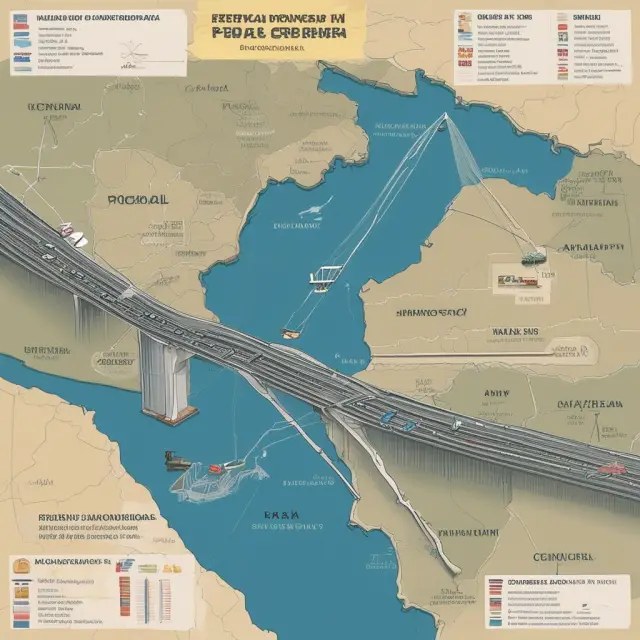
Key Players and Negotiations
The success of the Group of Three (G3) can be attributed to the collective efforts of several key players, most notably the governments involved and the private sector. Mexico, as the most influential partner, played a significant role in the initiation and continuation of the agreement. The Mexican government’s primary objective was to expand its free trade reach beyond North America into Central America. With the Group of Three, Mexico aimed to strengthen economic ties among the region’s countries, especially Colombia and Venezuela (Burke, 2013).
Colombia, an important oil producer in Latin America, expected various benefits from joining the G3. The agreement provided an opportunity for Colombia to diversify its trade portfolio as well as access Mexico’s advanced manufacturing industries (World Bank Group, 2017). In addition, the Colombian government believed that participation in the pact would enhance their chances of eventually joining NAFTA, given Mexico’s significant influence over the U.S. free trade agreement.
Negotiations between Colombia and Venezuela during the creation of the G3 were not without challenges. The Venezuelan government expressed reservations about the potential impacts on labor markets and energy resources (Burke, 2013). However, despite these concerns, the Group of Three was established in 1995, with a decree signed in December 2004 to further promote free trade in various industries.
The private sector played a crucial role in the agreement’s success by investing in joint ventures and collaborations between Mexico, Colombia, and Venezuela (World Bank Group, 2017). One significant project was the linking of power grids and gas pipelines between Mexico, Colombia, and Venezuela. The construction of this infrastructure began in 2004 and provided increased energy security for all three countries. Additionally, the agreement created opportunities for multinational corporations to expand their operations within the region (Burke, 2013).
As mentioned earlier, Venezuela eventually chose to leave the Group of Three in 2006 and joined Mercosur instead. This decision significantly affected the G3’s longevity, but it did not diminish its impact on Colombia and Mexico. The agreement contributed to strengthening economic ties between these two countries and setting the stage for future regional trade collaborations like the Pacific Alliance in 2014.
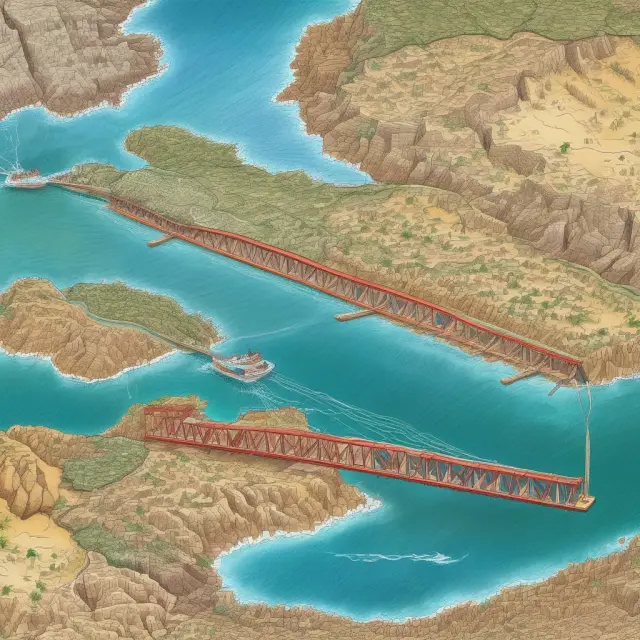
Future Prospects for Free Trade in the Region
The Group of 3 might not have survived beyond a decade, but its impact on Central American and North American trade dynamics remains significant. Mexico, as a regional leader, played a vital role in extending free trade agreements throughout the region during the 1990s and early 2000s. As a result of the Group of 3, Mexico became Colombia’s primary trading partner for nearly a decade. The agreement facilitated several noteworthy projects, including linking gas pipelines between Mexico and Colombia/Venezuela, which bolstered the energy sector in the region.
The Pacific Alliance, formed by Chile, Colombia, Mexico, and Peru in 2014, was an ambitious follow-up to the Group of 3. The Pacific Alliance aimed to boost trade among its members and expand economic ties to Asia. This new agreement allowed for stronger regional integration and provided opportunities for growth beyond the borders of the original pact.
Despite these achievements, challenges have emerged for free trade in the region. One significant challenge is the shifting political landscape, as various countries have moved towards more protectionist policies. For example, Colombia’s labor market has faced increased scrutiny from international organizations due to concerns over worker rights and wages. Additionally, geopolitical tensions between certain Central American countries, such as El Salvador and Honduras, may complicate free trade negotiations.
Another challenge arises from the evolving global economy and changing trade patterns. The rise of e-commerce and automation has disrupted traditional supply chains, leading some countries to reconsider their trade agreements. For instance, Mexico might face competition in certain industries from other Latin American countries, such as Brazil or Argentina, that are considering free trade deals with China.
To overcome these challenges, governments must be proactive in addressing labor concerns and fostering a business-friendly environment. They should also focus on diversifying their economies beyond traditional industries to mitigate risks associated with global economic shifts. By doing so, Central American and North American countries can continue to build upon the foundation laid by agreements like the Group of 3 and further strengthen their trade partnerships.
In conclusion, the Group of 3 served as a stepping stone towards stronger regional integration in Central America and North America. Its impact on Mexico-Colombia relations and energy sector remains relevant, while new initiatives such as the Pacific Alliance continue to build upon its legacy. By addressing the challenges facing free trade in the region and embracing evolving economic trends, countries can look forward to a promising future for cooperation and growth.
Frequently Asked Questions About the Group of 3
What is the origin of the Group of 3?
The Group of 3 (G3) refers to a free trade agreement between Mexico, Colombia, and Venezuela that lasted for ten years from 1995 to 2005. The agreement aimed to cover intellectual property rights, public-sector investments, and trade restrictions.
Which countries were part of the Group of 3?
Mexico, Colombia, and Venezuela participated in the G3 pact during its existence.
Why was it called the Group of 3?
The name came from the number of participating countries: Mexico, Colombia, and Venezuela.
When did the agreement begin and end?
It started in 1995 and lasted until 2006 when Venezuela left the pact. Afterward, Mexico and Colombia continued their free trade alliance for a few more years.
What was the significance of the Group of 3 for Mexico?
Mexico played a significant role in the G3 as it aimed to extend free trade throughout Central America, including Peru, Bolivia, and Ecuador. It became part of Mexico’s strategy to open its trade policies and boost exports through increased labor market access. The agreement also helped position Mexico as the most important trading partner for several countries in the region.
What was Colombia’s role in the Group of 3?
Colombia joined forces with Mexico in the G3 with the expectation of potentially gaining entry to NAFTA. It benefited from the free trade agreement, particularly in the energy sector, as one of its first projects linked power grids and gas pipelines between Colombia and Venezuela.
Why did Venezuela leave the Group of 3?
Under the leadership of Hugo Chavez, Venezuela opted to depart from the G3 when the original agreement came up for renewal in 2006. Instead, Venezuela joined Mercosur, another free trade area.
Did the Group of 3 lead to significant economic impact?
Although the Group of 3 did not last long and Venezuela’s participation was limited, it boosted trade between Mexico and Colombia and had a positive influence on their energy and utility sectors. The agreement also allowed for the linking of power grids and gas pipelines between Mexico and Colombia/Venezuela.
What happened after the Group of 3 ended?
Colombia and Venezuela continued their free trade alliance until each joined the Pacific Alliance with Chile and Peru in 2014, aiming to boost trade between all four countries and strengthen economic ties to Asia. Mexico’s position as a Central American trading partner remained strong due to other agreements such as NAFTA.
What were the challenges that contributed to the end of the Group of 3?
The agreement faced challenges from regional trade agreements and bilateral agreements between countries in Central America and the United States. Additionally, Colombia and Venezuela hoped for a potential entry into NAFTA but did not receive it.
In conclusion, despite its short lifespan, the Group of 3 played an essential role in promoting free trade between Mexico, Colombia, and Venezuela while also bolstering their energy sectors. Understanding this agreement provides insights into the evolution of free trade policies and relationships in Central America and North America.
 Next entry · No. 1,953Group Term Life Insurance: Understanding This Affordable Employer-Provided Benefit
See also
-
 No. 3,063
25 Feb 2025
17 min
Maquiladoras: Understanding the Economic Benefits and Labor Implications of Mexican Manufacturing Plants for Institutional Investors
Business Strategy
No. 3,063
25 Feb 2025
17 min
Maquiladoras: Understanding the Economic Benefits and Labor Implications of Mexican Manufacturing Plants for Institutional Investors
Business Strategy -
 No. 5,592
22 Sep 2025
20 min
Understanding Wallpaper: Stocks, Bonds, and Other Securities That Have Lost All Market Value
Business Finance
No. 5,592
22 Sep 2025
20 min
Understanding Wallpaper: Stocks, Bonds, and Other Securities That Have Lost All Market Value
Business Finance -
 No. 5,018
05 Aug 2025
20 min
Trade Liberalization: Understanding Its Advantages, Disadvantages, and Examples
International Trade
No. 5,018
05 Aug 2025
20 min
Trade Liberalization: Understanding Its Advantages, Disadvantages, and Examples
International Trade -
 No. 3,318
18 Mar 2025
23 min
Understanding NAFTA: History, Provisions, Advantages, Disadvantages, and Replacement by USMCA
International Trade
No. 3,318
18 Mar 2025
23 min
Understanding NAFTA: History, Provisions, Advantages, Disadvantages, and Replacement by USMCA
International Trade -
 No. 2,320
27 Dec 2024
19 min
Understanding Import Duties: Purpose, Organizations, and Real World Examples
International Trade
No. 2,320
27 Dec 2024
19 min
Understanding Import Duties: Purpose, Organizations, and Real World Examples
International Trade -
 No. 2,113
11 Dec 2024
21 min
Understanding High-Ratio Loans: Risks, History, and Alternatives
Real Estate
No. 2,113
11 Dec 2024
21 min
Understanding High-Ratio Loans: Risks, History, and Alternatives
Real Estate