The Lilly Ledbetter Fair Pay Act: Understanding Its Impact and Significance

Delve into the significance of The Lilly Ledbetter Fair Pay Act and its impact on wage discrimination lawsuits. Explore its history, key takeaways, and…
Background and Overview of the Lilly Ledbetter Fair Pay Act
The Lilly Ledbetter Fair Pay Act, signed into law in 2009 by then-President Barack Obama, is a crucial piece of legislation designed to strengthen protections against wage discrimination under federal laws. This act reinstated previous protections, primarily through the clarification of Title VII of the Civil Rights Act of 1964, allowing individuals to file wage discrimination claims based on sex, race, national origin, religion, age, or disability. The landmark case that brought the issue to light was Ledbetter v. Goodyear Tire & Rubber Co., which influenced the enactment of this act.
The Lilly Ledbetter Fair Pay Act effectively overturned a Supreme Court decision in 2007, when the Court ruled that wage discrimination claims could only be filed within 180 days of the initial pay disparity rather than from each discriminatory paycheck received. This was a significant setback for individuals seeking fair compensation, especially women who faced persistent wage disparities over their careers. With this law, each discriminatory paycheck can now serve as the starting point for filing a claim within 180 days.
Lilly Ledbetter, a former manager at Goodyear Tire & Rubber Co., became a symbol of this issue when she discovered that her male counterparts were earning significantly more despite performing similar duties. After uncovering this unfairness, Ledbetter filed a complaint with the Equal Employment Opportunity Commission (EEOC) and subsequently a lawsuit. Although she won the case in 2004, the Supreme Court ultimately ruled against her in 2007 due to the statute of limitations.
The Lilly Ledbetter Fair Pay Act signified a significant step forward for employees seeking fair wages, as it provided them with the opportunity to challenge wage disparities at any point in their careers rather than being confined to a strict timeframe. This legislation has had far-reaching implications and is essential for addressing ongoing issues related to pay discrimination and wage gaps.
If you believe that you have been subjected to wage discrimination based on age, religion, national origin, race, sex, or disability, you can file a complaint with the EEOC within 180 days of the last discriminatory paycheck received. This law is just one of several initiatives aimed at promoting fair wages and equal opportunities for all workers.
The Lilly Ledbetter Fair Pay Act has made a considerable impact on wage discrimination cases and has helped to narrow the gender pay gap, albeit not eliminating it completely. The Act also paved the way for other legislative measures like prohibiting employers from asking about salary history, which is a contributing factor to pay disparities.
In conclusion, the Lilly Ledbetter Fair Pay Act represents a significant milestone in the fight against wage discrimination and continues to be an important tool for ensuring equal treatment and fair compensation for all employees. It has served as an inspiration for other initiatives aimed at addressing wage gaps, and its influence on the EEOC complaint process is ongoing. If you suspect that you have experienced wage discrimination, take action by filing a complaint with the EEOC within 180 days of the last discriminatory paycheck received.
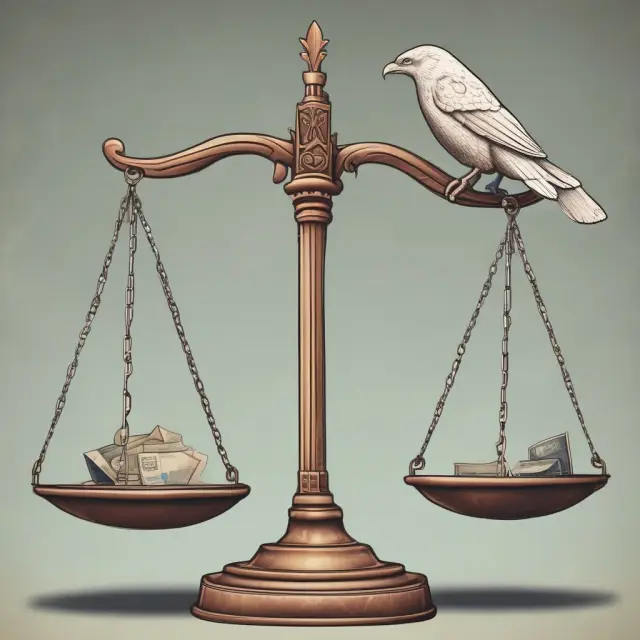
The Case That Sparked a Bill: Ledbetter v. Goodyear Tire & Rubber Co.
Lilly Ledbetter’s fight for equal pay began in 1998 when she discovered that her male counterparts at the Goodyear Tire & Rubber Company in Alabama were earning substantially more than she was, despite holding similar roles and responsibilities. Shocked by the discrepancy, Ledbetter, then a manager at the plant, decided to take legal action against her employer for wage discrimination under Title VII of the Civil Rights Act of 1964.
The trial ultimately resulted in a jury awarding Ledbetter back pay and substantial compensatory and punitive damages. However, a devastating Supreme Court ruling in 2007, which came to be known as Ledbetter v. Goodyear Tire & Rubber Co., dealt a significant blow to her case. The court ruled that claims of wage discrimination must be filed within 180 days of the initial pay disparity—even if the plaintiff did not learn about the inequity until much later.
Despite the setback, Ledbetter’s case continued to garner widespread attention and support. Activist groups saw this decision as a significant setback for women’s rights and equal pay, and Congress was urged to act swiftly to restore protections against pay discrimination. The result was the Lilly Ledbetter Fair Pay Act, which President Barack Obama signed into law on January 27, 2009.
The Act effectively restores the protection against pay discrimination under Title VII of the Civil Rights Act of 1964 by allowing individuals to file a complaint within 180 days of receiving a discriminatory paycheck. In essence, each paycheck serves as a new deadline for filing a claim, giving workers an opportunity to challenge past wage disparities and seek fair treatment. This clarification in the law not only benefits those who have been subjected to discrimination but also sets a stronger precedent for workplace equality.
Lilly Ledbetter’s courageous pursuit of justice paved the way for legislation that ensures equal pay for equal work, providing a significant step toward closing the gender wage gap and fostering more equitable treatment for all workers.

The Impact of the Lily Ledbetter Fair Pay Act on Wage Discrimination Lawsuits
The Lilly Ledbetter Fair Pay Act (LLFPA) significantly altered the landscape for employees seeking redress against wage discrimination, particularly when it comes to the time limit for filing a complaint. The act overturned a controversial Supreme Court decision, Ledbetter v. Goodyear Tire & Rubber Co., which had imposed stringent limitations on the timing of such claims.
The LLFPA clarified that each paycheck that an employee receives in violation of wage discrimination laws can be considered as a new instance of discrimination, effectively resetting the clock for filing a complaint under Title VII of the Civil Rights Act of 1964 (Everett & Pechman, 2009). This crucial change allows employees to challenge discriminatory pay practices as soon as they become aware of them, rather than being bound by a strict deadline from when the discrimination initially began.
In the case that ignited the legislative response, Ledbetter v. Goodyear Tire & Rubber Co., Lilly Ledbetter discovered she was being paid less than her male counterparts for similar roles in 1998 (Robertson, 2007). Although she filed a complaint with the Equal Employment Opportunity Commission (EEOC) and eventually took her case to the Supreme Court, her claim was ultimately dismissed due to the statute of limitations. The court held that the claim should have been raised within 180 days of the initial discriminatory decision made by Goodyear, even if Ledbetter only discovered the disparity much later (Ledbetter v. Goodyear Tire & Rubber Co., 2007).
The LLFPA addresses this issue by reshaping the statute of limitations to account for the dynamic nature of wage discrimination and pay inequality. By allowing employees to challenge wage disparities based on their most recent discriminatory payment, the act increases the likelihood that these instances will be addressed promptly, ensuring a more equitable treatment of employees in the workplace.
If you suspect that you are being subjected to wage discrimination based on your age, religion, national origin, race, sex, or disability, it is crucial to familiarize yourself with the filing process for wage discrimination complaints with the EEOC. By understanding the implications and significance of the Lily Ledbetter Fair Pay Act, employees can be more informed about their rights and take decisive action when faced with wage discrimination in their careers.
References:
Everett, S., & Pechman, A. (2009). The Lilly Ledbetter Fair Pay Act of 2009. Congressional Research Service Report for Congress (R40314).
Robertson, J. (2007). Lilly Ledbetter, Discrimination Victim, Wins at Supreme Court but Loses on the Money. The New York Times.
Key Takeaways from the Lilly Ledbetter Fair Pay Act
The Lilly Ledbetter Fair Pay Act, enacted in 2009, is a significant piece of legislation aimed at reinstating worker protections against wage discrimination under federal anti-discrimination laws. This law was created to address the ruling in Ledbetter v. Goodyear Tire & Rubber Co., which had limited the time frame for filing pay discrimination complaints to 180 days from the initial discriminatory act.
Key points and implications of this Act include:
- Wage discrimination based on age, religion, national origin, race, sex, or disability is addressed by the Lilly Ledbetter Fair Pay Act.
- The Act effectively resets the clock for filing wage discrimination claims under federal anti-discrimination laws by stating that such cases can be filed within 180 days of receiving a discriminatory paycheck.
- The Lilly Ledbetter Fair Pay Act restores earlier protections against pay discrimination, as established under Title VII of the Civil Rights Act of 1964.
- Named in honor of former Goodyear Tire & Rubber Co. manager Lilly Ledbetter, who uncovered significant wage disparities between herself and her male colleagues, this Act has become a cornerstone for promoting equal pay for employees in the US labor force.
- The Lilly Ledbetter Fair Pay Act acknowledges that wage discrimination often goes undetected for extended periods, emphasizing the importance of allowing workers to challenge unequal pay at any point during their careers.
- Individuals who believe they are being subjected to wage discrimination based on race, color, religion, sex, national origin, age, or disability can file a complaint with the Equal Employment Opportunity Commission (EEOC).
- The Act encourages further efforts to tackle pay disparities and close the gender pay gap through various policy initiatives and public awareness campaigns.
- Prohibiting employers from requesting salary history information is seen as an effective strategy for reducing pay disparities, as shown in a study that indicates women’s wages increase by 8-9% under such bans while Black workers experience a rise of 13-16%.

Addressing the Gender Pay Gap with the Lily Ledbetter Fair Pay Act
The Lilly Ledbetter Fair Pay Act, enacted in 2009, significantly impacted wage discrimination cases by addressing the gender pay gap and equal treatment of employees. The Act is named after Lilly Ledbetter, a former manager at Goodyear Tire & Rubber Co., who discovered that she was receiving substantially lower pay than her male peers for similar roles. In this section, we delve into how the Lily Ledbetter Fair Pay Act has played a crucial role in addressing the persistent gender pay gap and the progress made since its implementation.
Before the Lily Ledbetter Fair Pay Act, Lilly Ledbetter’s case, Ledbetter v. Goodyear Tire & Rubber Co., reached the Supreme Court in 2007. The court ruled that wage discrimination claims must be filed within 180 days of the initial discriminatory pay decision, even if the affected employee was unaware of it. This ruling effectively prevented Ledbetter from collecting any settlement, as she had only learned about the pay disparity years after it began.
The Lilly Ledbetter Fair Pay Act reinstated the previous protections against wage discrimination under Title VII of the Civil Rights Act of 1964. It clarified that discrimination based on sex, age, race, color, religion, and national origin “accrues” every time an individual receives a discriminatory paycheck. This means that employees can file a claim within 180 days after the last instance of wage discrimination, effectively resetting the clock for each pay disparity.
The significance of the Lily Ledbetter Fair Pay Act lies in its potential to address the gender pay gap, which is still an issue in the United States. According to U.S. Census Bureau data, women’s earnings were 83.7% of men’s in 2021. In the early 1960s, activists advocated for “Equal Pay for Equal Work,” but it took until 1963 for Congress to take significant action with the passing of the Equal Pay Act.
One issue that contributes to pay disparities is employers inquiring about salary history during the hiring process. Several states and municipalities have adopted measures to prohibit this practice, which research suggests can disproportionately affect women and Black workers. A study by economists at the Boston University School of Law discovered that women’s pay rises 8% to 9%, while Black workers’ pay increases by 13% to 16% under salary history bans.
The Lily Ledbetter Fair Pay Act empowers employees to challenge wage disparities from any point during their career, not just within a specific time frame as before. This provision has the potential to make significant strides in closing the gender pay gap by allowing individuals to address past and current instances of unequal compensation.
In conclusion, the Lily Ledbetter Fair Pay Act is a vital step toward ensuring equal treatment for all employees and closing the persistent gender pay gap. While progress has been made since its implementation, there is still much work to be done in creating a more equitable society for men and women. For those who believe they are victims of wage discrimination, it’s essential to understand their rights and seek assistance from the Equal Employment Opportunity Commission (EEOC) if necessary.
Impact and Significance of the Lily Ledbetter Fair Pay Act on Women’s Earnings
The Lily Ledbetter Fair Pay Act has had a profound impact on women’s earnings by enabling them to challenge past wage discrimination, regardless of when they became aware of it. Prior to this legislation, individuals could only file a complaint within 180 days of the initial discriminatory pay decision. However, as illustrated in the landmark case Ledbetter v. Goodyear Tire & Rubber Co., victims were often unaware of the disparity, making it difficult for them to seek redress. The Lily Ledbetter Fair Pay Act addressed this issue by reinstating the protection against pay discrimination and enabling employees to file a complaint within 180 days of receiving a discriminatory paycheck.
By allowing women to challenge past wage discrimination at any point in their career, the act has significantly contributed to narrowing the gender wage gap. In the United States, women’s annual earnings were only 83.7% of men’s in 2021 according to U.S. Census Bureau data. Although strides have been made since the passage of the Equal Pay Act in 1963, a considerable gap remains between male and female wages. The Lily Ledbetter Fair Pay Act represents one of the essential pieces of legislation aimed at addressing this disparity, empowering women to rectify past injustices and paving the way for pay equity.
The impact of the act is particularly noteworthy when considering the role of salary history in perpetuating wage disparities. Economists have shown that asking job candidates about their previous salaries can lead to lower wages for women, as they often start at lower rates and are then paid less over time due to this historical disadvantage. The growing number of states and municipalities prohibiting employers from seeking salary history has proved effective in reducing the pay gap. A study by economists at Boston University School of Law reveals that women’s wages increase by 8-9% under salary history bans while Black workers experience an improvement of 13-16%.
The Lily Ledbetter Fair Pay Act serves as a crucial tool for closing the gender wage gap, providing hope for those seeking fair pay. While progress has been made in this area, the disparity remains unresolved. The act is just one step towards creating a more equitable society where men and women are paid equally for equal work.
The Lily Ledbetter Fair Pay Act demonstrates the power of individuals to challenge past wage discrimination and strive for pay equity. It is a testament to the importance of standing up against injustice and fighting for equality, not just for themselves but for future generations. The impact of this legislation will continue to reverberate through the workplace and society at large, inspiring progress towards true gender pay parity.
The Role of the Equal Employment Opportunity Commission (EEOC) in Filing a Complaint
If you believe that you have been subjected to wage discrimination, it is crucial to understand your options and take prompt action. The Equal Employment Opportunity Commission (EEOC) plays a significant role in enforcing federal laws against pay discrimination based on race, color, religion, sex, national origin, age, or disability.
The Lilly Ledbetter Fair Pay Act of 2009 reinstated the protection against pay discrimination under Title VII of the Civil Rights Act of 1964 and clarified that any inequitable payment is unlawful, even if it is a result of a past pay decision. This law effectively resets the clock for filing wage discrimination claims.
To file a complaint with the EEOC regarding wage discrimination:
- Contact the EEOC at 1-800-669-4000 (voice) or 1-800-669-6820 (TTY), or submit an online charge using the Charge of Discrimination form available on their website.
- File the complaint within 180 days of the last paycheck that reflects discriminatory wages.
- Gather and provide supporting evidence such as wage statements, salary records, performance reviews, and any other documents that may help illustrate your case.
- Cooperate with the EEOC investigation process. They may contact you for interviews or additional information.
- If the investigation concludes that discrimination has occurred, the EEOC will take appropriate action to remedy the situation.
The Lilly Ledbetter Fair Pay Act offers a crucial lifeline to individuals who have been subjected to pay discrimination. If you suspect that your employer is discriminating against you in terms of compensation, consider taking advantage of this law and filing a complaint with the EEOC within 180 days of receiving a discriminatory paycheck.
Special Considerations: Salary History and Its Effects on Pay Disparities
One significant factor that contributes to wage disparities is the practice of employers asking job candidates about their salary history. This practice can perpetuate and even widen the gender pay gap, as women historically have been paid less than men. The issue has gained increasing attention in recent years, with an expanding number of states and municipalities adopting measures to prohibit some employers from asking about salary history. As of February 2022, 21 states (as well as Washington, D.C., and Puerto Rico) have such bans in place.
Prohibiting employers from asking about salary history seems to be an effective solution for reducing pay disparities. According to a study authored by economists at the Boston University School of Law, women’s pay rises 8% to 9%, while Black workers’ pay increases 13% to 16% under such bans. This trend suggests that allowing individuals to negotiate their own salary based on qualifications and job responsibilities rather than prior earnings can help narrow the wage gap.
In conclusion, understanding the Lilly Ledbetter Fair Pay Act and the role of the EEOC in filing a complaint is crucial for anyone who believes they have been subjected to pay discrimination. The Act’s provisions have allowed countless individuals to contest discriminatory wages at any point during their career and seek remedy. By taking action, you can help bring about positive change for yourself and others while contributing to the ongoing efforts to close the wage gap in the United States.

Special Considerations: Salary History and its Effects on Pay Disparities
The Lilly Ledbetter Fair Pay Act plays a crucial role in addressing wage disparities based on gender, but it also tackles the impact of salary history on pay equity. The practice of using an applicant’s previous salary as a benchmark for setting wages has been widely debated due to its potential to perpetuate pay gaps. This phenomenon is more prevalent among women and racial minorities, who often face wage disparities in their initial job offers.
The gender pay gap, which currently stands at 83.7% in 2021 according to the U.S. Census Bureau, can be perpetuated through the use of salary history. Women are historically paid less than men for comparable work, and this disparity often carries over from one job to another. The Equal Pay Act of 1963 was a significant step forward in addressing wage discrimination, but it didn’t directly address salary history as a factor contributing to the pay gap.
Many experts believe that prohibiting employers from asking about salary history can help mitigate these disparities. This practice is becoming increasingly common as more states and local governments have adopted legislation banning or limiting the use of salary history when setting wages. As of February 2022, over 20 states (as well as Washington, D.C., and Puerto Rico) have enacted measures restricting employers from seeking salary history information during the hiring process.
Prohibiting employers from relying on salary history when making job offers has proven to be an effective measure in reducing pay disparities. According to a study published by economists at the Boston University School of Law, women’s salaries increased by 8% to 9%, while Black workers experienced a raise of 13% to 16% under salary history bans.
These findings suggest that eliminating salary history as a factor in setting wages can lead to more equitable pay practices, which is essential for closing the gender pay gap and ensuring fair compensation for all employees regardless of their previous employment history. In summary, the Lilly Ledbetter Fair Pay Act not only helps workers challenge wage discrimination based on protected categories like race, sex, age, religion, national origin, or disability but also addresses the impact of salary history on wage disparities. By encouraging states and municipalities to adopt measures that restrict the use of salary history during the hiring process, we can take a significant step towards achieving pay equity for all workers.

Prohibiting Employers from Asking About Salary History: An Effective Solution?
The Lily Ledbetter Fair Pay Act, signed into law in 2009, has made significant strides towards closing the wage gap and addressing wage discrimination, including the practice of employers asking job candidates about their salary history. This section discusses how prohibiting this practice can effectively contribute to reducing pay disparities.
One area of concern when it comes to pay discrimination is the persistent gender pay gap. In 2021, women’s annual earnings were 83.7% of men’s, according to data published by the U.S. Census Bureau. Although efforts towards equal pay for equal work date back to the 1860s, major legislative action was taken with the passage of the Equal Pay Act in 1963.
However, one practice that has contributed to perpetuating the gender wage gap is employers asking job candidates about their salary history during the hiring process. This information can be used to set wages and can result in women being offered lower salaries compared to their male counterparts, as historical pay disparities are often carried forward.
Recognizing this issue, a growing number of states and municipalities have taken measures to address it. As of February 2022, 21 states (as well as Washington, D.C., and Puerto Rico) prohibit some employers from asking about salary history. These bans aim to eliminate the potential for discriminatory starting salaries based on an individual’s previous earnings, which can contribute to a persistent wage gap.
The impact of these measures is significant: according to a study authored by economists at the Boston University School of Law, women’s pay rises 8% to 9% under salary history bans, while the pay of Black workers increases 13% to 16%. By eliminating the use of salary history as a factor in determining starting salaries, wage disparities based on historical wages can be reduced and ultimately help bridge the gap.
In conclusion, prohibiting employers from asking about salary history is an effective solution for reducing pay disparities, particularly those that contribute to the persistent gender wage gap. By eliminating the use of historically lower salaries as a benchmark in setting wages, individuals are able to secure fair compensation and help create a more equitable work environment.

Frequently Asked Questions (FAQ)
The Lilly Ledbetter Fair Pay Act (LLFPAA) is a significant piece of legislation designed to strengthen worker protections against wage discrimination, especially in relation to Title VII of the Civil Rights Act of 1964. Below, we answer some common questions about this act and its implications for filing wage complaints with the Equal Employment Opportunity Commission (EEOC).
What is the Lilly Ledbetter Fair Pay Act?
The Lilly Ledbetter Fair Pay Act of 2009 is a U.S. law that reinstated protections against pay discrimination by clarifying that an inequitable payment constitutes ongoing discrimination, even if it stems from a past decision. This act, named for Lilly Ledbetter who faced gender-based wage disparity, effectively restarts the 180-day clock for filing wage discrimination claims after each paycheck containing discriminatory wages is received.
How does the LLFPAA impact wage discrimination lawsuits?
The act allows individuals to file wage discrimination complaints within 180 days after receiving a discriminatorily lower wage, as opposed to the initial decision that led to the unequal pay. By addressing each instance of pay disparity, the LLFPAA helps protect employees from ongoing wage discrimination and reinforces the principles of equal treatment under Title VII of the Civil Rights Act of 1964.
What is the background of Lilly Ledbetter’s case?
Ledbetter, a former manager at Goodyear Tire & Rubber Co., filed an equal-pay lawsuit against her employer in 1998, alleging sex-based pay discrimination under Title VII of the Civil Rights Act. Although the trial jury awarded her damages and back pay, the Supreme Court ruled that her claim should have been filed within 180 days of the original pay decision—even if she didn’t learn about it until much later. This ruling led to the creation of the LLFPAA in 2009.
How does the LLFPAA address salary history and its impact on pay disparities?
Some studies suggest that the practice of employers asking job candidates about their salary history perpetuates wage gaps, particularly between men and women. In recent years, a growing number of states have addressed this issue by passing legislation prohibiting some employers from considering salary history in setting wages for new hires. The LLFPAA does not directly regulate salary history; however, it sets the stage for more robust conversations about equal pay and fair compensation practices.
How can I file a complaint with the EEOC if I believe I’m experiencing wage discrimination?
To file a wage discrimination complaint with the Equal Employment Opportunity Commission, follow these steps:
- Contact your state or local anti-discrimination agency to file a charge first. They may provide you with additional guidance and resources.
- File your charge within 180 days of receiving discriminatory wages or taking other adverse actions related to pay discrimination.
- You can file your complaint online, by mail, or in person at the nearest EEOC office. Be sure to include all necessary information, such as your contact details and the name of the employer.
- After filing, you will receive a Dismissal and Notice of Rights letter from the EEOC. If you do not agree with their decision, you may choose to file a lawsuit within 90 days of receiving this notice.
- The EEOC will review your complaint, investigate potential violations, and attempt to reach a resolution through informal methods such as conciliation or mediation. If these efforts fail, the case may proceed to litigation.
 Next entry · No. 2,886Understanding Limit Down Trading: A Comprehensive Guide to Trading Halts and Circuit Breakers
See also
-
 No. 1,454
18 Sep 2024
20 min
Understanding the Family and Medical Leave Act (FMLA): A Comprehensive Guide for Employers and Employees
Business Strategy
No. 1,454
18 Sep 2024
20 min
Understanding the Family and Medical Leave Act (FMLA): A Comprehensive Guide for Employers and Employees
Business Strategy -
 No. 1,304
27 Aug 2024
19 min
Understanding the Role and Functions of the Equal Employment Opportunity Commission (EEOC)
Business Strategy
No. 1,304
27 Aug 2024
19 min
Understanding the Role and Functions of the Equal Employment Opportunity Commission (EEOC)
Business Strategy -
 No. 1,273
22 Aug 2024
18 min
Understanding Employers’ Liability Insurance: What It Covers, How It Works, and Its Limits
Business Strategy
No. 1,273
22 Aug 2024
18 min
Understanding Employers’ Liability Insurance: What It Covers, How It Works, and Its Limits
Business Strategy -
 No. 5,852
13 Oct 2025
17 min
Maximizing Retiree Income: Understanding Canada’s Year’s Maximum Pensionable Earnings (YMPE)
Personal Finance
No. 5,852
13 Oct 2025
17 min
Maximizing Retiree Income: Understanding Canada’s Year’s Maximum Pensionable Earnings (YMPE)
Personal Finance -
 No. 5,827
10 Oct 2025
20 min
Understanding Wrongful Termination Claims: A Comprehensive Overview
Consumer Rights
No. 5,827
10 Oct 2025
20 min
Understanding Wrongful Termination Claims: A Comprehensive Overview
Consumer Rights -
 No. 4,838
21 Jul 2025
22 min
The Taft-Hartley Act: A Historical Overview and Key Amendments
Business Finance
No. 4,838
21 Jul 2025
22 min
The Taft-Hartley Act: A Historical Overview and Key Amendments
Business Finance