The New York Stock Exchange (NYSE): History, Operation, and Significance
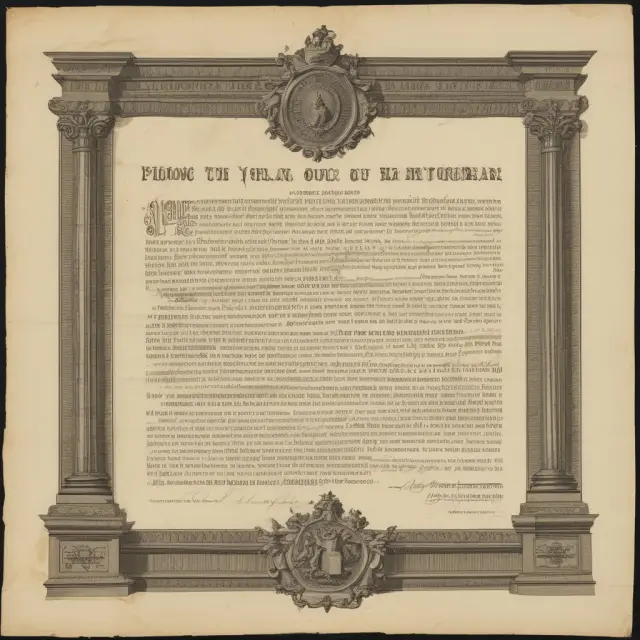
The New York Stock Exchange: History, Operation, and Significance - From its origins to modern technological advancements.
Background: The Beginnings of the NYSE
The New York Stock Exchange (NYSE), a renowned financial hub located in New York City, was founded on May 17, 1792. This venerable exchange is not only the oldest stock exchange in the United States but also the largest based on market capitalization of its listed securities. The NYSE’s historical significance is evident from the fact that many of the oldest publicly traded U.S. companies have been part of this esteemed exchange since its inception.
The roots of the NYSE can be traced back to May 17, 1792, when 24 stockbrokers signed the Buttonwood Agreement at 68 Wall St., New York City. The agreement laid the foundation for trading securities under a formal system instead of the informal over-the-counter market that existed prior to this agreement. The initial listings included three government bonds and two bank stocks, and this humble beginning marked the start of a financial powerhouse that would come to dominate the global capital markets scene.
The NYSE’s early years were characterized by a significant growth in the number of listed companies as well as trading volume. As the exchange gained popularity, it attracted foreign-based corporations looking to raise capital and expand their investor base. The strict adherence to listing standards set by the NYSE ensured that only reputable and financially sound companies were granted access to this esteemed platform.
As the financial landscape evolved over centuries, mergers and acquisitions played a crucial role in shaping the size and influence of the New York Stock Exchange. The most notable event was the acquisition by Intercontinental Exchange (ICE) in 2013. ICE, a leading global provider of market data, trading platforms, and risk management services, added the NYSE to its roster following an $8 billion stock swap deal. Despite this change in ownership, the New York Stock Exchange continues to serve as a premier venue for equities trading and remains committed to maintaining the highest standards of transparency, fairness, and efficiency.
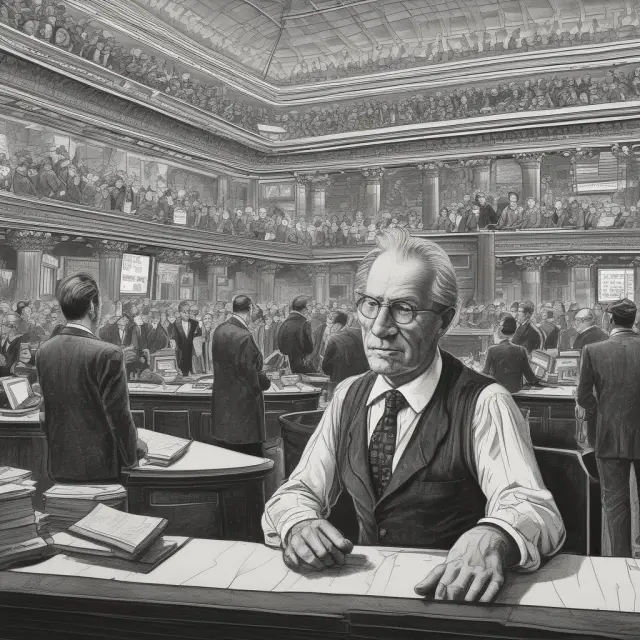
Evolution of Trading at the NYSE
The New York Stock Exchange (NYSE) has undergone significant changes since its founding in 1792 with the signing of the Buttonwood Agreement by 24 stockbrokers on Wall Street. Initially, trading was carried out through an open outcry system, a process where traders would physically shout their bids and offers to one another on the exchange floor. However, technological advancements have transformed this manual method into more sophisticated forms of trading over the decades.
The transition from open outcry to electronic trading began in earnest during the 1970s and 1980s when the NYSE introduced automated quote displays called SuperDOT (Super Display Order Turnaround) systems. This system allowed traders to enter orders electronically, reducing the time required for order execution significantly. In the late 1980s, the NYSE implemented a continuous auction market, where trades occur throughout the trading day instead of during designated market hours.
By the late 1990s and early 2000s, designated market makers (DMMs) emerged as significant players in the NYSE’s electronic trading landscape. These market participants acted as intermediaries, maintaining a fair and orderly market by providing quotes for various securities at any given time. Their quotes, whether physical or automated, were used to determine the National Best Bid and Offer (NBBO) displayed on the exchange.
The NYSE’s transition to electronic trading was further solidified with the implementation of Direct+, a hybrid trading system combining elements of both open outcry and electronic trading. This system allowed traders to execute trades electronically while still having the option to interact with other market participants on the floor if needed.
Today, the NYSE is home to two distinct markets: the main exchange for equities and the New York Stock Exchange American for options trading. The exchange is open from 9:30 a.m. to 4:00 p.m. Eastern Time, Monday through Friday. Additionally, companies that wish to list on the NYSE must meet specific listing standards, including having a minimum market capitalization of $150 million for domestic companies and $700 million for foreign-based corporations.
In conclusion, the New York Stock Exchange has evolved significantly since its founding over 230 years ago. From open outcry to electronic trading, DMMs, and hybrid systems, the NYSE continues to adapt to new technologies while maintaining its position as a premier venue for stock trading in the global financial marketplace.
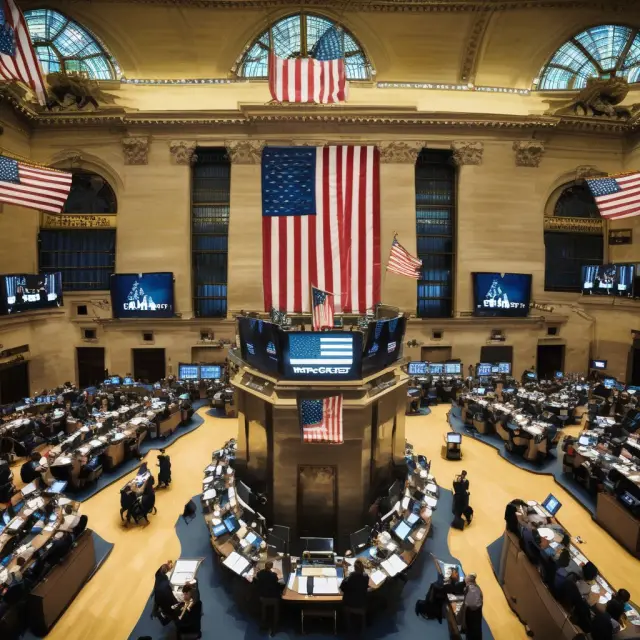
NYSE’s Global Impact: Companies and Listing Standards
The New York Stock Exchange (NYSE) is not only the largest stock exchange in terms of market capitalization but also a symbol of economic growth and global influence. One significant impact of the NYSE lies in its role as a hub for companies to list their shares, both from the U.S. and abroad.
When companies choose to list on the New York Stock Exchange (NYSE), they undergo stringent listing standards to meet requirements such as having a minimum market value and demonstrating financial stability. Notable U.S.-based companies like Alphabet Inc. (GOOGL), Microsoft Corporation (MSFT), and Procter & Gamble Co. (PG) are just a few examples of corporations that have been listed on the NYSE since their inception.
Foreign-based corporations can also list their shares on the exchange if they conform to certain listing standards. This international presence has contributed significantly to the NYSE’s global dominance, with companies from various industries and regions joining its ranks. The oldest listed company on the NYSE is Consolidated Edison (ED), which joined back in 1824 as New York Gas Light Company.
The exchange also boasts notable dates in its history. On October 29, 1929, the most devastating stock market crash occurred, marking the beginning of the Great Depression. The NYSE registered with the SEC on October 1, 1934. In 1934, it also recorded the largest loss in history, when the Dow Jones Industrial Average (DJIA) dropped 22.6% in a single day. On March 16, 2014, ICE proposed to purchase NYSE Euronext in a stock swap worth $8 billion.
The New York Stock Exchange is not only an essential platform for trading stocks but also a symbol of American financial prowess and global influence. By maintaining high listing standards and providing opportunities for companies from various industries and regions, the exchange continues to be an attractive choice for businesses looking to expand their reach in the financial world.
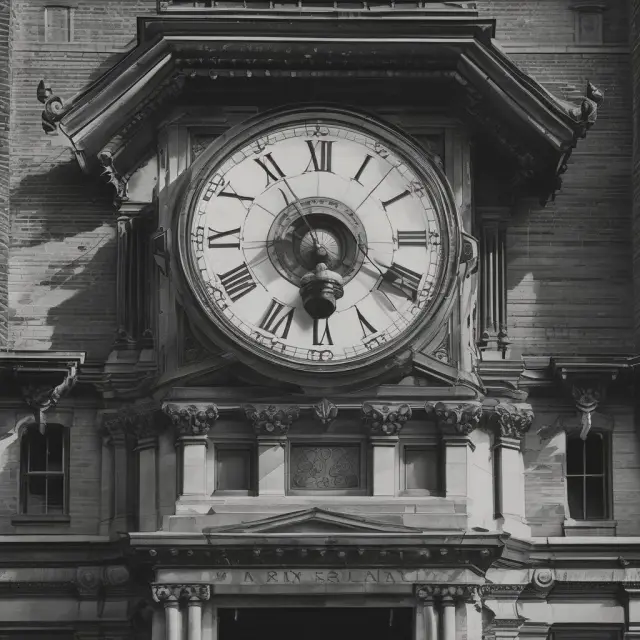
The Role of the Opening and Closing Bells
The opening and closing bells at the New York Stock Exchange (NYSE) have become synonymous with the beginning and end of each trading day, signaling the start and finish of transactions on Wall Street. This tradition holds significant historical roots, which date back to the late 1800s when the NYSE transitioned from a gavel to a gong as its official signal.
Historical Origins
The opening bell was initially rung at 9:30 a.m., marking the start of trading. However, the origin of the opening and closing bells predates this time. The first recorded instance of the opening bell occurred in the late 1870s when it replaced the gavel as the sign to begin trading on the floor. Initially, the bell was rung by the NYSE’s floor managers.
The tradition of a closing bell was established later, in 1903, when the exchange moved its headquarters from 18 Broad St. to the iconic building at 11 Wall St. Prior to this time, trading ceased when the sun set or when the last broker left the floor. The first closing bell was rung at 4:00 p.m., and it marked the end of trading for the day.
The Significance Behind The Bells
Over the years, the role of the opening bell evolved beyond merely signaling the beginning and end of trading. It became a symbolic event that often featured company executives from listed firms ringing the bell to commemorate significant milestones or launches. This practice started in the 1970s when the NYSE began inviting executives to participate.
Since then, executives have used this opportunity to mark important events such as product launches, mergers and acquisitions, and innovative achievements. The event has even attracted public figures like celebrities and athletes, who add to the excitement and buzz around Wall Street. In 2013, United Nations Secretary Ban Ki-moon was invited to ring the closing bell to commemorate the NYSE joining the U.N. Sustainable Stock Exchanges Initiative.
The bells have also served as a symbolic reminder of the NYSE’s rich history and its position as the premier venue for stock trading in the United States. The exchange has experienced significant milestones, such as the first million shares traded in one day in 1888 and the transition from open outcry to electronic trading in 2007. These moments have been marked with the ringing of the opening or closing bells, highlighting their importance to the NYSE community.
In conclusion, the New York Stock Exchange’s opening and closing bells are more than just a signal for traders. They represent tradition, history, and celebration, bringing together the financial world and capturing the essence of Wall Street. The tradition continues as the bells ring each day, marking the start and end of trading on this influential exchange.
Notable Dates in the NYSE’s History
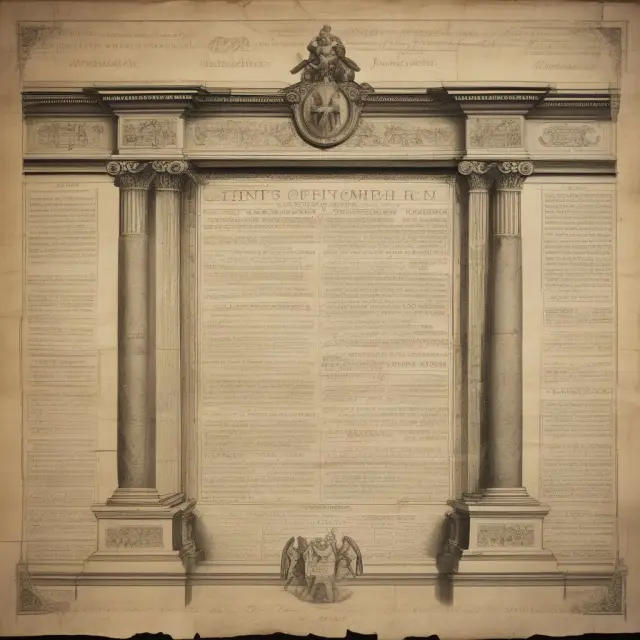
The New York Stock Exchange (NYSE) has had a long and storied history, marked by numerous significant events and milestones. From its humble beginnings to becoming the world’s largest stock exchange, the NYSE has weathered various challenges, crashes, and mergers to maintain its dominant position in the global financial markets.
One of the most noteworthy dates in the NYSE’s history is October 19, 1929, when the stock market crash occurred. This devastating event marked the beginning of the Great Depression, which affected all industrialized countries in the West. The New York Stock Exchange registered with the SEC as a national securities exchange on October 1, 1934.
Another significant date was October 1, 1934, when the NYSE recorded its largest daily trading volume of one million shares. This milestone pales in comparison to the more than five billion shares traded during a normal business day by the end of the 20th century.
On May 6, 2010, the New York Stock Exchange suffered its largest intraday drop since the crash of October 19, 1987, which became known as the Flash Crash. The DJIA dropped a staggering 998 points that day.
In December 2012, ICE proposed to buy NYSE Euronext in a stock swap worth $8 billion, marking another significant chapter in the exchange’s history. On May 25, 2018, Stacey Cunningham became the first female president of the New York Stock Exchange.
In the face of the COVID-19 pandemic, the NYSE temporarily closed floor trading and opted to continue operations electronically on March 23, 2020. The DJIA recorded its largest one-day point gain on March 24, 2020, as expectations of a stimulus relief bill led to optimism in the markets.
These events represent just a few of the milestones that have shaped the New York Stock Exchange throughout history. In the following sections, we will delve deeper into the origin and evolution of the world’s premier stock exchange.
The Beginnings of the NYSE: The Buttonwood Agreement (1792)
In May 1792, twenty-four stockbrokers signed the Buttonwood Agreement at 68 Wall Street, marking the inception of the New York Stock Exchange. They agreed to trade securities with each other under a buttonwood tree, establishing the first formalized stock exchange in the United States. The NYSE started with just five securities: three government bonds and two bank stocks.
From this humble beginning, many of the oldest publicly traded companies in the United States joined the “Big Board,” giving it a unique historical significance. Consolidated Edison (ED) is the longest-listed NYSE stock, having first listed on March 18, 1824, under the name New York Gas Light Company.
Evolution of Trading at the NYSE: Open Outcry to Electronic Systems (1792 – Present)
Over the years, trading methods evolved from open outcry to electronic systems, with designated market makers playing a crucial role in both physical and automated auctions. The New York Stock Exchange opened for trading Monday through Friday from 9:30 a.m. to 4:00 p.m. ET, with certain U.S. holidays causing closures or adjustments to the trading schedule.
The NYSE’s open outcry system relied on floor traders using gavels and later gongs to mark the start and end of trading sessions. The opening bell was introduced in 1903 when the exchange moved to 18 Broad Street, while the closing bell came into use around the same time.
From 1975 until 2007, the NYSE was a publicly traded company that merged with Euronext in 2007 and became NYSE Euronext. The Intercontinental Exchange (ICE) purchased NYSE Euronext in 2013 for $8 billion and currently owns the New York Stock Exchange.
The Future of the NYSE: Technology, Market Trends, and Global Significance
As technology advances and market trends evolve, the NYSE continues to adapt and innovate while maintaining its position as the world’s largest stock exchange by total listed company market capitalization. In the years ahead, it will be interesting to observe how the New York Stock Exchange adapts to these changes and what role it will play in the future of finance and investment.
FAQ: Frequently Asked Questions
When was the New York Stock Exchange founded?
The New York Stock Exchange was established on May 17, 1792, when twenty-four stockbrokers signed the Buttonwood Agreement under a buttonwood tree.
Who owns the New York Stock Exchange?
Currently, the New York Stock Exchange is owned by Intercontinental Exchange (ICE), having been acquired in 2013 for $8 billion.
What is the largest stock exchange in the world by total market capitalization?
As of mid-2022, the New York Stock Exchange has the largest market capitalization of all global stock exchanges, with an estimated total value of $24.6 trillion.
How did the New York Stock Exchange get its nickname ‘Big Board’?
The NYSE received its nickname ‘Big Board’ due to its significant size and status as the largest stock exchange in the world.
What was the first stock traded on the New York Stock Exchange?
The first stock traded on the New York Stock Exchange was a share of Bank of New York (BK), which was listed under the name Manhattan Company in 1796.

Ownership of the NYSE: ICE Acquisition
The New York Stock Exchange (NYSE) underwent significant changes in its ownership structure when it was acquired by Intercontinental Exchange, Inc. (ICE), a leading operator of global exchanges and clearing houses, in 2013. This merger marked a new era for the NYSE as it transformed from a publicly traded entity to a privately held subsidiary under ICE.
Prior to the acquisition, the NYSE had previously been part of NYSE Euronext, which was created following a 2007 merger between the New York Stock Exchange and Euronext, Europe’s leading stock exchange group. The merged entity operated several financial markets in Europe and North America. However, following ICE’s acquisition of NYSE Euronext in March 2013 for $8.2 billion, the New York Stock Exchange became a subsidiary under ICE.
The deal was structured as an all-cash offer, with each share of NYSE Euronext being exchanged for $40.75. ICE’s purchase represented a 34% premium over the NYSE’s closing price on February 28, 2013, and was considered to be a strategic move by the exchange operator. This acquisition not only granted ICE control over the world’s largest stock exchange but also allowed it to expand its global presence in financial markets.
Following the transaction, the New York Stock Exchange continued its operations as usual, maintaining its trading floor at 11 Wall St and its headquarters at 20 Broad St. However, under ICE ownership, the NYSE became part of a larger network, with access to advanced technology and services offered by ICE’s other subsidiaries.
In October 2016, Euronext N.V., the former parent company of the New York Stock Exchange, went public again following a spin-off from ICE. However, ICE retained its ownership stake in the NYSE and remains the sole owner to this day. The merger also brought about several changes, including the renaming of the exchange to “Intercontinental Exchange Inc., Operator of the New York Stock Exchange,” reflecting its new status as a subsidiary under ICE.
Since the acquisition, the NYSE has continued to innovate and adapt to the changing landscape of the financial markets. The exchange’s focus on technology and automation, coupled with its historical significance and prestigious reputation, make it an attractive destination for both investors and issuers alike. By leveraging ICE’s expertise in market operations and technological advancements, the New York Stock Exchange is well positioned to remain a leading force in the financial industry for years to come.
The Amsterdam Stock Exchange: Oldest Stock Exchange in the World
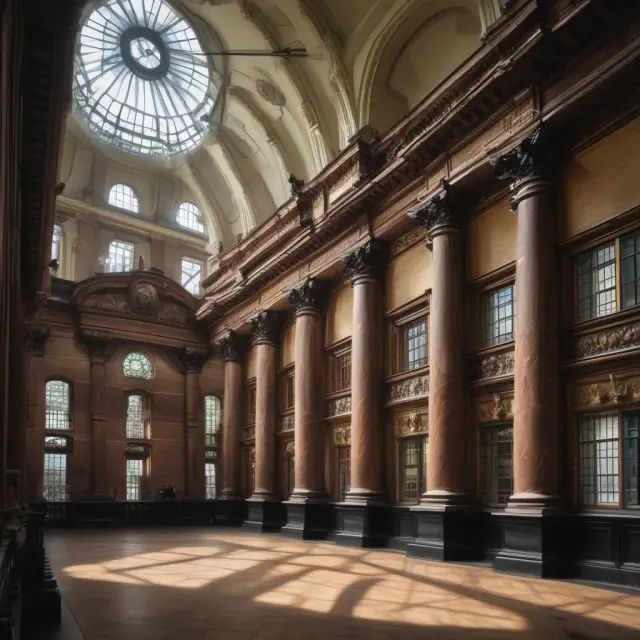
The New York Stock Exchange (NYSE) may hold the title as the world’s largest stock exchange by total market capitalization, but another exchange holds a unique distinction – being the oldest in the world. The Amsterdam Stock Exchange (AEX), located in the Netherlands, was established in 1602.
The exchange owes its existence to the Dutch East India Company (VOC), which started as a trading company focused on spices and later transformed into the first multinational corporation. The VOC was granted a royal charter by King James I of England in 1600, but it wasn’t until two years later that the Amsterdam Stock Exchange opened its doors to accommodate the trading needs of the company’s investors.
The AEX became a model for modern stock exchanges as it introduced several concepts still used today, such as the use of brokers and market makers, dividend payments, and public disclosure of financial reports. It allowed shareholders to trade their shares with one another without involving the company itself, making it an early precursor to the modern concept of a stock exchange.
Fast forward to the present day, and the Amsterdam Stock Exchange is now owned by Euronext, the leading pan-European exchange in the Eurozone, which was formed from the merger between the Paris, Brussels, Amsterdam, and Lisbon exchanges in 2000.
Euronext’s acquisition of the Amsterdam Stock Exchange marked a significant expansion for the company, as it allowed it to gain a stronger presence in the European capital markets. The exchange is now part of Euronext Amsterdam NV and offers trading in various asset classes like equities, bonds, and derivatives.
The Amsterdam Stock Exchange’s historical significance is evident when you consider that its founding predates that of the New York Stock Exchange by almost 200 years. This fact alone makes it a fascinating subject for investors and financial history enthusiasts alike.
In conclusion, while the New York Stock Exchange may reign as the largest stock exchange in terms of market capitalization, the Amsterdam Stock Exchange can boast about its historical importance as the oldest stock exchange in the world. Both exchanges play an integral role in their respective markets and have shaped the financial landscape throughout history.
Distinguishing Features of the NYSE and its Competitors
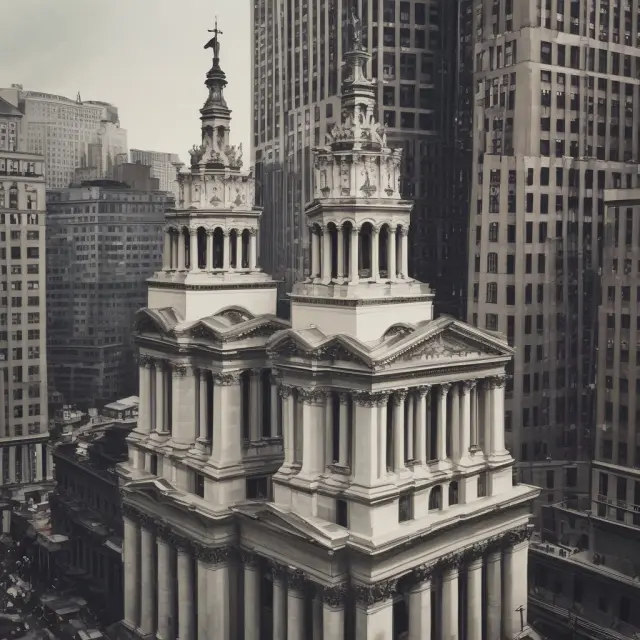
The New York Stock Exchange (NYSE) boasts several distinct features that set it apart from other major exchanges, such as NASDAQ, Shanghai Stock Exchange, and Euronext. While all these stock exchanges facilitate trading in securities, there are some notable differences that make the NYSE a unique entity within the financial world.
1. Historical Significance
Established in 1792 through the signing of the Buttonwood Agreement, the NYSE is the oldest major stock exchange globally. Its rich history and status as an American icon have contributed to its enduring appeal and reputation among investors.
2. Size and Market Capitalization
As of mid-2022, the New York Stock Exchange ranks first in total market capitalization, with over $24 trillion in listed securities—a testament to the exchange’s significance and influence on the global financial stage.
3. Ownership
The Intercontinental Exchange (ICE) currently owns the NYSE after acquiring the stock exchange for $11 billion in 2013. This ownership structure sets the NYSE apart from competitors like NASDAQ, Shanghai Stock Exchange, and Euronext, which maintain their independence.
4. Location and Trading Hours
Located at the heart of Wall Street in New York City, the NYSE is a physical trading floor that operates Monday through Friday, from 9:30 am to 4:00 pm ET. This regular schedule allows investors to follow a consistent trading routine while providing opportunities for synchronous interactions among traders, market makers, and analysts.
5. Trading System
Unlike fully automated exchanges like NASDAQ, the NYSE features a hybrid model that combines both electronic systems and traditional floor trading. This blend provides flexibility and accommodates various investor preferences, enhancing liquidity and attracting a diverse range of market participants.
6. Opening and Closing Bells
The opening and closing bells of the exchange hold symbolic importance as they mark the beginning and end of each trading day. While other exchanges may not have such a traditionally ceremonial approach to starting or ending their trading sessions, these rituals add a distinct sense of closure and excitement for traders on the NYSE.
7. Companies Listed
Many of the oldest publicly traded U.S. corporations are listed on the NYSE. Consolidated Edison, which joined in 1824 as the New York Gas Light Company, is an excellent example of this tradition. This history-laden exchange offers investors a connection to American financial heritage and stability.
Understanding these unique features of the New York Stock Exchange provides valuable context for investors seeking to navigate the world of stock markets and understand the role that this iconic institution plays in global finance.
FAQ: Frequently Asked Questions
What Is the New York Stock Exchange (NYSE)?
The New York Stock Exchange, often referred to as “the Big Board,” is a significant global stock exchange based in New York City, USA. It’s known for hosting the largest equities market in the world by market capitalization. The NYSE opened its doors on May 17, 1792, when 24 brokers signed the Buttonwood Agreement.
**2) Who Owns the New York Stock Exchange?**
Currently, the Intercontinental Exchange (ICE), headquartered in Atlanta, GA, owns and operates the NYSE. ICE acquired the exchange in a 2013 deal worth $8 billion in stock. However, ICE did not take full ownership immediately. Instead, it took six years for Euronext to divest its remaining shares.
**3) How Long Has the New York Stock Exchange Been Operational?**
The NYSE has been operational for over 230 years, dating back to May 17, 1792. The exchange began when 24 brokers signed the Buttonwood Agreement on Wall Street.
**4) What Is the Historical Significance of the New York Stock Exchange Bell?**
The opening and closing bells at the NYSE signify the beginning and end of trading sessions. Originally, a gavel marked the start of trades, but later replaced by a gong in 1903. The bell became a tradition in 1903 when the NYSE moved to 18 Broad St. Nowadays, executives from listed companies ring the opening and closing bells during regular trading hours.
**5) What Companies Are Listed on the New York Stock Exchange?**
Some of the world’s most influential companies are publicly traded on the NYSE. Many of these companies include Fortune 500 corporations, such as Apple, Microsoft, Amazon, and Berkshire Hathaway. The NYSE is also home to several foreign-based corporations that comply with specific listing standards.
**6) Where Is the Oldest Stock Exchange in the World?**
The oldest stock exchange globally is the Amsterdam Stock Exchange (AEX) in Amsterdam, Netherlands, which was established in 1602 by the Dutch East India Company. Today, Euronext owns and manages the AEX.
The Future of the NYSE
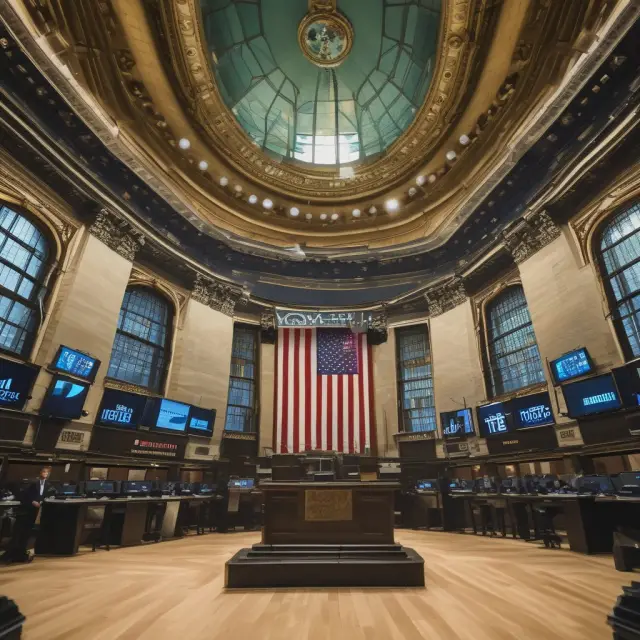
As technology advances and the digital era transforms traditional industries, one might question what’s next for the New York Stock Exchange (NYSE)—the world’s largest equities-based exchange by market capitalization. In a rapidly changing landscape, the future of the NYSE is not only intriguing but essential to understanding its role in the global financial system.
One significant shift could be further digitization and automation of trading processes. As more companies adopt digital platforms for their operations, it’s likely that stock exchanges will follow suit to remain competitive. For example, in 2017, the NYSE began implementing its hybrid market structure, which combines both floor-based and electronic trading systems. This development has allowed the exchange to accommodate new technologies while preserving the historic tradition of the floor.
Another possible advancement is the expansion into international markets. The NYSE, currently part of Intercontinental Exchange (ICE), could leverage its global reach and reputation to attract more foreign listings. Countries such as India and China have seen an increasing number of domestic companies going public on international exchanges, offering them access to a broader investor base and greater liquidity.
Innovations in trading technology can also influence the NYSE’s future. The rise of alternative trading systems (ATS) has already led to increased competition among stock exchanges. As these platforms gain more traction, they could potentially disrupt traditional exchange business models by offering more efficient and cost-effective services for institutional investors.
Furthermore, regulatory changes could impact the NYSE’s role in the market. For instance, the European Union’s MiFID II regulation has led to a consolidation of trading venues within Europe, making it essential for global exchanges like the NYSE to adapt and remain relevant. Similarly, in the United States, the Securities and Exchange Commission (SEC) continues to evaluate the impact of Regulation National Market System (Reg NMS) on stock exchange competition.
In conclusion, the future of the NYSE lies in its ability to embrace technological advancements while maintaining its status as a trusted and essential component of the global financial system. The exchange’s rich history and commitment to innovation position it well for continued success in the years ahead. With a focus on digitization, international expansion, and regulatory compliance, the New York Stock Exchange is poised to remain at the forefront of the stock market landscape.
 Next entry · No. 3,602Understanding the NYSE Composite Index: The Broadest and Most Diverse US Equity Market Indicator
See also
-
 No. 5,000
03 Aug 2025
21 min
Understanding the Toronto Stock Exchange (TSX): Canada’s Premier Stock Market
Business Finance
No. 5,000
03 Aug 2025
21 min
Understanding the Toronto Stock Exchange (TSX): Canada’s Premier Stock Market
Business Finance -
 No. 4,768
15 Jul 2025
21 min
Understanding Stock Ticker Symbols: An Essential Tool for Professional and Institutional Investors
Finance Policy
No. 4,768
15 Jul 2025
21 min
Understanding Stock Ticker Symbols: An Essential Tool for Professional and Institutional Investors
Finance Policy -
 No. 5,835
11 Oct 2025
18 min
Understanding Xetra: Germany’s Dominant Electronic Trading Platform
Business Finance
No. 5,835
11 Oct 2025
18 min
Understanding Xetra: Germany’s Dominant Electronic Trading Platform
Business Finance -
 No. 4,629
04 Jul 2025
20 min
Understanding Share Certificates: A Proof of Ownership in the Stock Market
Business Finance
No. 4,629
04 Jul 2025
20 min
Understanding Share Certificates: A Proof of Ownership in the Stock Market
Business Finance -
 No. 3,814
29 Apr 2025
20 min
Understanding the OTCQB: A Guide for Institutional and Professional Investors
Business Finance
No. 3,814
29 Apr 2025
20 min
Understanding the OTCQB: A Guide for Institutional and Professional Investors
Business Finance -
 No. 3,586
10 Apr 2025
23 min
Understanding the NASDAQ Global Select Market Composite: An In-depth Analysis of Its Composition, Requirements and Differences with Other NASDAQ Tiers
Business Finance
No. 3,586
10 Apr 2025
23 min
Understanding the NASDAQ Global Select Market Composite: An In-depth Analysis of Its Composition, Requirements and Differences with Other NASDAQ Tiers
Business Finance