Triangle Patterns: Understanding Ascending, Descending and Symmetrical Triangles
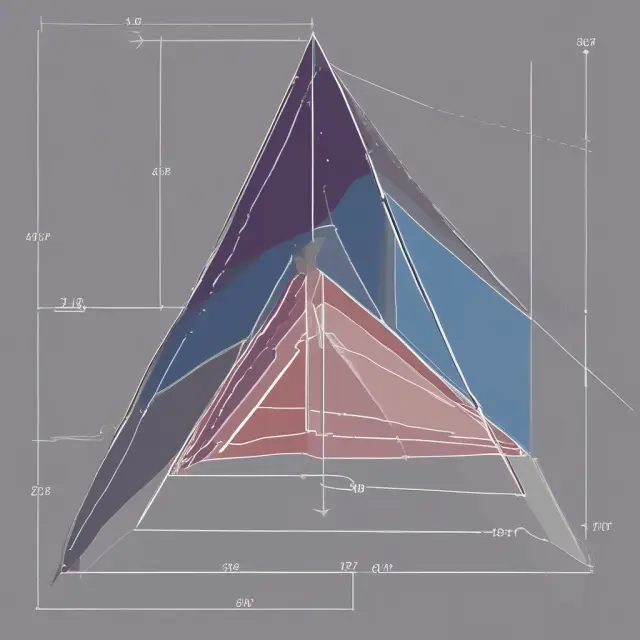
Learn about Ascending, Descending, and Symmetrical Triangles in technical analysis, including their characteristics, formations, and breakout strategies.
What is a Triangle?
A triangle pattern is a technical analysis chart formation characterized by the convergence of upper and lower trendlines, forming a shape resembling an equilateral triangle. These patterns are continuation formations that indicate price consolidation before resuming the prevailing trend. Triangles can be categorized into ascending, descending, or symmetrical varieties based on their unique characteristics and implications.
Understanding Triangle Patterns
In technical analysis, triangles represent a pause in the underlying trend as prices move within a narrowing price range. These patterns are formed by drawing trendlines along converging highs (upper trendline) and lows (lower trendline). The upper and lower trendlines eventually meet at the triangle’s apex, creating three corners: two horizontal and one diagonal. Triangles are similar to wedges and pennants but can act as either continuation or reversal patterns depending on their success in validating the breakout.
Three Types of Triangles
Triangles come in three distinct varieties: ascending, descending, and symmetrical triangles. Each type shares some fundamental characteristics while exhibiting unique implications for the overall trend direction.
Ascending Triangle
An ascending triangle is a bullish continuation pattern formed when the price breaks above the upper horizontal trendline with increasing volume. It is characterized by an upward sloping lower trendline and a flat upper trendline, which creates a horizontal resistance level. The buyers’ growing interest causes the price to rally above the resistance as the uptrend resumes. The upper trendline that was once resistance transforms into support.
Descending Triangle
A descending triangle is a bearish reversal pattern, characterized by a downward sloping lower trendline and an upward-sloping upper trendline. A breakdown occurs when the price breaches the lower horizontal trendline as a downtrend takes hold. The former support level now becomes resistance.
Symmetrical Triangle
A symmetrical triangle is a neutral continuation pattern consisting of a diagonal falling upper trendline and a diagonally rising lower trendline. The price movement toward the apex culminates in a breakout above or below the upper trendline, leading to an uptrend on rising prices or a downtrend with falling prices. Traders should watch for a volume spike and at least two closes beyond the trendline to confirm the validity of the breakout. Symmetrical triangles tend to exhibit continuation break patterns, meaning that they generally resume the direction of the initial move preceding the triangle formation.
In conclusion, understanding triangle patterns can provide valuable insights for traders seeking to identify potential continuation or reversal signals within their investment strategies. By recognizing the distinct characteristics and implications of ascending, descending, and symmetrical triangles, investors and traders can make informed decisions about entering or exiting positions based on these technical chart formations.

Characteristics of a Triangle
A triangle is an intriguing chart pattern in technical analysis that can act as both continuation and reversal patterns. Triangles form by connecting highs (resistance) and lows (support) with trendlines, resulting in a triangle-like shape. The upper and lower trendlines converge at the apex, creating three distinct triangle variations: ascending, descending, and symmetrical triangles.
An ascending triangle is formed when the price breaches the upper horizontal resistance line with increasing volume (bullish formation). Upper trendlines in an ascending triangle must remain horizontal to indicate near identical highs. Lower trendlines incline diagonally due to the emergence of higher lows as buyers patiently purchase securities. The breakout occurs when buyers, who have been waiting for an opportune moment, rush into the market above the resistance price. This event triggers a surge in buying and reinstates the uptrend. The upper trendline, which initially acted as resistance, becomes support.
Conversely, a descending triangle is recognized as a breakdown pattern when the price collapses through the lower horizontal support line with heavy selling volume (bearish formation). Lower trendlines in descending triangles must remain horizontal, reflecting consistent lows. The upper trendline declines diagonally toward the apex. The downside breakout occurs when sellers forcefully enter the market below the support price. This event triggers a wave of selling that resumes the downtrend. The lower trendline, which previously served as support, now acts as resistance.
A symmetrical triangle is characterized by diagonal falling upper trendlines and rising lower trendlines converging at the apex. As the price approaches the apex, it must breach either the upper or lower trendline to trigger an uptrend on rising prices (continuation break pattern) or a downtrend with falling prices (breakdown). A volume spike accompanied by two confirmed closes beyond the trendline is required for the breakout to be considered legitimate.
In summary, triangles serve as crucial technical chart formations that can provide traders and investors with significant insights into potential market trends and turning points.

Formation of an Ascending Triangle
An ascending triangle is a bullish continuation pattern that forms during periods when there’s a consolidation in a trend, providing a pause before resuming the prevailing uptrend. The formation of this technical chart pattern starts with a horizontal upper resistance level and a rising lower support level. As the name suggests, the upper trendline is horizontally flat, while the lower trendline is diagonally ascending.
The significance of an ascending triangle lies in its ability to signal that the price will continue to rise once it breaches the upper resistance level. Buyers’ patience wanes as they watch prices repeatedly test the resistance level. However, once buyers finally overcome the resistance, their momentum carries the price above the previous highs and into a new uptrend.
During the formation process of an ascending triangle, there will be a gradual increase in buying pressure that causes the lower support to rise. This upward movement creates a wedge-like shape between the two trendlines, which eventually leads to a breakout. The breakout occurs when the price surges above the upper resistance level with heavy volume.
Once buyers have successfully breached the resistance and pushed the price above the upper trendline, the upper trendline transforms into support. This shift in trendlines provides a clear indication of a continuation of the uptrend.
Ascending triangles typically have the potential to be potent bullish signals once they complete their formation. Traders can consider entering long positions when the price breaks above the resistance level and the volume spikes, signaling the start of the new uptrend. As with all chart patterns, it’s essential to confirm the pattern with additional indicators and trend analysis tools to ensure the validity of the signal.
By recognizing and understanding the formation, significance, and bullish implications of an ascending triangle, traders can effectively capitalize on these opportunities in their investment strategies.

Breakout in an Ascending Triangle
An ascending triangle is a bullish continuation pattern that occurs when the price breaks through the upper trendline with increasing buying volume, resulting in a resumption of the uptrend. The defining characteristic of this pattern is the horizontal upper trendline, which forms a resistance level due to nearly identical highs. This resistance level holds until buyers become impatient and push the price above it, fueled by heavy volumes, creating new higher highs. As price surges above the upper trendline, it transforms from resistance to support.
Ascending Triangle Formation
The formation of an ascending triangle begins with a rising uptrend that experiences consolidation as price action trades within a narrowing range. As buyers and sellers reach a temporary equilibrium, the triangle pattern takes shape. The lower trendline, formed by connecting the lows, tilts upward due to higher lows. Meanwhile, the upper trendline remains flat as price repeatedly tests resistance but fails to overcome it. Buyers show their hand when they finally break through the upper trendline with high volumes, signaling a resumption of the uptrend.
The significance of this pattern lies in its potential to confirm a continuation of the prevailing bullish momentum and the beginning of an extended move higher. The price’s sustained break above the resistance level represents a shift from consolidation to a new trend phase, where the price can surge forward with renewed energy.
Volume Spikes in Ascending Triangles
Volumes play an essential role in the formation of ascending triangles as they provide confirmation of the pattern’s validity and the onset of a resumption of the uptrend. Volume tends to increase significantly when buyers successfully push the price above the upper trendline resistance, indicating a bullish commitment that carries the price higher.
This bullish signal is reinforced by the fact that the upper trendline transitions from resistance to support once the breakout occurs. The increased volume during the breakout serves as evidence that buyers have overcome the sellers’ resistance and are poised to continue their advance. This momentum-building event sets the foundation for a prolonged uptrend, providing traders with an opportunity to capitalize on a potential price surge.

Formation of a Descending Triangle
A descending triangle is an ominous chart pattern seen as a potential breakdown in price action. This bearish formation forms when the lower trendline remains horizontal while the upper trendline slopes downward, indicating lower highs and the same lows. As the price converges within these trendlines, traders watch for clues that the triangle will break down to the downside or potentially reverse.
The descending triangle’s formation is characterized by the following:
- The upper trendline: This diagonal line slopes downward and connects successively lower highs, indicating a declining trend.
- The lower horizontal trendline: Connecting the same low points throughout the triangle formation, this level can act as a strong support zone if held.
- Converging price action: The descending triangle’s price range contracts as it moves closer to the apex where the two trendlines meet.
- Lower highs and equal lows: The upper trendline forms lower highs, while the lower trendline holds at the same support level. This dynamic creates a bearish pressure that can lead to an imminent breakdown.
When the descending triangle is formed in a downtrend or a bear market, it can indicate exhaustion of the selling pressure and the potential for a reversal. However, when it appears during a bullish trend or bull market, it can warn of a continuation towards lower prices.
The significant breakdown in a descending triangle occurs when the price breaks below the lower horizontal support line with increased volume. This breakdown signals a shift in momentum, potentially confirming the resumption of a downtrend as bearish investors rush to sell, forcing the price lower. The former support level now acts as resistance, making it an essential level to monitor for potential price reversals.
For traders considering entering bearish positions after noticing a descending triangle, they will want to look for the following confirmation signals:
- A significant volume spike below the support line during the breakdown.
- The confirmation of two closes below the lower trendline.
- Bullish divergence between the price and RSI indicator, with a higher low in the price but a lower low in the RSI, suggesting potential bullishness that contradicts the bearish setup.
The descending triangle’s breakdown can result in significant losses for long-term holdings or short-selling positions if not executed carefully. As always, proper risk management techniques should be utilized and stop losses considered as a precautionary measure when entering any position.
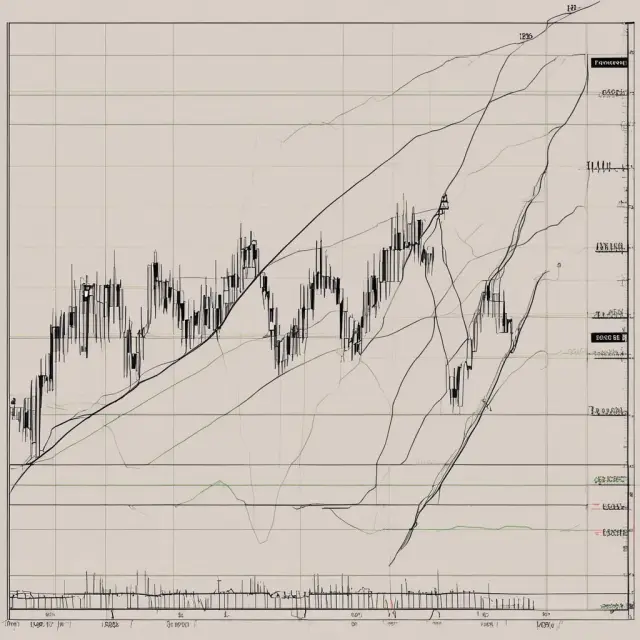
Breakdown in a Descending Triangle
A descending triangle is an inverted version of its bullish counterpart, the ascending triangle, and functions as a breakdown pattern. As price moves within a descending triangle, the lower trendline remains horizontal, while the upper trendline slopes downwards toward the triangle’s apex. The implications of a descending triangle are bearish, as this pattern signifies a potential reversal in an uptrend or an extension of an already established downtrend.
Characteristics of the Breakdown
The breakdown in a descending triangle occurs when the price falls below the lower trendline support. This level was previously a solid foundation for buyers and kept them committed to the uptrend; however, heavy selling volume erodes this foundation. Once the price breaches the lower trendline, it turns into resistance. The downtrend resumes as sellers gain control over the market, and prices may extend their decline significantly beyond the triangle’s lower trendline support.
Trading Considerations for Descending Triangles
As with all chart patterns, the breakdown in a descending triangle should be confirmed by higher than average trading volumes to validate the pattern as genuine and not a false signal. Traders can benefit from selling when the price breaks below the lower trendline or buying put options in anticipation of a downtrend. A descending triangle is most likely to occur during periods of consolidation or ranging markets, where buyers and sellers are evenly balanced.
Example of Descending Triangle
A descending triangle can be identified by drawing trendlines along the highs and lows within the pattern (as shown below). Once the price breaks down through the lower horizontal support, a downtrend is signaled:
In conclusion, a descending triangle is a bearish continuation or reversal pattern that traders should be familiar with as it presents significant opportunities for both short-term and long-term plays. By understanding its key features and trading implications, investors can effectively anticipate the price movements in their favor while minimizing risk.
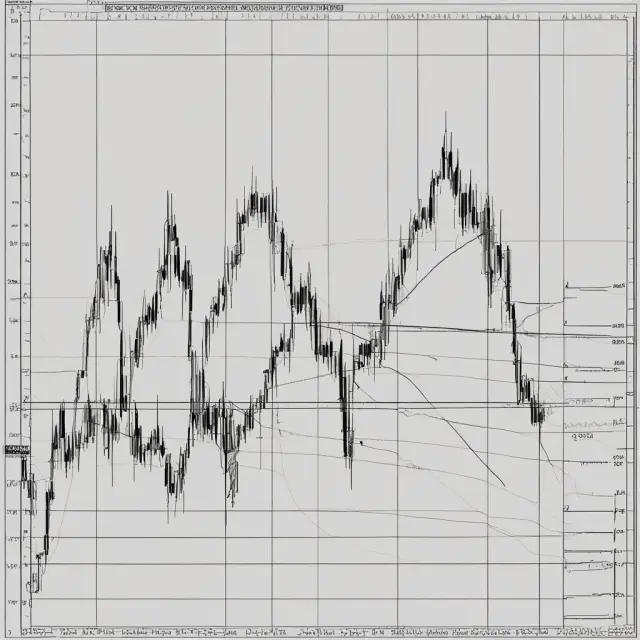
Formation of a Symmetrical Triangle
A symmetrical triangle is a continuation break pattern consisting of diagonal falling upper trendlines and rising lower trendlines. The significance of this chart formation lies in the fact that it provides insight into a potential price direction following its completion. A symmetrical triangle appears as an equilateral triangle when viewed from above, with the apex representing the point of potential resolution.
To identify a symmetrical triangle on a chart, the upper trendline is drawn by connecting the swing highs at their lowest points, while the lower trendline is traced along the swing lows at their highest points. The upper and lower trendlines will converge at the apex where a breakout is expected to occur.
As price action moves closer to the apex, traders may observe an increase in volatility or indecision. The triangle’s narrowing pattern can result from opposing forces, such as buyers attempting to push the price higher and sellers trying to force it lower.
The symmetry of this triangle pattern implies that a breakout will occur above or below the apex with equal probability, depending on the underlying trend before the triangle formation. Therefore, traders should consider the prevailing trend when examining a symmetrical triangle and anticipate a continuation or potential reversal in the price direction based on the initial move before the triangle formed.
A breakout above the upper trendline would confirm a bullish continuation trend, while a breakdown below the lower trendline suggests a bearish reversal trend. Confirmation of the breakout is typically achieved through the observation of heavy volume during the price breach and at least two closes beyond the trendline.
The symmetrical triangle is an intriguing chart pattern due to its ambiguous nature, with potential for both continuation or a significant reversal depending on the context. This unpredictability adds to its appeal among technical analysts and traders as they look for potential price movements that could potentially yield substantial returns.

Breakout in a Symmetrical Triangle
When it comes to symmetrical triangles, the breakout marks a significant event in the formation, representing the moment when the price direction resumes based on the initial trend prior to entering the triangle. A volume spike and at least two closes beyond the triangle’s upper or lower trendline are essential confirmations of a valid breakout.
The upper trendline of a symmetrical triangle is drawn by connecting the higher highs, while the lower trendline connects the lower lows. These lines converge at the apex, creating a symmetrical triangle shape. In essence, prices oscillate within this pattern as they range between the two trendlines without any clear direction until a breakout occurs.
The significance of the symmetrical triangle lies in its propensity to continue the prevailing trend rather than reversing it. Therefore, if an uptrend precedes the symmetrical triangle formation, traders would expect the price to resume an upward trend upon breaking out of the upper trendline. Conversely, a downtrend before the formation anticipates a downward trend after a breakout from the lower trendline.
The volume spike is crucial in confirming a breakout and its validity. When prices surge above or below the upper or lower trendlines accompanied by substantial trading volumes, it signals to traders that a meaningful move is underway. In turn, this increases their confidence in entering the market based on the direction of the breakout.
To further assess whether a symmetrical triangle breakout is reliable, it’s essential to consider factors like the quality of the trendline support and resistance levels before the formation. If the triangle pattern occurs within a strong uptrend or downtrend, the probability of a valid breakout increases as it aligns with the existing trend. However, if the triangle emerges during a range-bound market or at a weak support or resistance level, there’s a risk that a false breakout could occur.
In summary, understanding the significance and implications of symmetrical triangle patterns lies in recognizing their potential to continue the prevailing trend upon breaking out. By being aware of the required volume spike confirmation, monitoring the overall market conditions, and keeping an eye on the support and resistance levels, traders can make informed decisions based on this essential chart pattern.

Trading Considerations for Triangular Patterns
Triangles are powerful chart patterns that signal a potential continuation or reversal of the prior trend. While triangles share some similarities with wedges and pennants, they offer unique characteristics as they form a triangle-like shape on price charts. This section discusses the significance of volume spikes during breakouts, as well as the impact of the direction of the initial move before the triangle formation.
Volume Spikes and Triangular Breakouts
The confirmation of a triangular pattern breakout lies in its accompanying volume spike, as heavy trading activity solidifies the bullish or bearish commitment of market participants. For example, during an ascending triangle breakdown, if the price breaks through the upper horizontal trendline with high trading volumes, it is considered a powerful bullish signal. This surge of buying pressure indicates that institutional and retail investors are entering the security at higher prices, which could lead to further upside momentum as the uptrend resumes. On the other hand, for descending triangles, a breakdown with substantial volume below the lower horizontal trendline is an ominous bearish signal, signaling a significant increase in selling pressure that could potentially trigger a downtrend.
Direction of Initial Move and Price Breakout
The direction of the initial move before the triangle formation plays a crucial role in determining the likelihood of a bullish or bearish breakout. As mentioned earlier, symmetrical triangles are considered continuation break patterns, meaning they typically tend to break in the direction of the initial move preceding the triangle. Therefore, if an uptrend precedes a symmetrical triangle, it is expected that the price will break out to the upside; conversely, if a downtrend precedes the symmetrical triangle, then a breakdown and continuation of the downtrend should be anticipated. This understanding can help traders position their investments and adjust risk management strategies accordingly.
Conclusion:
Understanding the trading considerations surrounding triangular patterns is essential for successful chart analysis. Volume spikes during breakouts provide valuable information about the commitment of market participants and can be utilized to time entry or exit points. The direction of the initial move before a triangle formation plays a vital role in predicting the potential price trend following the triangle’s resolution. By carefully considering both factors, traders can make informed decisions in their investment strategies.

Example of Triangle Patterns
Triangles are significant chart formations that can indicate a continuation or reversal of a trend. In this section, we will explore the characteristics and examples of ascending, descending, and symmetrical triangles.
Ascending Triangle
An ascending triangle is a bullish continuation pattern characterized by a horizontal upper trendline with rising lower trendlines. This formation suggests that buyers are gaining control of the market. The upper trendline serves as resistance, while the lower trendline shows higher lows as demand increases. Figure 1 illustrates an example of an ascending triangle.
Figure 1: Example of Ascending Triangle
The breakout in an ascending triangle occurs with heavy buying volume, signifying that the price has surged above the upper trendline resistance. The upper trendline subsequently becomes support and the uptrend resumes.
Descending Triangle
A descending triangle is a bearish continuation pattern marked by a horizontal lower trendline and a declining upper trendline. This pattern suggests sellers have the upper hand and are pushing prices down. The lower trendline indicates near-identical lows, while the upper trendline reveals falling highs as sellers increasingly take control. Figure 2 showcases an example of a descending triangle.
Figure 2: Example of Descending Triangle
The breakdown in a descending triangle transpires with heavy selling volume, suggesting the price has collapsed below the lower trendline support as the downtrend resumes. The lower trendline now becomes resistance.
Symmetrical Triangle
A symmetrical triangle is a continuation break pattern characterized by diagonal falling upper trendlines and rising lower trendlines that converge at the apex. This formation implies the price will likely breach the upper or lower trendline, creating a breakout to the upside or downside. Figure 3 depicts an example of a symmetrical triangle.
Figure 3: Example of Symmetrical Triangle
The breakout in a symmetrical triangle may occur with volume spikes and at least two closes beyond the trendline to confirm its validity and prevent false signals. The direction of the initial move before the triangle influences the price breakout, as traders expect the price to break to the upside if an uptrend preceded the pattern formation.

FAQs about Triangular Patterns
Question 1: What makes triangles a powerful chart pattern in technical analysis?
A: Triangles are significant because they often precede a resumption or reversal of the trend. As price action forms this distinctive triangle-like shape, the upper and lower trendlines converge, creating a holding pattern for buyers and sellers to accumulate positions before making their move. The breakout from a triangular pattern is regarded as a strong bullish/bearish signal depending on the type of triangle and the direction of the trend prior to its formation.
Question 2: What are the three main types of triangles in technical analysis?
A: Ascending, descending, and symmetrical triangles are the primary triangle variations that can form as price action creates a holding pattern. An ascending triangle is bullish and occurs when the upper horizontal trendline is breached on rising volume. A descending triangle is bearish and represents an inverted version of the ascending triangle where the lower horizontal trendline is breached, indicating the resumption or reversal of the downtrend. A symmetrical triangle can act as a continuation break pattern, meaning it tends to resume the direction of the prior move before its formation.
Question 3: What is the significance of a breakout from an ascending triangle?
A: An ascending triangle represents a bullish continuation pattern where the upper horizontal trendline is breached on rising volume, indicating that buyers are gaining control and pushing prices higher. The breakout confirms the uptrend and marks a significant buying opportunity for traders. In this instance, the upper trendline, which previously acted as resistance, becomes support, further bolstering the bullish outlook.
Question 4: What is the significance of a breakdown from a descending triangle?
A: A descending triangle represents a bearish reversal pattern where the lower horizontal trendline is breached on heavy volume, suggesting that sellers are gaining momentum and driving prices downward. The breakdown confirms the downtrend and signals a significant selling opportunity for traders. In this situation, the lower trendline, which previously acted as support, becomes resistance, further solidifying the bearish viewpoint.
Question 5: What is the difference between a symmetrical triangle and a wedge pattern?
A: While both triangular patterns and wedges share some similarities, there are key differences between them. Triangles tend to have more sideways price action due to their diagonal trendlines converging at an angle. In contrast, wedges have steeper sloping trendlines that converge more vertically. Additionally, the volume during a triangle’s formation is usually more consistent than in wedges, which can experience higher volatility and larger volume spikes around the point of breakout/breakdown.
Question 6: What are some trading considerations when dealing with triangle patterns?
A: When working with triangle patterns, it is essential to be aware of a few key factors. Firstly, be sure to watch for volume spikes at the breakout or breakdown point as they can confirm the validity of the pattern and provide solid entry opportunities. Additionally, the direction of the initial trend before the triangle formation plays a significant role in determining the likelihood and magnitude of the price movement after the breakout/breakdown.
 Next entry · No. 5,077Triangular Arbitrage: Profiting from Exchange Rate Discrepancies in Foreign Currencies
See also
-
 No. 5,074
09 Aug 2025
26 min
Understanding and Implementing Effective Trend Trading Strategies in Finance and Investment
Business Finance
No. 5,074
09 Aug 2025
26 min
Understanding and Implementing Effective Trend Trading Strategies in Finance and Investment
Business Finance -
 No. 5,738
03 Oct 2025
18 min
Understanding Williams %R – A Powerful Momentum Indicator for Technical Analysis
Markets
No. 5,738
03 Oct 2025
18 min
Understanding Williams %R – A Powerful Momentum Indicator for Technical Analysis
Markets -
 No. 5,688
29 Sep 2025
19 min
Managing Volatility and Understanding Whipsaw Movements in Trading – Strategies for Profiting and Minimizing Losses
Markets
No. 5,688
29 Sep 2025
19 min
Managing Volatility and Understanding Whipsaw Movements in Trading – Strategies for Profiting and Minimizing Losses
Markets -
 No. 5,336
31 Aug 2025
22 min
Understanding the Upside Gap Two Crows Pattern: A Bearish Reversal Signal
Markets
No. 5,336
31 Aug 2025
22 min
Understanding the Upside Gap Two Crows Pattern: A Bearish Reversal Signal
Markets -
 No. 5,260
24 Aug 2025
20 min
Understanding the Rare yet Significant Three River Candlestick Pattern: A Bullish Reversal Indicator for Professional Traders
Markets
No. 5,260
24 Aug 2025
20 min
Understanding the Rare yet Significant Three River Candlestick Pattern: A Bullish Reversal Indicator for Professional Traders
Markets -
 No. 5,112
12 Aug 2025
18 min
Understanding Tweezer Patterns in Technical Analysis
Markets
No. 5,112
12 Aug 2025
18 min
Understanding Tweezer Patterns in Technical Analysis
Markets