Understanding Aggregate Supply and Its Impact on Economy

Learn the ins and outs of Aggregate Supply, its factors, and its impact on economy, prices, and output in this comprehensive guide.
What Is Aggregate Supply?
Aggregate supply, also known as total output, represents the complete volume of goods and services produced within an economy at a specific overall price level during a specified time frame. The concept is demonstrated through the aggregate supply curve, which shows the relationship between price levels and the corresponding quantity of production businesses are ready to offer. Generally speaking, there is a positive association between aggregate supply and price levels.
When demand rises amid constant supply, consumers compete for existing goods and services, leading to higher prices that incentivize firms to increase their output. This response from firms results in normalized prices and elevated production levels. In essence, aggregate supply acts as a buffer against sudden increases in demand. It ensures that shortages are kept minimal while price adjustments gradually take place.
Total Supply in the Short Run vs. Long Run:
Aggregate supply responds differently in the short run versus the long run. In the short term, businesses can increase production by maximizing their utilization of current resources like labor and technology to meet higher demand. However, factors such as capital remain fixed in the short term. Instead, firms optimize their existing assets by working longer hours or increasing the efficiency of their operations.
Conversely, in the long run, aggregate supply is not influenced by price levels but rather shaped by improvements in productivity and technology that make it possible to produce more with the same resources. This results in a persistent increase in output without any corresponding change in prices.
Determinants of Aggregate Supply:
Aggregate supply can be affected by several factors including labor, technological innovations, wages, production costs, producer taxes and subsidies, and inflation. Positive changes in these factors tend to expand the aggregate supply while negative shifts contribute to a decline. For instance, increased labor efficiency through outsourcing or automation boosts the output without adding to production costs. Conversely, wage increases raise production costs by putting pressure on aggregate supply, causing it to shrink.
A Shift in Aggregate Supply:
An example of a shift in aggregate supply can be observed when XYZ Corporation produces 100,000 widgets per quarter while spending $1 million on production. However, due to a sudden increase in the price of a critical component, the corporation can only produce 90,909 units while maintaining its budget. This decrease in output results from a reduction in aggregate supply. In turn, this lower aggregate supply could lead to demand exceeding available output and cause an upward pressure on prices.

Aggregate Supply Explained
Understanding Aggregate Supply’s Role in Economics: Aggregate supply is a key concept in macroeconomics that represents the total amount of goods and services provided by an economy at any given price level within a specific time period. The aggregate supply curve describes the relationship between price levels and output quantities produced by businesses, showcasing how changes in demand impact the overall economic output. The curve generally demonstrates a positive association between the price level and aggregate supply.
Businesses React to Price Changes and Consumer Demand: An increase in consumer demand amidst constant supply leads to consumers vying for available goods, ultimately driving up prices. This price increase spurs businesses to expand their production capacity by utilizing more resources or employing overtime hours for existing labor. As a result, the economy experiences an elevated level of output while prices normalize.
Inflationary Pressure: Aggregate supply is crucial in understanding inflation dynamics within an economy. Higher aggregate demand induces businesses to increase production and hire more workers to meet demand. If labor markets are tight or there is a shortage of key inputs, producers may pass on price increases to consumers as they struggle to maintain profitability. These higher prices can lead to inflation if sustained over time. Conversely, lower demand can result in decreased production output and falling prices as businesses reduce their workforce or scale back production to match the reduced demand.
Short-Term vs Long-Term Aggregate Supply Changes: In the short term, aggregate supply is responsive to changes in price levels due to the availability of existing resources. However, in the long run, the aggregate supply curve becomes relatively flat as businesses can adapt and expand production by introducing new technology or increasing the size of their workforce to meet changing demand levels.
Key Factors Affecting Aggregate Supply: Several factors affect aggregate supply, including labor efficiency, productivity, inflation, wages, taxes, subsidies, and technological advancements. Changes in these factors can cause shifts in the aggregate supply curve, impacting economic growth and output levels. For instance, a decrease in labor costs due to automation or outsourcing increases productivity, leading to an increase in aggregate supply. However, an increase in wages, which raises production costs, decreases aggregate supply.
Example: Aggregate Supply in Action: To illustrate the concept of aggregate supply, consider XYZ Corporation, producing 100,000 widgets quarterly at a total cost of $1 million. If a key component of their production process undergoes price volatility due to external factors, such as a material shortage, and its cost doubles, XYZ Corporation can no longer produce the same quantity of goods while maintaining the same level of expenses. They will now be able to manufacture only 90,909 widgets at $1 million in total costs. This reduction in aggregate supply results from a decrease in the availability or affordability of critical production inputs, ultimately affecting the overall economic output.
Aggregate Supply and Monetary Policy: The relationship between monetary policy and aggregate supply is essential to understanding how central banks can influence an economy. By adjusting interest rates, central banks impact borrowing costs for businesses and consumers, which, in turn, affects investment levels, inflation, and ultimately, the aggregate supply curve. For example, a central bank that raises interest rates makes borrowing more expensive, reducing investment and consumer spending, which decreases aggregate demand. This decrease in demand puts downward pressure on the price level and aggregate output until the economy adjusts to the new monetary policy environment.
In conclusion, understanding aggregate supply is crucial for examining how businesses respond to changes in demand and prices within an economy. Its impact on economic growth, inflation, and policymaking necessitates a thorough understanding of this concept to navigate the complexities of macroeconomics.

Factors Impacting Aggregate Supply
Aggregate supply, which represents the total output of an economy at a given price level, can be influenced by various factors. The aggregate supply curve demonstrates how businesses respond to changes in prices and consumer demand. Let’s examine some primary determinants of aggregate supply: labor, technology, taxes, subsidies, and inflation.
1. Labor: An increase or decrease in the quantity and quality of labor significantly impacts aggregate supply. When workers become more skilled or efficient through education, training, or other means, productivity improves, leading to an upward shift in the aggregate supply curve. Conversely, strikes, natural disasters, or diseases that reduce the available workforce can negatively impact aggregate supply.
2. Technology: Technological advancements and innovations enable businesses to produce more output with fewer resources, driving a positive shift in the aggregate supply curve. For example, automation of manufacturing processes can lead to increased labor productivity and a reduction in production costs per unit. However, transitioning to new technology may require an initial investment that could impact short-term aggregate supply by increasing production costs or reducing output temporarily.
3. Taxes: Changes in taxes, both producer and consumer, influence the aggregate supply curve. Lower taxes can induce businesses to produce more due to reduced production costs or increased disposable income for consumers, leading to an upward shift in aggregate supply. On the other hand, higher taxes on production inputs can negatively impact aggregate supply by increasing production costs and reducing output.
4. Subsidies: Subsidies can offset production costs and encourage businesses to maintain or even increase production levels despite price fluctuations. By lowering the effective cost of producing a good or service, subsidies lead to an upward shift in the aggregate supply curve. However, it is important to note that subsidies can distort markets and potentially lead to inefficiencies and resource misallocation.
5. Inflation: Inflation, which represents an increase in overall prices, can impact both sides of the market. From a supply perspective, inflation can affect aggregate supply by increasing production costs if businesses have fixed-price contracts or long-term debt obligations that must be settled in depreciated currency. Conversely, expectations of future inflation might lead producers to increase output and shift the aggregate supply curve upward in response to higher anticipated prices. However, persistent high inflation can negatively impact economic growth by reducing investor confidence and leading to a decline in productivity.
Understanding these factors allows us to appreciate how the economy’s overall production capacity responds to various influences and adjust our expectations regarding the future direction of output and prices.

Short-Term Changes in Aggregate Supply
Aggregate supply represents the total goods and services produced by an economy at a given price level over a specific period. When demand increases amid constant supply, businesses respond by increasing output to meet the higher level of demand. In the short term, firms cannot significantly alter their production processes or bring new technology on board, so they adapt by making more efficient use of existing factors of production – such as labor, capital, and technology. This adaptation allows firms to increase the quantity supplied while maintaining the same price per unit. The resulting supply expansion can be observed in the aggregate supply curve, which shifts rightward, reflecting a positive relationship between prices and output.
The short-term behavior of aggregate supply is crucial for understanding business cycles, as it reveals how firms respond to temporary fluctuations in demand. During periods of economic growth, demand expands, encouraging businesses to produce more goods and services. The resulting increase in production leads to higher employment levels and wage growth, further fueling demand. Conversely, during recessions or depressions, demand contracts, prompting firms to cut production and shed labor in response. As a result, output falls, contributing to increased unemployment and decreased economic activity.
To illustrate the concept of short-term changes in aggregate supply, consider an example of a factory producing bicycles. Initially, the factory produces 50,000 bicycles per quarter at a price of $100 each. Suddenly, demand for bicycles spikes as more consumers become health-conscious and seek to improve their fitness levels. The factory owner responds by working longer hours, hiring temporary workers, and investing in additional equipment to increase production by 5,000 units per quarter. As a result, the aggregate supply curve shifts rightward, reflecting the increase in output at the original price level.
In conclusion, short-term changes in aggregate supply demonstrate how businesses adapt to fluctuations in demand by making more efficient use of existing factors of production. This response helps maintain economic stability and can explain business cycles, as temporary demand shocks impact firms’ ability to meet the changing needs of consumers.

Long-Term Changes in Aggregate Supply
Aggregate supply, also known as total output, represents the total quantity of goods and services produced within an economy at a given overall price level during a specific period. The aggregate supply curve illustrates the relationship between the price level and the corresponding quantity of output that producers are willing to provide. Generally speaking, there is a positive correlation between the price level and the amount of aggregate output.
Long-term changes in aggregate supply result from various factors, most significantly productivity and efficiency improvements. Productivity refers to the ability of an economy or firm to produce more goods and services using the same amount of resources. Efficiency gains represent a reduction in the cost per unit of producing a good or service without reducing its quality. Both productivity and efficiency enhancements contribute to long-term aggregate supply growth.
For example, consider the impact of technological innovations on an industry’s aggregate supply. A new technology may allow companies to produce more goods with the same inputs, resulting in a positive shift in the aggregate supply curve. Additionally, improvements in education levels and worker skills lead to an increase in labor productivity, pushing the economy’s overall output upward.
On the other hand, factors like wage increases can negatively impact long-term aggregate supply by increasing production costs for businesses. As wages rise, companies face higher labor expenses, making it more expensive to produce goods and services. This dynamic results in a reduction in the quantity of output that firms are willing to produce at a given price level.
Another factor influencing long-term aggregate supply is inflation. Inflation, especially persistent inflation, can create uncertainty for businesses, prompting them to decrease investment and production. The result is lower aggregate supply and reduced economic growth.
To understand the relationship between the long-term factors that influence aggregate supply and the overall economic conditions, it’s essential to distinguish between short-term and long-term changes in aggregate supply. In the short term, changes in demand or price levels are the primary drivers of adjustments in aggregate supply. In contrast, long-term shifts result from productivity improvements, technology advancements, and other structural factors that change the way businesses produce goods and services.
It is worth noting that some economic perspectives argue that long-run aggregate supply is still responsive to changes in price levels up to a point, but this debate remains an ongoing topic among economists. Regardless, it’s clear that understanding aggregate supply and its long-term determinants is crucial for assessing the overall health and direction of an economy.

Aggregate Supply vs. Marginal Cost
When discussing economics and aggregate supply, it’s essential to understand how this concept interacts with another critical economic principle – marginal cost. Aggregate supply and marginal cost are related concepts that describe the relationship between production costs, the price of goods, and the quantity produced within an economy. Both concepts are crucial for understanding supply and demand dynamics and the behavior of firms in a market economy.
Aggregate Supply: An Overview
The aggregate supply (AS) curve illustrates the relationship between price levels and the total quantity of output provided by producers across all industries in an economy. The AS curve is upward-sloping, reflecting the positive relationship between price levels and the amount of goods and services supplied to the market. Aggregate supply functions as a reflection of businesses’ willingness and ability to meet consumer demand at various price points. As a result, an increase in aggregate demand leads to higher prices and increased output. Conversely, a decrease in aggregate demand results in lower prices and decreased output.
Marginal Cost: An Overview
Marginal cost (MC) represents the additional cost that a firm incurs to produce one more unit of a good or service. In other words, marginal cost is the change in total cost as production increases by one unit. Marginal cost is often depicted on the same graph as the aggregate supply curve. The relationship between marginal cost and aggregate supply can be informative when analyzing market dynamics and firm behavior.
The Interplay Between Aggregate Supply and Marginal Cost
Both concepts – aggregate supply and marginal cost – are related to one another as they both influence production decisions in an economy. In the context of an upward-sloping aggregate supply curve, firms increase their output at higher prices. This behavior is a reflection of the fact that when prices rise, it becomes profitable for businesses to produce more due to the higher revenue generated. However, to produce this additional quantity, firms must bear the associated marginal cost.
As such, the intersection of the aggregate supply curve and the marginal cost curve represents the short-run equilibrium in a market economy. At this point, the price paid by consumers covers both the average cost (total cost divided by the quantity produced) and the marginal cost for each unit produced. In other words, firms are willing to produce the given quantity of goods at the current price, as their revenue is sufficient to cover all costs involved.
Furthermore, changes in aggregate demand or supply can impact both marginal cost and aggregate supply curves. For example, an increase in aggregate demand leads to a rightward shift of both curves. Conversely, a decrease in aggregate demand results in a leftward shift of the curves.
Comparing Aggregate Supply and Marginal Cost: Similarities and Differences
Although aggregate supply and marginal cost are related concepts, there are some important differences between the two:
- Time Horizon: Aggregate supply is a long-run concept that considers factors such as labor force size, productivity, and technological advancements. In contrast, marginal cost is a short-term perspective that looks at the cost of producing one more unit at the current production level.
- Scope: Marginal cost applies only to an individual firm, while aggregate supply represents the entire economy’s output.
- Flexibility: Firms can adjust their marginal costs relatively quickly by altering their input choices and production processes. However, significant shifts in aggregate supply require more time and resources, as they depend on macroeconomic factors such as labor availability or technological improvements.
- Market Structure: Marginal cost is generally used to analyze competitive markets where firms take prices as given, while aggregate supply is relevant for analyzing the economy’s overall production potential.
Understanding the relationship between aggregate supply and marginal cost is essential for gaining a comprehensive understanding of economic dynamics and market behavior. By recognizing how these concepts interact and influence each other, you can better appreciate the forces driving production decisions in various economic scenarios.
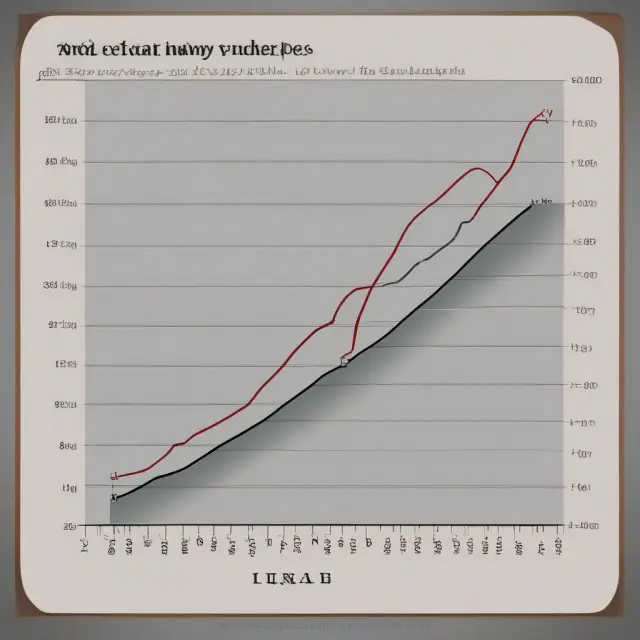
Effect of Aggregate Supply Changes on Prices and Output
Aggregate supply changes have significant implications for prices and output within an economy. The aggregate supply curve illustrates this relationship between price levels and the total quantity of goods and services that businesses are willing to provide. Generally, there is a positive relationship between aggregate supply and price levels. When demand increases while supply remains constant, prices rise as consumers compete for available goods. This competition induces firms to increase output, leading to an eventual normalization of prices and the maintenance of elevated output.
Aggregate Supply Short-term Changes
In the short run, aggregate supply adjusts in response to price changes by increasing the utilization of existing inputs within the production process. This occurs because capital is considered fixed in the short term. Firms cannot easily build a new factory or introduce new technology. Instead, they maximize output with their current resources by allocating more labor hours or utilizing technology more efficiently. As demand and prices rise, firms expand their supply to meet consumer needs.
Aggregate Supply Long-term Changes
However, in the long run, aggregate supply remains unchanged by price levels as it is influenced solely by improvements in productivity and efficiency. These enhancements include advances in technology, human capital, and infrastructure, which ultimately result in a higher quantity of goods and services produced at each price level.
Example of Aggregate Supply Changes
Let’s consider XYZ Corporation, which produces 100,000 widgets quarterly at a total cost of $1 million. Suddenly, the critical component that accounts for 10% of production costs doubles in price due to external factors like material shortages or other supply shocks. In this scenario, XYZ Corporation can produce only 90,909 widgets while keeping its production cost constant at $1 million. This reduction in aggregate supply can result in demand exceeding output and an increase in prices as consumers compete for the available goods.
Aggregate Supply vs. Marginal Cost
It’s essential to distinguish between aggregate supply and marginal cost when discussing changes in supply and their impact on output and prices. Aggregate supply refers to the total quantity of goods and services produced at a given price level, while marginal cost represents the incremental cost of producing one additional unit of output. In contrast to marginal cost, which is always upward-sloping, aggregate supply can be either upward or downward sloping, depending on whether the economy experiences short-term or long-term adjustments.
In conclusion, understanding how aggregate supply changes impact prices and output is crucial for assessing economic trends and forecasting future growth patterns. By recognizing the nuances of these relationships, policymakers can better navigate economic fluctuations and design appropriate fiscal and monetary policies to promote overall economic stability.

Example of Aggregate Supply: XYZ Corporation
To better grasp the concept of aggregate supply and its real-world implications, let’s consider an example featuring XYZ Corporation, a widget manufacturing company. This case study will illustrate how changes in input prices can shift the aggregate supply curve and impact the economy.
XYZ Corporation produces 100,000 widgets every quarter at an overall cost of $1 million. The company’s production process relies heavily on a critical component that comprises 10% of the total expense ($100,000). Unfortunately, the market experiences a sudden shortage of this essential component due to various external factors, such as natural disasters or geopolitical tensions. As a result, its cost doubles, reaching $200,000.
To maintain their overall production expenses at $1 million, XYZ Corporation is forced to make some adjustments. Since labor and other inputs remain unchanged, the company must find a way to produce fewer widgets with the same budget. The total output for the given period will now be 90,909 widgets, calculated by dividing the original budget by the increased component cost ($1 million / $200,000 = 5 hours of labor * 60 minutes/hour * 60 minutes/minute * 4 weeks/quarter * number of employees).
This reduction in aggregate supply from XYZ Corporation can lead to significant consequences. The decrease in the total quantity of goods available may result in consumers being unable to meet their demand for widgets, pushing up prices as they compete for the remaining supply. With higher production costs due to increased input prices, it’s reasonable to assume that manufacturers will pass these additional expenses on to customers.
In conclusion, this example highlights how aggregate supply can shift in response to changes in price levels and other factors that impact production costs. By understanding the implications of aggregate supply on businesses like XYZ Corporation, we gain valuable insight into macroeconomic trends and the effects they have on consumers and overall economic growth.

Impacts of Aggregate Supply on Economy and Policymakers
An essential component of macroeconomic analysis is understanding how aggregate supply (AS) shifts impact the economy and policymakers. When considering AS changes, it’s crucial to recognize that they can be both short-term or long-term in nature. In turn, these impacts vary substantially depending on their duration.
In the short term, shifts in aggregate supply influence prices, output, and inflation. For example, an increase in aggregate supply can lead to lower prices and higher output, as firms expand production to meet growing demand. This dynamic can translate into economic growth and improved consumer purchasing power. Conversely, a decrease in aggregate supply can result in price increases and reduced output, potentially leading to negative economic consequences such as inflation or recession.
The role of policymakers during this period is crucial. They may adjust fiscal and monetary policies accordingly to mitigate any potential adverse effects on the economy. For instance, a decrease in aggregate supply could prompt central banks to increase interest rates to curb inflation. Alternatively, governments might engage in expansionary fiscal policy by increasing public spending or decreasing taxes to stimulate demand and offset the negative impact of reduced supply.
In contrast, long-term shifts in aggregate supply have significant implications for economic growth, technological advancements, and structural changes within industries. These changes are often driven by factors like new technologies, labor force demographics, or regulatory policies. For instance, a breakthrough innovation in an industry could increase the productivity of firms, leading to a rightward shift in the aggregate supply curve. This improvement would result in long-term economic benefits such as increased output, lower prices, and improved overall competitiveness.
Policymakers must also consider the implications of these long-term changes when formulating economic policies. For example, they might invest in education and training to ensure their workforce remains competitive with emerging technologies. Alternatively, policymakers may need to adapt regulations to accommodate these structural shifts and avoid creating barriers to growth or competition within industries.
In conclusion, understanding the impacts of aggregate supply on the economy and policymakers is essential for making informed decisions that drive economic growth and stability. By recognizing short-term and long-term implications, policymakers can effectively navigate the challenges posed by changes in aggregate supply and ultimately create an environment conducive to economic success.
FAQ: Frequently Asked Questions About Aggregate Supply
Aggregate supply, or total output, is the total quantity of goods and services produced by an economy at a specific overall price level during a given period. The relationship between aggregate supply and the price level is represented by the aggregate supply curve (AS). This section aims to clarify common queries surrounding this economic concept.
Question: What drives changes in aggregate supply?
Answer: Changes in aggregate supply result from shifts in labor productivity, technological innovations, wages, production costs, producer taxes, subsidies, and inflation. Factors that increase the level of productivity or efficiency, such as increased education and skills among workers, technological advancements, or capital investments, result in a positive shift in the aggregate supply curve. Conversely, factors such as wage increases or decreases in production capacity lead to negative shifts in aggregate supply.
Question: What is the difference between marginal cost and aggregate supply?
Answer: While both concepts refer to the relationship between price and output in an economy, there are some differences between the two. Marginal cost represents the additional cost a firm faces when producing one more unit of output, while aggregate supply reflects the total quantity of goods and services produced by all firms at a given price level. The marginal cost curve is derived from the aggregate supply curve but lies below it to illustrate the increasing costs of production as output expands.
Question: How does a change in wages impact aggregate supply?
Answer: An increase in wages results in upward pressure on production costs and, consequently, a decrease in aggregate supply. On the other hand, a wage cut would result in lower production costs, leading to an increase in aggregate supply.
Question: What is the difference between short-term and long-term aggregate supply?
Answer: In the short term, factors such as changes in demand or input prices impact the quantity of goods and services produced by an economy, while the long-term aggregate supply represents the total productive capacity of an economy. While the short run is characterized by a fixed level of inputs, the long run allows for adjustments to capital and labor resources.
Question: What factors influence short-term changes in aggregate supply?
Answer: In the short term, firms can respond to price increases by increasing output through the use of existing labor and technology. Conversely, when prices decrease, firms may reduce output as demand declines. Input costs, such as wages or taxes, can also impact short-term changes in aggregate supply.
Question: What factors influence long-term changes in aggregate supply?
Answer: Long-term shifts in aggregate supply are driven by improvements in productivity and efficiency resulting from advancements in technology, education, and capital investments. These long-term adjustments reflect the total productive capacity of an economy and remain constant over time unless influenced by external factors.
 Next entry · No. 123Understanding the Power of Financial Aggregation: Consolidating Data for Effective Investment Management
See also
-
 No. 2,780
03 Feb 2025
22 min
Understanding the Law of Supply: A Comprehensive Overview
Economics
No. 2,780
03 Feb 2025
22 min
Understanding the Law of Supply: A Comprehensive Overview
Economics -
 No. 987
12 Jul 2024
19 min
Understanding the Demand for Labor: A Key Concept in Finance and Investment
Business Finance
No. 987
12 Jul 2024
19 min
Understanding the Demand for Labor: A Key Concept in Finance and Investment
Business Finance -
 No. 988
12 Jul 2024
19 min
Demand Theory: Understanding the Inverse Relationship Between Price and Consumer Demand
Business Finance
No. 988
12 Jul 2024
19 min
Demand Theory: Understanding the Inverse Relationship Between Price and Consumer Demand
Business Finance -
 No. 609
06 May 2024
24 min
Understanding Capital Gains Taxes: Short-Term vs Long-Term Rates and How Mutual Funds Distribute Them
Investments
No. 609
06 May 2024
24 min
Understanding Capital Gains Taxes: Short-Term vs Long-Term Rates and How Mutual Funds Distribute Them
Investments -
 No. 472
25 Apr 2024
22 min
Building a Robust Bond Ladder for Institutional Investors: Minimizing Risk and Maximizing Yield
Investments
No. 472
25 Apr 2024
22 min
Building a Robust Bond Ladder for Institutional Investors: Minimizing Risk and Maximizing Yield
Investments -
 No. 68
30 Mar 2024
19 min
Understanding Adjusted Closing Prices: A Comprehensive Guide for Institutional Investors
Investments
No. 68
30 Mar 2024
19 min
Understanding Adjusted Closing Prices: A Comprehensive Guide for Institutional Investors
Investments