Understanding and Escaping the Poverty Trap: Factors, Causes, and Solutions

Understanding the poverty trap and its contributing factors; Jeffrey Sachs' approach and real-life case studies; FAQs.
Introduction to the Poverty Trap Concept
The poverty trap refers to a situation where individuals or families find themselves mired in poverty due to a myriad of interconnected factors that make it difficult for them to break free from their economic circumstances. This concept goes beyond just lacking economic means and emphasizes how various elements, such as limited access to education and healthcare, work together to perpetuate the cycle of poverty. Economist Jeffrey Sachs has advocated for a concerted approach, combining public and private investments, to help alleviate poverty traps.
Factors Creating Poverty Traps
Poverty traps are not solely caused by an individual’s or family’s lack of resources; instead, they emerge from complex interactions among several factors including: limited access to capital, education, healthcare, infrastructure, governance, and more.
The Role of Capital in Escaping Poverty Traps
One key factor contributing to the poverty trap is the difficulty individuals face when attempting to acquire sufficient capital to lift themselves above the poverty line. When people lack this crucial resource, they struggle not only to escape poverty but also to improve their quality of life.
Jeffrey Sachs’ Approach to Escaping Poverty Traps: Human, Business, and Public Capital
Sachs emphasizes that a collaborative effort between the public and private sectors is necessary to combat the poverty trap. He suggests aid agencies function as venture capitalists, funding startups in developing nations with the full amount of support required to reverse this cycle. Sachs identifies six essential types of capital for overcoming poverty: human (health, education, and nutrition), business, infrastructure, natural, public institutional, and knowledge capital.
Impact of Healthcare on Escaping Poverty Traps
Research shows that poor health conditions can perpetuate the cycle of poverty. Countries with limited healthcare resources often find it challenging to escape poverty. For example, researchers at the National Bureau of Economic Research found that countries with poorer health conditions tend to have a higher prevalence of poverty compared to those with similar educational achievements.
Real-World Example: Rwanda’s Success in Overcoming Poverty Through Healthcare and More
Rwanda is often cited as a success story in overcoming poverty, thanks largely to its efforts in improving access to healthcare and insurance. However, critics argue that the country’s government manipulated poverty statistics by reducing the measurement threshold for poverty. Nonetheless, Rwanda’s achievements serve as an important reminder of the role other factors, such as healthcare, play in escaping poverty traps.
Addressing the Root Causes of Poverty: Education, Infrastructure, and More
To effectively tackle poverty, it is essential to address the root causes, including access to education, infrastructure, governance, and more. For instance, investments in education can significantly reduce poverty by increasing individuals’ earning potential. Similarly, improving infrastructure can help create jobs and boost economic growth, providing opportunities for those living in poverty.
Conclusion: Moving Beyond Poverty
Understanding the poverty trap concept and its contributing factors is crucial for devising effective strategies to alleviate poverty both at an individual and societal level. By recognizing that poverty is not merely a lack of resources but rather a complex web of interrelated challenges, we can create targeted solutions designed to break the cycle of poverty and help individuals and communities build a better future.
FAQs on Understanding and Escaping Poverty Traps
What causes the poverty trap?
The poverty trap is created by various factors, including limited access to capital, education, healthcare, infrastructure, governance, and more.
How can individuals escape the poverty trap?
Escaping the poverty trap requires addressing its root causes through a combination of public and private investments in human, business, infrastructure, natural, public institutional, and knowledge capital.
What is Jeffrey Sachs’ approach to escaping poverty traps?
Jeffrey Sachs proposes that aid agencies function as venture capitalists funding startups in developing nations with the full amount of support required to reverse the cycle of poverty. He also identifies six essential types of capital for overcoming poverty: human (health, education, and nutrition), business, infrastructure, natural, public institutional, and knowledge capital.
How does healthcare impact escaping the poverty trap?
Poor health conditions can perpetuate the cycle of poverty, making it essential to address healthcare as part of a comprehensive strategy for escaping poverty traps.
What are some real-life examples of successful attempts to escape poverty traps?
Countries like Rwanda have made significant strides in improving access to healthcare and other essential services, demonstrating the importance of addressing multiple factors to effectively tackle poverty.

Factors that Create a Poverty Trap
A poverty trap, also known as the ‘poverty cycle,’ refers to an economic state where it becomes challenging for individuals and families to lift themselves out of poverty due to various interconnected factors. These factors contribute to the creation of a vicious cycle, making it difficult to accumulate enough capital or resources to escape the situation. In this section, we will examine several key factors contributing to the existence of poverty traps.
Limited Access to Capital: The lack of access to capital is one of the most significant factors that create and perpetuate poverty traps. Without sufficient funds, individuals may struggle to invest in their future, such as education or starting a business, further limiting their opportunities for financial advancement. This is especially true in communities with underdeveloped financial systems where credit markets are limited, making it difficult to obtain loans.
Education: Access to quality education is another key factor that plays a major role in poverty traps. Lack of access to education can lead to lower earning potential and limited opportunities for upward mobility. Additionally, poor-quality education may result in individuals being unable to fully utilize the opportunities available to them.
Healthcare: Poor healthcare or lack of access to essential health services can create a significant barrier to escaping poverty. Illnesses and diseases can result in substantial medical bills and lost wages, making it even more challenging for families to break the cycle of poverty. In areas with limited healthcare resources, preventable conditions can persist and further exacerbate the issue.
Infrastructure: A lack of basic infrastructure like roads, electricity, and water supplies can hinder economic growth and make it difficult for individuals to access employment opportunities or start businesses. This challenge is particularly acute in rural areas where infrastructure development may be less prioritized compared to urban centers.
Governance: Corruption, weak governance, and unstable political environments can create significant challenges for individuals looking to escape poverty. These factors can lead to a lack of trust in institutions, making it difficult for people to access resources or invest in their future.
Understanding the role that these factors play in creating and perpetuating poverty traps is crucial in designing effective interventions aimed at lifting people out of poverty. In the next section, we will explore economist Jeffrey Sachs’ approach to addressing the poverty trap through public and private investments.

The Role of Capital in Escaping the Poverty Trap
Understanding the concept of a poverty trap necessitates an in-depth analysis of how capital plays a significant role in perpetuating this vicious cycle. In essence, a poverty trap arises when individuals or families face numerous challenges in accumulating sufficient capital to escape their impoverished conditions (Sachs, 2005).
At the heart of this issue is the fact that people living in poverty often lack access to essential resources and opportunities needed to generate income. As a result, they struggle to create or enhance their human, social, physical, and financial capital, making it difficult for them to break free from poverty. Let us explore how these various forms of capital contribute to the poverty trap and why it is so challenging for individuals to accumulate the necessary resources to escape it.
1. Human Capital: Lack of access to quality education and health services can lead to limited human capital development, perpetuating a cycle of poverty. For instance, a family living in poverty may not be able to afford education for their children, leading them to miss out on crucial skills and knowledge that could help them secure better-paying jobs in the future (Baqir & Khwaja, 2018). Moreover, inadequate access to healthcare services can lead to health issues that negatively impact productivity and overall wellbeing.
2. Social Capital: Lack of social networks and connections can hinder individuals from accessing essential resources and opportunities necessary for upward mobility. This includes networks that offer information about available jobs or business prospects, as well as those that provide emotional support during challenging times (Coleman, 1988). In poverty-stricken areas, these networks may be limited or non-existent due to the high degree of isolation and lack of resources.
3. Financial Capital: The absence of financial capital is one of the most common reasons why individuals remain trapped in poverty. This includes a lack of savings, credit access, and stable income sources. For example, an unexpected expense, such as a medical emergency or car repair, can force families into debt or cause them to sell their assets to cover costs (Perry & Deaton, 2005). Consequently, they may be unable to save for future emergencies, invest in education, or start a business.
4. Physical Capital: Limited access to basic infrastructure and resources such as electricity, water, transportation, and sanitation can hinder economic productivity and overall wellbeing. For instance, individuals living in areas without reliable electricity may not be able to work from home or study effectively during power outages. Similarly, a lack of clean water and adequate sanitation can lead to health issues that negatively impact productivity (World Bank, 2016).
To escape the poverty trap, it is essential to address the root causes of this issue by focusing on strategies that increase access to capital in various forms for those living in poverty. In his book “The End of Poverty: Economic Possibilities for Our Time,” noted economist Jeffrey Sachs recommends a two-pronged approach involving public and private investments (Sachs, 2005). Public sector efforts should concentrate on investing in human capital through education, nutrition, and health services. Infrastructure development is also crucial to create an enabling environment for economic growth. The private sector can focus on generating business opportunities by providing essential goods and services that meet the needs of low-income populations and stimulate sustainable economic growth. By addressing these underlying challenges, individuals living in poverty will have access to the necessary resources and opportunities to break free from this vicious cycle.

Jeffrey Sachs’ Approach to Escaping the Poverty Trap
Noted economist Jeffrey Sachs has dedicated his career to understanding and eradicating poverty. In his influential book “The End of Poverty: Economic Possibilities for Our Time,” Sachs presents a theory on how a combination of public and private investments can help individuals and nations escape the poverty trap. According to Sachs, poverty is not solely defined by economic means; rather it’s created by an intricate web of factors that perpetuates a cycle of dependency.
Sachs believes that in order to break free from this vicious cycle, individuals must be given adequate aid to acquire the critical mass of capital necessary to improve their circumstances and ultimately lift themselves out of poverty. However, it’s important to note that not all aid programs are created equal. Those providing insufficient support may prove ineffective at raising individuals or families from poverty. Instead, a higher level of assistance is required for long-term success.
Sachs also emphasizes the importance of investing in six essential types of capital: human capital (health, education, nutrition), business capital (investments), infrastructure (roads, power, water and sanitation, environmental conservation), natural capital (conservation of biodiversity and ecosystems), public institutional capital (a well-run public administration, judicial system, police force), and knowledge capital (scientific research for health, energy, agriculture, climate, ecology).
In “The End of Poverty,” Sachs argues that while the private sector should handle business capital investments, the public sector plays a crucial role in addressing human capital, infrastructure, natural capital, and public institutional capital. This approach is critical as these sectors are often neglected or under-funded in developing countries, perpetuating poverty and hindering economic growth.
One real-world example of this theory in practice comes from Rwanda, which tackled the poverty trap by focusing on healthcare and insurance to improve daily calorie intake and overall wellbeing. While some critics have questioned the accuracy of Rwanda’s poverty statistics, there is no denying the country’s significant progress in reducing poverty levels over the past few decades. By investing in essential capital areas, nations can create an enabling environment for individuals to escape poverty and improve their standard of living.

Case Study: A Family in Poverty and the Impact of Government Aid
Understanding how challenging it can be to escape a poverty trap becomes more tangible when we examine real-life examples, such as that of a struggling family attempting to climb out of poverty. In this section, we’ll explore the story of a family of four with an annual income below the US federal poverty guideline and discuss the impact of government aid on their situation.
Our case study centers around a family made up of two working parents and two children under the legal working age. Their income hovers just below the poverty line at $24,000 per year. Parents work in low-paying jobs that offer hourly wages of $10. According to US federal poverty guidelines, this family is considered impoverished if their earnings fall short of $27,750 annually.
To better comprehend the implications of government aid on this family’s situation, let us assume that the government begins providing monthly assistance worth $1,000. This additional aid pushes their annual income to $36,000 but, as per current regulations, it decreases in proportion to their increased earnings. In other words, should their combined monthly salary reach $2,500, their government assistance would diminish by the same amount.
The increase in the family’s income brings about additional challenges:
- Increased working hours: To compensate for the reduced aid, both parents must work 50 extra hours per month – a significant time commitment that translates into less leisure and fewer opportunities to upgrade their skills or seek higher-paying employment.
- Opportunity cost: Parents may sacrifice valuable time spent with children as they try to secure more working hours or engage babysitters for the missed hours. The additional work hours also mean less time for personal growth and self-improvement, further limiting their long-term earning potential.
- Inadequate living conditions: Despite receiving government aid, the family still faces challenges due to their substandard living conditions. In one of the most dangerous neighborhoods in the city, they lack access to proper healthcare facilities – increasing their monthly expenditures on healthcare or food due to illness or crime-related costs.
Examining the situation more closely reveals that this family’s circumstances are not just about insufficient income; the poverty trap encompasses a complex interplay of factors, including limited access to education, healthcare, and infrastructure. While government aid can provide temporary relief, it often falls short in addressing these underlying causes.
In reality, numerous countries have attempted various approaches to combating poverty traps by targeting root causes beyond income. A notable example is Rwanda, which sought to improve the health and nutrition of its population as a means to escape the trap. However, some critics question the accuracy of the country’s poverty statistics and call for greater transparency.
In conclusion, understanding how a family navigates the complexities of poverty traps can offer invaluable insights into the broader societal issues surrounding economic inequality and its impact on individuals’ lives. The importance of considering both government aid and underlying causes in addressing the poverty trap cannot be overstated.

Real-World Example: Rwanda’s Approach to Overcoming Poverty
As a case study in tackling poverty traps, Rwanda, a country that faced extreme challenges such as genocide and civil war, has gained recognition for its innovative approaches. Notably, the nation focused on improving access to healthcare and insurance as vital factors that contribute to escaping poverty. However, some researchers argue that the government’s focus on reducing the measurement threshold for poverty statistics might have influenced their positive standing (World Bank Group, 2018).
The approach to addressing poverty in Rwanda is an inspiring example of how a nation can work towards breaking free from the cycle of poverty by focusing on factors beyond just income. The government’s efforts were initially concentrated on increasing average daily calorie intake through healthcare and insurance initiatives, which proved successful in enhancing overall wellbeing and productivity.
Rwanda’s unique approach began in 1994 when the country was ravaged by a devastating genocide, leading to a near-complete breakdown of its economy and infrastructure (World Bank Group, 2018). In response, the government recognized that traditional income-focused poverty reduction strategies might not be sufficient. As a result, they adopted a more holistic approach, focusing on healthcare and insurance as essential elements that could lift individuals out of poverty.
Understanding the importance of healthcare in overcoming poverty is based on research showing the connection between good health, economic growth, and overall productivity (World Health Organization, 2018). In Rwanda, this was addressed through various programs aimed at increasing access to preventative care, ensuring universal healthcare coverage for all citizens, and implementing a community-based approach that emphasized early identification of diseases.
The insurance aspect of their strategy helped to address the financial risks associated with unexpected health issues, which can push families deeper into poverty. The government introduced the Mutuelle de Santé (Community-Based Health Insurance), making it mandatory for all Rwandans to enroll and pay a monthly premium in exchange for coverage (World Bank Group, 2018).
One significant success story of Rwanda’s approach can be seen in the reduction of child mortality rates. Before the program was implemented, the country had one of the highest child mortality rates in the world (Ministry of Health and UNICEF, 2014). However, due to their focus on improving access to healthcare, Rwanda’s under-five mortality rate dropped from 158 per 1,000 live births in 2000 to 62 per 1,000 live births in 2014 (Ministry of Health and UNICEF, 2014).
Critics argue that the Rwandan government manipulated poverty statistics by lowering the measurement threshold for poverty. The World Bank Group (2018) has reported that this change led to an apparent reduction in poverty levels, making it difficult to accurately measure the true impact of their approach on poverty reduction. Despite these concerns, Rwanda’s innovative strategy illustrates the significance of addressing factors beyond income to break free from a poverty trap.
By focusing on healthcare and insurance, Rwanda was able to make significant strides in improving overall wellbeing and productivity for its citizens – paving the way for long-term economic growth and development. The country’s example encourages us to explore alternative methods beyond traditional income-based approaches when addressing poverty traps and striving for sustainable solutions.

Factors Making it Hard to Get Out of Poverty
A lack of capital is a significant factor that perpetuates the poverty trap for individuals and families. In order to escape this cycle, one must acquire sufficient resources to alter their economic situation. However, accessing capital can be difficult due to various reasons, including limited education, time constraints, and insufficient resources. Let’s examine these challenges in more detail.
1. Limited Education: A lack of formal education is a major barrier to escaping the poverty trap. With no or minimal education, it becomes challenging to acquire well-paying jobs or create successful businesses. Additionally, the absence of an education can result in lower earning potential and limited access to opportunities for advancement.
2. Time Constraints: For those living in poverty, time is a valuable commodity as every minute spent outside of work hours could mean the difference between survival and further hardship. Consequently, dedicating significant time towards seeking better education or exploring new business opportunities is often not feasible due to pressing obligations, such as taking care of family members, finding affordable housing, or securing basic necessities.
3. Insufficient Resources: Access to resources plays a crucial role in determining one’s ability to escape the poverty trap. This can encompass various aspects like financial capital for investments, access to technology and infrastructure, or even the availability of clean water and nutritious food. A lack of these resources further compounds challenges related to education and time constraints, making it significantly more difficult to improve economic standing.
Jeffrey Sachs, a renowned economist and director of The Earth Institute at Columbia University, has addressed this issue by emphasizing the need for concerted public and private efforts aimed at providing sufficient resources and support to those trapped in poverty. He argues that access to various forms of capital – human, infrastructure, natural, knowledge, institutional, and business – are essential ingredients for breaking free from the poverty trap.
In his book “The End of Poverty: Economic Possibilities for Our Time,” Sachs posits that public sector investments in critical areas like health, education, nutrition, and infrastructure should be a priority to help individuals and communities build a solid foundation for economic growth. The private sector, on the other hand, plays a vital role in business capital investments through venture capitalism or startup funding.
As we’ll explore further in subsequent sections of this article, understanding these factors that create and perpetuate poverty traps is crucial for developing targeted and effective strategies to help individuals and communities escape from poverty. In the following section, we will examine a real-life example of a family living below the poverty line and the challenges they face with regards to earning income and increasing their quality of life.

The Prevalence of Poverty: US and Worldwide Statistics
Understanding the Extent of Poverty: The poverty trap is a complex issue that goes beyond a mere lack of income, requiring investment in multiple areas to effectively address it. According to economist Jeffrey Sachs, there are six major types of capital – human, business, infrastructure, natural, public institutional, and knowledge – that play crucial roles in escaping the poverty trap. In this section, we will discuss the current state of poverty both in the United States and globally, highlighting the importance of understanding these various aspects to tackle the issue effectively.
In the US: As of 2021, 37.2 million individuals or approximately 11% of the population were living below the poverty line, according to the U.S. Census Bureau. This number represents a significant disparity in income and resources between different socio-economic groups, necessitating further attention on addressing the root causes and potential solutions for those trapped in poverty.
Across the Globe: Worldwide, approximately 1.3 billion individuals live below the international poverty line of $1.90 per day, according to the World Bank. This staggering statistic highlights the need for a collective effort from governments, non-profit organizations, and private sector entities to tackle this global challenge and invest in long-term solutions that will enable those in poverty to build a better future for themselves and their families.
Implications and Moving Forward: As highlighted by Sachs, understanding the factors contributing to the poverty trap, such as limited access to education, healthcare, and infrastructure, is essential to effectively addressing this issue. By acknowledging these challenges and exploring potential solutions across various sectors, we can work towards creating a more equitable world where no one is left behind. In the next section, we will delve deeper into the role of capital in escaping the poverty trap, examining its significance in overcoming the vicious cycle that perpetuates poverty.
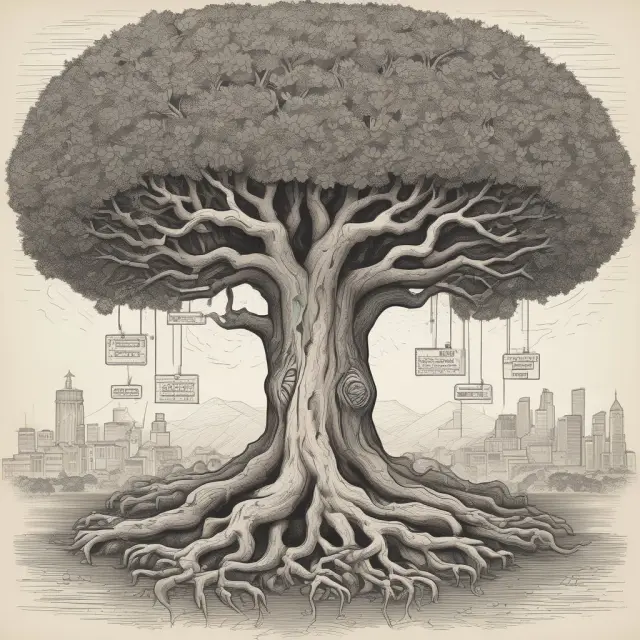
Addressing the Root Causes of Poverty
In order to effectively address the poverty trap and help individuals escape its vicious cycle, it is crucial to understand and tackle its underlying root causes. These factors include limited access to education, healthcare, capital markets, infrastructure, and governance. By addressing these issues, we can provide a solid foundation for individuals and communities to lift themselves out of poverty.
Education plays a vital role in breaking the cycle of poverty. Research shows that every additional year of schooling increases a person’s earnings by 10%. Moreover, education improves an individual’s ability to access better job opportunities and make informed decisions that contribute to their long-term financial well-being. In many developing countries, however, limited resources force families to prioritize immediate survival needs over sending their children to school, perpetuating the intergenerational cycle of poverty.
Another critical factor in escaping poverty is access to affordable and quality healthcare. Disease and poor health significantly impact a person’s ability to earn an income and maintain financial stability. In areas with limited healthcare resources, individuals may be unable to afford necessary treatments or preventative care, leading to ongoing medical issues that hinder their progress towards economic self-sufficiency. Additionally, research suggests that countries with poorer health conditions are more likely to face a cycle of poverty, as highlighted by studies from the National Bureau of Economic Research and the University of Florida in Gainesville.
Limited access to capital markets is another major hurdle for individuals looking to escape the poverty trap. Small business ownership provides a viable pathway towards economic stability and growth for many people. However, starting and growing a successful business requires capital – something that is often out of reach for those living in poverty. As noted economist Jeffrey Sachs suggests, public and private investments must work together to provide individuals with the necessary funds to lift themselves out of poverty and create sustainable economic opportunities.
Infrastructure improvements are essential to address the underlying issues that perpetuate poverty. Inadequate infrastructure, such as poorly maintained roads, electricity, water, and sanitation systems, hinder a person’s ability to access employment opportunities and increase their earning potential. Moreover, the lack of these services can result in significant time and resource expenditures for individuals living in poverty, further reducing their overall income and financial stability.
Effective governance plays an essential role in breaking the cycle of poverty by creating a stable economic environment that fosters growth and development. Corruption, political instability, and weak institutions can hinder progress towards poverty reduction and make it more challenging for individuals to access essential resources and services. By addressing these issues, governments can create conditions conducive to sustainable economic growth and improved living standards for their citizens.
Jeffrey Sachs’ approach to eradicating poverty involves both public and private investments, which he believes is necessary to address the various forms of capital that individuals in poverty lack – human, business, infrastructure, natural, public institutional, and knowledge capital. By providing the critical mass of support needed for individuals to lift themselves out of poverty, governments and aid organizations can help break the cycle and enable sustainable economic growth.
Understanding the root causes of poverty is essential to devising effective strategies for addressing this complex issue. By focusing on education, healthcare, access to capital markets, infrastructure improvements, and good governance, we can create a solid foundation for individuals and communities to escape poverty and build a better future.

Conclusion: Moving Beyond Poverty
The poverty trap is a complex and multifaceted phenomenon that can make it extremely difficult for people to lift themselves out of poverty. In order to understand this concept, it’s crucial to comprehend its contributing factors and potential solutions. The poverty trap cannot be attributed solely to the lack of economic means or resources; rather, it stems from a combination of interrelated issues such as limited access to capital, education, healthcare, infrastructure, good governance, and more.
One notable economist who has tackled this issue is Jeffrey Sachs. He believes that public and private investments are essential to escaping the poverty trap, stating that individuals living in poverty require sufficient support to acquire a critical mass of capital necessary to break free from the cycle of dependency on aid. The theory of six kinds of capital – human, business, infrastructure, natural, public institutional, and knowledge capital – further highlights the multifaceted nature of escaping poverty.
Understanding the concept of poverty traps is crucial for developing effective strategies to address this issue at both individual and societal levels. In the following sections, we will examine the factors that contribute to creating a poverty trap, explore Jeffrey Sachs’ approach to escaping poverty, and discuss real-world examples like a family in poverty and Rwanda’s efforts to overcome it.
Let us begin by examining the various factors contributing to poverty traps:
Factors Creating a Poverty Trap
- Limited access to capital
- Education
- Healthcare
- Infrastructure
- Governance
- Extreme environmental degradation
- Disease ecology
- Capital flight
- War
To further illustrate the complexities of this issue, let us examine a real-life example of a family living below the poverty line and the challenges they face in escaping it. In the next section, we will also explore Rwanda’s approach to overcoming poverty by focusing on healthcare and other sectors.
In conclusion, understanding the concept of poverty traps is essential for identifying effective strategies to help individuals and communities escape poverty and improve their quality of life. By addressing the root causes of this issue through investments in education, healthcare, infrastructure, governance, and more, we can work towards breaking the cycle of poverty and creating a more equitable society.
FAQs on Understanding and Escaping the Poverty Trap
What is a poverty trap?
A poverty trap refers to an economic system that makes it extremely difficult for people to escape poverty. It’s not merely the absence of economic means; rather, it stems from a combination of interrelated factors such as limited access to capital, education, healthcare, infrastructure, good governance, and more.
How does lack of access to capital contribute to poverty traps?
Lack of access to capital is a major contributor to poverty traps because it hinders individuals’ ability to acquire the resources necessary to invest in their future or take advantage of opportunities that could help lift them out of poverty.
What role does education play in escaping poverty?
Education plays an essential role in escaping poverty, as it equips individuals with the knowledge and skills necessary to secure better-paying jobs and improve their earning potential. Additionally, education can open new opportunities for entrepreneurship and personal growth.
How does healthcare contribute to poverty traps?
Poor health can trap individuals and families in poverty by increasing their expenses related to medical care, limiting their ability to work or earn income, and perpetuating intergenerational cycles of poverty.
What is Jeffrey Sachs’ approach to escaping the poverty trap?
Jeffrey Sachs advocates for a combination of public and private investments as a means of escaping poverty. He believes that individuals in poverty require sufficient aid to acquire the critical mass of capital necessary to break free from poverty, with a focus on investing in human, business, infrastructure, natural, public institutional, and knowledge capital.
How does poverty impact quality of life?
Living in poverty can significantly impact an individual’s quality of life, as it often results in limited access to essential resources such as education, healthcare, food security, and safe housing. This, in turn, can hinder personal development, lead to poorer health outcomes, and increase vulnerability to external shocks.
What is the role of government in addressing poverty traps?
The government plays a crucial role in addressing poverty traps by providing public goods and services, implementing policies that promote economic growth, and investing in infrastructure and human capital development. These efforts can help create an enabling environment for individuals to lift themselves out of poverty through education, employment opportunities, and improved access to essential resources.

FAQs on Understanding and Escaping the Poverty Trap
What is a poverty trap?
A poverty trap is an economic concept that refers to circumstances where individuals or families struggle to escape poverty due to a combination of factors, including limited access to education, healthcare, capital, and infrastructure. This vicious cycle often perpetuates intergenerational poverty.
What causes the poverty trap?
Some key factors contributing to the poverty trap include:
- Limited access to capital and credit markets: When people lack sufficient resources to invest in businesses or education, it becomes difficult for them to escape poverty.
- Inadequate education systems: Lack of quality education can hinder individuals’ ability to acquire better-paying jobs, trapping them in low-income positions.
- Poor healthcare: Illnesses and lack of access to proper healthcare can force people to spend a significant portion of their limited income on medical care, making it harder for them to save and escape poverty.
- Corrupt governance: Weak public institutions and corruption can hinder the effective implementation of policies aimed at addressing poverty and promoting economic growth.
- Extreme environmental degradation: Environmental degradation that affects agricultural production potential can make it challenging for individuals to generate sufficient income.
What is Jeffrey Sachs’ approach to escaping the poverty trap?
Economist Jeffrey Sachs argues that a combination of public and private investments is necessary to eradicate the poverty trap. He suggests focusing on six types of capital: human, business, infrastructure, natural, public institutional, and knowledge capital. According to Sachs, these investments can help individuals and communities lift themselves out of poverty by providing them with the critical mass of capital needed to break the cycle.
How does a family get trapped in poverty?
A family’s income and living conditions can contribute to its entrapment in poverty. For example, a family may have an insufficient income to meet their basic needs due to low wages, limited work opportunities, or high expenses for essential services such as healthcare or education. Additionally, poor living conditions like crime-ridden neighborhoods or lack of access to proper infrastructure can make it challenging for families to improve their circumstances and escape poverty.
What is the prevalence of poverty in the US?
According to the United States Census Bureau, approximately 10.5% of the population (or around 34 million people) lived below the poverty line in 2020.
 Next entry · No. 4,028Understanding Poverty: Causes, Consequences, and Solutions
See also
-
 No. 4,099
22 May 2025
19 min
Procyclic: Understanding the Correlation between Economic Indicators and Business Cycles
Economics
No. 4,099
22 May 2025
19 min
Procyclic: Understanding the Correlation between Economic Indicators and Business Cycles
Economics -
 No. 1,214
13 Aug 2024
22 min
Understanding Economic Recovery: Healing an Economy After a Recession
Economics
No. 1,214
13 Aug 2024
22 min
Understanding Economic Recovery: Healing an Economy After a Recession
Economics -
 No. 1,209
12 Aug 2024
20 min
Economic Forecasting: Predicting Future Economic Conditions – An Overview
Economics
No. 1,209
12 Aug 2024
20 min
Economic Forecasting: Predicting Future Economic Conditions – An Overview
Economics -
 No. 5,493
13 Sep 2025
18 min
Understanding the Vienna Stock Exchange (WBAG): A Historical and Comprehensive Guide for Institutional Investors
Business Finance
No. 5,493
13 Sep 2025
18 min
Understanding the Vienna Stock Exchange (WBAG): A Historical and Comprehensive Guide for Institutional Investors
Business Finance -
 No. 5,199
19 Aug 2025
23 min
Understanding Underwater Mortgages and Assets: An In-Depth Guide
Real Estate
No. 5,199
19 Aug 2025
23 min
Understanding Underwater Mortgages and Assets: An In-Depth Guide
Real Estate -
 No. 4,659
06 Jul 2025
20 min
Understanding the Shutdown Point in Finance and Investment
Business Strategy
No. 4,659
06 Jul 2025
20 min
Understanding the Shutdown Point in Finance and Investment
Business Strategy