Understanding Poverty: Causes, Consequences, and Solutions

Explore the causes, consequences, and solutions to poverty in the US and globally. Understand its impact on children, and learn how to address it.
The Meaning of Poverty
Poverty is more than just an income issue; it’s a complex state that impacts people on both the individual and societal level. Defining poverty can be challenging due to its multifaceted nature, but it essentially refers to the lack of resources necessary for a minimum standard of living. People experiencing poverty may lack access to basic necessities like food, shelter, and healthcare. In this section, we will delve deeper into the concept of poverty, discussing why it’s more than just income and how it impacts individuals and society as a whole.
Understanding Poverty: Beyond Just Income
Poverty is not merely an issue of low income; it is a multidimensional problem that affects people in various ways. The United Nations (UN) defines poverty as “a complex phenomenon, encompassing more than the lack of income and material resources.” It highlights the importance of addressing non-monetary dimensions such as health, education, employment, and social exclusion when dealing with poverty.
From an individual perspective, poverty can lead to numerous physical and mental health issues. People living in poverty may suffer from chronic diseases, malnutrition, or lack access to regular healthcare services. Moreover, they might experience emotional distress due to financial instability and the constant stress of making ends meet.
At a societal level, high poverty rates can have profound negative consequences. Poverty is linked to increased crime rates, poor educational attainment, urban decay, and economic stagnation. It also leads to social tension and inequality, which can exacerbate conflict and undermine social cohesion.
Measuring Poverty: Income Thresholds and Demographics
Governments use various metrics to measure poverty levels in their countries. In the United States, the federal government determines poverty status based on a specific income threshold set by the Department of Health and Human Services (HHS). This threshold varies depending on household size and demographic factors such as age and disability status.
However, it’s important to note that this definition only considers income and does not account for non-monetary factors like access to healthcare, education, and social services. Critics argue that an expanded definition of poverty should include these factors to provide a more comprehensive understanding of the issue.
Poverty in the United States: Statistics and Demographics
According to the latest data from the U.S. Census Bureau, approximately 37.2 million Americans (11.6% of the population) lived below the poverty line as of 2020. Poverty rates differ significantly among various demographic groups. For instance, children are more likely to experience poverty than other age groups, with about 15.8 million kids living in poverty in 2020. African Americans and Hispanics have higher poverty rates (21.3% and 17.4%, respectively) compared to White Americans (7.3%) and Asian Americans (9.6%). Additionally, people with disabilities are twice as likely to live in poverty as those without disabilities.
Global Perspectives: International Poverty Lines and Demographics
Poverty is not an issue confined to the United States; it affects billions of people worldwide. According to the World Bank, approximately 630 million people (8.2% of the global population) lived in extreme poverty in 2019, which is defined as living on less than $1.90 per day. Most of these individuals reside in Sub-Saharan Africa and South Asia.
Children are particularly vulnerable to poverty, with nearly half of all children under five living in poverty worldwide. Gender also plays a role in the global poverty issue, as women make up about 70% of the world’s poorest people. Climate change and conflict further exacerbate poverty levels, forcing millions of people from their homes and livelihoods each year.
The Impact of Poverty on Children: Health, Education, and Social Services
Children are one of the most vulnerable groups when it comes to poverty’s negative consequences. According to UNICEF, approximately 50 million primary school-age children worldwide do not attend school due to poverty. Poverty can lead to numerous health issues in children, such as malnutrition, anemia, and diarrhea. Moreover, children living in poverty are more likely to experience emotional distress due to their families’ financial instability and the constant struggle for basic necessities.
Governments often provide social services, like food assistance programs and healthcare coverage, to help alleviate some of the challenges faced by children living in poverty. However, these services may not reach all affected individuals and families, particularly those living in remote areas or facing multiple forms of discrimination.
Causes of Poverty: Factors Beyond Income
Poverty is a complex issue that goes beyond income levels. Socioeconomic status, ethnicity, gender, geography, and other factors contribute to poverty. Discrimination and social exclusion are significant contributors to poverty, as they limit access to education, healthcare, employment opportunities, and housing.
Individuals born into poverty often face numerous barriers to escaping it. They may lack access to quality education or live in neighborhoods with limited job opportunities. Furthermore, systemic issues like racism, sexism, and ableism can perpetuate the cycle of poverty for generations.
Addressing Poverty: Welfare Programs, Economic Development, and Education
Governments employ various strategies to address poverty, including welfare programs, economic development initiatives, and education policies. Welfare programs provide a safety net for individuals and families, helping them meet their basic needs while they work towards self-sufficiency.
However, these programs are not without their challenges. Critics argue that some welfare systems create disincentives to work and may perpetuate poverty by providing insufficient assistance. Economic development initiatives aim to create jobs and improve living conditions in impoverished areas. Education plays a crucial role in breaking the cycle of poverty, as it provides individuals with the skills and knowledge necessary to secure better-paying jobs and build more stable lives.
Conclusion: The Complex Nature of Poverty
Poverty is a multifaceted issue that goes beyond income levels. It encompasses various aspects such as health, education, employment, and social exclusion. Understanding poverty’s complex nature is essential for effective policy making and ensuring that interventions address the root causes of this pressing global challenge. By recognizing the role of discrimination, socioeconomic status, ethnicity, gender, and geography, we can begin to develop more comprehensive solutions to alleviate poverty and improve the lives of billions of individuals worldwide.

Measuring Poverty in the United States
Understanding Poverty Statistics, Income Thresholds, and Demographics
In the United States, measuring poverty is an essential aspect of tracking socioeconomic conditions and evaluating government programs that aim to help those in need. The U.S. Census Bureau calculates the poverty rate by assessing individuals’ or households’ income against a set threshold determined by the Department of Health and Human Services (HHS). This section delves deeper into this process, shedding light on the significance of poverty statistics, income thresholds, and demographic trends.
Understanding Poverty Thresholds in the U.S.
The U.S. Census Bureau sets poverty thresholds for different household sizes and compositions based on the Consumer Price Index (CPI). In 2022, the threshold for a family of four with two children under the age of 18 is $27,750 per year. This figure rises with an increase in the number of under-18 children within the household. For instance, a family of five with three children would have a poverty threshold of around $34,644 per annum.
These figures serve as benchmarks for determining government aid eligibility for food assistance, healthcare, and other programs designed to support low-income families. The measurement for those in poverty is based on pretax income or income before taxes are deducted by the Internal Revenue Service (IRS).
U.S. Poverty Rates and Demographics
In 2021, an estimated 37.9 million individuals in the United States lived below the poverty line. This statistic translates into a poverty rate of approximately 11.6%. However, the impact of poverty is not evenly distributed across all demographic groups. For example:
African Americans and Hispanics have higher poverty rates (20.5% and 17.3%, respectively) compared to non-Hispanic Whites (8.8%)
Children under age six have a poverty rate of 14.6%. In contrast, adults aged 18-64 years experience a poverty rate of 11.1%, while seniors aged 65 and older exhibit a lower poverty rate of 7.9%
Women (12.7%) are more likely to live in poverty than men (10.3%)
Rural residents have a higher poverty rate (14.6%) compared to urban areas (10.8%)
Given the stark demographic disparities, understanding poverty rates and their underlying factors is crucial for addressing inequality and ensuring that government initiatives are equitable and effective. In the next sections, we will discuss the global perspective on poverty, its impact on children, causes, consequences, discrimination, and solutions.
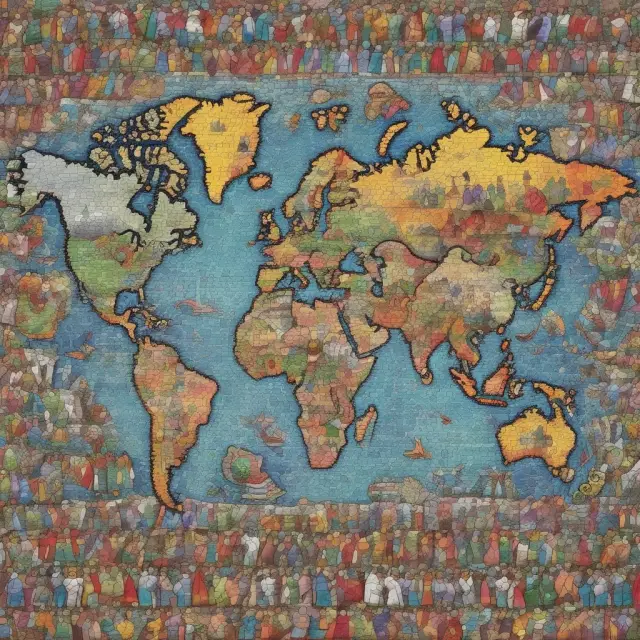
Global Perspectives on Poverty
The poverty line varies significantly across the globe, with diverse economic conditions, geographical locations, and demographics influencing people’s financial situations. Here, we’ll dive deeper into international poverty statistics, income thresholds, and world regions to better understand how global poverty is defined and addressed.
International Poverty Line
The international poverty line, set by the World Bank, denotes a monetary threshold below which individuals are considered to live in extreme poverty. This figure is calculated based on daily income required for basic needs in each country, converted into U.S. dollars. The current international poverty line stands at $1.90 per day.
Number of People Living in Poverty
More than 650 million people around the world currently live in extreme poverty—defined as subsisting on less than the international poverty line. This number has been steadily decreasing over the past few decades, largely due to economic growth in developing countries and increased global focus on reducing poverty rates. However, progress remains uneven across regions, with Sub-Saharan Africa and South Asia hosting the majority of people living in extreme poverty.
World Regions and Poverty
Poverty is a widespread issue that impacts nearly every corner of the globe; however, its prevalence and intensity vary significantly by region. Some areas have made significant strides toward eliminating poverty, while others continue to grapple with deep-rooted challenges.
Asia: Asia accounts for more than half (approximately 60%) of the world’s population living in extreme poverty. However, this figure has dropped significantly from over 85% in 1990, thanks to economic growth and increased focus on poverty reduction strategies.
Africa: Sub-Saharan Africa is home to over a third (32%) of the world’s extreme poor population. This region has made some progress in reducing poverty rates; however, it remains the most significant challenge for poverty alleviation efforts globally.
Latin America and the Caribbean: While this region has experienced notable improvements in poverty reduction, approximately 10% of its population still lives in extreme poverty.
Europe and Central Asia: Though these regions have made significant progress in reducing poverty rates, nearly 3% of their populations continue to live below the international poverty line.
Middle East and North Africa: This region hosts just over 2% of the global extreme poor population. Despite recent economic growth, poverty remains a major concern, particularly in countries affected by conflict or political instability.
The Impact on Children
Children are disproportionately affected by poverty, often experiencing negative consequences that can impact their physical and mental development and long-term wellbeing. Poverty increases the likelihood of health issues, malnutrition, and limited access to education, while also increasing stress for parents and caregivers. These challenges can perpetuate the cycle of poverty from one generation to the next.
Addressing Global Poverty: Government Intervention & International Cooperation
Governments, international organizations, and non-governmental agencies work together to address global poverty through a variety of initiatives, such as social welfare programs, economic development projects, and advocacy efforts. These interventions aim to provide basic needs and services for those living in poverty while also addressing the underlying root causes and promoting long-term solutions.
Economic Development Strategies: Economic development strategies aimed at reducing poverty include investing in education, job creation, infrastructure development, and financial inclusion. Such initiatives can lead to increased economic opportunities and improved livelihoods for individuals and communities.
Social Welfare Programs: Social welfare programs provide essential services, such as food assistance, healthcare, and housing subsidies, to those living below the poverty line. These programs aim to address immediate needs while also providing a safety net to help individuals and families transition out of poverty over time.
International Cooperation & Aid: International cooperation and aid play an essential role in poverty reduction efforts, particularly in developing countries. Organizations like the World Bank, United Nations, and various NGOs provide funding, expertise, and resources to support poverty alleviation projects and initiatives.
Conclusion
Understanding poverty on a global scale requires acknowledging its varied causes, consequences, and the diverse perspectives that shape poverty measurement and intervention efforts around the world. By examining international poverty statistics, income thresholds, and world regions, we can begin to appreciate the complex and multifaceted nature of poverty and the ongoing efforts to address it both domestically and internationally.
FAQs about Global Poverty
What is extreme poverty?
Extreme poverty refers to a condition where individuals live on less than $1.90 per day, as defined by the World Bank’s international poverty line.
Which countries have the highest percentage of people living in poverty?
Sub-Saharan Africa and South Asia account for the majority of the world’s population living in extreme poverty.
What are some common causes of global poverty?
Factors contributing to global poverty include socioeconomic status, ethnicity, gender, geography, conflict, limited access to education and healthcare, poor infrastructure, and lack of government support.
How do governments address global poverty?
Governments employ a variety of strategies to alleviate global poverty, including social welfare programs, economic development initiatives, and international cooperation through organizations like the World Bank, United Nations, and NGOs.
What are some challenges in addressing global poverty?
Challenges in addressing global poverty include the complexity of causes and their interconnectedness, limited resources for poverty reduction efforts, political instability, and conflict.

The Impact of Poverty on Children
Poverty has far-reaching consequences, affecting individuals and society as a whole. One group particularly vulnerable to poverty’s detrimental effects is children. In this section, we will explore the adverse impact of poverty on child health, education, homelessness, and social services.
Health Issues: Children growing up in poverty are at an increased risk for various health problems. Poverty-related conditions include malnutrition, inadequate sanitation, lack of access to preventative healthcare services, and exposure to environmental hazards. Infants born into poverty have a higher chance of low birth weight, leading to physical and mental disabilities. In developing countries, infants born in poverty are nine times more likely to die within their first month compared to those born in high-income nations. Moreover, children living in poverty often suffer from hearing and vision problems due to poor nutrition and lack of access to healthcare services.
Education: Adequate education is the foundation for a successful future. However, poverty poses significant barriers to education. Children raised in poverty are more likely to miss school due to sickness or because they cannot afford transportation or school supplies. In some cases, children living in poverty may need to work to contribute financially to their families, further limiting their opportunities for learning. The World Bank reported that 124 million primary-school age children worldwide were out of school in 2020. These children are at risk of perpetuating the cycle of poverty as they grow older.
Homelessness: Homelessness is a particularly challenging circumstance for children, with profound consequences on their health and development. Approximately 1.3 million American children experience homelessness each year, according to the National Center on Family Homelessness (NCFH). This lack of stable housing makes it difficult for children to attend school consistently or receive essential medical care, ultimately affecting their overall well-being.
Social Services: Social services play a crucial role in supporting children and families living in poverty. These services include food assistance programs like the Supplemental Nutrition Assistance Program (SNAP), Medicaid health insurance for low-income individuals, and Temporary Assistance for Needy Families (TANF). While these programs help alleviate some of the challenges faced by families living in poverty, they are not a cure-all solution. Often, the demand for social services outstrips their capacity, leaving many families without adequate support.
In conclusion, children are significantly impacted by poverty and its associated health, education, housing, and access to essential services. Governments and organizations must focus on implementing policies and programs that address the root causes of poverty and provide adequate support for affected children and families to break the cycle of intergenerational poverty.

Causes of Poverty
The causes of poverty are multifaceted and complex, reflecting both individual factors and systemic issues. Understanding the root causes is crucial to crafting effective interventions and solutions.
First, it’s essential to recognize that socioeconomic status plays a significant role in shaping people’s economic opportunities and their likelihood of experiencing poverty. Socioeconomic status refers to a person’s income level, education attainment, employment status, and the social networks they possess. People with lower socioeconomic status often face challenges accessing quality education, affordable housing, and stable employment, making it more difficult for them to escape poverty or improve their living conditions.
Second, ethnicity and race can also contribute to poverty. Discrimination based on these factors can create barriers to economic opportunities, with people of color often facing higher unemployment rates and lower wages than white individuals in similar circumstances. Institutional racism and biased policies perpetuate these disparities by limiting access to education, housing, and employment.
Third, gender is another essential factor contributing to poverty. Women face unique challenges that make them more vulnerable to poverty. They are often paid less for the same work as men, have limited access to education, and shoulder a disproportionate burden of unpaid care work. Additionally, women who are single mothers or heads of households are especially at risk for experiencing poverty.
Fourth, geography plays an essential role in poverty. People living in rural areas or isolated communities often lack access to jobs, healthcare, and education, making it harder to escape poverty. Geographic isolation can also result in higher transportation costs and limited opportunities for economic mobility.
Fifth, a lack of access to quality education is a significant cause of poverty, as it limits people’s earning potential and their ability to secure better jobs. Children from low-income families often attend underfunded schools with fewer resources and less qualified teachers, putting them at a disadvantage compared to their wealthier peers.
Lastly, systemic issues like inadequate public infrastructure, unemployment, natural disasters, and rising living costs can push individuals or entire communities into poverty. In many cases, these factors are beyond the control of individuals, making it difficult for them to escape poverty without comprehensive policy solutions.
In conclusion, addressing poverty requires a deep understanding of its root causes. By recognizing that socioeconomic status, ethnicity, gender, geography, and systemic issues all contribute to poverty, we can begin crafting policies and interventions designed to effectively address this complex challenge and help create lasting change for those most in need.

The Consequences of Poverty
Poverty’s impacts extend far beyond its initial definition. Individuals and families living in poverty often face numerous challenges affecting their overall quality of life. Let us delve deeper into the consequences of poverty on various aspects such as alcohol and substance abuse, education, housing, disease, and crime rates.
Alcohol and Substance Abuse: Poverty increases an individual’s risk for substance abuse. People facing financial struggles may turn to drugs or alcohol to cope with their situation and its emotional toll. According to the National Center on Addiction and Substance Abuse, 72% of adults in poverty suffer from drug and alcohol addiction compared to 38% of those above the poverty line.
Education: Poverty has a significant impact on education. Children from impoverished backgrounds are more likely to miss school due to illness or other factors. They often attend schools with fewer resources, such as outdated textbooks, overcrowded classrooms, and less-qualified teachers. This can result in lower educational outcomes and decreased opportunities for future success.
Housing: Lack of adequate housing is a common issue among those living in poverty. Many families are forced to live in substandard conditions with leaking roofs or inadequate heating systems. Others experience homelessness, which can lead to numerous health risks such as exposure to extreme weather and higher rates of chronic disease.
Disease: Poverty puts individuals at a greater risk for various diseases due to factors like malnutrition, lack of access to clean water and healthcare, and unhealthy living conditions. People in poverty are more susceptible to respiratory diseases, diabetes, tuberculosis, and other illnesses. These diseases can create a vicious cycle, making it even harder for individuals to escape poverty.
Crime Rates: Poverty is linked to higher crime rates due to factors like limited employment opportunities, lack of education, and inadequate housing. In poverty-stricken areas, residents may turn to criminal activities out of necessity or desperation. Crime can further perpetuate the cycle of poverty, making it more difficult for families to improve their circumstances.
Crime and societal tension are just a few of the consequences of poverty. Addressing poverty’s root causes and implementing effective solutions is crucial to improving individual lives and overall societal well-being. In the following sections, we will discuss possible remedies and government interventions for addressing poverty, including education, economic development, and welfare programs.
Understanding Poverty: Key Takeaways
- Poverty refers to the state or condition of individuals or families unable to meet basic needs, such as food, housing, and healthcare.
- Poverty negatively affects various aspects of an individual’s life, including their health, education, and social opportunities.
- Consequences of poverty include alcohol and substance abuse, poor education, inadequate housing, increased disease risk, and higher crime rates.
- Addressing poverty requires a multifaceted approach, addressing both its root causes and the consequences experienced by those living in poverty. In the following sections, we will discuss potential solutions like education, economic development, and welfare programs to help combat poverty.

Discrimination and Poverty
Discrimination plays a significant role in perpetuating poverty. Government laws and regulations can be discriminatory, denying certain groups access to essential services. Deep-rooted societal prejudices contribute to discrimination and create barriers for people trying to escape poverty.
Government Discrimination
Government policies and laws have historically imposed discrimination on marginalized communities, perpetuating and deepening their economic struggles. For instance, redlining—a practice of denying loans or insurance in specific neighborhoods based on the race or ethnicity of residents—has been linked to racial segregation and poverty. Segregated areas often lack access to quality schools, healthcare, employment opportunities, and other critical resources, making it difficult for people to escape poverty.
Societal Prejudices
Deep-rooted prejudices can manifest in various forms of discrimination, including racial profiling, gender bias, and other forms of exclusion. For example, women often face wage gaps, making it harder for them to earn enough to lift their families out of poverty. People of color and LGBTQ+ individuals are more likely to experience systemic racism, which can lead to unemployment, underemployment, and a lack of access to education and healthcare. In some cases, discrimination may even push people further into poverty, as they face barriers to employment and other essential services.
Addressing Discrimination
To combat discrimination and its impact on poverty, governments and communities must work together to challenge discriminatory practices. This can include implementing policies that promote diversity, equity, and inclusion in various sectors such as education, housing, employment, and healthcare. Additionally, addressing societal beliefs that perpetuate discrimination requires ongoing dialogue and education to foster understanding and acceptance of diverse backgrounds and experiences.
For instance, in the United States, organizations like the National Fair Housing Alliance work to eliminate discriminatory housing practices, while initiatives like Affirmative Action aim to address systemic barriers that prevent marginalized communities from accessing opportunities on an equal footing. By working together to tackle discrimination in all its forms, governments and communities can take significant strides towards reducing poverty and fostering a more inclusive society.
In conclusion, understanding the root causes of poverty is crucial to finding effective solutions. Discrimination is one such factor that continues to perpetuate cycles of poverty for individuals and families. By recognizing the impact of discrimination on poverty and taking action to address it, governments and communities can work towards a more equitable society where everyone has access to essential resources and opportunities.

Addressing Poverty: Welfare Programs and Government Intervention
The government plays a crucial role in helping alleviate poverty through welfare programs and social safety nets. These initiatives are designed to provide essential resources and financial assistance to individuals and families, ensuring they can meet their basic needs. In this section, we will discuss some common welfare programs and government interventions that aim to address poverty.
Welfare Programs
In the United States, various welfare programs help lift people out of poverty by providing temporary assistance for food, housing, healthcare, education, and employment training. These include:
- Supplemental Nutrition Assistance Program (SNAP): Also known as Food Stamps, SNAP helps low-income families purchase the food they need by providing them with a monthly benefit that can be used at approved grocery stores.
- Temporary Assistance for Needy Families (TANF): This program provides cash assistance and other supportive services to eligible low-income families, helping them become self-sufficient through employment, education, or training.
- Supplemental Security Income (SSI): SSI is a needs-based, federally funded income supplement program that assists aged, blind, and disabled people with limited income and resources. It provides monthly payments to help meet their basic needs.
- Section 8 Housing Programs: These programs provide rental assistance and affordable housing opportunities for eligible low-income families and individuals, allowing them to afford safe and sanitary housing.
- Medicaid: As the largest source of health coverage in the United States, Medicaid helps cover healthcare expenses for millions of Americans living below the poverty line.
Government Interventions
Social safety nets aren’t the only way governments intervene to address poverty. They can also use other methods, including:
- Minimum Wages and Living Wages: Setting a minimum wage ensures that workers earn enough to meet their basic needs. A living wage, on the other hand, is set at a level where a family can afford necessities like housing, food, transportation, healthcare, and childcare.
- Education and Training Programs: Governments invest in education and training programs designed to equip low-income individuals with the skills they need to secure decent employment opportunities.
- Earned Income Tax Credit (EITC): The EITC is a refundable federal tax credit that reduces taxes or even provides a tax refund for eligible working individuals and families. It supplements their income, making it easier for them to meet their basic needs.
- Unemployment Insurance: Unemployment insurance provides temporary financial assistance to those who lose their jobs due to no fault of their own, helping them pay bills while they search for new employment opportunities.
- Food Banks and Shelters: These programs provide essential resources like food and shelter to individuals and families in need, helping bridge the gap between their income and expenses.
In conclusion, poverty is a complex issue that requires collective efforts from governments, communities, and individuals. Welfare programs and government interventions are just some ways to address poverty’s root causes and provide essential resources for those in need. By understanding these initiatives and advocating for them, we can work together to create a more equitable society where everyone has the opportunity to thrive.

Solutions to Poverty: Education and Economic Development
Addressing poverty requires multiple approaches. Two critical strategies are education and economic development. These measures help alleviate the conditions that perpetuate poverty while providing people with opportunities for self-sufficiency.
Education as a Tool for Reducing Poverty
Education plays a crucial role in breaking the cycle of poverty by providing children with the knowledge and skills they need to succeed. It opens doors to better job prospects, higher wages, and improved health outcomes. In turn, these opportunities can lead to financial stability and upward mobility.
The World Bank’s 2018 report on the impact of education on poverty illustrates this point. According to the study, an additional year of schooling for girls in developing countries reduces their likelihood of being poor by nearly 6%. For boys, the reduction is approximately 3%. Furthermore, a higher level of education leads to increased earnings and better employment opportunities, allowing individuals to escape poverty.
However, access to quality education remains a significant challenge for children living in poverty. This issue is most acute in low-income countries and communities where schools lack resources and teachers struggle with low salaries. In these contexts, government investment in education can make a substantial difference by improving infrastructure, recruiting and retaining quality teachers, and expanding access to primary, secondary, and tertiary education.
Economic Development Strategies to Address Poverty
Economic development is another crucial approach to poverty reduction. It entails creating jobs, increasing productivity, and promoting economic growth. Economic development strategies can be classified into two main categories: top-down and bottom-up approaches.
Top-Down Approaches
Top-down approaches focus on government-led initiatives aimed at stimulating economic growth through infrastructure projects, subsidies, and other interventions. These strategies have the potential to generate widespread employment opportunities and improve living standards. For example, building roads, bridges, and other public works can increase accessibility and reduce transportation costs, making it easier for businesses to grow and reach new markets.
However, top-down approaches can also be criticized for their limited focus on addressing the root causes of poverty and their potential for creating unequal distribution of resources. Additionally, these strategies may rely heavily on foreign aid or external financing, leaving countries vulnerable to economic instability if funding sources dry up.
Bottom-Up Approaches
In contrast, bottom-up approaches prioritize grassroots initiatives that empower communities to build sustainable livelihoods and businesses. This can include microfinance programs, community development projects, and vocational training. These strategies allow individuals to take control of their own economic well-being while fostering self-reliance and entrepreneurship.
An example of a successful bottom-up approach is the Grameen Bank in Bangladesh, which provides small loans to entrepreneurs living in poverty to start businesses. Since its founding in 1976, it has grown into one of the largest microfinance institutions in the world. By providing access to capital and resources, the bank has enabled millions to lift themselves out of poverty through enterprise creation.
A Balanced Approach to Addressing Poverty
While education and economic development offer powerful tools for addressing poverty, a balanced approach that combines both is essential. A comprehensive strategy should invest in education to equip individuals with the skills and knowledge needed to thrive in an evolving economy while pursuing economic growth through sustainable development strategies. This will not only help lift people out of poverty but also create a foundation for long-term prosperity.
Limitations and Challenges
Despite their potential, addressing poverty through education and economic development comes with limitations and challenges. For example, limited resources and political instability can hinder the implementation of effective poverty reduction measures in developing countries. Moreover, ensuring that these strategies benefit everyone equitably is a complex undertaking given the various socioeconomic factors that contribute to poverty.
To overcome these challenges, international cooperation, government investment, and community engagement are necessary. By working together, stakeholders can create sustainable solutions that help individuals, families, and entire communities break the cycle of poverty.

Frequently Asked Questions about Poverty
What exactly is poverty?
Poverty refers to the state or condition where individuals lack the financial resources or essentials for a minimum standard of living. It means being unable to afford basic necessities, such as housing, food, and medical care.
How many people live in poverty worldwide?
An estimated 719 million people lived in extreme poverty (defined as surviving on less than $2.15 per day) by the end of 2020. This number is expected to rise due to the ongoing COVID-19 pandemic, with an additional 100 million people falling into poverty.
What causes poverty?
Poverty arises from numerous interrelated factors, including socioeconomic status, ethnicity, gender, geography, and lack of access to education, healthcare, clean water, electricity, and other critical services. Discrimination also plays a significant role in perpetuating poverty, as it can prevent individuals and communities from accessing essential resources and opportunities.
What are the consequences of poverty?
Living in poverty can lead to numerous health problems, including malnutrition, mental health issues, substance abuse, and increased susceptibility to diseases. Children growing up in poverty often experience developmental delays and have a higher risk of chronic conditions. Poverty also impacts social structures, potentially leading to higher crime rates, increased tension, and social unrest.
What is the impact of poverty on children?
Children are disproportionately affected by poverty due to their stage in life and the significant role that early childhood experiences play in determining future health and development. They may suffer from poor nutrition, limited access to education, and increased stress at home, which can result in long-term consequences such as impaired cognitive development and decreased academic performance.
How is poverty measured?
Poverty measurements vary between countries. In the United States, the poverty threshold is determined by the Department of Health and Human Services (HHS) based on household size and the number of children under age 18. Internationally, poverty lines are set using a monetary threshold that reflects the value of goods needed to sustain one adult, converted to U.S. dollars.
What can be done to address poverty?
Governments implement various programs and policies aimed at alleviating poverty, such as welfare programs, subsidies, and social safety nets. Education, economic development, and job creation also play a significant role in breaking the cycle of poverty. However, addressing deep-seated societal issues, like discrimination, requires ongoing efforts to change entrenched beliefs and policies that perpetuate inequality.
What is the relationship between poverty and crime?
Living in poverty can contribute to an increased likelihood of engaging in criminal activities. Poverty can limit opportunities for education and employment and create social pressures that may lead to criminal involvement. Additionally, a lack of access to resources such as healthcare and mental health services can exacerbate stressors and fuel criminal behavior.
What is the relationship between poverty and health?
Poverty and poor health are closely linked, with poverty increasing the risk for numerous health issues. Lack of access to clean water, nutritious food, and adequate housing can contribute to illnesses and chronic conditions. Additionally, stressors associated with living in poverty can negatively impact mental and physical health and exacerbate existing medical conditions.
What is the relationship between poverty and education?
Poverty can significantly impact educational opportunities, both domestically and internationally. Students from low-income households are more likely to drop out of school due to financial difficulties or lack of resources. This can perpetuate intergenerational cycles of poverty as children miss out on valuable learning experiences that set the foundation for future academic, career, and personal growth.
 Next entry · No. 4,029Understanding the Power-Distance Index (PDI): An Essential Measurement for Institutional Investors
See also
-
 No. 4,684
08 Jul 2025
21 min
Understanding Social Economics: The Interplay Between Social Behavior and Economic Activity
Economics
No. 4,684
08 Jul 2025
21 min
Understanding Social Economics: The Interplay Between Social Behavior and Economic Activity
Economics -
 No. 5,196
19 Aug 2025
18 min
Under Reporting: The Hidden Cost to Society and Its Consequences for Companies and Individuals
Taxation
No. 5,196
19 Aug 2025
18 min
Under Reporting: The Hidden Cost to Society and Its Consequences for Companies and Individuals
Taxation -
 No. 5,176
17 Aug 2025
20 min
Understanding Undercapitalization: Causes, Consequences, and Prevention for Investors
Business Finance
No. 5,176
17 Aug 2025
20 min
Understanding Undercapitalization: Causes, Consequences, and Prevention for Investors
Business Finance -
 No. 5,029
06 Aug 2025
16 min
Trade Deficits: Causes, Consequences and Examples
International Trade
No. 5,029
06 Aug 2025
16 min
Trade Deficits: Causes, Consequences and Examples
International Trade -
 No. 5,180
18 Aug 2025
17 min
Understanding Underemployment: Causes and Consequences
Economics
No. 5,180
18 Aug 2025
17 min
Understanding Underemployment: Causes and Consequences
Economics -
 No. 5,178
17 Aug 2025
21 min
Underconsumption: An Economic Theory of Persistent Depression
Economics
No. 5,178
17 Aug 2025
21 min
Underconsumption: An Economic Theory of Persistent Depression
Economics