Understanding Cost and Freight (CFR): A Comprehensive Guide for Institutional Investors
Learn the ins and outs of Cost and Freight (CFR), an essential international trade term for institutional investors. Understand its components…
Introduction to Cost and Freight (CFR)
Cost and freight (CFR) is an essential legal term in international trade that outlines the responsibilities of buyers and sellers when transporting goods by sea or inland waterways. First introduced as C&F, it was later simplified to its current abbreviation in 1990 under the International Chamber of Commerce (ICC)’s Incoterms regulations. Under this term, a seller arranges for and pays the cost and freight charges associated with moving goods from their origin to the port of destination.
In a CFR contract, the seller’s responsibilities include:
- Exporting the cargo from their country
- Delivering the cargo at the port of loading
- Loading the cargo onto the vessel
- Obtaining all required documentation for export and transport
- Paying any fees associated with shipping the cargo to the destination port
- Handing over the necessary documents to the buyer upon shipment
The buyer, however, assumes responsibility for the following costs and risks from the moment the goods are loaded onto the vessel:
- Marine insurance coverage for transit
- Import duties and taxes
- Costs related to transporting the cargo from the port of destination to their final location (inland freight)
- Unloading the cargo at the destination port
- Customs clearance procedures
- Risk of loss or damage during transportation
Despite its complexities, CFR is a widely adopted term in international trade transactions because it clarifies obligations between buyers and sellers and helps ensure efficient transport of goods across borders. Understanding the intricacies of CFR and similar terms can be vital for institutional investors involved in global supply chains or commodity trading.
In the following sections, we will delve deeper into the various components of a CFR contract, the advantages and disadvantages it presents to buyers and sellers, and related Incoterms that may be used interchangeably with CFR under specific circumstances.

Components of a Cost and Freight (CFR) Contract
Cost and Freight (CFR), also known as “C&F” in past trade terminology, is a well-established legal term within international trade agreements. Under CFR contracts, sellers bear the responsibility of arranging sea or inland waterway transportation for goods to reach the port of destination, along with providing buyers with necessary documents enabling pickup at the foreign port. This section delves into the detailed components of a Cost and Freight (CFR) contract, shedding light on the obligations of both parties involved.
Seller’s Responsibilities
Under a CFR agreement, sellers must assume responsibility for several critical tasks. These include delivering goods to the port of origin, obtaining all required export clearance documentation, and loading the cargo onto the transport ship or vessel. Once these tasks are completed, the risk of loss or damage is transferred from the seller to the buyer at the foreign port, marking the point when the buyer’s responsibility begins. It is essential to note that under CFR contracts, sellers do not shoulder the burden of securing marine insurance coverage for the cargo during transit.
Buyer’s Responsibilities
Counterparties purchasing goods on a Cost and Freight (CFR) basis assume various obligations once the cargo has been loaded onto the vessel or ship at the port of origin. Among these responsibilities include arranging for marine insurance coverage, import clearance procedures, payment of customs duties if applicable, and transporting the goods from the foreign port to their final destination within their respective countries.
The Impact on Risk Transfer
Cost and Freight (CFR) agreements establish a critical shift in risk transfer between buyers and sellers once cargo is loaded onto the transport vessel or ship at the port of origin. This arrangement allows for both parties to clearly understand their roles and responsibilities during each phase of the transaction, providing a strong foundation for international trade relationships.
Cost and Freight (CFR): A Key Component of International Trade
Cost and Freight (CFR) is just one of many terms within the International Commercial Terms (Incoterms) set, established by the International Chamber of Commerce (ICC). These standardized terms help define the obligations of buyers and sellers in foreign trade contracts. CFR’s significance lies in its application to cargo transported via sea or inland waterways, offering a clear understanding of risks and responsibilities for all parties involved throughout the shipping process.
Understanding Related Incoterms
Several other Incoterms closely relate to Cost and Freight (CFR) when it comes to international shipping contracts. Some examples include Free Alongside Ship (FAS), which requires sellers to deliver cargo only to the quay, with buyers assuming risk from that point on; Free on Board (FOB), where both parties share responsibilities for loading cargo onto the vessel and obtaining necessary documentation; and Cost Insurance and Freight (CIF), in which sellers are obligated to cover marine insurance costs until the goods reach their final destination.
In conclusion, a well-structured and comprehensive understanding of Cost and Freight (CFR) contracts is crucial for all stakeholders involved in international trade, as it sets clear expectations regarding risks, responsibilities, and potential liabilities during the transportation process.
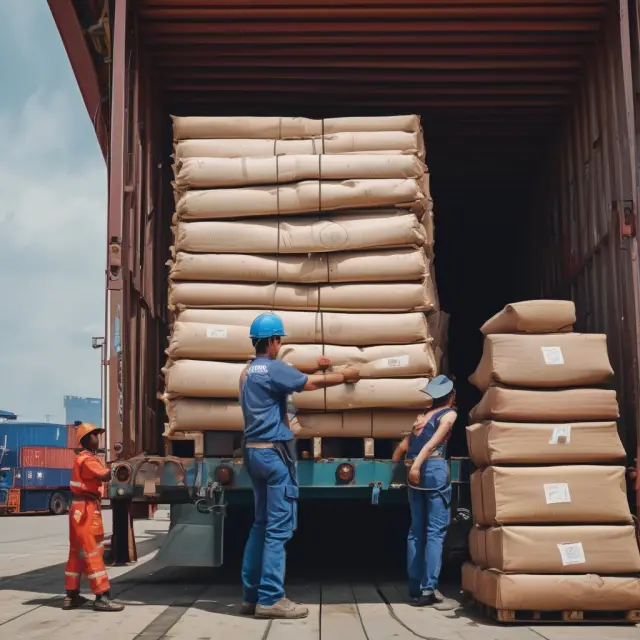
Responsibilities of the Seller under a CFR Contract
Cost and Freight (CFR) is an Incoterm that is widely used in international trade when cargo is transported by sea or inland waterways. In a CFR contract, the seller assumes various obligations in delivering and paying for freight. Understanding these responsibilities can help you navigate complex transactions and manage risk more effectively.
Upon entering into a CFR agreement, the seller takes on several duties:
1. Delivery of Goods: The seller is responsible for delivering the goods to the carrier at the port of shipment. This includes clearing customs procedures, obtaining any necessary export documentation, and paying associated fees. Once the goods are delivered to the carrier, the risk of loss or damage transfers to the buyer.
2. Payment for Freight: The seller bears the costs of sea freight, including all charges for transporting cargo from the port of origin to the destination port. This includes loading and discharging fees, as well as any customs duties, taxes, or other charges that must be paid before the goods can be shipped.
3. Loading: In a CFR contract, the seller is responsible for loading the cargo onto the vessel. The seller ensures that the cargo is properly stowed and secured on the ship to prevent damage during transport. After loading, the seller obtains necessary documentation, such as the bill of lading, which serves as proof of the transaction’s completion.
4. Export Clearance: Prior to loading the goods, the seller must obtain any required export clearances from the relevant authorities. This involves complying with customs regulations and obtaining all necessary permits and certifications. These procedures help ensure that the cargo can legally be transported across international borders.
5. Risk Transfer: While the seller is responsible for these tasks until the goods are loaded onto the vessel, the risk of loss or damage to the cargo shifts to the buyer as soon as it is onboard. This means that the seller’s liability ends when the cargo leaves the port of shipment and is handed over to the carrier.
By understanding their responsibilities under a CFR contract, sellers can effectively manage costs, mitigate risk, and ensure timely delivery of goods to international buyers. It also helps to familiarize yourself with related Incoterms, such as FAS, FOB, and CIF, which are often used interchangeably in the industry but have distinct differences in terms of obligations for both parties.
Responsibilities of the Buyer under a CFR Contract
Under a Cost and Freight (CFR) contract, the buyer assumes several responsibilities that are essential in international trade transactions. These obligations include obtaining marine insurance coverage for their goods, importing the merchandise into their home country, and paying any additional costs incurred during transportation or customs clearance. Let’s delve deeper into each of these responsibilities.
Marine Insurance Coverage
Marine insurance is a crucial aspect of international trade. CFR contracts transfer the risk of loss or damage to the buyer once the goods have been loaded onto the vessel at the port of origin. To protect their investment, buyers are obligated to obtain adequate marine insurance coverage for the merchandise during transportation. The cost of this insurance falls on them. By securing insurance, buyers safeguard themselves against potential losses due to perils encountered during transit, such as piracy, storms, or collisions, ensuring that they are not left with substantial financial liabilities.
Importing the Goods
Once the merchandise reaches the destination port, it is the buyer’s responsibility to import the goods into their home country. They must comply with all applicable regulations and documentation requirements set forth by their customs authority. Failure to meet these conditions could result in delays or penalties. Consequently, buyers should familiarize themselves with local laws, tariffs, taxes, and import restrictions that apply to the merchandise they intend to bring into the country. This proactive approach will expedite the clearing process and minimize potential complications.
Additional Costs
Apart from obtaining marine insurance and importing the goods, buyers are also expected to pay any additional costs incurred during transportation or customs clearance under a CFR contract. These charges may include port fees, taxes, duties, and transportation costs to move the cargo from the port of destination to its final location. Since these fees vary depending on the nature of the merchandise and the destination country, buyers should budget accordingly to ensure a smooth transaction and avoid financial surprises.
In conclusion, a Cost and Freight (CFR) contract requires both the buyer and seller to fulfill specific obligations to ensure a successful international trade transaction. While the seller is responsible for arranging transportation, loading the goods onto the vessel, and delivering them to the port of origin, buyers must secure marine insurance coverage, import their merchandise, and pay any additional costs associated with transportation or customs clearance. Understanding these responsibilities is essential to making informed decisions when negotiating and entering into CFR contracts.

Advantages and Disadvantages of Cost and Freight (CFR)
Cost and freight (CFR) is a popular international commercial term (Incoterm) used in foreign trade contracts for transporting goods by sea or inland waterways. CFR specifies that the seller’s responsibilities extend to delivering the cargo to the port of destination, clearing it for export, loading it onto the carrier, and providing the necessary documents. Once the cargo has been loaded onto the vessel, the risk transfers to the buyer. In this section, we will discuss both the advantages and disadvantages of using a CFR contract for your international trade transactions.
Advantages of Cost and Freight (CFR)
- Clear responsibilities: With a CFR agreement, the seller’s obligations are well-defined, making it easier for both parties to understand their roles and expectations in the transaction. The seller is responsible for delivering the goods to the port of destination, clearing them for export, and loading them onto the carrier. The buyer is responsible for insuring the cargo during transit and importing the goods, along with any additional costs.
- Reduced risk: By transferring the responsibility for insurance and importation to the buyer once the cargo has been loaded on the vessel, the seller reduces their potential financial risks associated with loss or damage during transportation. In addition, the seller is no longer responsible for procuring marine insurance coverage, which can save them both time and money.
- Flexibility: Cost and freight terms offer flexibility to both the buyer and the seller. The buyer can choose their own carrier and insurance provider, ensuring that they have control over these aspects of the transaction. Similarly, the seller has the ability to negotiate the shipping costs with various carriers to find the most competitive pricing for their goods.
Disadvantages of Cost and Freight (CFR)
- Higher buyer risk: The main disadvantage of a CFR agreement is that it shifts significant risk to the buyer. While the seller is responsible for delivering the cargo to the port, the buyer is ultimately liable for any damages or losses incurred during transportation. This can create potential financial risks for the buyer if they do not have proper insurance coverage.
- Increased administrative burden: As the buyer assumes responsibility for importing the goods and obtaining marine insurance, there is an increased administrative burden on their part. The buyer must ensure all necessary documentation is in order, pay customs fees, and manage any issues that may arise during the import process. This can be time-consuming and require a dedicated team or external resources to handle these tasks effectively.
- Limited control over shipping: In a CFR agreement, the seller does not have direct control over the carrier or shipping methods used by the buyer. The buyer has the freedom to choose their preferred shipping provider, which can impact delivery times, reliability, and costs. This may lead to dissatisfaction or complications if the buyer’s choice of carrier fails to meet expectations in terms of quality, safety, or delivery time.
In conclusion, a Cost and Freight (CFR) contract offers advantages such as clear responsibilities, reduced risk for sellers, and flexibility in negotiations. However, it also presents challenges like increased risks and administrative burdens for the buyer, along with limited control over shipping methods. Understanding both sides of this arrangement will help buyers and sellers make informed decisions when negotiating and implementing international trade contracts involving cost and freight terms.
Next, we will discuss the related Incoterms to Cost and Freight (CFR) and their differences.
Related Incoterms to Cost and Freight (CFR)
Cost and freight (CFR) is an international commercial term (Incoterm) that denotes specific conditions for the sale of goods under which the seller delivers cargo to a port or place of destination and pays for carriage by sea. It is also known as “Carriage paid to” and “C&F.” When compared to other related Incoterms such as FAS, FOB, and CIF, understanding CFR’s differences can help businesses make informed decisions in their international trade transactions.
Three primary Incoterms closely related to CFR are Free Alongside Ship (FAS), Free on Board (FOB), and Cost Insurance and Freight (CIF). Each term has distinct implications for the responsibilities of buyers and sellers, as well as their associated costs.
Free Alongside Ship (FAS)
In a FAS contract, the seller’s obligation is to deliver the cargo alongside the vessel at the port of shipment. The buyer bears the risk and cost of loading the goods onto the vessel. This term can be applied for any mode of transport, but it is most common when dealing with sea or inland waterway transportation.
Free on Board (FOB)
Under FOB terms, the seller is responsible for loading the cargo onto the ship at the port of shipment. The buyer takes responsibility for the goods once they have been loaded and passed over to the ship’s custody. With FOB, the risk and cost of marine insurance transfer to the buyer upon loading. Like CFR, FOB can be applied to various transport modes but is frequently used in sea or waterway freight contracts.
Cost Insurance and Freight (CIF)
Cost insurance and freight (CIF) represents another Incoterm that shares similarities with both CFR and FOB. Similar to CFR, the seller arranges for sea transportation and pays for it until the cargo is unloaded at the destination port. However, unlike CFR, the seller also purchases marine insurance on behalf of the buyer.
When deciding between these Incoterms in a sea or waterway transportation context, it’s essential to recognize their implications on risk transfer, insurance coverage, and overall costs for both buyers and sellers. A clear understanding of each term is crucial to mitigate potential misunderstandings that could lead to legal disputes or financial loss.
For instance, CIF might be a preferable choice for buyers seeking greater protection against the risks associated with marine transportation. By requiring the seller to obtain insurance coverage, they can ensure their goods are safeguarded during transit and avoid the additional administrative burden of arranging for insurance themselves.
However, sellers should consider potential added costs associated with CIF transactions because they assume both freight expenses and insurance premiums. In contrast, under FAS or CFR terms, buyers may be responsible for arranging and paying for insurance coverage when shipping goods internationally, allowing the seller to maintain a more straightforward transaction process and potentially lower overall costs.
Ultimately, choosing the most appropriate Incoterm depends on various factors such as the nature of the goods being transported, the parties’ bargaining power, and their risk tolerance levels. By understanding these terms, buyers and sellers can make informed decisions in international trade transactions and protect themselves from potential risks that may arise during sea or waterway transportation.
In summary, cost and freight (CFR) is an Incoterm that denotes specific conditions for international sales where the seller delivers cargo to a port or place of destination and pays for carriage by sea. CFR shares similarities with other related terms, including FAS, FOB, and CIF. Each term has distinct implications for risk transfer, insurance coverage, and overall costs, making it essential for buyers and sellers to understand them to make informed decisions in their international trade transactions.
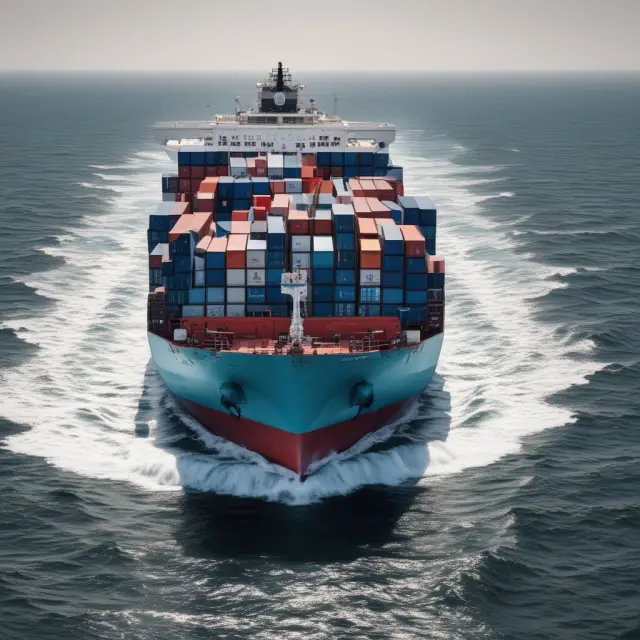
International Trade and Regulations
Cost and Freight (CFR) contracts are an integral part of international trade transactions involving transportation by sea or inland waterways. This section dives deeper into the impact of various regulations on CFR contracts.
Compliance Requirements
Buyers and sellers must adhere to specific regulations when using CFR, such as customs procedures and documentation standards. Customs authorities require proper documentation for importation of goods, including commercial invoices, packing lists, bills of lading, and other relevant documents. Both parties should be familiar with the documentation requirements in the countries involved in the transaction to ensure a smooth transfer of ownership and prevent potential delays or penalties.
Customs Procedures
In international trade transactions, customs procedures vary from country to country. Customs authorities may impose specific requirements for imported goods, such as inspections, taxes, tariffs, duties, and permits. Sellers and buyers should be aware of the potential costs and timelines involved in these procedures and factor them into their planning processes. Failure to comply with customs regulations can lead to significant delays and additional expenses.
Documentation Standards
To facilitate smooth and efficient international trade transactions, it is crucial for both parties to familiarize themselves with the required documentation standards. Proper documentation ensures that all necessary information is included, reducing potential misunderstandings or disputes. A common mistake is not providing accurate and complete documentation, which can lead to lengthy delays or even contract breaches.
Case Study: Maersk Line & CFR Compliance
Maersk Line, one of the largest container shipping companies globally, implemented a comprehensive compliance program to ensure that its customers met all relevant regulations when utilizing their services under a CFR agreement. This proactive approach helped Maersk reduce the number of incidents related to incomplete documentation and ensured a smoother transit for their clients’ goods.
In conclusion, international trade transactions involving cost and freight (CFR) require a solid understanding of various regulations and compliance requirements. Familiarizing yourself with customs procedures, documentation standards, and potential costs will help ensure a successful transaction, reducing the likelihood of misunderstandings or disputes between buyers and sellers.

Case Studies: Best Practices for Implementing Cost and Freight (CFR)
Cost and freight (CFR), an International Commercial Term (Incoterm) used in foreign trade contracts for cargo transported by sea or inland waterways, is a popular choice due to its many benefits. This term allows the seller to handle all the planning and costs associated with exporting goods to the buyer’s specified port while transferring responsibility to the buyer once the cargo is loaded onto the vessel. In this section, we delve into real-life examples of companies that have effectively utilized CFR in their international trade transactions and uncover some best practices for implementing CFR contracts.
ABC Corporation, a multinational manufacturing company headquartered in the United States, employed cost and freight (CFR) terms in several deals with its European buyers. By using this term, ABC Corporation was able to streamline its shipping processes, ensuring that all goods were delivered efficiently to their designated ports while reducing transportation-related costs. The company’s logistics team carefully planned each shipment, including export clearance and insurance coverage, before handing off the cargo to the carriers. Once loaded onto the vessel, the risk of loss or damage transferred to the European buyers, providing peace of mind for ABC Corporation.
Best Practices for Implementing Cost and Freight (CFR) Contracts
- Proper Planning: The seller should carefully plan each shipment by assessing the transportation costs, determining the most efficient shipping routes, and selecting reputable carriers.
- Export Clearance: Ensuring that all necessary export documentation is in order and obtained prior to shipment helps avoid potential delays and added expenses.
- Communication: Open and clear communication with buyers about delivery schedules, transport methods, and insurance coverage is essential for establishing trust and maintaining a strong business relationship.
- Marine Insurance: Although the buyer assumes responsibility for insuring the cargo once it’s loaded onto the vessel, sellers may still choose to obtain marine transit insurance to mitigate their risk.
- Regulatory Compliance: Understanding and adhering to relevant import/export regulations in both the country of origin and the destination country is crucial for a successful CFR transaction.
- Choosing the Right Incoterms: Selecting the appropriate Incoterm based on the nature of the goods, shipping method, and trade agreements can save time, money, and potential disputes between the buyer and seller.
In conclusion, implementing cost and freight (CFR) contracts effectively can lead to significant advantages for both buyers and sellers in international trade transactions. By following best practices such as proper planning, export clearance, communication, marine insurance, regulatory compliance, and selecting the right Incoterms, businesses like ABC Corporation have successfully employed CFR terms, ensuring timely and cost-efficient deliveries while minimizing risk.
Cost and Freight (CFR) and Sustainability
Cost and freight (CFR) is a term in international trade that specifies when the risk and responsibility for freight costs transfer from the seller to the buyer. In this arrangement, sellers are obligated to transport goods by sea to the port of destination and provide the necessary documentation. However, it is important to note that CFR has significant implications on sustainable supply chain management. Institutional investors play a crucial role in promoting green initiatives within global trade transactions.
The seller’s obligations under a CFR contract include arranging for the carriage of goods by sea, delivering them at the port of shipment, and clearing them for export. They are also responsible for loading the cargo onto the vessel but retain no responsibility for marine insurance against loss or damage during transit. This means that when choosing a freight carrier under CFR, sellers have an opportunity to consider eco-friendly shipping companies with lower carbon emissions or alternative energy sources in their operations.
On the other hand, the buyer assumes responsibility for importing the goods and unloading them from the vessel at the port of destination. They must also pay any additional costs that may arise during transportation or customs clearance. By choosing a responsible freight forwarder or carrier, buyers can contribute to the reduction of carbon emissions and support greener logistics solutions.
Institutional investors have begun to focus on green initiatives in their investment strategies, recognizing that sustainable supply chain practices contribute not only to environmental stewardship but also to long-term business success. As such, they can encourage suppliers to adopt eco-friendly practices when executing CFR contracts. For example, they may consider investing in companies with strong sustainability records or using their leverage to influence supplier choices within their investment portfolio.
To facilitate sustainable supply chain management under CFR, it is essential for all parties involved to be aware of the latest international regulations and guidelines. Some countries have implemented policies to promote green shipping through various incentives or penalties, such as carbon taxes, subsidies, or port fees. Being informed about these developments can help businesses stay compliant while also reducing their environmental impact.
In conclusion, cost and freight (CFR) plays a significant role in international trade, and it is essential to consider its implications on sustainable supply chain management. Institutional investors have the power to promote greener practices within their investment portfolios by engaging with suppliers and shipping companies to adopt eco-friendly logistics solutions. As global awareness of sustainability continues to grow, CFR will become an increasingly important consideration for those seeking a more environmentally responsible approach to international trade.
Advantages of Cost and Freight (CFR)
Cost and freight (CFR) offers several advantages for both buyers and sellers in international transactions. For sellers, it allows them to:
- Have greater control over the selection of carriers, including those that prioritize sustainability and eco-friendly practices.
- Reduce their costs by shifting the freight charges to the buyer.
- Remain compliant with customs regulations by ensuring that export documentation is correct and complete before delivering goods to the port of shipment.
- Minimize their liability for damages or losses during transit since risk transfers to the buyer upon loading of the cargo onto the vessel.
For buyers, CFR provides the following advantages:
- Greater control over the choice of carrier and logistics provider, allowing them to consider factors such as sustainability initiatives and shipping costs.
- Transparency in freight charges since they are billed directly by the seller.
- Ability to procure marine insurance if desired.
- Flexibility to select a freight forwarder or carrier for importing goods, including those that prioritize green logistics solutions and reduce carbon emissions.
- Reduced risk of receiving damaged goods since risk transfers to the seller upon loading onto the vessel.
However, it is essential to note that CFR also comes with potential disadvantages, such as increased complexity in contract negotiations and a higher reliance on international shipping regulations and compliance. Buyers must ensure they have a strong understanding of these regulations and any additional costs associated with importing goods under CFR.
Related Incoterms: CIF, FAS, and FOB
While cost and freight (CFR) is commonly used for transporting goods by sea or inland waterways, other related Incoterms include:
- Cost Insurance and Freight (CIF): This term shifts the risk to the buyer when the goods have been loaded onto the vessel. The seller is responsible for arranging and paying for marine insurance coverage up to the port of destination.
- Free Alongside Ship (FAS): Under this term, the seller’s responsibility ends at the quay or alongside the ship. The buyer assumes all risks from that point onwards. This term can be used when shipping goods by any mode of transport (air, sea, or road).
- Free on Board (FOB): Similar to CFR, FOB requires the seller to load the goods onto the vessel but does not include marine insurance coverage for the buyer. However, it is commonly used for overland transportation and in ports that do not allow the loading of cargo directly onto the ship without the use of additional equipment such as cranes.
Understanding these related Incoterms is crucial to ensure clear communication between buyers and sellers in international trade transactions and help avoid potential misunderstandings or disputes.
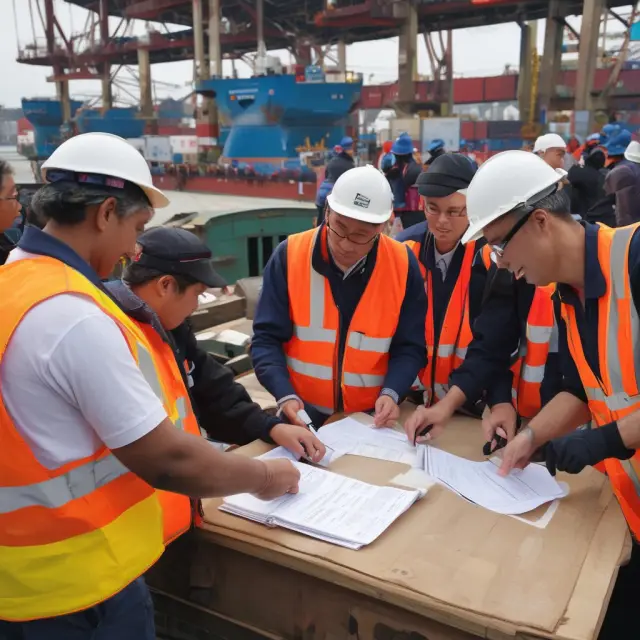
Common Questions about Cost and Freight (CFR)
What does CFR mean in international trade?
Cost and freight (CFR) is an abbreviated term used in international sales contracts that specifies the obligations of buyers and sellers during cargo transportation by sea or inland waterways. It refers to a contract where the seller delivers goods to a port, pays for loading costs, and hands over required documents to facilitate customs clearance. The buyer assumes all risks and expenses from the moment the goods are loaded on board the ship until their arrival at the destination port.
When should CFR be used in international trade?
CFR is an appropriate choice when the buyer wants to take charge of risk and costs after the cargo has been loaded onto a vessel or watercraft. It is also commonly utilized for goods shipped from countries with efficient ports, allowing buyers to save on importation fees by handling the final leg of transportation themselves.
What is included in CFR charges?
CFR charges typically include the following: freight and insurance costs; port handling fees; loading and discharging expenses at both origin and destination ports; custom duty, taxes, and other governmental charges; as well as any inland transportation required to move the cargo from the destination port to its final location.
What is the seller’s responsibility under a CFR contract?
Under a CFR agreement, the seller’s responsibilities include transporting the goods to the loading port, covering all freight charges up until that point, obtaining and handing over necessary documentation, clearing the cargo for export, and loading it onto the vessel. The seller is not obligated to arrange or pay for marine insurance but must provide the buyer with the required documents.
What is the buyer’s responsibility under a CFR contract?
The buyer assumes all risks and costs of the cargo once it has been loaded onto the ship, which includes obtaining marine insurance, import duties, taxes, and any other charges related to bringing the goods from the port of destination to their final location. The buyer also arranges for unloading at the port of destination and must pay for inland transportation to transport the cargo to its intended destination.
What are the advantages of using CFR?
By opting for CFR, buyers can control the cost of importation by managing the final leg of transportation and handling customs clearance themselves. This setup enables them to save on fees that would typically be charged by freight forwarders or third-party logistics providers. Additionally, CFR contracts are suitable for commodities with uniform packaging and minimal handling requirements, making it an efficient choice for large-scale imports.
What are the disadvantages of using CFR?
One major challenge associated with CFR is that the buyer assumes responsibility for insurance during transportation. This can result in higher overall transaction costs if the cargo requires extensive coverage or faces significant risks during transport. Additionally, managing complex logistics and coordinating customs clearance processes at destination ports can be time-consuming and resource-intensive for buyers with limited expertise in this area.
What are some similar Incoterms to CFR?
Four other commonly used Incoterms related to goods transported by sea or waterways include: Free Alongside Ship (FAS), where the seller is responsible for loading cargo at the port of origin; Free on Board (FOB), which requires the seller to load cargo onto the ship and pay freight charges up to that point; Cost, Insurance, and Freight (CIF), where the seller is obligated to arrange marine insurance and pay all freight costs; and Carriage Paid To (CPT), which specifies the seller bears freight costs but the buyer assumes risks.
How does CFR impact sustainable supply chain management?
As institutional investors increasingly focus on integrating environmental, social, and governance (ESG) factors into their investment strategies, sustainable shipping practices are gaining significance in the maritime industry. Cost and Freight (CFR) contracts can influence a company’s decision to adopt greener shipping methods, as buyers may prefer suppliers that utilize cleaner vessels or invest in innovative technologies to minimize carbon emissions and reduce their overall environmental footprint. This creates an incentive for companies to prioritize sustainability initiatives and improve their supply chain resilience while also aligning with the evolving expectations of socially responsible investors.
 Next entry · No. 666Understanding the Role of a Chair in Corporate Governance: Separating Powers and Maintaining Clarity
See also
-
 No. 958
08 Jul 2024
23 min
Understanding Delivered-at-Place (DAP) in International Trade: Obligations for Buyers and Sellers
Business Strategy
No. 958
08 Jul 2024
23 min
Understanding Delivered-at-Place (DAP) in International Trade: Obligations for Buyers and Sellers
Business Strategy -
 No. 129
07 Apr 2024
20 min
Understanding Air Waybill (AWB): A Contract of Carriage and Its Significance in International Trade
Global Finance
No. 129
07 Apr 2024
20 min
Understanding Air Waybill (AWB): A Contract of Carriage and Its Significance in International Trade
Global Finance -
 No. 3,630
14 Apr 2025
20 min
Understanding the Role and Impact of OFAC: Enforcing U.S. Trade and Economic Sanctions
Business Finance
No. 3,630
14 Apr 2025
20 min
Understanding the Role and Impact of OFAC: Enforcing U.S. Trade and Economic Sanctions
Business Finance -
 No. 2,350
30 Dec 2024
19 min
Understanding Incoterms: A Comprehensive Guide for Professional and Institutional Investors
International Trade
No. 2,350
30 Dec 2024
19 min
Understanding Incoterms: A Comprehensive Guide for Professional and Institutional Investors
International Trade -
 No. 1,437
15 Sep 2024
25 min
Exploring Ex Works (EXW): Understanding International Trade’s Most Affordable Incoterms
International Trade
No. 1,437
15 Sep 2024
25 min
Exploring Ex Works (EXW): Understanding International Trade’s Most Affordable Incoterms
International Trade -
 No. 1,426
13 Sep 2024
23 min
The Power and Complexity of Exports: A Comprehensive Guide for Institutional Investors
International Trade
No. 1,426
13 Sep 2024
23 min
The Power and Complexity of Exports: A Comprehensive Guide for Institutional Investors
International Trade