Understanding Delinquent Account Credit Cards: Consequences and Mitigation Strategies

Discover the consequences, impact, mitigation strategies, and prevention tactics for dealing with delinquent account credit cards. Learn from experts.
Introduction to Delinquent Accounts in Credit Cards
A delinquent account credit card refers to an unpaid credit card account whose minimum payment has not been met for at least 30 days beyond the original due date. When a customer fails to meet their monthly obligations, credit card companies typically initiate communication with the borrower to discuss repayment options or set up a payment plan. If negotiations are unsuccessful and the delinquency persists after 60 days, creditors may take further actions such as reporting the account to major credit bureaus and engaging debt collection agencies. Delinquent accounts can significantly impact your creditworthiness and score, potentially making it challenging to secure loans or favorable credit terms in the future.
Understanding the Process of Contacting Account Holders and Reporting Delinquencies
Upon detecting a delinquent account, creditors usually attempt to contact the borrower through letters, emails, phone calls, or text messages. If successful, they may propose repayment plans, negotiation, or other solutions. Should negotiations fail, credit card companies typically report the delinquency to major credit bureaus like Equifax, Experian, and TransUnion. Delinquencies remain on a borrower’s credit report for up to seven years, potentially causing substantial damage to their overall credit score.
The Impact of Delinquent Accounts on Credit Scores
Delinquent accounts result in an immediate decrease of 25-50 points in the borrower’s credit score, depending on the severity and length of the delinquency. Persistent delinquencies can lead to further decreases, making it increasingly difficult for individuals to qualify for loans or other types of credit with favorable terms.
Credit Card Companies’ Approach to Delinquent Accounts
To manage their risk from delinquent accounts, creditors take multiple approaches. Initially, they attempt to contact borrowers and negotiate a resolution, such as payment plans. If negotiations fail, they may resort to using internal or third-party debt collection services to recover the outstanding balance. Legal action may also be pursued if necessary.
Penalties for Delinquent Accounts
Beyond credit score damage, borrowers may face penalties in the form of late fees and interest rate increases on their delinquent accounts. These charges can further strain a borrower’s budget and prolong the recovery process.
The Debt Collection Process and Its Impact on Credit Scores
If negotiations fail or borrowers remain unresponsive, creditors may sell the debt to third-party collection agencies. Collection agencies employ various tactics to recover the outstanding debt, including legal action. The impact of these collections can result in an even greater decrease in a borrower’s credit score.
Preventing Delinquent Accounts: Budgeting and Financial Planning
To prevent delinquencies, effective budgeting and financial planning are crucial. Regularly reviewing account statements, setting realistic spending limits, and creating payment plans can help individuals avoid missed payments and preserve their creditworthiness.
Negotiating with Credit Card Companies
In some cases, borrowers may be able to negotiate with credit card companies to reduce or eliminate debts, often called debt settlements. However, this process can involve complexities that require careful consideration, such as tax implications and potential credit score damage.
Overall Impact on Creditworthiness
Delinquent accounts significantly impact a borrower’s overall creditworthiness and ability to secure loans in the future. It is essential to understand the consequences of missed payments and take proactive steps to address any delinquencies, as well as maintain responsible financial habits moving forward.
Alternatives for Managing Debt
For those struggling with significant debt, alternatives such as debt consolidation or bankruptcy may be considered. These options should be carefully evaluated, taking into account potential risks and long-term implications.
FAQs on Delinquent Account Credit Cards
How long does a delinquency remain on my credit report?
Delinquencies can stay on your credit report for up to seven years.
What is the difference between a charge-off and collection account?
Charge-offs occur when a creditor has written off an uncollectible debt from their books, while collection accounts refer to debts that have been sold to third-party collectors.
Is it possible to remove a delinquent account from my credit report?
Delinquencies cannot be removed before the seven-year reporting period has elapsed unless they were reported in error or resulted from identity theft. However, taking steps to improve your overall creditworthiness can help offset the negative impact of delinquent accounts on future lending decisions.

Impact on Credit Score
Delinquent accounts on credit cards can significantly influence a borrower’s creditworthiness due to their negative impact on their credit score. A delinquent account is defined as one that has not received the minimum payment for 30 days or more from the original due date. Once this threshold is crossed, credit card companies typically initiate contact with the account holder to negotiate and resolve the issue. Should an agreement fail, reporting the delinquency to a credit reporting agency becomes a likely course of action.
Delinquencies can lead to a 25- to 50-point deduction from a borrower’s credit score as soon as they occur, but subsequent decreases may follow if the issue persists. Delinquent accounts stay on a credit report for up to seven years, making it a challenge for those affected to restore their credit standing. The severity of the impact on a credit score depends on factors such as the length and frequency of the delinquency, the amount of debt owed, and other elements influencing the borrower’s overall credit history.
Credit card companies employ internal or third-party debt collection services for managing delinquent accounts that remain unpaid. If a delinquent account goes into default, it may be sold to a collection agency, which can further aggravate the situation and negatively impact the borrower’s credit score.
It is crucial for individuals to understand the potential consequences of delinquent credit card accounts to minimize any negative repercussions on their credit score. Being aware of strategies for preventing delinquencies, such as effective budgeting and financial planning, can help mitigate risks associated with missed payments. Negotiating with credit card companies to reduce debt or eliminate it entirely is another option to avoid future delinquencies while preserving a good credit standing.
In the US alone, consumer credit card debt exceeded $807 billion in 2021, with an average American family carrying around $6,270 of debt. Roughly half (45.4%) of American households carry some credit card debt. By staying informed about their credit card accounts and being proactive in managing payments, individuals can maintain good credit health and secure a stronger financial future.

Credit Card Companies’ Approach to Delinquent Accounts
When a credit card account becomes delinquent, a borrower’s relationship with their credit issuer can change significantly. For a credit card company, delinquency refers to an account that is more than 30 days late on its minimum payment. Once an account reaches this status, the credit card company will begin attempts to contact the borrower and negotiate a resolution.
Communication between the credit card issuer and the customer is crucial at this stage. If the customer responds promptly with a plan to make up for their missed payment, the credit card company may choose not to report the delinquency to a credit bureau. However, if an agreement cannot be reached, the account will eventually be reported as delinquent. The negative impact of a delinquent account on a borrower’s credit score is substantial, with possible decreases of up to 50 points for each delinquency period (30, 60, or 90 days). Moreover, delinquencies can remain on the borrower’s credit report for as long as seven years.
In an attempt to recoup losses from unpaid accounts, credit card companies may employ their internal debt collection services to pursue delinquent accounts. However, if a resolution cannot be reached through these efforts, the account will eventually be sold to a third-party debt collector. The collection agency will then use various means, including legal action, to collect the outstanding balance plus interest from the borrower.
In 2021, approximately $807 billion in credit card debt was owed by over 506 million cards across America. An unintended delinquency can have severe consequences for a borrower’s financial well-being and future ability to secure loans due to the negative impact on their credit score.
Example: Mark, a client of XYZ Financial, has a credit card with them. He frequently uses his credit card for various purchases but often pays only the minimum monthly payment. One month, he forgets to pay his bill and is contacted by XYZ 30 days later. If Mark promptly makes up for the missed payment, the issuer may not report the delinquency to a credit bureau. However, if an agreement cannot be reached, XYZ will report the delinquency, potentially leading to a decrease in Mark’s credit score and damaging his future ability to secure loans.

Penalties for Delinquent Accounts
A delinquent account with a credit card refers to an unpaid balance that exceeds the minimum payment due for 30 days or more. Once a credit card account becomes delinquent, it can lead to several consequences for the borrower. One of the most significant repercussions is damage to their credit score. In this section, we will explore the fines and fees associated with delinquent accounts in detail.
Fines: Credit card companies charge penalties when account holders fail to meet their payment obligations. The consequences can range from late payment fees to higher interest rates or an increase in annual percentage rates (APRs). For example, if a borrower misses a minimum credit card payment, they could face a late fee of $25 or 3% of the outstanding balance, whichever is greater. Some credit cards may even charge both fees.
Higher Interest Rates: Late payments can also result in higher interest rates on future purchases and balance transfers made with the card. Credit card companies often respond to delinquencies by increasing interest rates to protect their financial interests, making it more challenging for borrowers to pay off the debt. This increase in interest rates is typically referred to as a penalty APR.
Effect on Credit Score: A single missed payment can result in a 25- to 100-point decrease in a credit score, depending on the severity and length of the delinquency. Delinquencies that persist beyond 60 days can remain on a borrower’s credit report for up to seven years, significantly impacting their overall creditworthiness.
Collection Costs: If an account remains delinquent and is not paid off within a reasonable timeframe, the credit card company will likely sell the debt to third-party collectors. These collection agencies charge a fee for their services, which may be passed on to the borrower in the form of additional charges or fees.
Legal Action: In some cases, credit card companies may take legal action against borrowers who fail to pay off their debts. This can result in significant additional costs and damages for the borrower, including court fees, attorney’s fees, and potential wage garnishment or seizure of assets.
To avoid these penalties and maintain a good credit score, it is essential to make on-time payments and communicate openly with your credit card company if you are experiencing financial difficulties. In the next section, we will discuss strategies for preventing delinquent accounts through effective budgeting and financial planning.

Debt Collection Process
Once a credit card account falls into delinquency for more than 60 days, credit card companies typically escalate their efforts to collect the outstanding balance owed by reaching out to debt collection agencies or taking legal action. Debt collection firms purchase delinquent accounts from creditors at a discount and attempt to recover the unpaid amount with added interest and fees.
The role of these third-party debt collectors is essential in the credit industry’s risk management as they assume ownership of collecting on outstanding balances. These collection agencies employ various methods, such as phone calls, letters, or emails, to contact borrowers to request payment or arrange a repayment plan. If these attempts fail, legal action may be initiated against the borrower.
Credit card companies initially attempt to collect delinquent accounts internally before resorting to third-party collection agencies. Internal collections efforts include reaching out via phone calls and mail, offering payment plans or settlements, and reporting the account to credit bureaus as a delinquency. However, when internal collections efforts prove fruitless, credit card companies may sell the debt to external collection agencies for a percentage of the total balance owed.
External debt collection agencies use various tactics, such as persistent follow-ups via phone calls or letters, to recover the outstanding amount. In extreme cases, they may engage in legal action against the borrower for unpaid debts. This can include filing a lawsuit and seeking wage garnishment or bank levies if a judgment is obtained.
It’s important to note that every delinquency has consequences on a borrower’s credit score. A single missed payment can result in a 25- to 100-point decrease, depending on the overall credit profile and other factors. Late payments and collections appear on the credit report for seven years from the initial date of delinquency.
In summary, the debt collection process plays a crucial role in mitigating potential losses for credit card companies when borrowers fail to meet their payment obligations. Debt collectors can employ various tactics, such as persistent communication and legal action if necessary, to recover outstanding balances. Borrowers who experience delinquencies should be aware of the potential consequences on their credit score and take proactive measures to prevent further damage by addressing any outstanding debt as soon as possible.
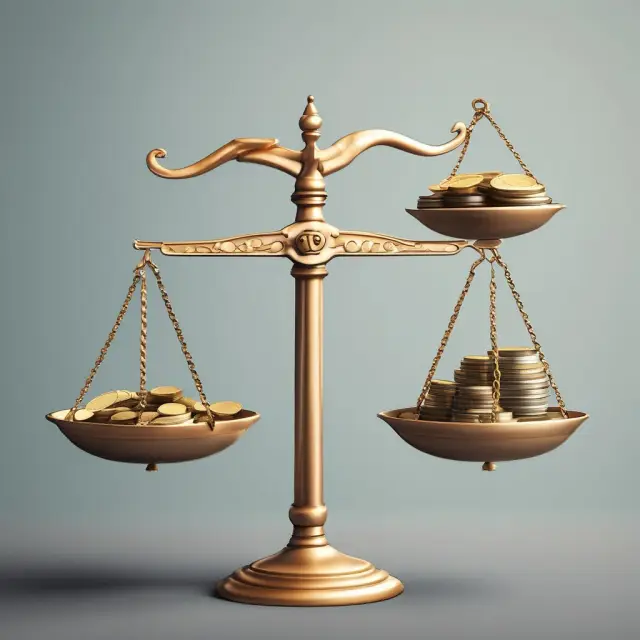
Preventing Delinquent Accounts: Budgeting and Financial Planning
A delinquent account credit card is a term used when the account holder has missed making their minimum payment for 30 days or more. Upon detecting such an account, credit card companies will typically reach out to the borrower in an attempt to make contact and negotiate an arrangement to bring the account current. However, if an agreement cannot be reached, the credit card company may report the delinquency to one or more credit bureaus. This reporting can significantly impact a borrower’s credit score, particularly if the delinquency persists for an extended period. Consequently, it is vital for account holders to employ effective budgeting and financial planning strategies to avoid falling into a delinquent situation in the first place.
Budgeting is a crucial tool for managing finances and ensuring that all bills are paid on time. By creating a detailed spending plan, account holders can identify their income sources, fixed expenses, and discretionary spending. This knowledge empowers them to make informed decisions regarding their spending priorities, enabling them to allocate sufficient funds towards their monthly credit card payments. Furthermore, the use of budgeting apps or tools can help track spending, set reminders for due dates, and provide visual representations of income and expenses, making it simpler to stay on top of account obligations.
Financial planning plays a critical role in managing debt and avoiding delinquent accounts. Strategies such as paying off high-interest debts first, creating an emergency fund, and setting financial goals can all contribute to the successful management of credit card debt. Additionally, understanding credit limits and the importance of keeping balances below that limit helps prevent excessive borrowing and associated interest charges.
The consequences of a delinquent account go beyond just impacting a person’s credit score; they may also face additional penalties in the form of late fees or increased interest rates. In some cases, the debt can be sold to third-party collection agencies, leading to further negative consequences for borrowers.
In summary, by employing effective budgeting and financial planning strategies, account holders can prevent delinquent accounts and maintain a healthy relationship with their credit card issuer, ensuring they avoid the potential negative impact of late or missed payments on their credit score and overall financial wellbeing.

Negotiating with Credit Card Companies
When it comes to dealing with delinquent credit card accounts, borrowers may feel overwhelmed and uncertain about their options for resolving the issue. In some cases, credit card companies may be willing to negotiate terms that can help alleviate financial pressure and prevent further damage to a borrower’s credit score. Understanding the tactics used by credit card companies and how to effectively engage in negotiations can be key to mitigating potential consequences and fostering a better relationship with your creditor.
Contacting Borrowers
Once a credit card account has been delinquent for 30 days or more, credit card companies begin the process of contacting the borrower. These communications typically come in the form of letters and phone calls from debt collectors or internal collections teams. It’s essential to respond promptly if contacted by your creditor, as they may be willing to work with you to create a payment plan that suits your financial situation.
Impact on Credit Score
Delinquent accounts can have a significant negative impact on a borrower’s credit score, particularly if the delinquency persists beyond 60 days. This decrease in creditworthiness can make it more difficult to secure loans or lines of credit in the future. Negotiating with your credit card company and resolving any delinquencies as soon as possible is crucial for maintaining a strong financial position and a good credit rating.
Penalties and Debt Collection
In addition to the damage inflicted on a borrower’s credit score, there may be monetary penalties associated with having a delinquent credit card account. Depending on the terms of your credit agreement, you could face late payment fees or other charges. In some cases, delinquencies can result in debt being sold to third-party collectors who may pursue legal action to recover the outstanding amount owed.
Tactics for Negotiating
When negotiating with credit card companies, it’s important to approach the conversation from a position of financial vulnerability and transparency. Be prepared to discuss your current financial situation, including any extenuating circumstances that have led to delinquency. Offer a realistic payment plan and be willing to make concessions if needed. Most credit card companies are interested in maintaining a long-term relationship with their customers, so they may be more likely to work with you if you demonstrate a commitment to paying off your debt and addressing any underlying financial issues.
Preventing Future Delinquencies
Effective budgeting and financial planning can help prevent future delinquent accounts by ensuring that monthly payments are made on time. Additionally, maintaining open communication with credit card companies when facing financial challenges is crucial for building a strong foundation of trust and avoiding potential negative consequences.
Key Takeaways
– Effectively negotiating with credit card companies can help alleviate financial pressure and prevent damage to your credit score.
– Respond promptly to communications from debt collectors or internal collections teams when dealing with delinquent accounts.
– Acknowledge the importance of maintaining good creditworthiness by addressing any outstanding debts as soon as possible.
– Maintain open communication with credit card companies and work together to create a payment plan that suits your financial situation.
– Effective budgeting and financial planning can help prevent future delinquencies.

Impact on Overall Creditworthiness
Delinquent accounts can significantly impair a borrower’s overall creditworthiness, making it more challenging to secure new loans or lines of credit in the future. According to Experian, late payments account for roughly 35% of all negative items reported on credit reports, and each delinquency can result in a significant decrease in a borrower’s credit score (FICO). Specifically, one delinquent payment, even if it is later rectified, can reduce an individual’s score by 25 to 100 points, depending on the specific circumstances. Delinquencies that remain unresolved for extended periods can have even more severe consequences, potentially lowering a borrower’s creditworthiness by hundreds of points.
Credit card issuers understand this risk and often take aggressive action when faced with delinquent accounts. Once an account is 30 days past due, creditors begin contact attempts to encourage repayment. If these efforts fail, the delinquency may be reported to a credit bureau, causing further damage to the borrower’s score. In some cases, unpaid debts can be sold to third-party collectors who will continue their collection activities and potentially pursue legal action.
The long-term impact of delinquent accounts is not limited to decreased creditworthiness. For example, a borrower with a history of late payments may face higher interest rates on future loans or even be denied credit altogether. In the world of finance, a low credit score can hinder progress in various aspects of life, such as securing employment, renting an apartment, and even obtaining insurance coverage.
However, there are strategies to mitigate the negative effects of delinquent accounts on overall creditworthiness. Effective budgeting, timely payments, and communication with creditors can help prevent delinquencies in the first place. Additionally, borrowers may be able to negotiate reduced settlements or payment plans with their creditors that do not involve lengthy collection processes or negative credit reporting.
As shown in an example provided earlier, Mark, a client of XYZ Financial, was able to prevent damage to his creditworthiness when he addressed his delinquent account promptly upon being contacted by the creditor. By making up for the missed payment, Mark avoided any additional late fees and potential collection activities, maintaining his creditworthiness and ensuring he would continue to have access to future lines of credit if needed.
In conclusion, understanding how delinquent accounts impact overall creditworthiness is crucial in managing personal finances effectively. By staying informed about the potential consequences and available mitigation strategies, consumers can take steps to prevent delinquencies and maintain a healthy financial profile that will open doors to future opportunities.

Alternatives for Managing Debt
When it comes to managing a delinquent account credit card, it’s crucial for borrowers to explore various alternatives that can help mitigate the consequences of missed payments and improve their creditworthiness in the long term. Two common strategies include debt consolidation and bankruptcy.
Debt Consolidation: This approach entails combining multiple debts into a single loan, ideally at a lower interest rate than the original debts. Debt consolidation can reduce monthly payments and provide borrowers with a clearer financial picture. A secured personal loan or home equity loan are popular options for debt consolidation. It’s essential to note that while this strategy may help manage and pay off delinquent credit card accounts, it won’t directly address the underlying reason for falling behind on payments in the first place.
Bankruptcy: Filing for bankruptcy is a more drastic measure that should be considered only when other alternatives have been exhausted. Bankruptcy can provide relief by discharging or eliminating certain debts, allowing borrowers to start fresh financially. However, it has long-lasting consequences and impacts creditworthiness significantly. A Chapter 7 bankruptcy remains on a credit report for ten years, while a Chapter 13 bankruptcy lasts for seven years. Bankruptcy should only be considered when all other options have been explored, such as negotiating with creditors or consolidating debt.
Negotiating With Credit Card Companies: In some cases, borrowers may be able to negotiate directly with their credit card company to reduce the total amount owed on a delinquent account. This strategy, known as settlement, involves reaching an agreement with the creditor to pay off a percentage of the total debt for a lump sum payment. It’s essential to note that settling a debt may result in tax implications and negative credit report consequences.
Budgeting and Financial Planning: Preventing delinquent accounts is always the best course of action, and effective budgeting and financial planning are vital components of maintaining good credit health. By closely tracking expenses, setting realistic goals for savings, and creating a monthly budget, borrowers can avoid falling behind on payments and ultimately improve their overall creditworthiness.
In conclusion, managing delinquent account credit card debt requires careful consideration of various alternatives to mitigate the consequences and protect long-term financial health. Debt consolidation, bankruptcy, negotiating with creditors, and effective budgeting and financial planning are all viable options for borrowers dealing with a delinquent account credit card. By exploring these strategies, individuals can take control of their finances, improve their creditworthiness, and set themselves up for long-term financial success.

FAQs on Delinquent Account Credit Cards
What is considered a delinquent account credit card?
A delinquent account credit card refers to an account where the cardholder fails to make minimum monthly payments for 30 days or more. Once an account becomes delinquent, creditors begin reaching out to the borrower for payment arrangements and may eventually report it to credit bureaus.
Why is a delinquent account detrimental?
Delinquent accounts can lead to penalties such as late fees, increased interest rates, and negative impact on your credit score. Delinquencies stay on your credit report for up to seven years, affecting future loan approvals and terms.
How long does a delinquency remain on my credit report?
A delinquency remains on a credit report for up to seven years from the date it was first reported. However, its impact on your credit score lessens over time as newer, positive information is added to your report.
What happens when an account is 30 days late?
After missing a payment by 30 days, creditors usually reach out to the borrower for payment arrangements and may begin reporting the delinquency to credit bureaus if no agreement can be reached. This could result in negative consequences such as higher interest rates, late fees, or damage to your credit score.
What should I do if my account is delinquent?
If your account becomes delinquent, it’s best to contact your creditor and discuss payment arrangements. Ignoring the problem can lead to increased penalties, negative impacts on your credit score, and potential collection efforts or legal action.
Can a debt collector sue me for a delinquent account?
Yes, if a debt goes into default and remains unpaid, creditors or third-party collectors may choose to pursue legal action to recover the owed amount. However, this is usually considered a last resort and typically involves extensive communication efforts prior to engaging in litigation.
Can I negotiate with my creditor about a delinquent account?
Yes, you can try negotiating with your creditor about payment options or potential settlements for a delinquent account. It’s generally best to do this as early as possible to minimize damage to your credit score and avoid costly collection fees or legal action.
Can I pay off a charged-off debt?
Yes, it is still possible to pay off a charged-off debt, although this may not necessarily restore the original account standing or impact on your credit report. In some cases, paying off a charged-off debt can improve the situation by preventing further collection efforts and reducing any ongoing negative effects on your credit score.
In summary, delinquent account credit cards can have severe consequences such as late fees, increased interest rates, and damage to your credit score. If you find yourself dealing with a delinquent account, it’s essential to reach out to your creditor for payment arrangements and explore available negotiation tactics. Early action can help minimize the impact on your credit standing and prevent further penalties.
 Next entry · No. 956Understanding the Process of Delisting: What Happens When a Company Leaves a Stock Exchange?
See also
-
 No. 5,975
09 Oct 2026
19 min
Balance Transfer vs Personal Loan: Which Clears Card Debt Cheaper
Personal Finance
No. 5,975
09 Oct 2026
19 min
Balance Transfer vs Personal Loan: Which Clears Card Debt Cheaper
Personal Finance -
 No. 5,942
13 Sep 2026
19 min
How Long It Takes to Pay Off a Credit Card at $8,000 and 22.15%
Personal Finance
No. 5,942
13 Sep 2026
19 min
How Long It Takes to Pay Off a Credit Card at $8,000 and 22.15%
Personal Finance -
 No. 815
13 Jun 2024
19 min
Understanding Your Credit Card Balance and its Impact on Your Credit Score
Personal Finance
No. 815
13 Jun 2024
19 min
Understanding Your Credit Card Balance and its Impact on Your Credit Score
Personal Finance -
 No. 4,469
21 Jun 2025
22 min
Revolving Credit: Understanding the Flexible Financial Tool for Institutional and Professional Investors
Business Finance
No. 4,469
21 Jun 2025
22 min
Revolving Credit: Understanding the Flexible Financial Tool for Institutional and Professional Investors
Business Finance -
 No. 5,980
14 Oct 2026
21 min
Pay Off Debt or Invest? Compare Two After-Tax Rates
Personal Finance
No. 5,980
14 Oct 2026
21 min
Pay Off Debt or Invest? Compare Two After-Tax Rates
Personal Finance -
 No. 5,936
08 Sep 2026
14 min
Debt Avalanche vs Snowball: Which Pays Off Faster
Personal Finance
No. 5,936
08 Sep 2026
14 min
Debt Avalanche vs Snowball: Which Pays Off Faster
Personal Finance