Understanding Disconnected Workers: The Hidden Unemployment Population

Understanding the hidden unemployment population - learn about disconnected or discouraged workers, their causes, impacts, and policies aimed to reengage…
What Are Disconnected or Discouraged Workers?
Discouraged workers, often referred to as disconnected workers, represent a segment of the population that is neither employed nor actively seeking employment due to lack of opportunities or pessimism about their chances in the labor market. According to the U.S. Bureau of Labor Statistics (BLS), these individuals are part of the “labor force,” but they do not fall under the category of unemployed workers because they have ceased their job search efforts during the previous month.
The causes behind worker discouragement can be attributed to various factors, such as technological advancements, disability insurance, socio-economic challenges, and other circumstances. Understanding the phenomenon of discouraged workers is essential because their numbers are not reflected in the commonly reported unemployment rate. Instead, they are part of the alternative measures, including U-4, U-5, and U-6, which account for various forms of underutilized labor.
The U-4, U-5, and U-6 measures of unemployment rates are broader than the standard unemployment rate and take into account discouraged workers, along with other individuals who are marginally attached to the labor force or working part time but seeking full-time employment. These alternative measures help policymakers better understand the scope of underemployment and unemployment in an economy.
In this section, we will discuss the concept of discouraged workers, their underlying causes, and the importance of measuring their numbers using alternative unemployment rates.
What constitutes a discouraged worker?
Discouraged workers, as mentioned earlier, are individuals who meet the following criteria: they are able to work but have stopped looking for employment opportunities in the last month due to perceived unavailability or unsuitability of jobs. The BLS explains that discouraged workers “were not currently looking for work specifically because they believed no jobs were available for them or there were none for which they would qualify.”
The discouraged worker population is vital to consider when assessing the labor market’s health, as their numbers are not included in the commonly cited unemployment rate. Instead, these individuals contribute to the U-4, U-5, and U-6 underutilized labor measures.
Causes for Discouragement
Discouraged workers’ reasons for abandoning their job search vary. Some of the most common factors include:
- Technological change: Workers may become displaced as new technologies replace older jobs or require specific skill sets that they do not possess. For example, automation in the manufacturing sector during the Great Recession led to layoffs and a growing pool of discouraged workers.
- Disability insurance: Some individuals on disability insurance may lose motivation to reenter the workforce after a prolonged absence due to perceived health issues or financial security from their benefits.
- Socio-economic factors: Discrimination, lack of access to education and training opportunities, and other socio-economic challenges can discourage workers from seeking employment.
- Pandemic impact: The ongoing COVID-19 pandemic has significantly affected the labor market, causing widespread layoffs, remote work arrangements, and changes in consumer demands. This turmoil can lead individuals to become discouraged about their job prospects.
The Importance of Measuring Disconnected Workers
Measuring underutilized labor is crucial for policymakers, businesses, and economists to understand the full extent of unemployment and underemployment in an economy. The alternative measures, U-4, U-5, and U-6, provide a more comprehensive perspective on labor market conditions by accounting for discouraged workers and other underutilized individuals.
These measures enable policymakers to design programs and initiatives that address the root causes of discouragement and encourage these individuals to rejoin the workforce. In the next sections, we will delve deeper into the reasons behind discouragement, the implications of these trends on labor markets, and potential solutions for policymakers and society as a whole.
Stay tuned for further discussions on causes, policy solutions, and real-life examples of individuals who have managed to overcome discouragement and return to the workforce.

Causes for Disconnection or Discouragement from Work
Discouraged workers represent a significant portion of the hidden unemployment population that is often overlooked when assessing labor market conditions. These individuals are eligible to work but have given up on their job search due to a lack of suitable employment opportunities or repeated rejections. In this section, we’ll explore some common reasons behind worker discouragement and discuss its impact on the economy.
One primary cause for discouraged workers is technological change in the labor market. The increasing demand for technology skills can make it challenging for workers who lack these skills to find employment opportunities that match their abilities or interests. During periods of economic downturns, such as the Great Recession, companies may opt to replace experienced, less-skilled workers with automation and computerization, leaving many skilled but outdated workers feeling hopeless about reentering the workforce (Eberstadt, 2013).
Another factor contributing to discouragement is the reliance on disability insurance. Studies suggest that self-reported pain and disability are more common among discouraged workers (Krueger, 2016). In some cases, individuals may feel that collecting disability benefits is a more viable option than attempting to find work in a challenging job market.
Socio-economic factors can also play a role in worker discouragement. People facing legal or logistical barriers to employment, such as criminal records, lack of access to transportation, or limited educational attainment, may find it difficult to secure a job despite their willingness and ability to work (Freeman & Rodgers, 2016).
The number of discouraged workers can have profound implications for labor markets and policymakers. By not being actively counted in the official unemployment rate, discouraged workers are often overlooked when assessing economic conditions and labor market trends. Alternative measures, such as U-4, U-5, and U-6 unemployment rates, provide a more comprehensive understanding of the labor force and its underutilization.
To mitigate the impact of discouragement on the workforce and individuals, policymakers can implement various strategies and initiatives. These include training programs to help workers acquire necessary skills for in-demand jobs, education subsidies to make higher learning more accessible, and tax incentives for companies that hire long-term unemployed individuals.
In conclusion, understanding discouraged workers is essential for policymakers to create effective strategies aimed at reengaging this hidden segment of the labor market. By considering causes such as technological change, disability insurance, and socio-economic factors, we can work toward creating a more inclusive and equitable employment landscape.

Measuring Underutilized Labor: U-4, U-5, and U-6
Understanding the importance of accurately measuring labor market conditions is essential to policymakers and economists alike. The official unemployment rate, calculated using the U-3 method, does not include individuals who are discouraged or marginally attached from the labor force. These people have stopped searching for employment due to various reasons such as disillusionment with their job prospects, lack of necessary skills, or disability. In response to this limitation, alternative measures like U-4, U-5, and U-6 have been introduced by the Bureau of Labor Statistics (BLS) to capture a more comprehensive view of labor underutilization in the economy.
U-4, U-5, and U-6: The Alternative Measures for Underutilized Labor
The U-4 measure of unemployment rate includes discouraged workers, which is calculated by adding those individuals back into the labor force calculation. U-4 equals the total number of unemployed people, plus discouraged workers. U-5, on the other hand, includes not only discouraged workers but also other marginally attached workers who want and are available for work but have not searched for a job in the previous four weeks. U-6 measures include both U-4 and U-5 along with those employed part-time but actively seeking full-time employment.
The importance of these alternative measures lies in their ability to provide a more comprehensive understanding of labor market conditions, as they capture individuals who are not actively looking for work but still desire employment. Policymakers often use underutilization of labor rates like U-4, U-6, and others to create targeted initiatives aimed at helping discouraged workers rejoin the labor force and encouraging companies to hire them.
For example, in 2013, the American Recovery and Reinvestment Act provided $5 billion in funding for the Workforce Innovation and Opportunity Act (WIOA) program, which provides job training and employment services to dislocated workers, including discouraged workers. Similarly, state-level programs like the Massachusetts Workforce Training Fund Program offer tax incentives and grants to businesses that hire previously unemployed or underemployed individuals.
Impact on Discouraged Workers During COVID-19 Pandemic
The pandemic had a significant impact on labor market conditions, resulting in an increase in discouraged workers due to various factors like job losses, school closures, and health concerns. The number of discouraged workers increased from 285,000 in February 2020 to a peak of 1.9 million in May 2020.
The U-6 unemployment rate peaked at 23.7% in April 2020, while the official unemployment rate was at 14.8%. This significant discrepancy between the two measures emphasizes the importance of considering alternative unemployment measures like U-4 and U-5 to gain a more accurate understanding of labor market conditions.
In summary, discouraged workers, who are no longer looking for employment due to perceived or actual barriers, significantly impact overall labor market statistics. By employing alternative measures like U-4, U-5, and U-6, policymakers can develop targeted strategies aimed at helping discouraged workers rejoin the workforce, which ultimately benefits both individuals and the economy as a whole.

Impact of COVID-19 on Discouraged Workers
The ongoing pandemic has brought about a significant shift in labor market dynamics, leading to numerous challenges and uncertainties for job seekers worldwide. Amid the widespread economic downturn, discouraged workers have been an overlooked yet crucial population to consider when evaluating labor trends and employment prospects. In this section, we will delve into how COVID-19 has affected the number of discouraged workers since 2020 and explore its implications on the broader economic landscape.
Before diving deeper, it’s essential first to understand that discouraged workers are those who have become disconnected from the labor force due to a lack of job opportunities or belief in their employability (BLS). While not counted as unemployed, these individuals can still influence the overall employment rate and represent an untapped pool of potential labor.
In the early stages of the pandemic, widespread shutdowns and business closures led to massive layoffs and furloughs across industries. This upheaval in the labor market caused many workers to lose their jobs, forcing them to reevaluate their employment prospects and consider leaving the labor force altogether. The question then arises: How did this translate into changes for discouraged workers?
According to the U.S. Bureau of Labor Statistics (BLS), the number of discouraged workers in the United States stood at 386,000 during June 2022, a decrease from the previous year’s level of 631,000. This reduction indicates that some discouraged workers have reentered the labor force or successfully found employment despite the challenging economic conditions.
However, it is also important to note that this trend is not consistent across all demographic groups and industries. The pandemic’s impact on discouraged workers can be influenced by various factors such as age, gender, race, education level, geography, and occupation (BLS). For instance, young workers, women, racial minorities, and individuals with lower educational attainment have been disproportionately affected by job losses and remain at higher risk of discouragement.
Moreover, certain industries have been hit harder than others during the pandemic, leading to a greater need for labor market adjustments in these sectors. In the case of discouraged workers, this translates into potential challenges for those in industries like accommodation and food services, arts, entertainment, and recreation, and education (BLS). These industries have seen significant job losses and uncertainty regarding a timely recovery, which may prolong the period of discouragement for some workers.
Policymakers must continue to monitor and address the needs of discouraged workers to ensure a more robust labor market recovery post-pandemic. This can be achieved through targeted policies and programs aimed at addressing skills gaps, offering training opportunities, and facilitating industry transitions. Furthermore, initiatives focused on encouraging employers to hire discouraged workers or extending unemployment benefits could help mitigate the negative consequences of discouragement during economic downturns. By effectively engaging this overlooked population, we can create a more inclusive labor market that better supports workers in navigating the challenges and opportunities presented by today’s rapidly evolving economy.
In conclusion, understanding the impact of COVID-19 on discouraged workers is crucial for assessing the current state and future prospects of the labor market. By shedding light on this often-overlooked population and its unique challenges, we can gain valuable insights into the overall economic landscape and develop more targeted policies to support those who have become disconnected from the workforce.

Policymaking for Disconnected Workers: Strategies and Initiatives
Policymakers have recognized the importance of addressing the issue of discouraged workers to reduce underemployment and promote full employment in the economy. The following are potential strategies and initiatives aimed at encouraging disconnected workers to rejoin the labor force.
1) Education, Training, and Skills Development: Policymakers could focus on providing education, training, and skills development programs for discouraged workers to help them gain the necessary qualifications needed to compete effectively in the labor market. For instance, the Workforce Innovation and Opportunity Act (WIOA) provides grants for workforce training and employment services that can be instrumental in helping disconnected workers acquire new skills and improve their employment prospects.
2) Addressing Technological Change: Technological change has been a significant factor contributing to discouragement among some workers who find themselves unable to adapt to the evolving labor market. Policymakers could focus on implementing programs that help disconnected workers develop the necessary technology skills for the jobs that are in demand. For example, initiatives like the Digital Promise and Code.org offer free, open-source digital resources to help learners gain essential tech skills and improve their prospects of finding suitable employment.
3) Healthcare and Disability Insurance: The lack of access to healthcare services or disability insurance can discourage people from looking for work. Policymakers could consider expanding healthcare coverage through programs like the Affordable Care Act and improving disability insurance policies to ensure that more workers have better access to these essential services, allowing them to focus on finding employment rather than worrying about their health and financial security.
4) Reentry Programs: Ex-offenders face a myriad of challenges when trying to reenter the labor market after being released from prison. Policymakers could invest in reentry programs that provide education, training, housing, and employment services specifically tailored to this population. For example, the Prisoner Reentry Initiative, which is funded by the U.S. Department of Labor, provides grants for employment services for ex-offenders to help them find and maintain employment.
5) Geographic Considerations: The availability of jobs and cost of living can impact the decision of whether or not to search for work. Policymakers could consider investing in economic development projects that bring jobs to areas with high rates of discouragement, such as rural communities or areas hit hard by technological change. Additionally, initiatives like the Work Opportunity Tax Credit can incentivize employers to hire workers from disadvantaged populations, including those who have been discouraged from seeking employment due to geographic factors.
6) Addressing Systemic Barriers: Policymakers could work on addressing systemic barriers that contribute to worker discouragement, such as discrimination based on race, gender, or socio-economic status. For example, the Equal Employment Opportunity Commission enforces federal laws prohibiting employment discrimination, ensuring fair hiring practices and addressing issues of workplace harassment and discrimination.
7) Incentivizing Employers: Policymakers could incentivize employers to hire discouraged workers by offering tax credits or other financial benefits for doing so. For instance, the Wagner-Peyser Act provides funding for employment services and job training to help employers hire eligible workers from specific groups, such as the disabled, veterans, and disconnected youth.
8) Public-Private Partnerships: Collaborations between public and private entities can be an effective way of addressing worker discouragement on a large scale. For example, programs like the U.S. Department of Labor’s YouthBuild initiative partners with local businesses to provide construction and other vocational training, as well as education, to disadvantaged youth aged 16-24. This approach not only benefits the trainees by preparing them for employment but also helps meet the labor demands of local businesses.
9) Public Information Campaigns: Policymakers could engage in public information campaigns that promote the benefits of work and encourage disconnected workers to rejoin the labor force. For example, initiatives like the American Job Center network provide a platform for job seekers to access employment services, training programs, and career resources. These efforts can help raise awareness about the importance of work and the various support systems available to assist disconnected workers in their job search.
In conclusion, addressing worker discouragement is essential to promoting full employment and reducing underemployment in the economy. Policymakers have a range of strategies and initiatives at their disposal to encourage disconnected workers to rejoin the labor force, from education and training programs to incentives for employers and public-private partnerships. By investing in these efforts, policymakers can help improve the prospects for discouraged workers and contribute to overall economic growth and stability.

Case Studies: Success Stories of Formerly Discouraged Workers
The journey back to the workforce after becoming a discouraged worker can be challenging and filled with uncertainty. Yet, there are numerous success stories of individuals who have managed to overcome their despair and reenter the labor market. In this section, we will share inspiring tales of people who went from being disconnected to gainfully employed.
One such individual is Sarah Johnson, a single mother of two, who lost her job due to company downsizing in 2018. Faced with mounting bills and no prospects for employment in her field, Sarah became discouraged and stopped looking for work. She explains, “I felt like I was drowning in debt and despair.”
However, Sarah’s life took a turn when she came across a community resource center that offered free job training programs. With the help of their career counselors, she gained new skills in data entry and customer service. Sarah recounts, “The staff at the center were so supportive and gave me the confidence I needed to apply for jobs.”
Within three months of completing her training, Sarah landed a part-time job as an administrative assistant. Though it was not her dream role, she was grateful for the opportunity to earn a steady income and gain some much-needed work experience. Determined to advance in her career, Sarah continued applying to various positions while maintaining her part-time employment. Eventually, she secured a full-time position as a marketing coordinator with a local firm.
Another success story is that of Michael Lee, a former construction worker who was injured on the job and relied on disability insurance for income. With a sense of hopelessness and feeling disconnected from society, he stopped looking for work. However, after attending a workshop held by a non-profit organization for disabled workers, Michael discovered the potential in his skills and was motivated to rejoin the labor force.
The organization provided him with tailored career counseling and connected him with companies that were open to hiring individuals with disabilities. Michael’s newfound confidence led him to apply for a position as an accounting assistant at a local firm. Although it took time, he eventually secured the job, which has allowed him to lead a more independent life.
These inspiring stories demonstrate that even in the face of significant challenges, individuals can and do regain their connection to the workforce. By identifying their unique skills, seeking assistance from community resources, and staying determined, discouraged workers can turn their lives around and reclaim their place in society as productive members.

Discouraged Workers vs. Long-term Unemployment
Understanding the Differences and Implications
While both discouraged workers and long-term unemployed individuals represent segments of the labor force experiencing prolonged unemployment, there are essential differences between these two categories. This section aims to elucidate the nuances between discouraged workers and their long-term unemployed counterparts by discussing their reasons for unemployment and the policy implications of their distinct situations.
Discouraged Workers: The Invisible Unemployed
As previously mentioned, discouraged workers are those who have given up on searching for a job due to perceived lack of suitable opportunities or repeated unsuccessful attempts at securing employment. These individuals may also feel demotivated by the obstacles they encounter in their job search, which ultimately leads them to withdraw from the labor market entirely.
The unique characteristic that sets discouraged workers apart from other unemployed individuals lies in their decision not to actively engage in the job-finding process anymore. As they are no longer considered part of the active labor force, discouraged workers’ unemployment status is often overlooked when calculating employment rates, as their numbers are not reflected in commonly cited statistics like the official unemployment rate. Instead, measures such as U-4, U-5, and U-6 (discussed earlier) capture the true extent of underutilized labor by incorporating discouraged workers into the calculations.
Long-term Unemployment: A Persistent Challenge
In contrast to discouraged workers, long-term unemployed individuals are those who have been out of work for an extended period, often defined as 27 weeks or more. These job seekers may face various challenges in their search for employment, such as skills mismatch, age discrimination, and negative perceptions from employers due to prolonged unemployment spells.
Research indicates that the longer individuals remain unemployed, the less attractive they become to potential employers, making it increasingly difficult for them to find work (see, e.g., European Commission, 2019). This vicious cycle can lead to a widening skills gap and further discouragement among the long-term unemployed, as they struggle to regain their footing in the labor market.
Comparing and Contrasting the Experiences of Discouraged Workers and Long-term Unemployment: Commonalities and Differences
While both discouraged workers and the long-term unemployed represent individuals who experience prolonged periods outside of the labor force, there are significant differences between these groups in terms of reasons for unemployment, the implications for their well-being, and the policy responses required to address their unique challenges.
Reasons for Unemployment
Discouraged workers withdraw from the labor market due to a lack of suitable job opportunities or repeated failures to secure employment, while long-term unemployed individuals may face persistent barriers like skills mismatch or negative perceptions from employers (European Commission, 2019; OECD, 2018). The reasons for unemployment among discouraged workers often stem from structural factors such as technological change and changing labor market conditions, while long-term unemployed individuals’ experiences can be influenced by personal circumstances like poor health or education.
Implications for Well-being
Both discouraged workers and the long-term unemployed face numerous challenges in their daily lives that extend beyond employment. These include reduced economic opportunities, increased financial instability, and negative impacts on mental and physical health (European Commission, 2019; OECD, 2018). The experience of prolonged unemployment can lead to feelings of frustration, hopelessness, and anxiety, making it essential for policymakers to address these issues in a comprehensive manner.
Policy Responses
Policymaking efforts targeting discouraged workers and long-term unemployed individuals should focus on addressing the root causes of their unemployment, providing training and education opportunities, and fostering a supportive environment that encourages their reintegration into the labor market (European Commission, 2019). Specific policies may include skill development programs, job search assistance services, and social safety nets to help individuals overcome the various barriers they face in securing employment.
In conclusion, understanding the unique challenges faced by discouraged workers and long-term unemployed individuals is crucial for policymakers as they work to address the complex issues surrounding unemployment and labor market underutilization. By recognizing the differences between these two categories, we can tailor policy responses more effectively to meet the specific needs of each group, ultimately leading to a more inclusive and resilient labor market.
References:
– European Commission (2019). Long-term Unemployment: Trends and Policy Responses. Luxembourg City: Publications Office of the European Union.
– OECD (2018). Employment Outlook. Paris: Organisation for Economic Cooperation and Development.
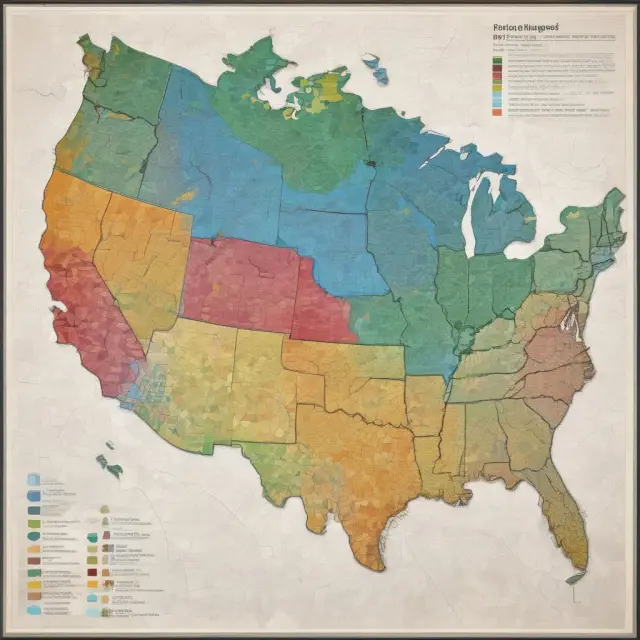
Geographic and Demographic Analysis of Discouraged Workers
Understanding the geographical and demographic factors influencing discouragement is essential for policymakers to design effective strategies and initiatives aimed at reengaging discouraged workers in the labor market. The impact of these factors on worker discouragement varies from one region to another and across different demographic groups. Let’s discuss some crucial geographic and demographic elements that contribute to discouragement and explore their significance.
Geographical Factors:
Regional Economies
The economic conditions of specific regions can significantly influence worker discouragement rates. For instance, during the 2007-2009 recession, some areas faced more significant job losses than others due to the nature of their industries. These regions with high unemployment rates and fewer available jobs contributed to a higher number of discouraged workers (Eberstadt, 2014). Moreover, as the labor market begins to recover in some regions but not others, discouragement could persist for those unable to find employment opportunities nearby.
Urban vs Rural Areas
The unemployment gap between urban and rural areas can also contribute to discouragement. According to the BLS (2015), urban areas have lower rates of discouraged workers than rural areas. In 2013, the rate of discouraged workers in urban areas was 1.2%, while it reached 2.4% for rural areas. This disparity can be attributed to a larger pool of employment opportunities in urban areas, making job search efforts more fruitful compared to rural regions with fewer employment prospects.
Transportation:
Access to reliable transportation plays a significant role in the geographical aspects of worker discouragement. Inadequate transportation options may limit an individual’s ability to commute to potential workplaces, thus hindering their chances of finding suitable employment (Farrell & Greene, 2014). This situation is more prevalent in rural areas where public transit systems are less developed compared to urban regions.
Demographic Factors:
Age:
The age factor influences discouragement as older workers face specific challenges when searching for employment. Older workers are often perceived by employers as less adaptable to technology and new work practices (Bartel, 2017). However, research suggests that this perception may not be entirely accurate, with older workers demonstrating strong adaptability in the tech industry and other sectors (Autor et al., 2015). Despite this, ageism and discrimination against older workers may contribute to their discouragement.
Gender:
The gender factor can also influence worker discouragement rates. According to a study by the National Women’s Law Center (2016), women are more likely than men to be discouraged from seeking work due to caregiving responsibilities, lack of affordable childcare, and discrimination. In 2013, the rate of discouraged workers was 2.2% for women compared to 1.9% for men (BLS, 2015).
Disability:
Individuals with disabilities face unique challenges in the labor market. According to a report by the National Organization on Disability (2016), only 34.7% of adults with disabilities participated in the labor force in 2015, compared to 72.9% for those without disabilities. Limited access to accommodations and stigmatization may contribute to worker discouragement among individuals with disabilities.
Race/Ethnicity:
The racial and ethnic makeup of the labor force can also influence discouragement rates. In the U.S., Black, Asian, and Hispanic or Latino workers have historically faced higher levels of unemployment and longer job search durations than White, Non-Hispanic workers (BLS, 2015). For example, in 2013, the rate of discouraged workers for Blacks was 3.4%, compared to 1.9% for Whites. Socioeconomic factors and discrimination contribute to this disparity.
In conclusion, geographic and demographic factors play essential roles in shaping worker discouragement rates. By understanding these factors, policymakers can tailor their strategies and initiatives to better address the needs of discouraged workers and help reengage them in the labor market.

International Perspectives on Disconnected Workers
The phenomenon of worker discouragement is not unique to the U.S. Worker discouragement is a global issue that affects various countries and economies differently. In this section, we will delve into international perspectives on disconnected workers and how policymakers and societies handle this underutilized labor pool.
In many European countries like Germany, Denmark, and the Netherlands, active labor market policies are implemented to prevent worker discouragement. These policies include training programs, education subsidies, and tax incentives for companies that hire long-term unemployed individuals or those who have been away from the workforce for an extended period.
For instance, Germany’s dual education system has been successful in reducing youth unemployment and reengaging discouraged workers by offering apprenticeship programs and vocational training opportunities. This model allows students to gain practical experience while studying and helps them develop essential skills for the labor market.
Another country where addressing disconnected workers is a priority is Japan. The Japanese government has launched several initiatives, including the “Work Style Reform” and “Abenomics,” which aim to address long working hours, promote part-time work, and improve gender equality in employment. These policies are designed to create more job opportunities for discouraged workers and those who have dropped out of the labor force due to socio-economic factors.
Moreover, some developing countries like India and Brazil face challenges related to geographic and demographic factors when it comes to worker discouragement. For instance, India’s rural population comprises a large portion of its labor force, with limited access to education, employment opportunities, and infrastructure. Similarly, Brazil’s northeastern region has higher rates of poverty and inequality, leading to increased worker discouragement in the area.
Policymakers in these countries have implemented initiatives such as skill training programs, microfinance schemes, and public works projects to help reengage disconnected workers and provide them with the resources they need to join the labor force.
Comparing and contrasting international experiences highlights the importance of addressing worker discouragement at both local and global levels. By studying how different countries tackle this issue, we can gain insights into best practices, challenges, and potential solutions for reducing worker discouragement worldwide.

FAQs: Common Questions About Discouraged Workers
Discouraged workers, a term coined by the U.S. Department of Labor’s Bureau of Labor Statistics (BLS), refers to individuals who are no longer actively searching for employment due to a belief that there are no suitable jobs available or that they would not qualify for them. This section aims to answer some common inquiries regarding discouraged workers, their causes, and the implications for policymakers.
Question: What is the definition of a discouraged worker?
Answer: A discouraged worker, as defined by the BLS, is someone who is eligible for employment and can work but has not looked for a job in the last month because they believe no jobs are available or they do not qualify for them.
Question: How does the unemployment rate account for discouraged workers?
Answer: The standard unemployment rate, or U-3, only includes individuals who are actively searching for employment. Discouraged workers are counted in alternative underutilization measures like U-4, U-5, and U-6, which factor in those who have given up on their job search due to discouragement.
Question: What causes worker discouragement?
Answer: Reasons for worker discouragement can be diverse, ranging from technological changes at workplaces and disability insurance reliance to restrictions on employment opportunities for formerly incarcerated individuals and accessibility concerns in certain industries or genders.
Question: How many discouraged workers are there in the U.S.?
Answer: According to the BLS, 386,000 Americans fell into the discouraged worker category as of June 2022. This represents a decrease from the previous year, with 631,000 discouraged workers recorded in June 2021.
Question: Why is it important for policymakers to understand discouraged workers?
Answer: Understanding discouraged workers and their reasons for exiting the labor force is vital for creating effective policies aimed at re-engaging them. By using measures like U-4, U-5, and U-6, policymakers can better gauge the extent of underemployment and unemployment in their jurisdictions and allocate resources to initiatives that encourage job search efforts and incentivize hiring among employers.
In conclusion, understanding discouraged workers is essential for comprehensive employment analysis, as they represent a significant segment of the labor force that falls outside the standard unemployment rate calculation. By addressing the underlying causes of worker discouragement and implementing targeted policies, policymakers can help to reconnect these individuals with the workforce, creating more robust labor markets and stronger economies.
 Next entry · No. 1,052Discrete Distributions: Understanding Binomial, Bernoulli, Multinomial, Poisson, and Monte Carlo Simulations
See also
-
 No. 3,358
21 Mar 2025
18 min
Understanding Natural Unemployment: Definition, Causes, Effects and the Significance for Investors
Economics
No. 3,358
21 Mar 2025
18 min
Understanding Natural Unemployment: Definition, Causes, Effects and the Significance for Investors
Economics -
 No. 946
06 Jul 2024
20 min
Understanding Deficit Spending Units: An Economic Perspective on Excessive Debt
Economics
No. 946
06 Jul 2024
20 min
Understanding Deficit Spending Units: An Economic Perspective on Excessive Debt
Economics -
 No. 862
21 Jun 2024
23 min
Understanding Cyclical Unemployment: Causes, Effects, and Examples
Economics
No. 862
21 Jun 2024
23 min
Understanding Cyclical Unemployment: Causes, Effects, and Examples
Economics -
 No. 191
07 Apr 2024
19 min
Understanding Applied Economics: Applying Economic Insights to Real-World Decisions
Economics
No. 191
07 Apr 2024
19 min
Understanding Applied Economics: Applying Economic Insights to Real-World Decisions
Economics -
 No. 2,745
31 Jan 2025
21 min
Understanding the Complexities of the Labor Market: Supply, Demand, and Beyond
Business Strategy
No. 2,745
31 Jan 2025
21 min
Understanding the Complexities of the Labor Market: Supply, Demand, and Beyond
Business Strategy -
 No. 1,681
21 Oct 2024
17 min
The Free Rider Problem: Understanding the Inefficient Distribution of Shared Resources in Finance and Investment
Business Finance
No. 1,681
21 Oct 2024
17 min
The Free Rider Problem: Understanding the Inefficient Distribution of Shared Resources in Finance and Investment
Business Finance